The Quarter That Outlived the Quake
130 min · 3.4 km · moderate
Lisbon is a city rebuilt by reason after catastrophe. On the first of November, seventeen fifty-five, an earthquake, a fire, and a tsunami on the Tejo erased most of the low town in a single morning, and the way Lisbon answered that loss is the through-line that connects its neighborhoods. Three districts give three different answers to how a city survives and reinvents itself: the medieval Alfama, which stood on bedrock and could not be redrawn; the Baixa, which reason rebuilt from rubble into a rational grid; and Belem on the riverbank, the older threshold from which a small kingdom once reached the far side of the world. Walk all three and you are reading one argument in three registers, laid out across the Lisbon walking tours that trace each in turn.
The hill that held: Alfama on bedrock
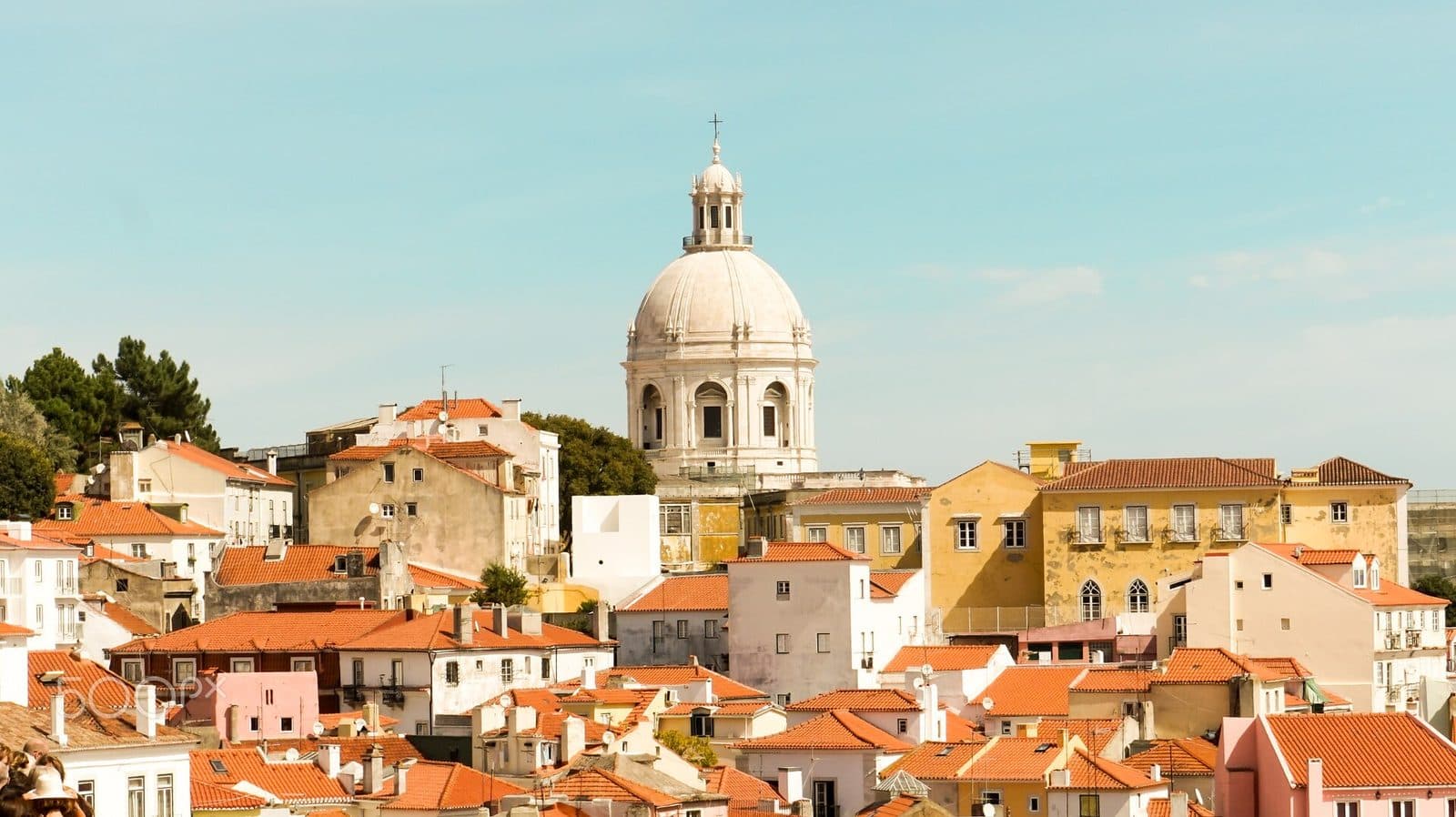
Start with the quarter that outlived the quake. Alfama, the dense Arab-era maze on the slope below the castle, largely survived the disaster of seventeen fifty-five because it sits on solid rock rather than soft riverbank. The Alfama tour climbs through the one district the modern city could not rationalize away.
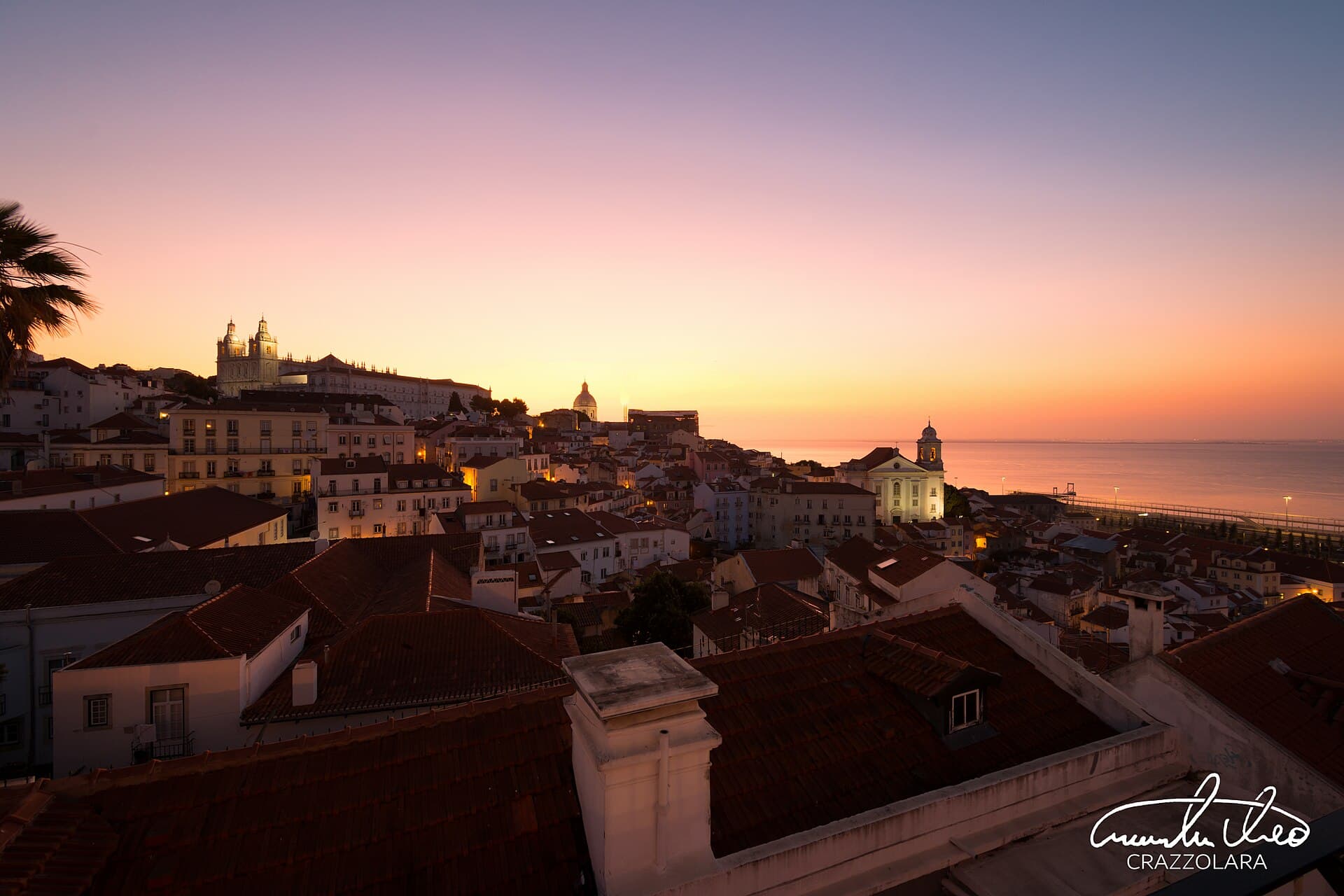
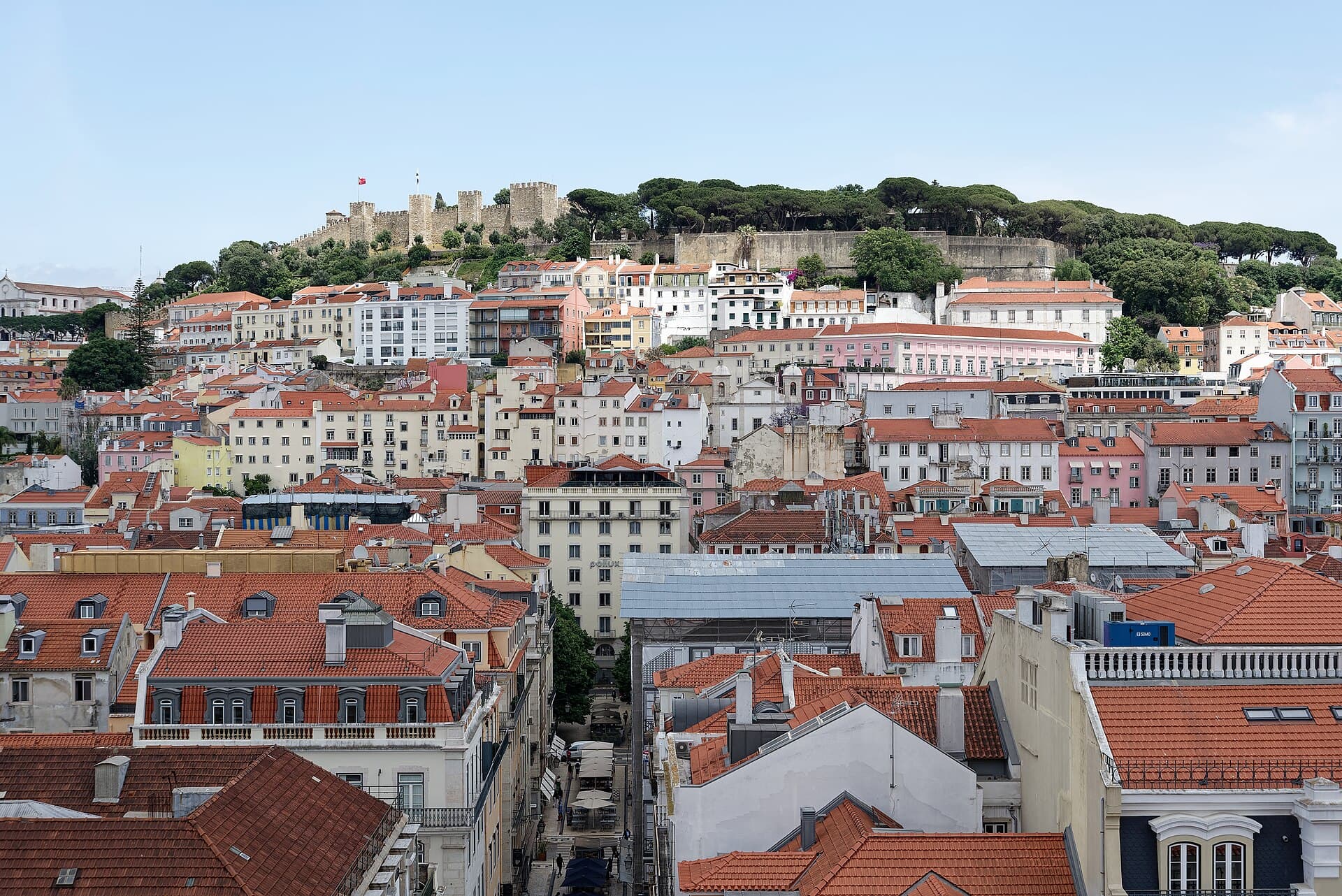
The layers here run deep. The Se de Lisboa, the cathedral, was begun about eleven forty-seven, the year King Afonso Henriques took the city from Moorish rule, and it was raised on the site of Lisbon's main mosque. Its heavy towers and crenellations read more like a keep than a church, because it was built to look like what it partly was, a stronghold of a new order. Above it, the Largo das Portas do Sol is a memorial to something you cannot see: a vanished gate of the Islamic city's defensive ring, the Cerca Moura, which dated roughly from the eighth to the twelfth century. The terrace juts boldly over the rooftops precisely because it stands on the buried line of that old wall. At the crown of the hill sits the Castelo de Sao Jorge, a summit fortified in turn by peoples that include Romans, Visigoths, and Moors, and given the name of Saint George only when King Joao the First dedicated it in the late fourteenth century, a choice tied to his marriage to the English princess Philippa of Lancaster.
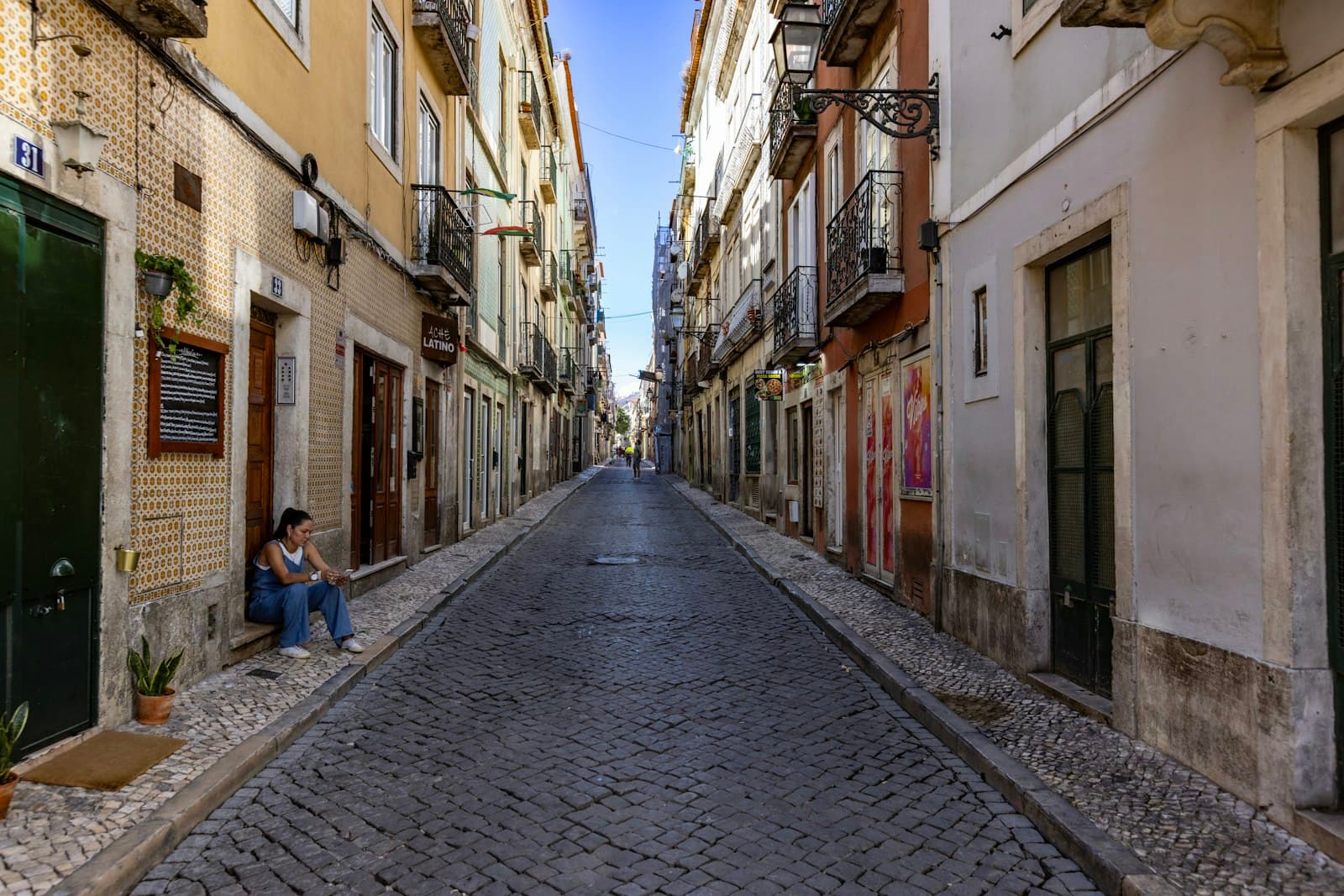
Notice that the streets below refuse to run straight. That tangle is the inheritance of the Arab-era town, a maze the Enlightenment city rebuilt below on the flats but could never impose order on up here on the rock. Alfama did more than endure. It generated Fado, Lisbon's melancholic urban song, born in the bohemian streets of the nineteenth century and inscribed on the UNESCO list of Intangible Cultural Heritage of Humanity on the twenty-seventh of November, twenty eleven. This is survival as continuity: a neighborhood that outlasted the catastrophe by never being flat enough to erase.
The city reason rebuilt: the Pombaline machine
Hear a stop from this walk
Castelo de Sao Jorge: The Hill Everyone Fortified
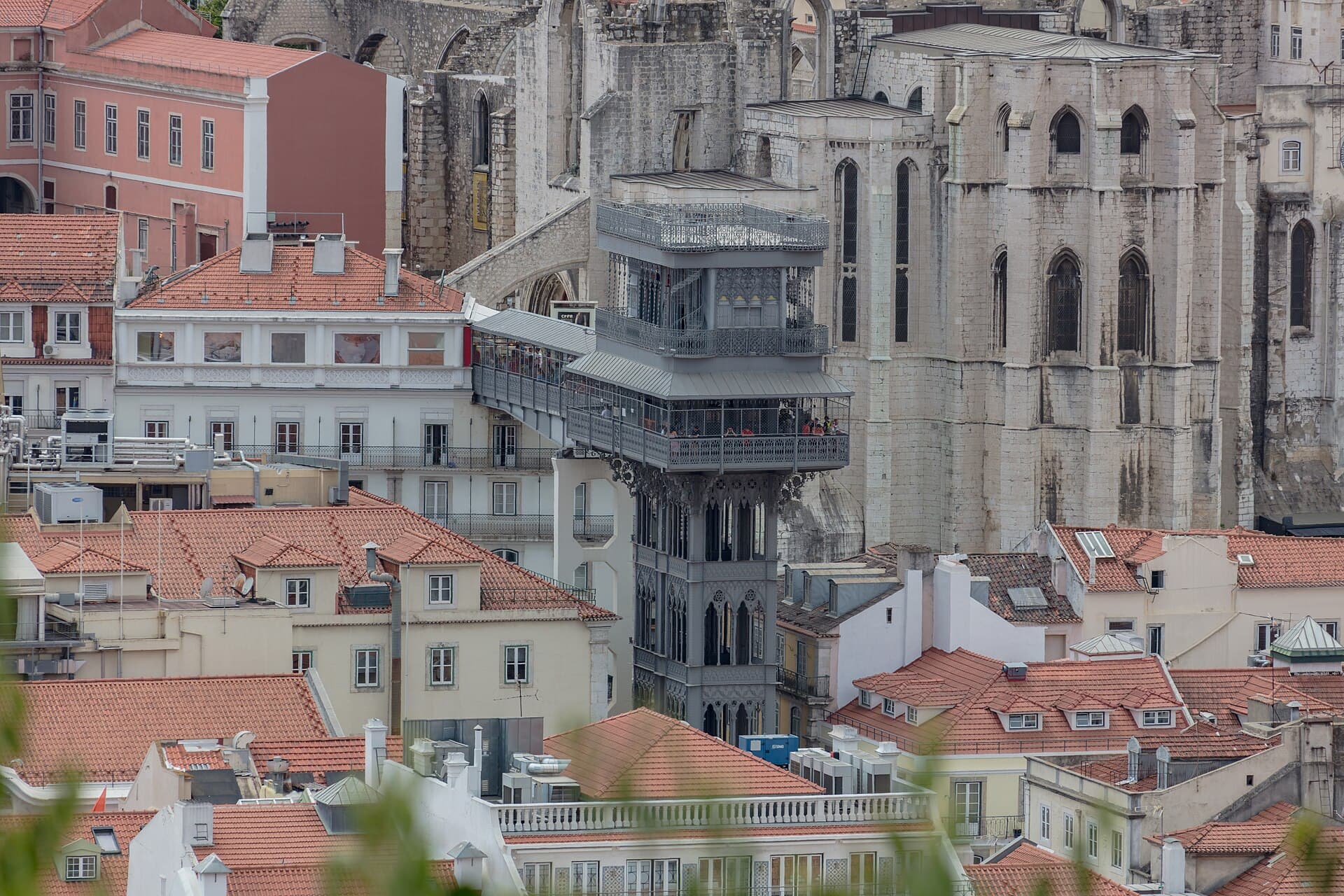
Down on the reclaimed floodplain, Lisbon gave a second answer. Rather than patch the medieval city back together, King Jose the First's chief minister, the man we call the Marques de Pombal, rebuilt the ruined downtown as a single rational instrument. The Baixa and Chiado tour reads the streets themselves as an argument: order engineered out of rubble.
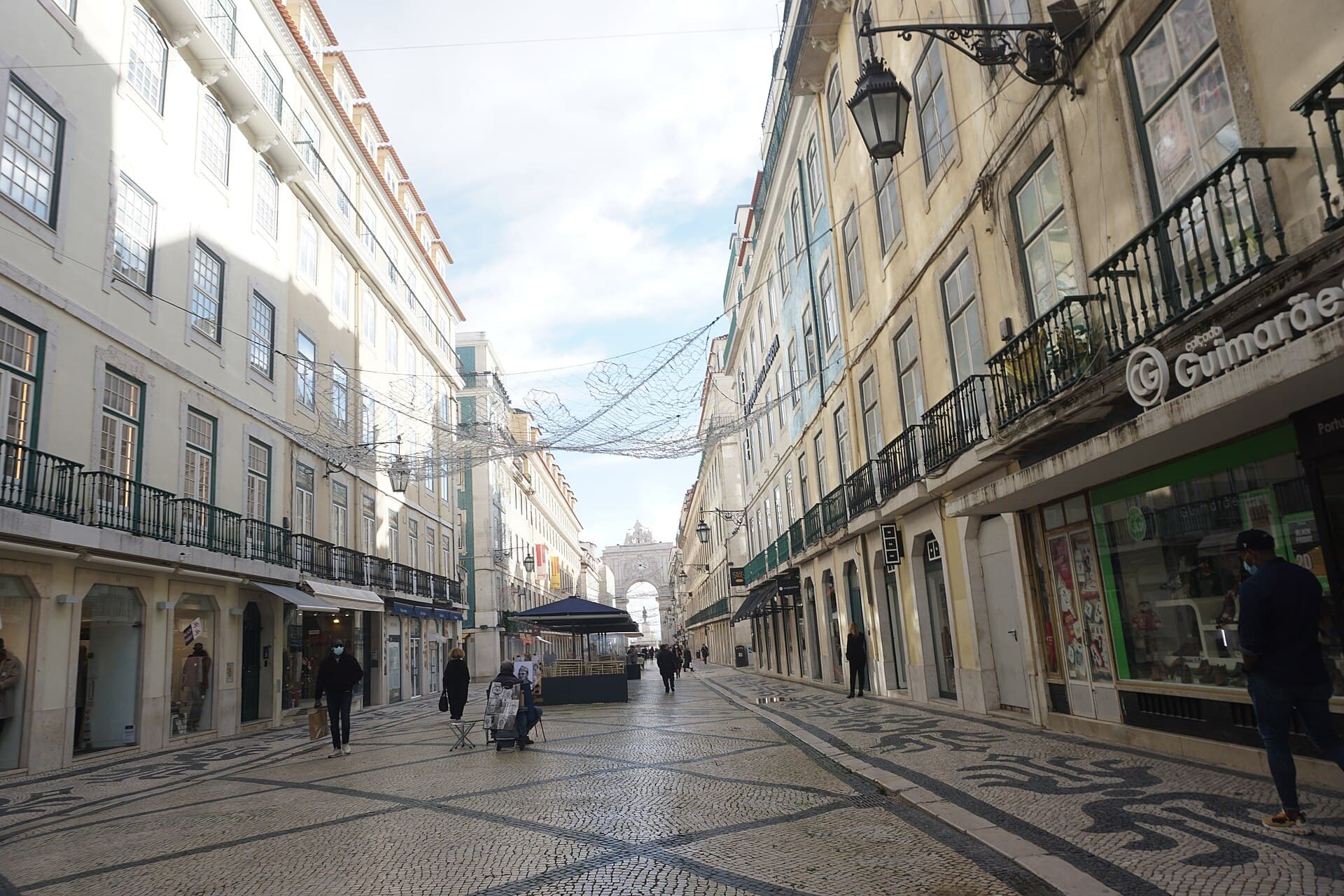
The Baixa is a rigid grid, laid out by military planners with streets and pavements standardized at about forty feet wide, roughly twelve metres, running from the river square to Rossio inland. The facades are calm and repetitive on purpose. And inside the walls sits the gaiola pombalina, literally the cage, a three-dimensional timber truss braced with Saint Andrew's crosses so that a building flexes and absorbs the shock instead of shattering. The design philosophy is blunt: the building should shake but not fall. Scholars describe this as among the genesis of seismic engineering in Europe, and much of it was prefabricated, with components manufactured outside the city and assembled on site, an eighteenth-century kit of parts. The ceremonial front of all this is the Praca do Comercio, built where the royal Ribeira Palace once stood and then renamed the Square of Commerce, its message plain: the future of Lisbon would be trade, not the closed world of the court. At its center the bronze King Jose the First rides a horse trampling serpents, order crushing chaos, the whole thesis of the district carved into metal.
The grid does not pretend the wound never happened. Climb to the Convento do Carmo and the roofless Gothic nave has been preserved rather than restored, its bare arches reaching into nothing, the most legible trace of the earthquake still standing in Lisbon. The grid down the hill says we can engineer past catastrophe. The open sky up here says remember what was lost. Chiado closes the loop: after a major fire on the twenty-fifth of August, nineteen eighty-eight, the district was rebuilt by the architect Alvaro Siza Vieira, who reinterpreted the Pombaline style rather than copying it. Building, ruin, rebuilding, the same pattern two centuries later.
The threshold of the ocean: Belem before the fall
Belem holds the oldest answer of the three, from the moment before the catastrophe, when reinvention meant reaching outward across water rather than rebuilding inward from ash. The Belem tour walks the riverbank from which Portuguese ships opened a sea route to India, and reads the stone a small kingdom raised to remember doing so.
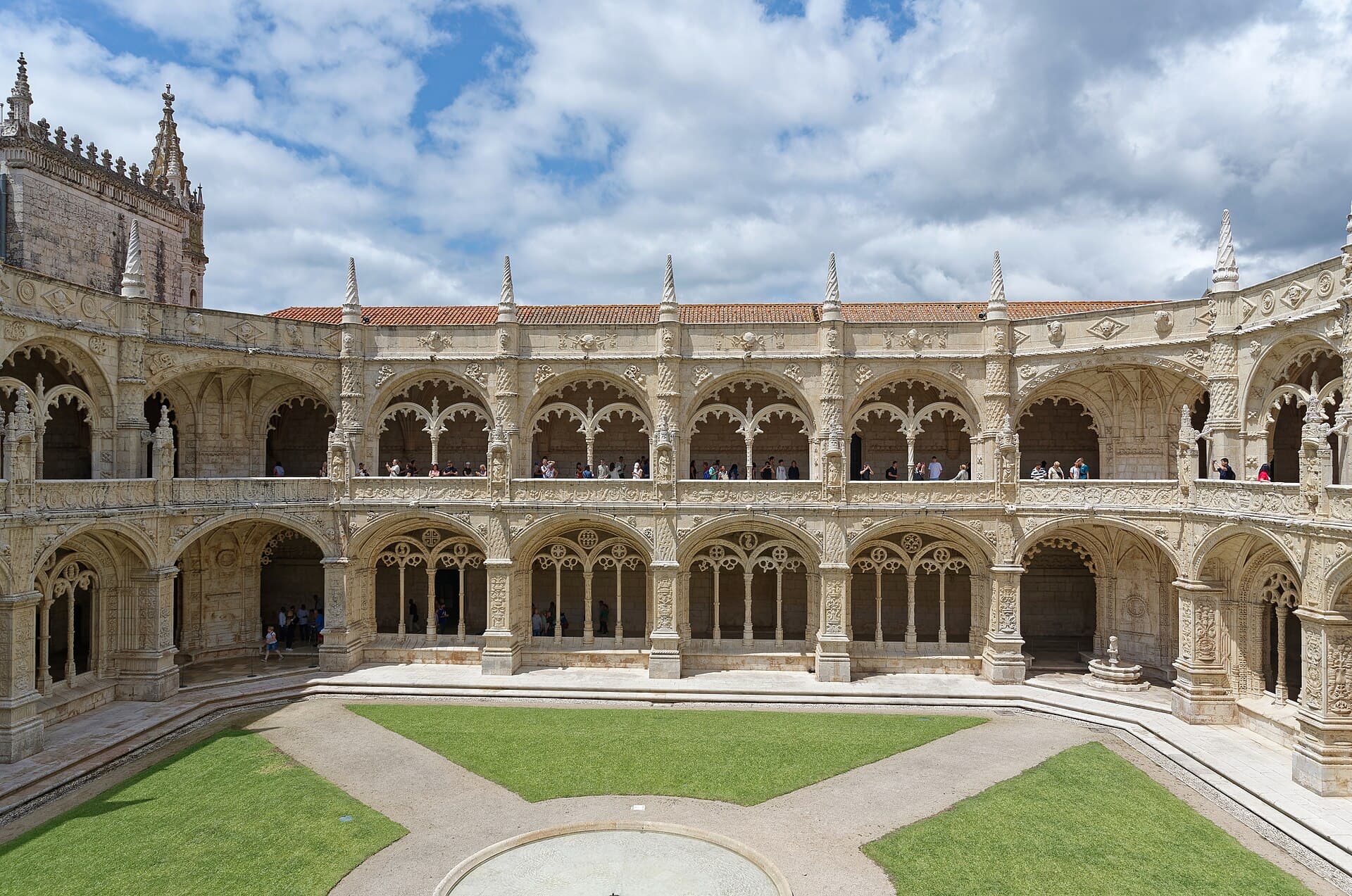
The Mosteiro dos Jeronimos, inaugurated under King Manuel the First in fourteen ninety-five with construction beginning in fifteen oh-one, is the sea route turned into stone. It was funded not from a general treasury but from the Vintena da Pimenta, a tax of roughly five percent on commerce from Africa and the Orient, meaning the pepper and spices paid for the ornament directly. Its facade carves rope as though it were soft, the maritime language of a kingdom that had just learned it could reach the whole world by water. The tour is careful about which stories are documented and which a nation told itself later. The tomb inscribed for the poet Luis de Camoes probably does not hold his remains: his original grave was destroyed after the seventeen fifty-five earthquake, and the bones gathered in eighteen eighty were identified as only probably his. The grand Praca do Imperio out front was laid out only in nineteen forty, for a state exhibition staged by the Estado Novo dictatorship. And the Padrao dos Descobrimentos, shaped like a caravel's prow, looks five centuries old but was built between nineteen fifty-eight and nineteen sixty.
The walk ends at the Torre de Belem, built around fifteen fourteen to fifteen nineteen under Manuel the First, the last stone a departing sailor saw and the first he saw coming home. It carries a carved rhinoceros head considered the first sculpture of such an animal in Western European art, likely modeled on a real rhinoceros Manuel sent to Pope Leo the Tenth in fifteen fifteen. In nineteen eighty-three the tower and the monastery were together inscribed as a UNESCO World Heritage Site.
Three answers, one city
Read together, the three walks are a single lesson in survival. Alfama endured by standing on rock that could not be flattened. The Baixa was engineered into calm, rational order over a hidden cage designed to outlast the next quake. Belem is the threshold from which the whole story began, a stage on which a small kingdom, and later a modern state, chose how to remember reaching the world. Catastrophe, in Lisbon, was never only an ending. It was the occasion for the city to decide, again and again, what it wanted to become.
Sources
- Wikipedia, "1755 Lisbon earthquake" and "Baixa Pombalina" (Pombaline reconstruction, the gaiola timber cage, and the anti-seismic grid).
- Wikipedia, "Lisbon Cathedral" and "Castelo de Sao Jorge" (founding around eleven forty-seven and the successive fortifications of the castle hill).
- UNESCO Intangible Cultural Heritage, "Fado, urban popular song of Portugal" (inscription on the twenty-seventh of November, twenty eleven).
- Wikipedia, "Jeronimos Monastery" and "Belem Tower" (the Vintena da Pimenta spice tax, Manuel the First, and the nineteen eighty-three World Heritage inscription).
- Wikipedia, "Padrao dos Descobrimentos" and "Chiado" (the nineteen fifty-eight to nineteen sixty monument and the nineteen eighty-eight fire and Siza Vieira reconstruction).
Frequently asked questions
- Why did Alfama survive the 1755 Lisbon earthquake when the rest of the city did not?
- Alfama, the dense Arab-era maze on the slope below the castle, sits on solid bedrock rather than the soft riverbank soil of the low town. That geology let it largely survive the earthquake, fire, and tsunami of the first of November, seventeen fifty-five, while the flat Baixa below was erased. Its tangled medieval streets are still the inheritance of the Islamic-era town.
- What is the Pombaline grid and the gaiola pombalina in Lisbon?
- After the seventeen fifty-five earthquake, King Jose the First's minister, the Marques de Pombal, rebuilt downtown Lisbon (the Baixa) as a rigid grid with standardized facades and streets about forty feet wide. Inside the walls sits the gaiola pombalina, literally the cage, a timber truss braced with Saint Andrew's crosses so a building flexes rather than collapses in a quake. Scholars describe it as among the genesis of seismic engineering in Europe.
- How was the Jeronimos Monastery in Belem paid for?
- The Mosteiro dos Jeronimos was funded by the Vintena da Pimenta, a tax of roughly five percent on commerce coming from Africa and the Orient, meaning the pepper and spice trade. It was inaugurated under King Manuel the First in fourteen ninety-five, with construction beginning in fifteen oh-one. In nineteen eighty-three it was inscribed as a UNESCO World Heritage Site jointly with the Belem Tower.
- Is the Monument to the Discoveries in Belem actually old?
- No. Although the Padrao dos Descobrimentos is shaped like a Discoveries-era caravel's prow and looks five centuries old, the structure standing today was built between nineteen fifty-eight and nineteen sixty. It is a permanent rebuild of a temporary version made for the nineteen forty Portuguese World Exhibition, staged by the Estado Novo dictatorship.
- Which Lisbon neighborhoods best show the city's history of destruction and rebuilding?
- Three districts tell it clearly: Alfama, the medieval quarter that survived the earthquake on bedrock; the Baixa, the rational grid that reason rebuilt from rubble; and Belem, the riverbank threshold of the age of Discoveries. Roamer's self-guided walking tours cover each one, so you can read Lisbon's answers to catastrophe on foot at your own pace.
Ready to experience it?
The Quarter That Outlived the Quake
130 min · 3.4 km · moderate
More from Lisbon
Explore more at your own pace.
Jeronimos Monastery: How a Tax on Pepper Built Lisbon's Belem
Portas do Sol: The Terrace on Lisbon's Vanished Moorish Wall
The Hidden Cage Under Rua Augusta: How Lisbon Engineered Its Downtown to Shake and Not Fall
Castelo de Sao Jorge: The Lisbon Hilltop Every Ruler Fortified
The National Coach Museum: Where Empire Came Home as Gold Leaf