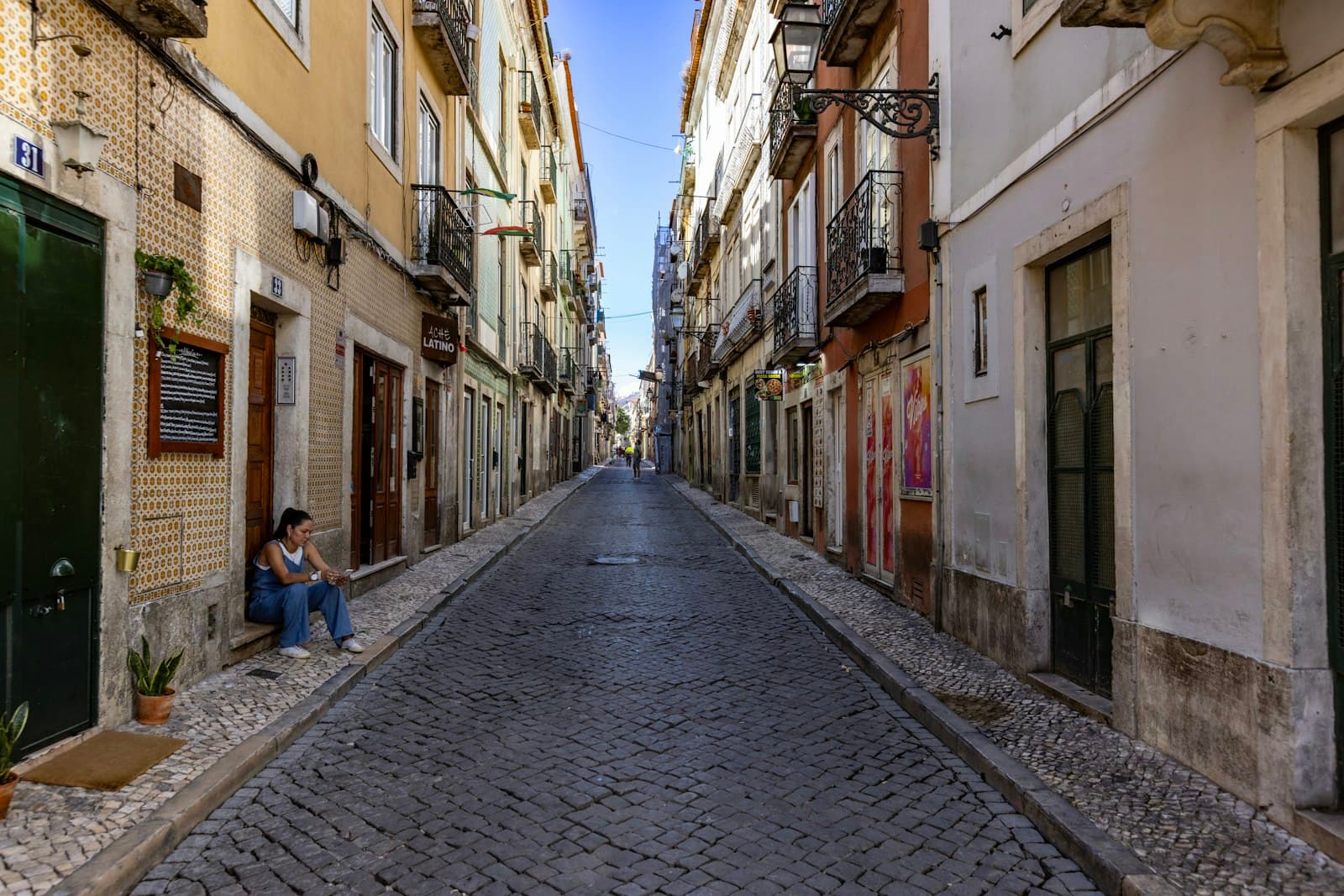
The morning of the first of November, seventeen fifty-five, erased most of Lisbon in a single stroke. This walk climbs the one neighborhood that stood, reading the city's oldest surviving layer from its Moorish maze up to the castle and back down to the song it gave the world.
Start · Se de Lisboa: The Cathedral Built on a Mosque
DirectionsStops
- 1
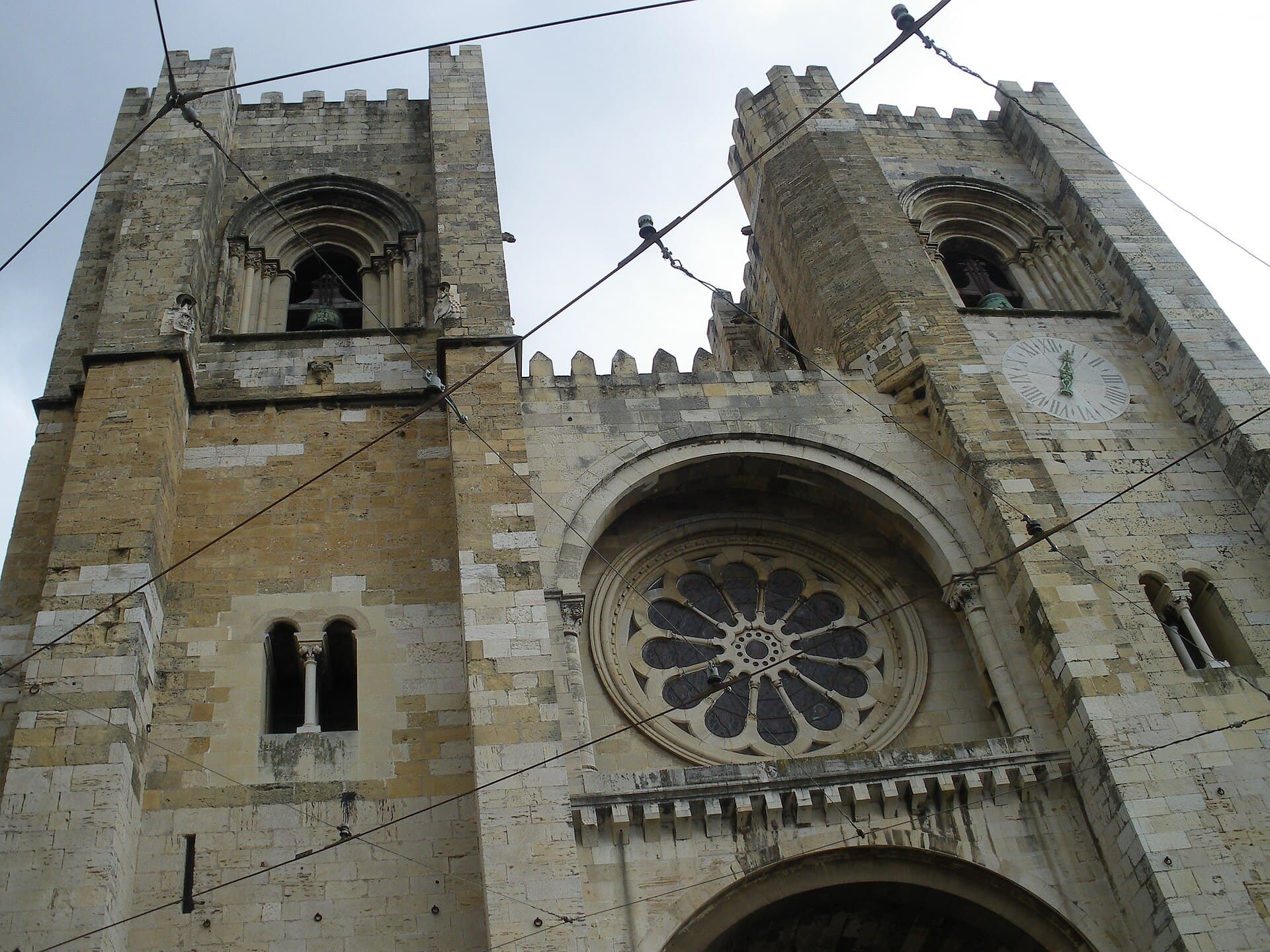
Se de Lisboa: The Cathedral Built on a Mosque
Lisbon's oldest church is a fortress-like cathedral. It was raised on the site of the city's main mosque the year the Moors lost the city.
- 2
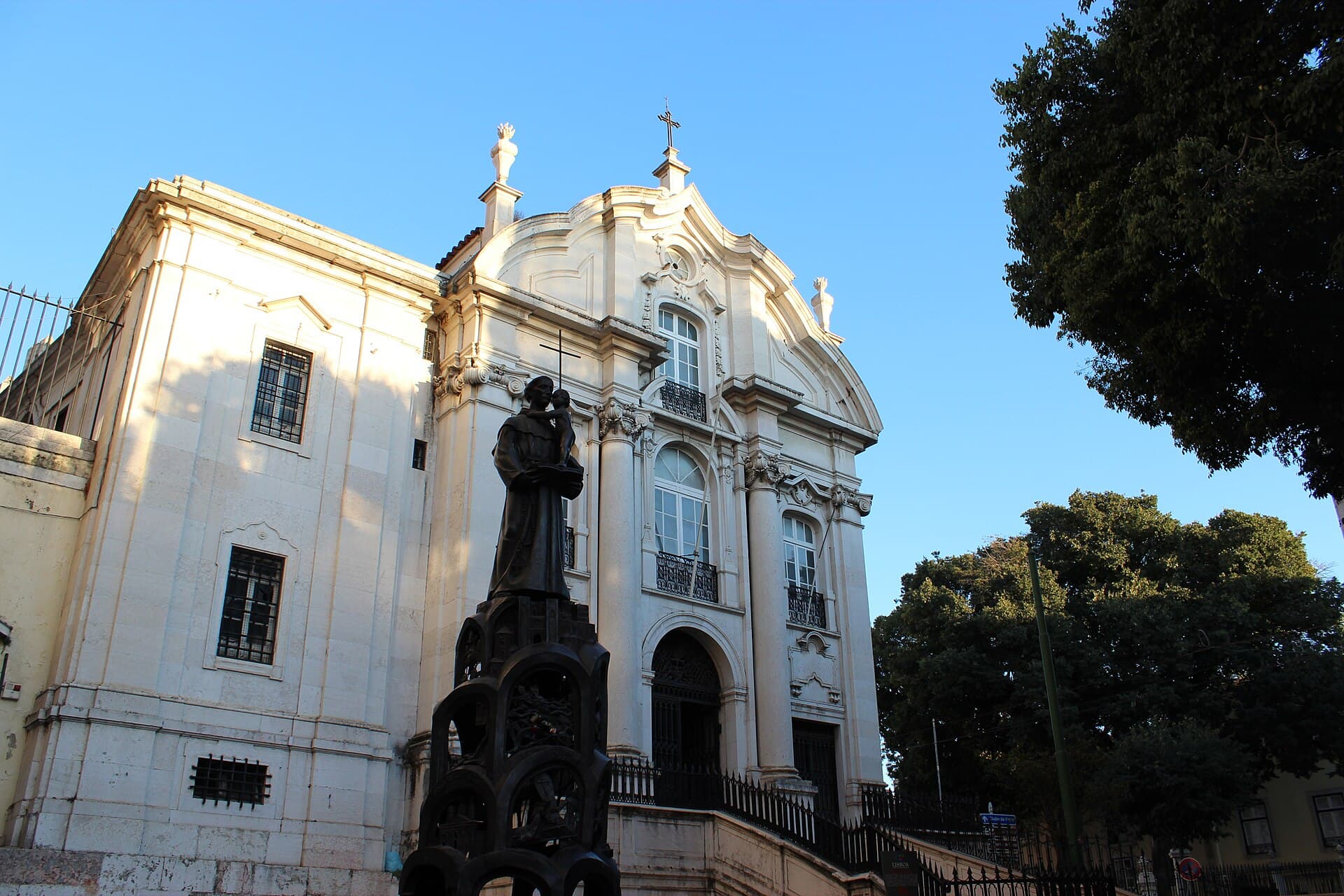
Igreja de Santo Antonio: The City's Own Saint
A Baroque church rebuilt after the earthquake on the spot where, by tradition, Lisbon's beloved saint was born.
- 3
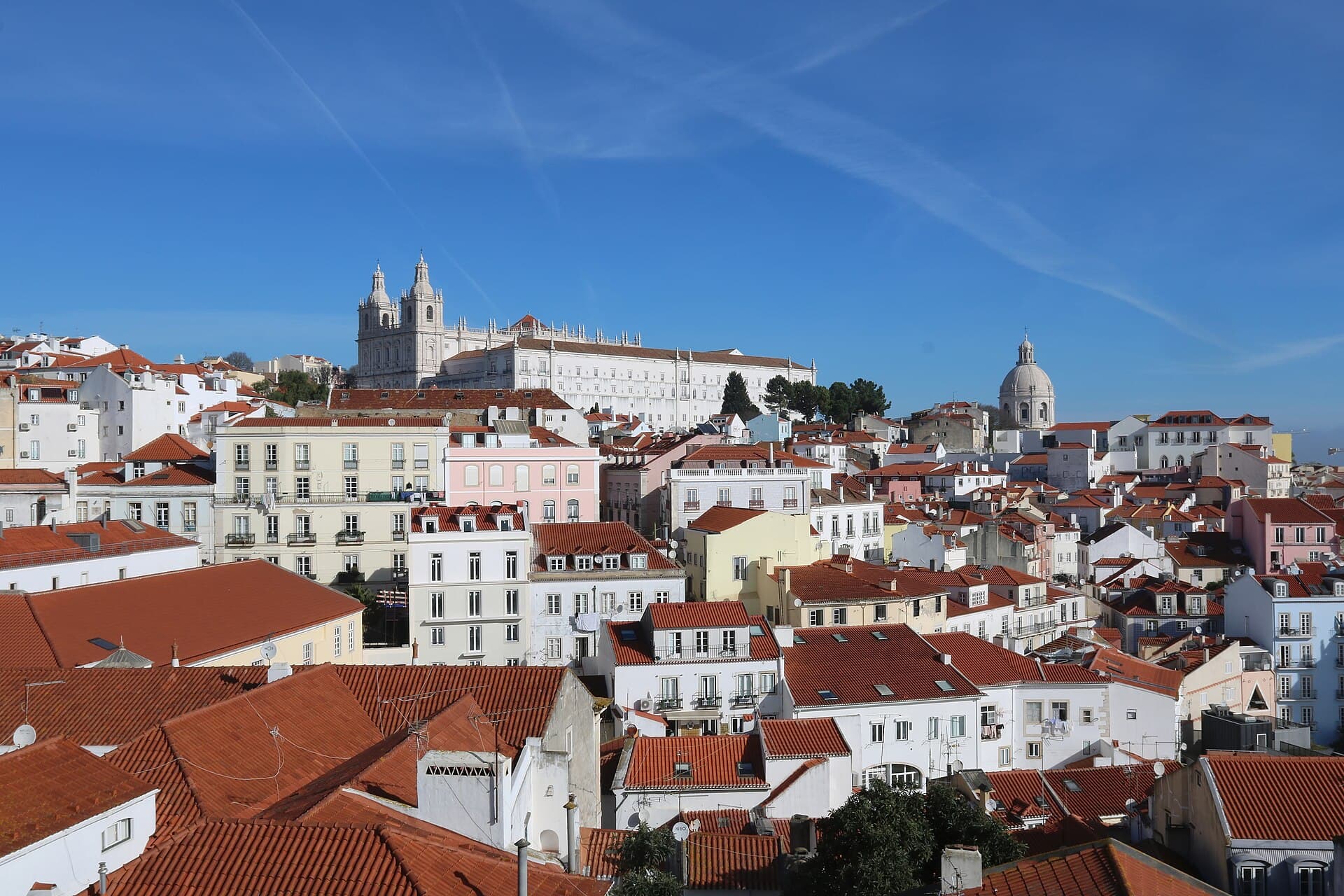
Miradouro de Santa Luzia: The View With the Vanished Square
A romantic tiled terrace over the Alfama rooftops, where a blue-tile panel preserves a city square that the earthquake destroyed.
- 4
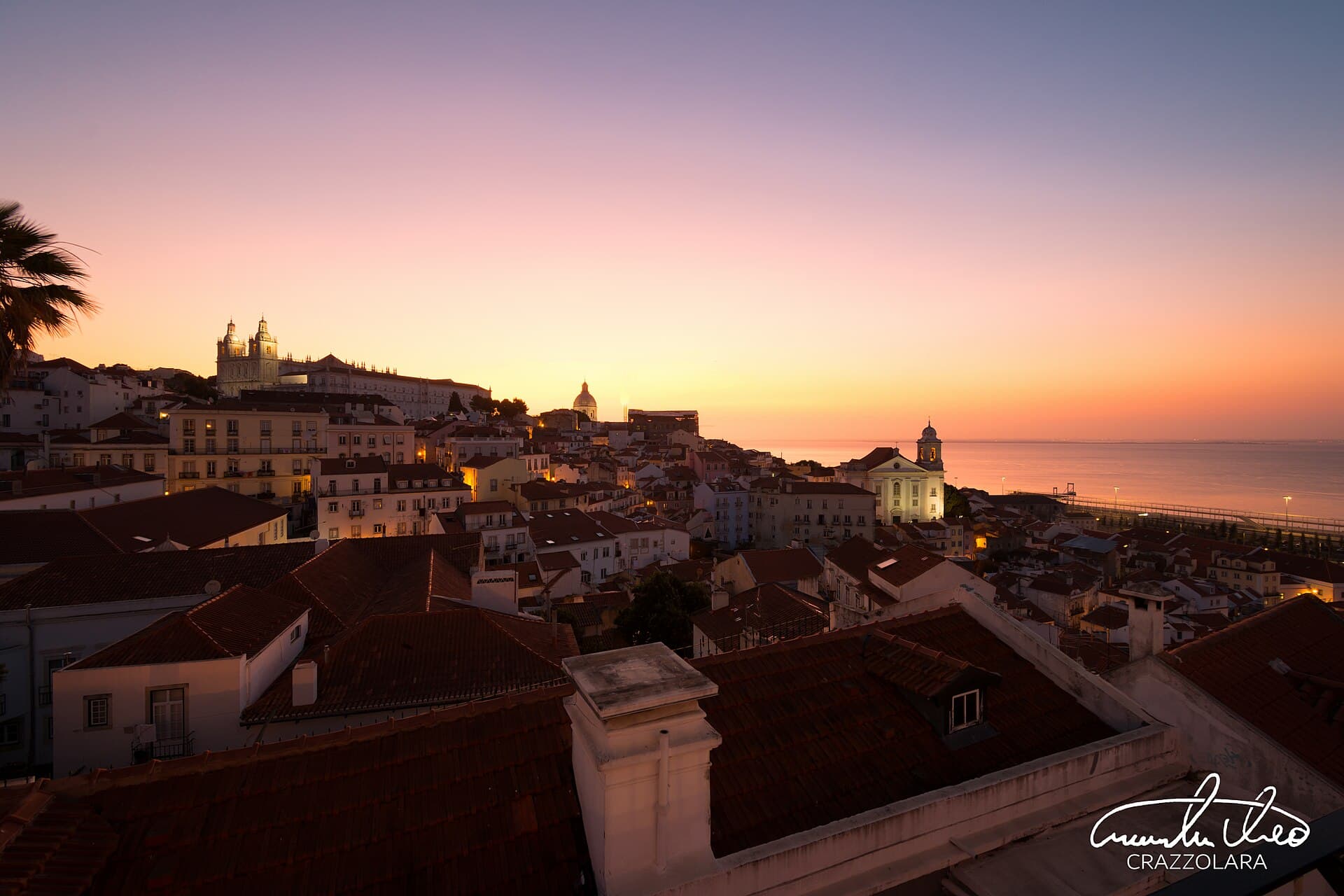
Largo das Portas do Sol: On the Line of the Moorish Wall
A terrace built out over the buried Moorish fortifications, named for a city gate that has completely vanished.
- 5
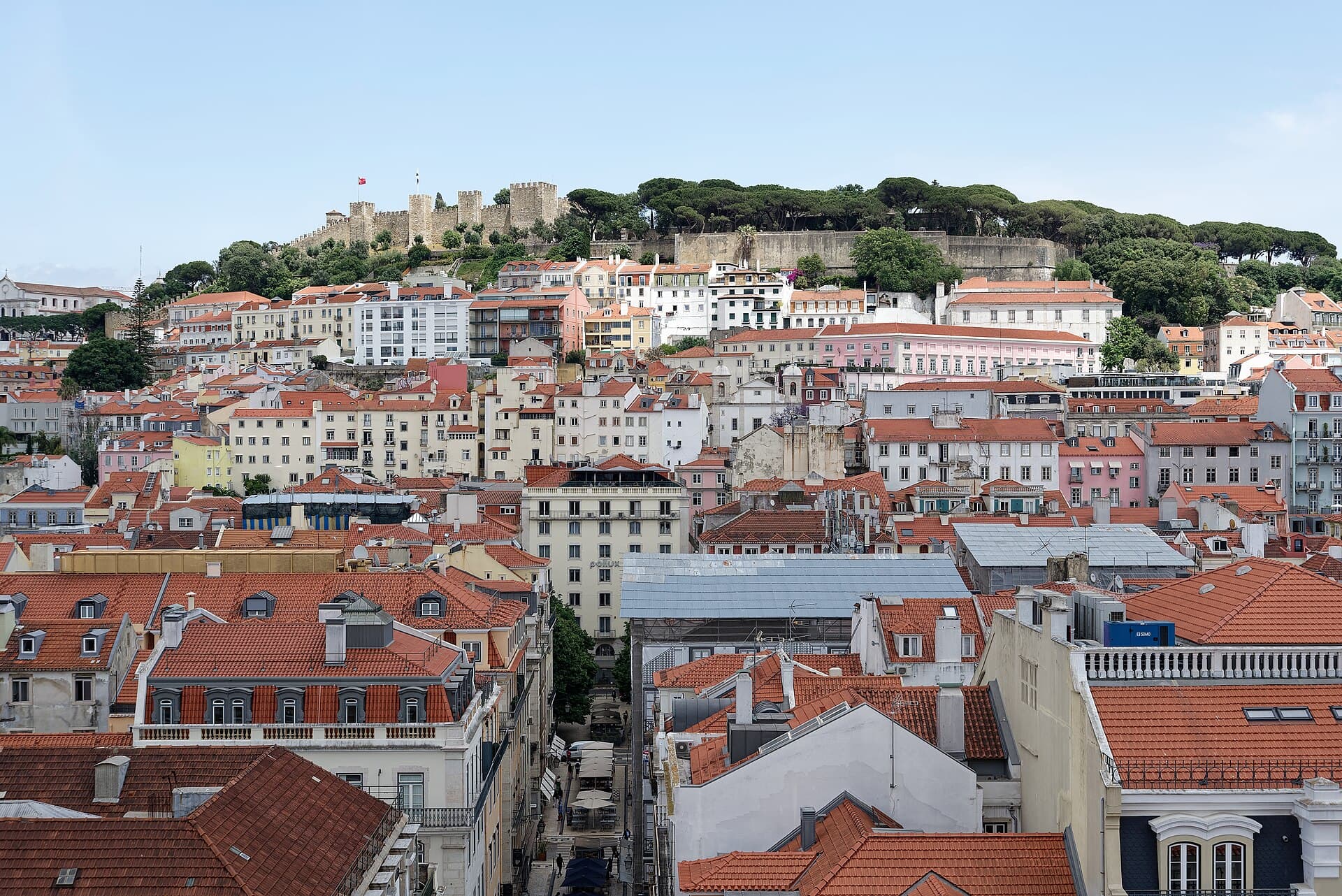
Castelo de Sao Jorge: The Hill Everyone Fortified
The hilltop citadel fortified in turn by Romans, Visigoths, and Moors, given a medieval saint's name only in the fourteenth century.
- 6
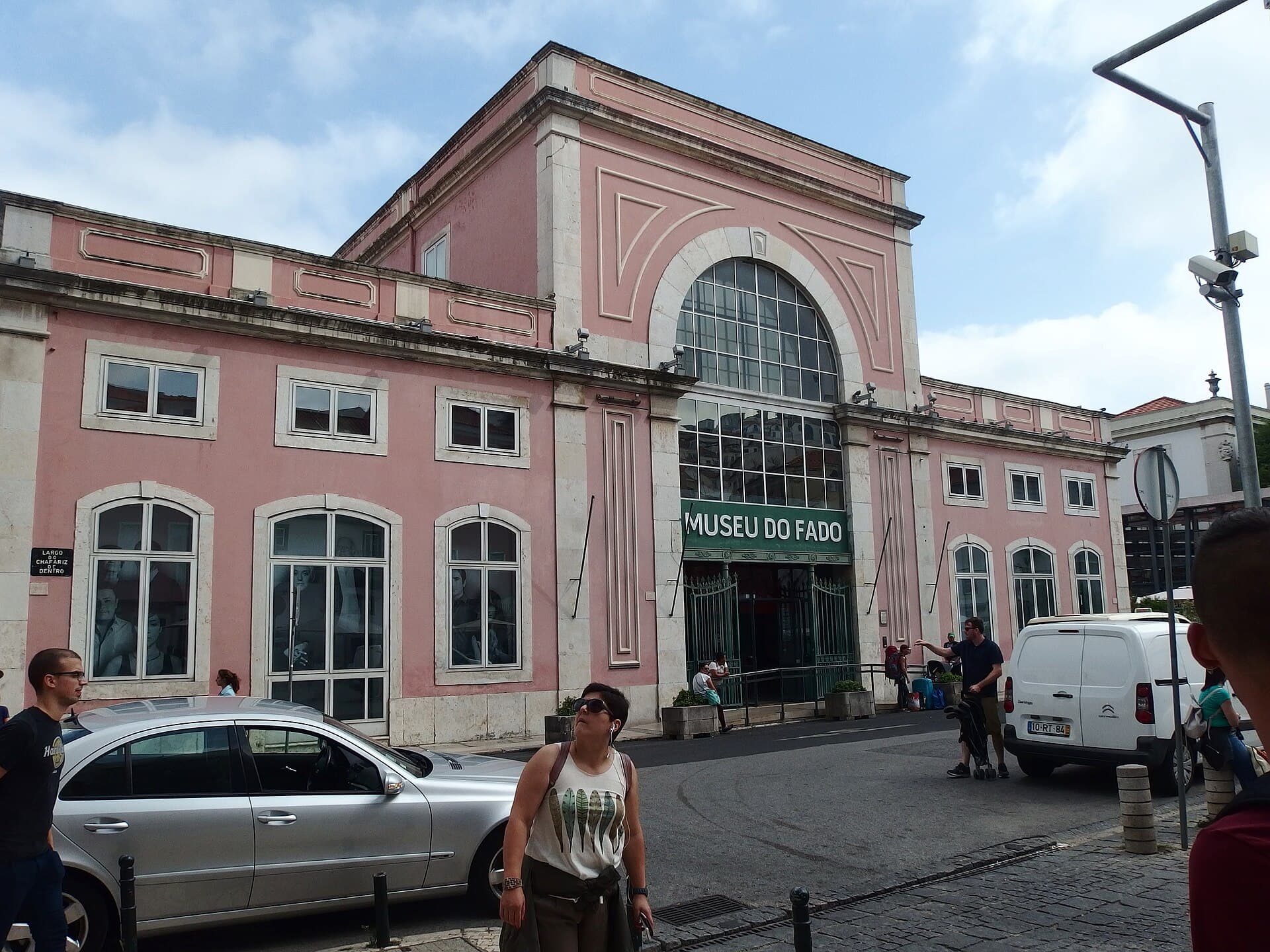
Museu do Fado: The Song of the Neighborhood
This museum is devoted to Fado, the melancholic urban song born in Alfama's nineteenth-century streets and now recognized worldwide.
- 7
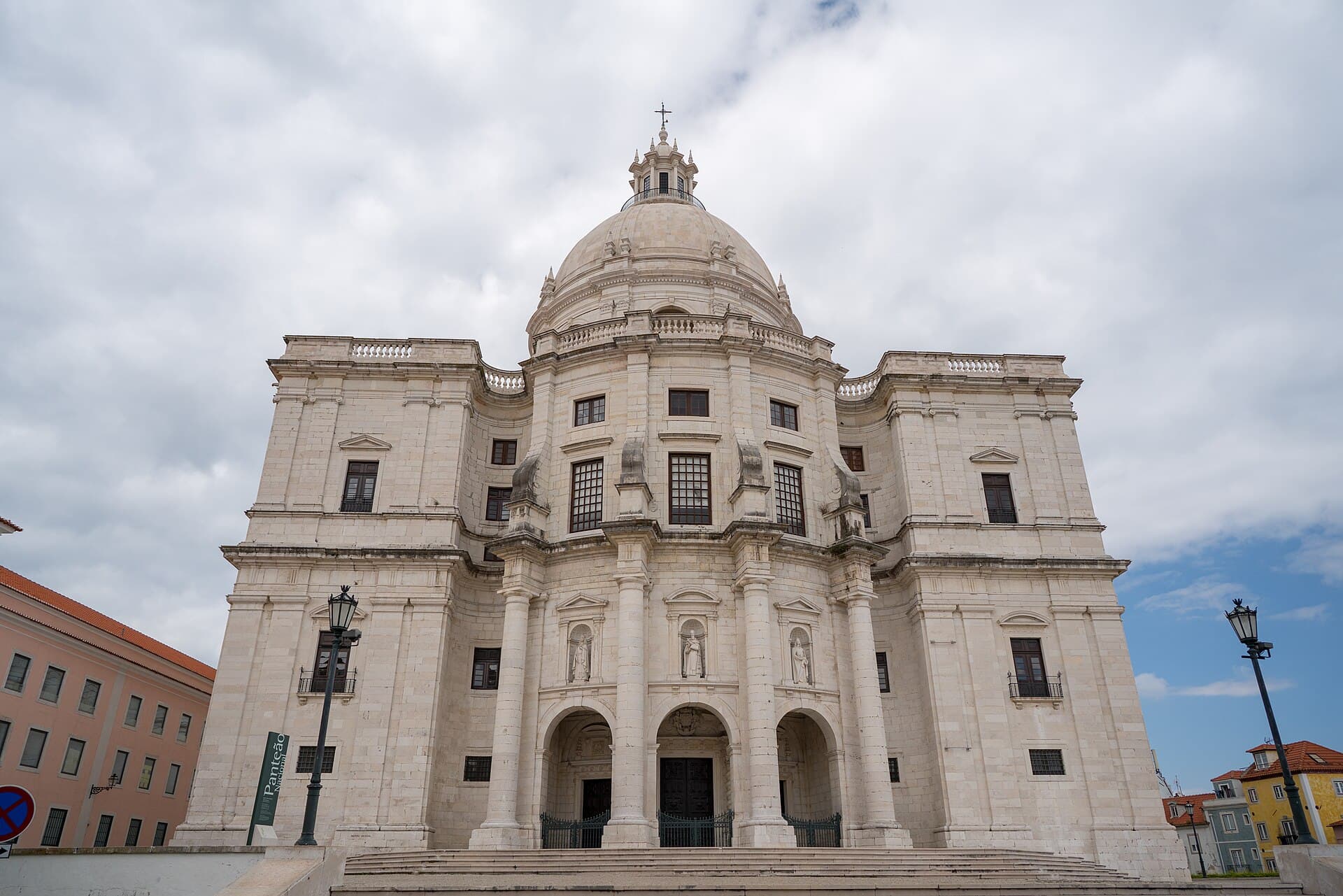
Panteao Nacional: The Endless Project
A Baroque church whose construction ran so long it became the national byword for a project that never ends, now the resting place of the nation's honored dead.
Details
Best Time to Visit
Early morning or late afternoon. The climb is far kinder before the midday sun, and the light on the Alfama rooftops and the Tejo is at its warmest in the golden hour before sunset. Arriving early also means the castle and the terraces are quieter, well before the tour groups reach the hill.
Pro Tips
- •Wear shoes with real grip. The calcada, Lisbon's traditional cobblestone paving, becomes genuinely slippery when wet or worn smooth, and this whole route is climb and descent.
- •Buy your Castelo de Sao Jorge ticket online in advance to skip the queue, or consider a Lisboa Card, which covers the castle and the National Pantheon and saves both money and time.
- •Carry water and take the hill in unhurried stages. There is no schedule here, so pause at the miradouros to catch your breath and enjoy the view.
- •Remember the National Pantheon is closed on Mondays, so plan the walk for another day if you want to finish inside it.
- •Bring a little cash. Some of the smaller viewpoints, kiosks, and the tram fare are simpler with coins than with cards.
- •Give yourself permission to get slightly lost in Alfama's alleys. The tangle is the whole point of the neighborhood, and the maze is the argument this walk is making.
Safety & Precautions
- •The hills are steep and the calcada cobblestones can be slick, especially after rain or on polished older stretches. Take the descents slowly and watch your footing at every stepped alley.
- •Summer sun on this exposed hillside is strong and there is little shade on the terraces. Bring a hat, sunscreen, and water, and pace yourself in the heat.
- •The cathedral and other churches on the route are active places of worship. Dress modestly, keep your voice low, and be respectful of any service in progress.
- •Alfama's lanes are narrow and shared with trams, tuk-tuks, and delivery traffic. Step aside for the historic trams and stay alert on blind corners where vehicles appear with little warning.
Travel advisory: Exercise Normal Precautions (Level 1).
Gallery
Related Reading
Go deeper on what you'll see, hear, and walk through.
Overview
Best Self-Guided Walking Tours in Lisbon (2026)
3 min
Overview
Lisbon Travel Guide: Days, Transport, Timing, Safety, Budget
8 min
Overview
One Day in Lisbon: A Walkable Morning-to-Evening Itinerary
7 min
Thematic
Best History Walking Tours in Lisbon (2026)
2 min
Thematic
Lisbon Rebuilt by Reason: Three Answers to Catastrophe
7 min
Companion
Portas do Sol: The Terrace on Lisbon's Vanished Moorish Wall
6 min
Deep dive
Castelo de Sao Jorge: The Lisbon Hilltop Every Ruler Fortified
6 min
Read
What to Eat in Lisbon: The Dishes, Their Origins, and How to Order Like a Local
7 min
Read the walk
The full story of The Quarter That Outlived the Quake, in words. Prefer to listen? Play it narrated, from home or on location.
Introduction
On the first of November, seventeen fifty-five, an earthquake, a fire, and a tsunami on the Tejo river erased most of Lisbon, Portugal, in a single morning. The lower town, the Baixa, was rebuilt afterward as a strict grid of wide straight streets on the reclaimed floodplain. But the planners could not flatten the hill. Alfama, the dense Arab-era maze on the slope below the castle, largely survived, because it sits on solid bedrock rather than soft riverbank. That is the quiet argument of this walk: you are moving through the one district the modern city could not redraw. Over about seven stops and roughly two and a half hours, you will cover about three and a half kilometres, though the real distance is measured in centuries. You will start where Christian Lisbon was founded on top of a mosque, pass a saint's reputed birthplace, climb to two terraces built on the line of the vanished Moorish wall, reach the citadel that every ruler since the Romans has fortified, then descend to the museum of Fado, the song this neighborhood produced, and finish at a pantheon whose construction ran so long it became a national byword. The climb is steep and the streets are stepped and tangled by design, so take it slowly and stop when you like. This route is yours to walk at your own pace, with no schedule and no one to keep up with. When you arrive at the Se de Lisboa, the cathedral on the hill, begin with stop one.
1. Se de Lisboa: The Cathedral Built on a Mosque
Look at this building and notice how little it resembles a gentle church. Two heavy towers flank the entrance, crenellations run along the top of the walls, and the whole face reads more like a keep than a house of prayer. That is deliberate. The Se de Lisboa, the cathedral, was begun about eleven forty-seven, the same year King Afonso Henriques took the city from Moorish rule with the help of North European crusaders passing through on the Second Crusade. They raised it on the site of Lisbon's main mosque, and they built it to look like what it partly was, a stronghold of the new order. This is the oldest church in Lisbon. Its full formal name is Santa Maria Maior de Lisboa, but everyone simply calls it the Se, which is just the word for a cathedral. If the styles inside feel like they argue with each other, they do. The building carries Romanesque bones, Gothic additions, and Baroque flourishes, because it was damaged and repaired again and again, most violently by the earthquake of seventeen fifty-five. So there is no single tidy date when it was finished, only a long conversation between builders and disasters. Stand here for a moment and let the idea settle. In the twelfth century a conqueror planted a cathedral on the foundations of the faith he had just displaced, and then time itself, through tremor after tremor, kept editing the result. This is the first layer of the city, and everything above you on this hill was built in its shadow.
2. Igreja de Santo Antonio: The City's Own Saint
Just steps from the cathedral stands a smaller church with an outsized claim on the city's heart. This is the Igreja de Santo Antonio, the Church of Saint Anthony, and here Igreja simply means church. The saint known worldwide as Saint Anthony of Padua was actually born in Lisbon, around eleven ninety-five, and Lisbon has never quite forgiven Padua for keeping his name. According to tradition, this church stands on the very spot where he was born. I want to be honest with you about that word, tradition. The birthplace is a cherished belief rather than a documented certainty, so hold it lightly and enjoy it anyway. What you see today is not the building he would have known. An earlier church here was rebuilt and redecorated in seventeen thirty under King Joao the Fifth, and then the earthquake of seventeen fifty-five did what it did to almost everything on this slope. The present Baroque and Rococo church, designed by the architect Mateus Vicente de Oliveira, was completed afterward, in seventeen sixty-seven, a replacement raised on a place too meaningful to abandon. Saint Anthony is one of Lisbon's most beloved patrons. His feast falls on the thirteenth of June, and it anchors the biggest street celebration of the city's year, when the neighborhoods fill with grilled sardines, paper decorations, and music late into the night. Stand here and feel the pattern repeating. Once again a building fell and was raised again on the same sacred ground, the neighborhood insisting on continuity even when the stone itself would not cooperate.
3. Miradouro de Santa Luzia: The View With the Vanished Square
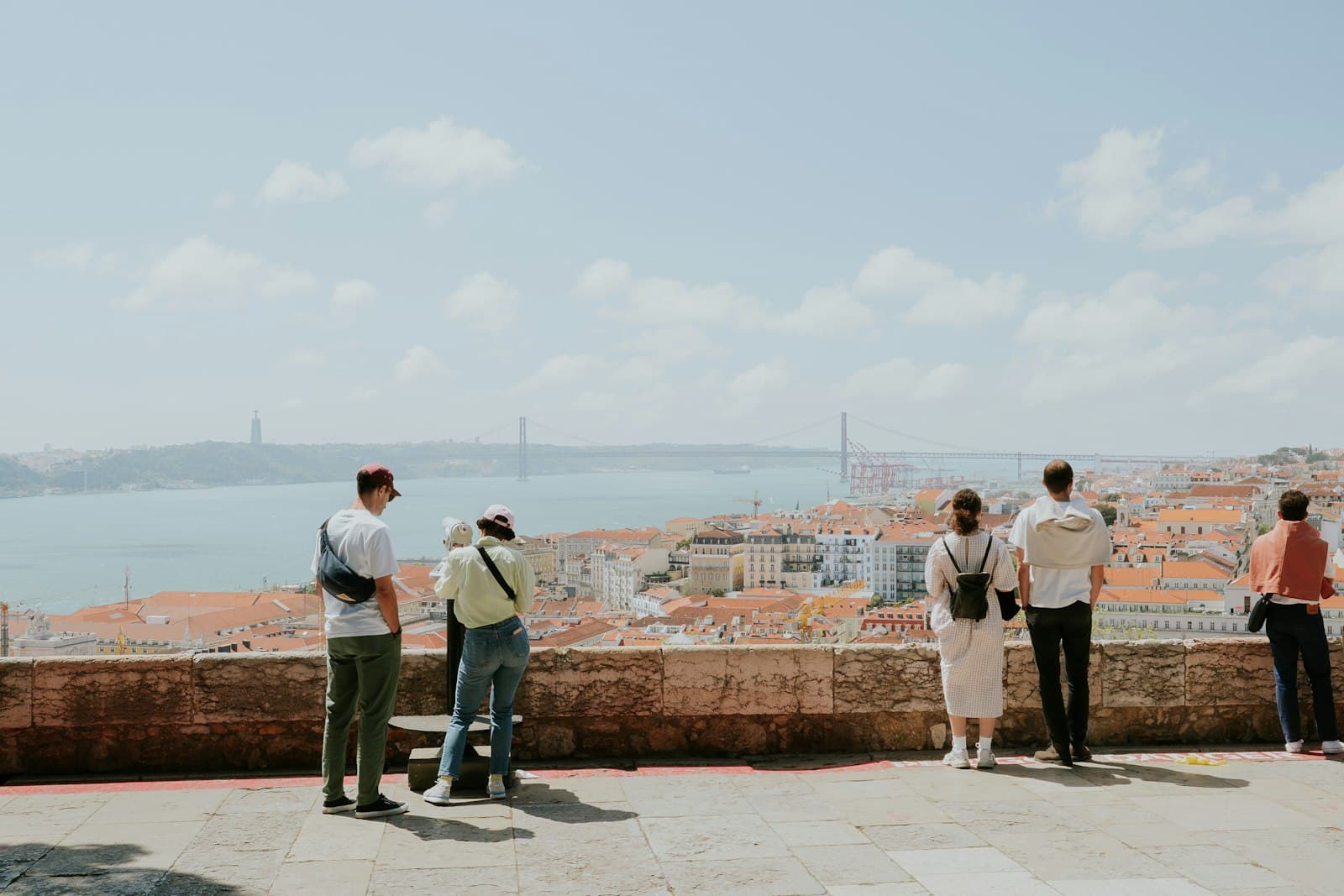
Here the hill finally gives you the reward for climbing it. This is the Miradouro de Santa Luzia, and Miradouro means viewpoint, a place made simply for looking. Below you, Alfama tumbles toward the Tejo in a spill of red tile roofs, and the pergola overhead is heavy with bougainvillea. It is the most famous of Lisbon's terraces, and once you stand here you understand why. But turn your attention to the wall of the little church beside it, the Igreja de Santa Luzia. On its eastern face are historic panels of blue azulejo. Azulejo is Portugal's tin-glazed decorative tile, a living craft that has covered the country's walls for centuries, and here it is doing the work of memory. One panel shows the Terreiro do Paco, the great palace square, as it looked before the earthquake of seventeen fifty-five. That square is now the Praca do Comercio, and Praca means square, but the version painted on this tile is the vanished one, the city that fell. The other panel shows crusaders besieging the castle above during the reconquest of eleven forty-seven. So on a single church wall you have both hinges of this walk: the medieval conquest that founded Christian Lisbon, and the eighteenth-century catastrophe that unmade so much of it. You are standing high on a hill that held while the flat town below drowned and burned. Take your time. The view is the argument, and the tiles are the footnotes.
4. Largo das Portas do Sol: On the Line of the Moorish Wall
A short way along the ridge, the ground opens into the Largo das Portas do Sol, where Largo means an open square or place. The name translates to the Gates of the Sun, and it is a memorial to something you cannot see. Here once stood the Porta do Sol, one of the gates of the…
Full narration for this stop unlocks with the tour.
5. Castelo de Sao Jorge: The Hill Everyone Fortified
At the very crown of the hill sits the Castelo de Sao Jorge, and Castelo means castle. This is the summit that every ruler of Lisbon has wanted to hold. The ground beneath these walls was fortified in turn by peoples that include Phoenicians, Carthaginians, Romans, Visigoths,…
Full narration for this stop unlocks with the tour.
6. Museu do Fado: The Song of the Neighborhood
Descending back into the lower alleys, you reach the Largo do Chafariz de Dentro and the Museu do Fado, where Museu means museum. This is the home of the story of Fado, the song this very neighborhood produced. Fado is Lisbon's melancholic urban song, and it was born not in some…
Full narration for this stop unlocks with the tour.
7. Panteao Nacional: The Endless Project
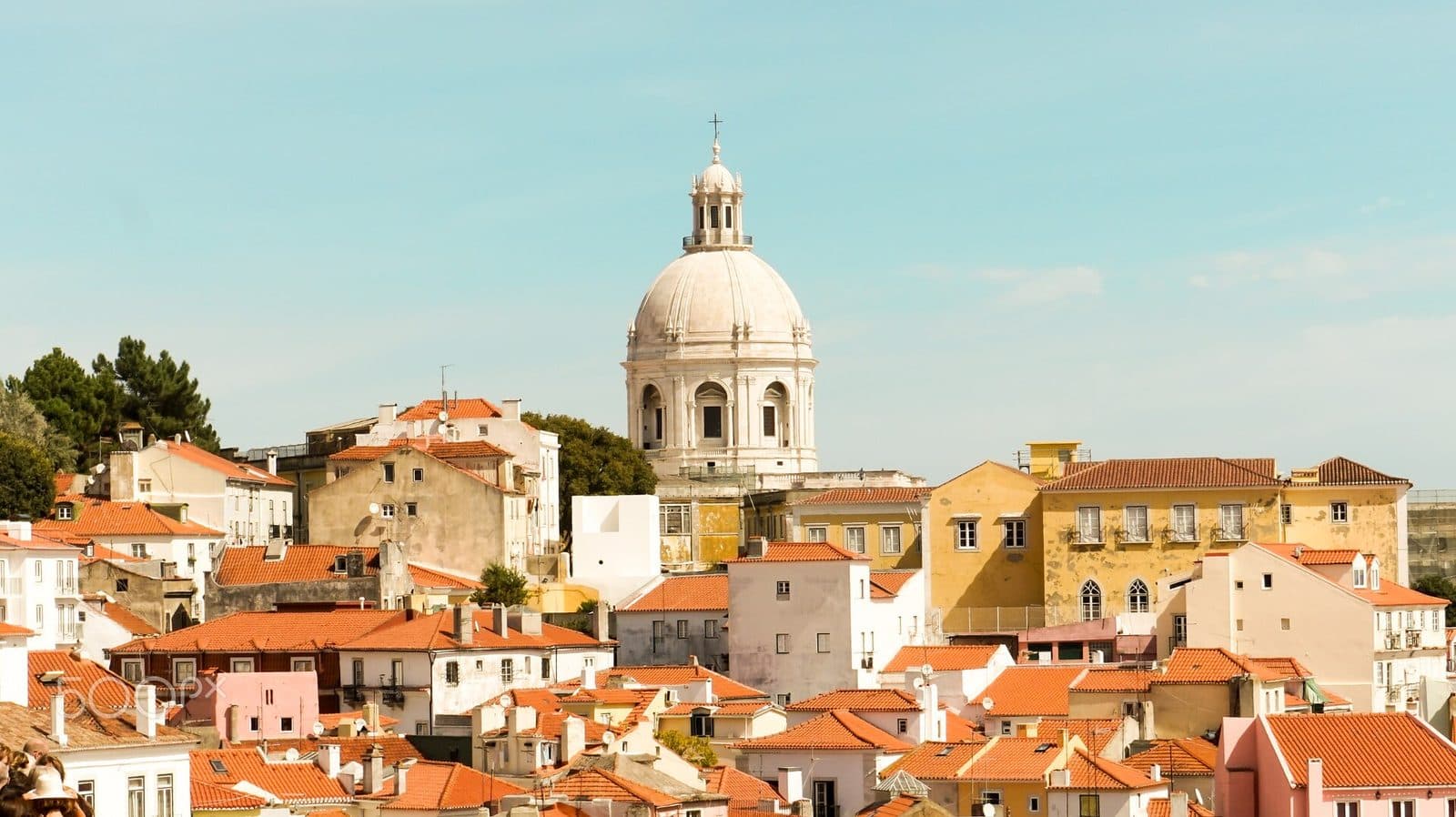
The walk ends at the Panteao Nacional, the National Pantheon, which occupies the church of Santa Engracia on the Campo de Santa Clara. Look up at the great white dome and the undulating Baroque facades, drawn on a Greek-cross floor plan by the architect Joao Antunes and…
Full narration for this stop unlocks with the tour.