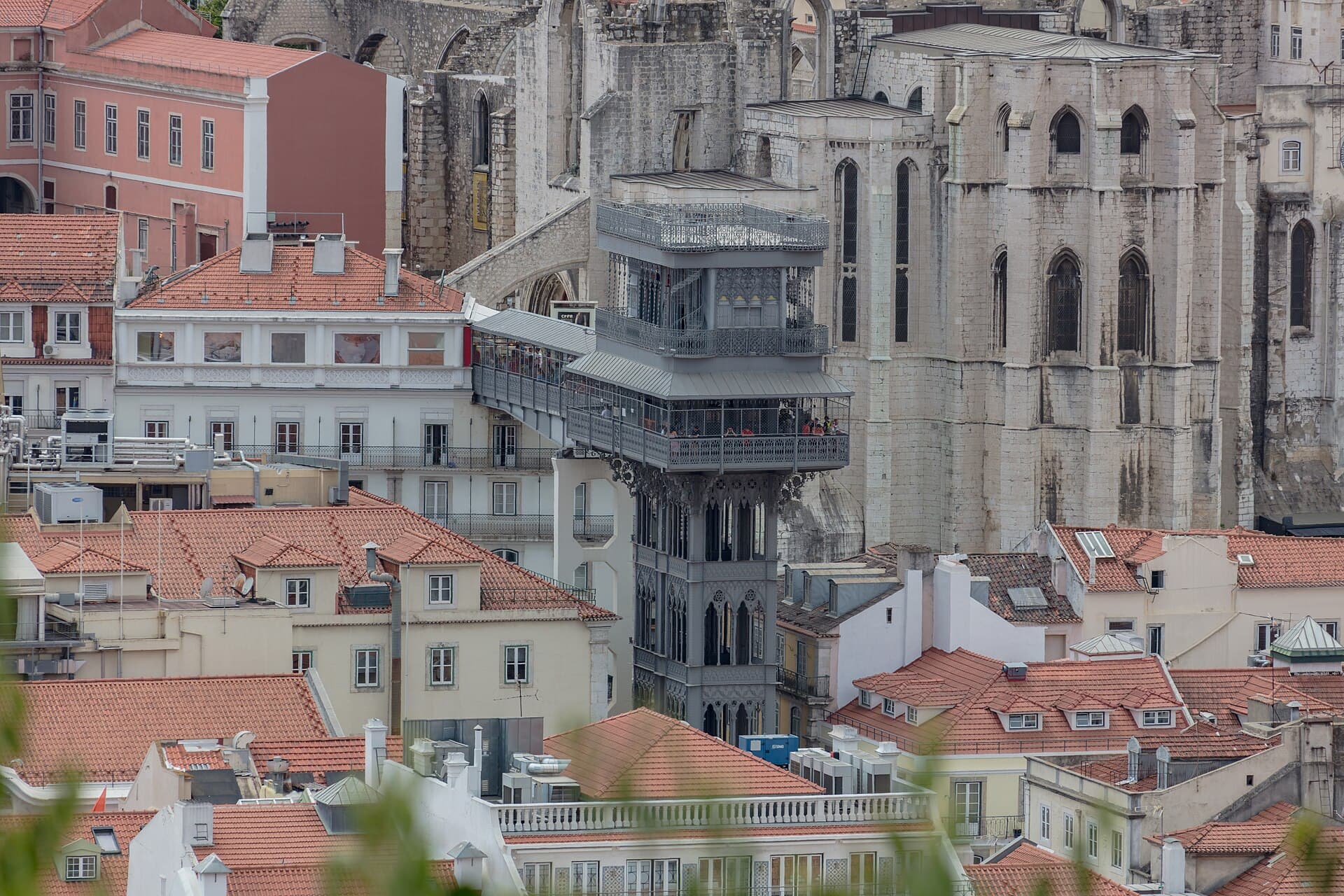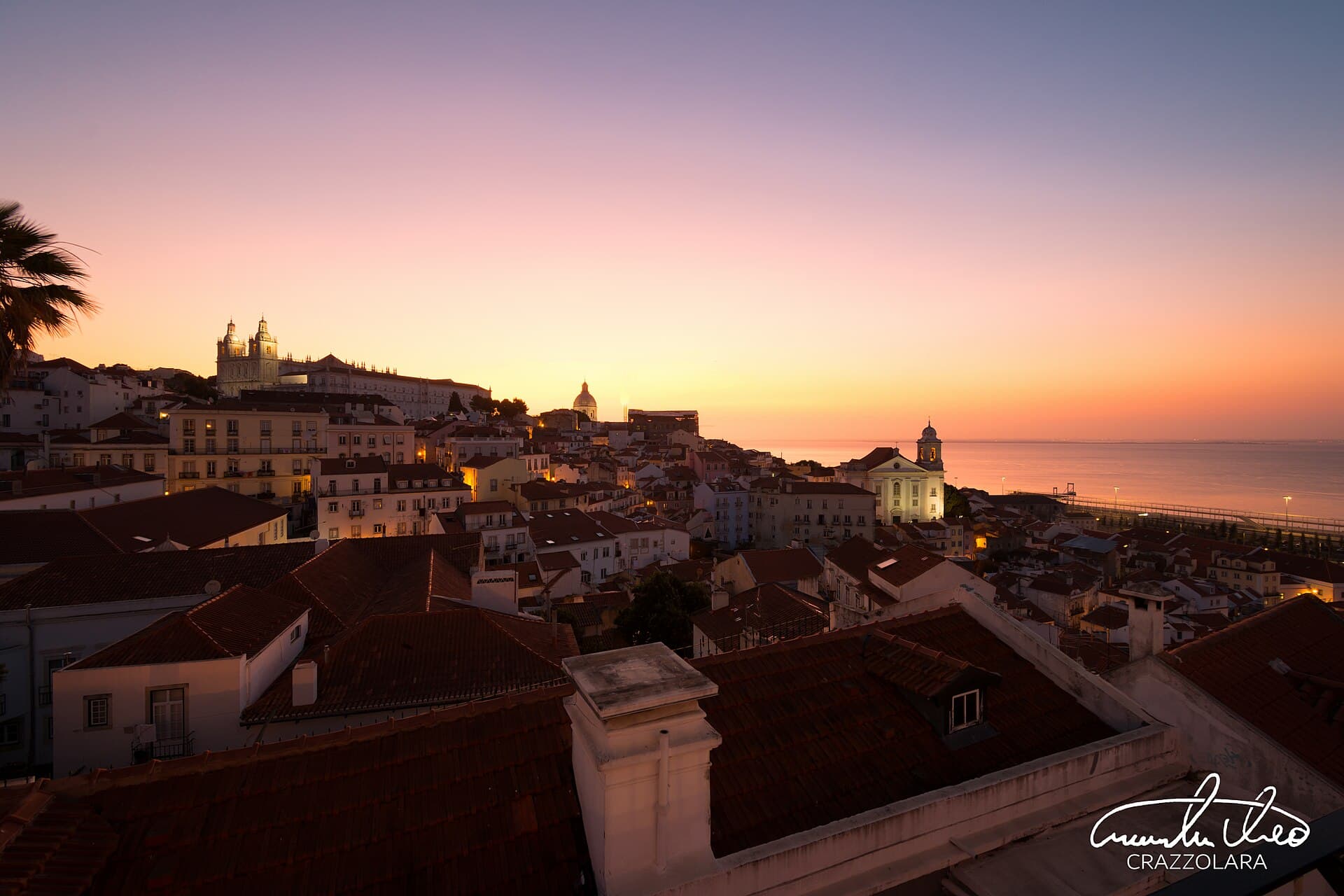
The Largo das Portas do Sol is named for a gate that no longer exists, and that absence is the whole point. This terrace on the ridge of Alfama sits directly on the buried line of the Cerca Moura, the Moorish wall that ringed the Islamic city roughly from the eighth to the twelfth century. Stand here and you are on the footprint of a defensive line that once protected a maze of streets, most of it now vanished, some of it still very much alive below you. The gate is a memory. The line is underfoot. Hold that idea, because it is the quiet argument of the entire walk this stop belongs to: Alfama is the layer of Lisbon that the earthquake of 1755 could not erase, and Portas do Sol is where you can feel that most directly.
A gate you cannot see
The name translates as the Gates of the Sun, and it commemorates the Porta do Sol, one of the gates in the defensive ring of the Islamic city. In Arabic sources the gate was recorded as Bab al-Maqbara. Nothing of the arch survives. The medieval fabric was lost over long centuries, and more of it after the earthquake of 1755, so there is no tower or stone lintel to photograph. What survives instead is the geometry. This terrace was built out over the course of the old wall, raised on top of the buried fortifications, which is exactly why it juts so boldly above the rooftops around it. The boldness is structural, not decorative. You are standing on the memory of a rampart.
From the railing the view sweeps across Alfama's red tile roofs down to the Tejo. Look at how the streets below refuse to run straight. That tangle is the inheritance of the Arab-era town, a knot of stepped lanes that the Enlightenment city rebuilt cleanly on the flats below but could never rationalize away up here on the rock. When you walk Alfama, you are reading a plan drawn before the twelfth century, one that the modern city redrew everywhere except on this hill.
Why the hill outlived the quake
Hear a stop from this walk
Castelo de Sao Jorge: The Hill Everyone Fortified
To understand why Portas do Sol still stands where a gate once controlled the approach, you have to understand what happened on the first of November, 1755. On that morning an earthquake, a fire, and a tsunami on the Tejo erased most of Lisbon in a single stretch of hours. The lower town, the Baixa, was afterward rebuilt as a strict grid of wide straight streets on the reclaimed floodplain. But the planners could not flatten the hill. Alfama, the dense Arab-era slope below the castle, largely survived, because it sits on solid bedrock rather than soft riverbank. The terrace you are standing on held while the flat lower town drowned and burned. That is not a legend. It is the geological reason this neighborhood is the one district the modern city could not redraw.
That single fact reorganizes the whole route. This is why the walk climbs rather than crosses. Every stop is a layer, and Portas do Sol is where the deepest of them, the Islamic city, briefly surfaces underfoot.
The stops around this terrace
The full Lisbon walk begins downhill at the Se de Lisboa, the cathedral begun about 1147, the same year King Afonso Henriques took the city from Moorish rule with the help of North European crusaders passing through on the Second Crusade. They raised it on the site of Lisbon's main mosque and built it to look like a keep, with two heavy towers and crenellations along the walls. It is the oldest church in the city, and its jumble of Romanesque bones, Gothic additions, and Baroque flourishes records tremor after tremor of repair. A short climb up is the Igreja de Santo Antonio, marking, by tradition, the birthplace of the saint the world calls Anthony of Padua, who was actually born in Lisbon around 1195. The present church was completed in 1767, a post-earthquake rebuild by the architect Mateus Vicente de Oliveira on ground the city refused to give up.
Just before Portas do Sol comes the Miradouro de Santa Luzia, where a blue azulejo panel on the church wall preserves the Terreiro do Paco, the grand palace square, as it looked before 1755. Beside it, a second tile shows crusaders besieging the castle in the 1147 reconquest. Both hinges of the walk, the medieval conquest and the eighteenth-century catastrophe, sit side by side on one wall, and Portas do Sol is the next beat in that same argument.
Above the terrace waits the Castelo de Sao Jorge, the summit fortified in turn by peoples including Romans, Visigoths, and Moors, and given the name of Saint George only in the late fourteenth century by King Joao the First, tied to his marriage to the English princess Philippa of Lancaster. The route then descends to the Museu do Fado, home to the story of Fado, Lisbon's melancholic urban song, born in nineteenth-century neighborhoods like this one and inscribed on the UNESCO Representative List of the Intangible Cultural Heritage of Humanity on the twenty-seventh of November, 2011. The walk closes at the Panteao Nacional, the church of Santa Engracia, whose construction ran from 1681 to 1966. That near three-century delay gave Portuguese the phrase obras de Santa Engracia for any project that never ends. Inside rests Amalia Rodrigues, remembered as the Queen of Fado, which threads the song of Alfama back into the story one last time.
Walking it yourself
Portas do Sol is free, open air, and accessible any hour, which makes it the natural place to pause and read the neighborhood before the climb to the castle. The whole route runs about three and a half kilometres over roughly two and a half hours, steep and stepped by design, so it rewards an unhurried pace with no schedule to keep. Come early or late: the light on the rooftops is warmest in the golden hour, and the terraces are quiet before the tour groups reach the hill. Wear shoes with real grip, because Lisbon's calcada cobblestones turn slick when worn smooth.
If you want the full sequence of the argument, from the mosque under the cathedral to the wall under this terrace to the song born in the alleys below, browse the other Lisbon walking tours and let this hill tell you its layers in order.
Sources
- Walls of Lisbon, Wikipedia: documents the Cerca Moura and the Porta do Sol gate recorded in Arabic sources as Bab al-Maqbara.
- Moorish Wall, Wikidata (Q25427958): records the line of the Islamic fortifications the terrace is built upon.
- Lisbon Cathedral and Sao Jorge Castle, Wikipedia: the 1147 reconquest by Afonso Henriques and North European crusaders, the mosque site, and the successive fortifications of the hill.
- Fado, Wikipedia and UNESCO: the 27 November 2011 inscription and the nineteenth-century neighborhood origins of the song.
- Church of Santa Engracia, Wikipedia: the 1681 to 1966 construction and the phrase obras de Santa Engracia.
Ready to experience it?
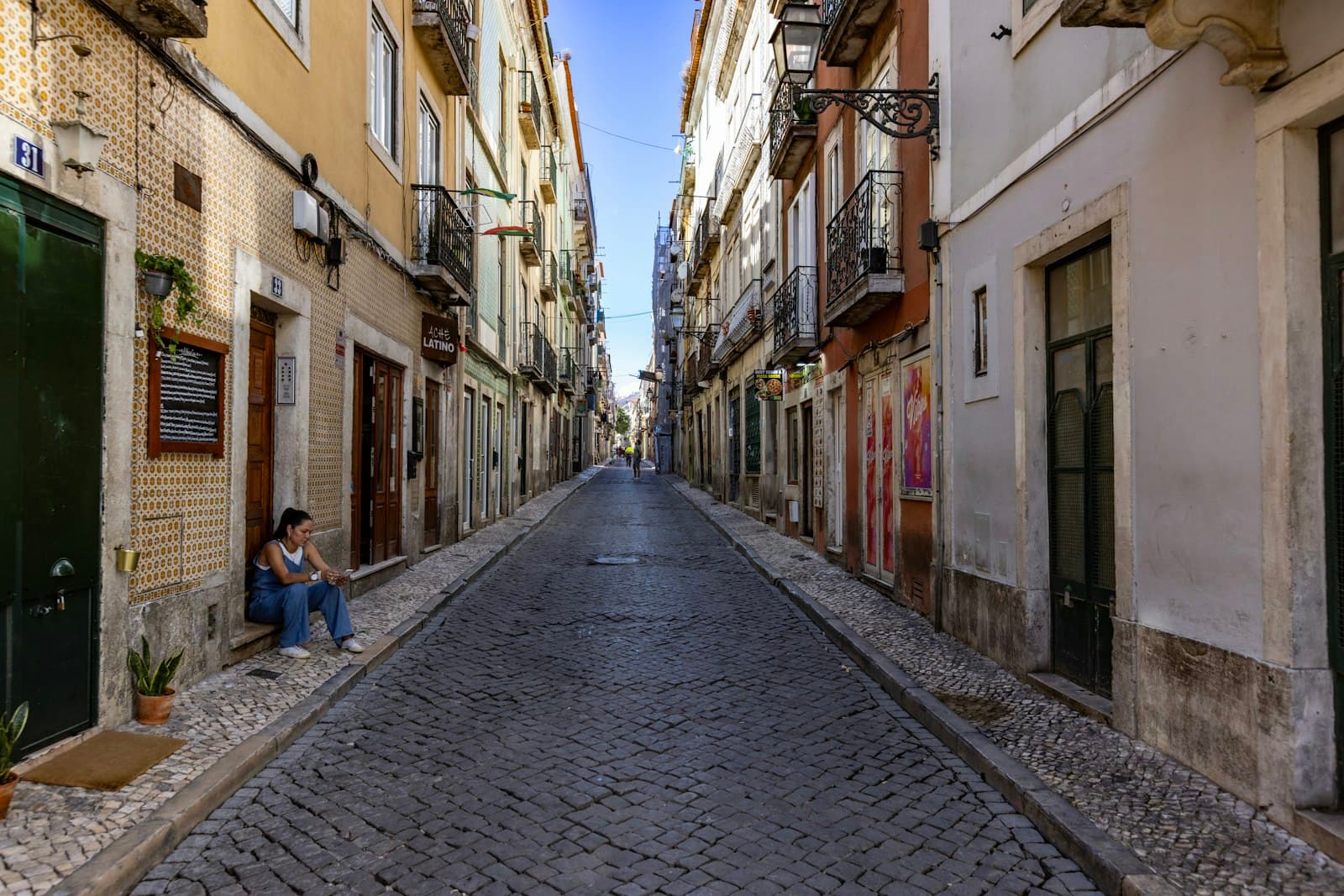
The Quarter That Outlived the Quake
130 min · 3.4 km · moderate
More from Lisbon
Explore more at your own pace.
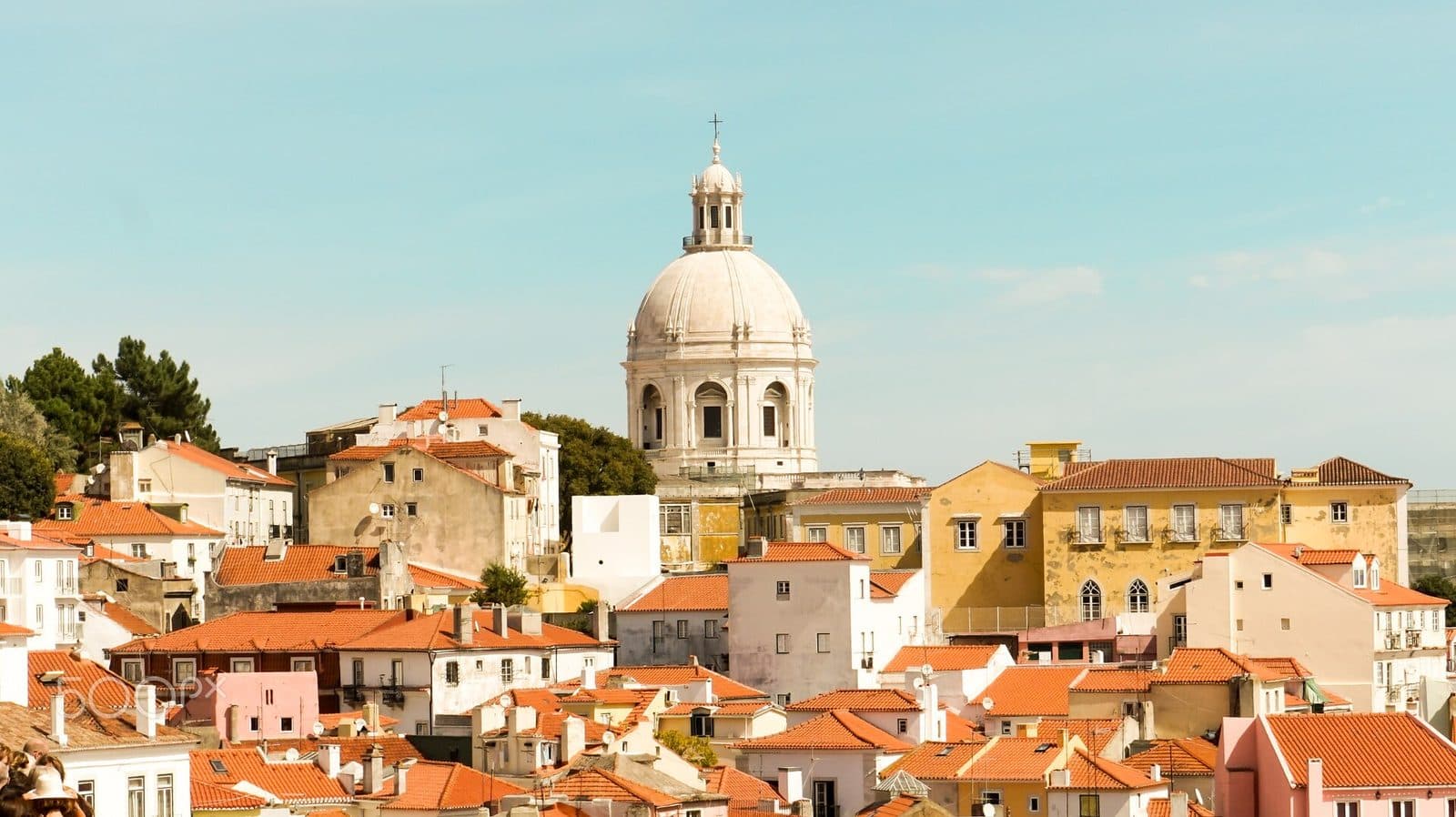
Lisbon Rebuilt by Reason: Three Answers to Catastrophe
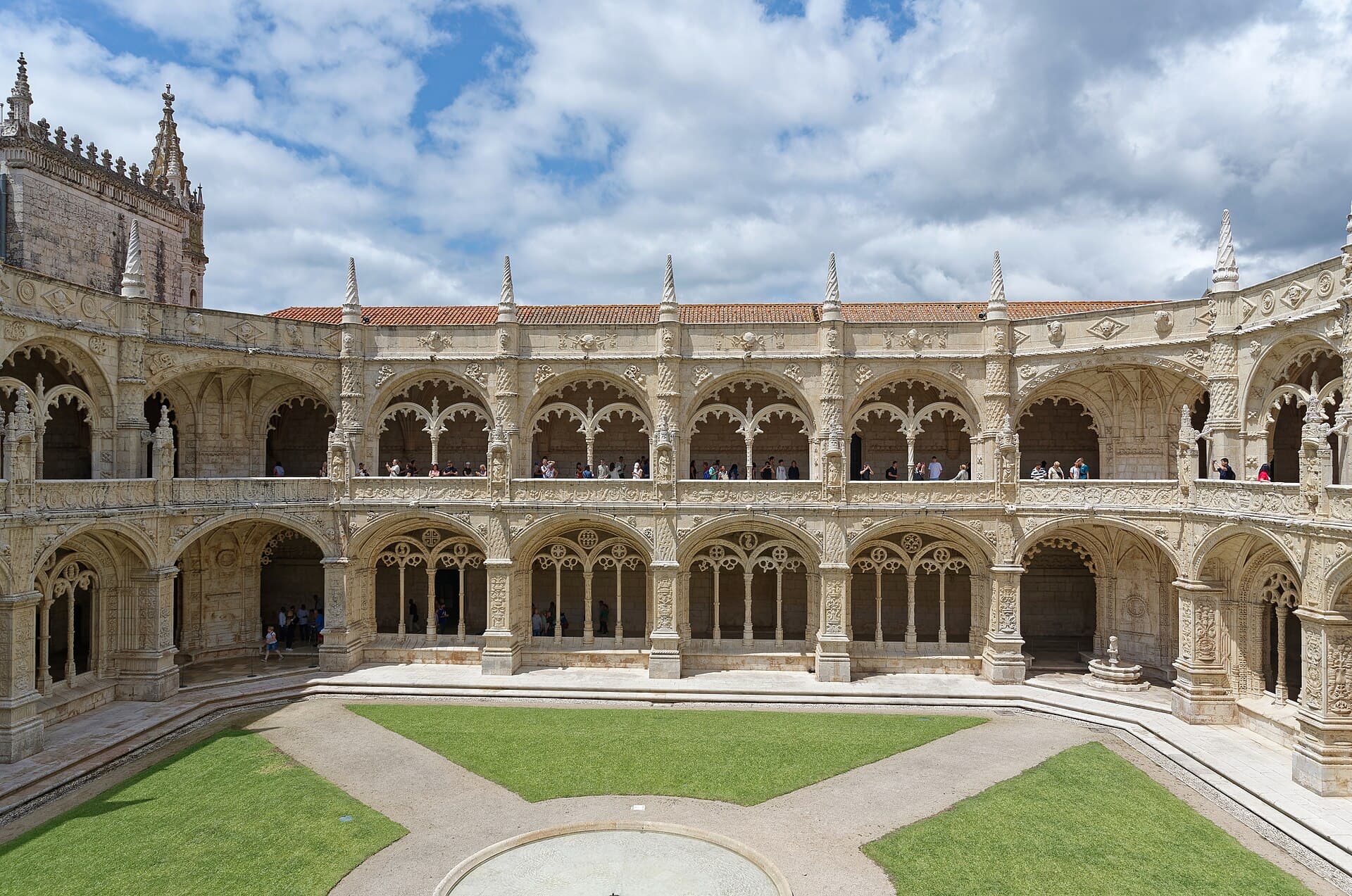
Jeronimos Monastery: How a Tax on Pepper Built Lisbon's Belem
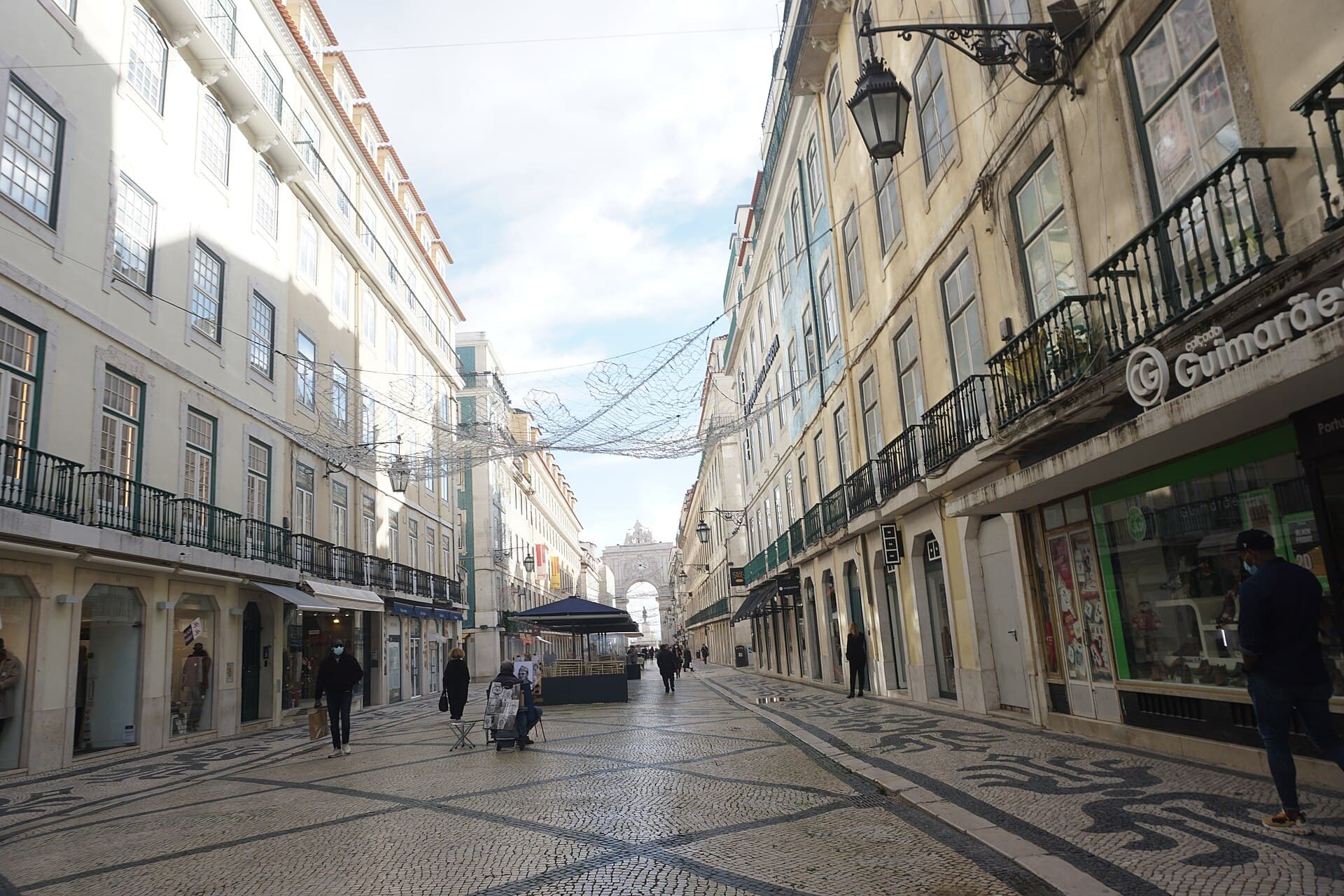
The Hidden Cage Under Rua Augusta: How Lisbon Engineered Its Downtown to Shake and Not Fall
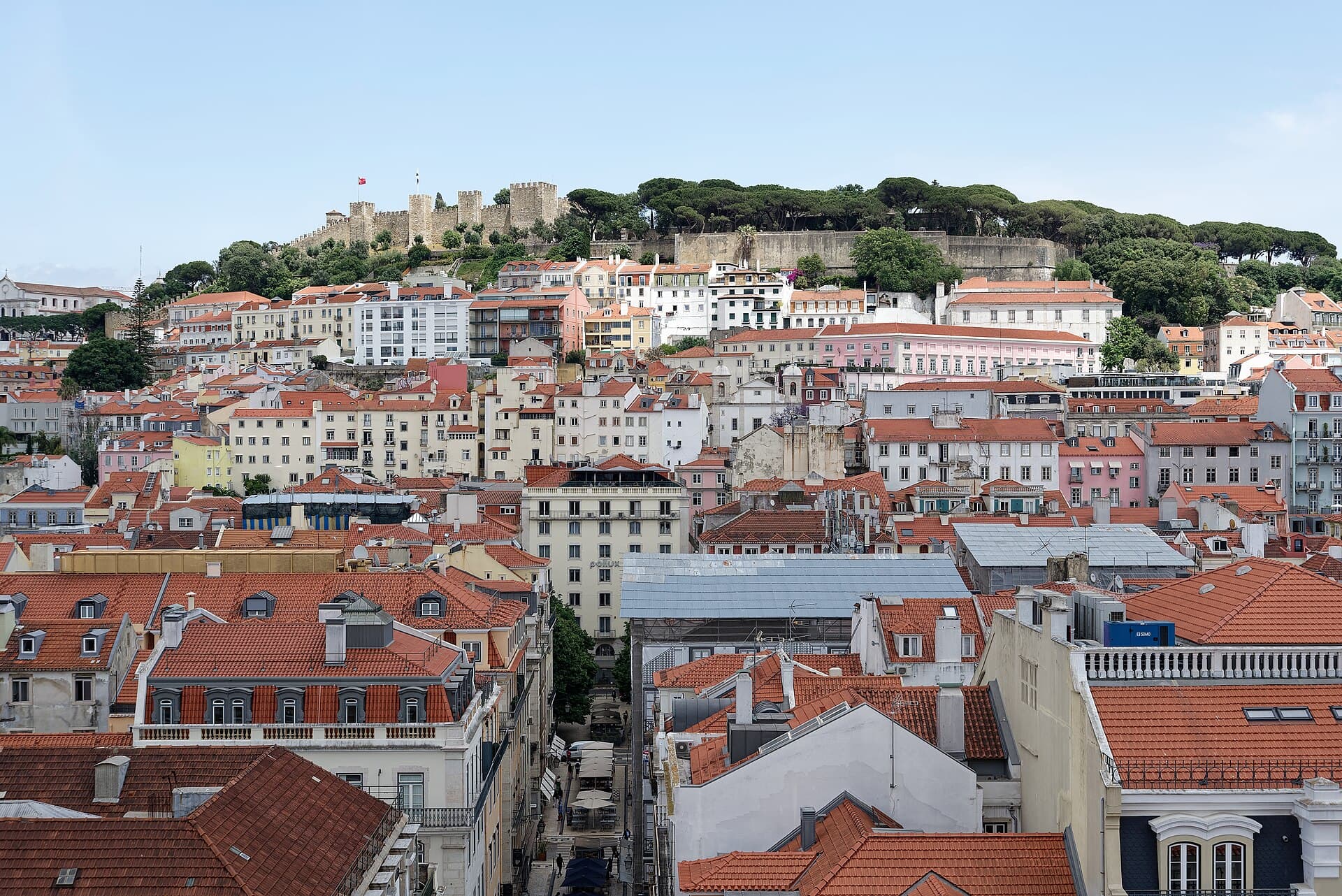
Castelo de Sao Jorge: The Lisbon Hilltop Every Ruler Fortified
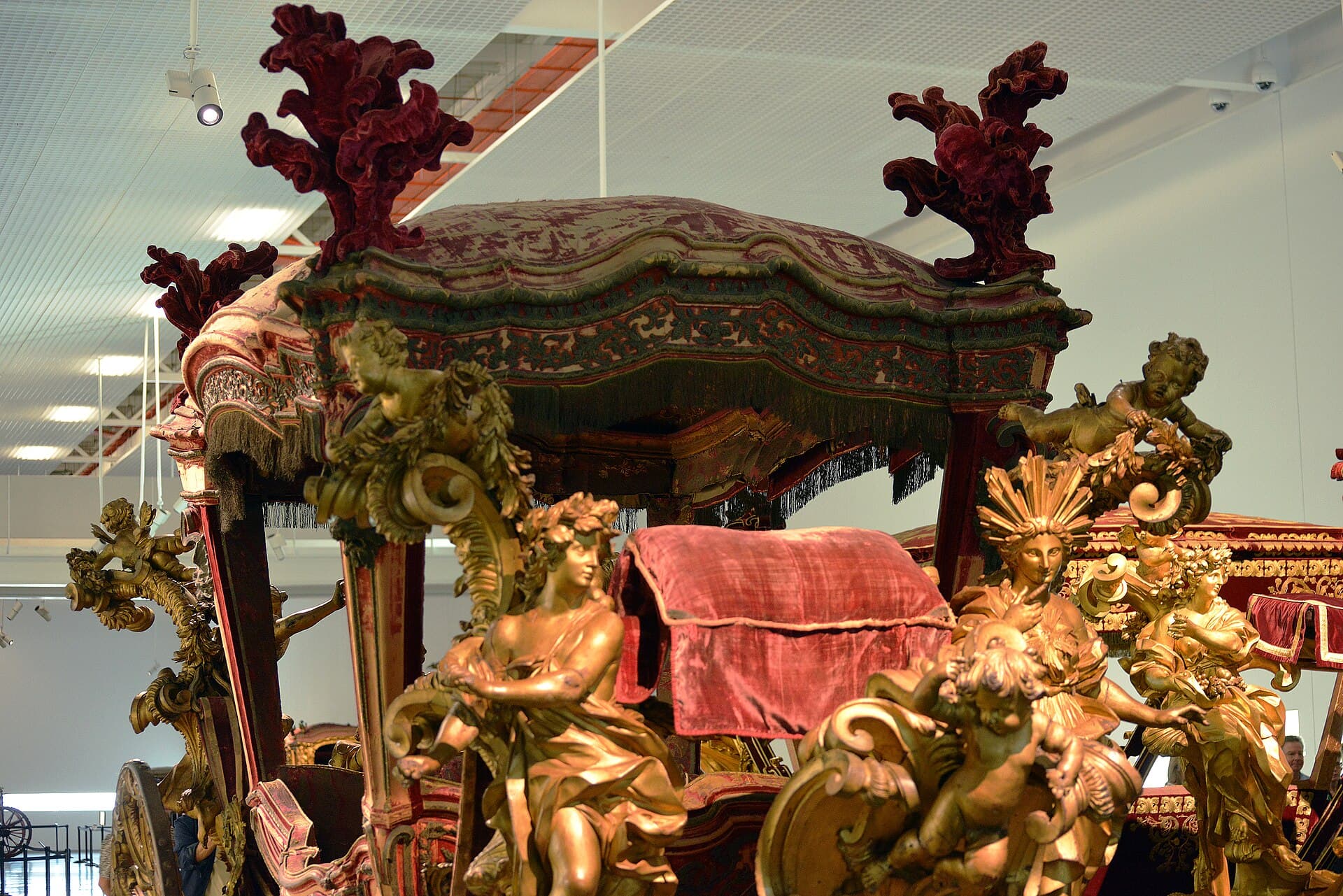
The National Coach Museum: Where Empire Came Home as Gold Leaf