The Quarter That Outlived the Quake
130 min · 3.4 km · moderate
If you have one day in Lisbon and want to walk it, spend the morning on the flat riverbank at Belem, the midday hours climbing Alfama's old Moorish hill, and the late afternoon reading the earthquake-rebuilt grid of the Baixa down to Chiado. That order works because it front-loads the two sites with the worst ticket queues (the Jeronimos Monastery and the Belem Tower), puts the steepest climbing after you have warmed up, and finishes on level, easy streets when your legs are tired. The whole loop threads three self-guided Lisbon walking tours you can play at your own pace, with no schedule and no group to keep up with. One planning rule matters above all the others: do not attempt this itinerary on a Monday.
Why not Monday
Three of the day's anchor buildings close on Mondays: the Jeronimos Monastery cloister, the Belem Tower, and the National Pantheon in Alfama. The Castelo de Sao Jorge stays open seven days a week, but if you want to go inside any of those three closed monuments, pick any other day. All three follow the same Tuesday-to-Sunday pattern and also close on 1 January, 1 May, 13 June (Lisbon's Saint Anthony holiday), and 25 December.
Morning: Belem, on the flat by the river
Hear a stop from this walk
Castelo de Sao Jorge: The Hill Everyone Fortified
Start early in Belem, a stretch of riverbank a few kilometres west of the centre where Portuguese ships once set out to open a sea route to India. Getting there is simple: tram 15E runs from Praca da Figueira through Praca do Comercio and Cais do Sodre out to Belem in roughly 40 minutes, or the Cascais-line train from Cais do Sodre reaches Belem station in about ten. Board tram 15E at the start of its line for a better chance at a seat, and keep your bag zipped and in front of you, because the Belem trams draw pickpockets like the famous 28.
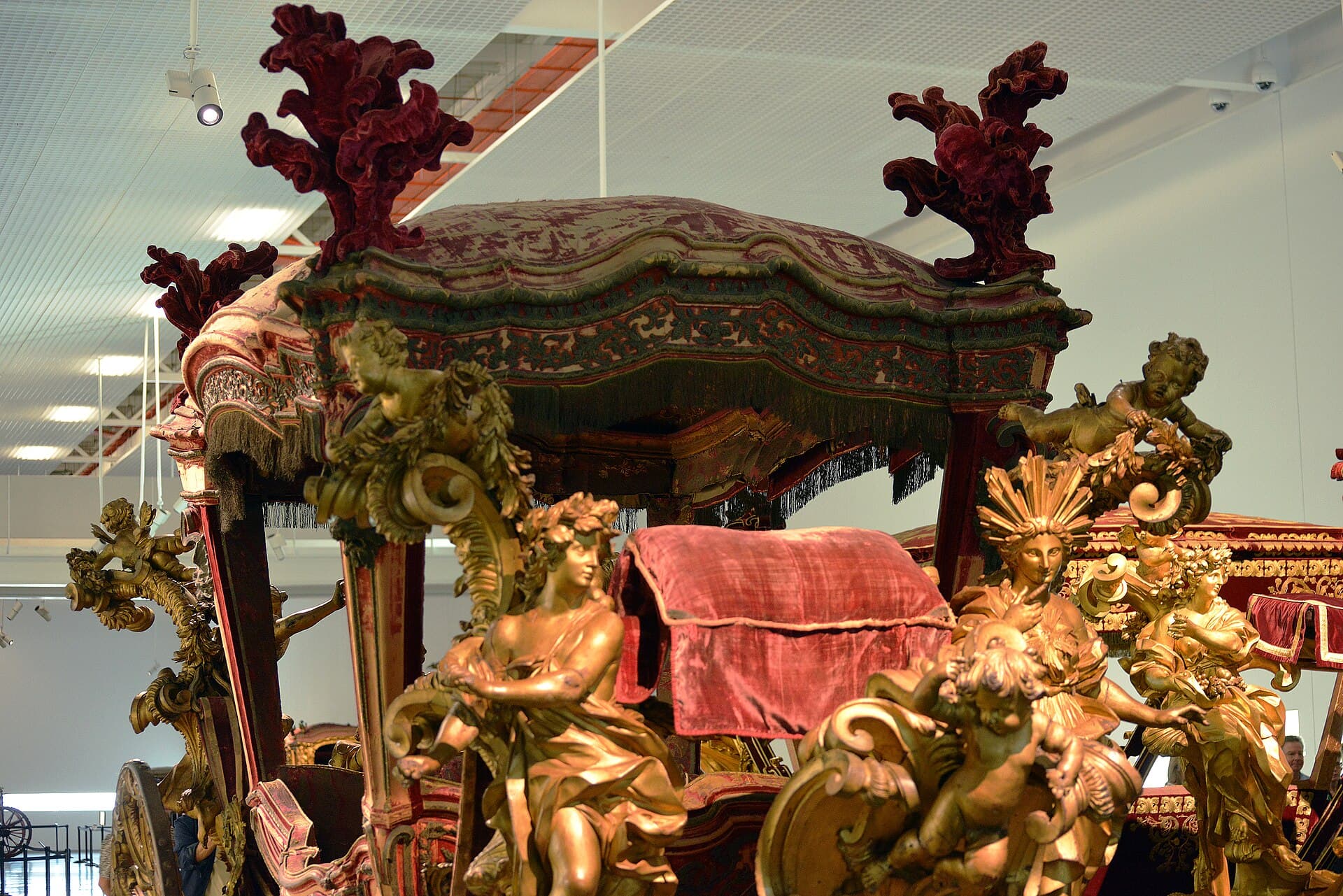
The self-guided Belem walk is a little over three kilometres, almost entirely flat, with seven short stops. Begin at the Mosteiro dos Jeronimos, the vast Manueline monastery King Manuel the First ordered founded in 1495 and financed through the Vintena da Pimenta, a roughly five percent tax on trade with Africa and the East. The church of Santa Maria de Belem, holding the tombs of Vasco da Gama and the poet Luis de Camoes, is free to enter. The cloister is ticketed separately, around 18 euros for an adult in 2026, and the walk-up line is the single biggest time cost in Belem, so buy online ahead or arrive at opening. From there the route crosses the Praca do Imperio (a formal garden square laid out in 1940 for the Portuguese World Exhibition, far younger than the monastery it fronts), passes the National Coach Museum, and reaches the confectionery where the custard tart known as the pastel de Belem has been made since 1837.
Then walk down to the water for the Padrao dos Descobrimentos, the caravel-shaped Monument to the Discoveries, and finish at the Torre de Belem at the river's edge. One 2026 note on the tower: it reopened on 27 May 2026 after a major restoration and now runs on timed-entry slots with reduced capacity, at around 15 euros for an adult, so check its current hours and buy a slot before you go rather than counting on a walk-up ticket. The tower and monastery were jointly inscribed as a UNESCO World Heritage Site in 1983.
Midday: climb Alfama
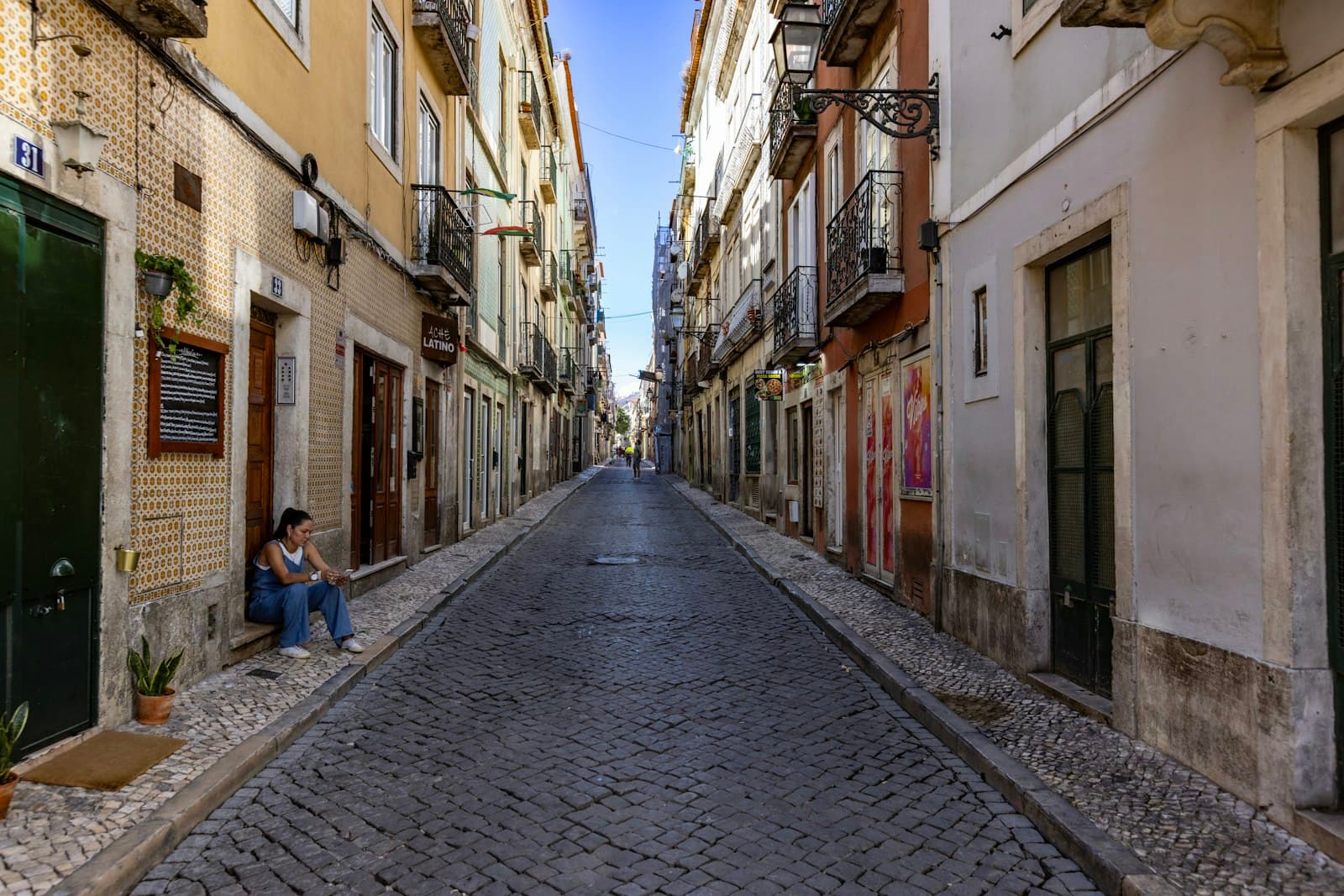
Take tram 15E back toward the centre and transfer up to Alfama, the dense hill below the castle that largely survived the 1755 earthquake because it sits on bedrock rather than the soft riverbank that swallowed the lower town. This is the day's climb, and it is worth doing on foot even though it is steep. The self-guided Alfama walk covers about three and a half kilometres over seven stops and roughly two and a half hours.
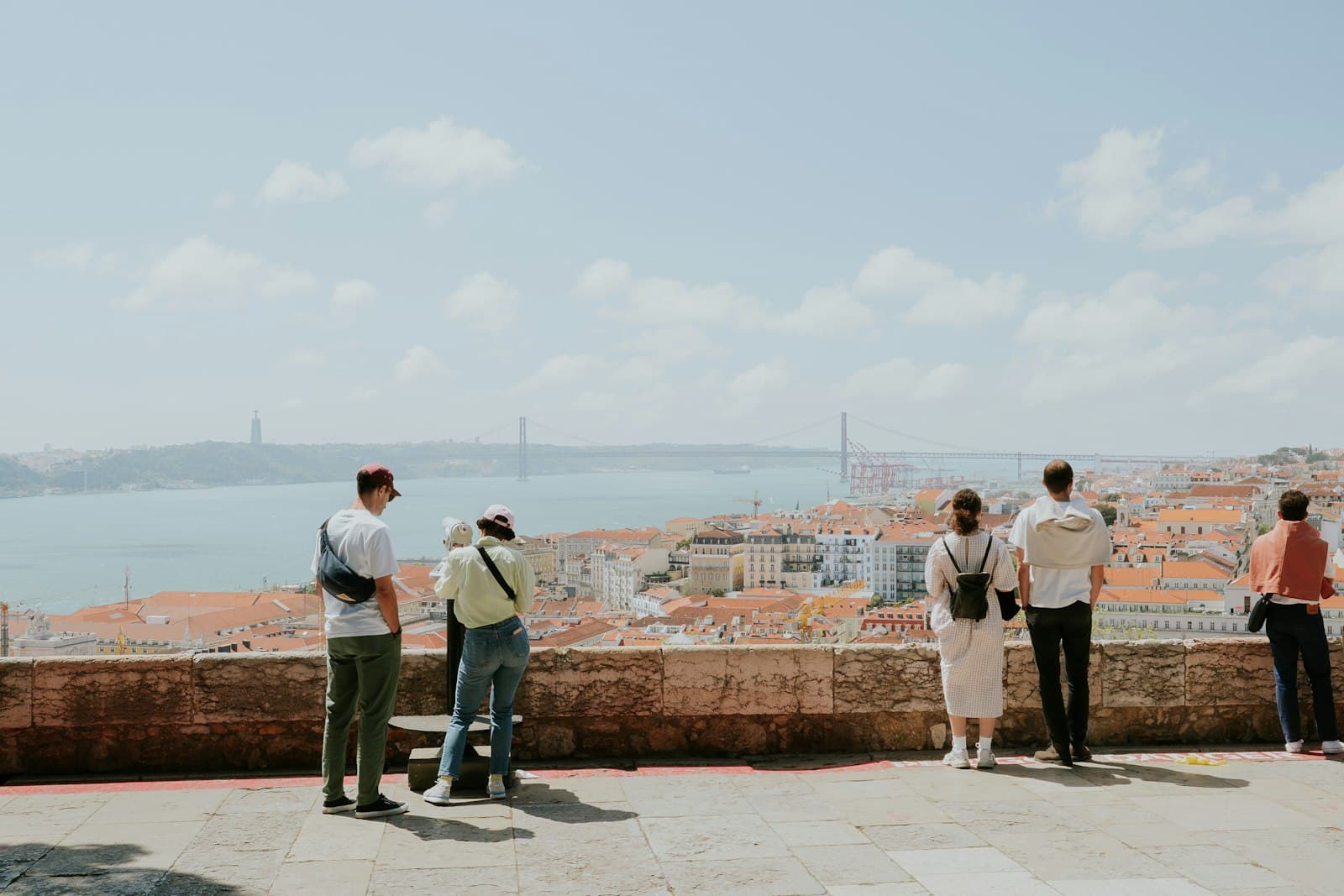
It begins at the Se de Lisboa, the fortress-like cathedral begun around 1147 on the site of the city's main mosque; the cathedral itself is free, with a small charge for the cloister and treasury. From there the route passes the Church of Saint Anthony, climbs to the tiled Miradouro de Santa Luzia and the Largo das Portas do Sol (both free, open-air terraces on the line of the old Moorish wall), and reaches the Castelo de Sao Jorge at the crown of the hill. The castle costs about 17 euros for an adult in 2026, is free with a Lisboa Card, and stays open daily (roughly 9am to 9pm from March through October, closing at 6pm in winter). The terraces just outside the walls give you a fine panorama for free if you would rather skip the ticket.
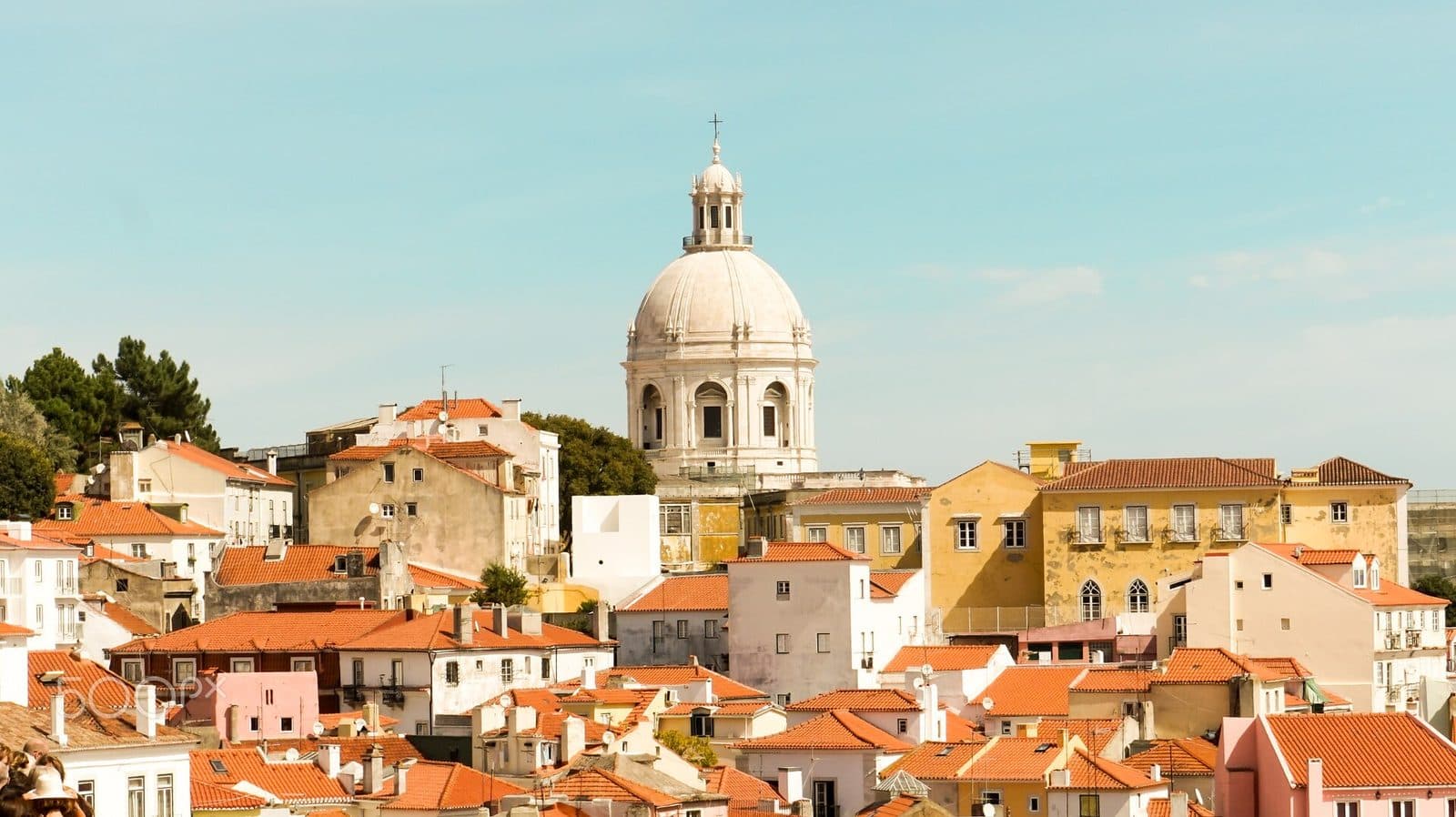
The walk descends to the Museu do Fado (a small entry fee, audioguide included) and ends at the Panteao Nacional, the National Pantheon, which is closed Mondays and open Tuesday to Sunday until 6pm with a modest entrance fee. Wear shoes with real grip: Lisbon's calcada cobblestones turn slick when worn smooth, and this whole route is climb and descent.
Late afternoon: Baixa and Chiado, downhill and easy
Finish on the flat. The self-guided Baixa and Chiado walk is the shortest of the three, about 1.8 kilometres and 90 minutes, mostly level, which is exactly what you want when your legs are done climbing. It reads the rebuilt lower town as a single planned machine: after the earthquake, the Marques de Pombal's engineers reconstructed the Baixa as a strict grid of wide straight streets, the opposite of Alfama's medieval tangle.
Start at the riverfront Praca do Comercio, pass under the Arco da Rua Augusta, walk the pedestrian Rua Augusta up to the Rossio, and see the Elevador de Santa Justa (a wrought-iron lift whose miradouro viewpoint costs around 5 euros). Note that a 24-hour transit day pass covers the ride up and down but not the observation deck, while the Lisboa Card gives you the viewpoint for free. The route continues to the roofless Convento do Carmo, whose bare Gothic arches were left open to the sky as an earthquake ruin, and ends at the bronze statue of the poet Fernando Pessoa outside the Cafe A Brasileira in Chiado. Most of this walk is free public streets and squares, so it is a gentle, low-cost close to a full day.
Tickets, passes, and how to save time
If you plan to go inside several monuments, price out the Lisboa Card first: in 2026 it runs from about 31 euros for 24 hours, 51 euros for 48 hours, and 62 euros for 72 hours, and it covers the castle, the National Pantheon, the Jeronimos cloister, and the Belem Tower plus unlimited metro, bus, tram, and the Cascais and Sintra trains. For a one-day visitor doing all three walks and entering the paid interiors, it usually saves both money and queue time. If you would rather pay per site, buy the Jeronimos and Belem Tower tickets online in advance, since those two lines are the day's worst.
Is Lisbon safe to walk?
Lisbon is a safe city to explore on foot; the realistic risk for a day-tripper is theft, not violence. Pickpockets concentrate on crowded transport, above all tram 28E and the Belem trams, and around packed tourist squares. Keep your phone in a zipped front pocket, your bag closed and in front of you on trams, and stay alert near the exits where thieves work the doors. On the walks themselves, the bigger hazard is footing: the polished cobblestones are genuinely slippery when damp, and Alfama's lanes are shared with historic trams, tuk-tuks, and delivery vans on blind corners, so step aside and watch where you plant your feet.
Sources
Frequently asked questions
- What is the best one-day walking itinerary for Lisbon?
- Walk Belem in the morning while it is cool and before the Jeronimos Monastery and Belem Tower queues build, climb Alfama's hill at midday, then finish on the flat streets of the Baixa and Chiado in the late afternoon. This order front-loads the two worst ticket lines and saves the steep climbing for after you have warmed up. The full loop covers roughly eight and a half kilometres across three self-guided walks.
- Can I do this Lisbon itinerary on a Monday?
- No. The Jeronimos Monastery cloister, the Belem Tower, and the National Pantheon all close on Mondays, and they are three of the day's main indoor sites. The Castelo de Sao Jorge stays open seven days a week, but if you want to enter the closed monuments, choose any other day. All three also close on 1 January, 1 May, 13 June, and 25 December.
- How do I get from central Lisbon to Belem?
- Tram 15E runs from Praca da Figueira through Praca do Comercio and Cais do Sodre to Belem in about 40 minutes, and the Cascais-line train from Cais do Sodre reaches Belem station in roughly ten minutes. Board the tram at the start of its line for a better chance at a seat. Keep valuables zipped and in front of you, as the Belem trams attract pickpockets.
- How much does it cost to enter Lisbon's main sights in 2026?
- In 2026 the Jeronimos Monastery cloister is about 18 euros for an adult, the Castelo de Sao Jorge about 17 euros, and the Belem Tower around 15 euros with new timed-entry slots after its May 2026 restoration reopening. The National Pantheon and Santa Justa Lift viewpoint each charge a small fee, and many churches and squares are free. The Lisboa Card (from about 31 euros for 24 hours) bundles these monuments with transit.
- Is Lisbon safe to walk around for a day?
- Yes, Lisbon is a safe city to explore on foot, and the realistic risk for visitors is pickpocketing rather than violence. Thieves concentrate on crowded transport, especially tram 28E and the Belem trams, and around packed tourist squares. Keep your phone in a zipped front pocket and your bag closed and in front of you, and watch your footing on the slippery cobblestones.
- How much walking is the full one-day Lisbon plan?
- The three self-guided walks total roughly eight and a half kilometres. Belem is a little over three kilometres and almost entirely flat, Alfama is about three and a half kilometres with a real climb, and Baixa-Chiado is about 1.8 kilometres and mostly level. Doing Baixa-Chiado last keeps the easiest, flattest section for when your legs are tired.
Ready to experience it?
The Quarter That Outlived the Quake
130 min · 3.4 km · moderate
More from Lisbon
Explore more at your own pace.
Lisbon Rebuilt by Reason: Three Answers to Catastrophe
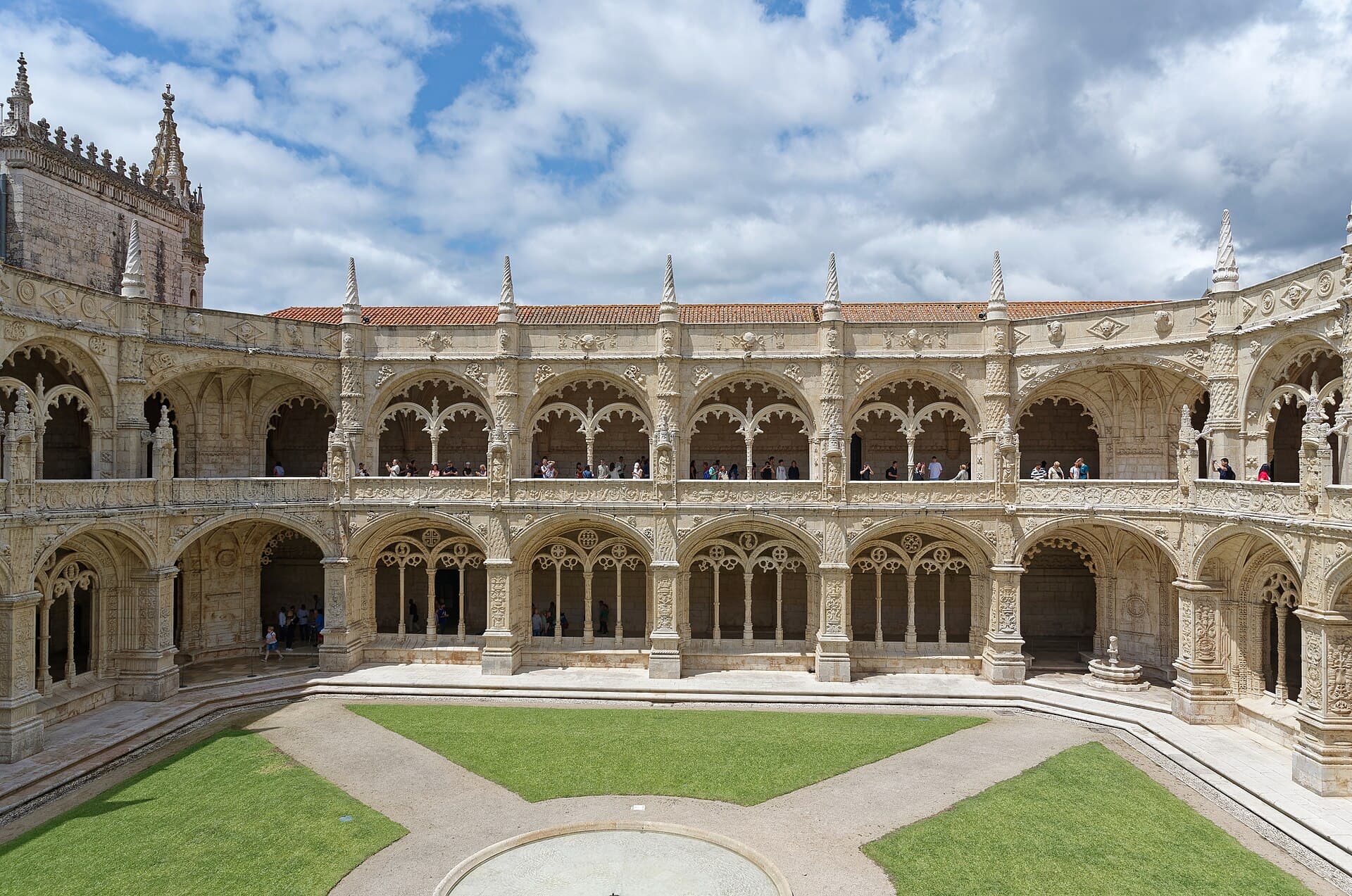
Jeronimos Monastery: How a Tax on Pepper Built Lisbon's Belem
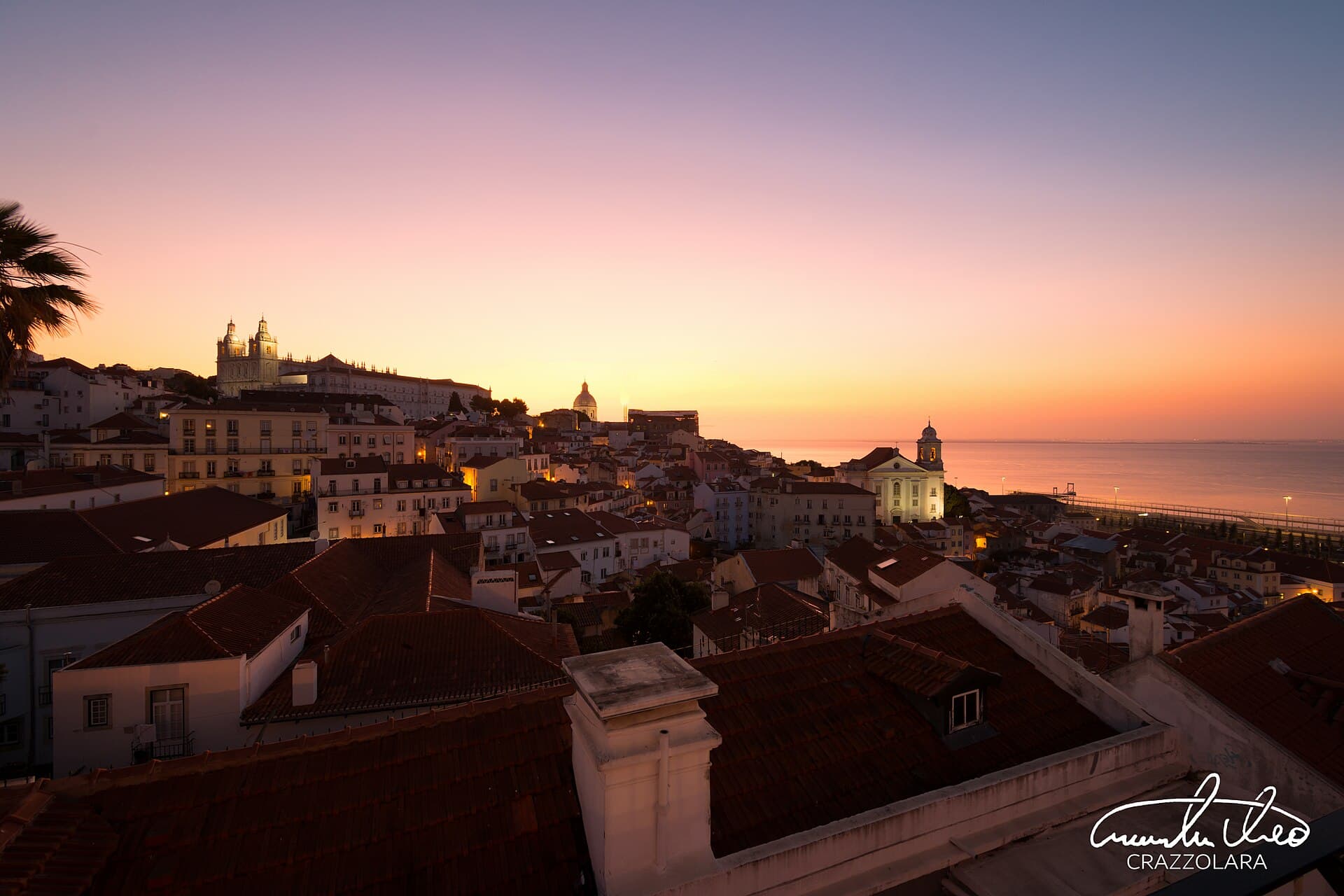
Portas do Sol: The Terrace on Lisbon's Vanished Moorish Wall
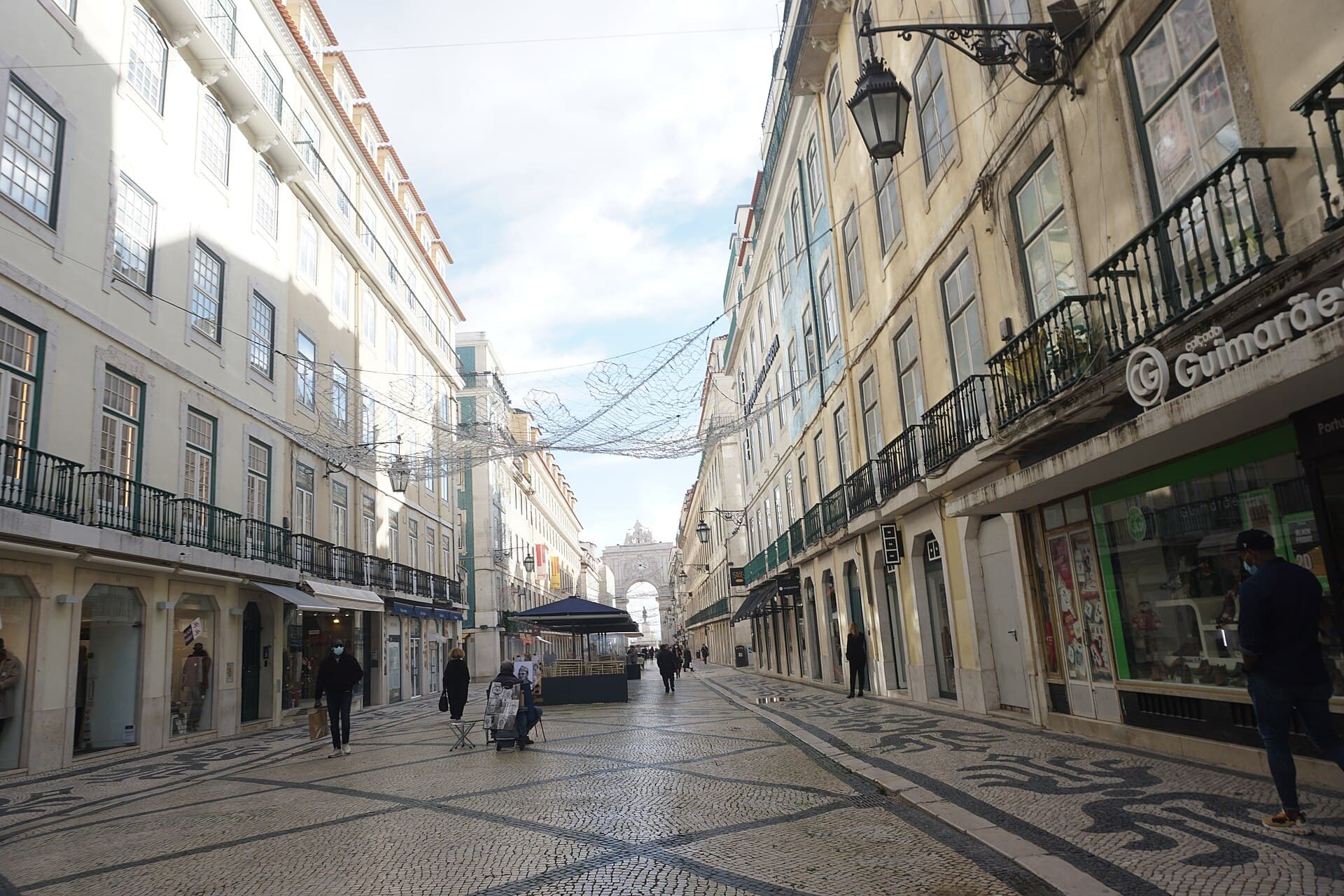
The Hidden Cage Under Rua Augusta: How Lisbon Engineered Its Downtown to Shake and Not Fall
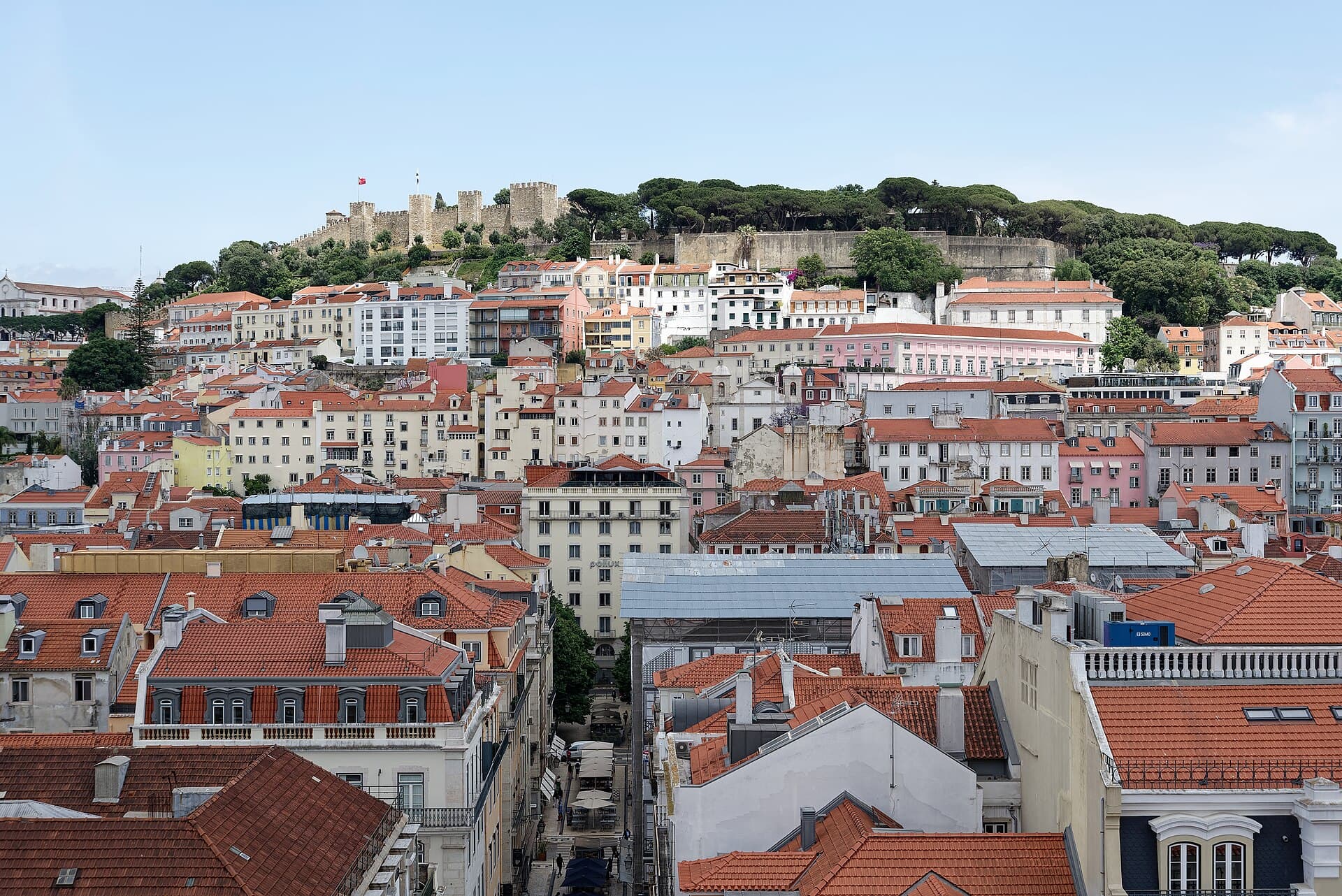
Castelo de Sao Jorge: The Lisbon Hilltop Every Ruler Fortified