The Quarter That Outlived the Quake
130 min · 3.4 km · moderate
Give Lisbon three full days, get around mostly on foot with the metro and trams filling the gaps, aim for spring or autumn, keep a hand on your bag on packed trams, and budget for a walkable rather than expensive city. That is the short version. Lisbon is built across steep hills above the Tejo river, so the practical questions travelers ask (how long, how to move, when to come, is it safe, what will it cost) all come back to one thing: this is a walking city with good transit underneath it, and the more you plan around your own legs, the better it treats you.
How many days do you need in Lisbon
Three days is the honest sweet spot for a first visit. It gives you one day for the old core, one day for the riverside monuments at Belém, and one day for a downhill wander or a day trip, without forcing you to sprint.
A rough shape that works: spend your first day in the historic center, climbing Alfama from the cathedral up to the castle hill and back down toward the river. Our Alfama self-guided walk covers that arc in seven stops over roughly two hours and about three and a half kilometers, from the Se de Lisboa up past the Miradouro de Santa Luzia to Castelo de Sao Jorge and on to the Museu do Fado. Give your second morning to the flat downtown grid of Baixa and the literary streets of Chiado (a shorter, easier walk of about 1.8 kilometers through Praca do Comercio, the Arco da Rua Augusta, Rossio, and the ruined Convento do Carmo). Save a half or full day for Belem, west along the river, where the Jeronimos Monastery, the Monument to the Discoveries, and Belem Tower sit within a walkable stretch.
Two days is doable if you are efficient and skip Belem or compress it. Four or five days lets you add a day trip to Sintra or Cascais, both reachable by train, and gives you unhurried time to sit in a miradouro (a viewpoint terrace) with a coffee. If you only have one day, pick the Alfama and Baixa-Chiado routes back to back, since they connect on foot.
How to get around Lisbon
Hear a stop from this walk
Castelo de Sao Jorge: The Hill Everyone Fortified
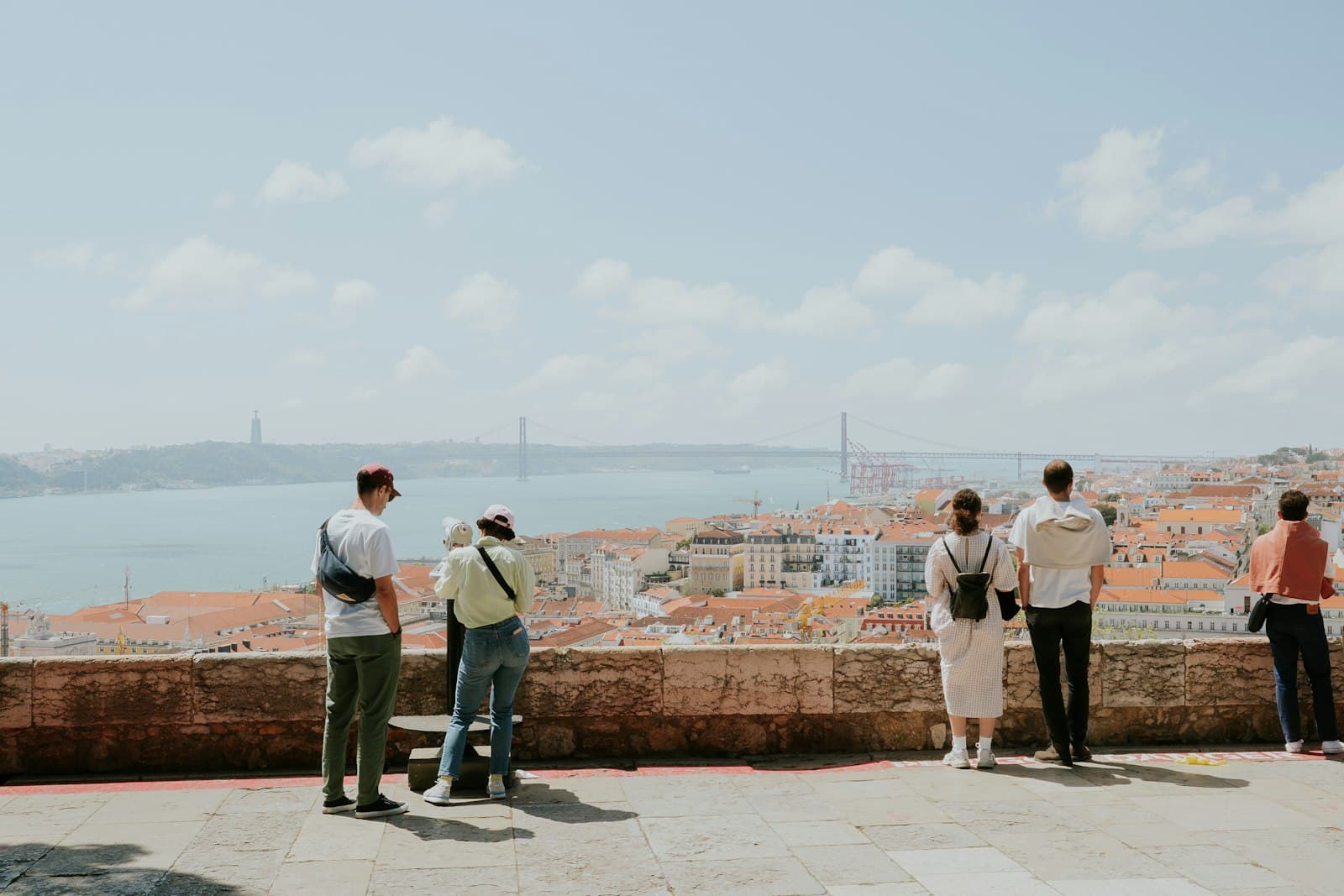
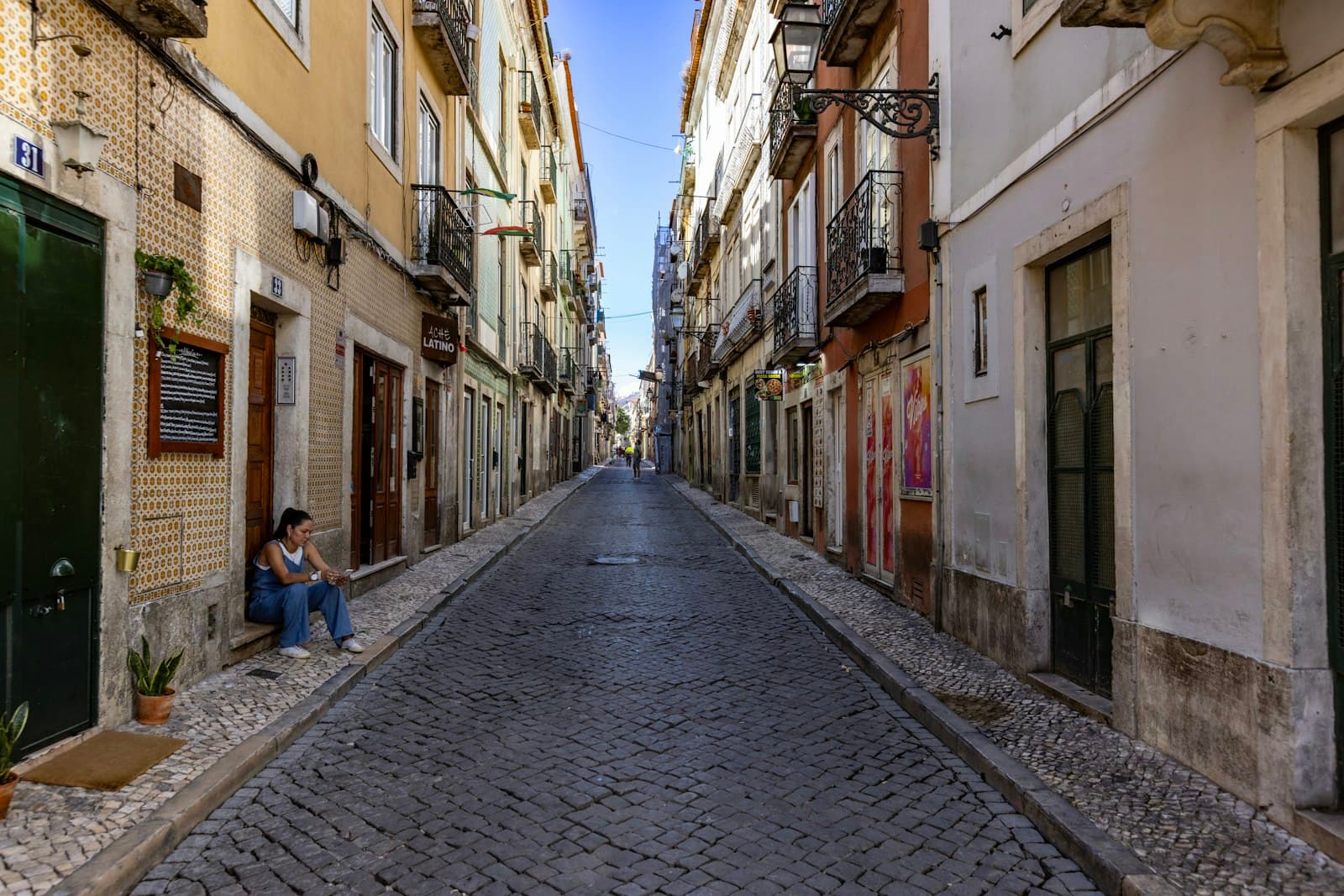
Walk first, ride when the hills win. Central Lisbon is compact, and the neighborhoods you most want to see (Alfama, Baixa, Chiado, Bairro Alto) are stitched together by streets you can cover on foot in minutes. The catch is elevation: Alfama and the castle hill are genuinely steep, often on slick calcada (traditional Portuguese cobblestone), so pack real walking shoes and expect to earn your views.
For the gaps, the transit system is cheap and easy:
- Metro. Four color-coded lines cover the airport, downtown, and the main hubs. A single metro ride is 1.90 euros in 2026 when loaded onto a reusable Navegante (formerly Viva Viagem) card, which itself costs 0.50 euros. Metro is your fastest option between distant points, though it does not reach Belem or the top of the castle hill.
- Trams and buses. The historic yellow trams (Tram 28 is the famous one) climb where the metro cannot. Onboard single fares bought from the driver are more expensive than card fares, so load a Navegante card instead. A 24-hour Carris/Metro pass costs 7.25 euros in 2026 and covers buses, trams, metro, and the funiculars, which is worth it on a heavy-walking day.
- The funiculars and the Santa Justa lift. Lisbon's inclined railways (like the Gloria funicular) and the wrought-iron Elevador de Santa Justa are transport that doubles as sightseeing. The Santa Justa lift is often crowded; the free viewpoint beside the Convento do Carmo reaches nearly the same height without the queue.
- From the airport. Humberto Delgado Airport sits on the metro Red Line, with the station directly under Terminal 1. The ride into the center runs roughly 20 to 35 minutes for the same 1.90 euro fare, making it the cheapest and most reliable arrival. Taxis, Uber, and Bolt are also available if you have heavy luggage.
The Lisboa Card is worth a look if you plan to hit several paid monuments. In 2026 it starts around 31 euros for 24 hours, 51 euros for 48 hours, and 62 euros for 72 hours, and it bundles unlimited public transport with free entry to a long list of sites, including Jeronimos Monastery, Belem Tower, and Castelo de Sao Jorge, plus the trains to Sintra and Cascais. If you are mostly walking self-guided routes and entering only one or two ticketed sites, a plain transit card is cheaper. If you are museum-hopping, the card can pay for itself.
Because the self-guided routes above run on GPS-triggered audio and downloadable maps, you can move at your own pace between stops and let the walking, not a schedule, set the rhythm. That pairs naturally with a walk-first approach to the city.
When is the best time to visit Lisbon
Come in spring (March to May) or autumn (September to October). Those shoulder seasons give you mild temperatures in the range of 16 to 24 degrees Celsius, long hours of light for walking, and noticeably thinner crowds than high summer. Hotel prices in April and May tend to run lower than the July and August peak.
July and August are hot and busy. Temperatures regularly climb above 29 degrees Celsius, and Lisbon's cobblestones radiate heat back at you by mid-afternoon, which is punishing on the uphill stretches of Alfama. Lines at Sao Jorge Castle and Jeronimos Monastery get long, and some smaller family-run restaurants close for a few weeks in August while owners take their own holidays. If you can only travel in summer, start walking early, rest in the shade of a miradouro through the hottest hours, and resume in the evening.
Winter (November through February) is the quietest and cheapest stretch, apart from the Christmas period. It is cooler and can be rainy, but Lisbon rarely gets truly cold, and you will have the viewpoints and the castle largely to yourself. For most visitors, late April into May or the weeks after early September hit the best balance of weather, light, and space.
Is Lisbon safe
Yes, with ordinary city caution. Lisbon ranks among Europe's safer capitals for violent crime, and incidents against tourists are rare. The real and specific risk is pickpocketing, and it concentrates in predictable places: the packed historic trams (Tram 28 above all), crowded metro platforms, and busy squares where a distraction can cover a hand slipping into a bag.
None of that should keep you away; it should just shape a few habits. Keep your phone and wallet in a front pocket or a zipped bag worn across the front, especially when a tram is jammed shoulder to shoulder. Do not hang a bag on the back of a cafe chair. Stay aware in the crush at Praca do Comercio and Rossio and on the ride up to the castle. Most theft here is quiet and opportunistic rather than confrontational, so a little attention removes most of the risk. Solo travelers, including women, generally find Lisbon comfortable to walk day and evening, and self-guided audio walking lets you keep your eyes up and your route in your ear rather than buried in a paper map.
What does a trip to Lisbon cost
Lisbon is more affordable than most Western European capitals, though it has grown pricier in recent years. Your biggest levers are season and lodging. Transit is genuinely cheap: single rides are 1.90 euros and a full day of buses, trams, and metro is 7.25 euros in 2026.
Attraction entry adds up if you visit the headline monuments. As a rough guide from current pricing, the Jeronimos cloister runs around 18 euros, Belem Tower about 8 euros, the Monument to the Discoveries around 10 euros, and Castelo de Sao Jorge around 17 euros for adults, while the castle, monastery, and tower are free with the Lisboa Card. Many of the best moments cost nothing: the miradouros are free open-air terraces, the churches (including the Se cathedral and the church at Jeronimos) are typically free to enter, and the Pombaline streets of Baixa are a walk, not a ticket. A famous pastel de nata at Pasteis de Belem costs about a euro and a half. Food ranges widely, from a few euros for a bakery lunch to a proper sit-down dinner, so you control that dial.
To keep costs down, walk the free routes, pay entry only for the one or two monuments you most want to go inside, load a transit card instead of buying onboard fares, and time your trip for the shoulder or off season.
Planning your walk
If you want the city itself to be the plan, the three Lisbon walking tours map cleanly onto three days: Alfama for the medieval hill that survived the 1755 earthquake, Baixa and Chiado for the rebuilt downtown grid, and Belem for the riverside monuments of the age of Portuguese voyages. Each is a self-guided audio route you start when you like and pause when a viewpoint or a bakery earns the stop. Browse them and the rest of the city on the Lisbon city page.
Sources
Frequently asked questions
- How many days do you need in Lisbon?
- Three days is the sweet spot for a first visit. It gives you one day for the historic center around Alfama and the castle, one day for the Belem riverside monuments, and one day for downtown Baixa and Chiado or a day trip to Sintra or Cascais. Two days works if you skip or compress Belem, and four to five days lets you add day trips at an unhurried pace.
- What is the cheapest way to get from Lisbon airport to the city center?
- The metro Red Line is the cheapest and most reliable option. The station sits directly under Terminal 1 at Humberto Delgado Airport, and the ride into the center takes roughly 20 to 35 minutes for a 1.90 euro fare in 2026, loaded onto a reusable Navegante card that costs 0.50 euros. Taxis, Uber, and Bolt are alternatives if you have heavy luggage.
- When is the best time to visit Lisbon?
- Spring (March to May) and autumn (September to October) are best, with mild temperatures around 16 to 24 degrees Celsius and thinner crowds than summer. July and August are hot, often above 29 degrees Celsius, and crowded, and some small restaurants close in August. Winter is quiet and cheap apart from the Christmas period.
- Is Lisbon safe for tourists?
- Yes. Lisbon ranks among Europe's safer capitals for violent crime, and incidents against tourists are rare. The main risk is pickpocketing, which concentrates on packed historic trams like Tram 28, crowded metro platforms, and busy squares. Keep valuables in a front pocket or a zipped bag worn across the front, and do not hang bags on cafe chairs.
- How much does a Lisbon trip cost?
- Lisbon is more affordable than most Western European capitals. Transit is cheap: a single ride is 1.90 euros and a 24-hour Carris/Metro pass is 7.25 euros in 2026. Monument entry adds up (roughly 8 to 18 euros per major site), but viewpoints, most churches, and the downtown streets are free, and a pastel de nata costs only a euro or two.
- Is the Lisboa Card worth buying?
- It depends on how many paid monuments you plan to enter. In 2026 the Lisboa Card starts around 31 euros for 24 hours, 51 euros for 48 hours, and 62 euros for 72 hours, bundling unlimited transport with free entry to sites like Jeronimos Monastery, Belem Tower, and Sao Jorge Castle plus trains to Sintra and Cascais. If you are mostly walking and entering only one or two sites, a plain transit card is cheaper.
Ready to experience it?
The Quarter That Outlived the Quake
130 min · 3.4 km · moderate
More from Lisbon
Explore more at your own pace.
Lisbon Rebuilt by Reason: Three Answers to Catastrophe
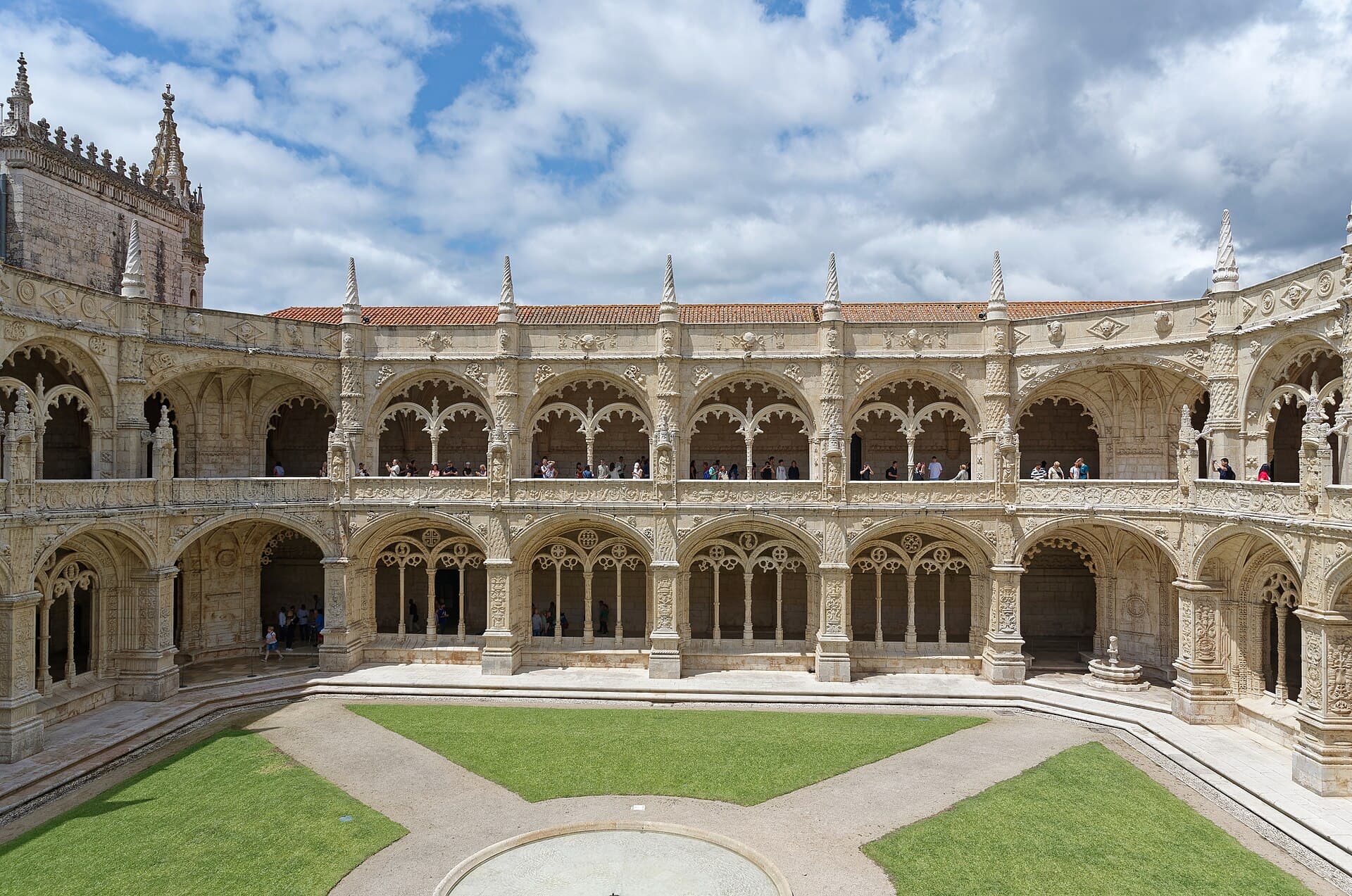
Jeronimos Monastery: How a Tax on Pepper Built Lisbon's Belem

Portas do Sol: The Terrace on Lisbon's Vanished Moorish Wall
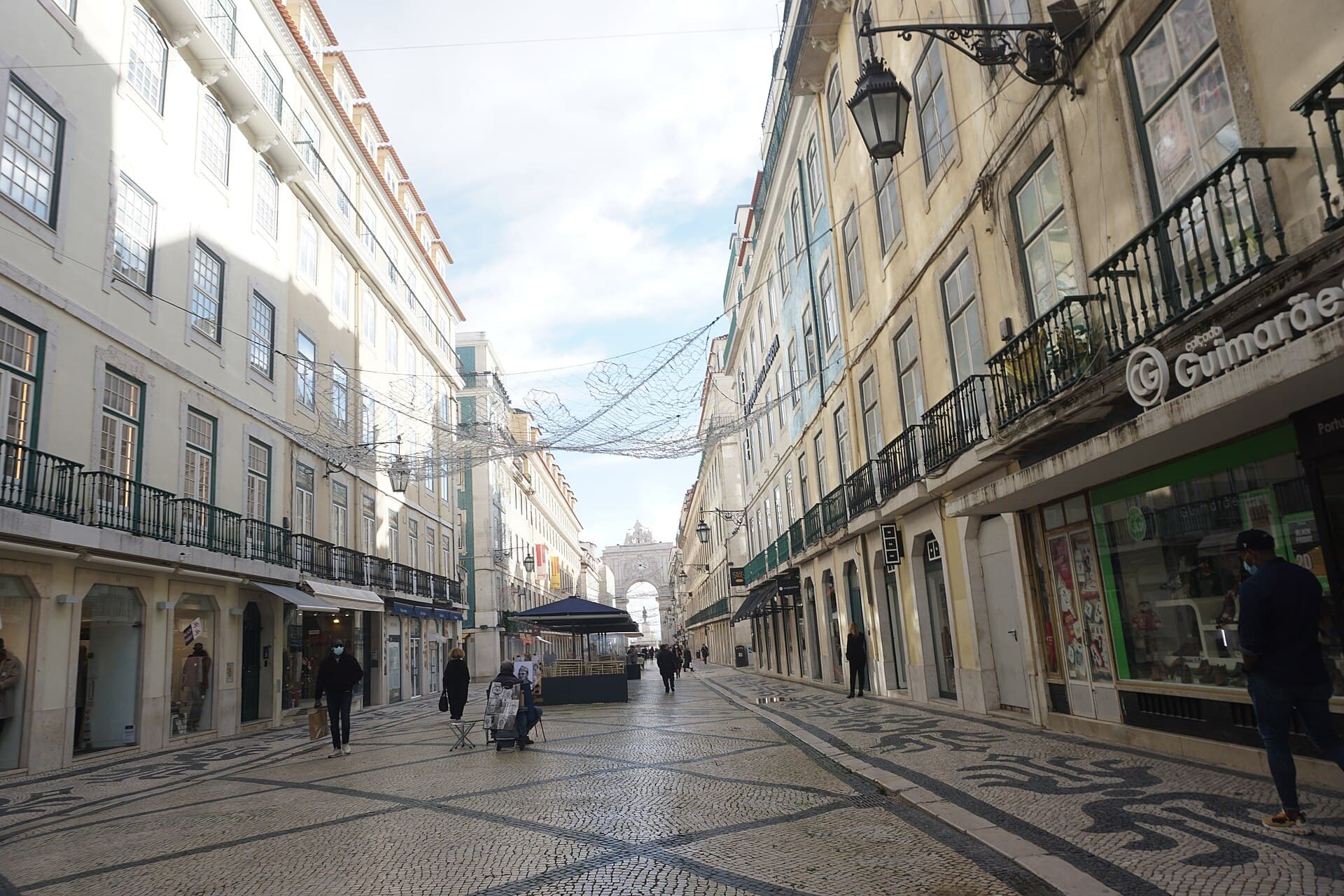
The Hidden Cage Under Rua Augusta: How Lisbon Engineered Its Downtown to Shake and Not Fall
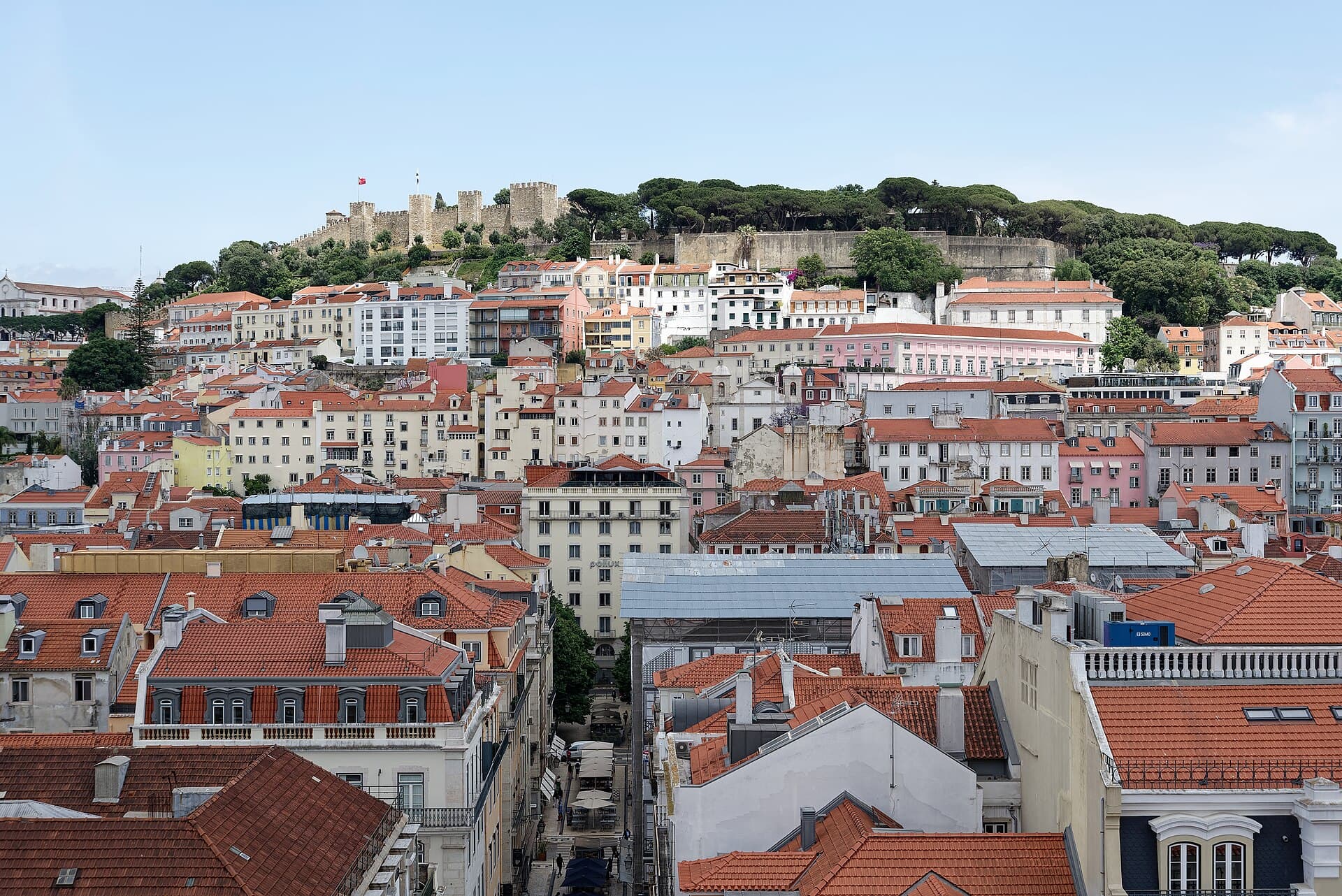
Castelo de Sao Jorge: The Lisbon Hilltop Every Ruler Fortified