The Quarter That Outlived the Quake
130 min · 3.4 km · moderate
If you want to eat like a Lisbon local, anchor your days around five things the city actually cares about: bacalhau (salt cod), grilled sardines, the custard tart called pastel de nata, the pork sandwich known as the bifana, and a small glass of ginjinha cherry liqueur. Each of these is tied to a specific piece of the city's history, most of it reachable on foot, and once you know where the tradition comes from you can order it the way people who live here do. This guide walks through the dishes, the origins that are verifiable, and the plain-language phrases that get you served without fuss.
Start with the pastel de nata, and know what you are ordering
The custard tart is the dish most travelers try first, and Lisbon has a naming quirk worth understanding before you queue. The original is the pastel de Belém, made only at the Fábrica dos Pastéis de Belém in the riverside district of Belém. Everywhere else in Lisbon and across Portugal, the same style of tart is called a pastel de nata (plural pastéis de nata). The Belém factory keeps its recipe secret and is, by its own account, the only maker of the original pastel de Belém, so the name is effectively used only at that one address.
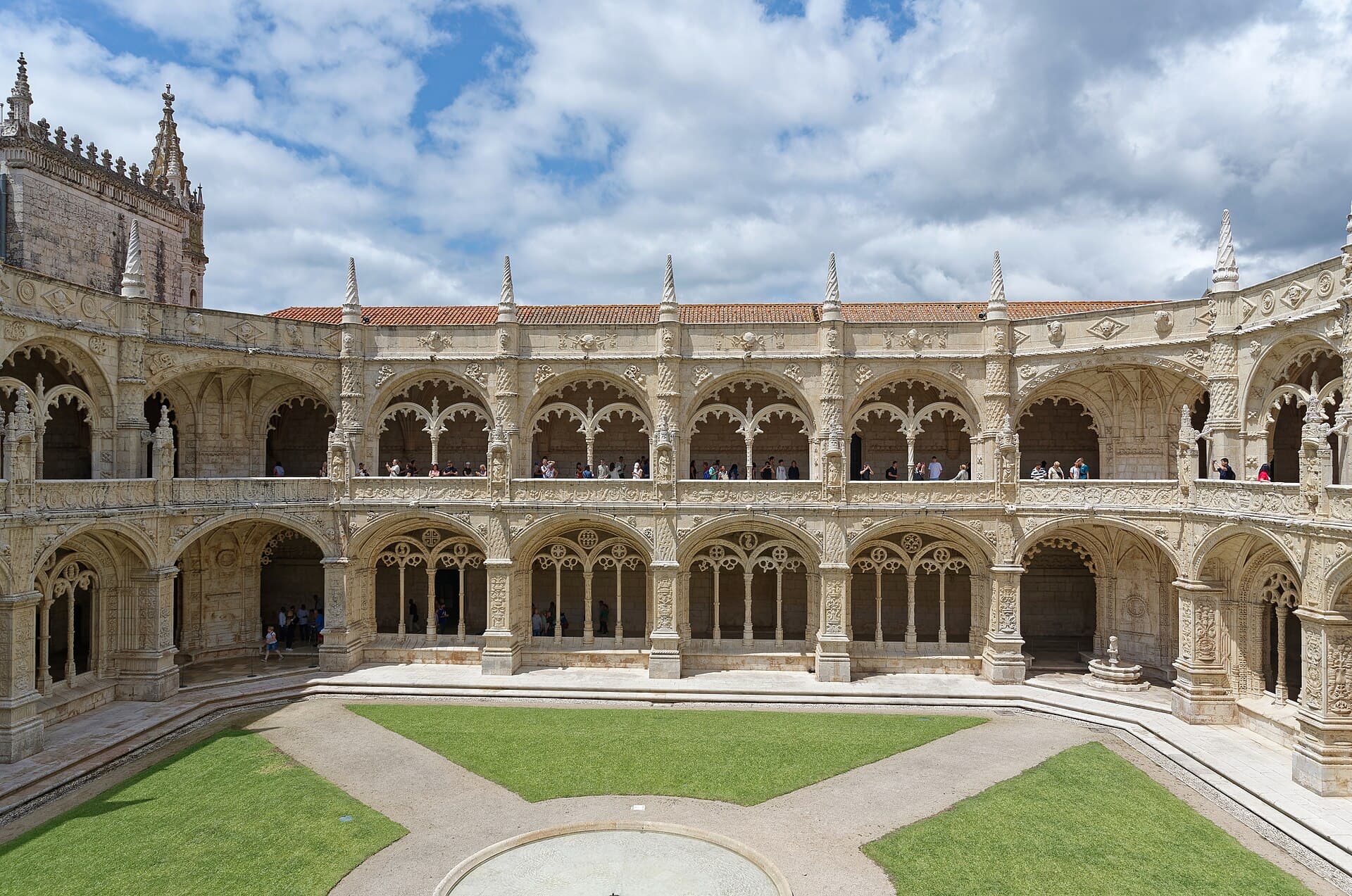
The origin is monastic and practical. Religious communities used large quantities of egg whites to starch habits and liturgical linens, which left mountains of leftover yolks, and they turned those yolks into rich custards baked in thin pastry. When Portugal's liberal revolution led to the dissolution of the religious orders and the closure of the Jerónimos Monastery in 1834, someone connected to the monastery began selling the tarts from a nearby shop, and in 1837 the Fábrica dos Pastéis de Belém opened using that recipe. The tour of Belém stops directly at this history: the Lisbon Belém walk reads the monastery, then the tart, as one continuous thread.
How to order like a local: eat it warm, dust it yourself with cinnamon and powdered sugar from the shakers on the counter, and ask for "um pastel de nata" (one) or "dois pastéis" (two). A short espresso, called "um café" or "uma bica" in Lisbon, is the standard partner. You do not need to travel to Belém to eat a good one. A warm tart from a neighborhood pastelaria is the everyday version of the same tradition.
Bacalhau: the salt cod with a recipe for every day
Hear a stop from this walk
Castelo de Sao Jorge: The Hill Everyone Fortified
Portugal built its national dish out of a fish it has to import, and that paradox is the whole story. Bacalhau is dried, salted cod. Portuguese cooks are proud of the saying that there are more than 365 ways to prepare it, one for each day of the year, and some claim over a thousand. The tradition grew from two forces: salt-cod preservation let cod survive long Atlantic voyages before refrigeration, and Catholic fasting rules that barred meat on many days of the year made cod the reliable substitute. Cod's low fat content is what makes it take salt and dry well, which is the practical reason this particular fish became the one.
For a first order in Lisbon, three dishes are safe and genuinely local. Bacalhau à Brás is shredded cod folded with eggs, thin fried potatoes, and onions. Bacalhau com natas is cod baked in cream. Pastéis de bacalhau (also called bolinhos de bacalhau) are fried cod-and-potato croquettes sold at counters and cafes, ideal as a snack while you walk. Say "queria bacalhau à Brás" (I would like bacalhau à Brás) and you are ordering the way a Lisboeta would.
Grilled sardines, and why June is the month for them
Grilled sardines, sardinhas assadas, are a summer dish before they are a year-round one. The sardine season peaks in June, which is also when Lisbon holds the Festas de Santo António, honoring the saint born in Lisbon who is the most celebrated of the city's saints, with his feast day on the thirteenth of June and the celebrations spreading across the whole month as the Santos Populares. During those weeks the old neighborhoods of Alfama, Graça, Mouraria, and Bairro Alto fill with charcoal grills, and the standard serving is a couple of whole sardines laid over a slice of bread that catches the oil. If you are in Lisbon in June, this is the single most local thing you can eat, and it is eaten standing up at the street parties called arraiais.
The Alfama tour climbs straight through the neighborhoods where this happens, past the Lisbon Alfama route miradouros and the Museu do Fado. Outside sardine season, order them if you see them fresh, but do not expect the same quality in winter. To order: "sardinhas assadas, por favor."
The bifana and the small glass of ginjinha
Two more items round out a local's day. The bifana is a hot sandwich of thin pork simmered in a garlicky sauce of white wine and spices, served on a soft roll. It is a national snack rather than a Lisbon invention (its roots are usually traced to Vendas Novas in the Alentejo region of south-central Portugal), but Lisbon's tascas and stand-up counters serve it constantly, and it is the cheap, fast lunch locals actually eat. Order "uma bifana" and, if you want the bite, add "com mostarda e piri-piri" (with mustard and chili sauce).
Ginjinha is a sweet cherry liqueur served in a tiny glass, sometimes with a boozy cherry dropped in. Lisbon's association with the drink runs through A Ginjinha, opened in 1840 at Largo de São Domingos by a Galician named Espinheira, who is credited as the first to sell the liqueur commercially in the city. It is a stand-at-the-counter, one-glass ritual, not a sit-down drink. Ask "uma ginjinha, com ou sem?" which means with or without the cherry ("com" is with). The counter is a short walk from the Baixa grid covered on the Baixa and Chiado tour.
Practical ordering notes
A few honest logistics. Portugal has a couvert custom: bread, olives, or small dishes brought to the table are not free, and you pay for what you touch, so send back what you do not want. Lunch runs roughly noon to three and dinner starts late, often after eight, so a mid-afternoon pastel de nata bridges the gap the way locals use it. Tipping is modest and optional; rounding up or leaving a small amount is normal, not expected. Prices for a tart, a bifana, or a glass of ginjinha are all a euro or two range at neighborhood spots, which is why walking and grazing beats sit-down meals for tasting the city.
If you would rather have the history narrated as you eat your way through the districts, the three self-guided routes each pass real food anchors: Belém for the pastel de Belém, Alfama for the sardine-festival streets, and Baixa-Chiado for the ginjinha counters. Browse them from the Lisbon walking tours hub, or start on the Lisbon city page.
Sources
Frequently asked questions
- What food is Lisbon most famous for?
- Lisbon is best known for the pastel de nata, a warm custard tart whose original version, the pastel de Belém, is made at the Fábrica dos Pastéis de Belém using a recipe that dates to the monks of the Jerónimos Monastery. The city is also known for bacalhau (salt cod), grilled sardines in summer, the bifana pork sandwich, and ginjinha cherry liqueur.
- What is the difference between pastel de nata and pastel de Belém?
- They are the same style of custard tart, but the name pastel de Belém is used for the tarts made at the Fábrica dos Pastéis de Belém in Belém, which keeps its original recipe secret. Everywhere else in Lisbon and Portugal the tart is called a pastel de nata. The Belém version traces to the monastery recipe, and commercial production there began in 1837.
- Why do Portuguese people eat so much salt cod (bacalhau)?
- Salt cod could be preserved for long Atlantic voyages before refrigeration existed, and Catholic fasting rules that forbade meat on many days of the year made cod the reliable substitute. Cod's low fat content lets it take salt and dry well. Portuguese cooks are proud of the saying that there are more than 365 ways to prepare it, one for each day of the year.
- When is the best time to eat grilled sardines in Lisbon?
- June, when the sardine season is in full swing and the city holds the Festas de Santo António, whose feast day is June 13th, running through the month as the Santos Populares. Charcoal grills appear in Alfama, Graça, Mouraria, and Bairro Alto, serving whole grilled sardines over bread eaten standing up at street parties. Outside summer the fish is less reliably fresh.
- What is ginjinha and where do you drink it in Lisbon?
- Ginjinha is a sweet cherry liqueur served in a small glass, sometimes with a boozy cherry in it. Lisbon's tradition centers on A Ginjinha, opened in 1840 at Largo de São Domingos by a Galician named Espinheira, credited as the first to sell the liqueur commercially in the city. It is a quick, stand-at-the-counter ritual rather than a sit-down drink.
- Is the bread and starters brought to my table in Lisbon free?
- No. The bread, olives, cheese, or small plates set on your table are the couvert, and you pay only for what you eat. If you do not want them, it is normal to send them back untouched. This is standard practice across Portugal, not a scam.
Ready to experience it?
The Quarter That Outlived the Quake
130 min · 3.4 km · moderate
More from Lisbon
Explore more at your own pace.
Lisbon Rebuilt by Reason: Three Answers to Catastrophe
Jeronimos Monastery: How a Tax on Pepper Built Lisbon's Belem
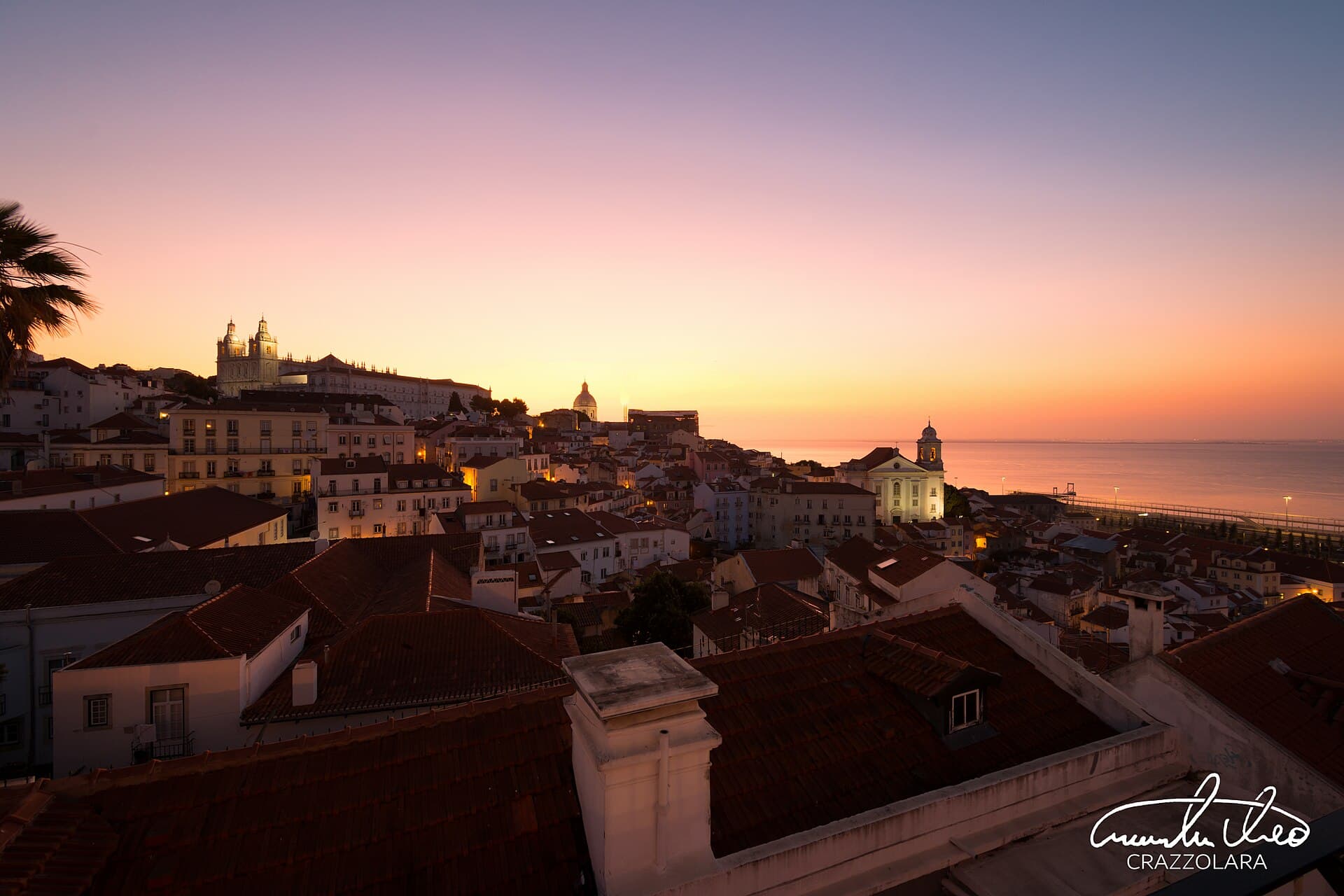
Portas do Sol: The Terrace on Lisbon's Vanished Moorish Wall
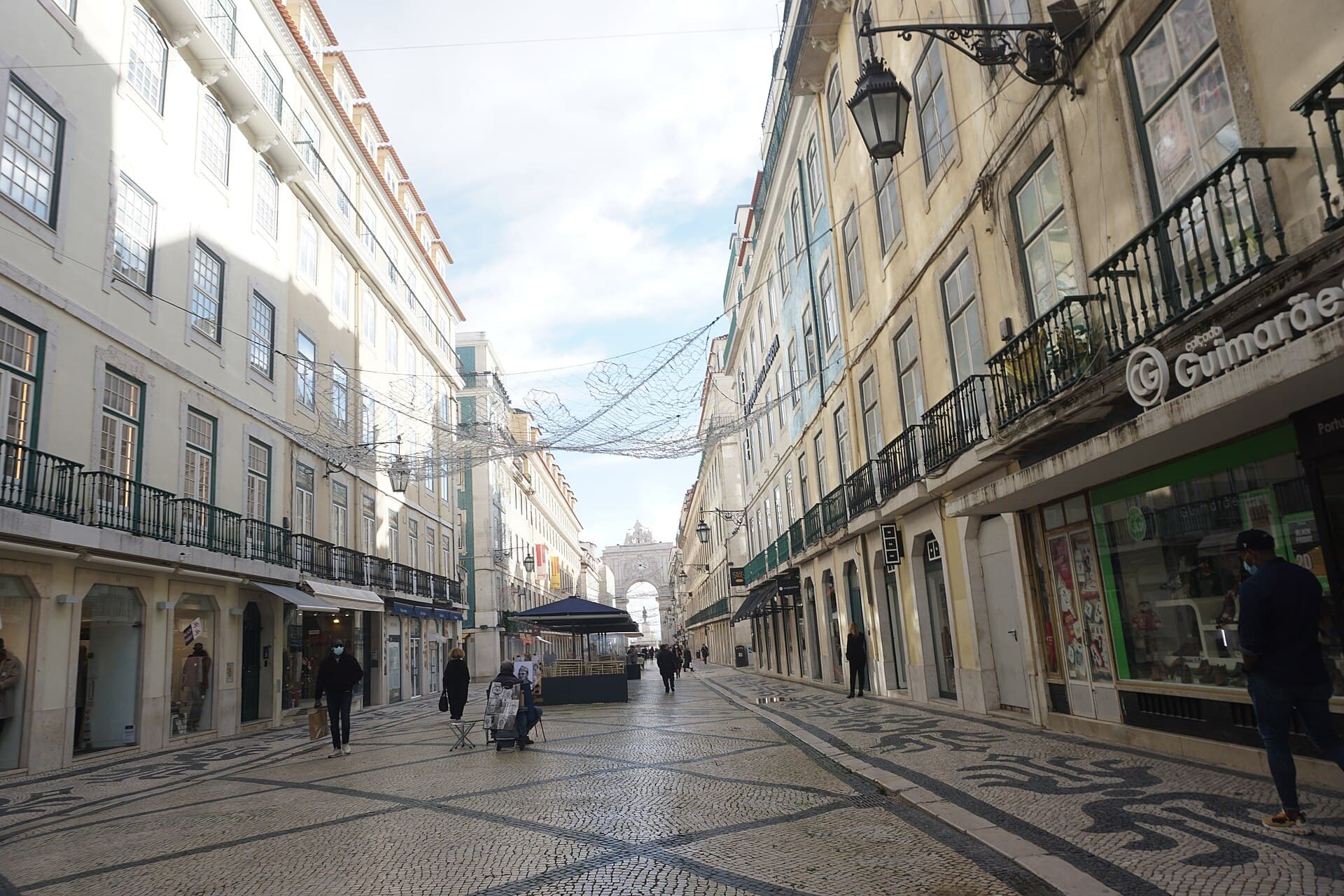
The Hidden Cage Under Rua Augusta: How Lisbon Engineered Its Downtown to Shake and Not Fall
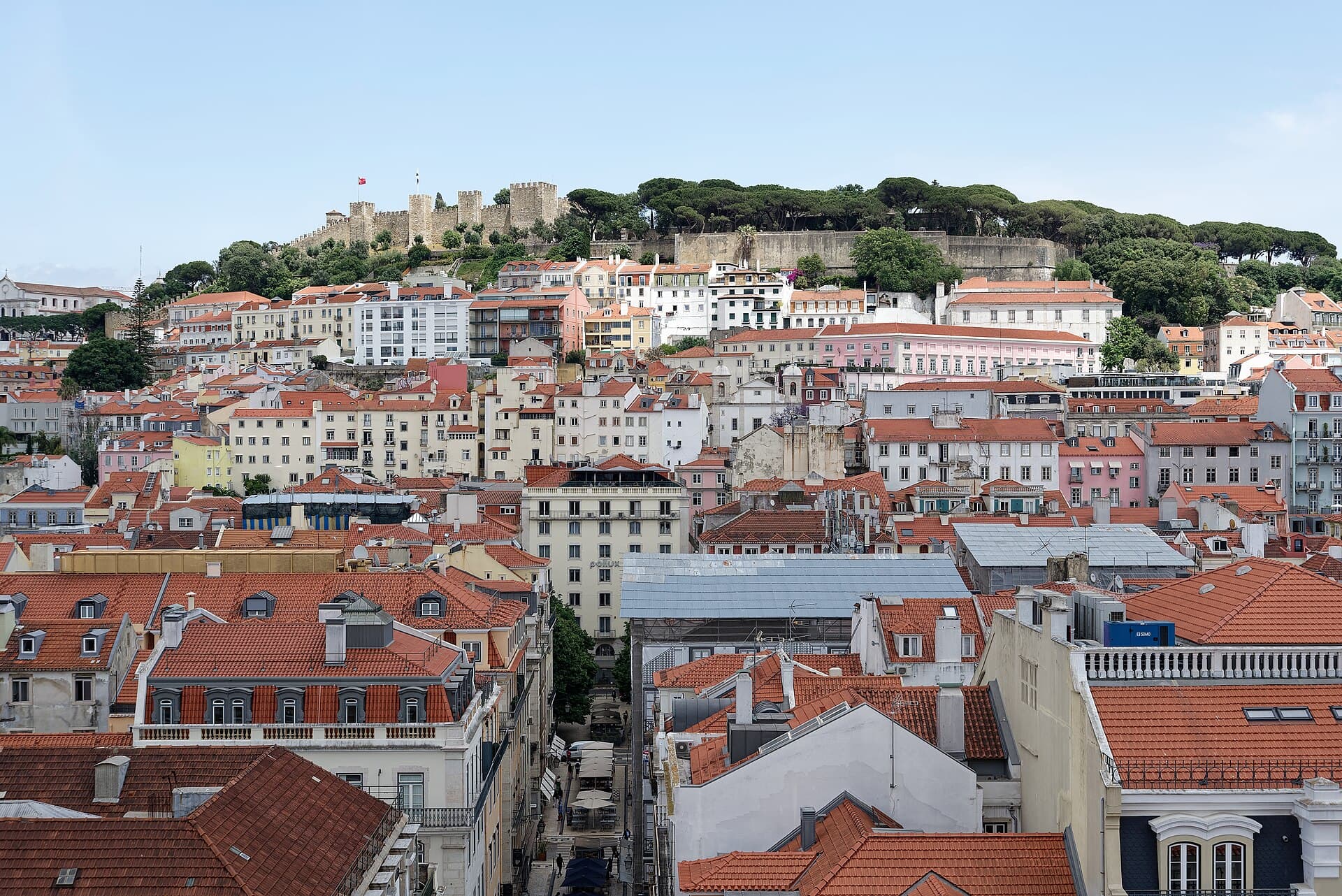
Castelo de Sao Jorge: The Lisbon Hilltop Every Ruler Fortified