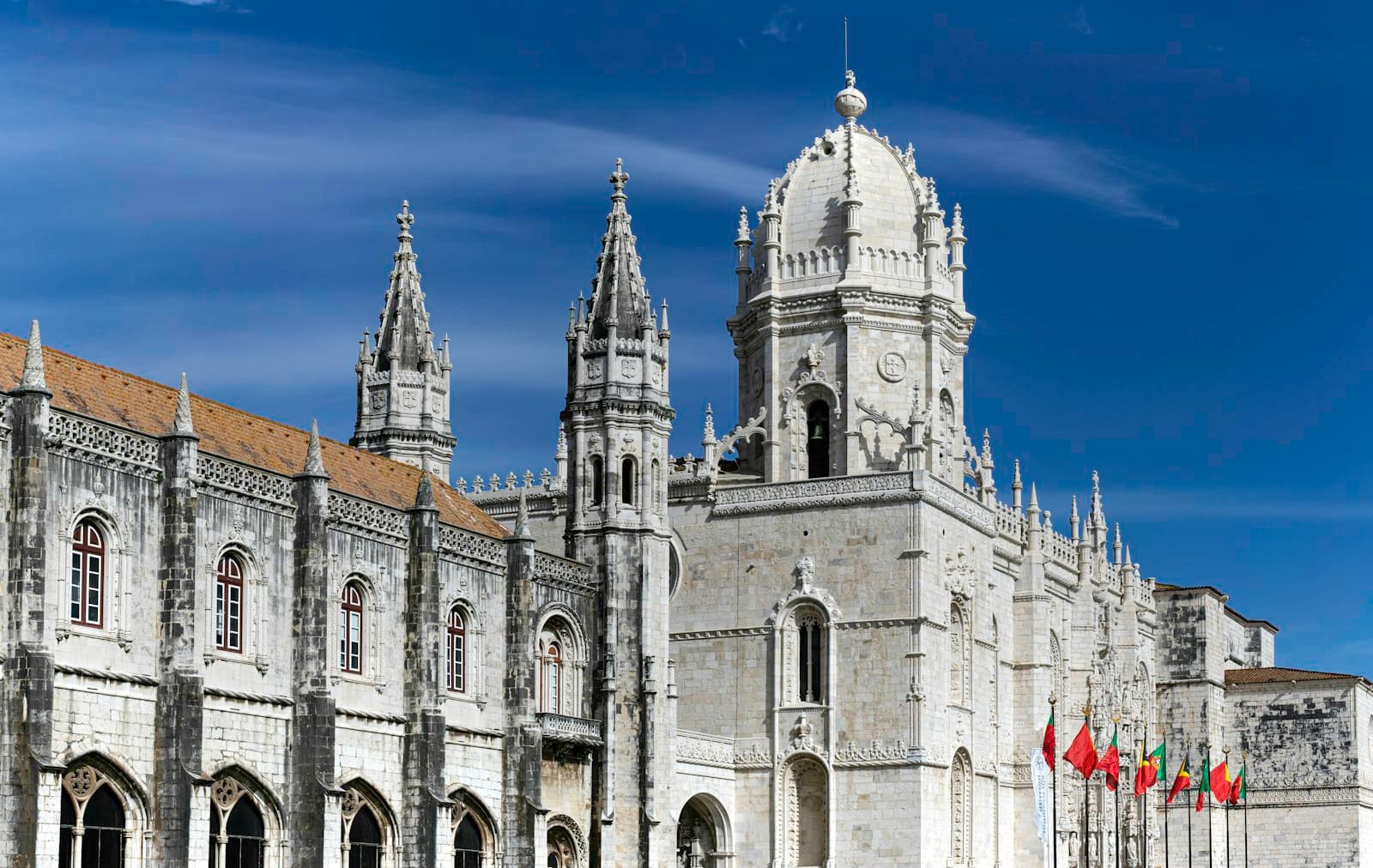
Walk the riverbank at Belem, where Portuguese ships once set out to redraw the map of the world, and read the stone a small kingdom raised to remember doing so.
Start · Mosteiro dos Jeronimos: The Engine That Built It
DirectionsStops
- 1
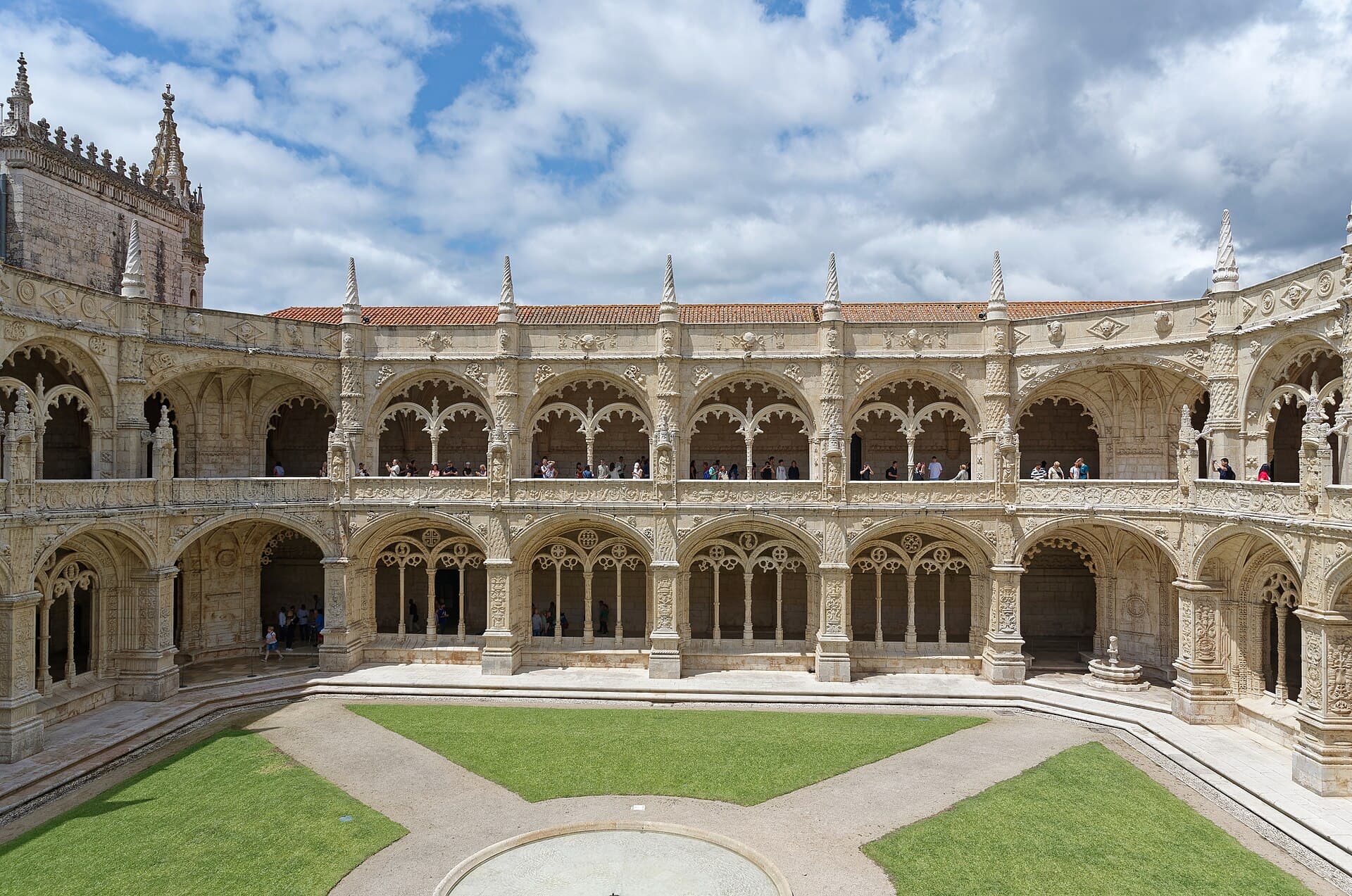
Mosteiro dos Jeronimos: The Engine That Built It
The immense monastery whose ornate stonework was paid for by a tax on the spice trade that Portuguese ships opened.
- 2
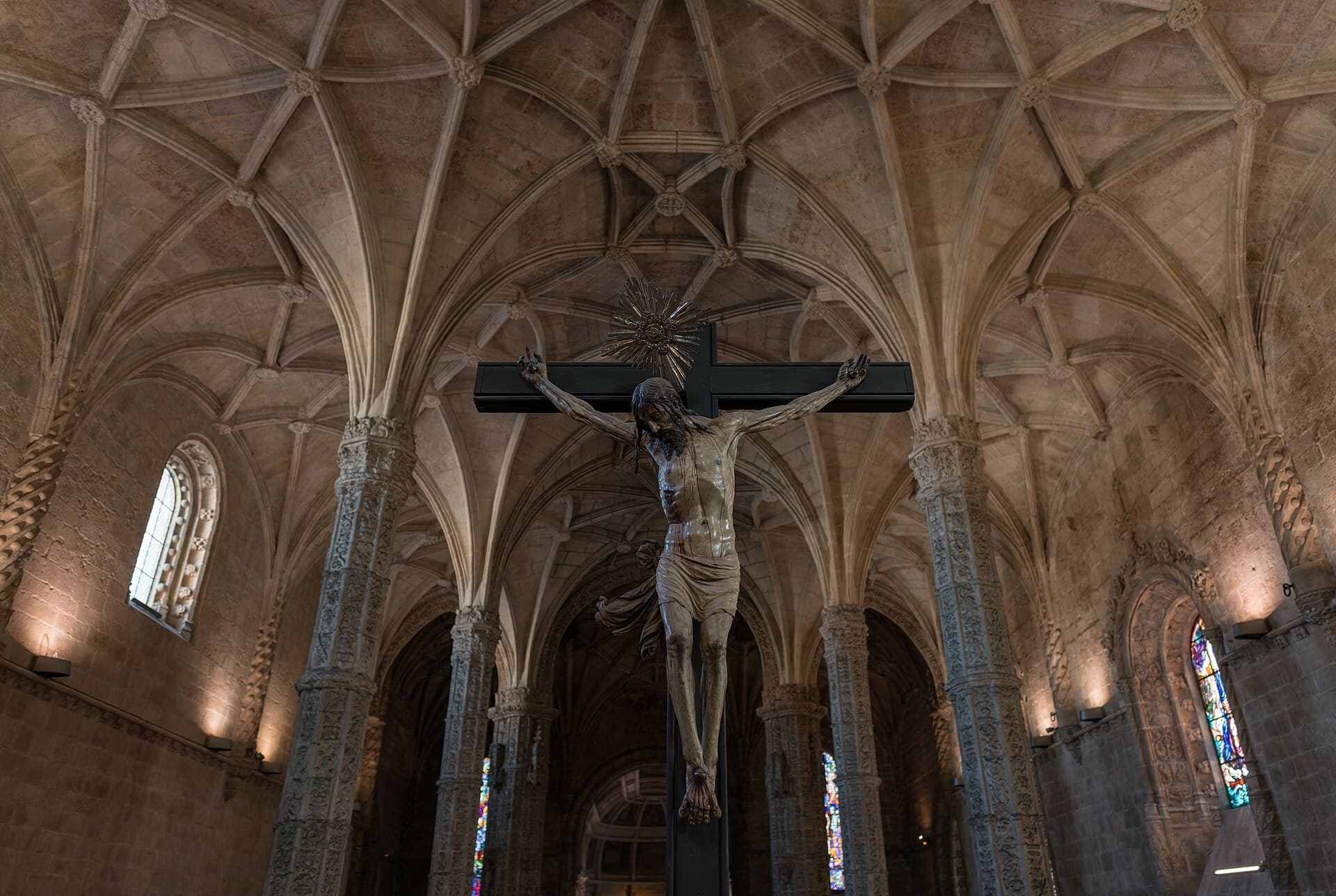
Igreja de Santa Maria de Belem: The Church of Departures
The monastery church, once a sailors' chapel, holding the tombs of Vasco da Gama and, by tradition, the poet Luis de Camoes.
- 3
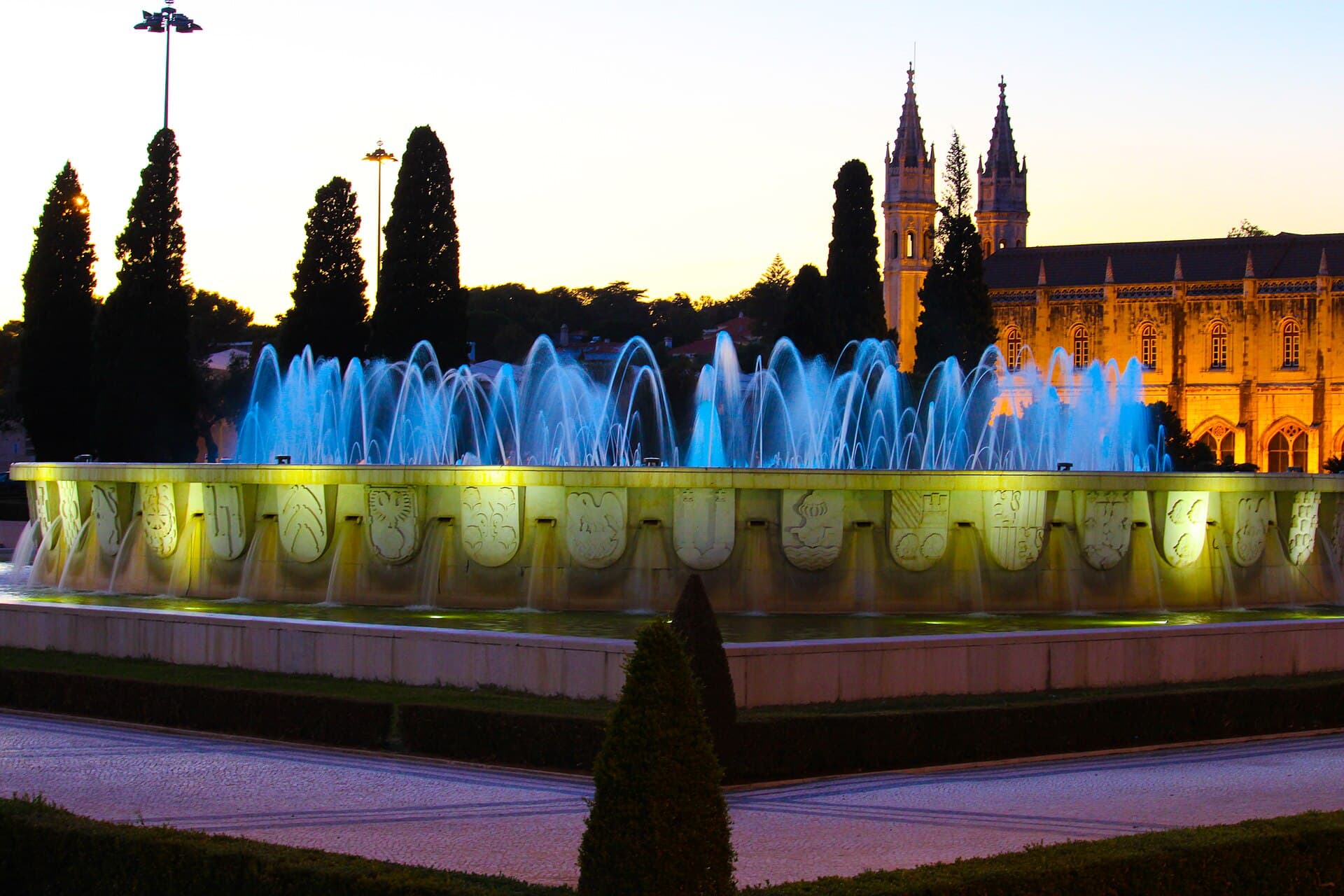
Praca do Imperio: The Square the State Made
The formal garden square before the monastery, laid out in nineteen forty for a state exhibition that monumentalized the age of discoveries.
- 4
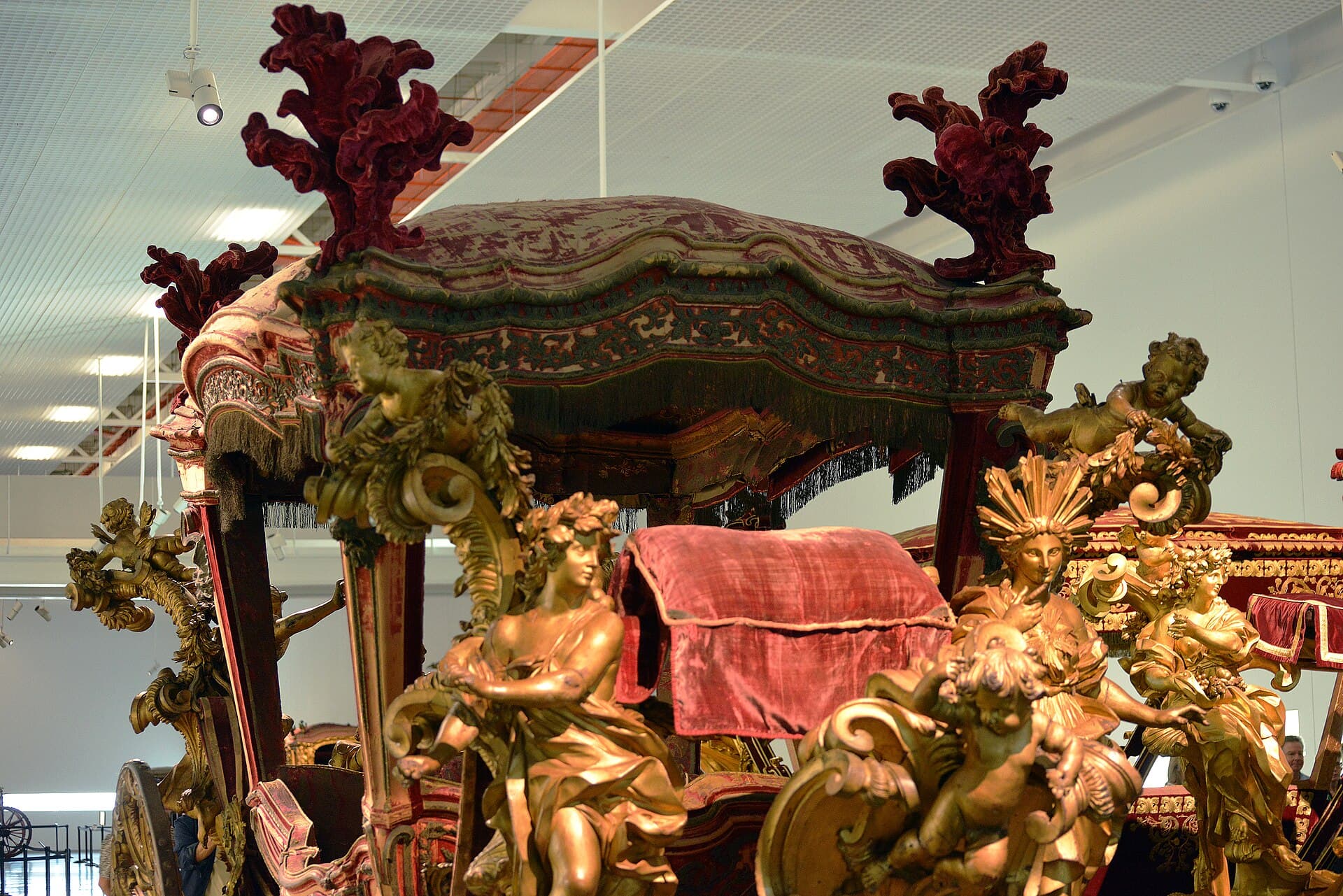
Museu Nacional dos Coches: The Wealth Comes Home as Spectacle
A museum of royal coaches in the former royal riding school, where the returning wealth of empire is displayed as gilded ceremony.
- 5
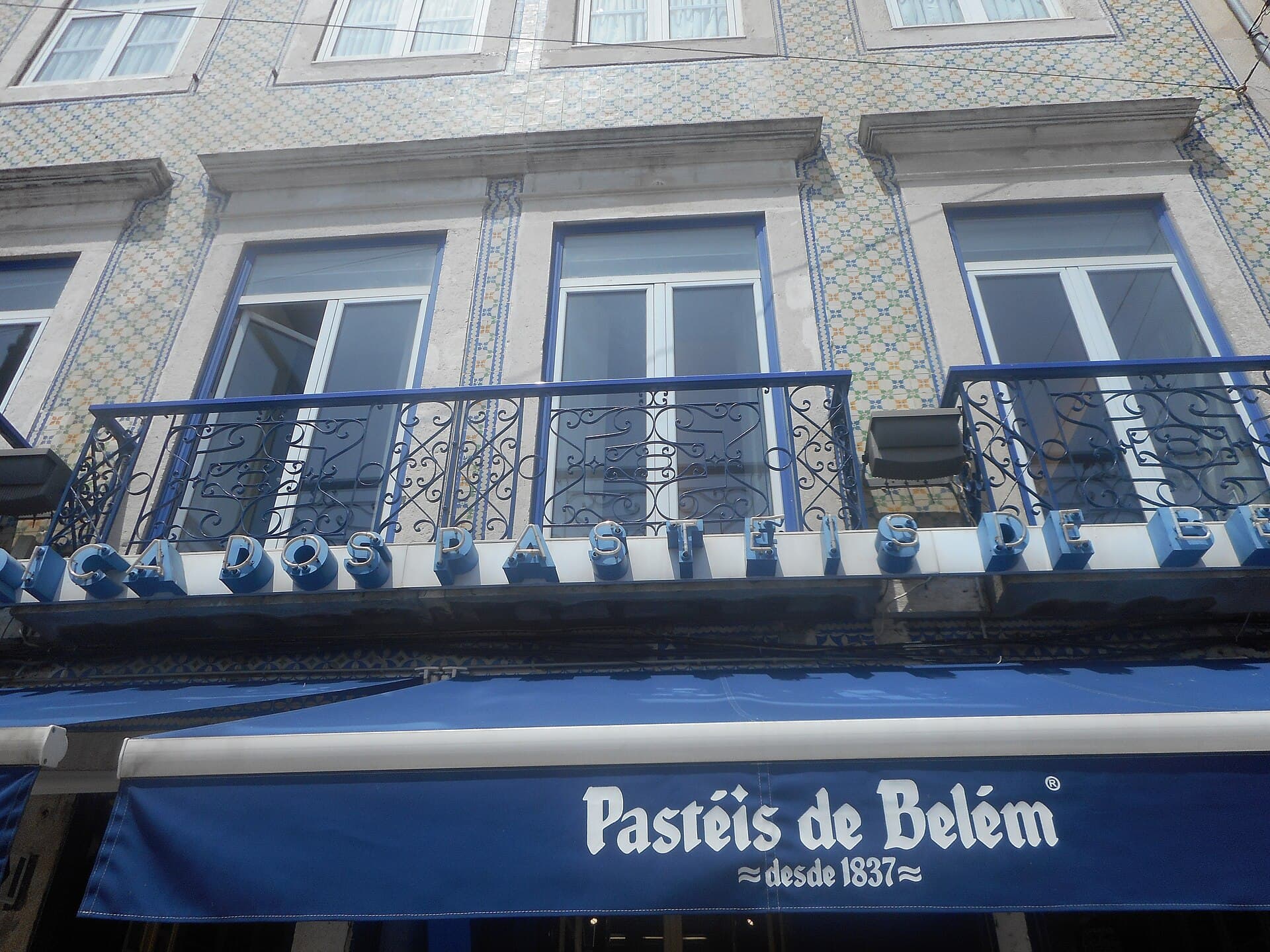
Pasteis de Belem: The Recipe That Outlived the Monks
The custard-tart tradition born inside Jeronimos that survived the monastery's closure and still endures nearby.
- 6
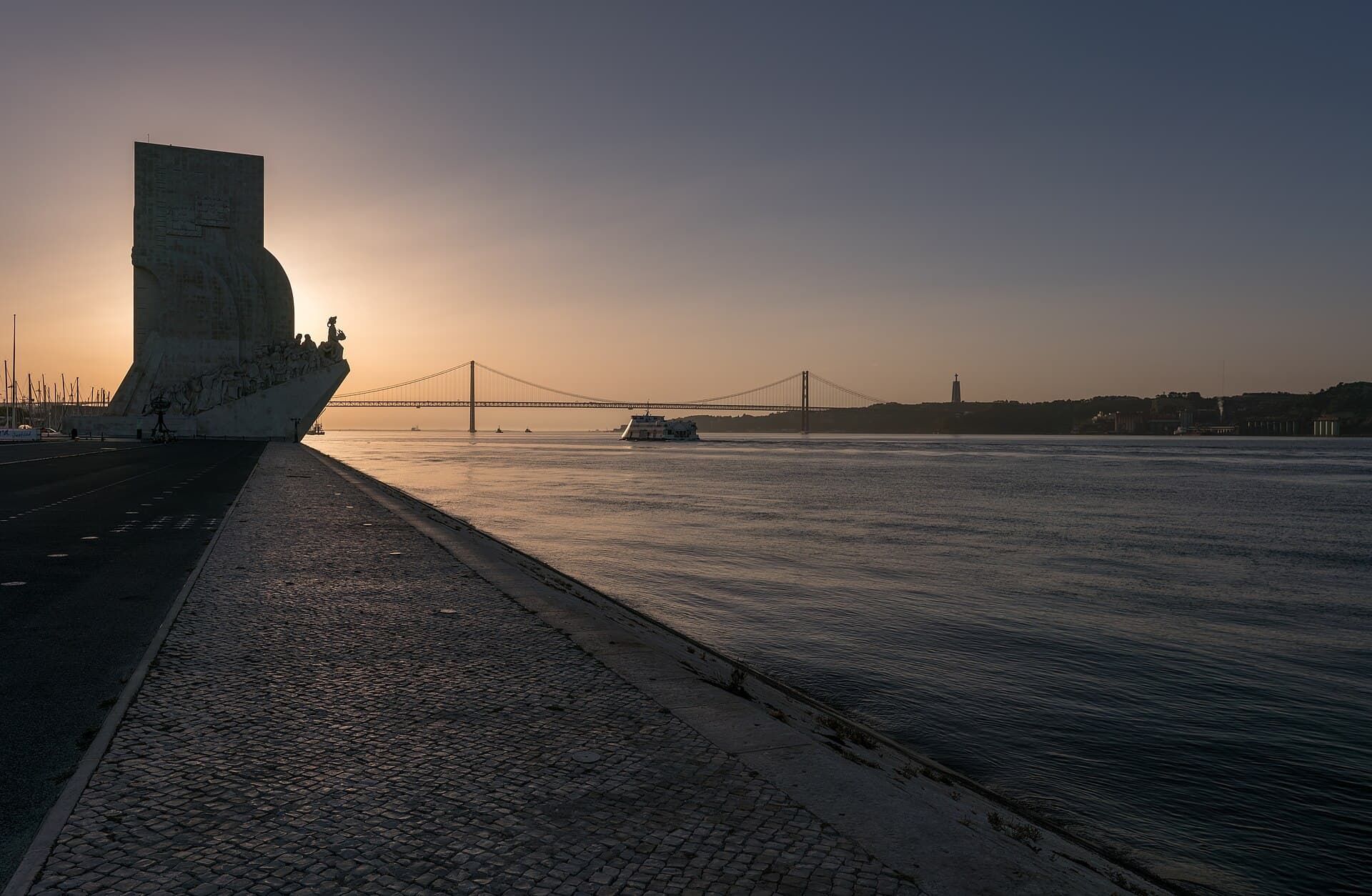
Padrao dos Descobrimentos: A Twentieth-Century Caravel
A riverbank monument shaped like a caravel's prow, built in the mid twentieth century to celebrate the age of discoveries.
- 7
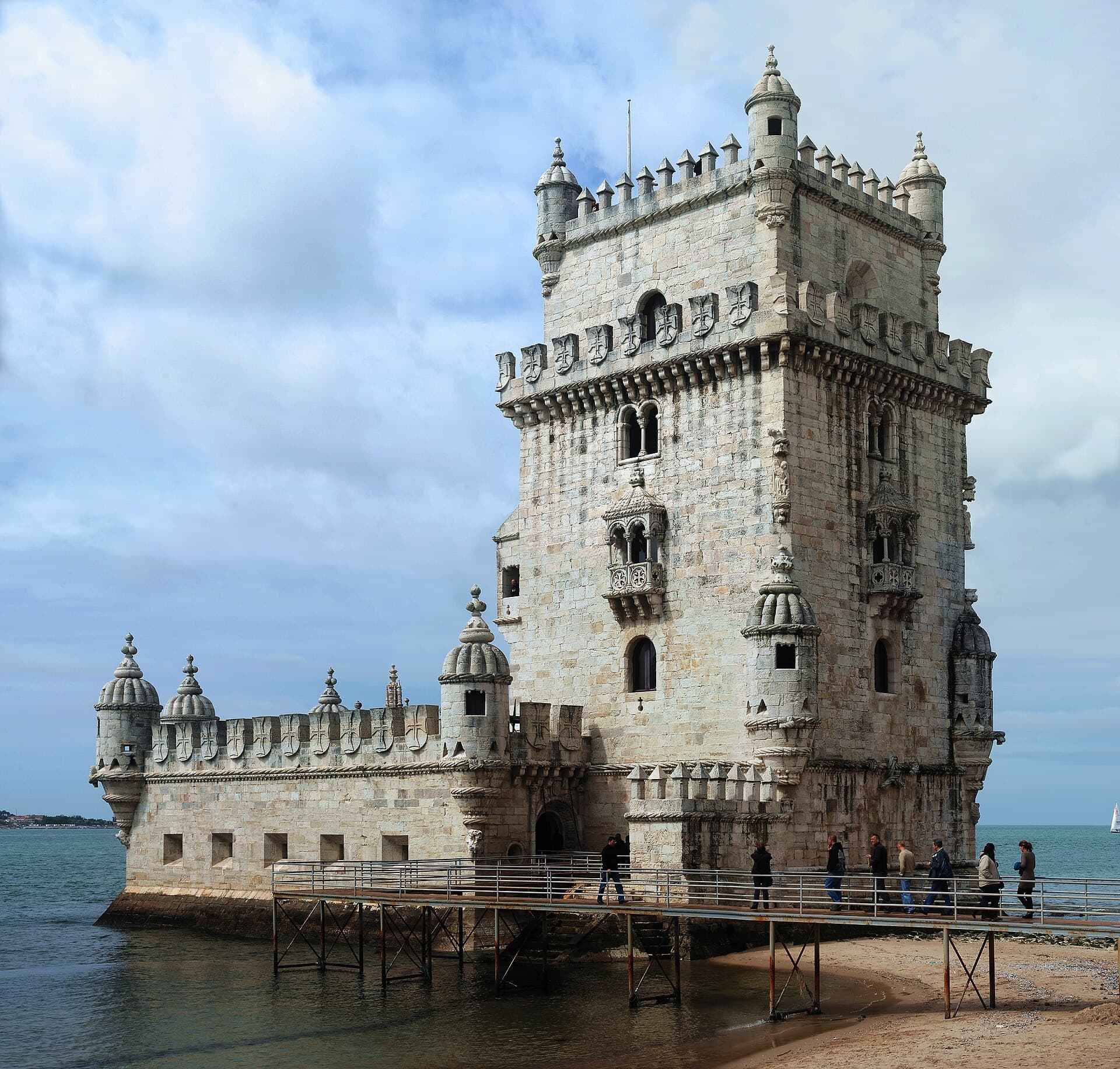
Torre de Belem: The True Doorway
The fortified Manueline tower at the river's edge, the ceremonial gateway and the last Portuguese stone a departing sailor saw.
Details
Best Time to Visit
Arrive in the morning soon after opening, ideally on a weekday. The monastery and tower draw long ticket queues by mid-morning, especially in summer, and the riverbank is coolest and least crowded early. Late afternoon light on the Torre de Belem and the river is beautiful if you prefer to walk in the second half of the day, though the monuments may be busier and lines longer.
Pro Tips
- •The church of Santa Maria de Belem is free to enter, while the monastery cloister and the Belem Tower each charge separate admission, so decide in advance which interiors you want to pay for.
- •Buy monument tickets online ahead of time where possible; the walk-up lines at the monastery and tower are the single biggest time cost in Belem, particularly in summer.
- •The whole route is a little over three kilometres and mostly flat along the river, so it is comfortable at a slow pace, but wear cushioned shoes for the cobblestones.
- •Give yourself around two hours for the walk itself, and add extra time if you plan to go inside the monastery cloister, the coach museum, and the tower.
- •The stops are short and skippable, so if a queue is long, move on to the next riverside stop and circle back later when lines ease.
- •The Belem Tower sits out over the water and can be reached by a short walkway; check its opening hours before the walk, as it closes earlier than the open-air monuments.
Safety & Precautions
- •Lisbon's traditional calcada cobblestones can be slick, especially when damp or worn smooth near the monuments, so step carefully and choose shoes with grip.
- •The riverbank at Belem is open and exposed, with little shade; in summer heat bring water, sun protection, and a hat, particularly around midday.
- •The monastery church is an active place of worship, so dress modestly with shoulders and knees covered and keep your voice low inside.
- •Ticket queues at the monastery and tower can be long, and the area is busy with traffic, trams, and tour buses on the roads separating the monuments from the river, so cross only at marked crossings.
Travel advisory: Exercise Normal Precautions (Level 1).
Gallery
Related Reading
Go deeper on what you'll see, hear, and walk through.
Overview
Best Self-Guided Walking Tours in Lisbon (2026)
3 min
Overview
Lisbon Travel Guide: Days, Transport, Timing, Safety, Budget
8 min
Overview
One Day in Lisbon: A Walkable Morning-to-Evening Itinerary
7 min
Thematic
Best History Walking Tours in Lisbon (2026)
2 min
Thematic
Lisbon Rebuilt by Reason: Three Answers to Catastrophe
7 min
Companion
Jeronimos Monastery: How a Tax on Pepper Built Lisbon's Belem
7 min
Deep dive
The National Coach Museum: Where Empire Came Home as Gold Leaf
7 min
Read
What to Eat in Lisbon: The Dishes, Their Origins, and How to Order Like a Local
7 min
Read the walk
The full story of Belém: The Threshold of the Ocean, in words. Prefer to listen? Play it narrated, from home or on location.
Introduction
There is a stretch of riverbank a few kilometres west of central Lisbon, in Portugal, called Belem, and it is one of the few places on earth where you can stand on the exact threshold from which a country reached out and touched the far side of the world. In the late fifteenth and early sixteenth centuries, Portuguese ships left this water, sailed south around Africa, and came back having opened a sea route to India. The wealth that flowed home was taxed as it passed, and that tax built the two monuments this walk is named for. This tour has seven stops. Give yourself around two hours and a little over three kilometres of easy, mostly flat walking along the river. Go at your own pace. Every stop is short, and you can skip any that does not pull you. What ties them together is a single question worth holding as you walk: how much of what you are seeing is documented fact, and how much is a story a nation told itself, sometimes long after the ships were gone. I will be careful to tell you which is which. We begin at the vast monastery that the spice trade built, move through its church of departures and its famous tombs, out into a twentieth-century ceremonial square, past the coaches of returning royalty and the custard-tart tradition that outlived the monks, down to the riverbank monument, and finally to the tower in the water itself. When you arrive at the Mosteiro dos Jeronimos, begin with stop one.
1. Mosteiro dos Jeronimos: The Engine That Built It
Stand in front of the Mosteiro dos Jeronimos, the monastery, and let the length of it register. This is late Portuguese Gothic in a form so particular to one moment that it carries a king's name: Manueline, after King Manuel the First. He inaugurated the project in the year fourteen ninety-five, and construction began on the sixth of January, fifteen oh-one. Do not imagine it rose in a single reign. Building this took roughly a hundred years, and a chain of architects: Diogo de Boitaca laid the initial design, and Juan de Castillo took over from around fifteen seventeen. Here is the part I want you to hold onto. According to Wikipedia's account of the monastery, it was funded not from a general treasury but from a tax of roughly five percent, called the Vintena da Pimenta, on commerce coming from Africa and the Orient. That means the pepper and the spices. This ornament in front of you is, quite literally, the sea route to India turned into stone. Look at the carving as you pass along the facade. You will find rope worked as though it were soft, knots, coils, and the maritime motifs of a kingdom that had just learned it could reach the whole world by water. The monastery stands on the site of an earlier chapel called the Hermitage of Restelo, where sailors are said to have prayed before sailing. Kings lie inside, Manuel the First among them, and so do two figures who anchor Portugal's memory of the sea. We will meet them in the church. For now, simply see the scale, and remember what paid for it.
2. Igreja de Santa Maria de Belem: The Church of Departures
Step into the Igreja de Santa Maria de Belem, the church of the monastery, and look up first. The columns rise and branch into ribbed vaulting designed by Juan de Castillo, and they are carved with the same maritime language you saw outside. This was originally the Hermitage of Restelo, a chapel where sailors prayed before setting out. Tradition holds that the men of Vasco da Gama kept a vigil here before his voyage of fourteen ninety-seven. I want to be honest about that word tradition. It belongs to the earlier Restelo chapel, and it is a cherished story rather than a documented fact of the building standing around you now. In the lower choir lie two tombs placed here to anchor the nation's memory. Their remains were transferred in eighteen eighty, and the sculptor was Costa Mota. One is Vasco da Gama, the navigator who reached India by sea. The other is inscribed for Luis de Camoes, Portugal's great poet of the discoveries. And here I have to hand you a genuine piece of scholarly doubt, because the honest chronicler names it. Camoes was originally buried elsewhere, at the convent of Santa Ana or a poor cemetery, and that grave was destroyed after the great earthquake of seventeen fifty-five. When bones were gathered in eighteen eighty, they were identified as only probably his. According to accounts of his life, in all probability the remains in that tomb belong to someone else entirely. So stand quietly, feel the romance of departure that this church was built to hold, and know that one of these two tombs is memory dressed as certainty.
3. Praca do Imperio: The Square the State Made
Walk out into the open and you are in the Praca do Imperio, the square, a formal garden of roughly a hundred and seventy-five metres on each side, its quadrangles and greenery converging on a large central fountain. It is beautiful, and it is also a lesson in how the past gets staged. This square did not grow up alongside the monastery over the centuries. It was laid out in nineteen forty for the Portuguese World Exhibition. That exhibition ran from the twenty-third of June to the second of December, nineteen forty, and drew around three million visitors. Now, who staged it, and why. It was mounted by the Estado Novo, the twentieth-century dictatorship then governing Portugal, to mark two anniversaries at once: eight hundred years since the founding of the kingdom in eleven forty, and three hundred years since the restoration of independence from Spain in sixteen forty. I raise this because the honest chronicler names both layers of a place. Belem is genuinely the threshold from which world-changing voyages departed. And Belem is also a stage that a modern government deliberately dressed up to glorify itself, borrowing the prestige of long-dead sailors. Both things are true at the same time. So enjoy the fountain and the symmetry, and notice, as you stand here, that you are looking at a nineteen forties idea of what the age of discoveries should look like, arranged for maximum grandeur. Keep that double vision as we walk on. Much of what feels ancient in Belem is genuinely five centuries old, and some of what feels ancient is barely eighty.
4. Museu Nacional dos Coches: The Wealth Comes Home as Spectacle
The Museu Nacional dos Coches, the National Coach Museum, is where you watch the wealth that the sea route generated come back home and turn into pure spectacle. Inside are the horse-drawn coaches and carriages of the Portuguese royal houses, spanning from the sixteenth century…
Full narration for this stop unlocks with the tour.
5. Pasteis de Belem: The Recipe That Outlived the Monks
Here is a smaller, sweeter thread of the same story, and it runs right back into the monastery. The custard tart known as the pastel de nata, and in this neighborhood as the pastel de Belem, traces its origin to the monks of the Jeronimos monastery. The reason is beautifully…
Full narration for this stop unlocks with the tour.
6. Padrao dos Descobrimentos: A Twentieth-Century Caravel
Down at the water's edge stands the Padrao dos Descobrimentos, the monument, and this is where the double vision I asked you to keep becomes unmistakable. It is shaped like the prow of a caravel, a discoveries-era ship, cutting out toward the river. Along its two sloping ramps…
Full narration for this stop unlocks with the tour.
7. Torre de Belem: The True Doorway
We end at the Torre de Belem, the tower, standing at the river's edge, and this is the true doorway of the whole story. It was built around the years fifteen fourteen to fifteen nineteen under King Manuel the First, whose architect Francisco de Arruda was named master of the…
Full narration for this stop unlocks with the tour.