Speicherstadt: The City of Warehouses on Oak
105 min · 4 km · easy
The through-line of Hamburg is that it answered to trade and the tide, not to a king. For centuries it governed itself as a Free and Hanseatic City, a republic of merchants who built their wealth in red brick standing on oak over the water, raised a town hall like a palace with no throne, and pushed their rough sailors' quarter to the city's edge, where a relegated harbour mile eventually became a crucible of modern music. Read the city in stone and water and the same bargain keeps repeating: commerce over sovereignty, work dressed up as spectacle, the margin turned into an export. Three walks trace that logic, from the customs canal that explains the port to the throne-less palace at the center to the edge where a band from Liverpool grew up.
A palace built by a republic that never bowed
Start where the city argues its own case. The Hamburger Rathaus has the face of a palace: a tower reaching one hundred and twelve metres, a facade heavy with carved figures, and an interior of about six hundred forty-seven rooms (a count discovered almost by accident in 1971, so hold it loosely). Yet there is no throne room, because there was never a throne. Completed and inaugurated in 1897 in a neo-Renaissance style by the architect Martin Haller and his team, it was not celebrating a monarch. It was celebrating a merchant class that had ruled itself for centuries and wanted the world to see it. The wealth points not at a crown but at ships, trade, and the sea.
The engine sat right behind it. On Adolphsplatz, the Handelskammer, founded in 1665 as the Commercial Deputation, is generally described as the oldest chamber of commerce in Germany, a merchant class organized enough to govern its own trade. Hamburg received Free Imperial City status in 1510 and was a leading member of the Hanseatic League, whose founding pact between Luebeck and Hamburg is dated to 1241. The city controlled the salt trade coming down from Lueneburg and grew rich moving grain, cloth, furs, and above all spices. The wealthy were mocked as Pfeffersaecke, pepper sacks, a jibe traced back centuries and still lobbed at Hamburg's upper class today. From wealth like that, the city built its palace and then reshaped its own water.
Shaping the water, surviving the fire
Hear a stop from this walk
The Chilehaus: Brick as a Ship's Prow
The Binnenalster looks natural and ornamental. It is neither. Count Adolph the Fourth commissioned a mill dam on the small Alster river in 1235, and the dam backed the water up into a lake in the middle of town. A city that would later dam and shape everything for trade began by accidentally making itself a lake. The promenade along its southern shore, the Jungfernstieg, has a precise claim to fame: in 1838 it became Germany's first asphalted street.
Then the city nearly unmade itself. Early on 5 May 1842, a fire broke out in a cigar factory at Deichstrasse number forty-two, and the Grosser Brand burned for three days. It destroyed roughly one third of the old town, including about 1,700 homes, seven churches, two synagogues, sixty schools, and the old Rathaus first built in 1290. Fifty-one people died, twenty-two of them firefighters. Hamburg rebuilt, and rebuilt with rules: no wooden buildings, firewalls and fireproof gables required, modern sewers, a proper water supply, widened streets. The catastrophe forced a modern city into being, which is exactly the kind of deliberate self-making a republic answerable to no one gets to do.
Two churches carry the argument to its edge. The Mahnmal St. Nikolai, whose neo-Gothic tower rises 147.3 metres and was the tallest building in the world from 1874 to 1876 until Rouen Cathedral passed it, was gutted by Allied bombing on 28 July 1943 during Operation Gomorrah. The city deliberately left the shell standing as a warning, holding two truths at once: a firestorm killed tens of thousands of civilians here, and Germany began the war. Der Michel, by contrast, the Baroque St. Michaelis with its 132-metre copper spire that served as a seamark for ships coming up the Elbe, the city has raised again and again through lightning in 1750, fire in 1906, and wartime bombing. One church rebuilt so ships can find their way home, one left broken so no one forgets. A self-made city gets to make that choice, and Hamburg made both.
Storage on oak, over the tide
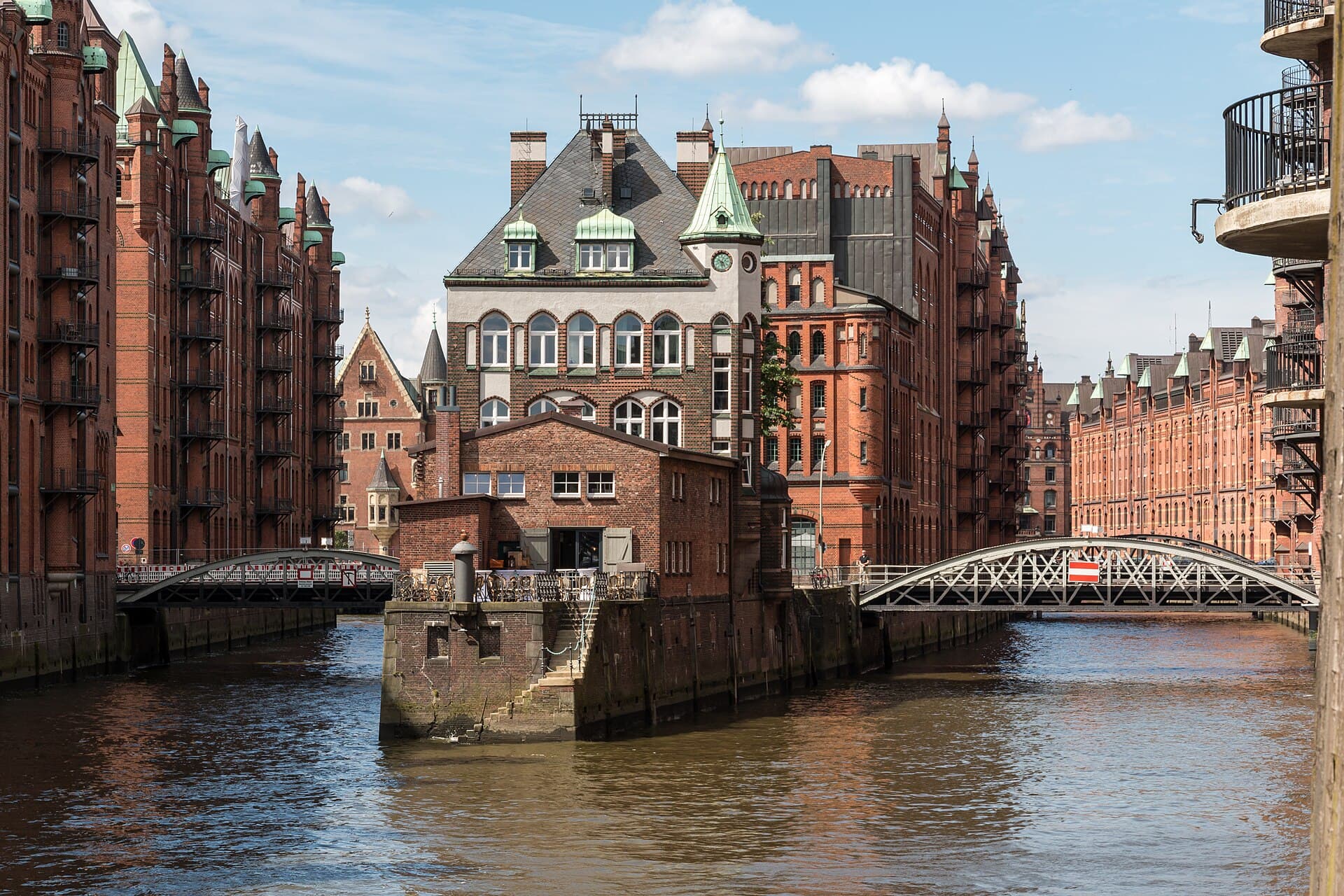
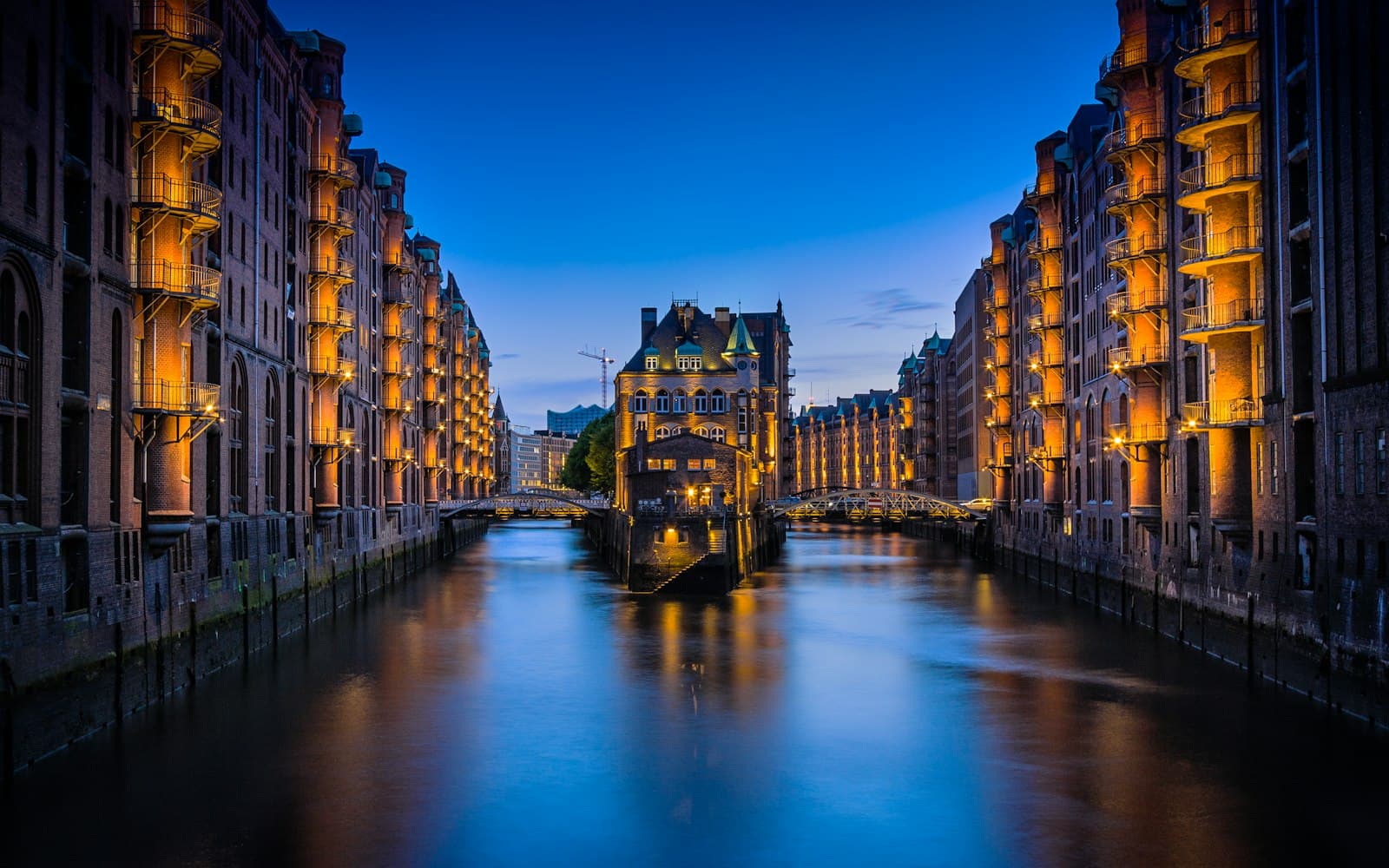
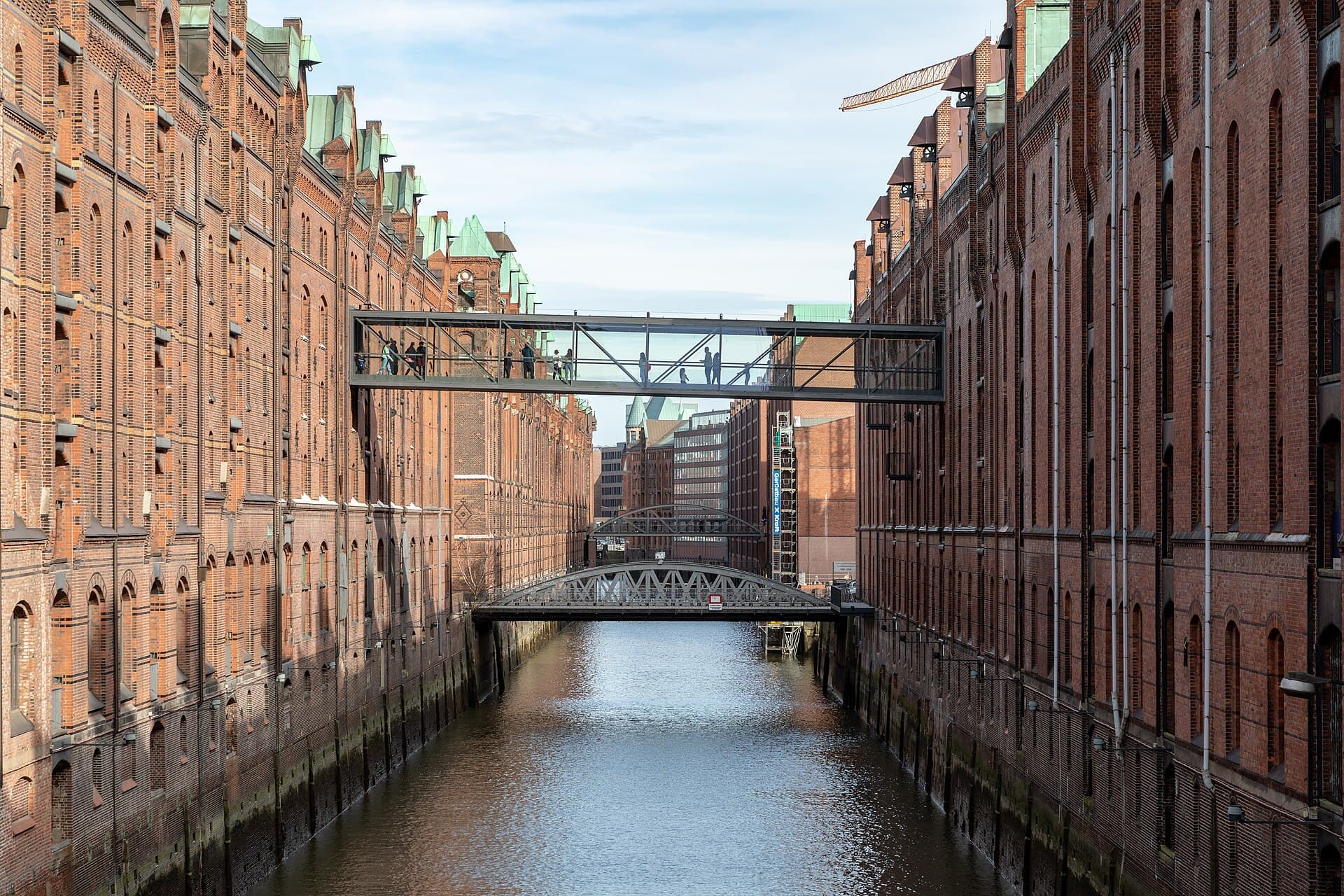
The port explains the whole bargain, and you can read it in brick. In 1881 the free city agreed to join the German customs union, effective 15 October 1888, keeping only one thing: a tax-free harbour zone. To use it, Hamburg raised the Speicherstadt, a district of red-brick neo-Gothic warehouses built in phases from about 1883 to 1927, commonly described as the largest warehouse complex in the world standing on timber-pile foundations. Coffee, tea, tobacco, spices, cocoa, and carpets moved through it, stored and re-exported without ever paying duty. On 5 July 2015 it was inscribed as a UNESCO World Heritage Site jointly with the Kontorhaus District.
The genius sits underneath. The warehouses stand on countless oak logs driven into the marshy Elbe islands, and the wet ground that made building hard is the very thing that preserves the wood, because oak kept permanently soaked does not rot. The canals threading between them, called Fleete, are tidal arms of the Elbe, so barges slid in on the tide and cargo was hoisted straight into the lofts through water-side doors. Every warehouse has two faces: a polite street address and a working water-side face of hatches and winches. Even the storybook Wasserschloss, so often called the most-photographed spot in the district, was really a keepers' house for the men who tended the hoists. In this district, even the romance is about work.
Brick then learns to speak. The Chilehaus, built 1922 to 1924 by the architect Fritz Höger and faced in about 4.8 million dark clinker bricks, resolves at its sharp eastern corner into the prow of a ship. Its money is pure port: commissioned by the businessman Henry B. Sloman, whose fortune came from Chilean saltpetre, which is why a Hamburg office block carries a South American mineral's name. HafenCity, groundbreaking on 20 June 2001, answers the same flood the old district did, only by raising streets and squares onto mounds more than seven and a half metres above the high-tide line. The Elbphilharmonie, opened 11 January 2017 by Herzog and de Meuron, sets a glass wave on the brick shoulders of a 1963 warehouse, storage transfigured into public spectacle.
The edge that became an export
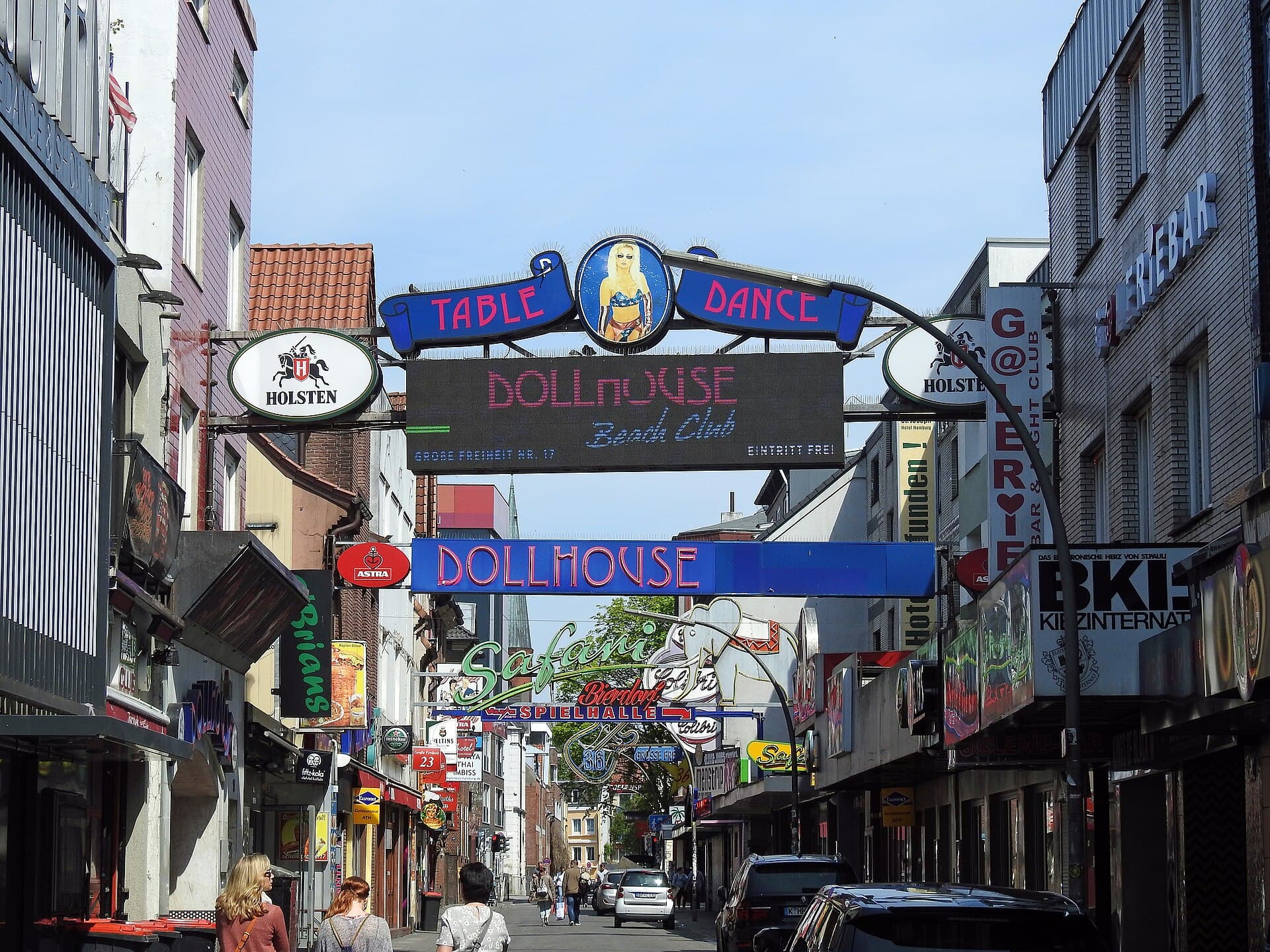
Respectable Hamburg drew a line at its gates in the early 1600s and pushed the unwanted trades onto the strip of land between Hamburg and the then separate city of Altona. That relegated ground became St. Pauli, originally called Hamburger Berg after a rampart raised in 1620. The rope makers relocated outside the walls in the 1620s gave the district's main street its name: Reeperbahn, from Reep, the Low German word for rope. The sinful mile began as honest harbour work, since sailing ships could not exist without rope, and rope needed length.
The margin did not stay marginal. On the Grosse Freiheit, five young men from Liverpool arrived in 1960 barely able to play together and, over roughly two years of brutal all-night sets at the Indra Club, the Kaiserkeller, and the Star-Club, were remade into a band. John Lennon is widely quoted saying he might have been born in Liverpool but grew up in Hamburg. All three clubs are gone; Beatles-Platz, opened 11 September 2008 and paved to resemble a vinyl record, marks the crucible. Nearby, FC St. Pauli, founded 15 May 1910, took not belonging and made it a creed, adopting a skull-and-crossbones emblem and voting anti-fascism into club policy at a general meeting on 28 October 1991. The ground Hamburg pushed away became one of its most exported cultures, which is the whole shape of the city in one quarter: a republic that answered to trade and the tide, and turned even its edge into an asset.
For routes through all of this, see Hamburg walking tours.
Sources
Frequently asked questions
- Why is Hamburg called a Free and Hanseatic City?
- Hamburg governed itself for centuries as a republic of merchants rather than under a king or court. It received Free Imperial City status in 1510 and was a leading member of the Hanseatic League, whose founding pact between Luebeck and Hamburg is dated to 1241. The title survives in the city's official name today.
- Why does Hamburg's town hall have no throne room?
- Because Hamburg never answered to a monarch. The Hamburger Rathaus, inaugurated in 1897, was built with the grandeur of a palace to celebrate a self-governing merchant republic, not a king. It has the face of a palace, with a 112-metre tower and about 647 rooms, but deliberately no throne.
- Why was the Speicherstadt built and why does it stand on oak?
- When Hamburg joined the German customs union effective 15 October 1888, it kept a single tax-free harbour zone. The Speicherstadt warehouses were raised so goods could be stored and re-exported without paying duty. They stand on countless oak logs driven into the marsh, which survive because permanently soaked oak does not rot.
- Where did the Beatles play in Hamburg?
- The Beatles played long residencies on the Grosse Freiheit in St. Pauli between roughly August 1960 and late 1962, at the Indra Club, the Kaiserkeller, and the Star-Club. All three venues are gone now. Beatles-Platz, opened on 11 September 2008 and paved to resemble a vinyl record, marks the spot at the corner with the Reeperbahn.
- Why does Hamburg keep St. Nikolai as a ruin?
- The neo-Gothic St. Nikolai church was gutted by Allied bombing on 28 July 1943 during Operation Gomorrah. Hamburg deliberately left the shell standing rather than rebuilding it, as a Mahnmal, a memorial that is also a warning against war. Its tower was the tallest building in the world from 1874 to 1876.
Ready to experience it?
Speicherstadt: The City of Warehouses on Oak
105 min · 4 km · easy
More from Hamburg
Explore more at your own pace.
Hamburg's Speicherstadt: Reading a Port Through Brick on Oak Over Water
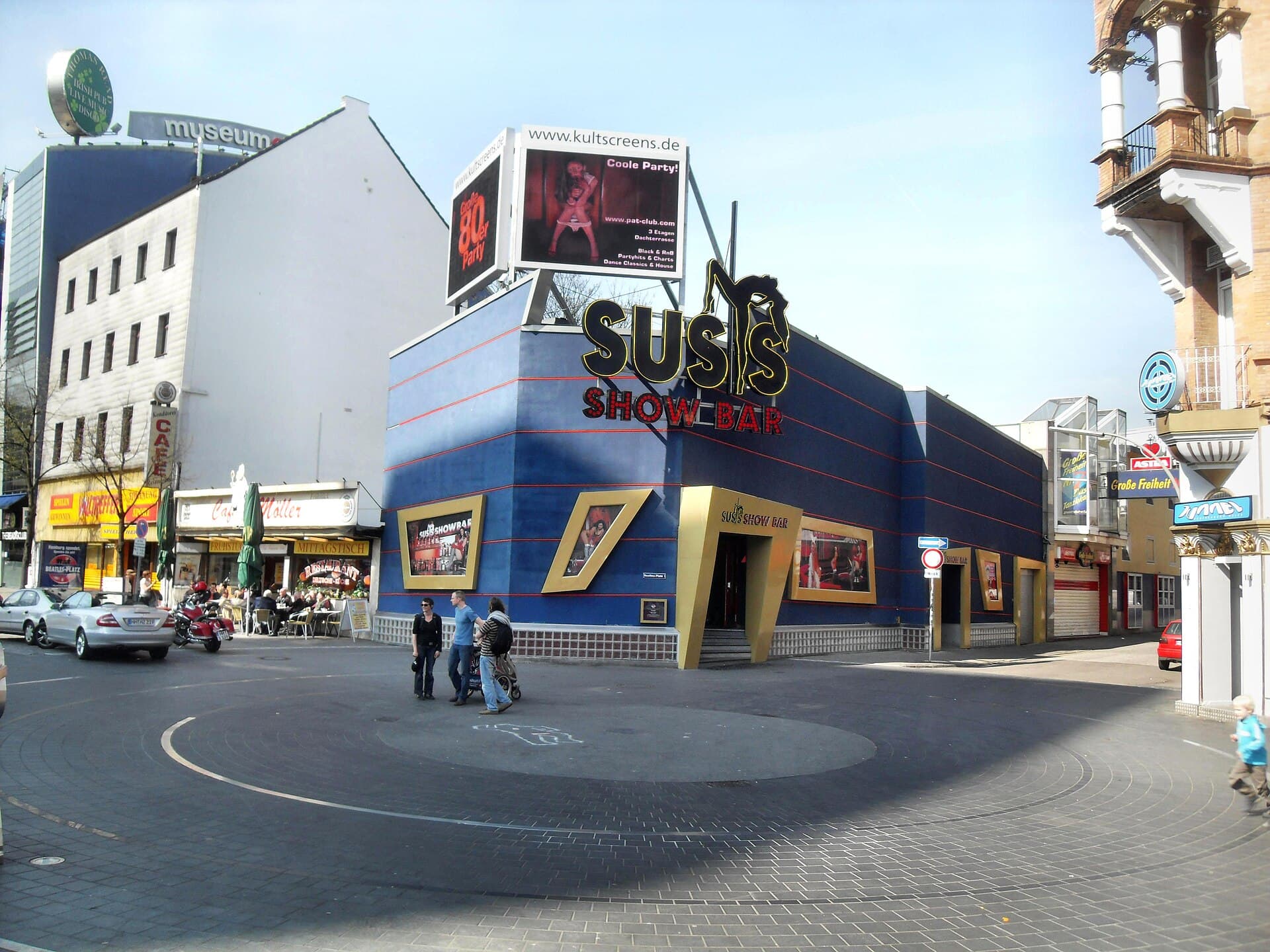
On the Grosse Freiheit, Where the Beatles Grew Up
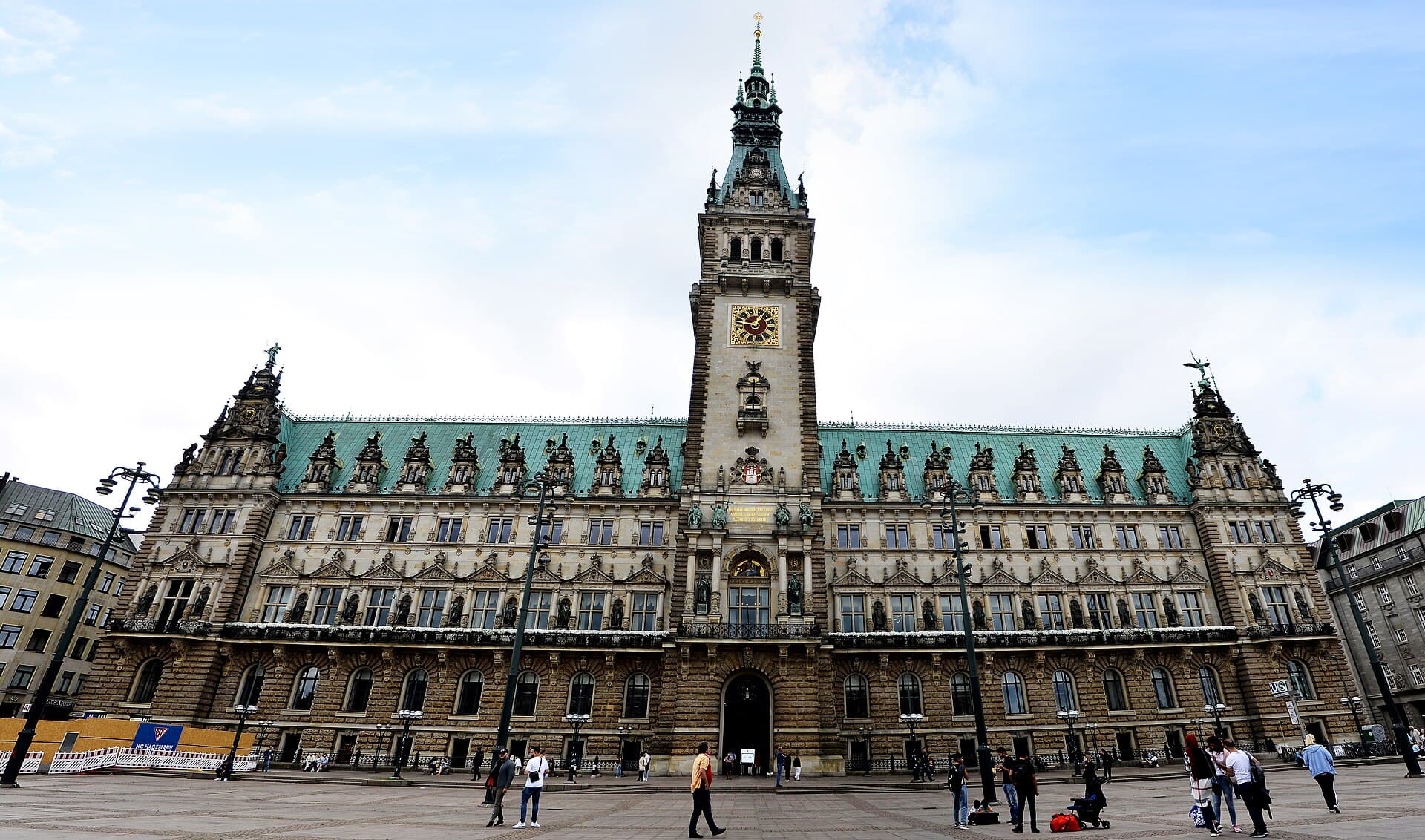
The Hamburg Rathaus: A Palace Built by a Republic With No Throne
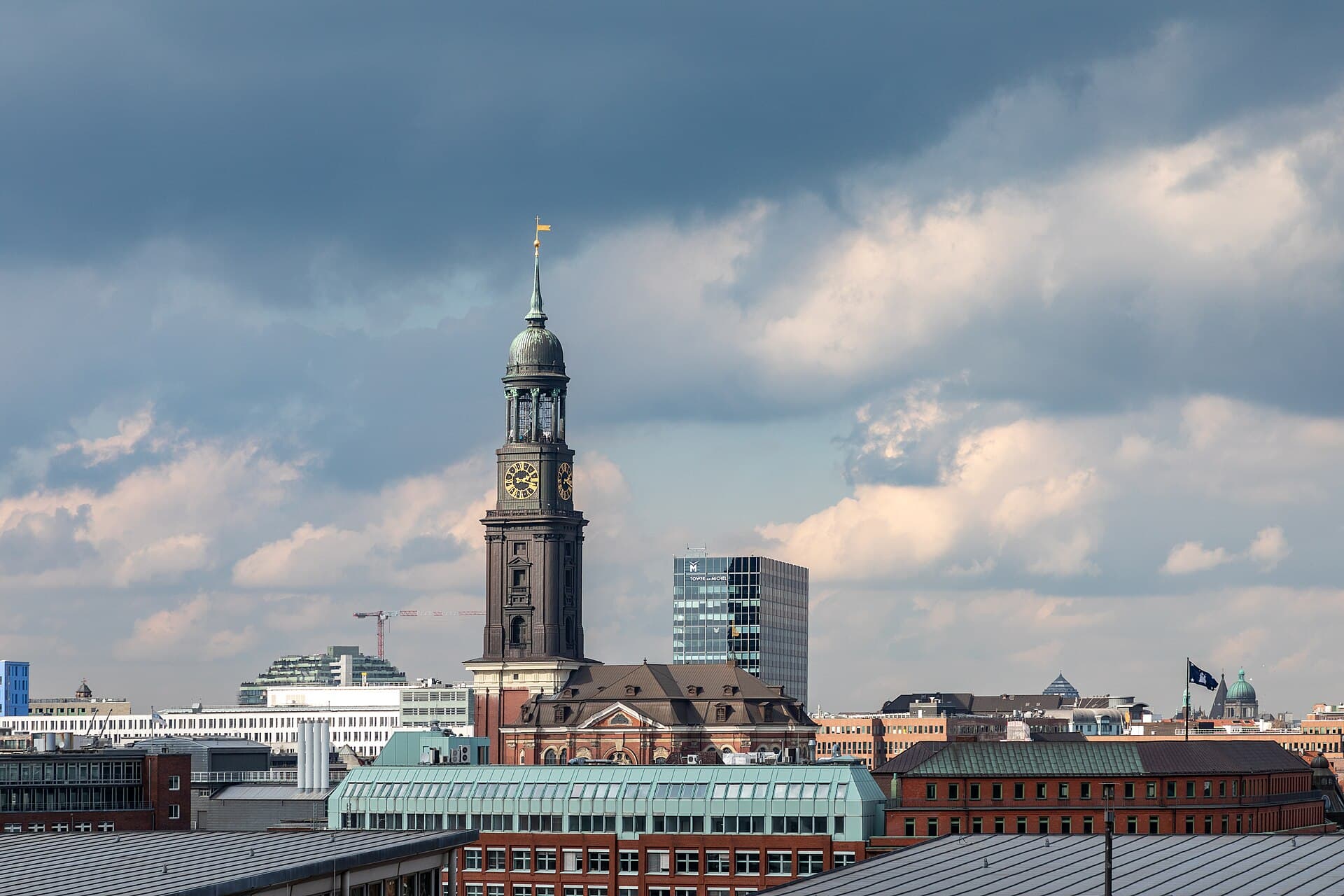
Der Michel: How Hamburg's Copper Spire Guided Ships Home
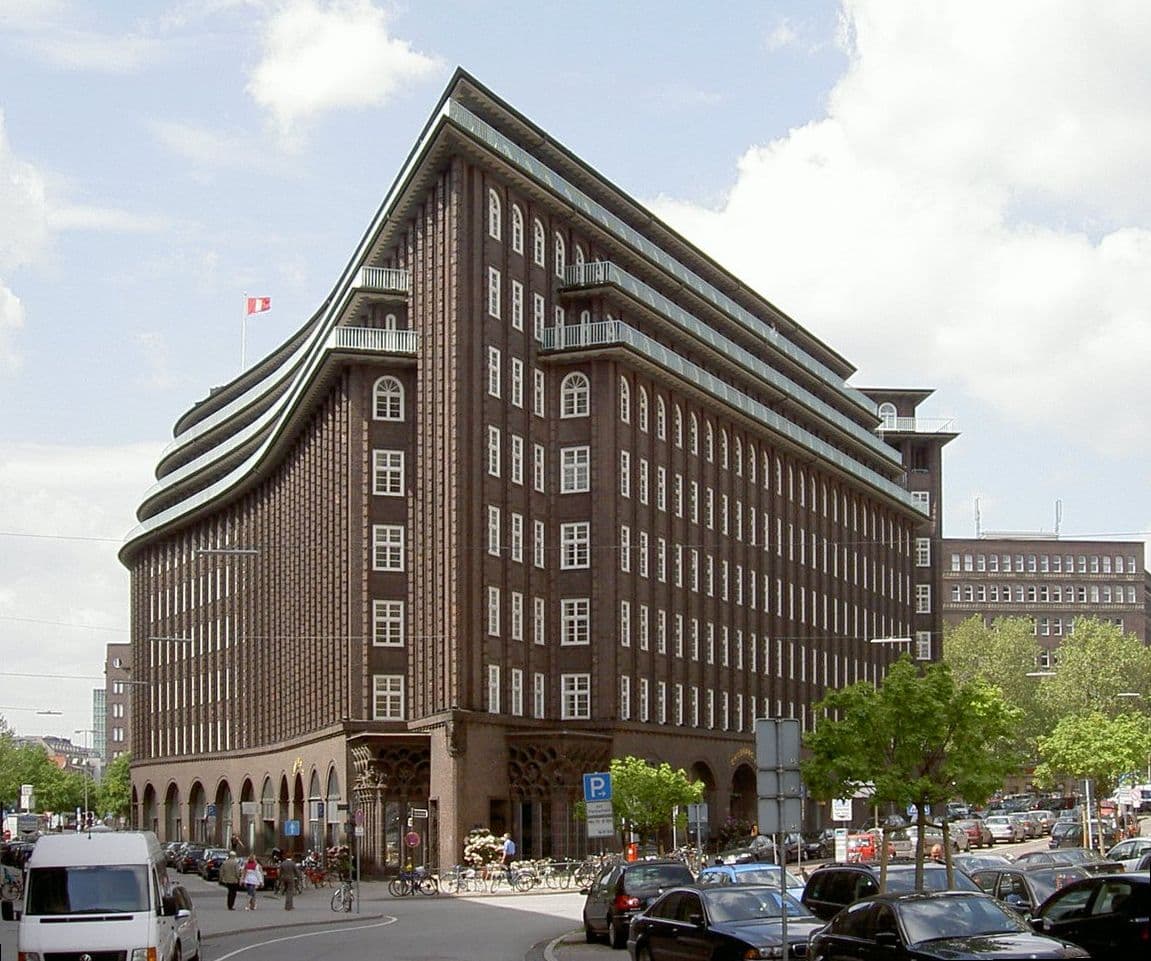
The Chilehaus: Reading Hamburg's Brick Ship