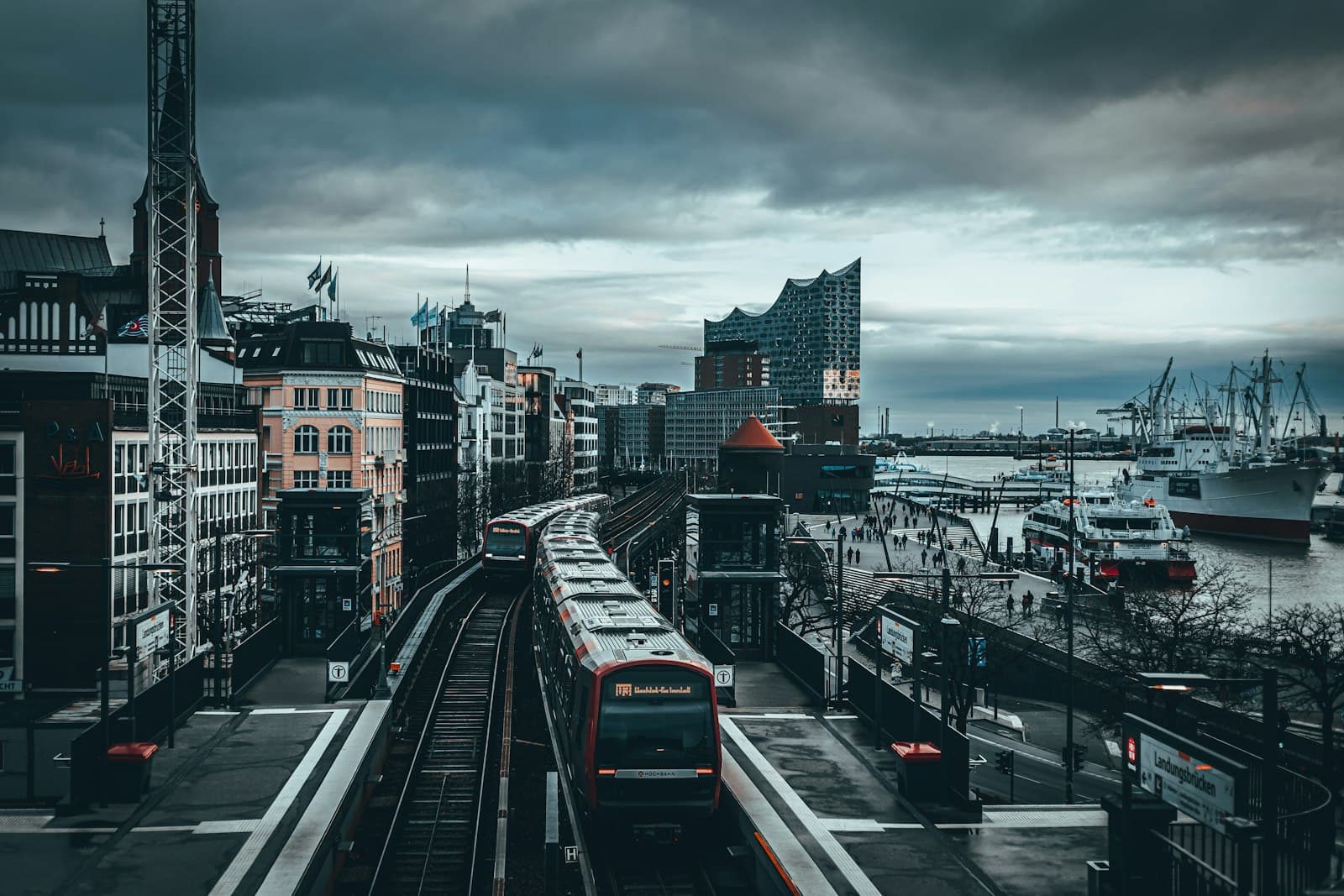
Where the Beatles Grew Up
Walk the harbour quarter that respectable Hamburg pushed to its edge, and discover how St. Pauli turned relegation into one of the city's most exported cultures, including the rough clubs where a young band from Liverpool grew up.
4.64|120 minutes|5.1 km|7 Stops
Start
Die Landungsbruecken: Where the Sea Comes Ashore
1
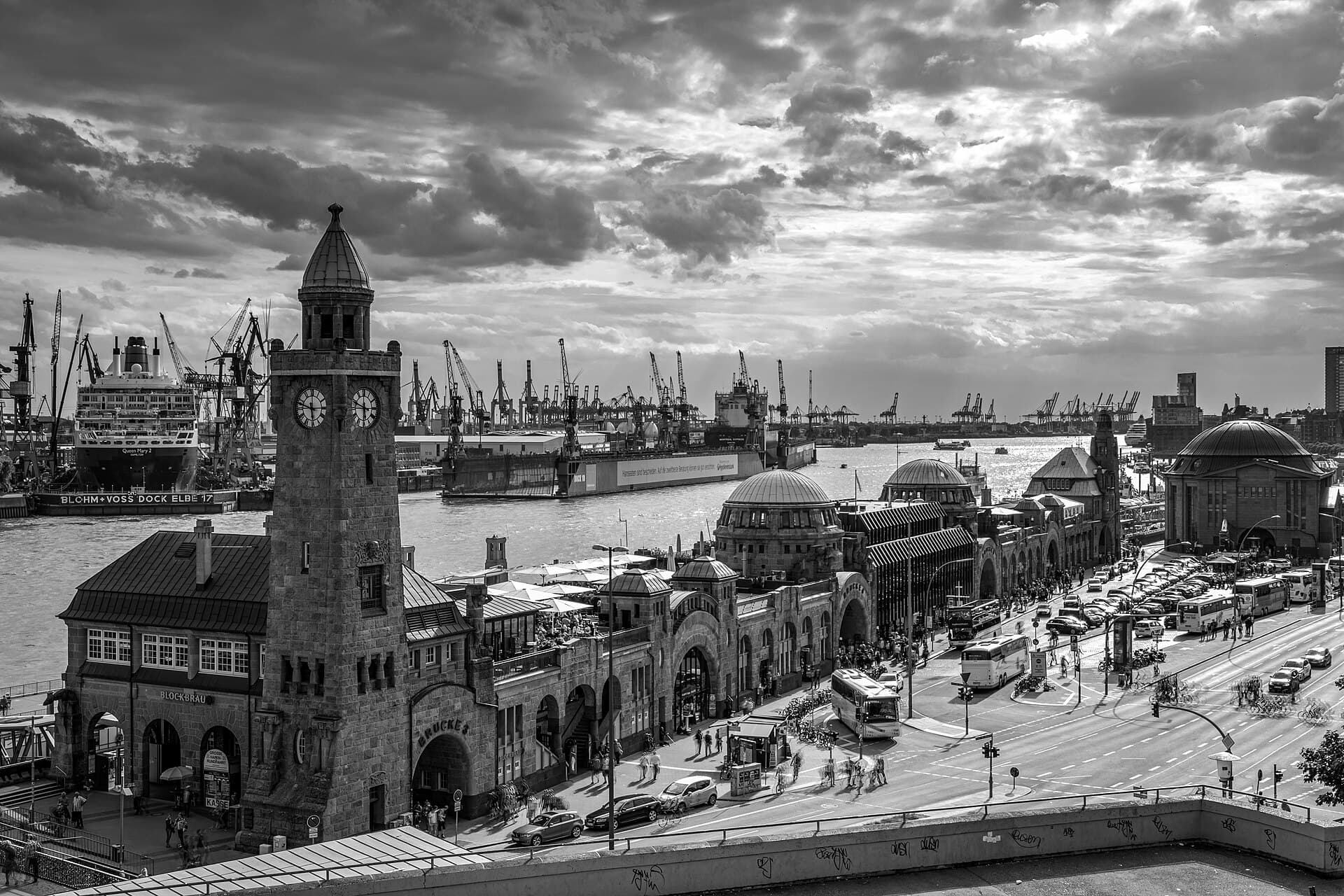
Die Landungsbruecken: Where the Sea Comes Ashore
Hamburg's great floating landing stages on the Elbe, the maritime front door of St. Pauli where the city meets the world.
2
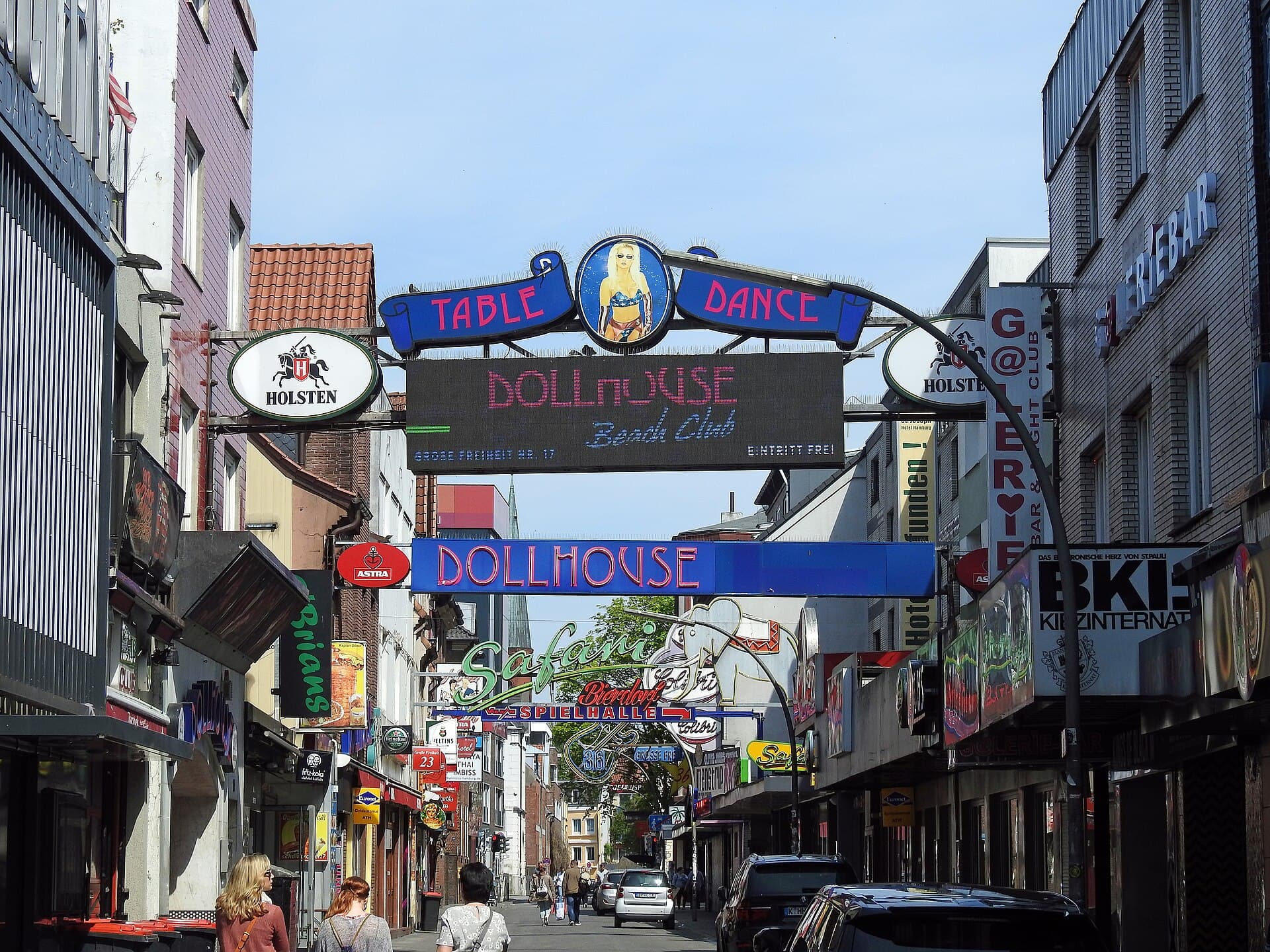
Die Reeperbahn: The Mile the City Called Sinful
St. Pauli's main street, born as an actual rope walk for the harbour trade and now Hamburg's principal nightlife strip.
3
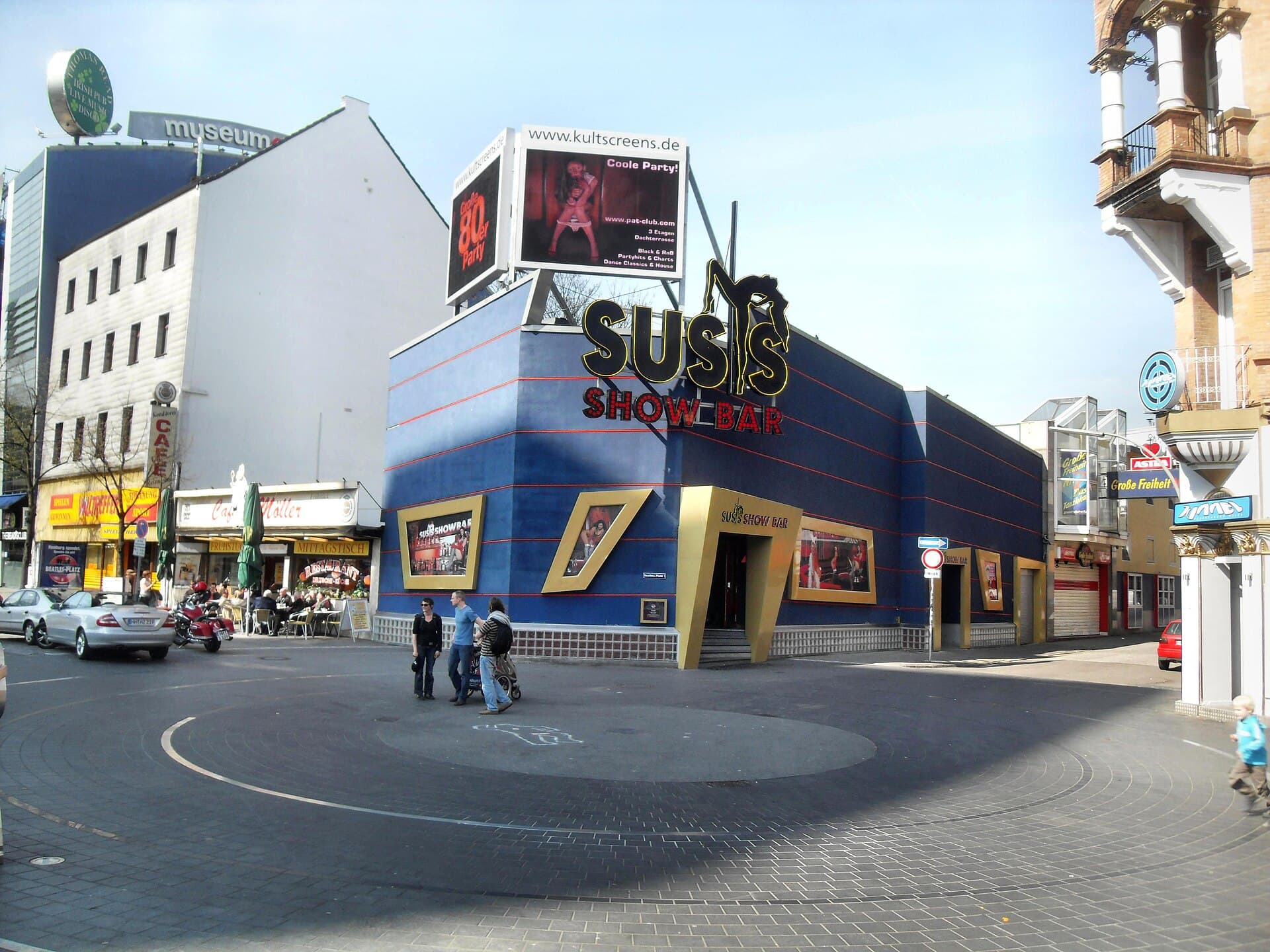
Die Grosse Freiheit und der Beatles-Platz: The Crucible
The side street off the Reeperbahn where a young band from Liverpool played hundreds of nights and grew up, marked today by a modern vinyl record memorial.
4
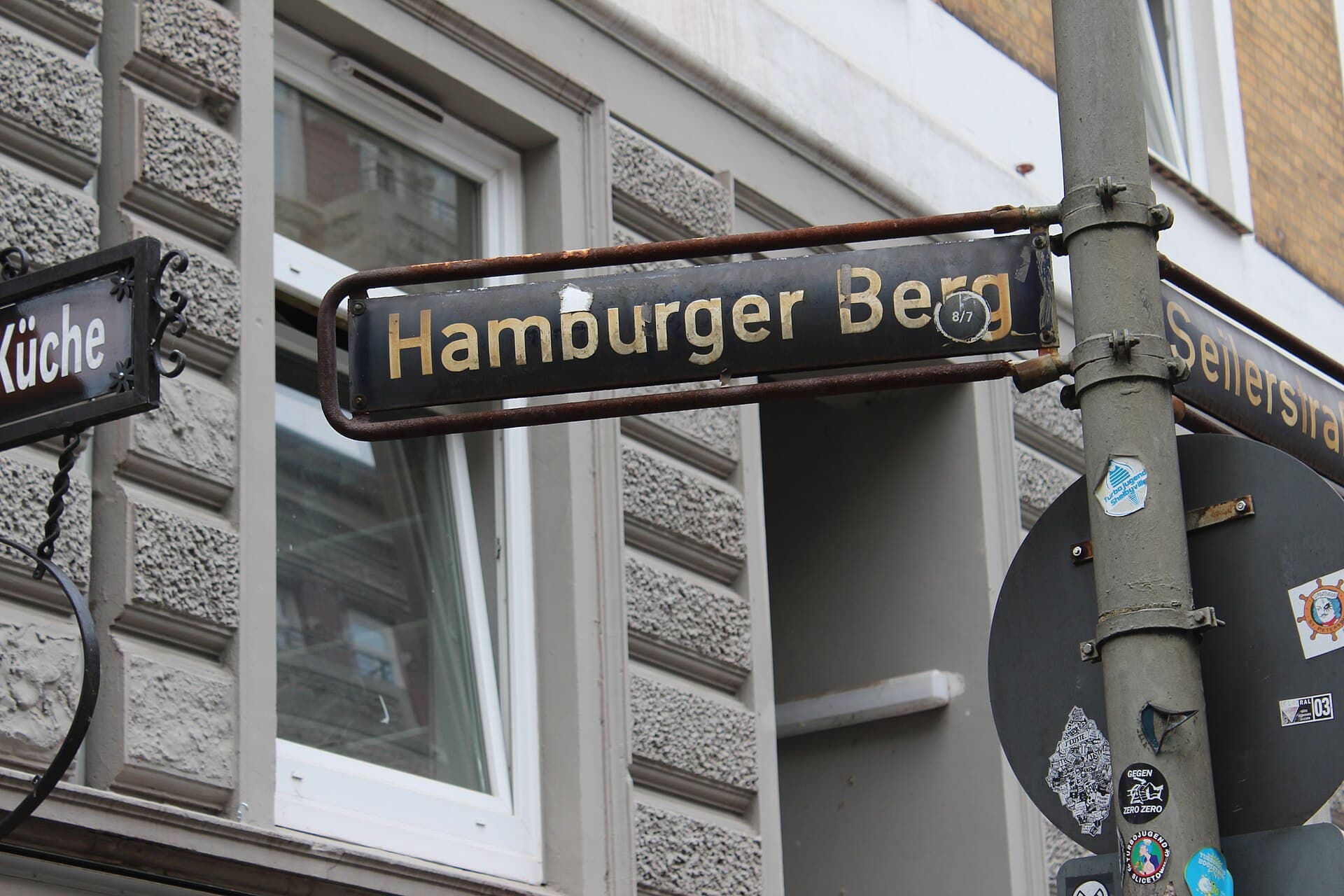
St. Pauli und der Hamburger Berg: The District at the Edge
The extramural quarter Hamburg pushed to its edge, once called Hamburger Berg, whose relegation became a crucible.
5
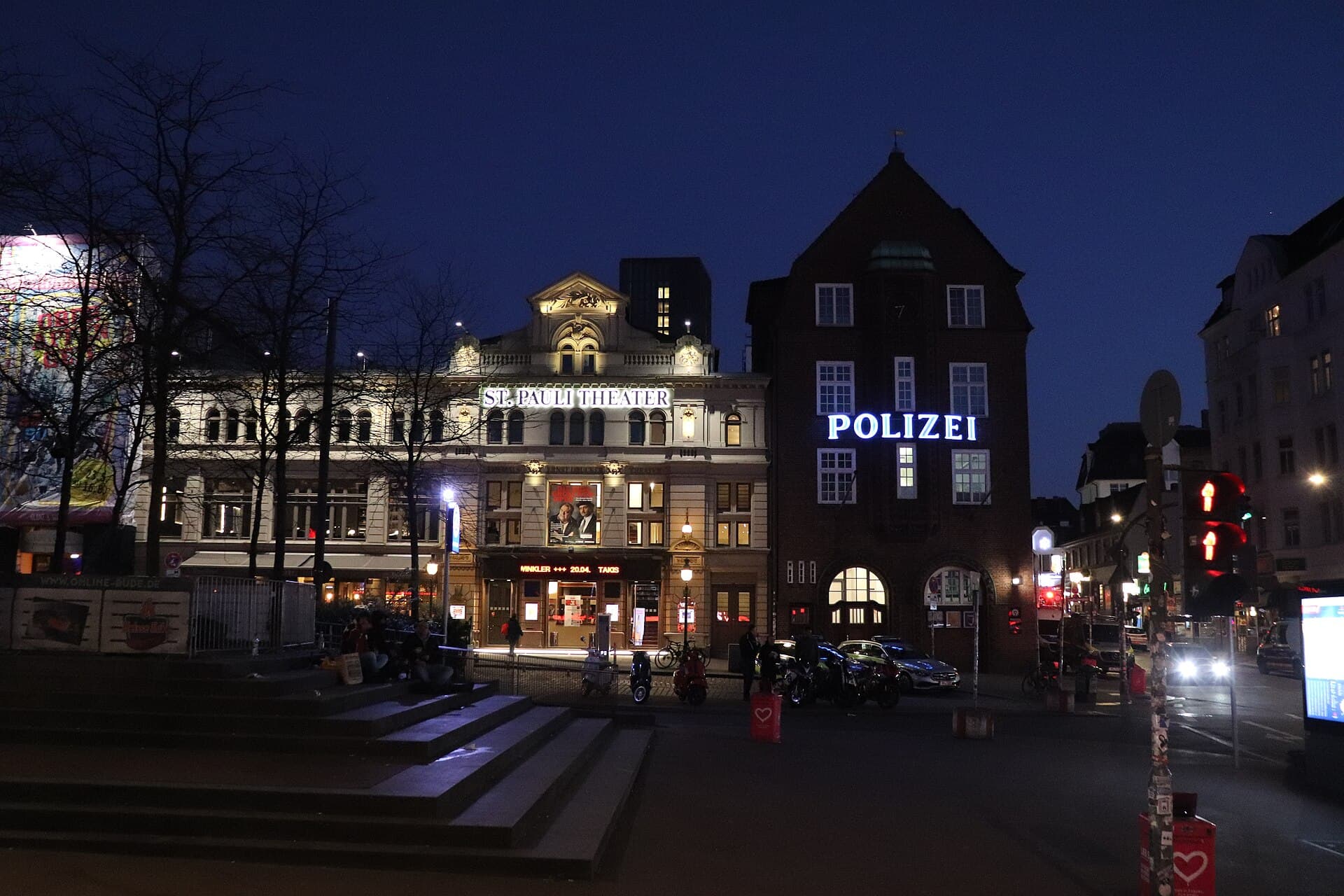
Die Davidwache und die Herbertstrasse: Order and Margin
A famous red brick police station facing a gated brothel street, order and the relegated trade standing side by side.
6
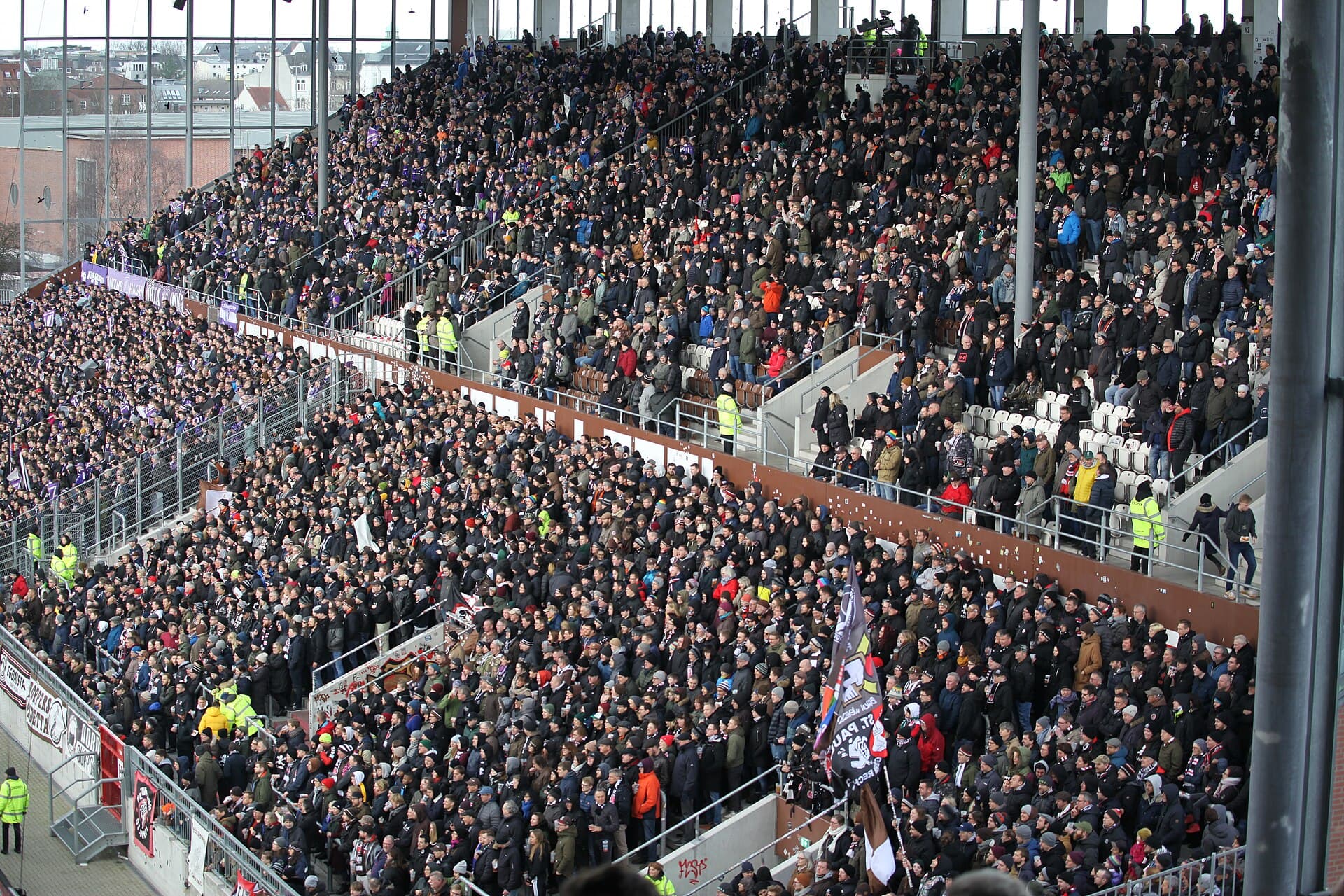
Der FC St. Pauli und das Millerntor-Stadion: Not Belonging as a Creed
The district's football club and its stadium, where St. Pauli's outsider status became a defiant modern identity.
7
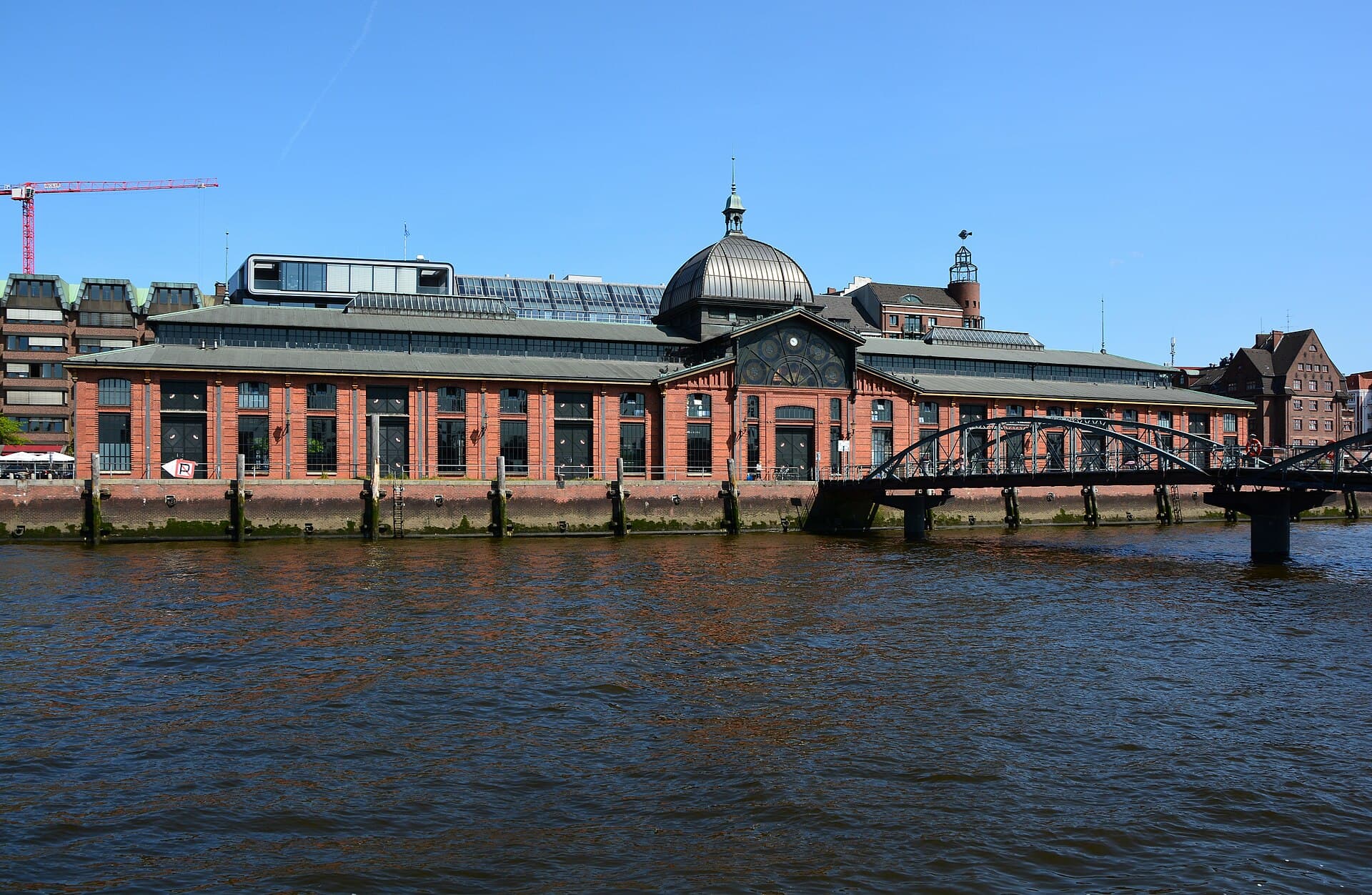
Der St. Pauli Fischmarkt: Where the Night Meets the Morning
A dawn Sunday market on the Elbe where the last of the night's revellers meet the first traders of the morning.
Best Time to Visit
Early Sunday morning is the signature experience, because the Fischmarkt only runs at dawn on Sundays, from about five in summer or seven in winter until roughly half past nine, which lets you walk the strip while the night is still meeting the morning. On any other day, late afternoon into early evening works well, when the Reeperbahn wakes up but the quarter is still calm enough to read its history. Spring through early autumn offers the mildest weather along the exposed Elbe waterfront.
Pro Tips
- •Do the walk on a Sunday if you can, and consider starting near dawn so you finish at the Fischmarkt while the criers are still calling and the night crowd and morning traders overlap.
- •Wear shoes that handle cobblestones and tram tracks, since the harbour edge and the older streets are uneven underfoot and slick when wet.
- •Free harbour ferries and the free foot passage through the Old Elbe Tunnel let you get out over and under the water without a boat ticket, a good way to feel the port before the walk turns inland.
- •At the Grosse Freiheit, remember the clubs are all gone, so let Beatles-Platz and the street itself carry the story rather than hunting for a surviving venue.
- •Read Herbertstrasse and the harbour's harder history plainly and move on, without photographing people, since dignity is part of understanding this quarter.
- •Carry a little water and a light layer, because the Elbe waterfront at the Landungsbruecken and the Fischmarkt is open and breezy even on warm days.
Safety & Precautions
- Watch for fast, near silent cyclists and for trams and their tracks, especially where cycle lanes cross the pavement near the Landungsbruecken and the Reeperbahn, and glance both ways before stepping off a kerb.
- The harbour and canal edges along the Elbe often have low railings or none at all, and the wet cobbles and tram grooves can be slippery, so keep back from the water and mind your footing.
- If you ride the U-Bahn or S-Bahn to reach the start, validate your ticket before boarding, since Hamburg uses proof of payment with roving inspectors and fines for travelling without a valid ticket.
- Treat Herbertstrasse and the red light quarter with a sober, respectful manner, obey the posted entry restrictions, and never photograph individuals, keeping the same dignity you would at any place tied to human hardship.
Gallery
Related Reading
Go deeper on what you'll see, hear, and walk through.
Overview
Hamburg Travel Guide: Days, Transport, Season, Safety, Cost
7 min
Overview
One Day in Hamburg: A Walkable Morning-to-Evening Itinerary
8 min
Thematic
Hamburg, the Free Port of Merchants: A Republic Built on Trade and the Tide
8 min
Companion
On the Grosse Freiheit, Where the Beatles Grew Up
6 min
Deep dive
The Reeperbahn: Reading the Rope Beneath the Neon
7 min
Read
What to Eat in Hamburg
7 min