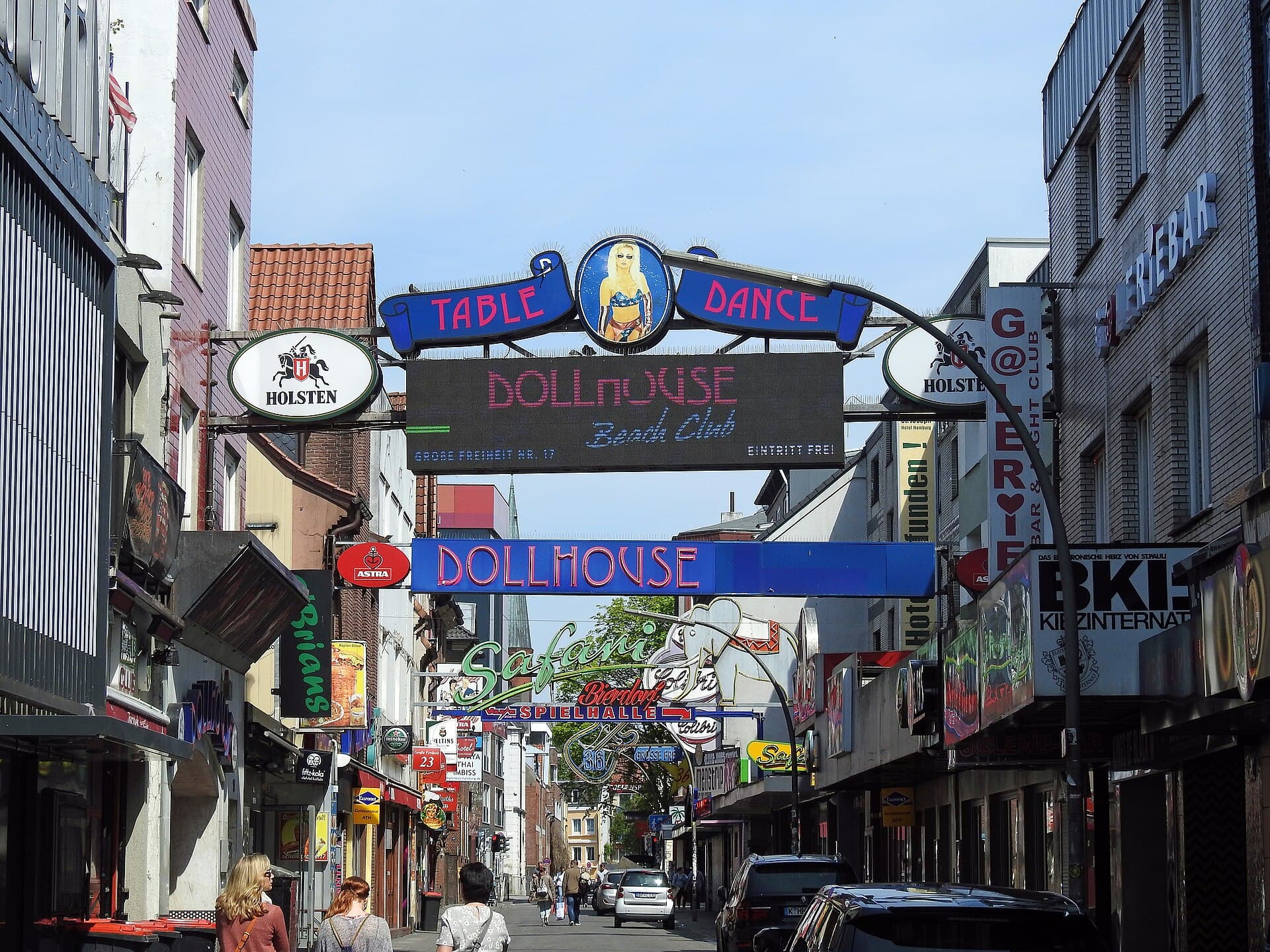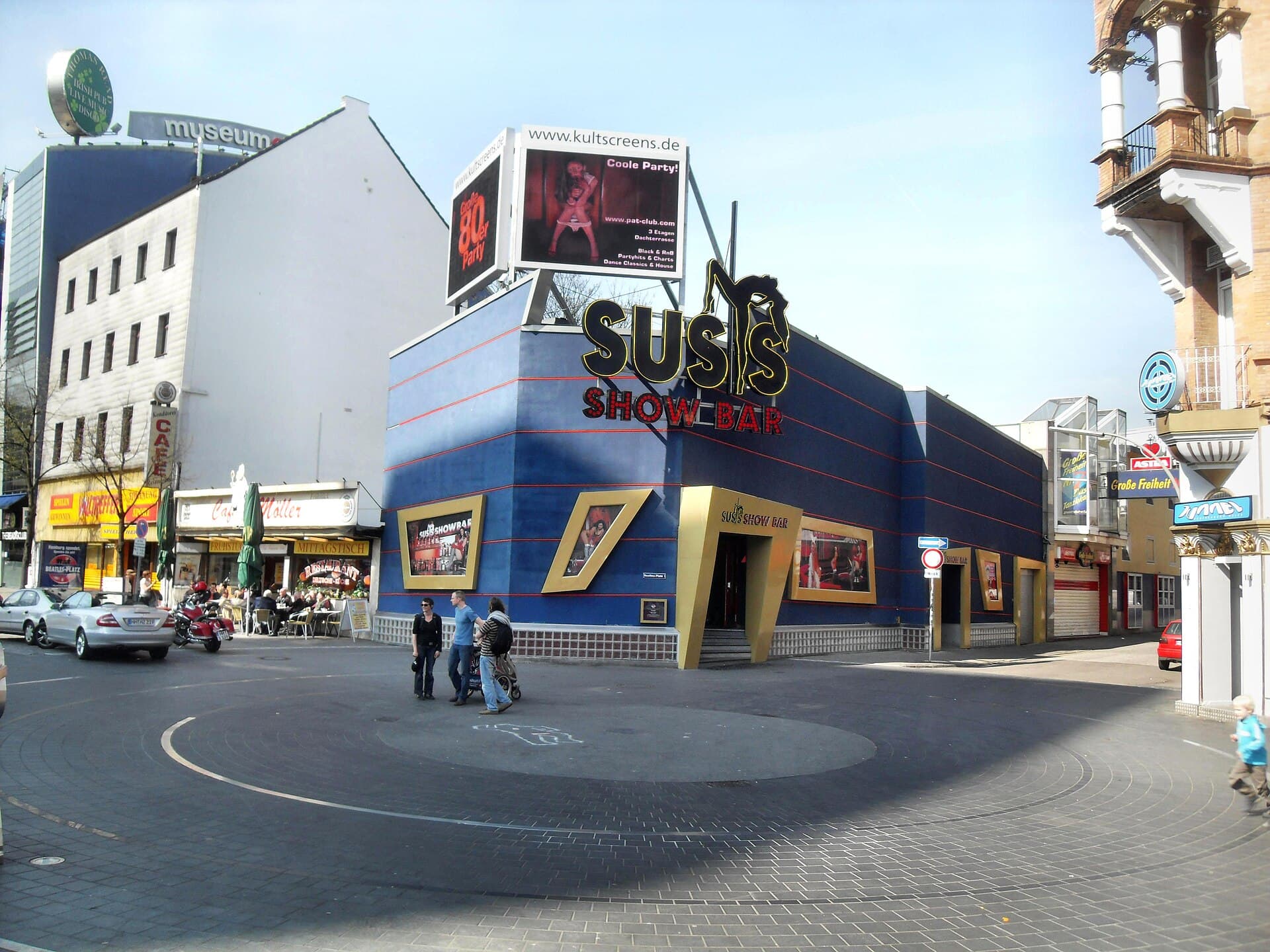
The Grosse Freiheit is a short side street off the Reeperbahn, and it is where the Beatles grew up. Five young men from Liverpool arrived in the summer of 1960 barely able to play together, and across roughly two years of cheap, brutal, all-night sets they were remade on a few paving stones. To understand why the crucible sat on this exact strip, and not somewhere grander, you have to understand St. Pauli itself: the harbour quarter Hamburg pushed to its edge, then could no longer keep at a distance. That is the argument this walk makes, and Beatles-Platz is the clearest way into it.
Why the band ended up on a relegated street
The clubs the Beatles played were not marquee venues. They were rough rooms on a strip the city had spent centuries relegating. In the early 1600s, respectable Hamburg drew a line at its gates and pushed everything it did not want onto the land between Hamburg and the then separate city of Altona. The smelly trades and the noisy ones went out there. So did the rope makers, whose long lines gave the Reeperbahn its name (Reep is Low German for rope, Bahn means track). The quarter that grew up on this relegated ground was originally called Hamburger Berg, after a defensive hill raised in 1620, and only later took the name of its church, dedicated to Saint Paul.
That history is the reason cheap all-night music had somewhere to live. A district built to hold whatever the city preferred to keep outside its walls is exactly the kind of place where a club owner can buy hours of stage time on the cheap and a foreign band can play until dawn. The margin made the music possible.
What actually happened on the Grosse Freiheit
Hear a stop from this walk
Die Grosse Freiheit und der Beatles-Platz: The Crucible
The Beatles' first Hamburg shows were at the Indra Club, at number 64, starting on the seventeenth of August 1960, until noise complaints closed the run. They moved to the Kaiserkeller at number 36, from the fourth of October 1960, a room owned by Bruno Koschmider, alternating sets with another Liverpool group, Rory Storm and the Hurricanes. Later came the Star-Club, which opened on the thirteenth of April 1962 with the band booked for its first weeks, and they played their final Hamburg shows late that year. All three venues are gone now, which is worth knowing before you go looking for a surviving door to touch.
The lineup that arrived is not quite the one history remembers. Stuart Sutcliffe, the original bassist, died in April 1962. Pete Best drummed in the early years, and by the Star-Club shows Ringo Starr had the seat. George Harrison was deported in November 1960 for being underage, cutting an early run short. A young photographer named Astrid Kirchherr is credited with the moptop look that would define them. John Lennon is widely quoted as saying he might have been born in Liverpool but grew up in Hamburg, and standing here that reads less like a slogan than a plain description of what the hours on this street did to a raw band.
What forged them was labour, not glamour. Night after night on stage, hours the clubs bought cheaply because the quarter's whole economy ran on relegated, low-cost trade. The playing tightened, the stage act sharpened, and the group that left was not the group that came.
The memorial, read honestly
At the corner with the Reeperbahn sits Beatles-Platz, ceremonially opened on the eleventh of September 2008. Its surface is paved to resemble a black vinyl record, ringed by five stainless steel statues standing in for the band, including a single hybrid figure that represents both drummers, Pete Best and Ringo Starr. It is a modern memorial, not an original relic. That distinction matters on the ground: you are not visiting the room where it happened, because the room is gone. You are standing on a marker that points back at the crucible. Let the square and the street carry the story rather than hunting for a club that no longer exists.
Why the anchor pulls the rest of the walk
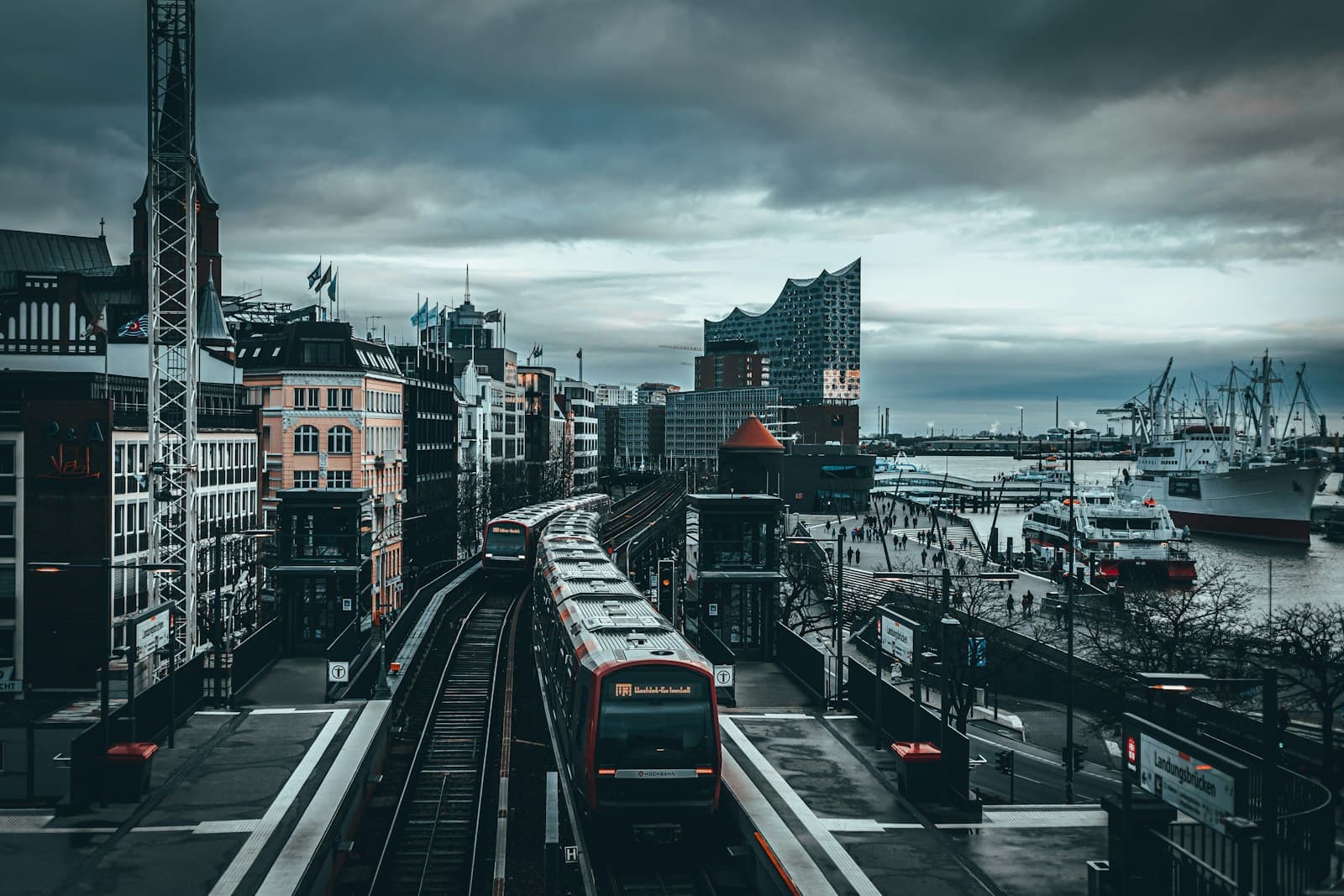
Once you see that the Beatles ended up here because St. Pauli was the city's edge, the other stops stop feeling like a list and start feeling like one idea told six ways. It begins at the Landungsbruecken, the floating landing stages on the Elbe where the sea comes ashore and the port dumped the world's arrivals onto the district's soil. It runs along the Reeperbahn, honest rope work turned into the strip Hamburg nicknamed die suendige Meile, the sinful mile. It passes the Davidwache, the small red brick police station designed by the architect Fritz Schumacher and opened in December 1914, facing the gated Herbertstrasse, so that the institution of order and the relegated trade sit within sight of each other (a pairing that deserves to be read plainly and never gawked at, and where the walk asks you not to photograph anyone).
It reaches FC St. Pauli and the Millerntor-Stadion, where a club founded in 1910 turned not belonging into a stated creed, adopting the fans' skull and crossbones as an official emblem in September 1999. And it ends at the St. Pauli Fischmarkt, the Sunday dawn market that has run since about 1703, where the last of the night's revellers cross paths with the first traders of the morning. Every one of those stops is the same counter-intuition the Grosse Freiheit teaches: the ground the city pushed away became a crucible, and the margin did not stay marginal.
The full route runs seven stops over roughly two hours and about five kilometres, and the stops are short and skippable, so you set the pace. If you want the signature version, walk it early on a Sunday and finish at the Fischmarkt while the criers are still calling.
Plan the route and start the audio from the Hamburg walking tours hub, or see how this walk fits alongside the rest of Hamburg.
Sources
- The Beatles in Hamburg, Wikipedia: residency dates, venues (Indra, Kaiserkeller, Star-Club), lineup changes, and the Lennon quotation, all cross-checked against the tour's fact-audited transcript.
- Beatles-Platz, Wikipedia: the 2008 opening, the vinyl-record paving, and the five stainless steel statues including the drummer hybrid figure.
- Reeperbahn and St. Pauli, Wikipedia: the rope-walk etymology, the "sinful mile" nickname, and the extramural origin as Hamburger Berg.
- Davidwache and FC St. Pauli, Wikipedia: the Schumacher police station opened in 1914 and the club's outsider identity and 1999 emblem adoption.
Ready to experience it?
Reeperbahn: Where the Beatles Grew Up
120 min · 5.1 km · moderate
More from Hamburg
Explore more at your own pace.
Hamburg, the Free Port of Merchants: A Republic Built on Trade and the Tide
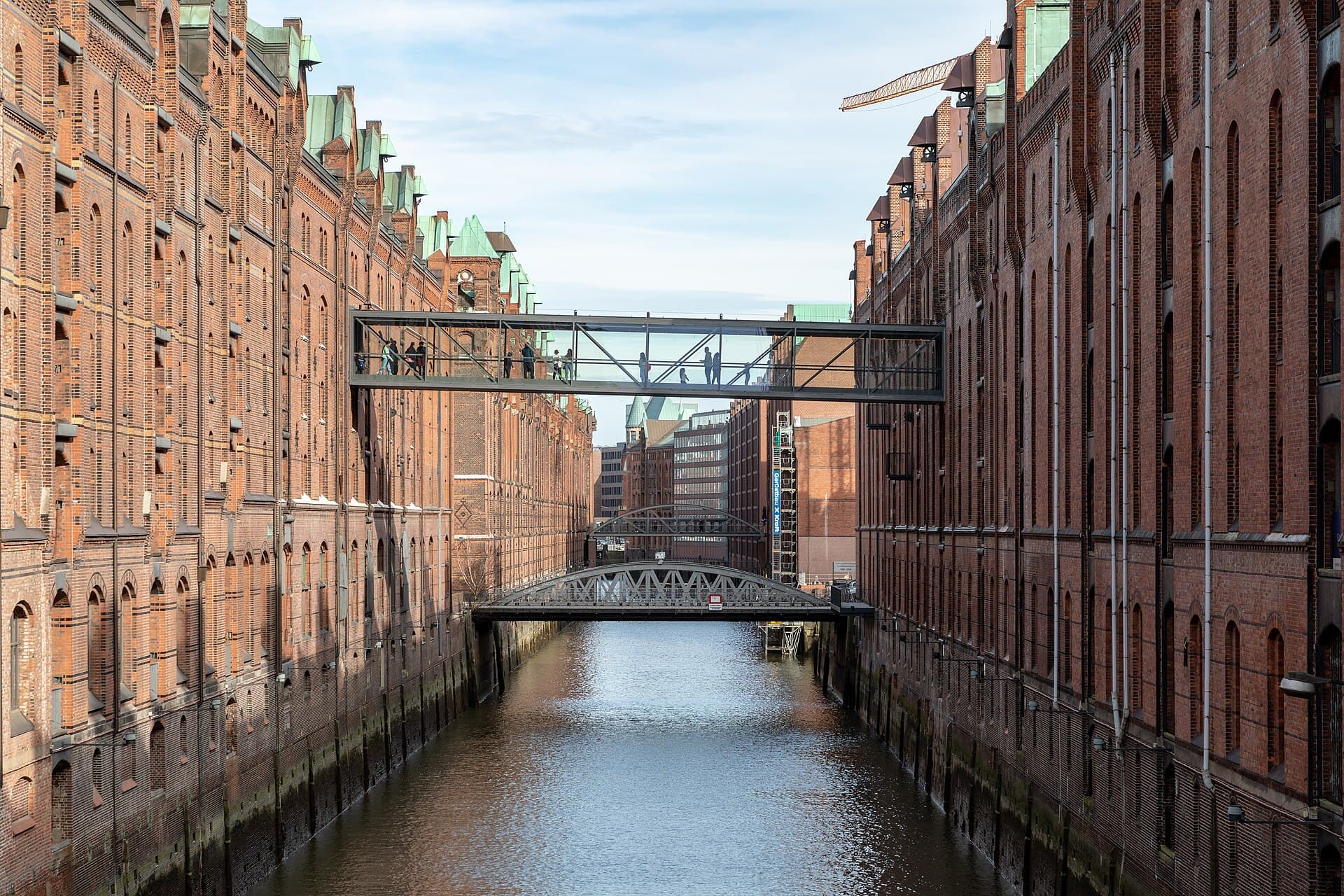
Hamburg's Speicherstadt: Reading a Port Through Brick on Oak Over Water
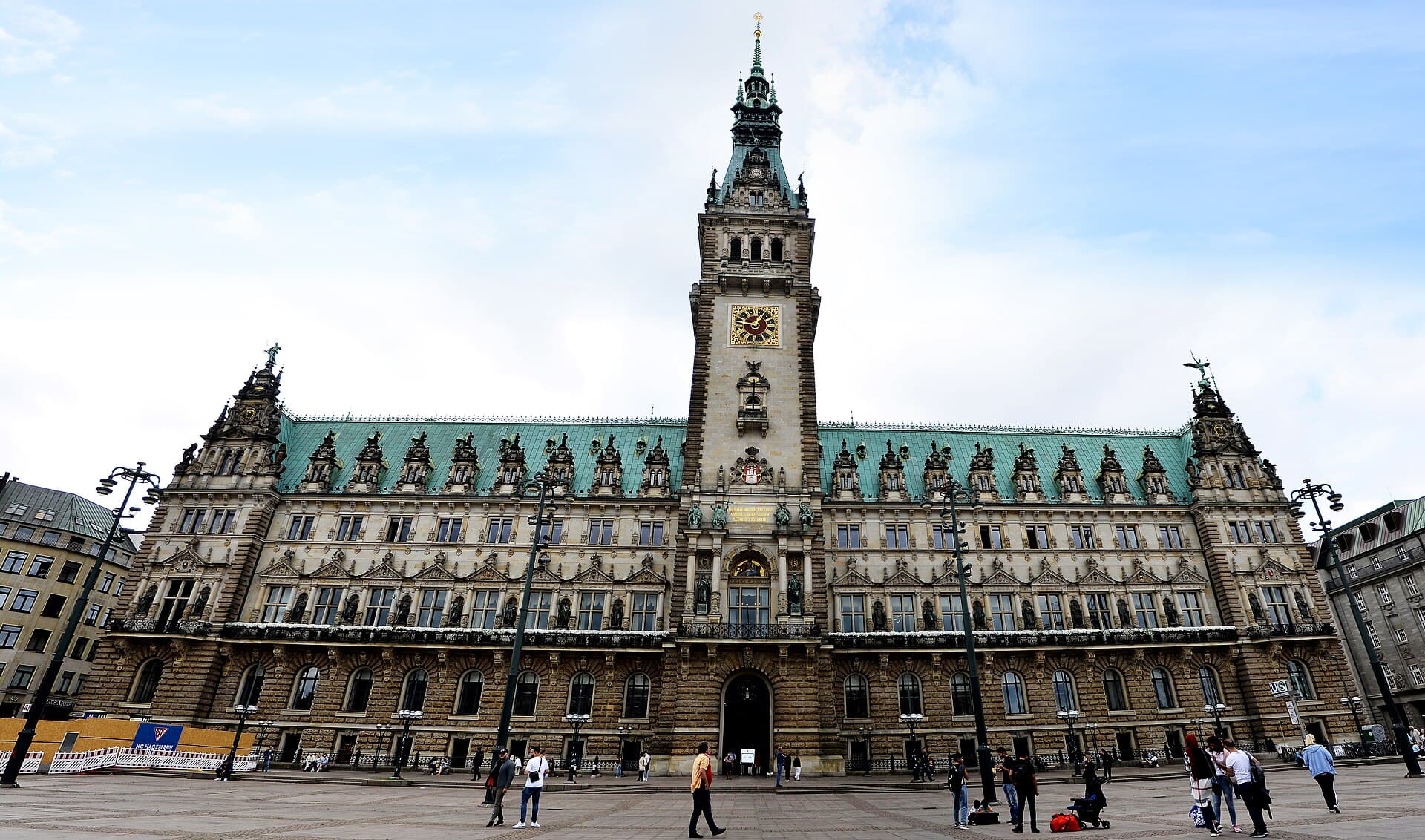
The Hamburg Rathaus: A Palace Built by a Republic With No Throne
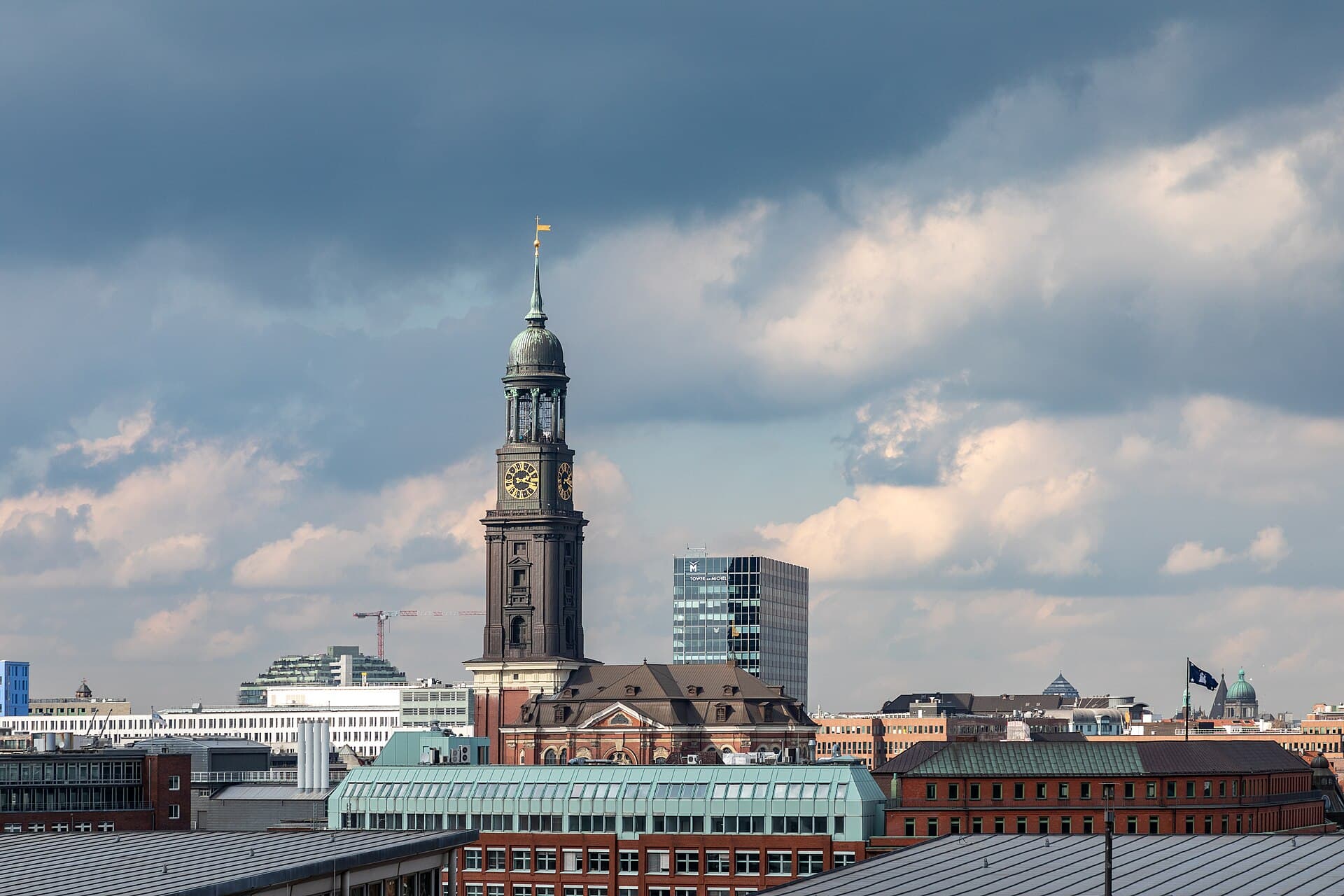
Der Michel: How Hamburg's Copper Spire Guided Ships Home
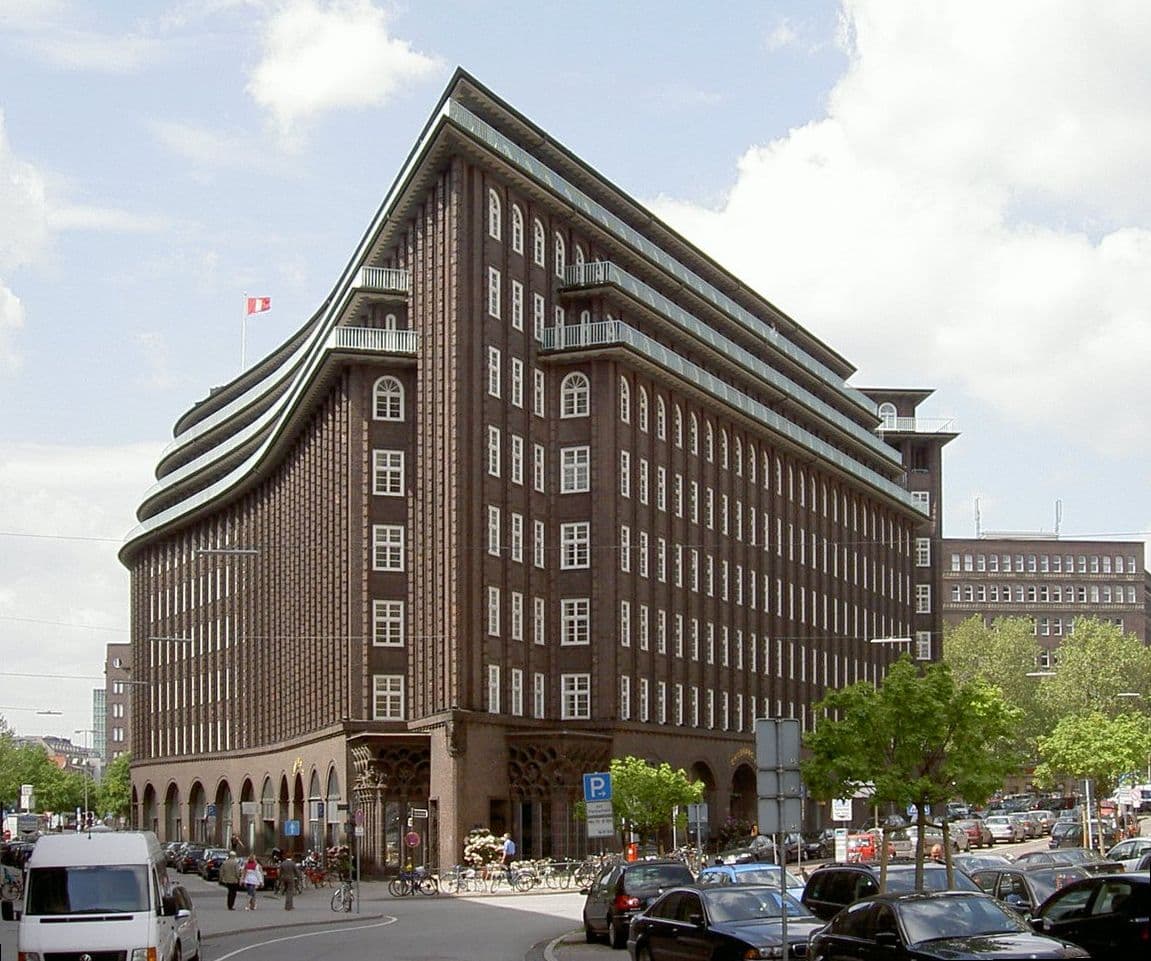
The Chilehaus: Reading Hamburg's Brick Ship