Speicherstadt: The City of Warehouses on Oak
105 min · 4 km · easy
Hamburg rewards two to three unhurried days on foot: the port district and warehouses cluster tight around the water, the old merchant center sits just north, and the St. Pauli nightlife quarter is a short walk or one S-Bahn stop west. You can see the headline sights in a weekend and still leave with the sense that you rushed. Give it three days if you want the canals, a harbor ferry, and an evening on the Reeperbahn without watching the clock. This guide answers the practical questions travelers actually ask before booking: how long to stay, how to get around, when to come, whether it is safe, and what it costs.
How many days do you need in Hamburg?
Two days covers the essentials. Three is the comfortable number.
Hamburg is compact where it counts. The Speicherstadt, the Rathaus, the inner Alster lake, and the harbor front are all within a walkable core, and most of it is flat. A tight itinerary looks like this: day one for the merchant old town and the lakes, day two for the warehouse district and HafenCity, day three for St. Pauli, the Reeperbahn, and the Sunday fish market if your dates line up.
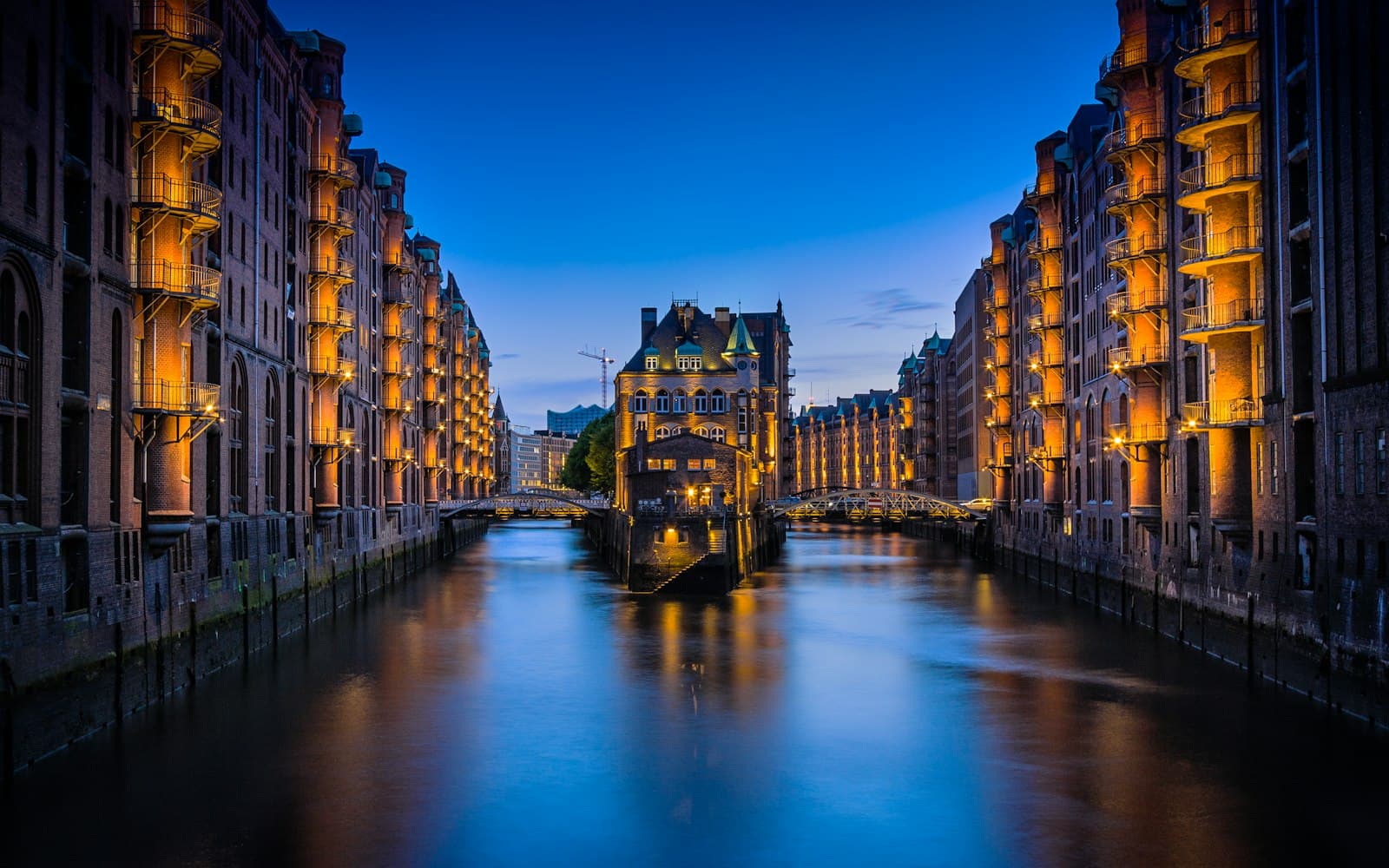
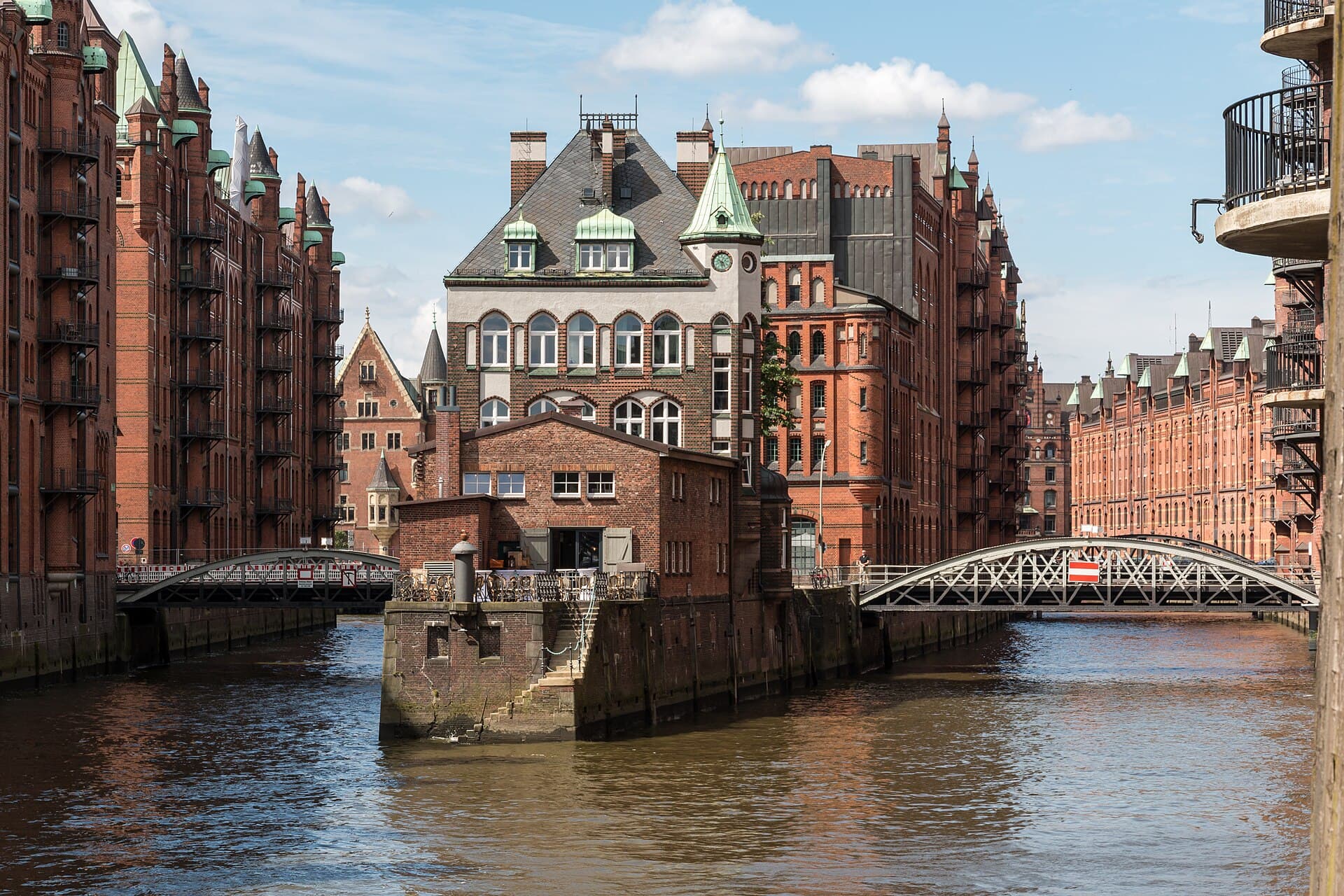
If you only have a single day, pick one thread and follow it well rather than sprinting between neighborhoods. The Speicherstadt architecture walk reads the port through its brick, from the timber-pile warehouse district to the glass-crowned Elbphilharmonie, and it fits comfortably into an afternoon at an unhurried pace.
How do you get around Hamburg?
Hear a stop from this walk
The Chilehaus: Brick as a Ship's Prow
On foot for the center, and on the HVV public transport network for everything else.
Hamburg's transit system, the Hamburger Verkehrsverbund (HVV), links the U-Bahn (underground), S-Bahn (suburban rail), buses, and harbor ferries under one ticket. For a visitor staying in or near the center, walking handles most sightseeing, and a day ticket covers the rest. A single adult trip in the central AB zone runs a little over four euros, and an AB-zone day ticket sits around eight euros for one adult, with children included on the same ticket (confirm the exact 2026 fare on the HVV site, since prices adjust at the start of the year). The day ticket is valid until 6 a.m. the following morning.
The harbor ferries are the quiet win here. Line 62 and others are ordinary HVV routes, which means your day ticket puts you on the Elbe for the price of a bus ride, no tourist boat markup required. Locals use them as commuter boats.
From the airport, the S-Bahn line S1 runs directly to Hamburg Hauptbahnhof (the main station) in about 25 minutes, departing roughly every 10 minutes through the day. It is by far the simplest arrival: the station sits underneath the terminals, and the trip is covered by a standard HVV ticket.
If you plan to ride transit heavily and visit paid sights, the Hamburg Card bundles unlimited HVV travel with attraction discounts. Whether it pays off depends on how much you actually ride; a walker who takes two or three trips a day often comes out even or ahead just buying day tickets.
When is the best time to visit Hamburg?
May through September, for the long daylight and the mildest weather.
Hamburg sits in northern Germany, and its weather is famously changeable: this is a city where locals carry a rain jacket in July out of habit. Summer highs generally land in the low twenties Celsius (around 70 Fahrenheit), and the long northern evenings mean you can still be walking the harbor front at nine at night. June through August is the peak, with the warmest water on the ferries and the most going on outdoors.
The shoulder months, roughly April, May, and September, trade a little warmth for thinner crowds and lower prices. Winter is cold, grey, and short on daylight, though it has its own appeal if you come for the Christmas markets or want the warehouse canals at their moodiest. Whenever you come, pack a waterproof layer. The rain is the one reliable thing about Hamburg's climate.
Is Hamburg safe for travelers?
Yes, with the ordinary big-city caution, and a little extra awareness in two specific places.
Hamburg is a generally safe city to walk, including for solo travelers and at night in most central areas. The two spots that call for attention are the main station (Hauptbahnhof) and the Reeperbahn nightlife strip in St. Pauli. Both draw crowds, and crowds draw pickpockets who often work in pairs or groups using distraction. Keep your bag in front of you, keep your phone out of your back pocket, and you have handled the realistic risk.
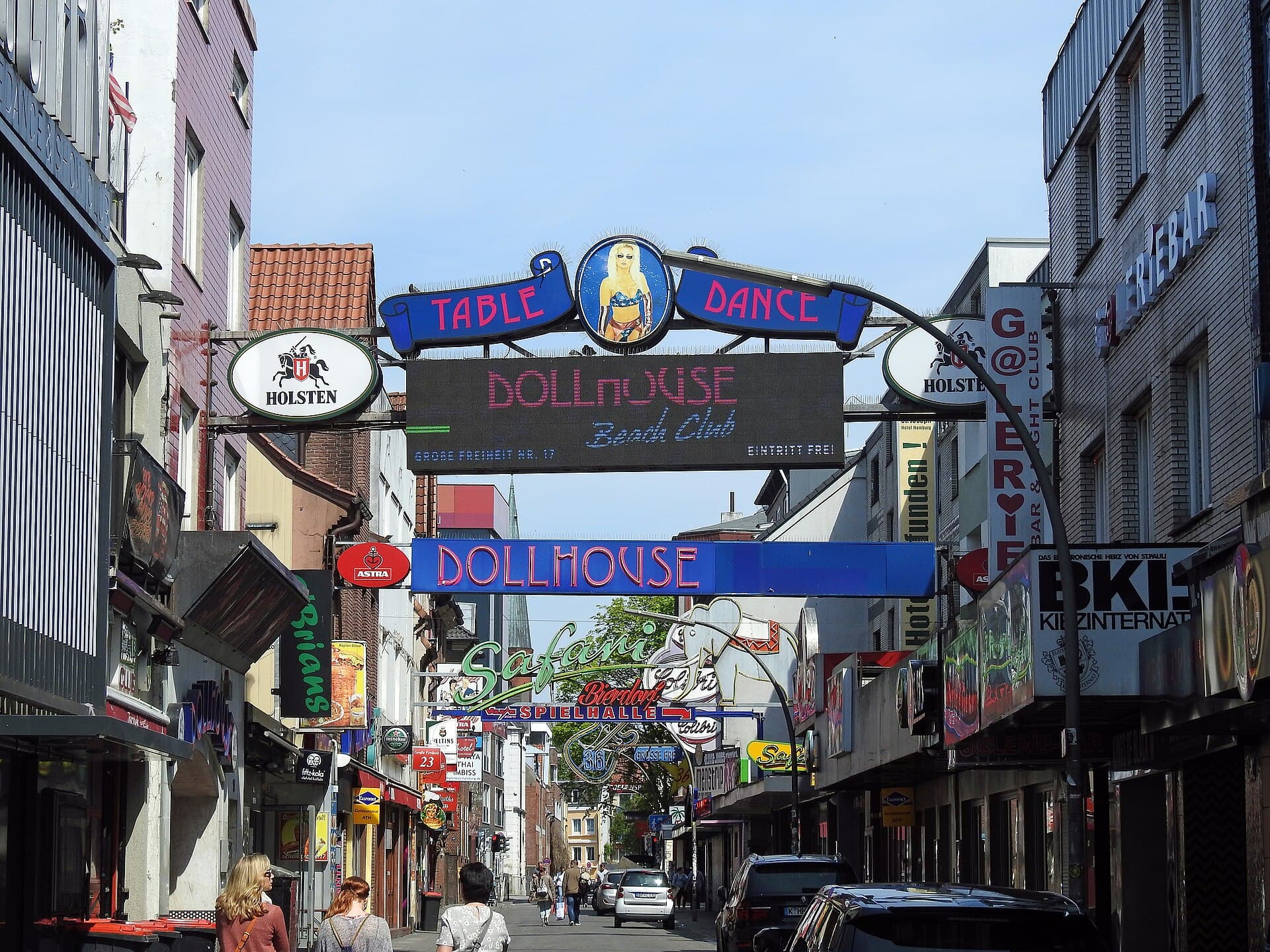
The Reeperbahn itself is fine to walk in the evening, and it is one of Hamburg's genuine draws: the harbor quarter that respectable old Hamburg pushed to its edge, and where a young band from Liverpool cut its teeth in the early 1960s. The sensible posture is the same one you would use in any busy nightlife district anywhere: stay on the lit main streets, keep your wits about you late, and do not follow strangers into side alleys or accept unsolicited "help." One St. Pauli oddity worth knowing: Herbertstrasse, the street at the center of the red-light area, is screened off and open only to adult men, which is a local rule, not a safety warning. Our Reeperbahn and Beatles walk is built for daytime or early evening, when the quarter is at its most readable.
How much does Hamburg cost?
Less than you might fear, because so much of the city is free to look at.
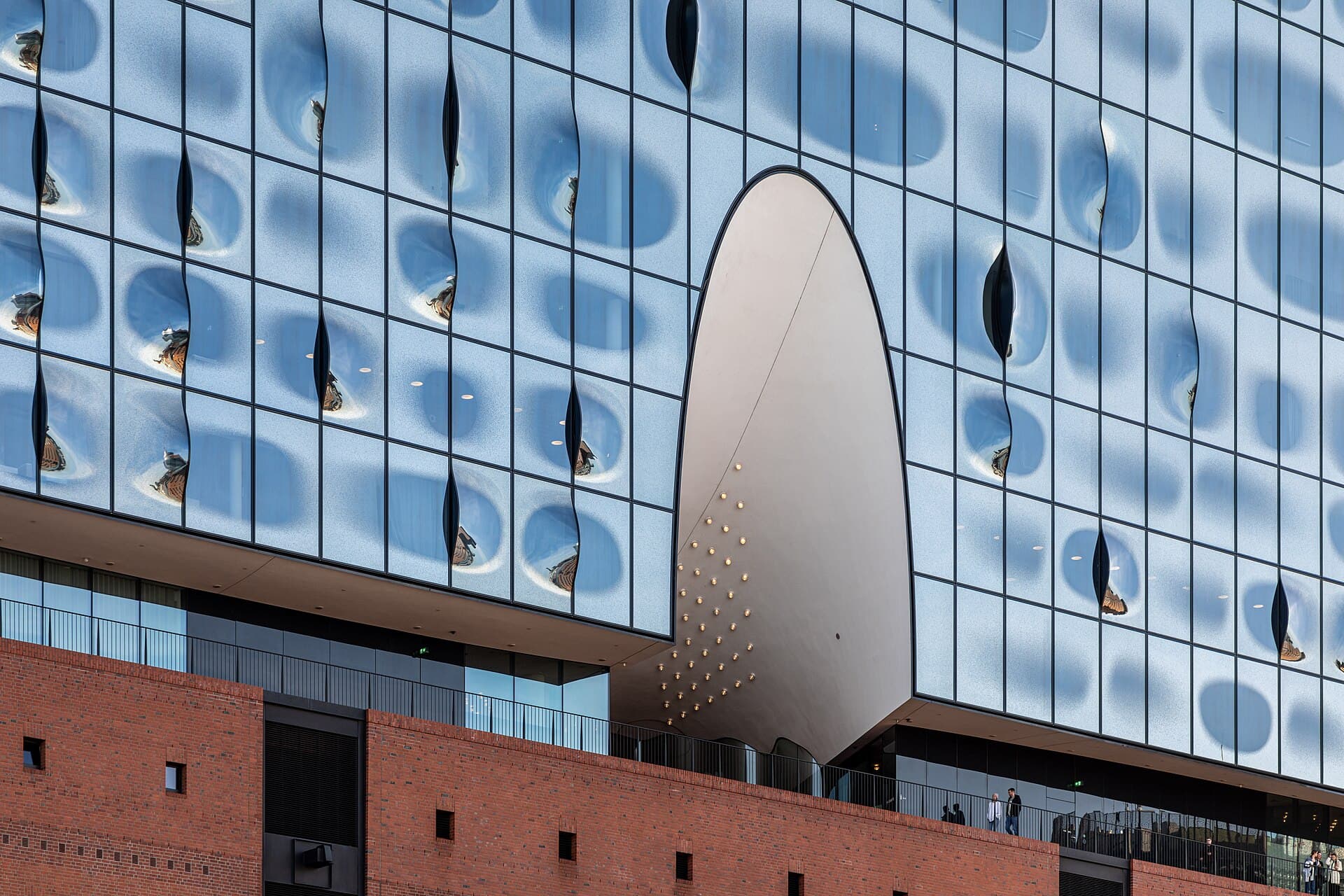
The signature experiences here are the streetscape itself. The Speicherstadt warehouse district, the Rathausmarkt, the Alster lakes, the harbor promenades, and the gabled merchant houses on Deichstrasse cost nothing to walk. Even the Elbphilharmonie's viewing Plaza, the glass-and-brick concert hall's public terrace with sweeping port views, has been free to visit (open daily 10:00 to midnight, with an optional small online booking fee to guarantee a time slot). Note one change on the horizon: from October 2026 the Plaza is set to introduce a small admission fee of a few euros, so if you visit after that date, budget for it.
Where money goes: meals, drinks on the Reeperbahn, harbor boat tours if you skip the ferry hack, and the occasional tower or crypt admission, such as climbing St. Michaelis church (Der Michel) for the city panorama, which charges a modest fee. Museums in the warehouse district are priced individually. A self-guided audio walk keeps the guiding cost near zero and lets you set your own pace, which is the whole point: your schedule, your stops, no group and no tip pressure.
A sensible three-day shape
Start with the merchant old town: the Rathaus, the Alster, and the Great Fire story that forced the modern city into being, a flat and easy loop of under three kilometers. Move on the second day to the brick and water of the Speicherstadt and HafenCity, ending at the Elbphilharmonie Plaza for the view. Save St. Pauli and the Reeperbahn for a late afternoon into evening, and if you are up for it, chase the last stop with the Sunday dawn fish market. Three self-guided walks, three distinct sides of the same self-made port city.
Browse the full set of Hamburg walking tours to pick your thread, or start from the Hamburg city page.
Sources
Frequently asked questions
- How many days do you need in Hamburg?
- Two days covers the essentials and three is comfortable. The old town, the Alster lakes, the Speicherstadt warehouse district, and the harbor front sit in a compact, mostly flat core you can walk. Add a third day for St. Pauli, the Reeperbahn, and a harbor ferry without rushing.
- What is the best way to get around Hamburg?
- Walk the center and use the HVV network (U-Bahn, S-Bahn, buses, and harbor ferries) for everything else. A single central AB-zone trip costs a little over four euros and a day ticket is around eight euros for one adult, valid until 6 a.m. the next day. The harbor ferries are ordinary HVV routes, so your day ticket puts you on the Elbe without a tourist-boat markup.
- How do you get from Hamburg Airport to the city center?
- Take the S-Bahn line S1, which runs directly to Hamburg Hauptbahnhof (the main station) in about 25 minutes and departs roughly every 10 minutes through the day. The station sits underneath the terminals, and the trip is covered by a standard HVV ticket.
- When is the best time to visit Hamburg?
- May through September, for the mildest weather and long northern daylight, with summer highs in the low twenties Celsius (around 70 Fahrenheit). April, May, and September trade a little warmth for thinner crowds and lower prices. Pack a waterproof layer any time of year, because Hamburg's rain is reliable.
- Is Hamburg safe for tourists?
- Yes, Hamburg is generally safe to walk, including for solo travelers and at night in most central areas. The two spots that call for extra awareness are the main station (Hauptbahnhof) and the crowded Reeperbahn nightlife strip, where pickpockets work busy areas. Keep your bag in front of you and your phone out of your back pocket.
- Is the Elbphilharmonie Plaza free to visit?
- The Plaza has been free to visit, open daily from 10:00 to midnight, with an optional small online booking fee to guarantee a timed entry. From October 2026 the Elbphilharmonie is set to introduce a small admission fee of a few euros, so budget for it if you visit after that date. The Plaza is open to everyone, not just concertgoers.
Ready to experience it?
Speicherstadt: The City of Warehouses on Oak
105 min · 4 km · easy
More from Hamburg
Explore more at your own pace.
Hamburg, the Free Port of Merchants: A Republic Built on Trade and the Tide
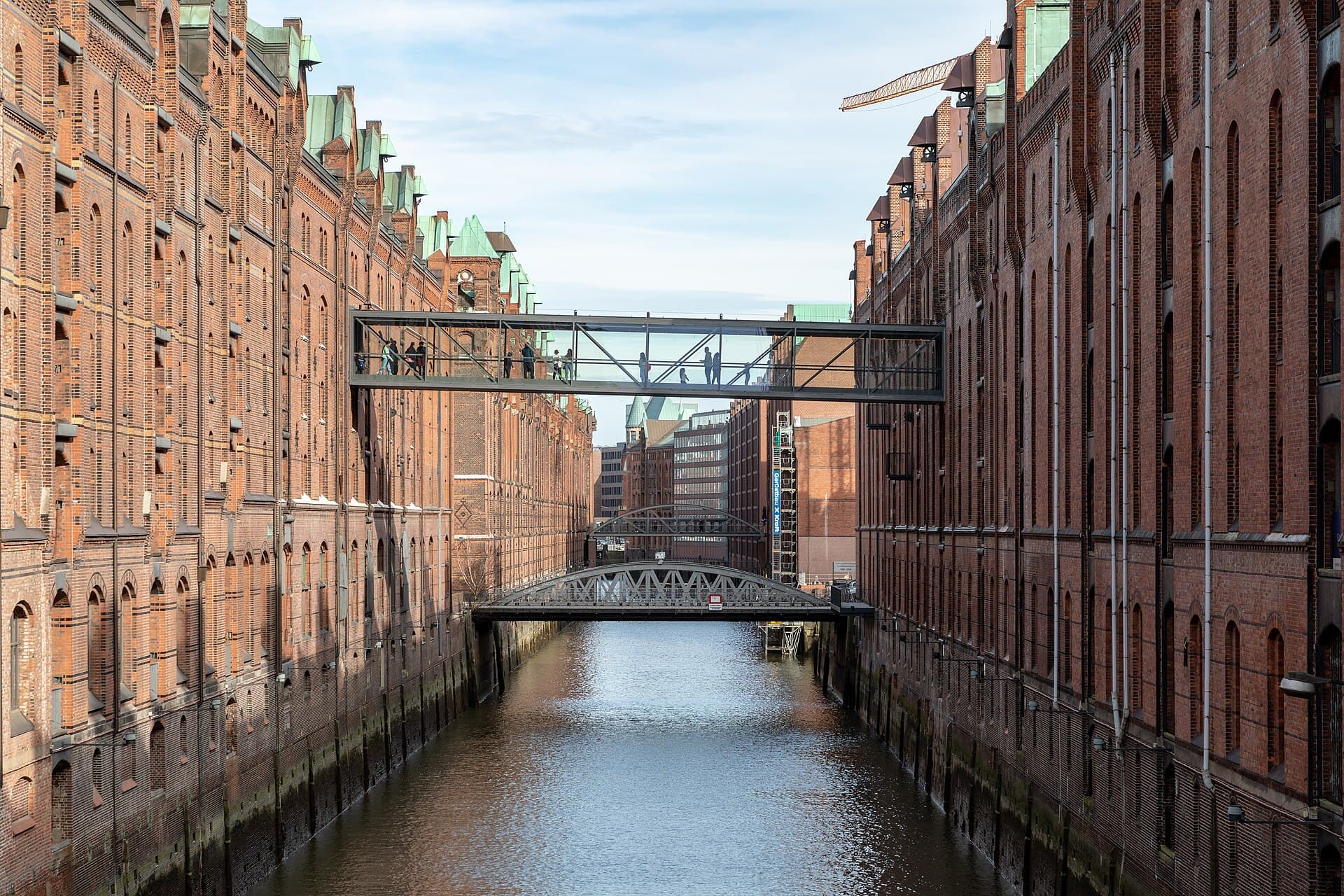
Hamburg's Speicherstadt: Reading a Port Through Brick on Oak Over Water
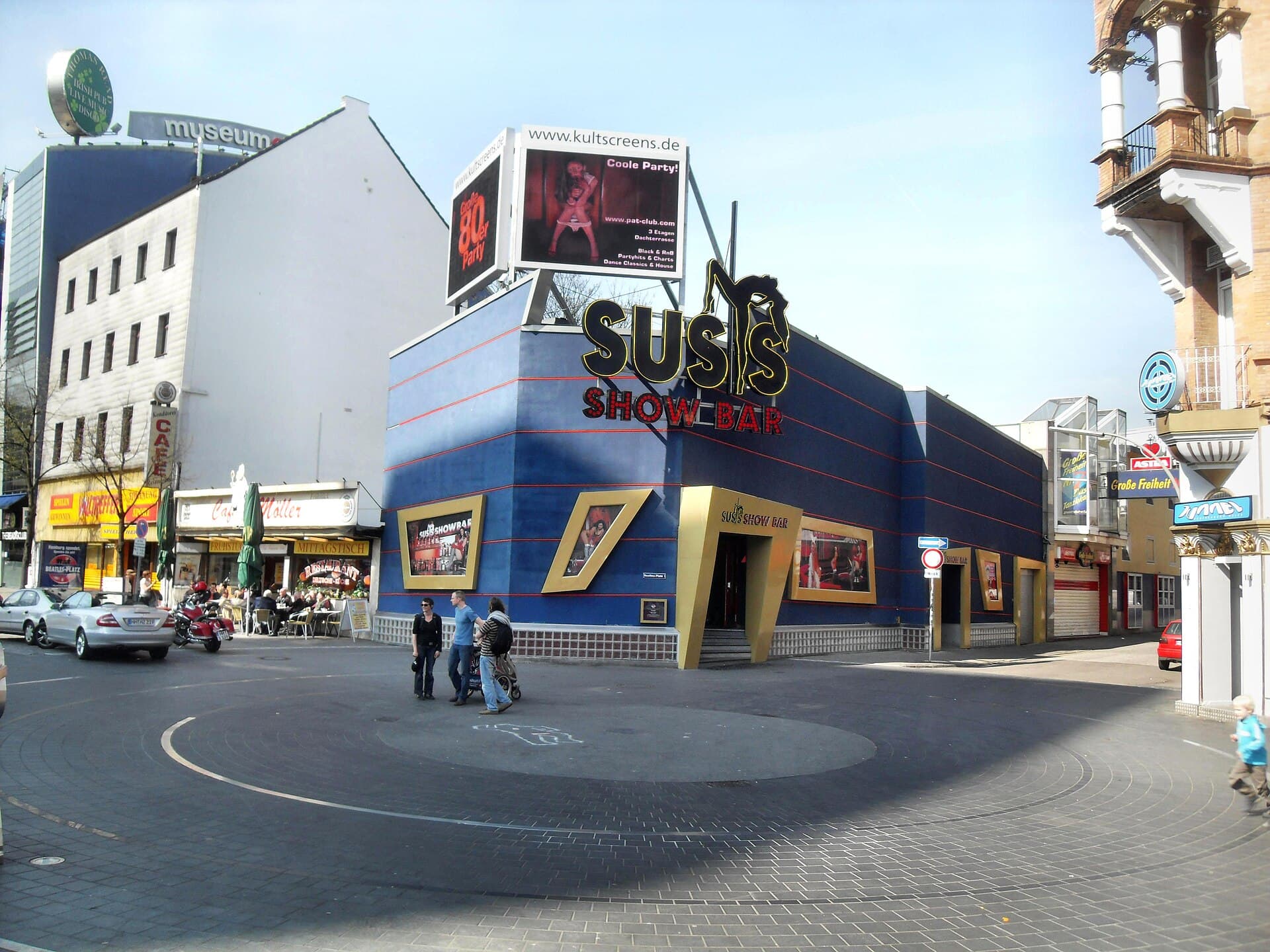
On the Grosse Freiheit, Where the Beatles Grew Up
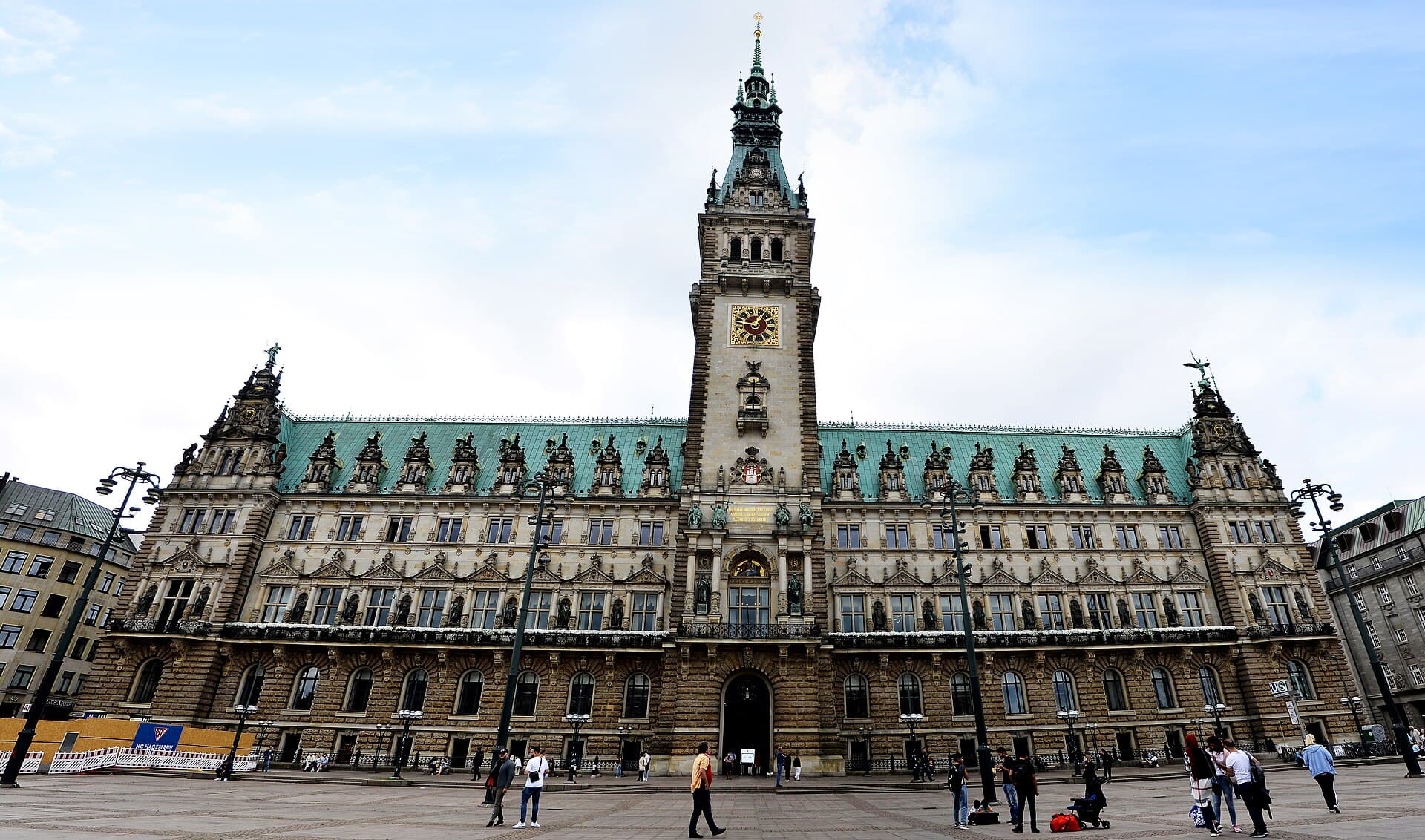
The Hamburg Rathaus: A Palace Built by a Republic With No Throne
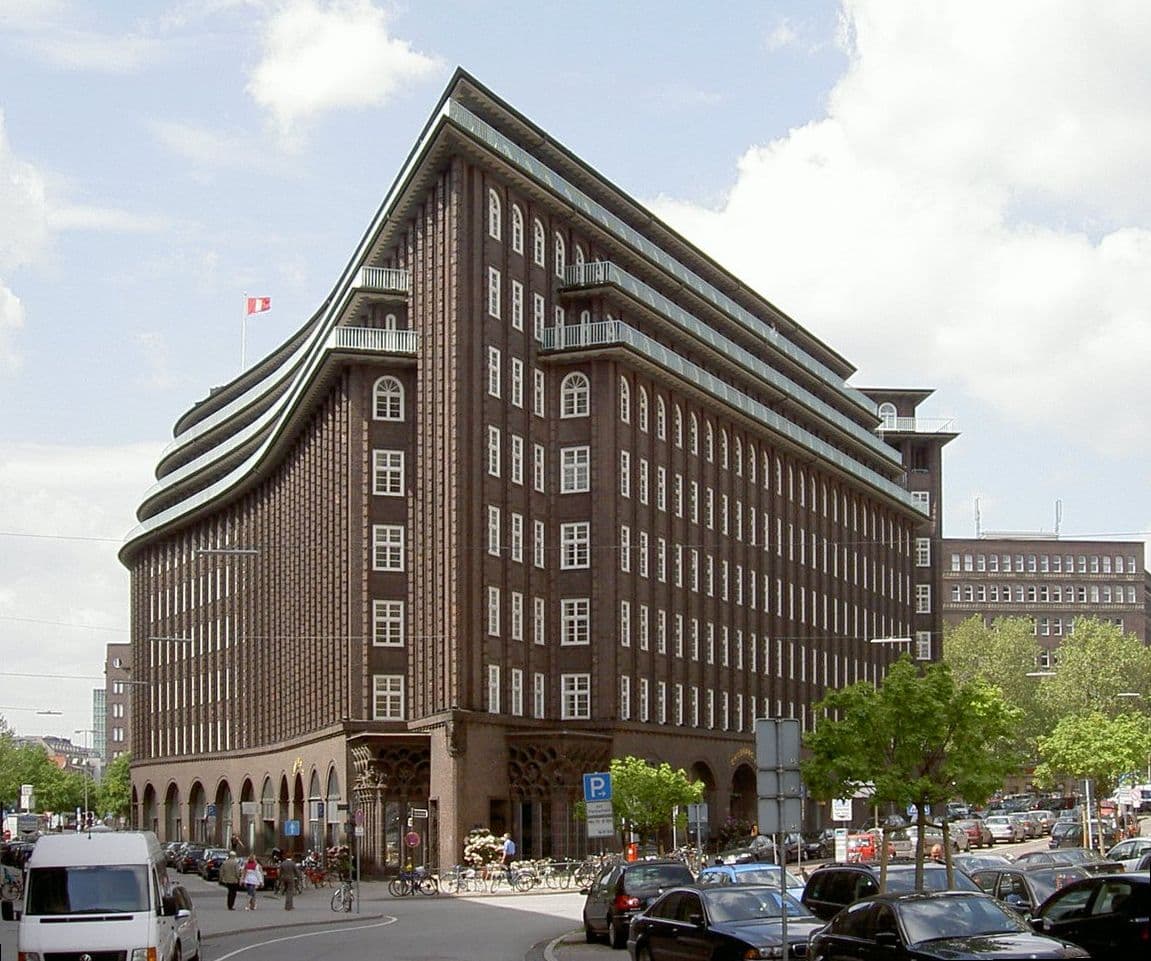
The Chilehaus: Reading Hamburg's Brick Ship