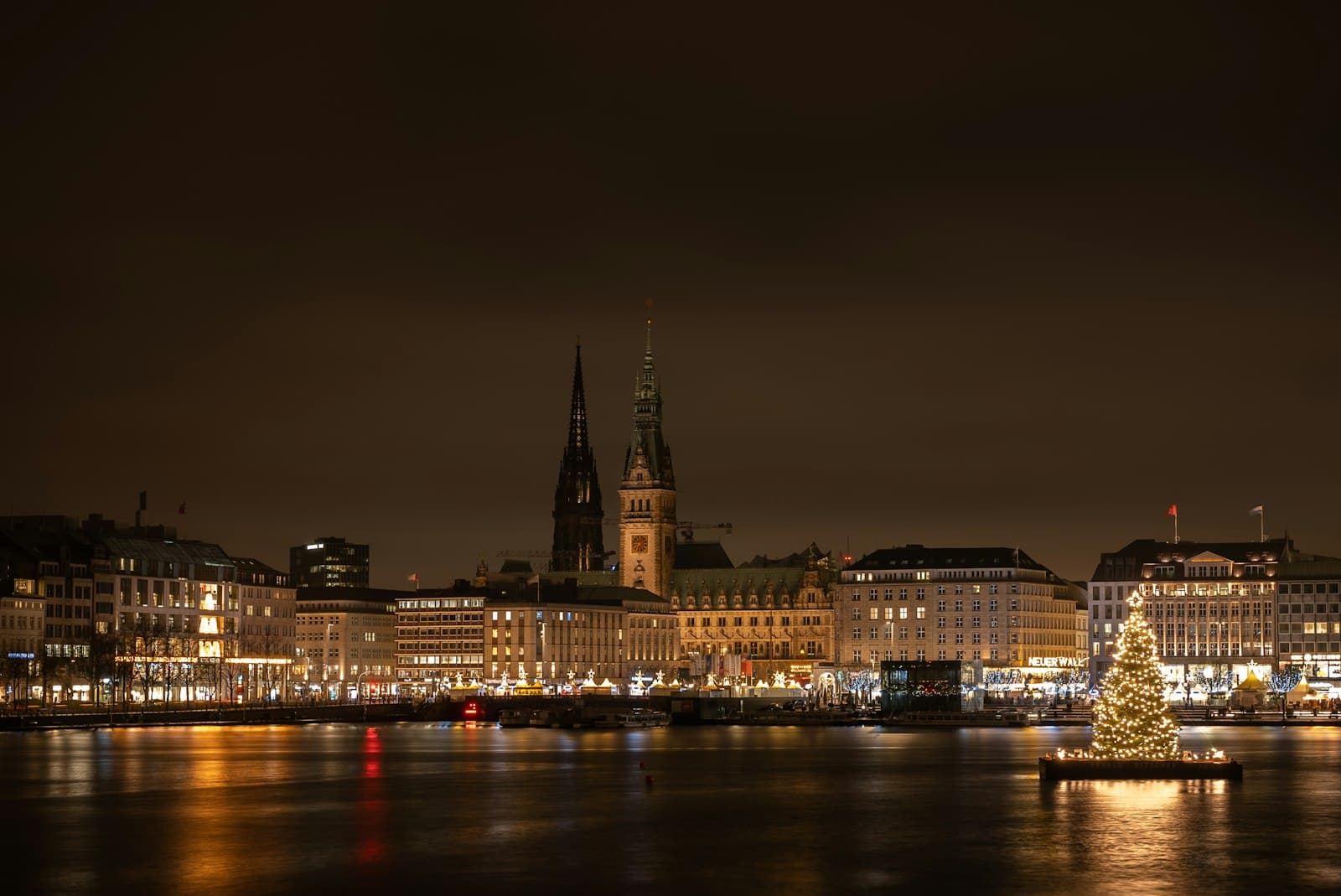
The Republic of Merchants
Hamburg governed itself for centuries as a Free and Hanseatic City of merchants, a republic answering to trade and the sea rather than a court. This walk reads that proud, self-made city in stone and water, from a palace crowned by no monarch to a burnt-out church the city keeps standing as a warning.
4.35|100 minutes|2.9 km|7 Stops
Start
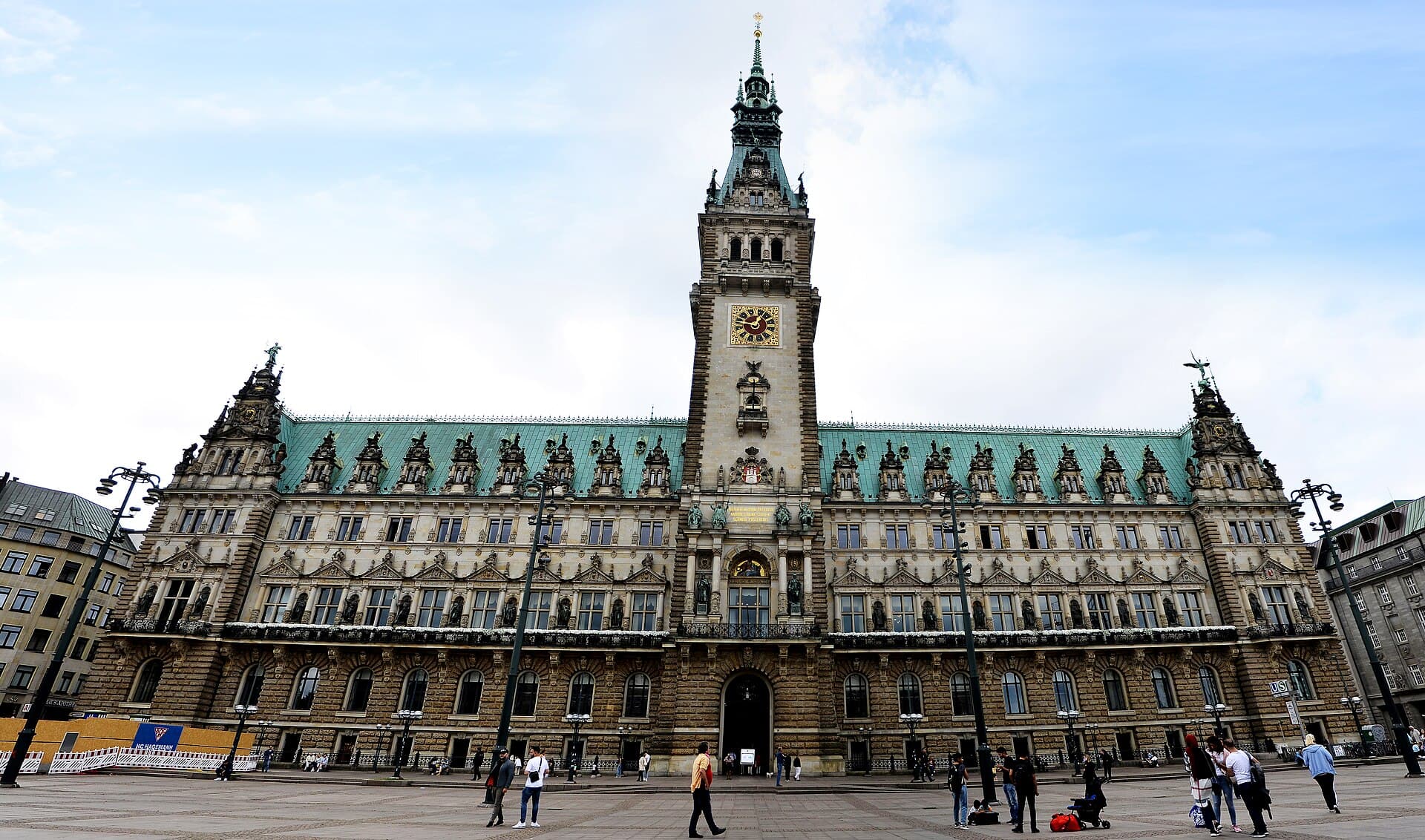
Hamburger Rathaus: The Palace With No Throne
1
Hamburger Rathaus: The Palace With No Throne
A town hall built with the grandeur of a palace by a republic that answered to no monarch.
2
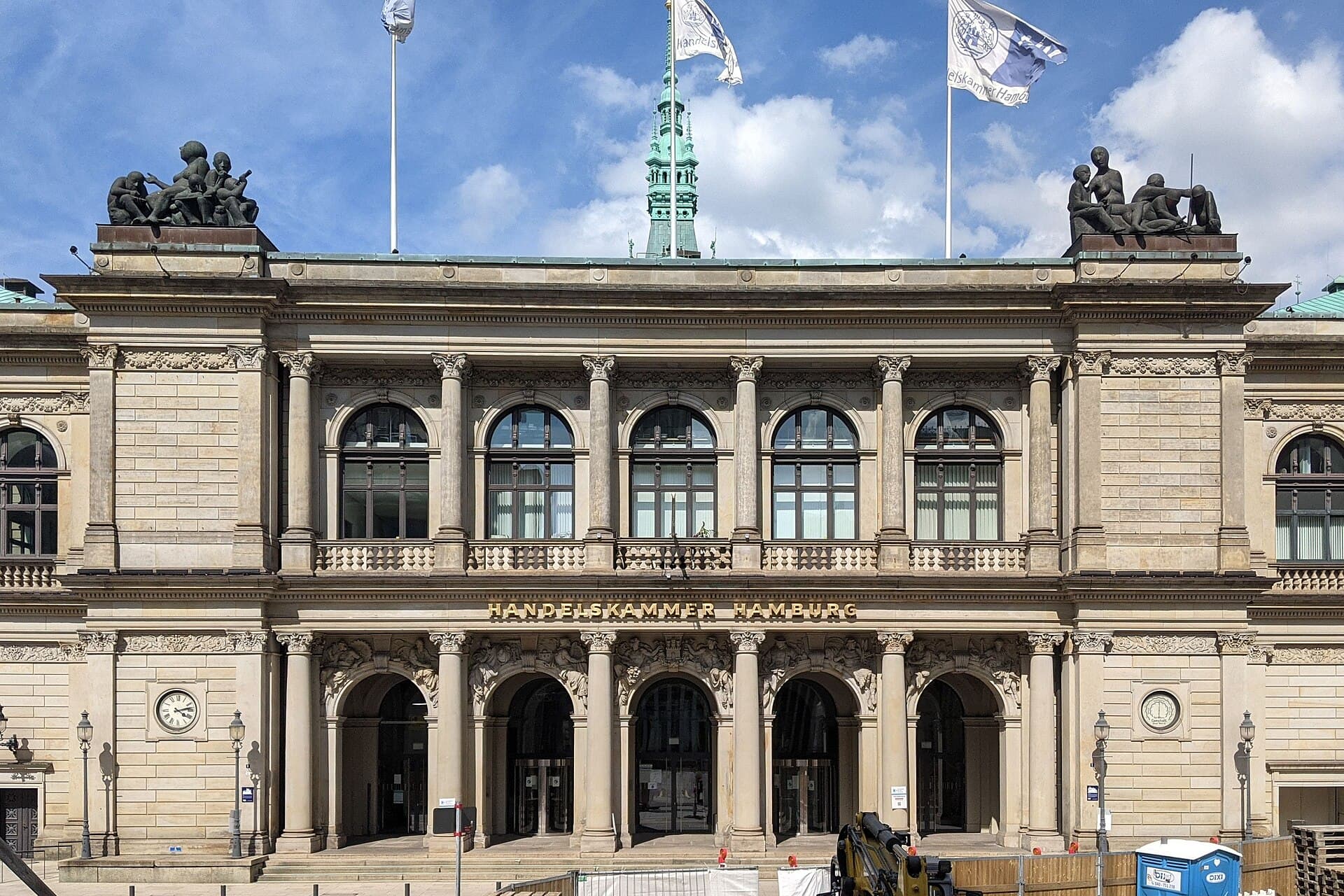
Handelskammer Hamburg and the Pfeffersaecke
The chamber of commerce behind the Rathaus, and the mocking merchant nickname that reveals how this city made its money.
3
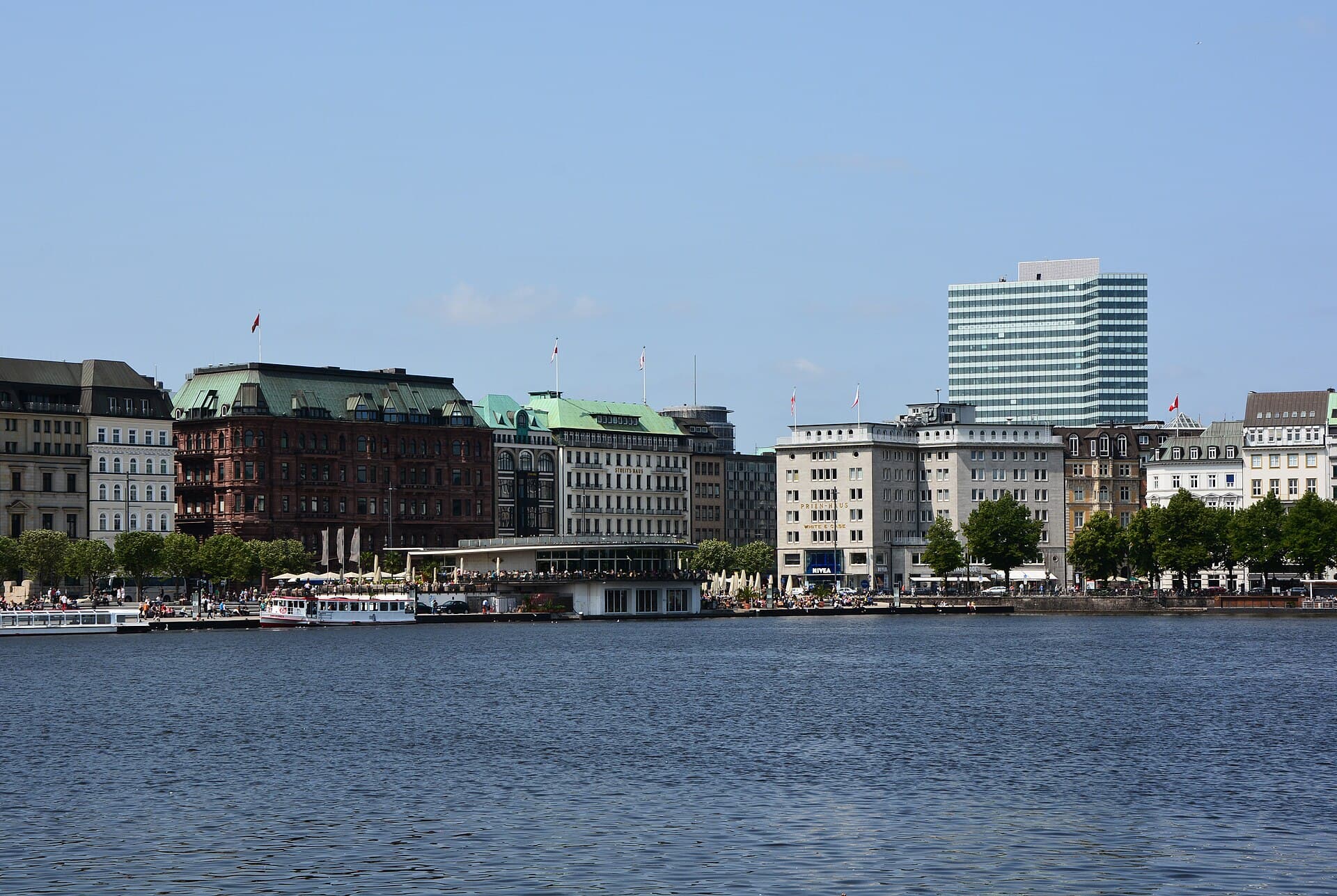
Binnenalster and Jungfernstieg: The Dammed River
An artificial lake at the heart of the city, created when a count dammed a small river, and the promenade that became Germany's first asphalted street.
4
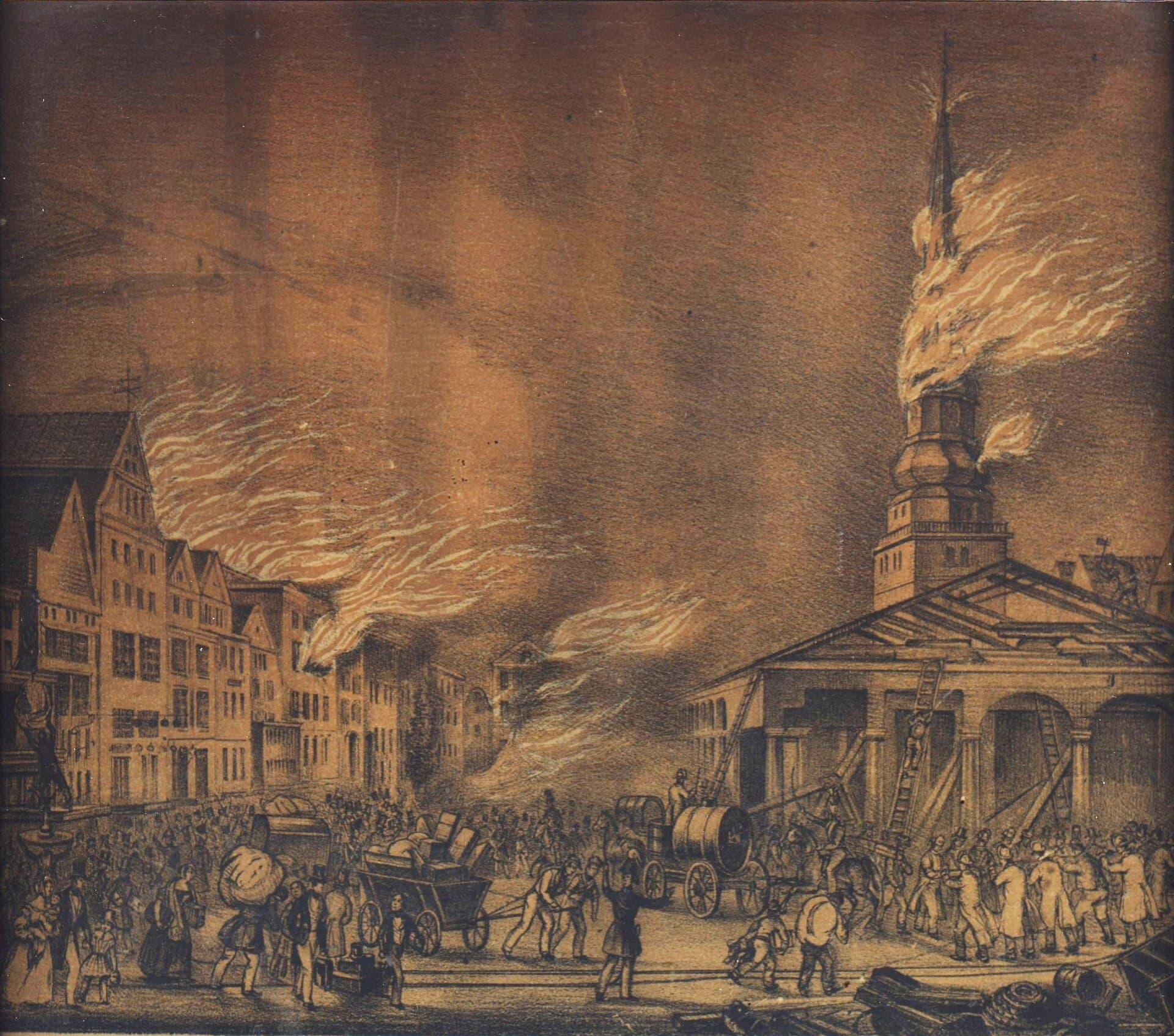
The Great Fire of Eighteen Forty-Two: Grosser Brand
Three days of flame that erased a third of the medieval old town and forced a modern city into being.
5
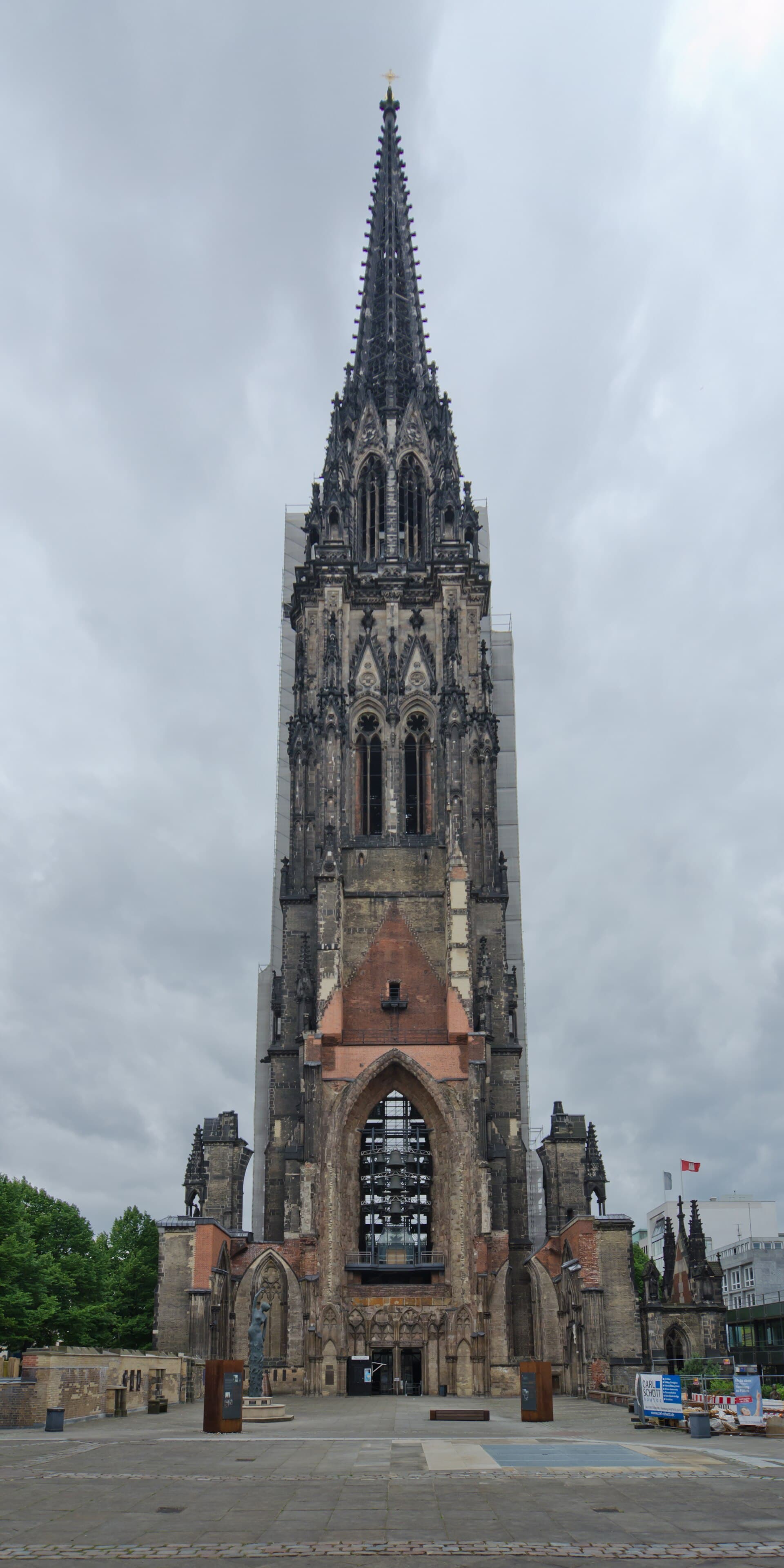
Mahnmal St. Nikolai: The Church Kept as a Warning
A ruined tower the free city refuses to rebuild, held as a memorial against the war its country began.
6
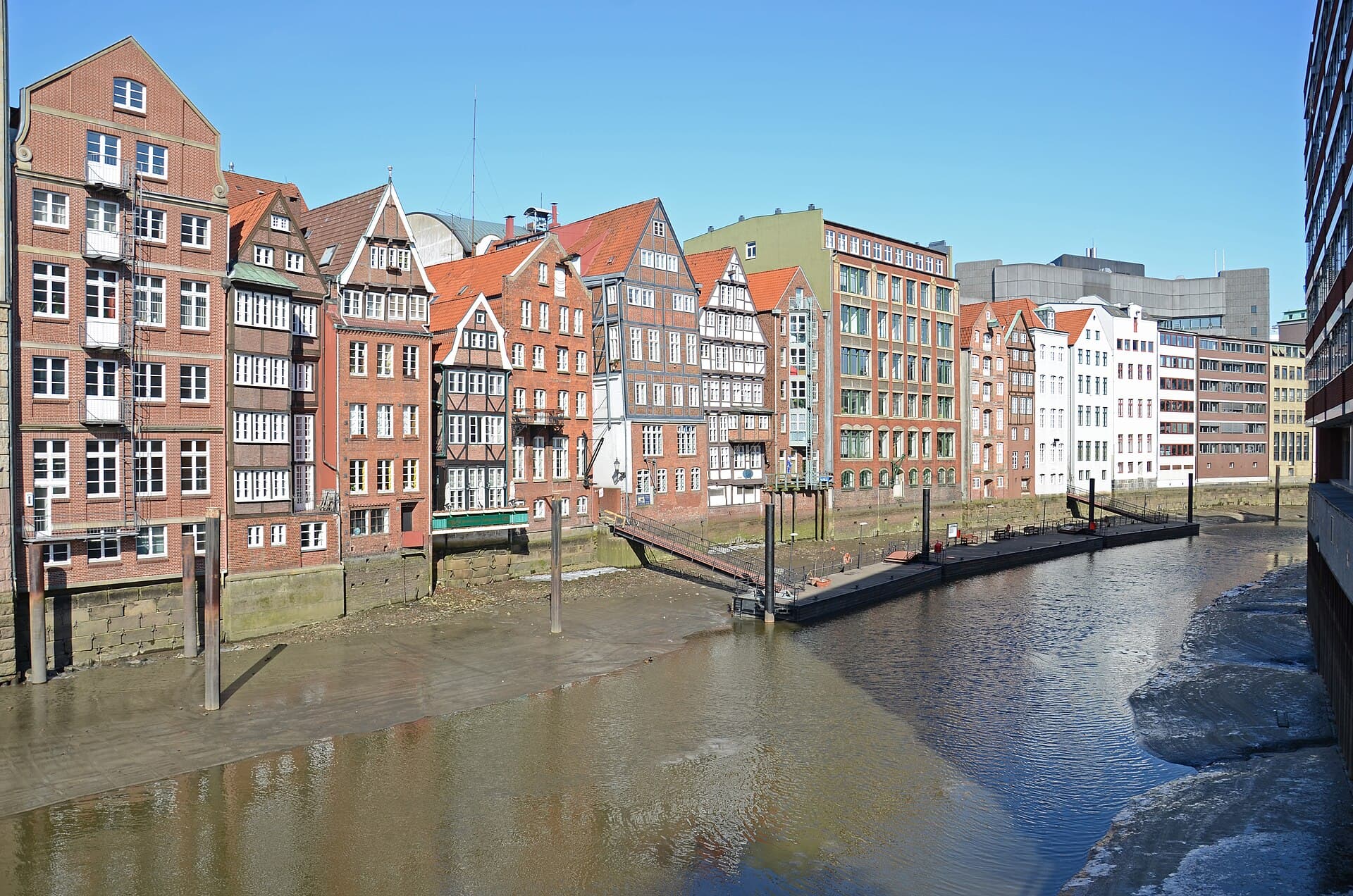
Deichstrasse and the Nikolaifleet: The Last Merchant Street
A surviving row of gabled merchant houses on the old harbour canal, the last remnant of the medieval port.
7
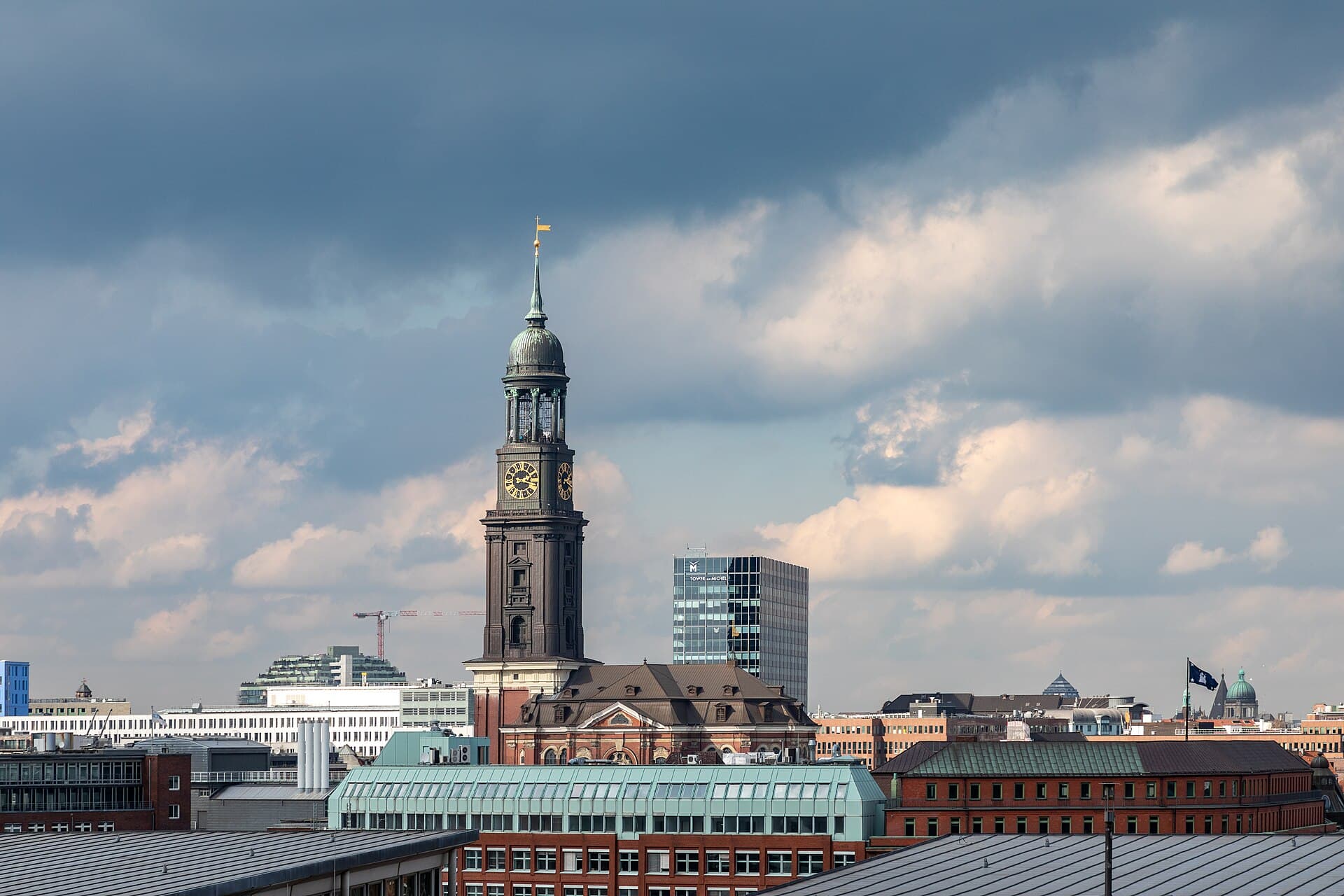
St. Michaelis (Der Michel): The Seamark
A copper-spired Baroque church that guided ships home up the Elbe, rebuilt again and again through fire, lightning, and war.
Best Time to Visit
Late morning to mid-afternoon is ideal, roughly ten in the morning to three in the afternoon, when the Rathaus lobby, St. Michaelis tower, and the St. Nikolai documentation centre are all open and the light is good over the Binnenalster. Spring and early autumn are the most comfortable seasons, with mild temperatures and long daylight; northern Germany can be grey and wet, so an overcast day is normal rather than a problem. Weekday mornings are quieter around the Rathausmarkt and Jungfernstieg than weekend afternoons.
Pro Tips
- •Wear comfortable, sturdy shoes with a bit of grip. Much of the route runs over cobbles, kerbs, and tram or rail tracks near the centre, which can be uneven and slick when wet.
- •Carry a light waterproof layer whatever the forecast says. Hamburg weather turns quickly, and a breeze off the water and the canals can make an otherwise mild day feel cold.
- •Take the stops in any order that suits your pace and skip freely. Each one is self-contained, so if a queue at St. Michaelis or the Rathaus is long, move on and circle back later.
- •If you want to go up a tower, note that both St. Michaelis and the St. Nikolai memorial charge a modest admission for the lift or climb, so carry a little cash or a card and check current hours on the official sites.
- •Give yourself a slow, quiet pause at the Mahnmal St. Nikolai rather than treating it as a photo stop. The crypt documentation centre adds real context to the ruin above.
- •Linger by the Nikolaifleet on Deichstrasse and look at the canal side of the houses, not just the street side. The water-facing gables and old hoists are the whole point of the street.
Safety & Precautions
- Watch for fast, near-silent cyclists and for trams and buses at the centre. Cycle lanes often run right beside the pavement, and riders move quickly and quietly, so look both ways before stepping across.
- Mind your footing on cobblestones, kerbs, and embedded tram and rail tracks, which can catch a heel or wheel and are slippery in rain. Take extra care on the wet, uneven edges near the canals.
- Keep back from the canal and harbour edges along the Nikolaifleet, the Binnenalster, and the Alster promenades. Many quaysides have low railings or none at all, and the stone can be slick.
- At the St. Nikolai war memorial and at any Holocaust or wartime remembrance site, keep a sober, respectful manner: quiet voices, no climbing on the ruins, and thoughtful rather than casual photography. If you ride the U-Bahn or S-Bahn between points, validate or hold a valid ticket, as fare checks are common, and dress modestly and stay quiet inside the churches.
Gallery
Related Reading
Go deeper on what you'll see, hear, and walk through.
Overview
Hamburg Travel Guide: Days, Transport, Season, Safety, Cost
7 min
Overview
One Day in Hamburg: A Walkable Morning-to-Evening Itinerary
8 min
Thematic
Hamburg, the Free Port of Merchants: A Republic Built on Trade and the Tide
8 min
Companion
The Hamburg Rathaus: A Palace Built by a Republic With No Throne
7 min
Deep dive
Der Michel: How Hamburg's Copper Spire Guided Ships Home
6 min
Read
What to Eat in Hamburg
7 min