Reading the Alhambra: A Nasrid Architectural Specimen
105 min · 1.6 km · moderate
On the second of January 1492, the emir the Spanish remember as Boabdil rode out of the Alhambra and handed the keys of Granada to Ferdinand and Isabella. There was no final battle. The surrender had been negotiated over months, the terms were written down, and the palace changed hands intact. That single administrative fact is why Granada is the city it is. Almost everything you walk here is either something the losing side left finished before that date, or something the winning side did to the city after it.
Granada is the hinge, and 1492 is the year the hinge turned.
Why this one date carries so much
1492 is the most loaded year in Spanish history, and all of its weight lands in this one city. The same monarchs who took Granada that January signed the contract that sent Columbus across the Atlantic that spring, and issued the decree expelling Spain's Jews that summer. Granada was the last piece. The Nasrid dynasty had ruled here since 1238, when Muhammad I founded it as Almohad power collapsed. For two and a half centuries it was the last independent Muslim state in western Europe, a mountain kingdom that survived by paying tribute, playing rivals against each other, and building one of the most refined court cultures the medieval world produced. When it fell, nearly eight hundred years of Muslim rule in the peninsula ended in the space of a single winter morning.
The Nasrids knew they were the last of something. That awareness is written into what they built, which is the subject of the reading of the Alhambra tour.
Before the hinge: the Alhambra as a finished statement
Hear a stop from this walk
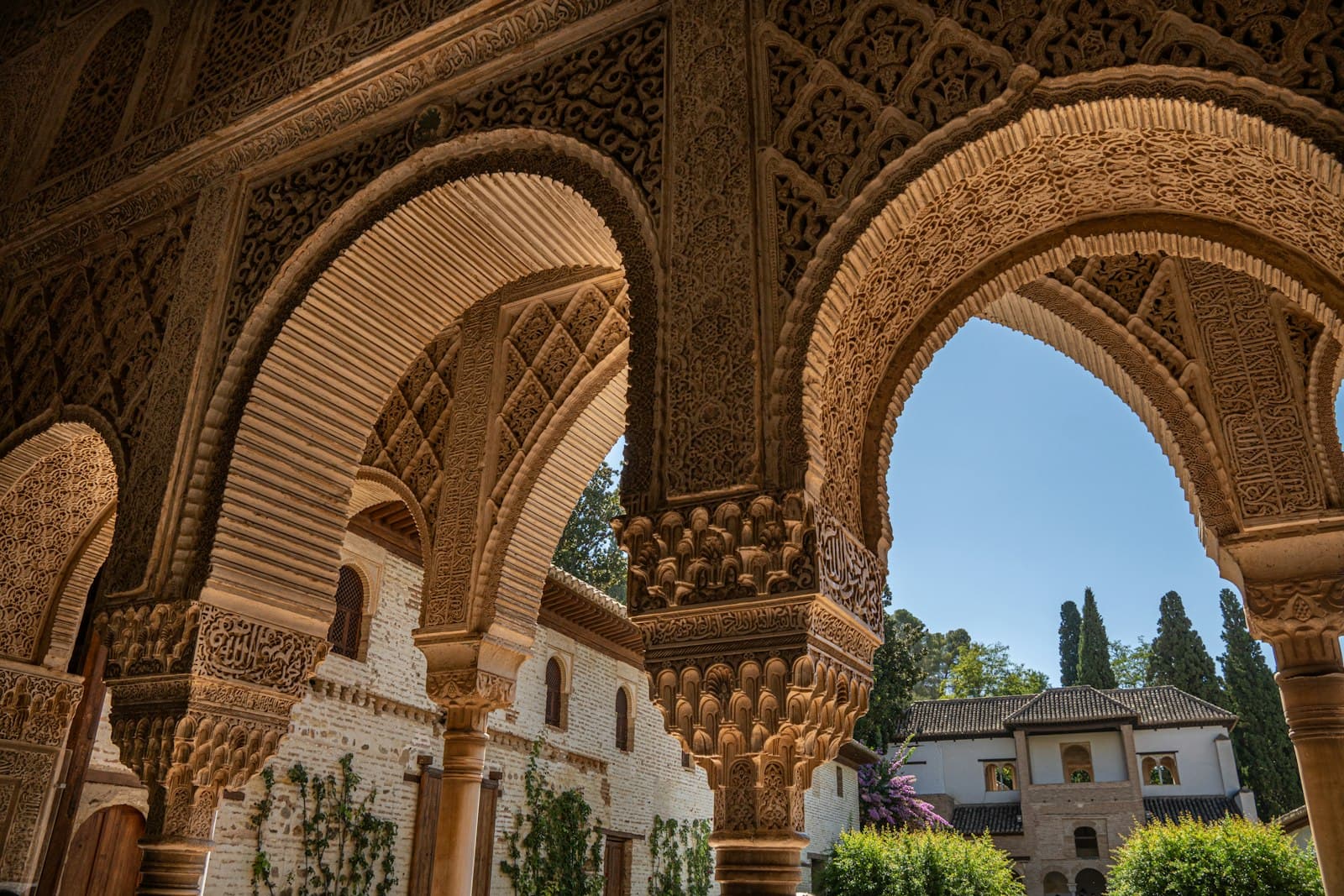
Generalife (Patio de la Acequia): The Literacy Applied Outward
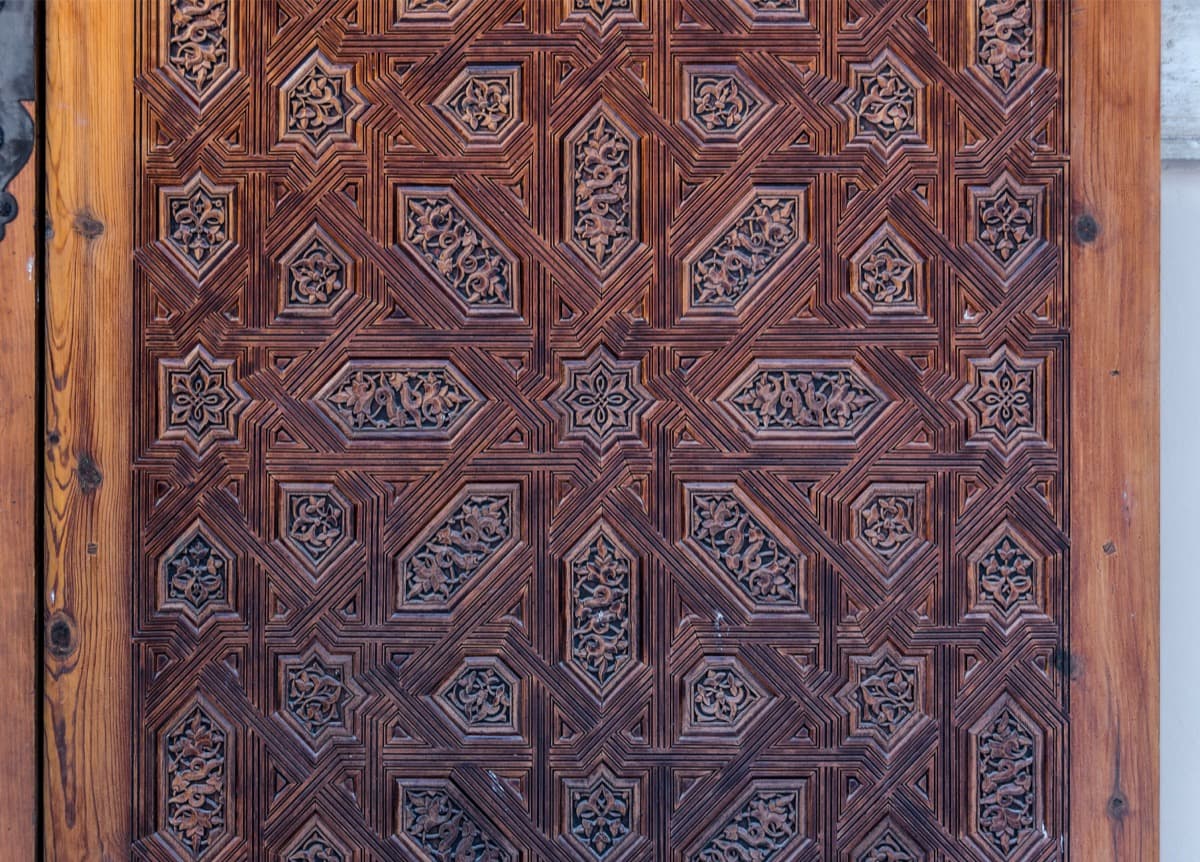
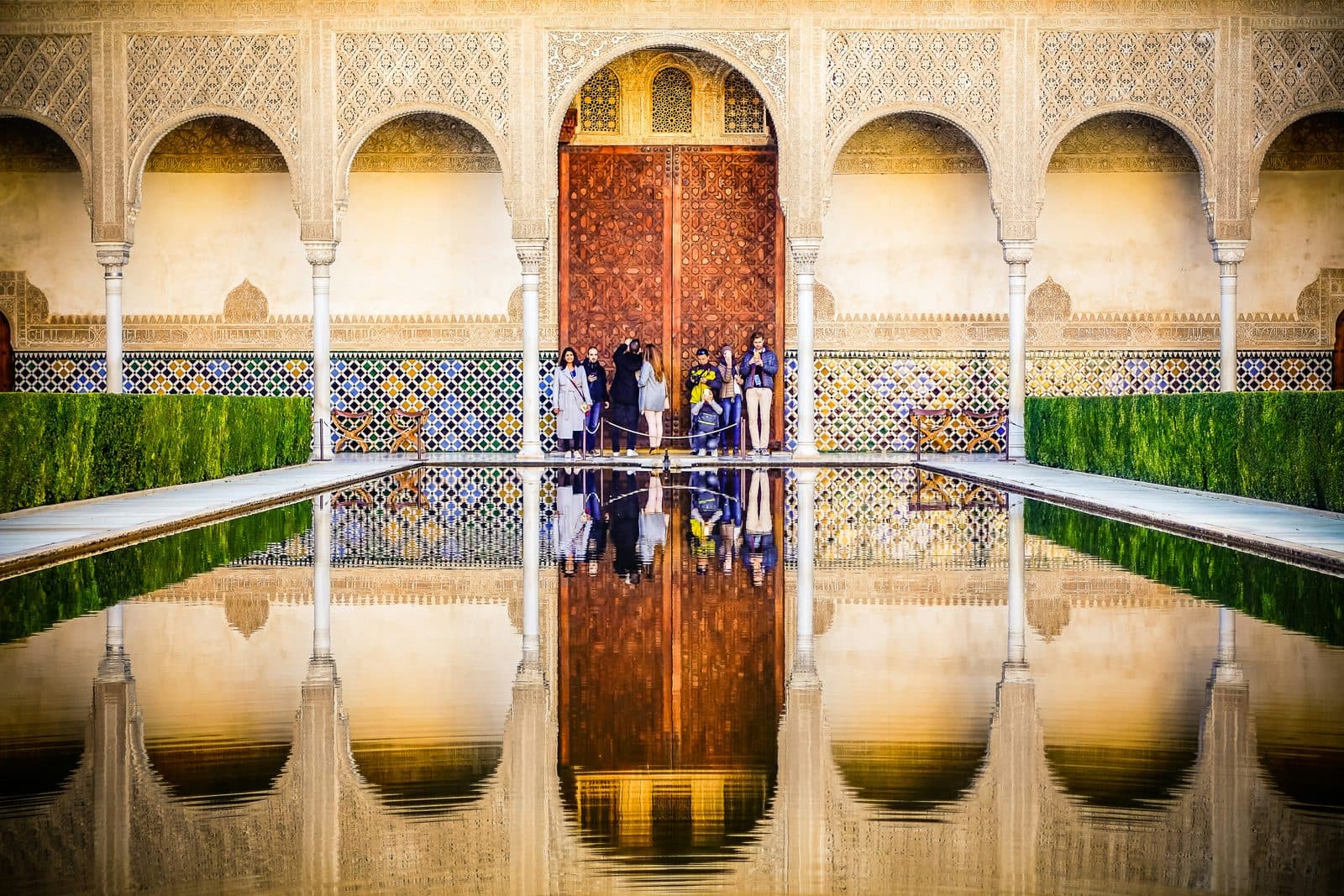
Because the surrender was negotiated rather than fought, the Alhambra came through 1492 undamaged. That is not normal. Almost every other great Islamic palace in the peninsula was destroyed, converted, or built over. Granada's was handed across a table with its ceilings intact. What you walk today is therefore the single most complete surviving Nasrid palace complex in the world, and it functions as a textbook of an entire architectural language: the arch, the ashlar, the ceramic dado, the stucco frieze, the calligraphy, the muqarnas vault, and water treated as a structural element rather than a decoration.
The court poet Ibn Zamrak wrote verses that were carved directly into the walls, so the building literally speaks in the first person about itself. The Court of the Lions, with its twelve marble lions and its fountain fed by a hydraulic system that still runs, was built under Muhammad V in the second half of the fourteenth century, when Nasrid art reached its peak. This is what a civilization builds when it is at its most confident and, unknowingly, near its end.
The hinge itself: the day the city changed owners
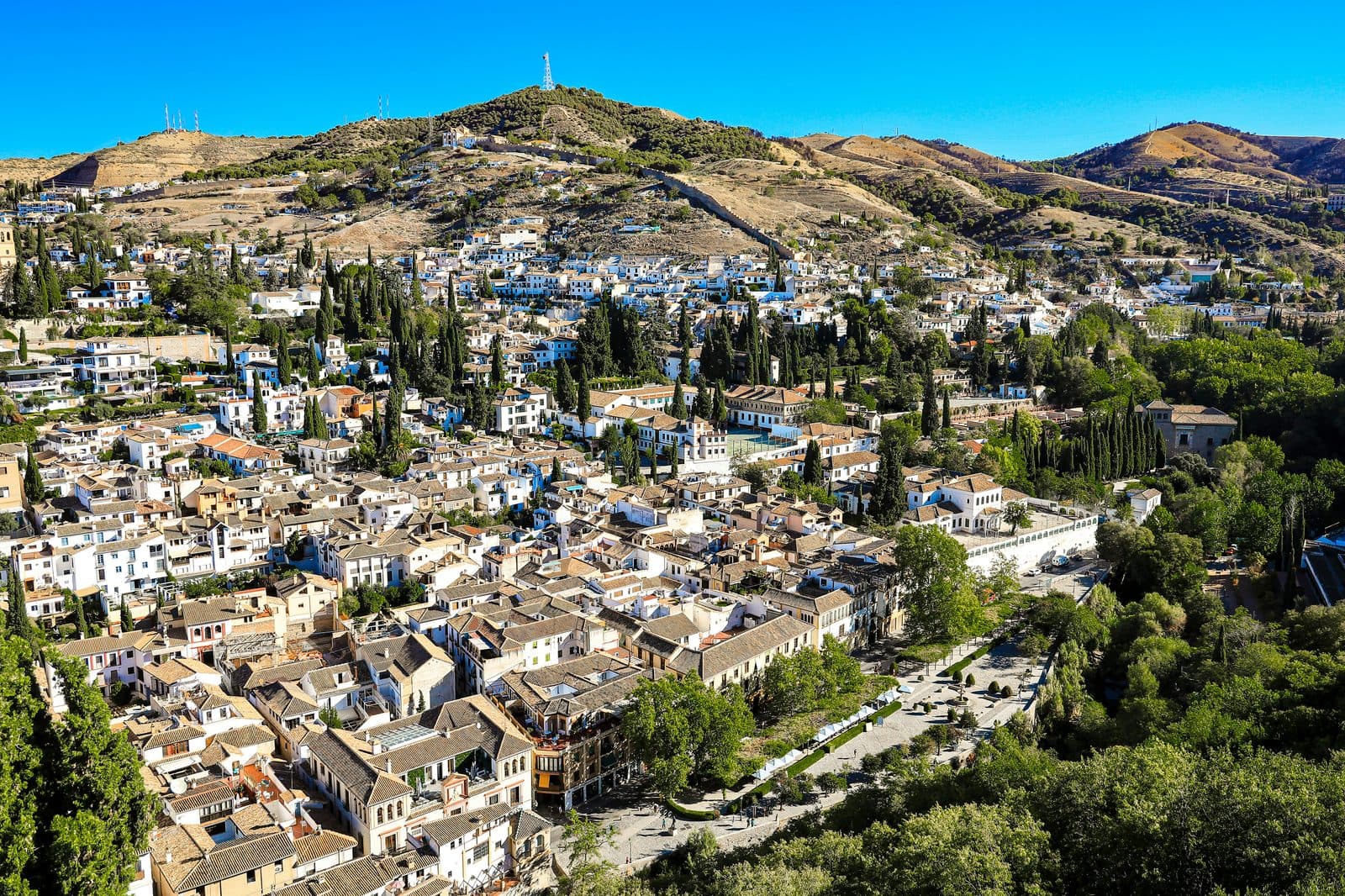
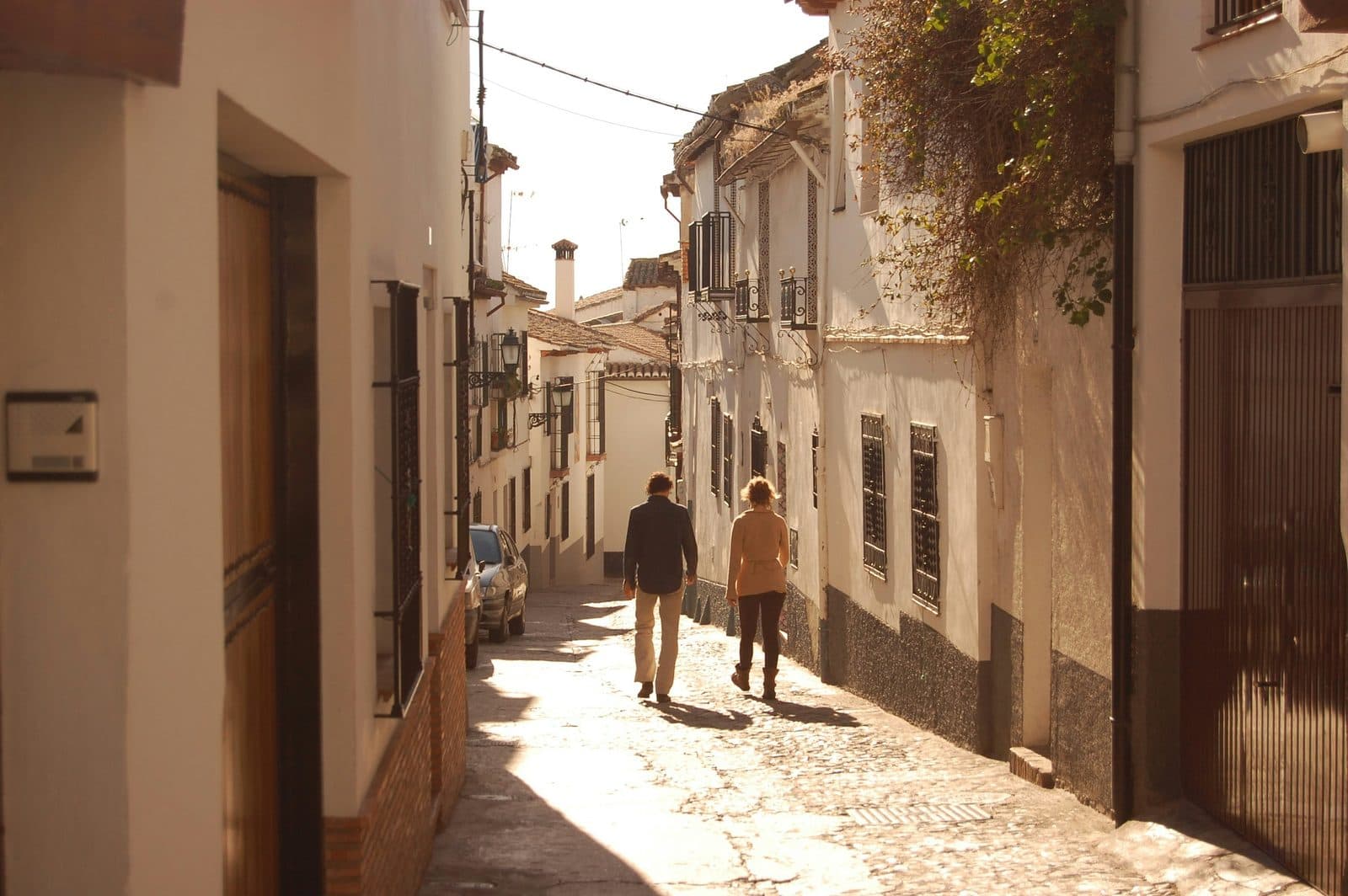
The surrender terms promised the Muslim population it could keep its religion, language, and customs. Within a decade the promise was broken. A royal decree in 1502 forced conversion or expulsion, and the population that stayed became known as Moriscos, converts under suspicion. The everyday medieval city did not vanish overnight, though. The street plan, the water system, and the houses were still there, and people still lived in them. That continuity is exactly what the Albaicín tour traces: an eight-hundred-year urban fabric that outlived the government that laid it out.
This is worth being precise about, because it is where Granada differs from cities that merely look old. Barcelona's Barri Gòtic, its celebrated Gothic Quarter, was substantially reconstructed and dressed up in the 1920s for the 1929 International Exhibition. Several of its "medieval" landmarks are early-twentieth-century work. The Albaicín is the thing the Barri Gòtic was styled to resemble. When the architect Leopoldo Torres Balbás worked here between 1923 and 1936, his method was scientific conservation, stabilizing what existed rather than inventing a romantic version of it. The medieval Albaicín you walk is real.
After the hinge: Sacromonte and what the losing side became
The most human part of the story is what happened to the defeated population. Pushed beyond the old walls after 1502, and then largely expelled between 1609 and 1614, the Moriscos left a hillside east of the Alhambra that was slowly resettled, in part by Roma communities living in cave-houses cut into the soft conglomerate rock. What survived that collision of two displaced peoples was a wedding-form of flamenco called zambra, a word that is itself Morisco. The Sacromonte tour walks that hillside.
And above it sits one of the strangest monuments in Spain. In the years around 1600, forged lead tablets were "discovered" on the hill, purporting to be first-century Christian scripture. Archbishop Pedro de Castro believed them, and founded the Abadía del Sacromonte on the strength of them, before Rome finally condemned the whole affair as heretical forgery in 1682. The forgery is now understood as a desperate attempt to argue that Christianity and the Morisco world shared a common root, made by a community about to be erased. It is the after-image of 1492: the defeated trying to write themselves back into the story of the city that had defeated them.
Why the hinge is the right way to walk the city
Granada rewards being read in chronological order, because the layers are still stacked in the ground beneath you. Walk the Alhambra first, to see what the Nasrids left finished. Walk the Albaicín next, to see the everyday city that survived the surrender. Walk Sacromonte last, to see what the losing side became in the century after. Three tours, one hinge.
Most cities give you a date on a plaque. Granada gives you the hinge itself, and lets you stand on both sides of it in an afternoon.
Frequently asked questions
- What happened in Granada in 1492?
- On 2 January 1492 the emir Muhammad XII, remembered in Spanish as Boabdil, surrendered Granada to Ferdinand and Isabella. It was the last Muslim-ruled kingdom in the Iberian Peninsula, and its fall ended nearly eight centuries of Muslim rule in Spain. The same monarchs signed Columbus's contract that year and issued the decree expelling Spain's Jews. 1492 is the pivot of Spanish history, and Granada is where the pivot physically happened.
- Who was Boabdil and why does everyone know him?
- Boabdil was Muhammad XII, the twenty-third and final sultan of the Nasrid dynasty that had ruled Granada since 1238. He negotiated a surrender that spared the city from a siege and handed over the Alhambra intact, which is the main reason the palace survives so completely today. His name became legendary for the melancholy of a lost kingdom, though the surrender itself was a pragmatic deal, not a last stand.
- Can you still see the medieval Muslim city in Granada?
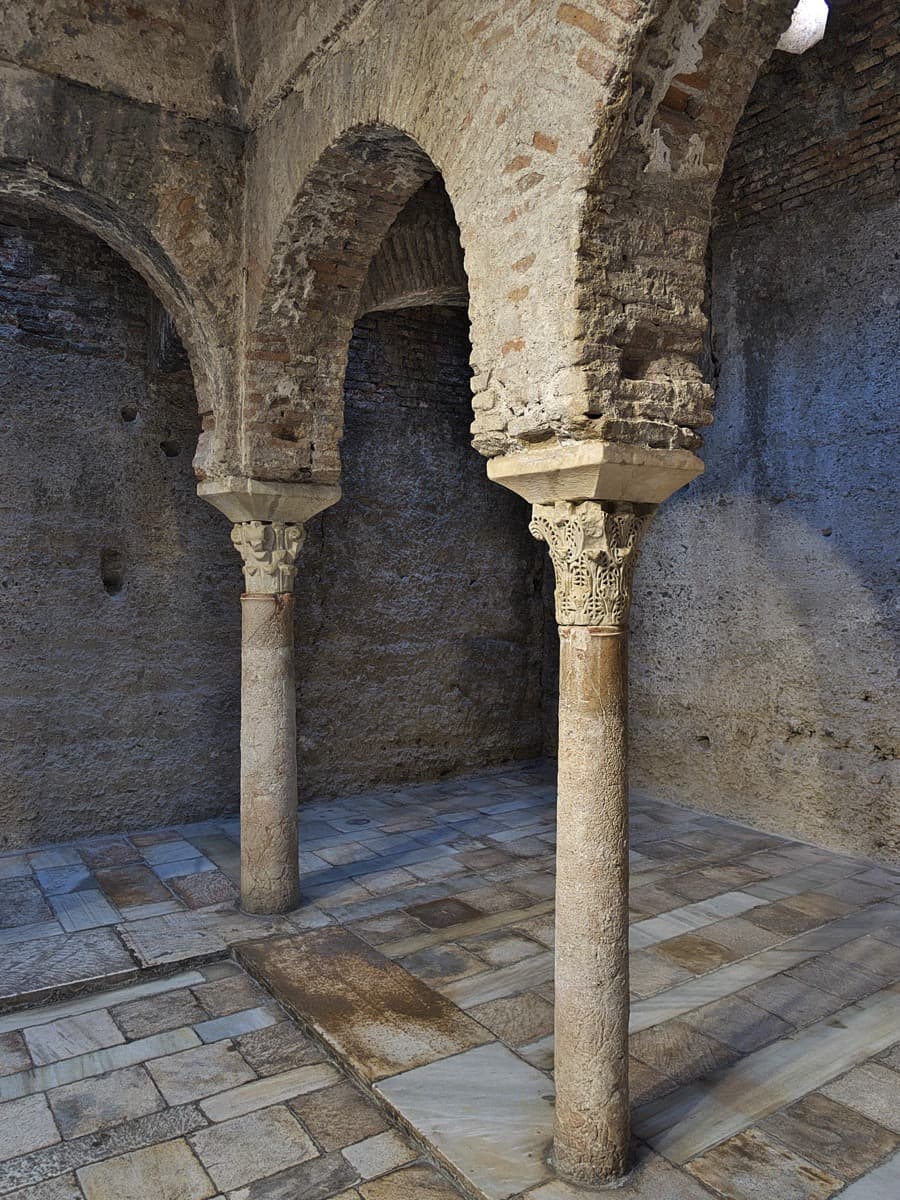
- Yes, more than almost anywhere else in Spain. The Alhambra is the most complete surviving Nasrid palace complex in the world. The Albaicín preserves the original Nasrid street plan, Zirid-era cisterns, and a surviving eleventh-century bath. The point of walking Granada is that the pre-1492 city is genuinely still there, not reconstructed.
- How should I structure a visit around Granada's history?
- Walk it in the order the history happened. The Alhambra is what the Nasrids left finished. The Albaicín is the everyday medieval city that outlived the surrender. Sacromonte is what became of the defeated Muslim population in the century after 1492. Three self-guided Roamer tours follow exactly that arc.
Ready to experience it?
Reading the Alhambra: A Nasrid Architectural Specimen
105 min · 1.6 km · moderate
More from Granada
Explore more at your own pace.
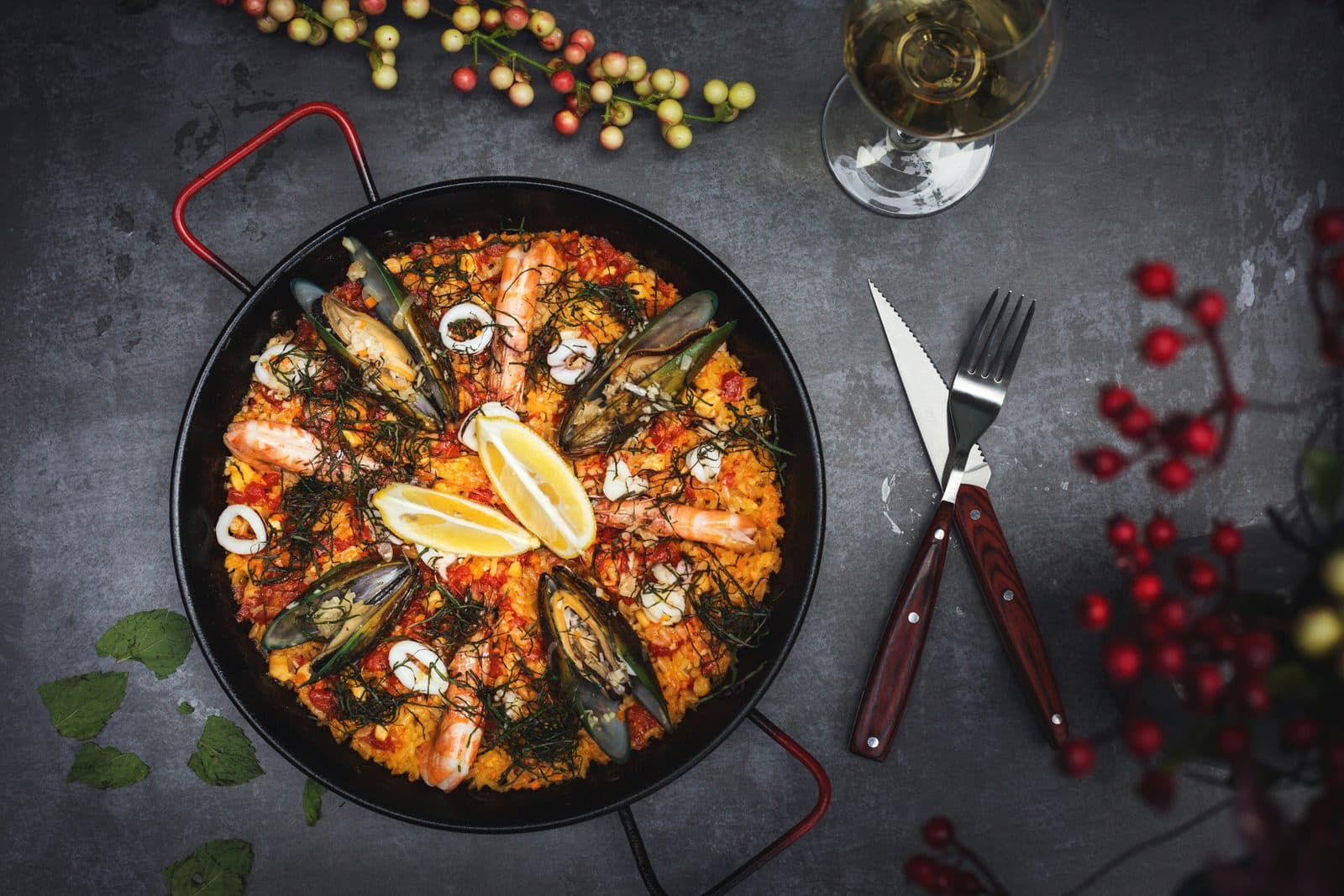
Granada's Free Tapas: The Only City in Spain Where the Food Still Comes Free
How to Read the Alhambra: The Seven Elements of a Nasrid Sentence
Sacromonte: Where Two Losing Sides Made a New Culture in the Caves
The Albaicín Is the Real Thing the Barri Gòtic Only Imitates
El Bañuelo: The Eleventh-Century Bath That Survived by Hiding in Plain Sight