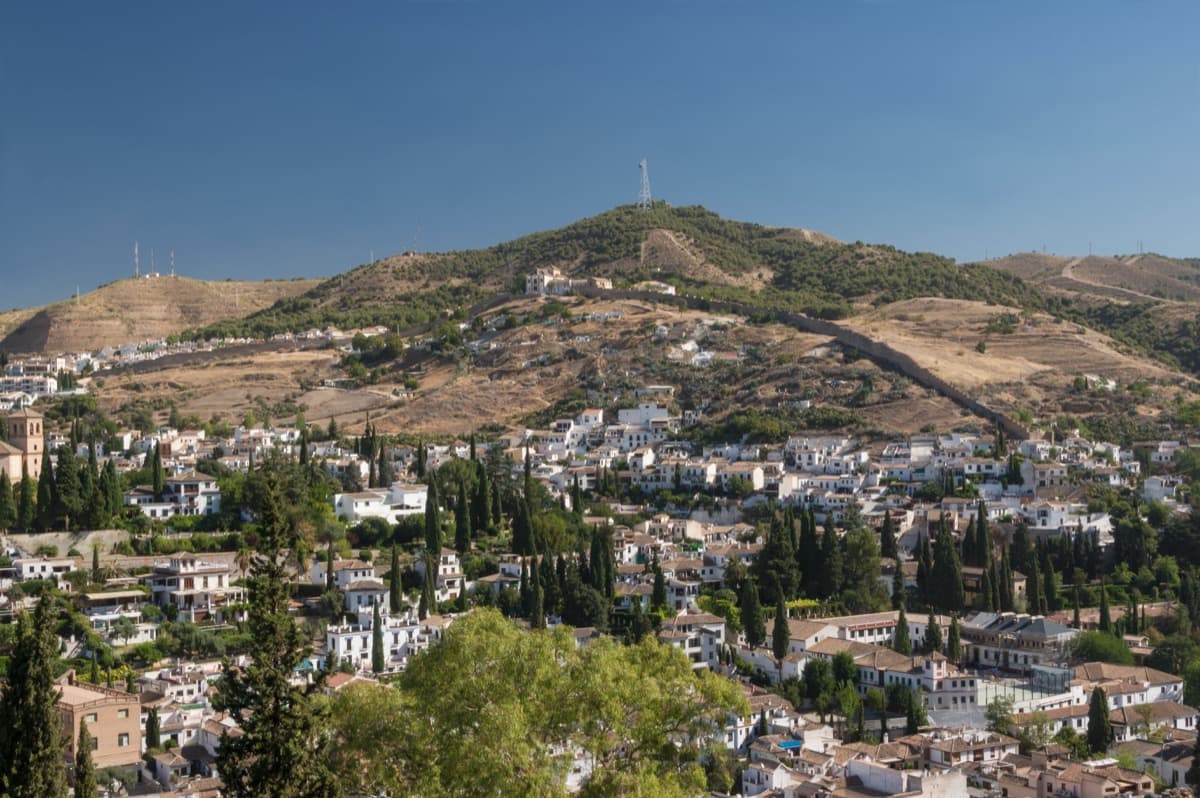
The hillside east of the Alhambra where two displaced peoples cohabited from the sixteenth century onward. Granada's Moriscos pushed beyond the walls after fifteen oh two, the Roma settling the same slopes. What survived in the cave-houses is a wedding-form of flamenco called zambra, the Moriscos' word, the Romas' practice. Seven stops up the corridor, from Casa del Chapiz to the highest tower on the Nasrid wall.
Start · Casa del Chapiz: The Hinge at the Edge of the Walled City
DirectionsStops
- 1
Casa del Chapiz: The Hinge at the Edge of the Walled City
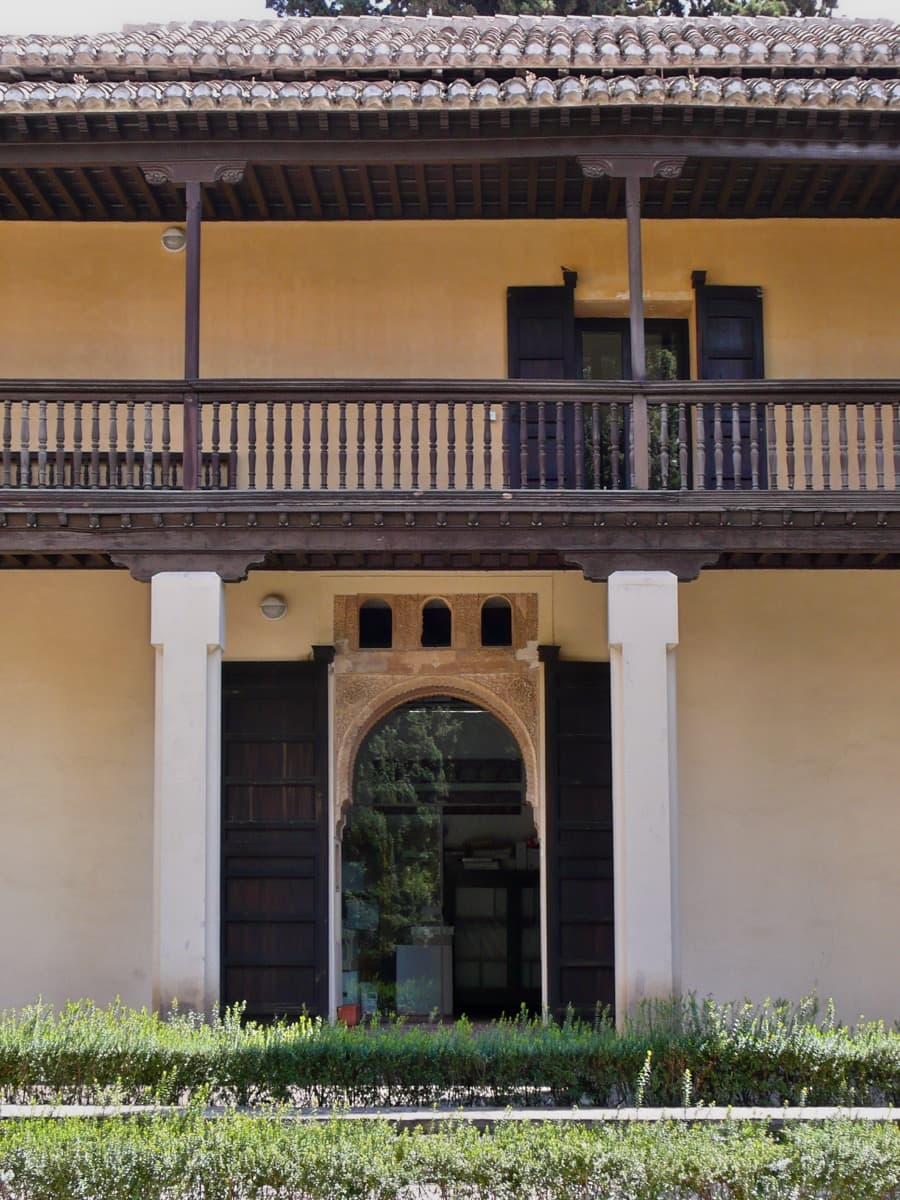
Two sixteenth-century Morisco houses owned by Hernán López el Feri and Lorenzo el Chapiz, on probable Nasrid foundations. CSIC's Escuela de Estudios Árabes since nineteen thirty-two, restored by Leopoldo Torres Balbás between nineteen twenty-nine and nineteen thirty-two.
- 2
Camino del Sacromonte: The Path That Became the Spine
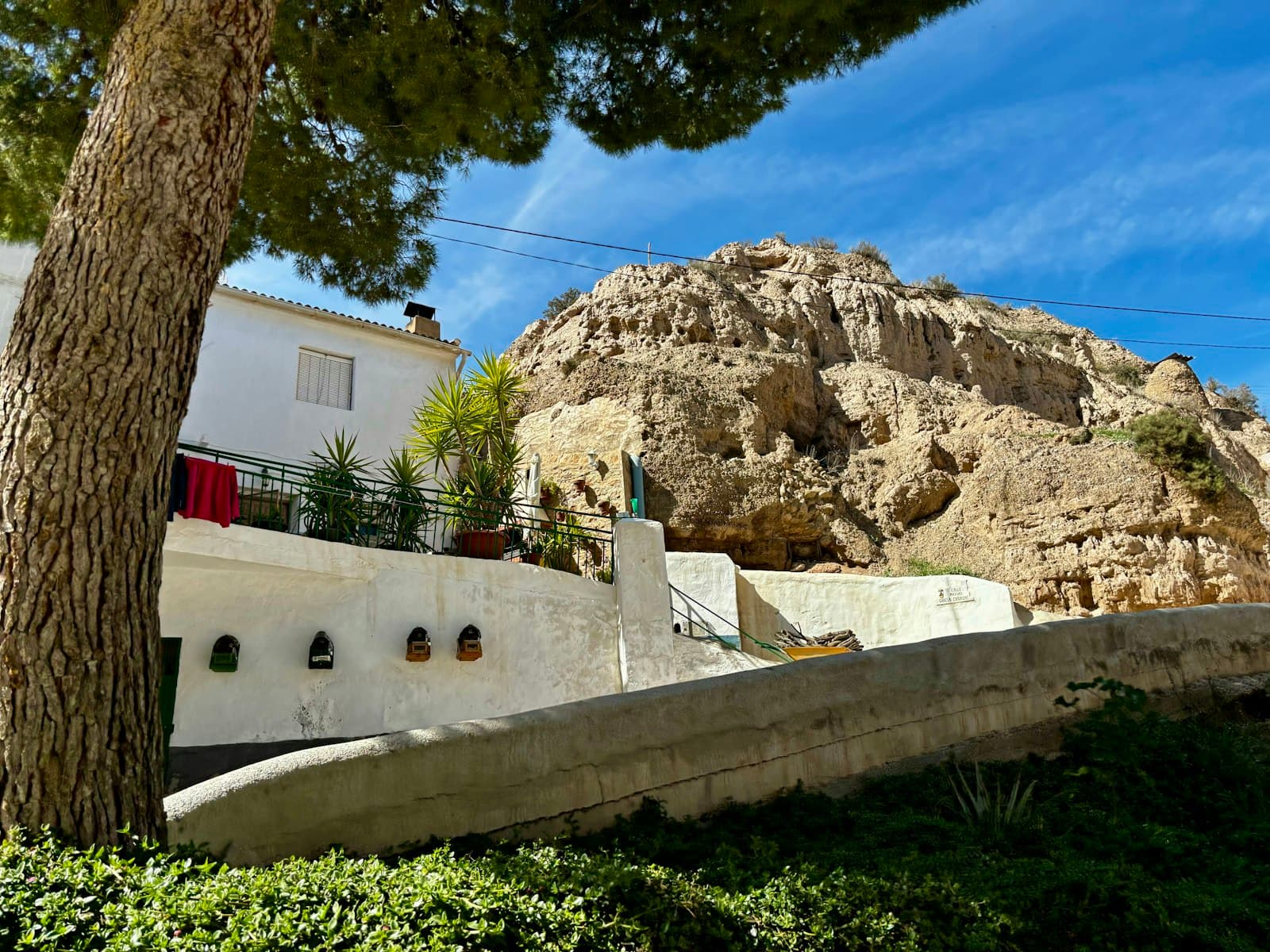
The old Muslim road to Guadix, the spine of the Roma quarter from the sixteenth century onward. Cave-houses excavated into the Miocene conglomerate of the Cerro de San Miguel slopes.
- 3
Museo Cuevas del Sacromonte: The Trades Preserved
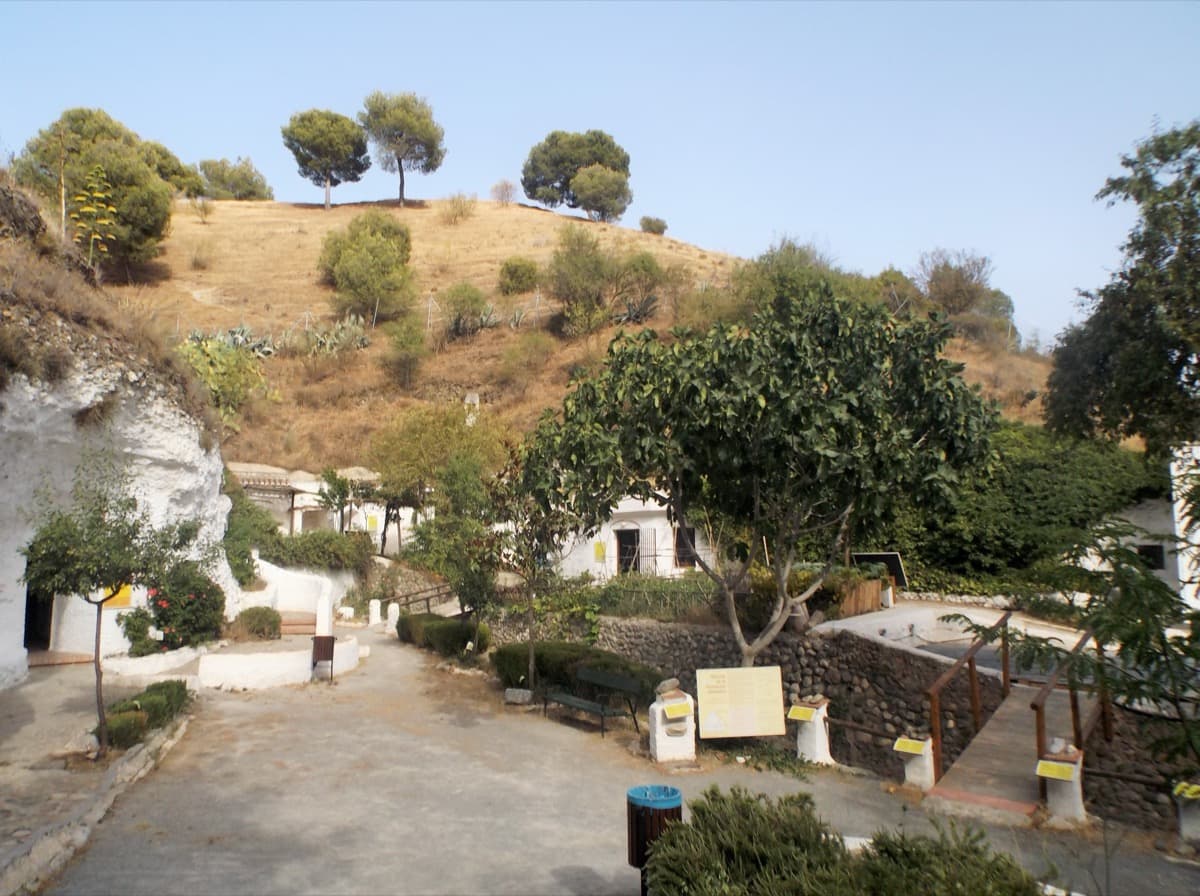
Open-air ethnographic museum in the Barranco de los Negros. Eleven preserved cave-houses themed around traditional Sacromonte trades: basketwork, pottery, blacksmithing, weaving, and the flamenco origins of zambra.
- 4
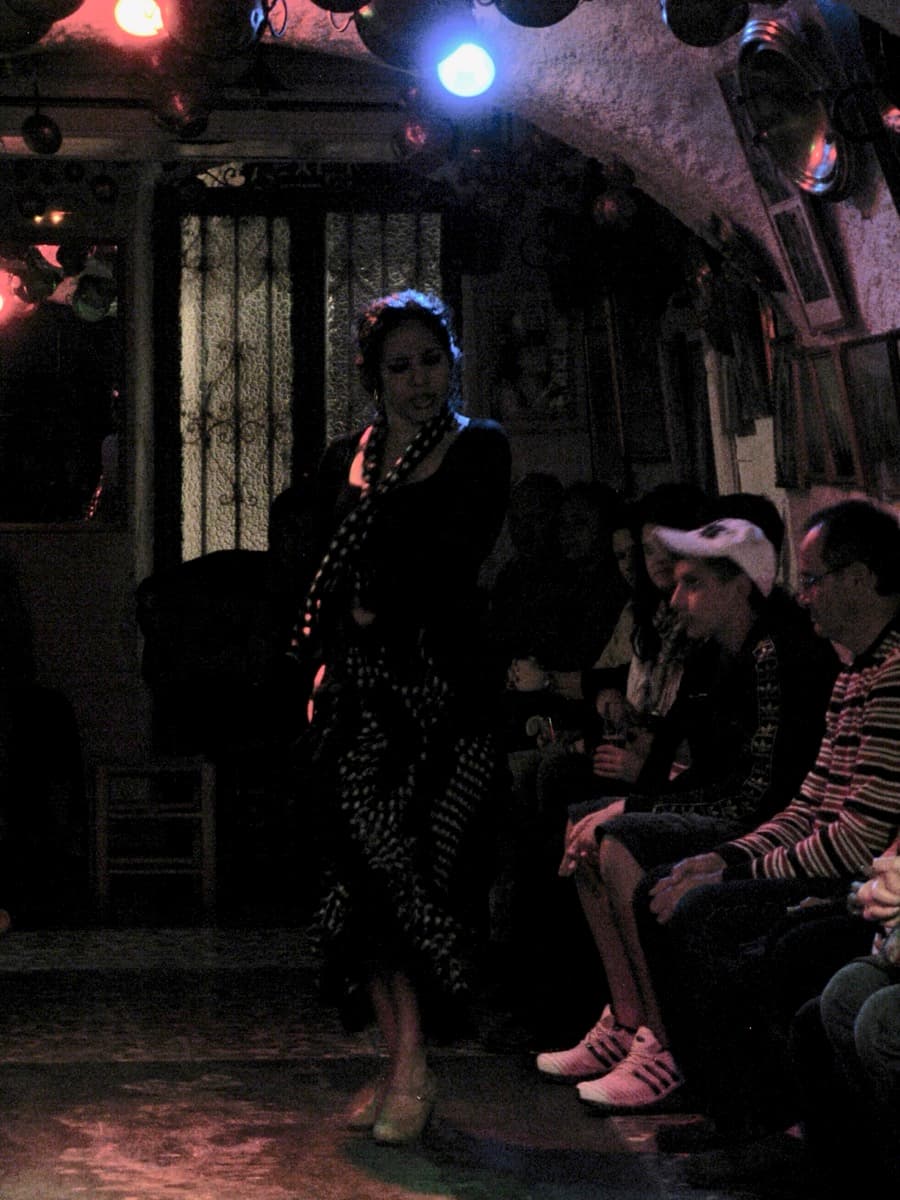
Cueva de la Rocio: Where the Wedding-Form Still Plays
Working zambra cave-venue on the Camino del Sacromonte. Founded in nineteen fifty-one by Don Andrés Maya Fajardo and Doña Rocío Fernández Bustamante. Remains under Maya-family direction.
- 5
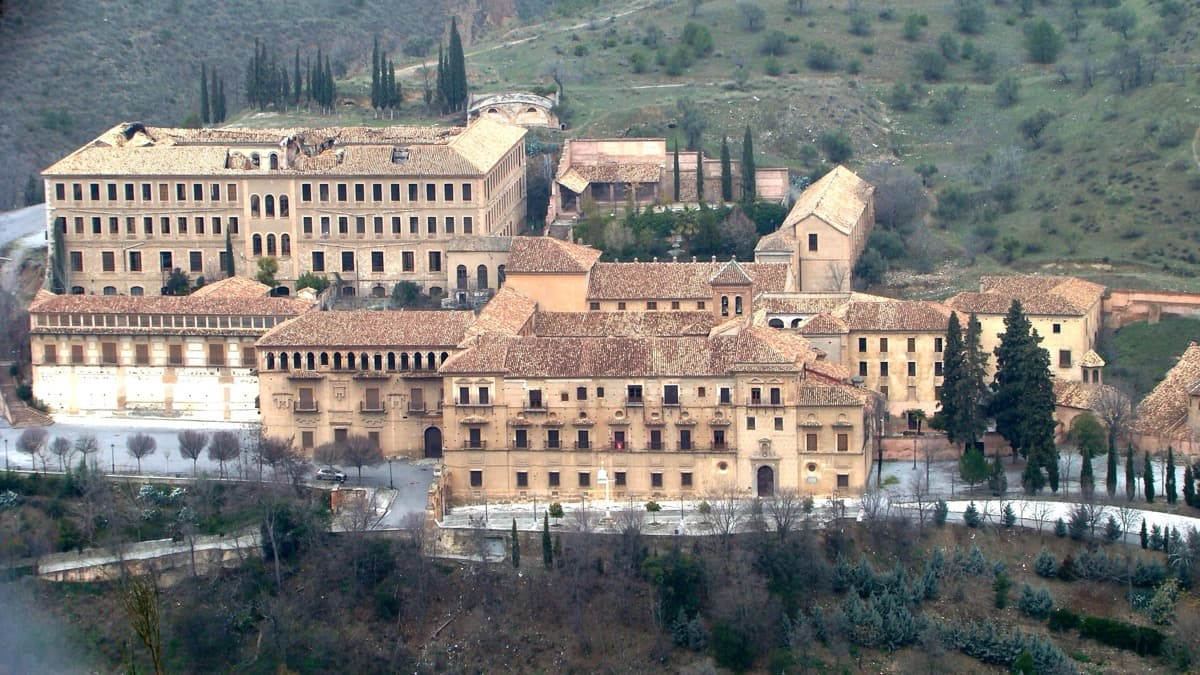
Abadía del Sacromonte: The Monument the Lead Books Built
Collegiate abbey at the east end of the Camino, on the hill of Valparaíso. Built between sixteen oh nine and sixteen twenty-one by Archbishop Pedro de Castro Cabeza de Vaca y Quiñones, architects Ambrosio de Vico and Alonso Segura. The Sacred Caves below are the discovery site of the Lead Books.
- 6
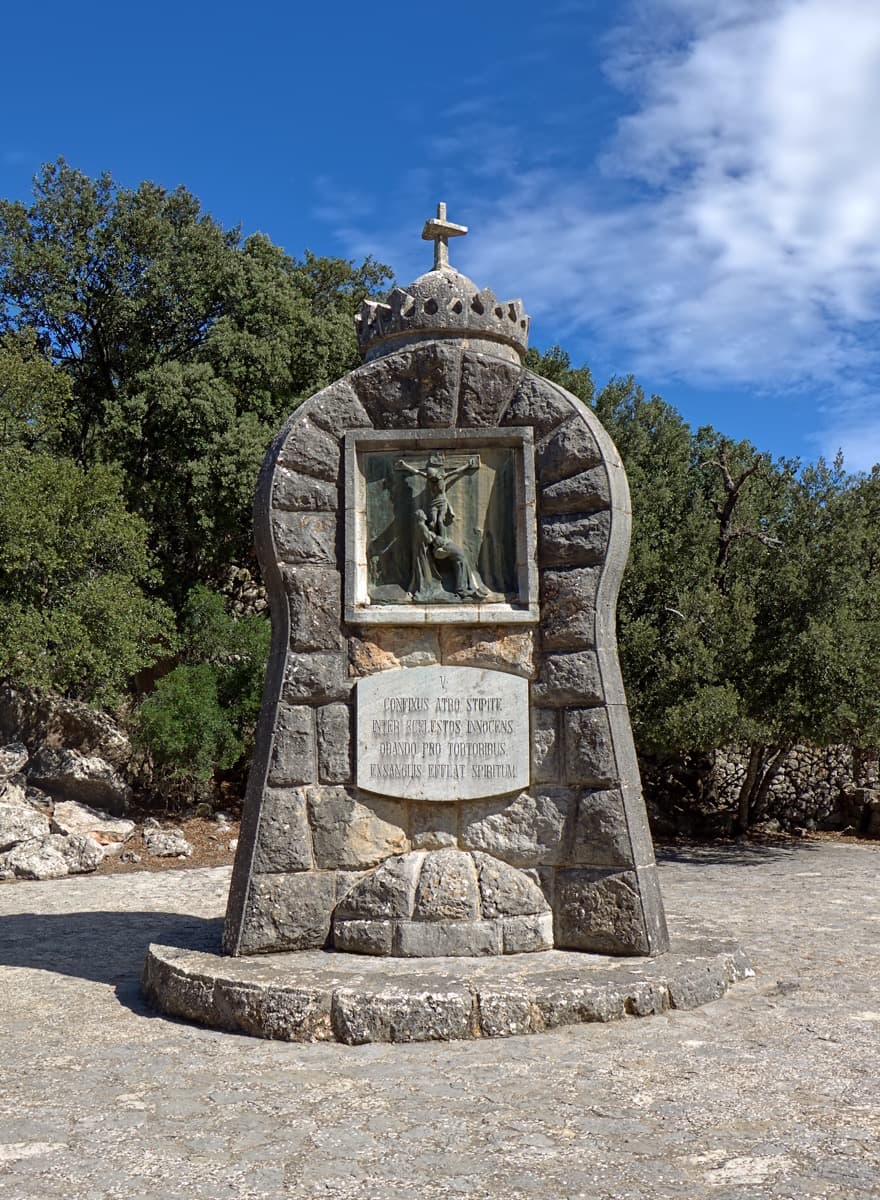
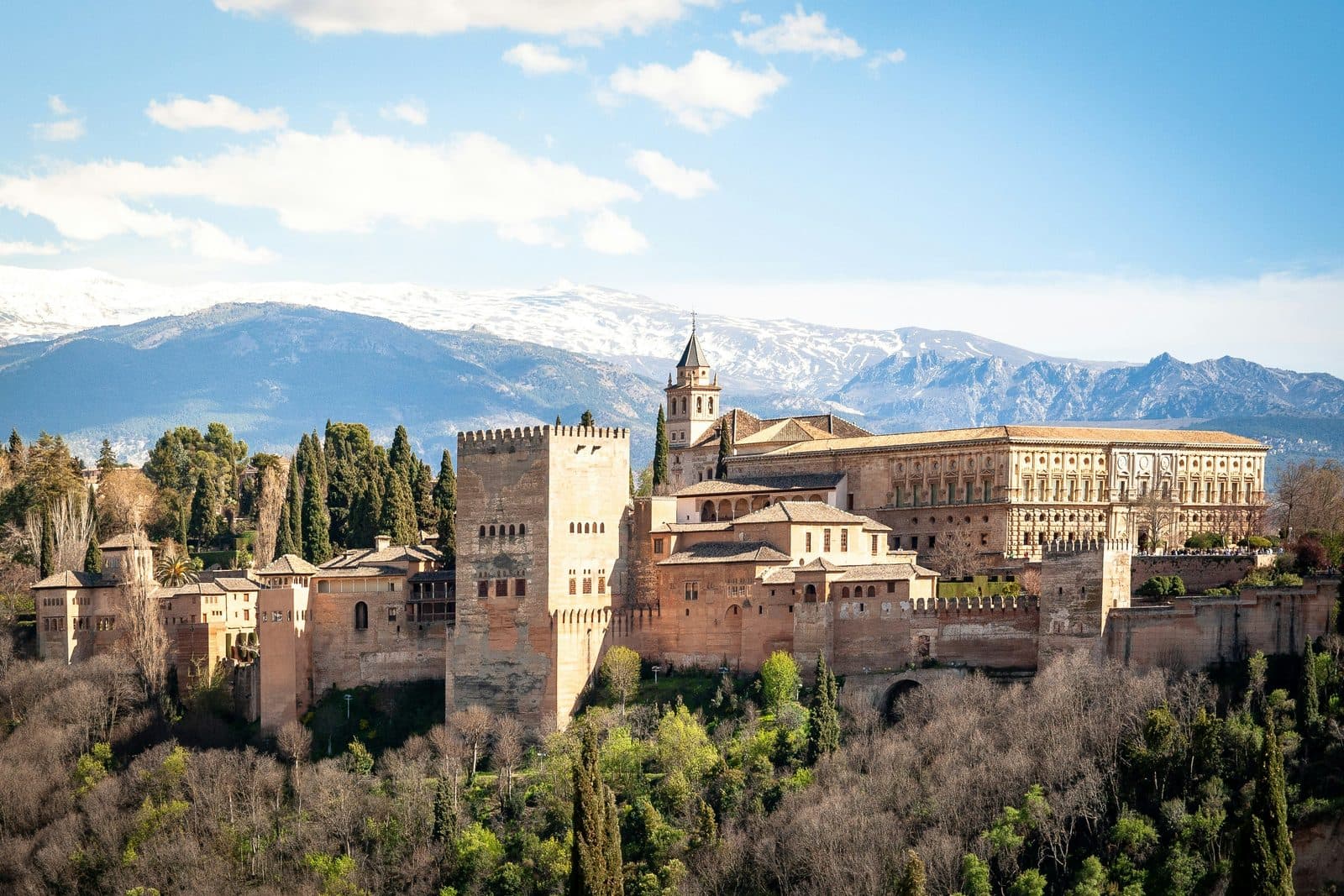
Camino del Monte View: The Alhambra Across the Ravine
Transitional viewpoint on the upper Camino del Sacromonte, between the abbey and the Mirador San Miguel Alto. Looking south, the Alhambra at eye level across the Darro ravine. Looking forward up the slope, the Nasrid wall climbs to San Miguel Alto.
- 7
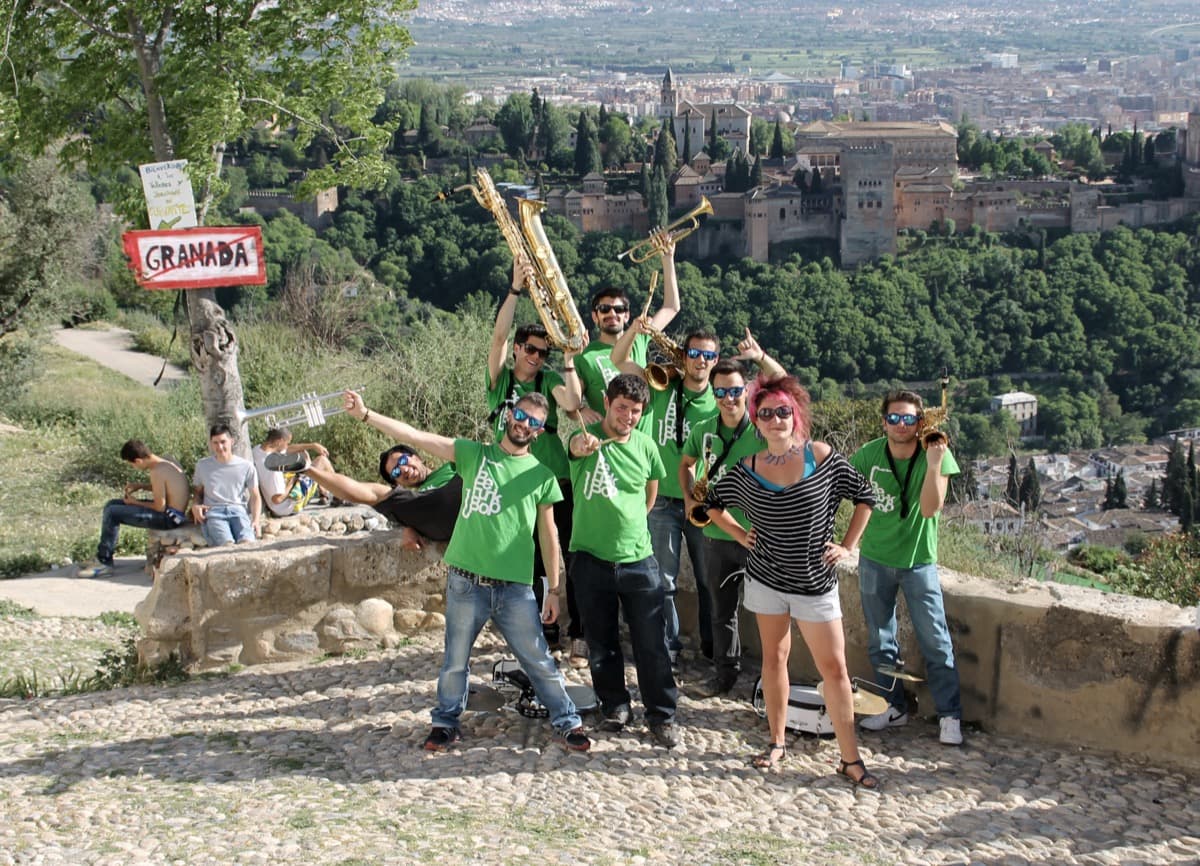
Mirador San Miguel Alto: The Defensive Crown on Yusuf the First's Tower
Highest point on the Cerca de don Gonzalo wall. Sits on the foundations of the Nasrid Torre del Aceituno, the largest tower in this defensive line, built under Yusuf the First between thirteen twenty-nine and thirteen fifty-four. Current hermitage from sixteen seventy-three, rebuilt in neoclassical style in eighteen twenty-eight.
Details
Best Time to Visit
Late morning through mid-afternoon, Tuesday through Saturday. The Museo Cuevas del Sacromonte at Stop three holds daytime hours and reads best when its themed caves and panels are accessible. The working zambra venue at Stop four runs evening shows, but the audio anchors at the exterior on the Camino and works in daylight. The Abadía del Sacromonte at Stop five keeps visiting hours that vary by season, so check before the climb if you want the interior. The Mirador San Miguel Alto at Stop seven reads best in late-afternoon light, when the Alhambra across the ravine is lit from the side and the Sierra Nevada catches the sun on its peaks. Avoid the high-summer middays in July and August. The climb is exposed and steep, and there is no tree cover on the upper Camino.
Pro Tips
- •Stop one, Casa del Chapiz: the courtyard interior is by appointment only through the CSIC Escuela de Estudios Árabes. The audio anchors at the gate on Cuesta del Chapiz, so the stop works fully from the street.
- •Stop two, Camino del Sacromonte cave-cluster: the cave-houses on the north side of the path are private residences. Look but do not photograph through doorways. Several have whitewashed plaques with family names.
- •Stop three, Museo Cuevas del Sacromonte: the open-air museum charges a small entry fee and is well worth the forty-minute interior detour. Eleven preserved cave-houses themed around the trades, two themed around flamenco. The audio anchors at the entrance and reads the institution from outside.
- •Stop four, Cueva de la Rocío: this is a working zambra venue with evening shows. Tickets are bookable in advance. The audio anchors at the exterior so the daytime walk works. If you want the live show, book separately for an evening return.
- •Stop four alternate: Zambra María la Canastera is the alternate Stop four anchor about a hundred metres further up the Camino. Both venues hold multi-generational Sacromonte flamenco lineages. Either reads the zambra-as-living-practice beat.
- •Stop five, Abadía del Sacromonte: the abbey is a working religious institution with limited visiting hours. The Sacred Caves below the abbey require a guided visit. The audio anchors on the plaza in front of the church facade and reads the institution from outside.
- •Stop seven, Mirador San Miguel Alto: the summit hermitage is locked except during occasional services. The audio anchors at the wall on the south side, looking back across the city. Bring water and sun cover for the climb.
- •For the canonical insider history of Sacromonte flamenco and the nineteen sixty-three flood, the book Zambras de Granada y flamencos del Sacromonte by Curro Albaicín, two thousand eleven, is the source the audio leans on. For the Lead Books, the two thousand ten study Un Oriente español by Mercedes García-Arenal and Fernando Rodríguez Mediano is the canonical academic account.
Safety & Precautions
- •The Camino del Sacromonte climbs roughly two hundred metres from Casa del Chapiz at Stop one to the Abadía at Stop five. The grade is steady, around six percent, on cobble and worn paving. Wear flat closed shoes with grip.
- •The spur from the upper Camino back south to Mirador San Miguel Alto at Stop seven is the steepest stretch of the walk. About three hundred metres on a narrow stone path with intermittent steps. Pace accordingly. There is no railing on the upper section.
- •The Camino is shared with occasional tour-bus traffic and private vehicles. Stay to the inside edge on blind corners. There are no continuous sidewalks above the museum.
- •The Sacromonte cave-quarter is a residential neighborhood with active Roma family life. Photographing through doorways, into private patios, or of children is not appropriate. The audio anchors at public street positions throughout.
- •Pickpocketing is occasionally reported on the busier tourist sections between Casa del Chapiz and the museum, especially on weekends. Carry valuables in front pockets or a closed cross-body bag.
- •The Mirador San Miguel Alto at Stop seven is exposed to wind and sun. In summer the rock and the wall surface get hot. Carry water on the upper climb. There is a small kiosk at the summit that is not always open.
Travel advisory: Exercise Increased Caution (Level 2).
Gallery
Related Reading
Go deeper on what you'll see, hear, and walk through.
Overview
Best Self-Guided Walking Tours in Granada (2026)
4 min
Overview
Granada Travel Guide: Alhambra Tickets, How Many Days, Getting Around (2026)
5 min
Overview
One Day in Granada: A Walkable Alhambra-to-Sacromonte Itinerary (2026)
6 min
Thematic
Granada 1492: The Hinge Year You Are Standing On
5 min
Thematic
Granada's Free Tapas: The Only City in Spain Where the Food Still Comes Free
4 min
Thematic
What to Eat in Granada: A Food Guide (2026)
5 min
Companion
Sacromonte: Where Two Losing Sides Made a New Culture in the Caves
5 min
Read the walk
The full story of Sacromonte: The Cave-Houses Where Zambra Was Born, in words. Prefer to listen? Play it narrated, from home or on location.
Introduction
At the corner of the Cuesta del Chapiz and the Camino del Sacromonte, the walled city ends and the displaced begin. The Casa del Chapiz is two Morisco houses joined at the hinge, built in the sixteenth century by Hernán López el Feri and Lorenzo el Chapiz. The path climbing east is the old Muslim road to Guadix.
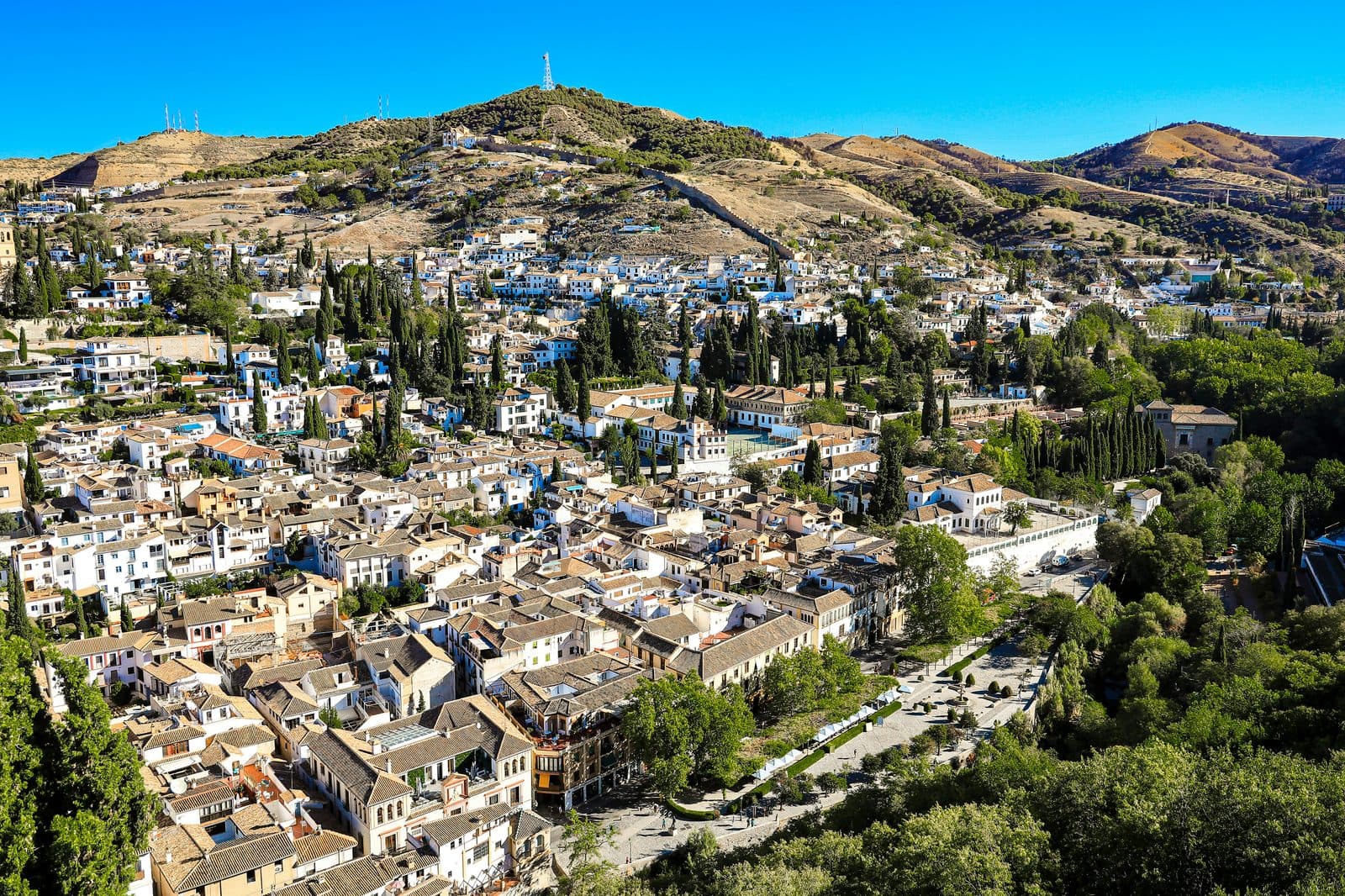
Sacromonte is the hillside east of the Alhambra where two displaced peoples cohabited from the sixteenth century onward. Granada's Moriscos were pushed beyond the walls after the royal decree of fifteen oh two. The Roma had reached Andalusia in the fifteenth century and weathered nine royal anti-gitano edicts. After the Morisco expulsion of sixteen oh nine to sixteen fourteen, what survived in the cave-houses was a wedding-form of flamenco called zambra. The Moriscos' word, the Romas' practice.
The hillside is Miocene conglomerate. Clay and rounded boulders deposited by Sierra Nevada streams about eight million years ago, soft enough to dig with hand tools. That is what made it shelterable, and what made it the receiving-ground.
At the top of the path stands a collegiate abbey, built between sixteen oh nine and sixteen twenty-one by Archbishop Pedro de Castro on the strength of lead books planted in caves on this hill by Moriscos in his own circle. The Vatican condemned the books as heretical forgeries in sixteen eighty-two. They came back to the abbey only in the year two thousand.
The walk is seven stops, about one point seven kilometres and one hour forty minutes, climbing east up the Camino from the Casa del Chapiz to the Mirador San Miguel Alto. When you arrive at the corner of the Cuesta del Chapiz, begin with stop one.
1. Casa del Chapiz: The Hinge at the Edge of the Walled City
You've arrived at Casa del Chapiz, your first stop and the hinge of this tour. Stand at the gate on Cuesta del Chapiz, looking through to the courtyard and the patio columns beyond. Two houses sit behind this wall, joined into a single complex. Brick lower courses. Whitewashed upper storeys. Wooden galleries. A pair of patios with central pools.
First, who built it. Per the Ayuntamiento de Granada tourism record, the larger house was owned by a Morisco named Hernán López el Feri. The smaller, by another Morisco, Lorenzo el Chapiz. The complex carries the second man's name. Both houses went up in the sixteenth century, almost certainly on Nasrid foundations from the period of the walled Albaicín behind you.
Now place these two men in time. The Catholic Monarchs took Granada in fourteen ninety-two. The royal decree of fifteen oh two then required every Muslim in Castile to convert to Christianity or leave. Per the historian Leonard Patrick Harvey, that decree is the chronological floor for what we call the Morisco century. López el Feri and el Chapiz are Moriscos. Converts under that decree. They built these houses on the precise boundary where the walled city ends and the hillside begins.
The houses survived the sixteen oh nine to sixteen fourteen Morisco expulsion under Philip the Third. They stood, decayed, were partly looted. Then in nineteen thirty-two the architect Leopoldo Torres Balbás finished a three-year rehabilitation and handed the complex to the Spanish national research council. CSIC's School of Arabic Studies has occupied the houses ever since.
This is the hinge. The walled Albaicín ends here. The displaced quarter begins here. Walk east along the Camino del Sacromonte. The cave-houses start about two hundred metres up the path.
2. Camino del Sacromonte: The Path That Became the Spine
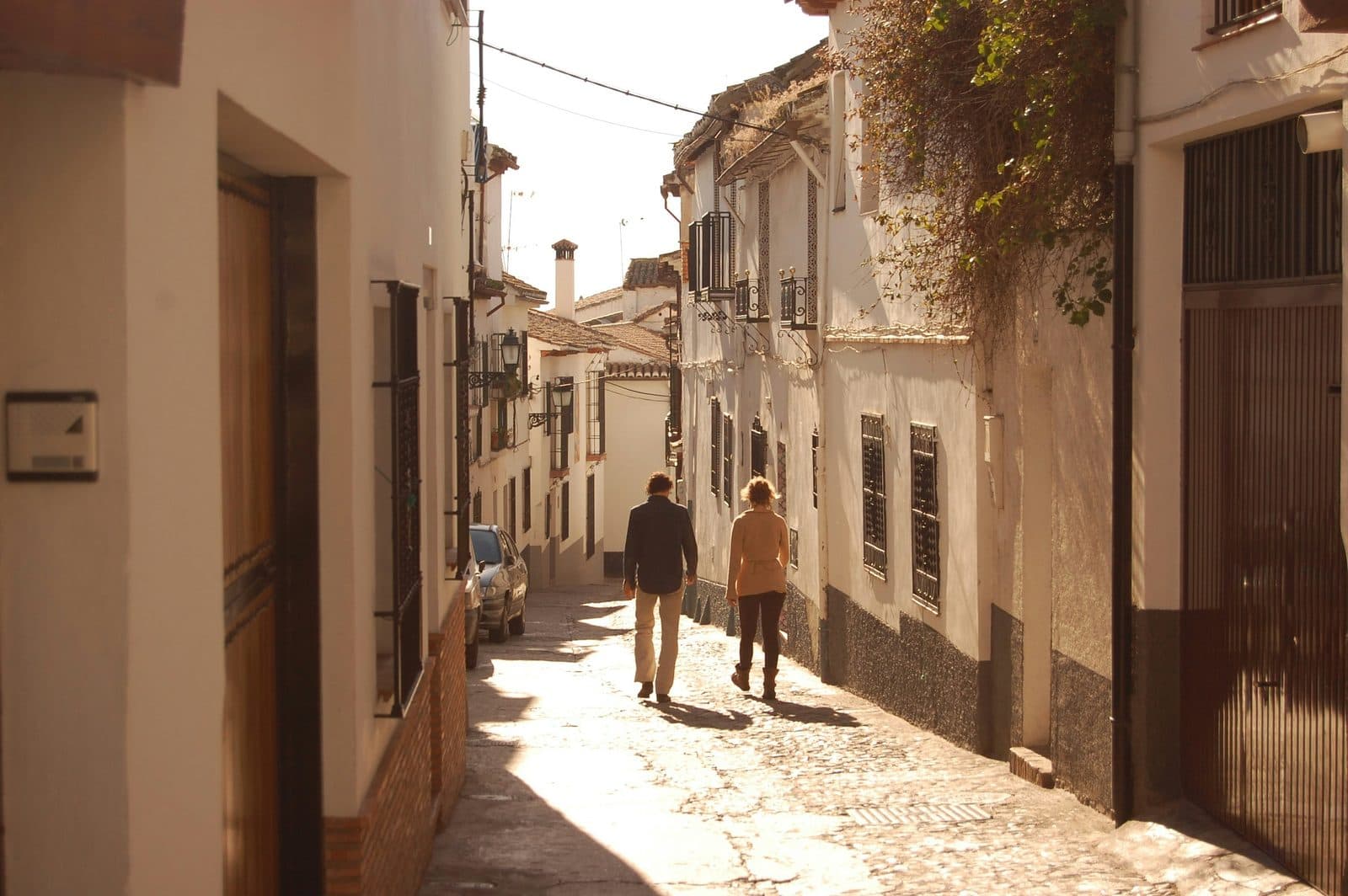
You've arrived at the first cave-house cluster on the Camino del Sacromonte. Stand on the north side of the path and look at the doorways set into the hillside. Whitewashed entrances. Iron grilles on the small upper windows. Tiled doorsteps. The doors open directly into rooms carved out of the slope behind them.
Walk this stretch slowly. The hillside under your feet is conglomerate. Clay and pebbles and rounded boulders, eight million years old. Soft enough that the displaced families on this path dug their own homes with hand tools. The cave entrances are at shoulder height. The climb gradient is about six percent. The wall above you is the south face of the Cerro de San Miguel.
This path is older than the cave-houses. The Camino del Sacromonte was the Muslim road to Guadix in the Nasrid period, when the walled Albaicín behind you was the city. After fourteen ninety-two it kept its function as a road out. After fifteen oh two it began to receive families.
The Moriscos came first. The Roma arrived in Andalusia in the fifteenth century, on the twenty-second of November fourteen sixty-two by the documented record at Jaén, and reached the Iberian peninsula at Aragon in fourteen twenty-five. By the eighteenth century the Roma had settled these slopes in numbers. Per the historian of Spanish anti-gitano legislation Antonio Gómez Alfaro, the Spanish state issued nine pragmáticas against the Roma between fourteen ninety-nine and seventeen eighty-three. The families on this path weathered all of them.
This corridor is the artifact. The path is the spine. The caves are the rooms the spine grew. Walk on. The museum entrance is about a hundred and fifty metres further east, set back into the Barranco de los Negros on your left.
3. Museo Cuevas del Sacromonte: The Trades Preserved
You've arrived at the Museo Cuevas del Sacromonte, your third stop. Turn left off the Camino into the Barranco de los Negros. The museum is open-air. Eleven cave-houses cut into the slope, each themed around one of the trades the cave-dwelling families on this hillside practiced. Basketwork. Pottery. Blacksmithing. Weaving. Two of the eleven caves are themed around flamenco.
Step into the basketwork cave first if it is open. The walls are bare conglomerate, smoothed by the chisel marks of the family that lived here. The ceiling is low. The hearth is in the back. The air stays cool in summer and dry in winter. This is how a Sacromonte household was put together for four centuries.
Now the flamenco caves. The word to hold is zambra. It is a flamenco palo specific to Granada and Almería. The word descends from the Andalusian Arabic zamra, from the classical Arabic zamr, meaning music. The ethnomusicological consensus, as the museum's own panels record it, is that zambra is the continuation of Morisco wedding-dance forms absorbed by Granada's Roma after the sixteen oh nine to sixteen fourteen expulsion.
That is the syncretism in one word. The Moriscos brought the wedding form. They were expelled. Their Roma neighbors kept the form. They carried it through three centuries of anti-gitano legislation. By the twentieth century it had consolidated into the commercial cave-venue performance the listener now buys a seat for, further up this same path.
This museum is the institutional anchor for the trades, the cave-house texture, and the zambra origin. Note for the field: the museum's founding year is not on its own permanent panel that I can cite to you here.
Walk back to the Camino. The next cave on the climb is a working zambra venue.
4. Cueva de la Rocio: Where the Wedding-Form Still Plays
You've arrived at Cueva de la Rocío, your fourth stop. Stand on the Camino, looking at the whitewashed cave entrance with the lantern and the name in painted letters above the door. The room behind the door is dug into the hillside. Polished cobble floor. Whitewashed walls hung…
Full narration for this stop unlocks with the tour.
5. Abadía del Sacromonte: The Monument the Lead Books Built
You've arrived at the Abadía del Sacromonte, the climax of this tour. Stand on the plaza in front of the church facade. Three sober storeys of stone. The collegiate church to your right. The cloister behind it. The Sacred Caves cut into the hill below the abbey on your…
Full narration for this stop unlocks with the tour.
6. Camino del Monte View: The Alhambra Across the Ravine
You've arrived at the upper Camino del Sacromonte transitional view, your sixth stop. Stop on the south edge of the path. Look across the ravine. The red towers and walled palaces of the Alhambra sit at eye level. The Darro river runs below in the cleft between the two…
Full narration for this stop unlocks with the tour.
7. Mirador San Miguel Alto: The Defensive Crown on Yusuf the First's Tower
You've arrived at Mirador San Miguel Alto, the resolution of this tour. Stand by the wall on the south side of the small white church. Below you the city falls away. The Alhambra is across the ravine to your south. The Albaicín spreads to your west. The Sacromonte cave-quarter…
Full narration for this stop unlocks with the tour.