Reading the Alhambra: A Nasrid Architectural Specimen
105 min · 1.6 km · moderate
Granada rewards one piece of planning above all others: booking your Alhambra ticket weeks ahead. Get that right and the rest of the city, compact, walkable, and cheap to eat in, falls into place. This guide answers the practical questions travelers actually search, answer first, then the detail.
Booking the Alhambra: the one thing you must do first
Short answer: book on the official Alhambra website, and book early.
The Alhambra caps daily visitor numbers, and the Nasrid Palaces, the highlight, admit only a limited group every 30 minutes on a strictly enforced timed ticket. Miss the entry time printed on your ticket and you will not be admitted that day. Tickets open up to three months ahead. In peak season, June to August and Easter week, popular dates and the prized morning slots sell out weeks in advance.
Practical rules:
- Book as early as you can. A few weeks ahead is the minimum; two months for summer or Easter.
- Buy from the official site to avoid resellers and inflated prices.
- Note your Nasrid Palaces time and build your day around it. The rest of the Alhambra (Alcazaba, Generalife) is more flexible, but the palace slot is fixed.
- If you are only in town briefly, plan your whole visit around that time. Our one day in Granada itinerary shows how to route the rest of the day around a morning palace slot.
How many days do you need in Granada?
Hear a stop from this walk
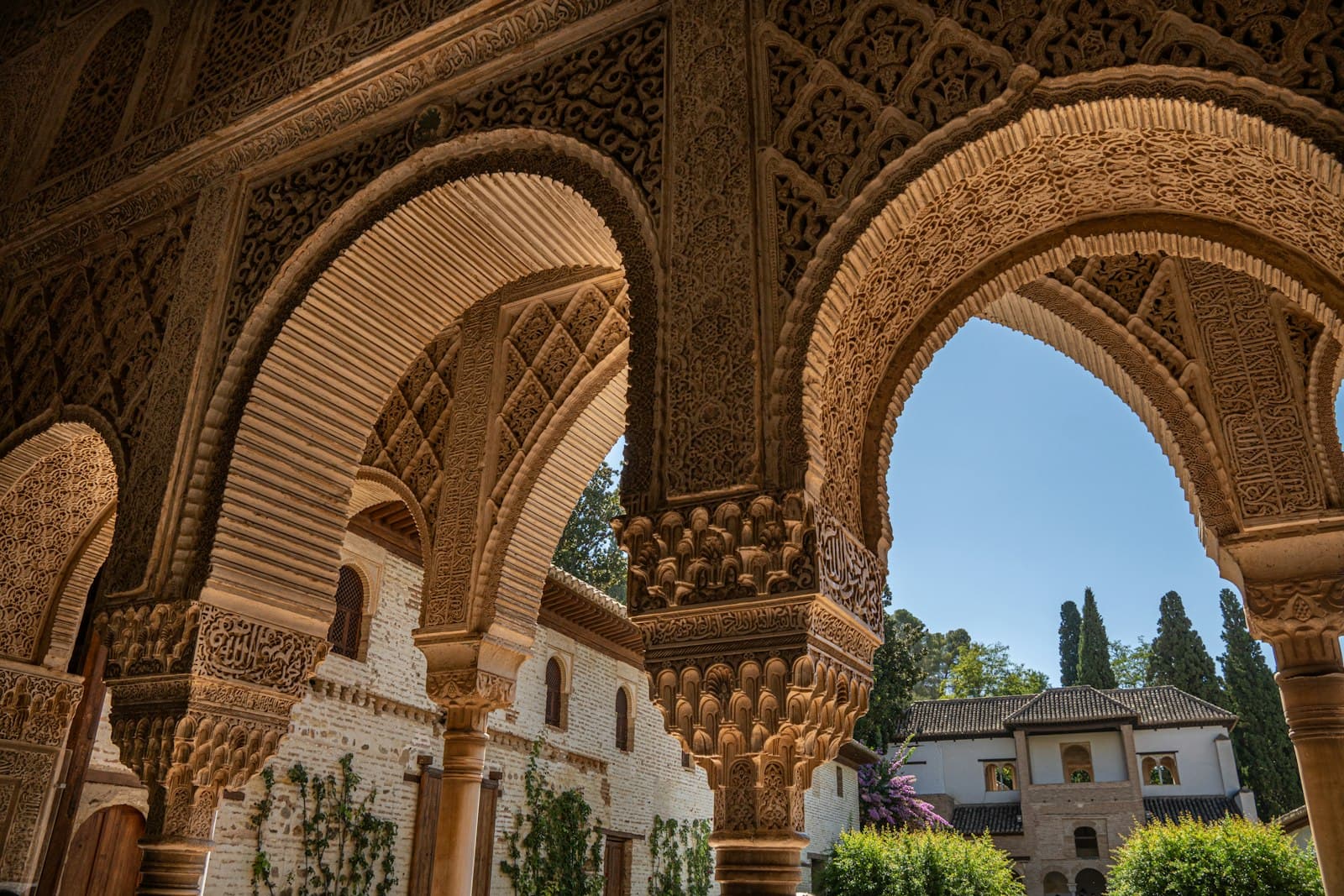
Generalife (Patio de la Acequia): The Literacy Applied Outward
Short answer: two full days minimum, three ideal.
- 1 day can cover the Alhambra plus a walk through the Albaicín and Sacromonte, but it is a full, fast day. Follow our one day in Granada route if that is all you have.
- 2 days is the comfortable norm: the Alhambra on one day, the Albaicín, the San Nicolás viewpoint, and Sacromonte on the other, with tapas evenings.
- 3 days adds unhurried wandering, a Sacromonte flamenco night, and time for the Sierra Nevada or nearby villages.
The Alhambra alone eats about half a day, which is why under-scheduling is the usual mistake.
Getting around Granada
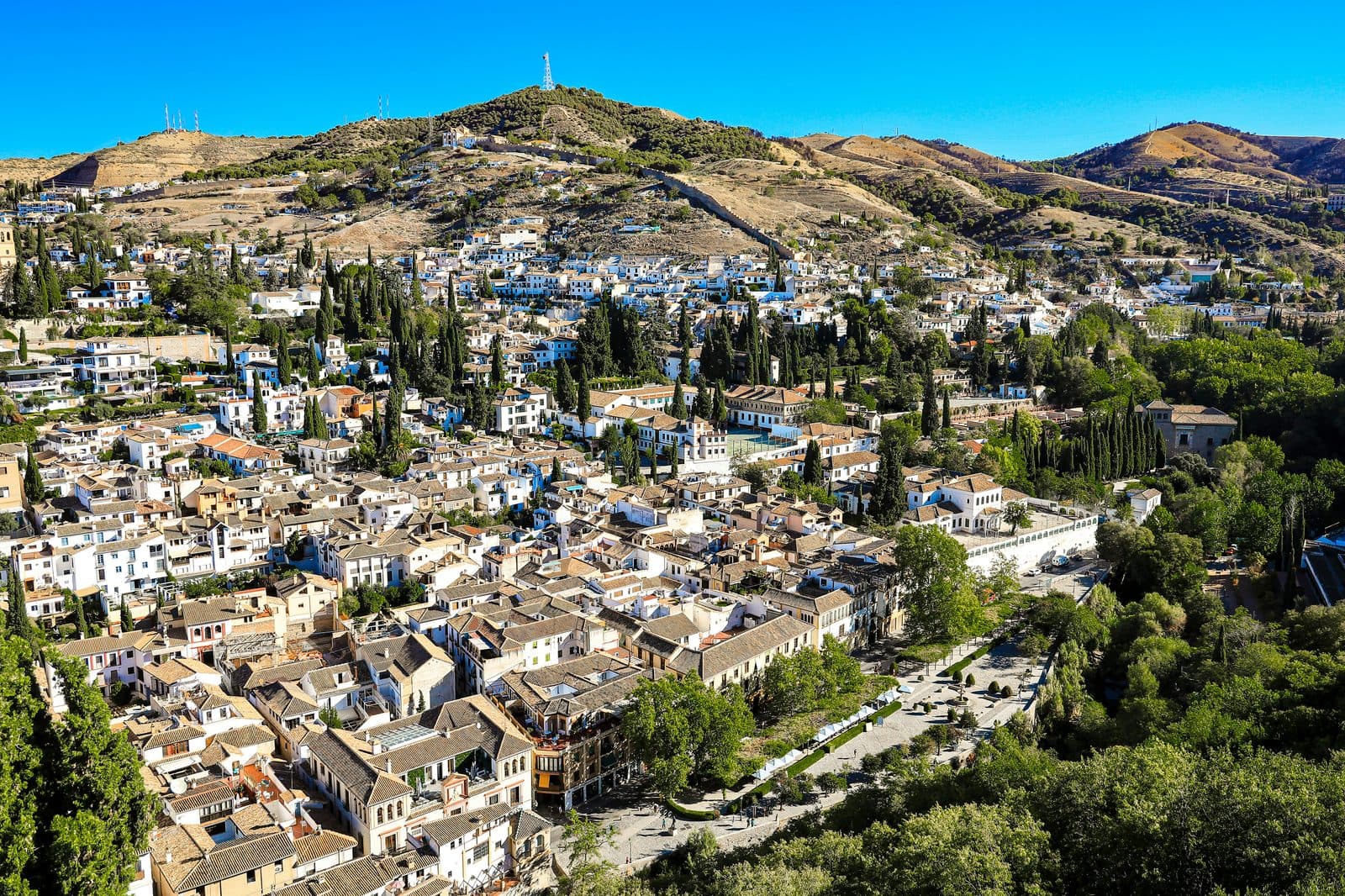
The historic center is a joy on foot, and walking is how our self-guided Granada tours are built. But Granada is a city of steep hills, and the three great sights all involve real climbing on narrow cobbled lanes. The local key is the tourist minibus network, small red buses that reach the hill quarters where ordinary buses and taxis cannot go:
- C30: center (Plaza Isabel la Católica) to the Alhambra. The quickest way up to the palace.
- C31: center (Plaza Nueva) to the Albaicín.
- C32: Alhambra to Albaicín, linking the two hills directly.
- C34: center to Sacromonte.
They run roughly every 10 to 20 minutes and take the same rechargeable transport card as the city buses. The smart pattern is to ride uphill and walk downhill, saving your legs for the sights themselves.
Best time to visit Granada
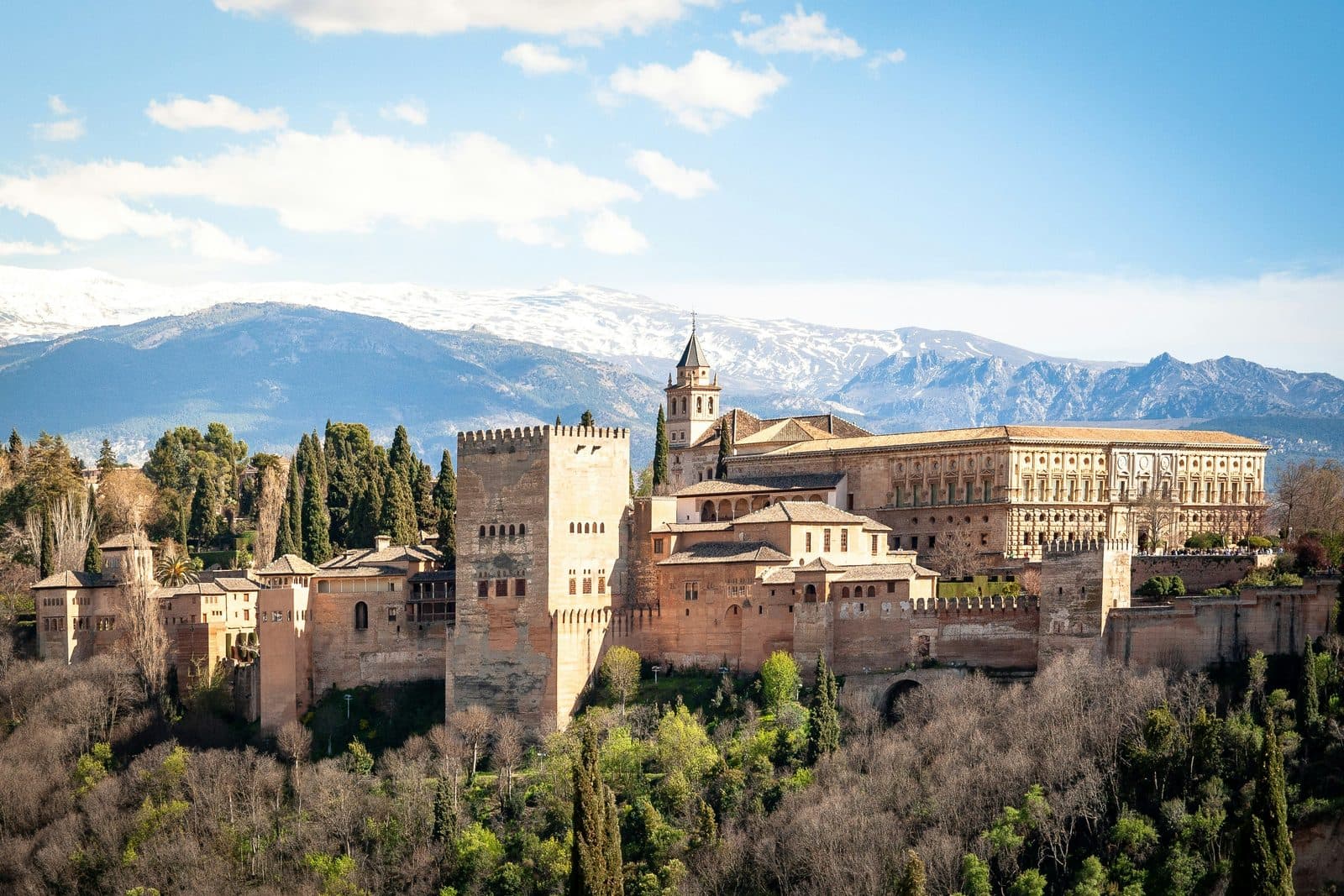
Spring (April to June) and autumn (September to October) are the sweet spots: mild temperatures, beautiful light on the Alhambra's red walls, and lighter crowds than midsummer. Summer is hot, and July and August weekends are the hardest times to secure Alhambra tickets. Winter is quiet and can be gorgeous, with snow on the Sierra Nevada rising behind the palace. Whatever the season, an early-morning Alhambra visit gives the best light and the coolest walking.
Is Granada safe?
Yes. Granada is a low-risk city with low rates of violent crime, and it is an easy, welcoming place for solo and female travelers. The realistic concern is petty theft, not danger. Pickpockets work the tight sunset crowds at the Mirador de San Nicolás, and it pays to keep an eye on your belongings in Sacromonte, the Albaicín, and around the bus and train stations. Ordinary precautions cover it: keep your bag in front of you in crowds, favour well-lit streets late at night, and be a little more alert on the quieter Albaicín lanes after dark.
Eating on free tapas
Granada is the one city in Spain where the older custom still holds: order a drink at a traditional bar and a free plate of food arrives with it. The move is to bar-hop, one drink per bar, eating what the kitchen sends, and a few rounds becomes a full dinner for the price of the drinks. The streets below the Albaicín, plus Calle Elvira and Calle Navas, are dense with the best bars. See our full pieces on what to eat in Granada and the free-tapas custom for how to do it well.
Start planning your walk
Ready to route your days? Read our one day in Granada itinerary, browse the best self-guided walking tours in Granada, or see all Granada tours. Every tour is free to start: the introduction and first stop play in full, and every later stop plays a short preview before an optional purchase. Tours can also be downloaded in advance for offline listening on the hills where signal is thin.
Frequently asked questions
- How do I book Alhambra tickets, and how far in advance?
- Book on the official Alhambra website, and book early. Daily numbers are capped, and the Nasrid Palaces admit a limited group every 30 minutes on a strictly enforced timed ticket. Tickets open up to three months ahead, and in peak season (June to August and Easter week) popular dates and morning slots sell out weeks in advance. Aim to book at least a few weeks out, and two months ahead for summer. Your Nasrid Palaces entry time is printed on the ticket, and if you are not at the checkpoint at that time you will not be admitted that day. Buy from the official site to avoid resellers.
- How many days do you need in Granada?
- Two full days is the sensible minimum, and three is ideal. You need roughly half a day for the Alhambra alone, so one packed day can cover the Alhambra plus the Albaicín and Sacromonte, but it will be rushed. Two days lets the Alhambra breathe and leaves the Albaicín, the San Nicolás viewpoint, and Sacromonte for a relaxed second day. Three days adds tapas evenings, day trips toward the Sierra Nevada or Sacromonte flamenco, and time to simply wander.
- Is Granada walkable, and how do you get around?
- The historic center is very walkable, but Granada is built on steep hills, and the Alhambra, the Albaicín, and Sacromonte all involve real climbing on narrow cobbled lanes. The key local trick is the tourist minibus network, small buses that reach the hill quarters ordinary buses and taxis cannot: line C30 (center to Alhambra), C31 (center to Albaicín), C32 (Alhambra to Albaicín), and C34 (center to Sacromonte). They run every 10 to 20 minutes and use the same city transport card. Use them to climb and walk to descend.
- What is the best time of year to visit Granada?
- Spring (April to June) and autumn (September to October) are ideal: mild temperatures, good light on the Alhambra, and thinner crowds than midsummer. Summer is hot, and July and August weekends are the hardest times to get Alhambra tickets. Winter is quiet and can be strikingly beautiful, with snow on the Sierra Nevada behind the Alhambra. For photos and comfortable walking, an early-morning Alhambra visit in spring or autumn is hard to beat.
- Is Granada safe for tourists?
- Yes. Granada is a low-risk destination with low rates of violent crime, and it is welcoming for solo and female travelers. The main thing to watch is petty theft: pickpockets work the crowds at the Mirador de San Nicolás, and travelers are advised to keep an eye on belongings in Sacromonte, the Albaicín, and around the bus and train stations. Ordinary city sense covers it: keep your bag in front of you in tight crowds, favour well-lit streets late at night, and be a little more alert on the quieter Albaicín lanes after dark.
- How can you eat well in Granada on a budget?
- Granada is the one city in Spain where the free-tapa custom still holds: order a drink at a traditional bar and a plate of food arrives with it, no charge. Bar-hop, one drink per bar, and a few rounds becomes a full dinner for the price of the drinks. The streets below the Albaicín, Calle Elvira, and Calle Navas are dense with tapas bars. Add the fact that the Albaicín, the San Nicolás viewpoint, and the tapas evenings all cost nothing, and Granada is one of the best-value cities in Spain.
Ready to experience it?
Reading the Alhambra: A Nasrid Architectural Specimen
105 min · 1.6 km · moderate
More from Granada
Explore more at your own pace.
Granada 1492: The Hinge Year You Are Standing On
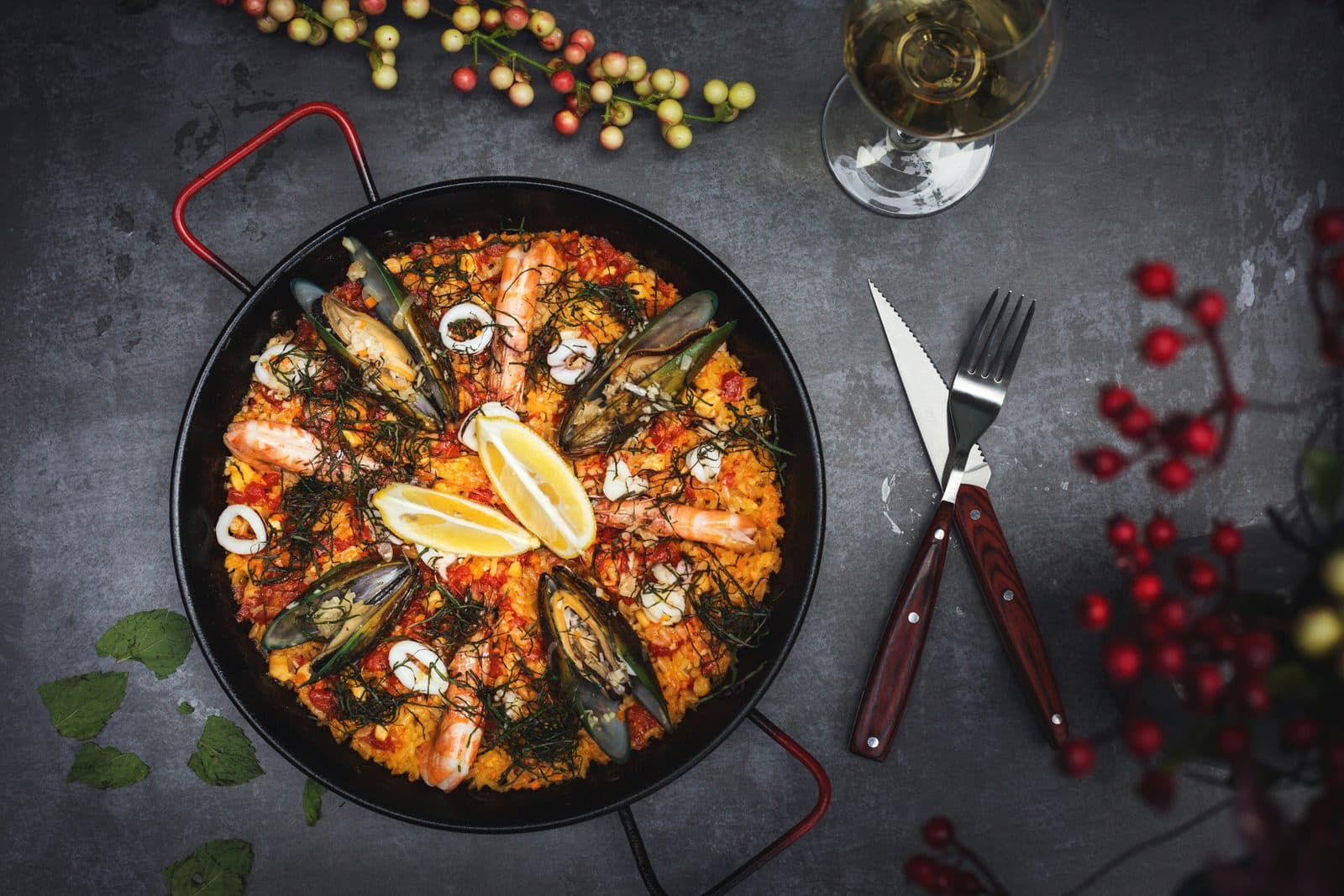
Granada's Free Tapas: The Only City in Spain Where the Food Still Comes Free
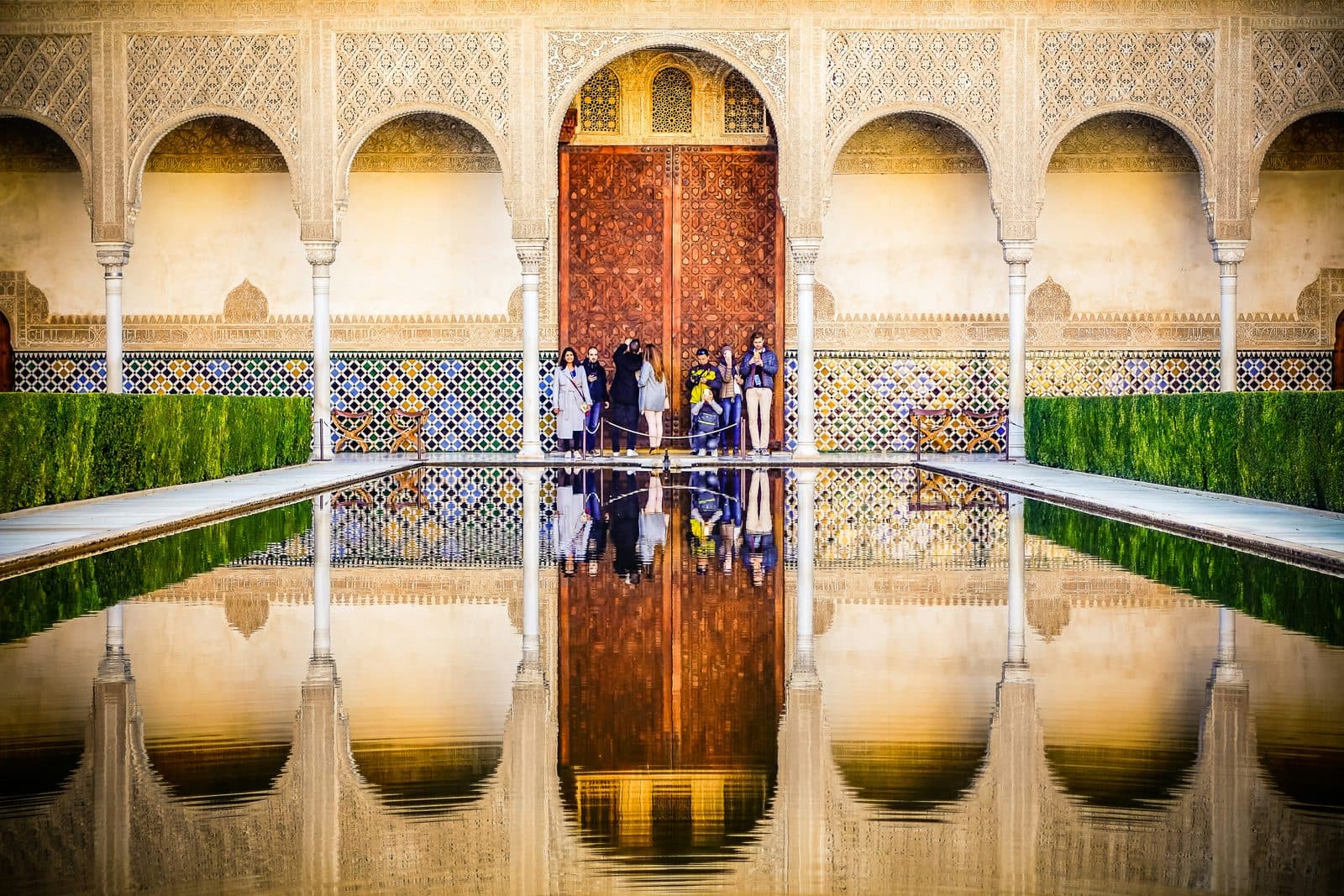
How to Read the Alhambra: The Seven Elements of a Nasrid Sentence
The Albaicín Is the Real Thing the Barri Gòtic Only Imitates
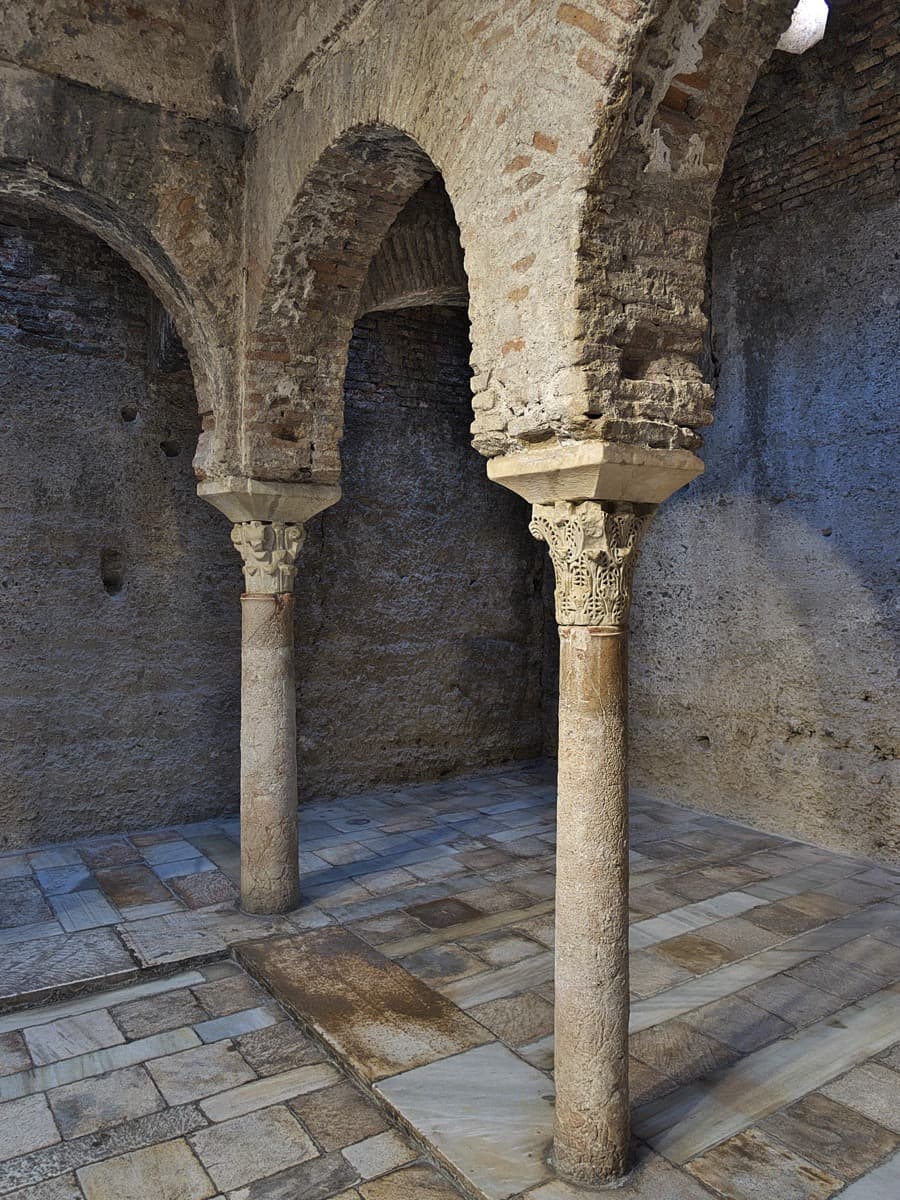
El Bañuelo: The Eleventh-Century Bath That Survived by Hiding in Plain Sight