There is a difference between a medieval city and a city that looks medieval, and the Albaicín is the clearest place in Spain to see it. This is the companion to the Albaicín tour, and its argument is simple: what you are walking is real. The street plan, the water system, the houses, and even a surviving eleventh-century bath are genuinely old, not a romantic reconstruction. That authenticity is the whole reason the tour reads the neighborhood as a set of stacked layers you can date by eye.
The claim, stated plainly
The Albaicín is a continuous eight-hundred-year urban fabric. The street pattern is Nasrid, laid out between the thirteenth and fifteenth centuries. The cisterns underneath are Zirid, from the eleventh. The surviving courtyard houses follow a Nasrid casa-patio plan from the fourteenth. The churches are sixteenth-century insertions dropped onto mosque foundations. And the twentieth-century restorations, led by Leopoldo Torres Balbás between 1923 and 1936, were scientific conservation rather than fabrication. Nothing here is pretending.
That last clause is the one that matters, and it is best understood by contrast.
What the Barri Gòtic actually is
Hear a stop from this walk
El Bañuelo: The Zirid Hammam and Torres Balbás's Conservation Method
Barcelona's Gothic Quarter is one of the most photographed "medieval" neighborhoods in Europe. Much of it is not medieval. In the late nineteenth and early twentieth centuries the district was substantially reworked into a tourist attraction, timed to be finished for the 1929 International Exhibition. The cathedral's famous Gothic facade was completed in 1913. The much-photographed Bishop's Bridge over Carrer del Bisbe was built in the 1920s. The result is atmospheric and genuinely lovely, but a significant part of it is a revival, a period costume laid over an older core.
The Albaicín is the thing that costume was styled to resemble. It did not need to be rebuilt into looking medieval because it never stopped being medieval. When you understand that, the tour stops being a scenic walk and becomes an exercise in reading real strata.
Reading the layers, oldest to newest
The Zirid layer, eleventh century. The Aljibe del Rey, the King's Cistern, is the water grammar the whole hill was built on. Long before the Nasrids, the Zirid rulers engineered a network of cisterns that stored and distributed water across the slope. The neighborhood's shape was dictated by that water system. You cannot understand where the streets go without understanding where the water went first.
The Nasrid street layer, thirteenth to fifteenth century. The lanes themselves, narrow, kinked, climbing the slope in switchbacks, are the medieval Muslim street plan preserved almost intact. This is the layer the Barri Gòtic can only imitate. The Casa de Zafra is a surviving Nasrid courtyard house, a casa-patio built inward around a central pool, showing how people actually lived on this hill before 1492.
The morisco rebuild layer, sixteenth century. After the surrender, the converted Muslim population, the Moriscos, rebuilt houses on Nasrid foundations. The Casa del Chapiz is the clearest specimen: a morisco reconstruction sitting on a Nasrid substrate, the two eras legible in the same walls. It is also the hinge to the hill next door, which the Sacromonte tour picks up.
The Christian insertion layer, sixteenth century onward. The churches did not replace the mosques so much as sit down on top of them. San Salvador preserves the original courtyard, the sahn, of the mosque it replaced, the only surviving mosque courtyard in the city. The Iglesia de San Nicolás stands on a Moorish footprint. The conquest is written into the ground plan: Christian buildings inheriting Muslim geometry because it was cheaper and faster to build on what was already there.
The conservator who refused to fake it
The reason all of this survived legibly is largely one man. Leopoldo Torres Balbás was the architect-conservator of the Alhambra and its surroundings from 1923 to 1936, and he pioneered scientific restoration in Spain. Where earlier restorers in Granada had "improved" monuments with invented ornament to match a picturesque ideal, Torres Balbás did the opposite. He stabilized what existed, documented it, and refused to add what could not be proven. His work on the Bañuelo, the Zirid bath on the Darro, is the model: he conserved a genuine eleventh-century structure rather than dressing it up. That discipline is exactly why the Albaicín reads as authentic today and the Barri Gòtic reads as a beautiful reconstruction.
Why walk it downhill
The tour walks the hill east to west and downhill, which is the right way to read stacked history: you descend through the layers rather than climbing away from them, and the Alhambra stays in view across the ravine the whole way, the finished palace watching over the everyday city that outlived it. By the end you are not looking at a pretty white neighborhood. You are looking at the only medieval Moorish quarter in Spain that never had to pretend to be one, which is precisely what the Albaicín tour is built to prove.
Ready to experience it?
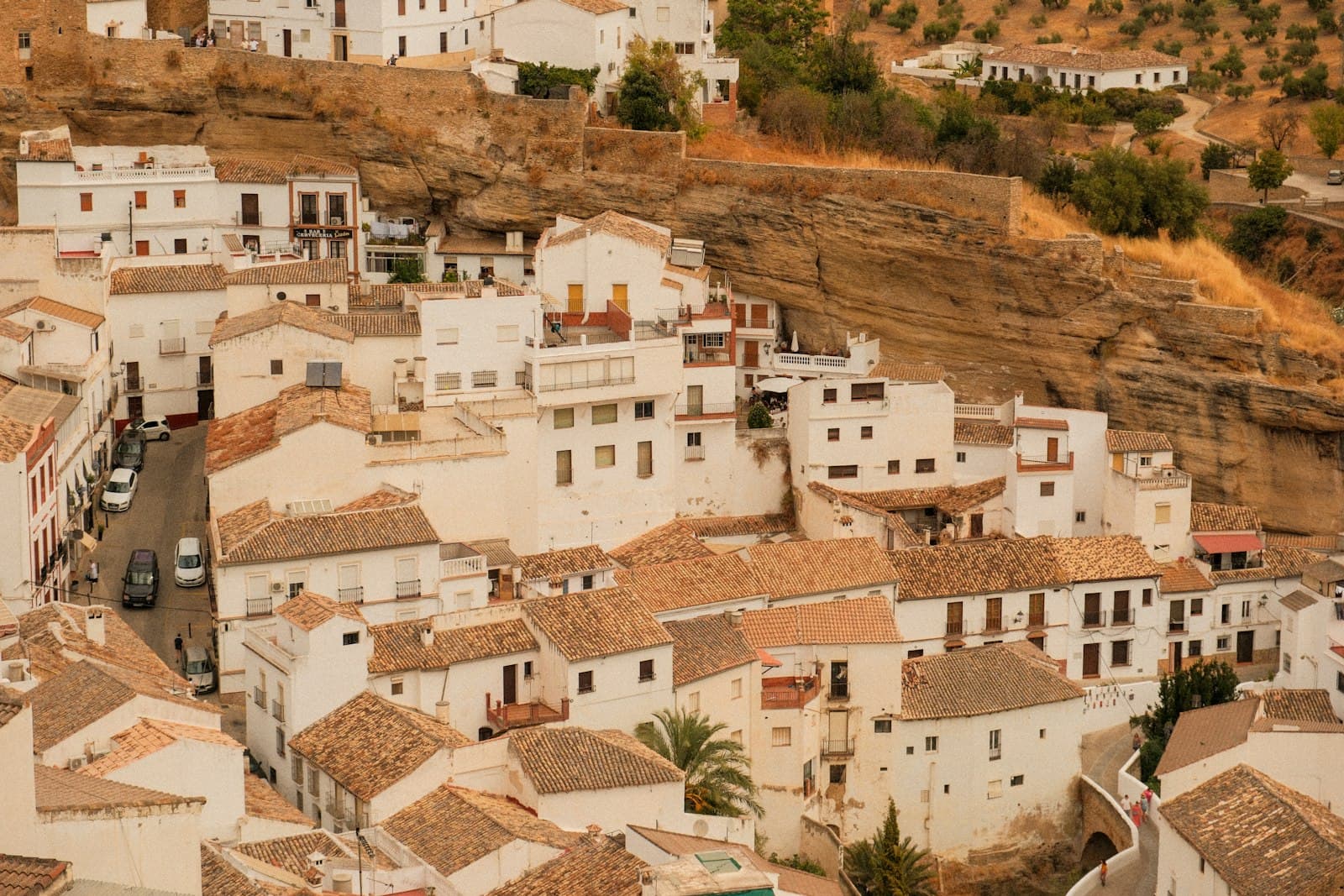
Albaicín: 800 Years on a Hillside
105 min · 2.1 km · moderate
More from Granada
Explore more at your own pace.
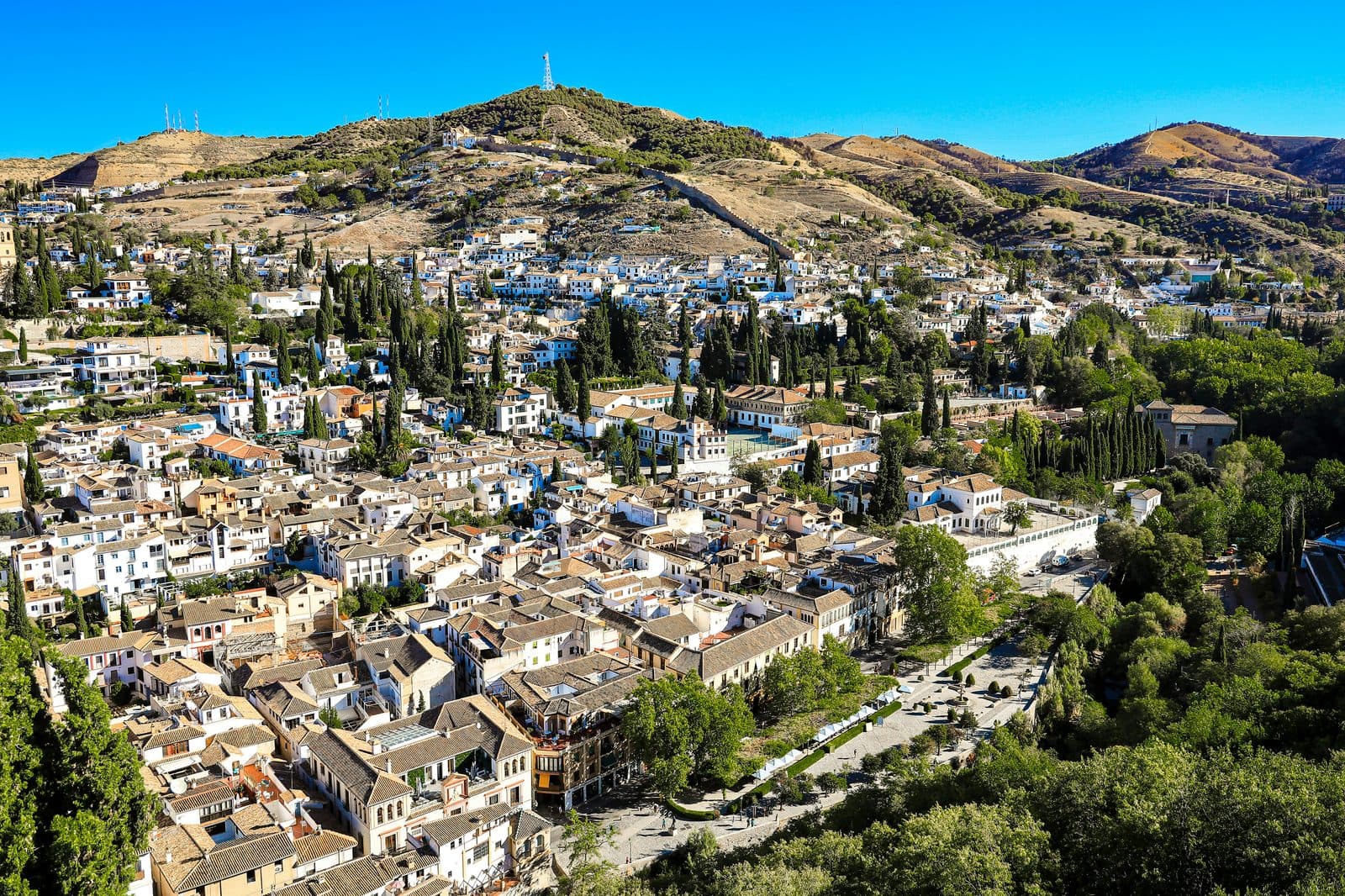
Granada 1492: The Hinge Year You Are Standing On
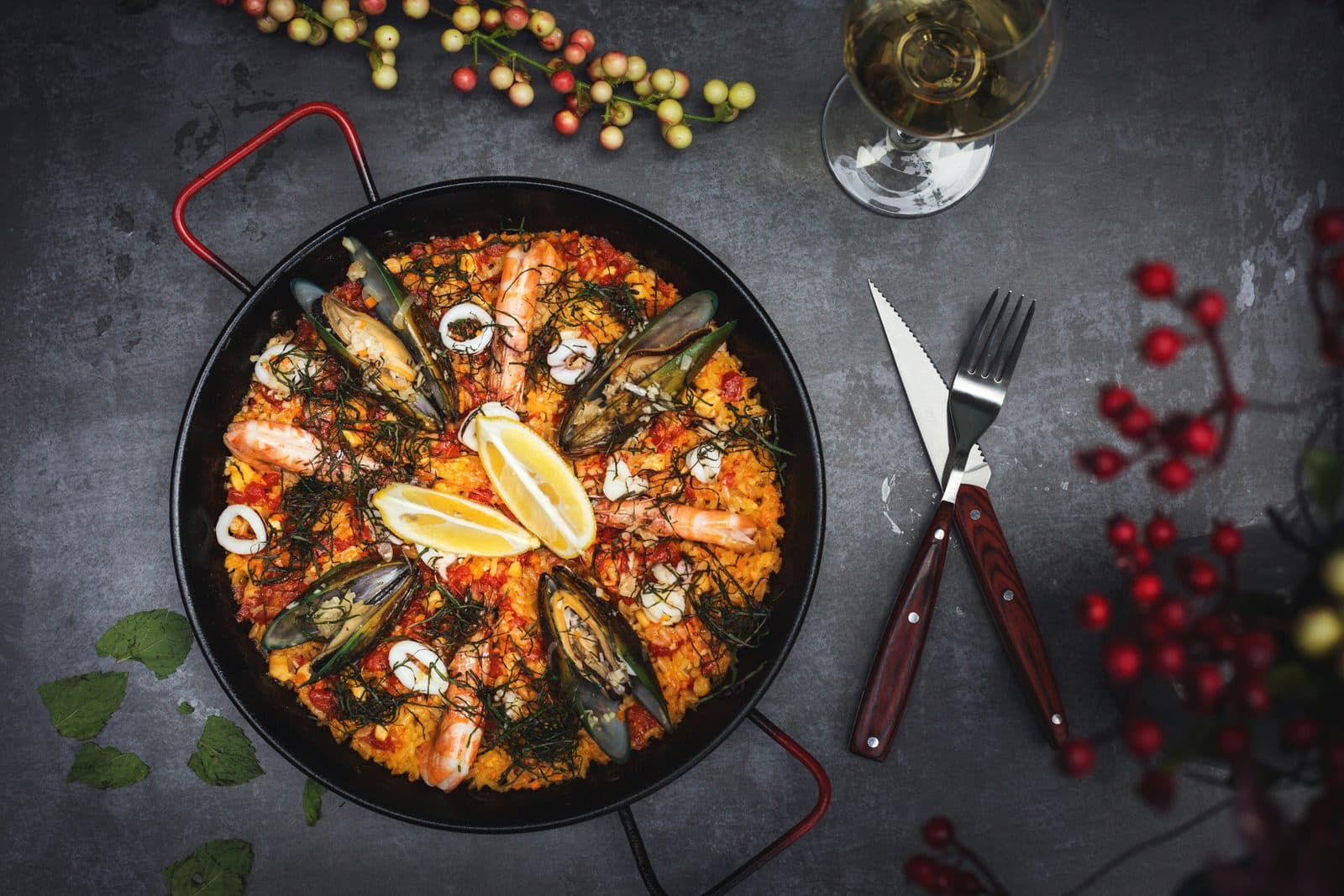
Granada's Free Tapas: The Only City in Spain Where the Food Still Comes Free
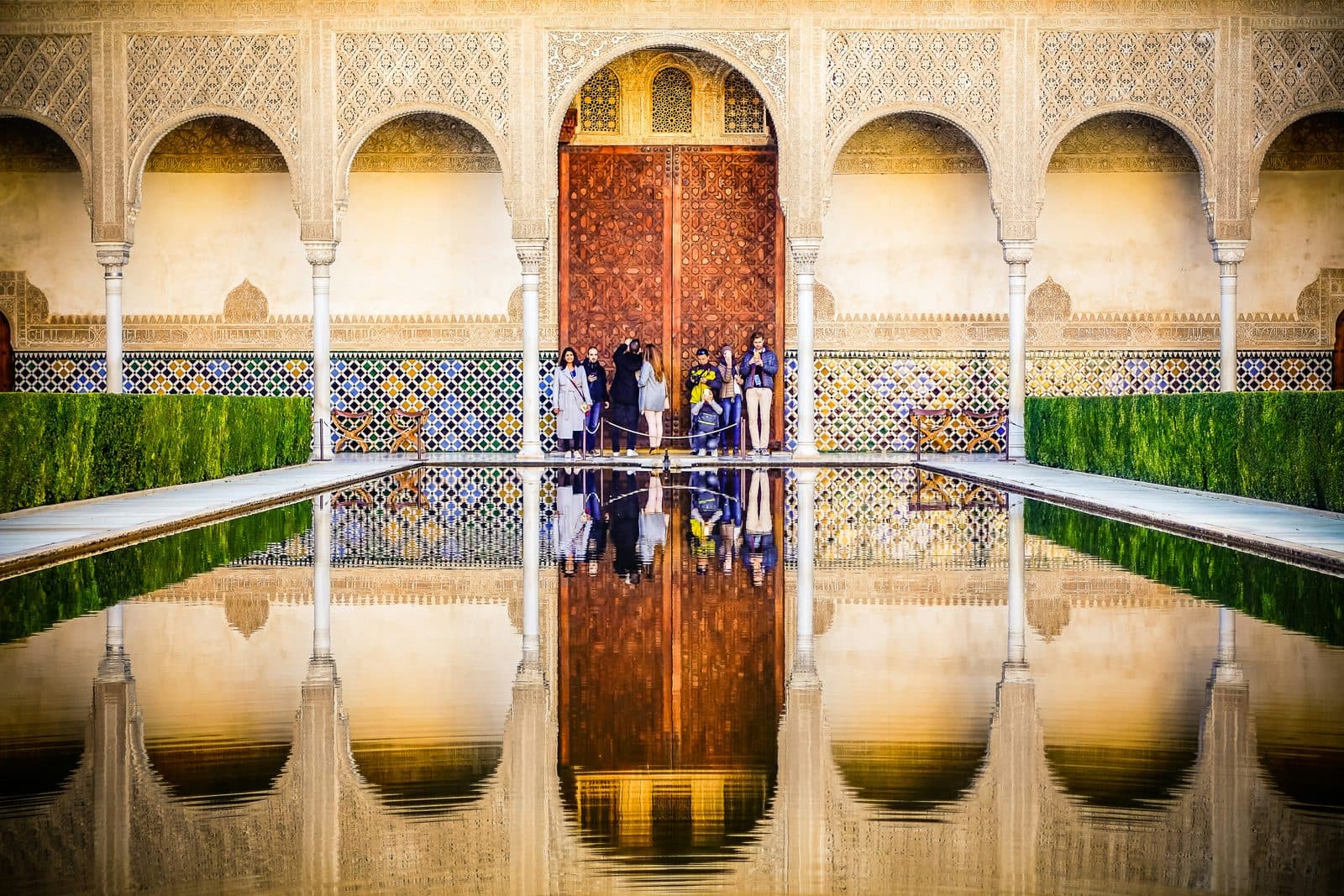
How to Read the Alhambra: The Seven Elements of a Nasrid Sentence
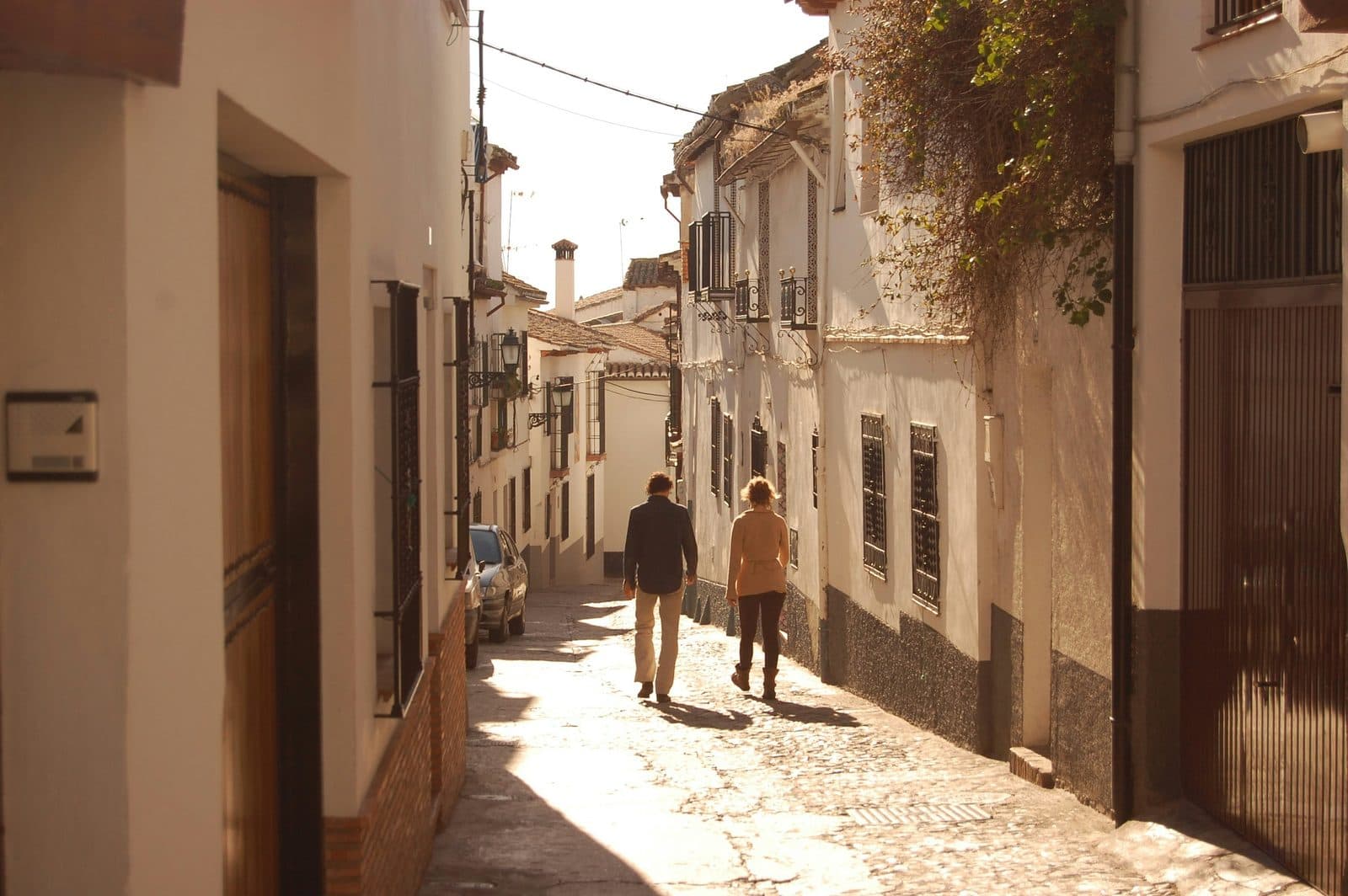
Sacromonte: Where Two Losing Sides Made a New Culture in the Caves
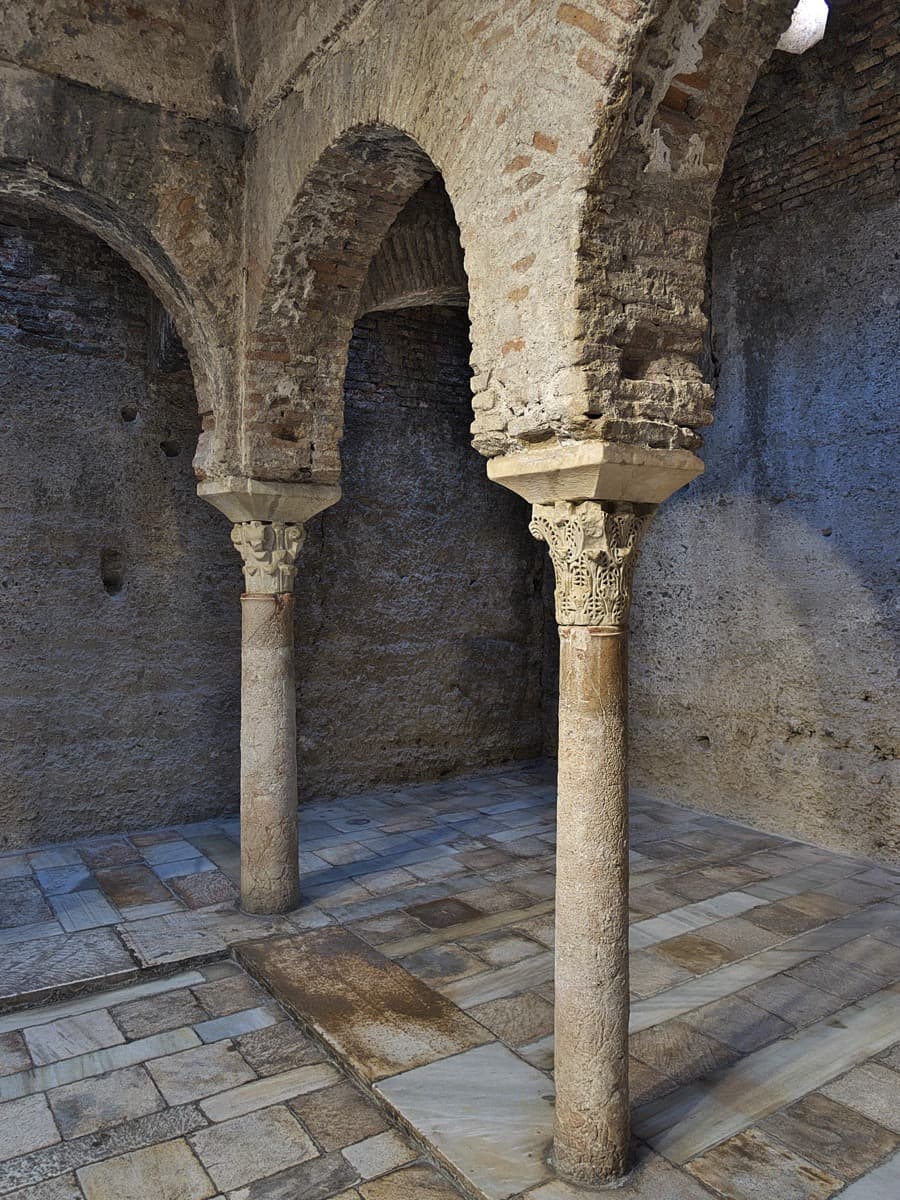
El Bañuelo: The Eleventh-Century Bath That Survived by Hiding in Plain Sight