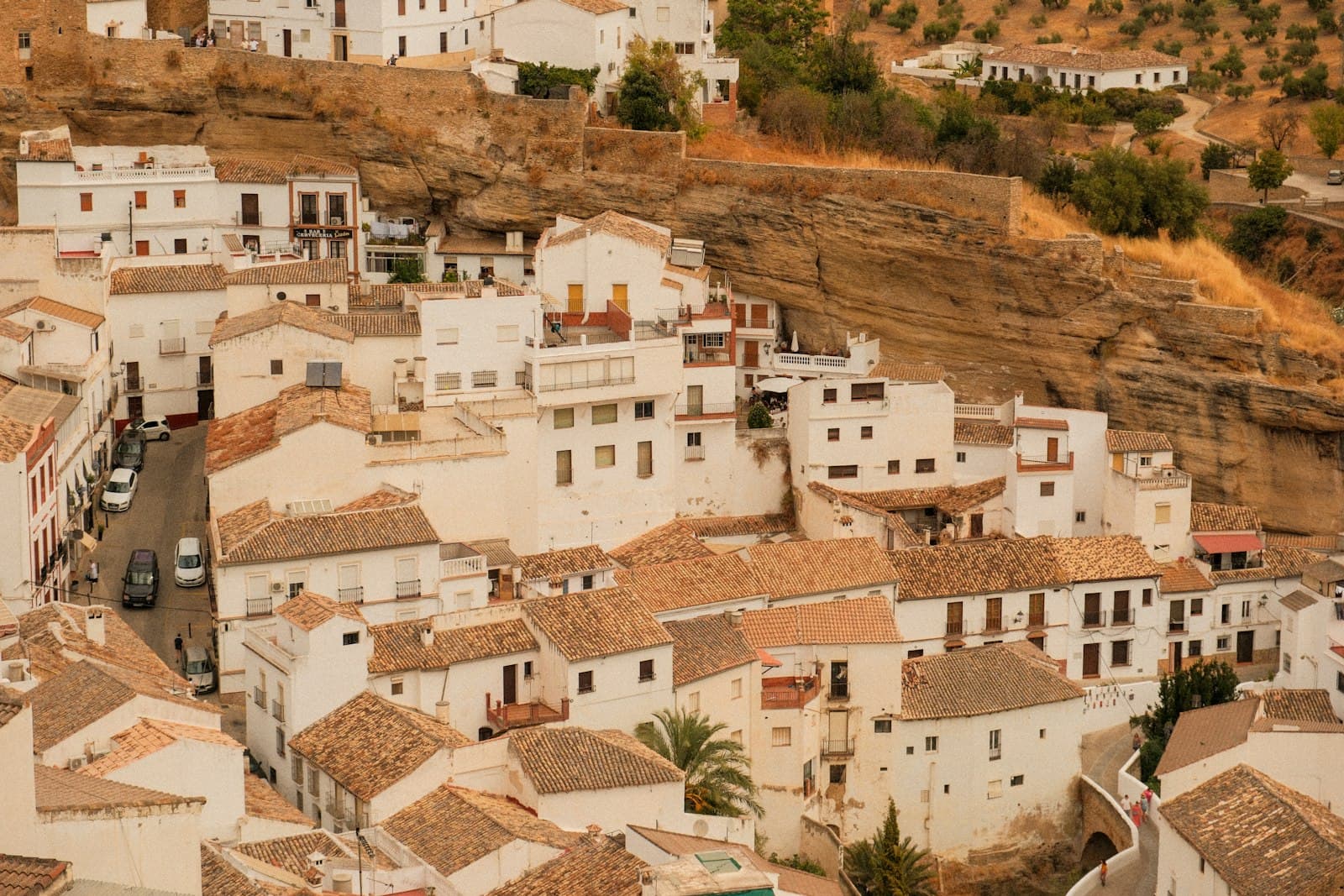
A continuous Moorish hillside in central Granada, walked downhill east to west across the slope that faces the Alhambra. The Zirid cisterns, the Nasrid streets, the Nasrid casa-patios, the morisco-period rebuilds, the post fourteen ninety-two churches inserted into mosque foundations, and the nineteen twenty-three to nineteen thirty-six scientific restorations by Leopoldo Torres Balbás, read across one corridor.
Start · Plaza San Nicolás: The Hillside Under Your Feet
DirectionsStops
- 1
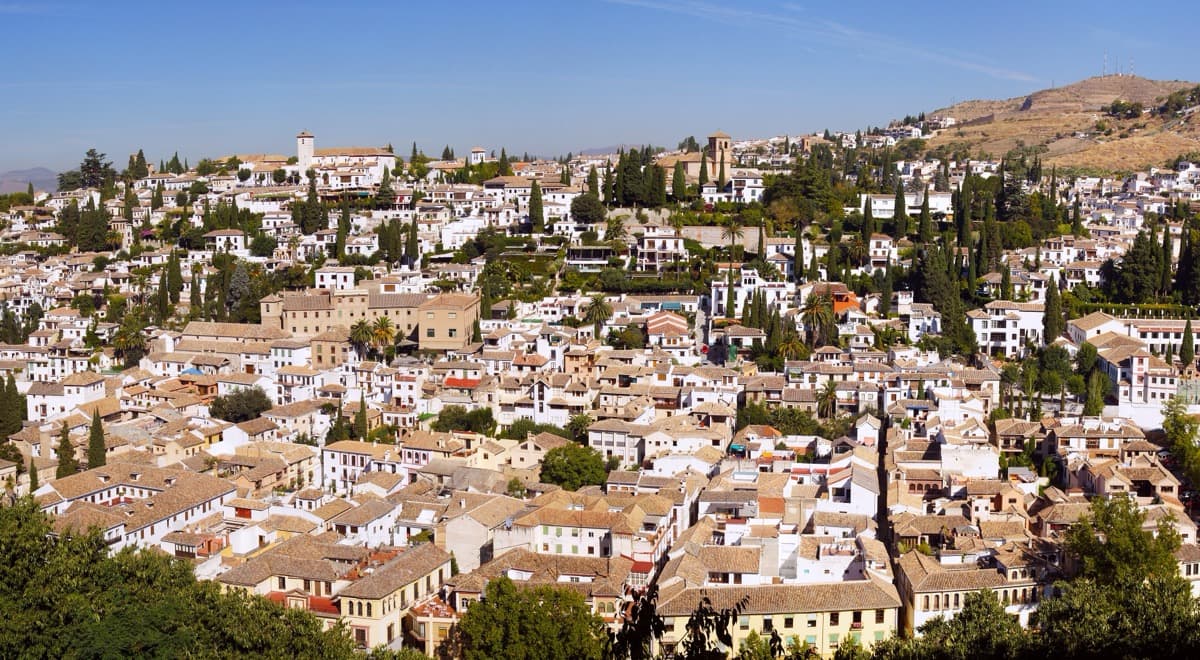
Plaza San Nicolás: The Hillside Under Your Feet
The canonical Alhambra-view miramador on the upper Albaicín. The opening frame for the eight-hundred-year continuous-fabric thesis. UNESCO World Heritage Site three hundred and fourteen, extended seventeenth of November, nineteen ninety-four.
- 2
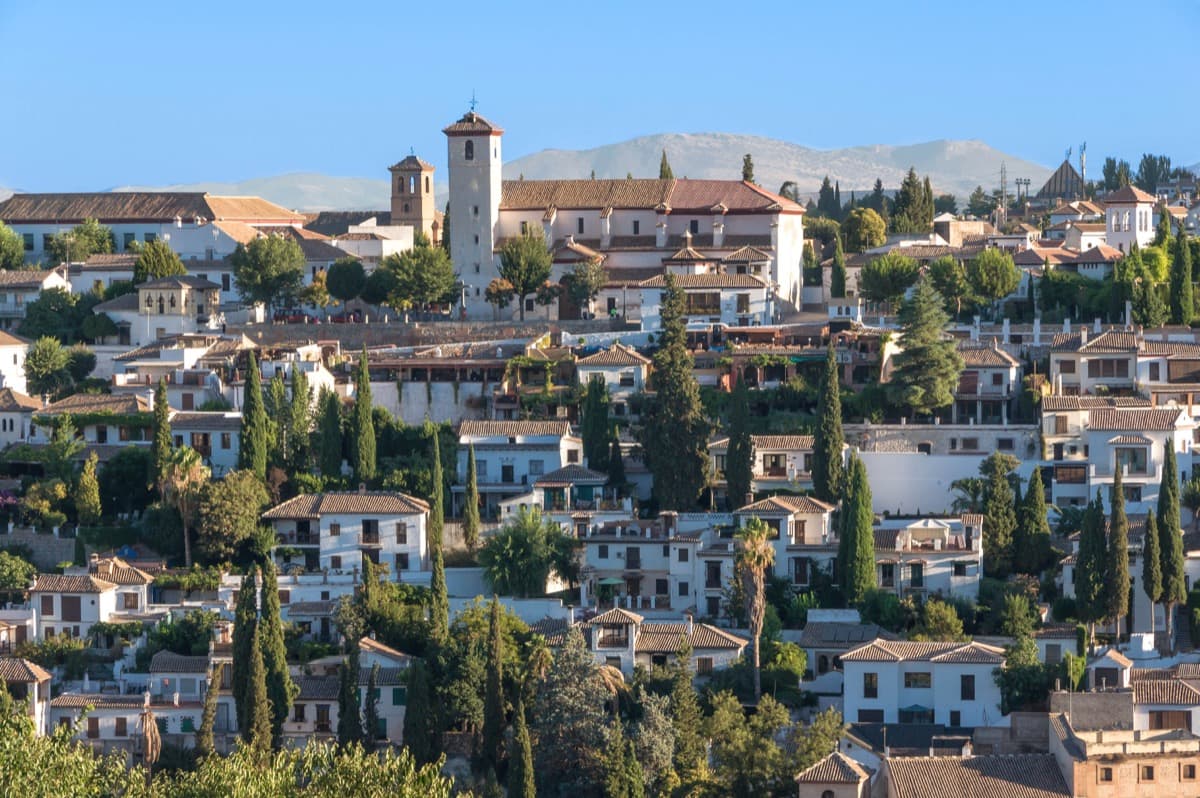
Iglesia de San Nicolás: Christian Insertion on a Moorish Footprint
Completed fifteen twenty-five by master builder Rodrigo Hernández in Mudéjar style. Built on the former mezquita azitiní, identified by Manuel Gómez-Moreno in eighteen ninety-two. Square brick tower added circa fifteen forty-three.
- 3
Aljibe del Rey: The Zirid Water Grammar
Eleventh-century Zirid cistern under emir Badis ibn Habus, who reigned ten thirty-eight to ten seventy-three. Capacity three hundred cubic metres, the largest aljibe in the Albaicín. Fed by the Aynadamar channel from Fuente Grande at Alfacar, approximately ten kilometres north.
- 4
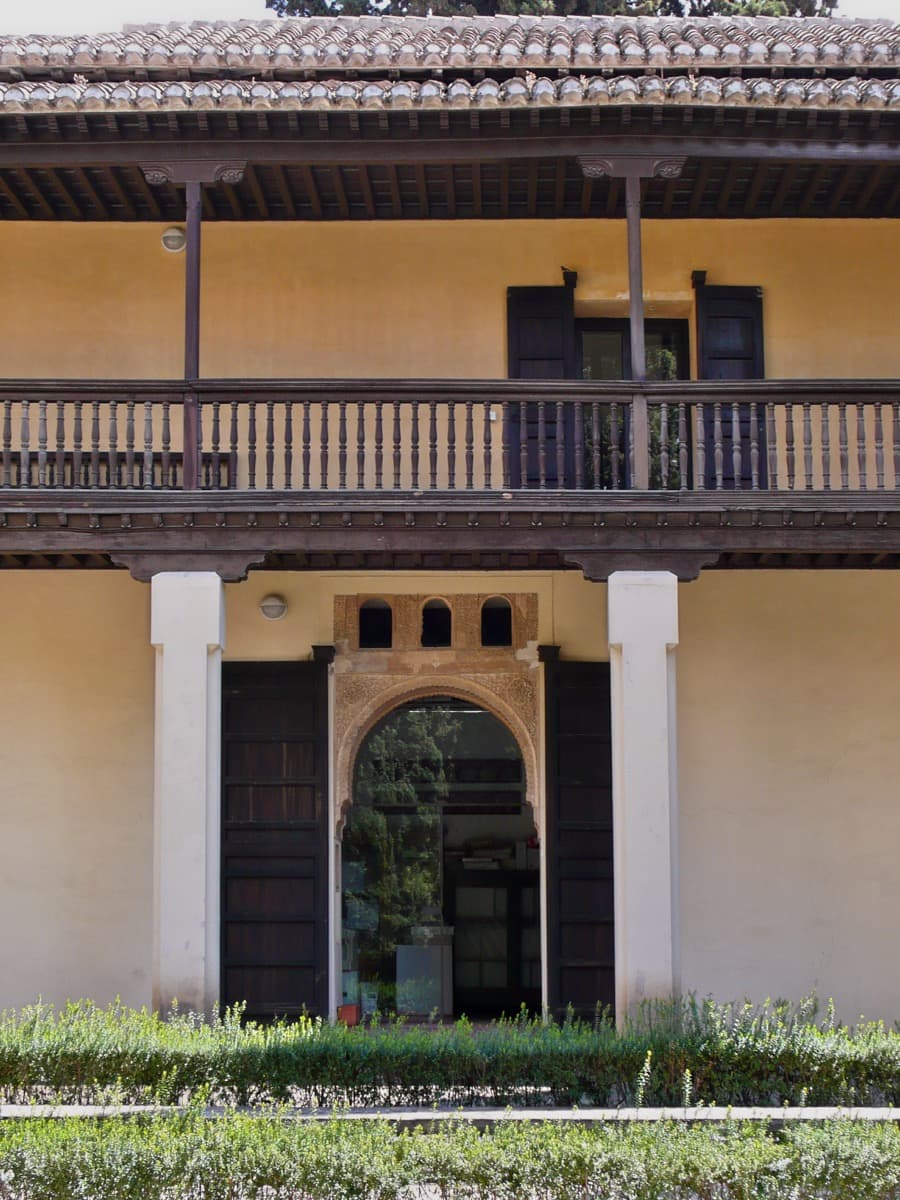
Casa del Chapiz: The Morisco Rebuild on a Nasrid Substrate
Two fourteenth-century houses, substrate possibly reusing fragments of the Nasrid palace of Dar al-Bayda. Rebuilt in the early sixteenth century by morisco converts Lorenzo el Chapiz and Hernán López el Ferí. Rehabilitated nineteen twenty-nine to nineteen thirty-two by Leopoldo Torres Balbás. Headquarters of the Escuela de Estudios Árabes since nineteen thirty-two.
- 5
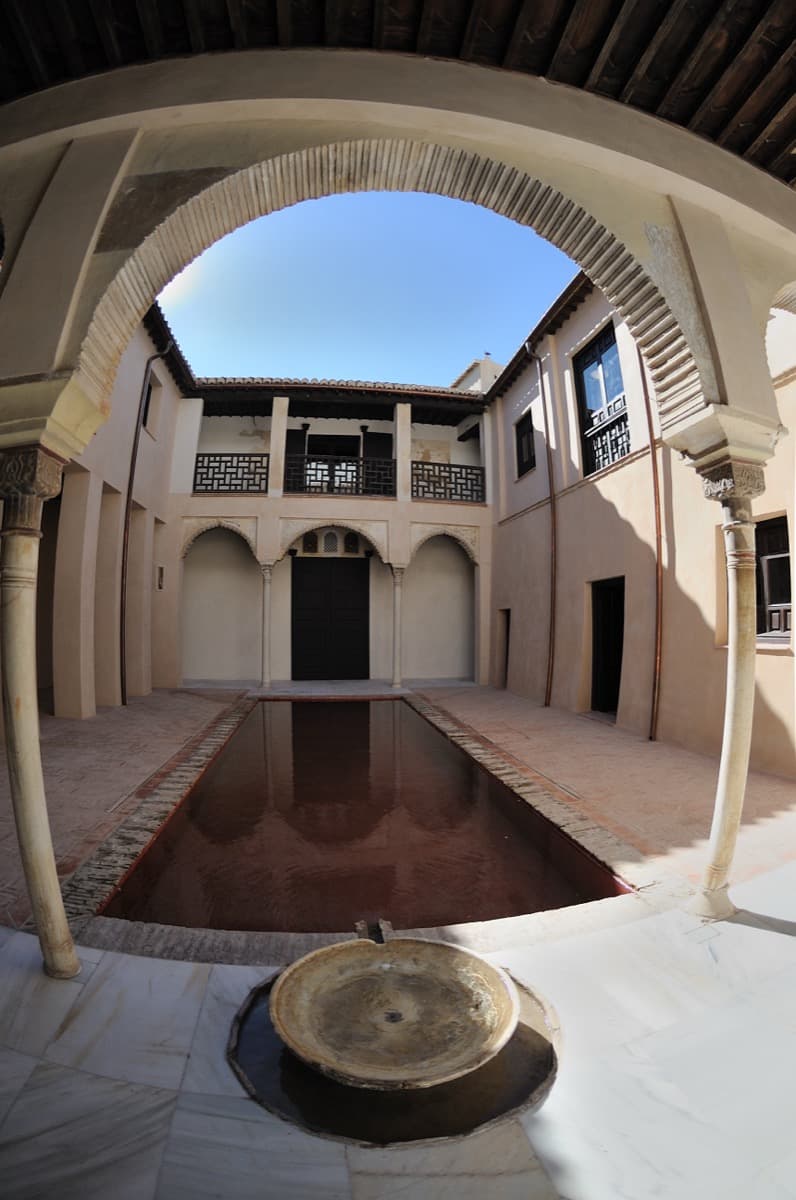
Casa de Zafra: The Surviving Nasrid Casa-Patio
Fourteenth-century Nasrid casa-patio. Transferred to Hernando de Zafra, secretary to the Catholic Monarchs, after fourteen ninety-two. Restored nineteen eighty-nine to nineteen ninety-one by Antonio Almagro Gorbea and Antonio Orihuela Uzal of CSIC, funded by the Aga Khan Trust for Culture in cooperation with the Ayuntamiento de Granada. Opened fifth of June, nineteen ninety-one by King Juan Carlos and the Aga Khan. Now the Albaicín Visitor Centre.
- 6
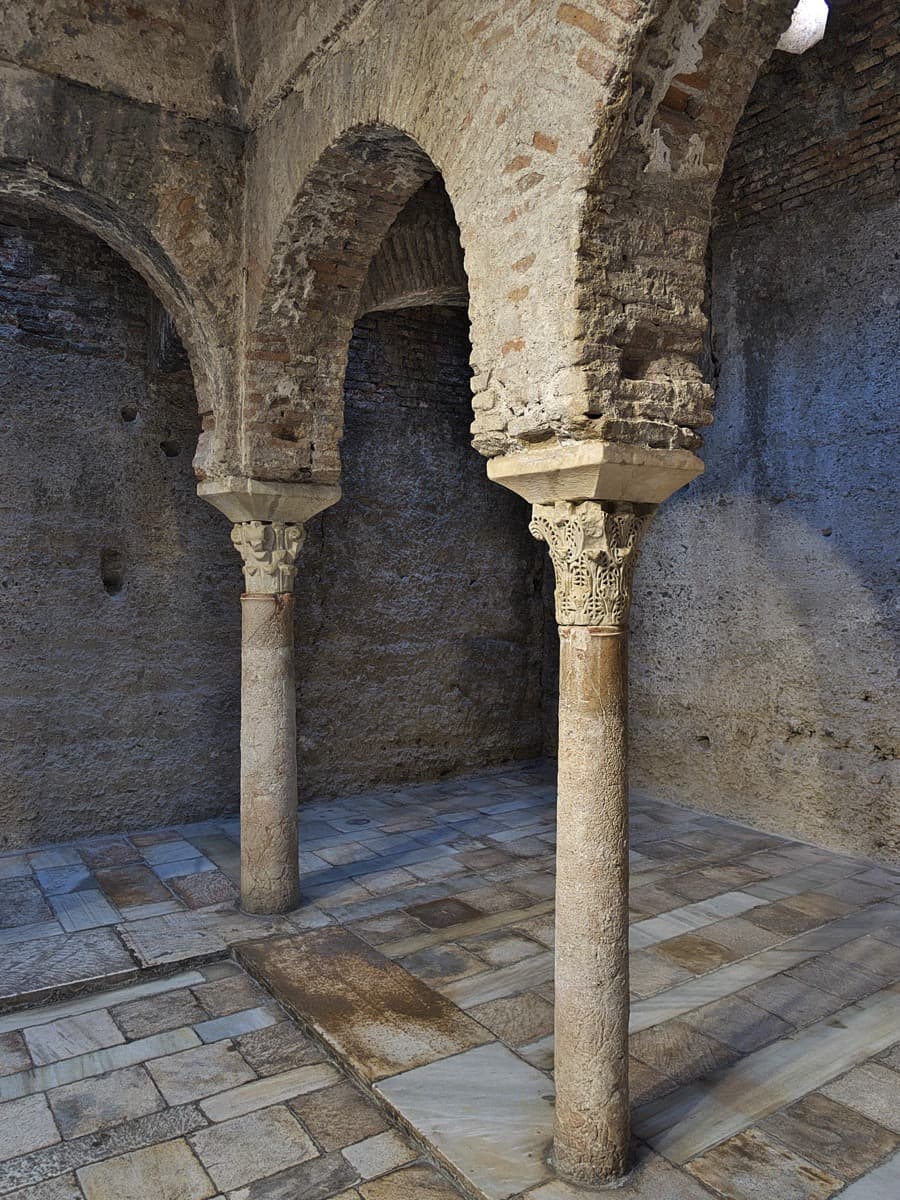
El Bañuelo: The Zirid Hammam and Torres Balbás's Conservation Method
Eleventh-century Zirid hammam on Carrera del Darro. One of the best-preserved hammams in Al-Andalus, per the Patronato de la Alhambra. Survived because repurposed as a public laundry after fourteen ninety-two. Restored nineteen twenty-seven to nineteen twenty-eight by Leopoldo Torres Balbás as one of his first Albaicín scientific-conservation projects. Bien de Interés Cultural designation, nineteen eighteen.
- 7
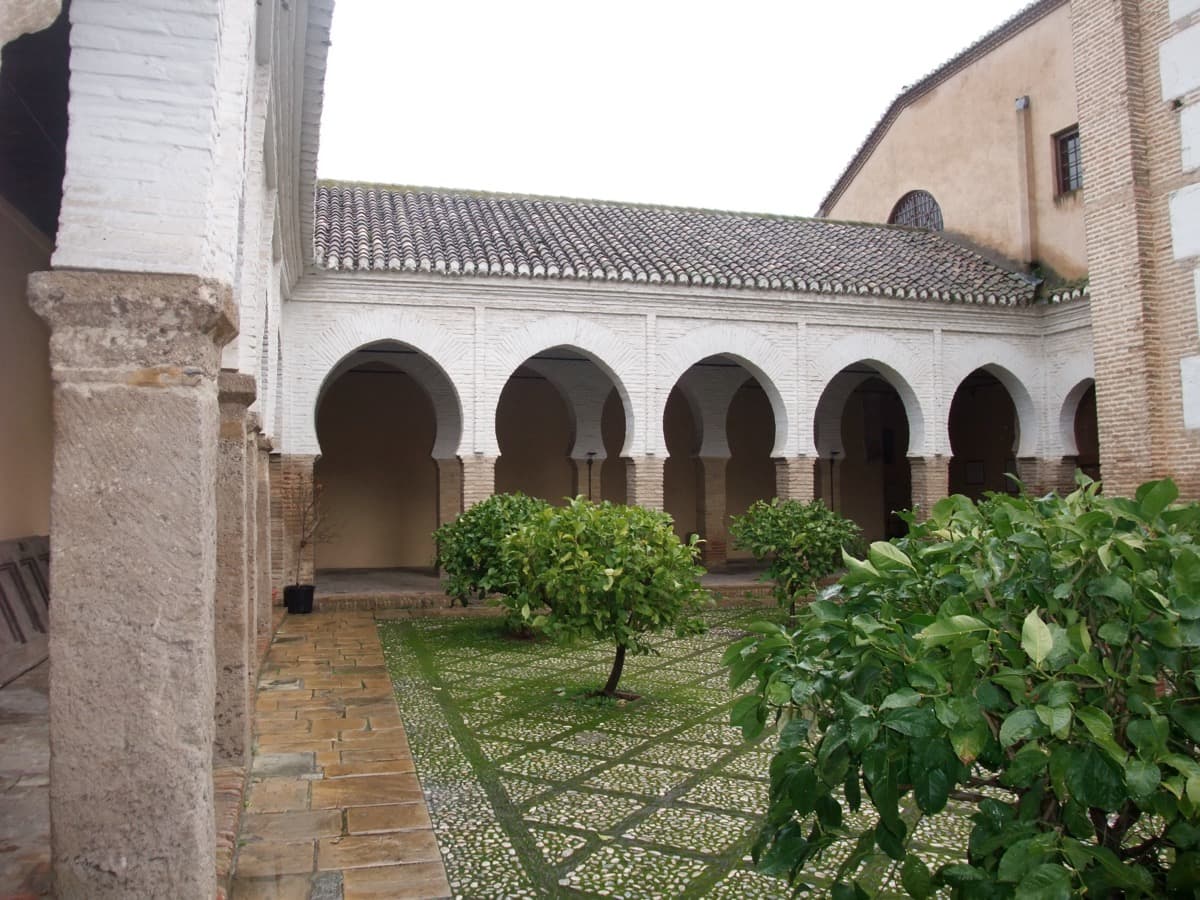
Iglesia de San Salvador: The Only Surviving Mosque Sahn in Granada
Sixteenth-century church on the site of the thirteenth-century Almohad Great Mosque of the Albaicín, Masjid al-Jami al-Bayyazin. Original mosque footprint forty-two point four by thirty-two point two metres. The mosque sahn, thirty by nineteen metres, is the only mosque courtyard still preserved in Granada. Portal of fifteen forty-three completed under the direction of Diego Siloe, attributed to Esteban Sánchez. Almost completely destroyed by anti-clerical fire on the tenth of August, nineteen thirty-six. Reconstruction from nineteen thirty-seven by Fernando Wilhelmi behind the same footprint.
Details
Best Time to Visit
Late morning to mid-afternoon, Tuesday through Saturday. The Mirador de San Nicolás at Stop One reads cleanest before the sunset crowd arrives; the architectural anchor wants daylight on both the Alhambra ridge and the Albaicín slope below you. The Aljibe del Rey at Stop Three follows the AguaGranada Foundation schedule, which is concentrated around midday; verify hours on the day of the walk. The Casa del Chapiz at Stop Four is an active CSIC institutional building and garden access is concentrated on weekdays; the exterior on Cuesta del Chapiz reads at any hour. The Casa de Zafra at Stop Five is the Albaicín Visitor Centre with standard daytime hours. El Bañuelo at Stop Six is managed by the Patronato de la Alhambra and follows the Patronato hammam-site schedule. The Iglesia de San Salvador at Stop Seven is an active church; the sahn is accessible from the entrance courtyard outside service hours. The full corridor is downhill, so begin at the top in the cooler part of the day in summer.
Pro Tips
- •Start at the Mirador de San Nicolás and walk the corridor downhill east to west. The route loses approximately one hundred metres of elevation over two kilometres; the reverse direction adds a steep climb on cobblestone. The audio is written for the downhill direction.
- •The Aljibe del Rey at Stop Three is the interpretation centre for the entire Albaicín water system, run by the AguaGranada Foundation. Hours are limited and concentrated at midday; check the Turismo Granada page for the day of the walk and aim for the published opening window.
- •The Casa del Chapiz at Stop Four is the headquarters of the Escuela de Estudios Árabes of CSIC. The exterior on Cuesta del Chapiz and the visible portion of the courtyard from the Camino read at any hour, but interior or garden access requires booking through the institution and is concentrated on weekdays.
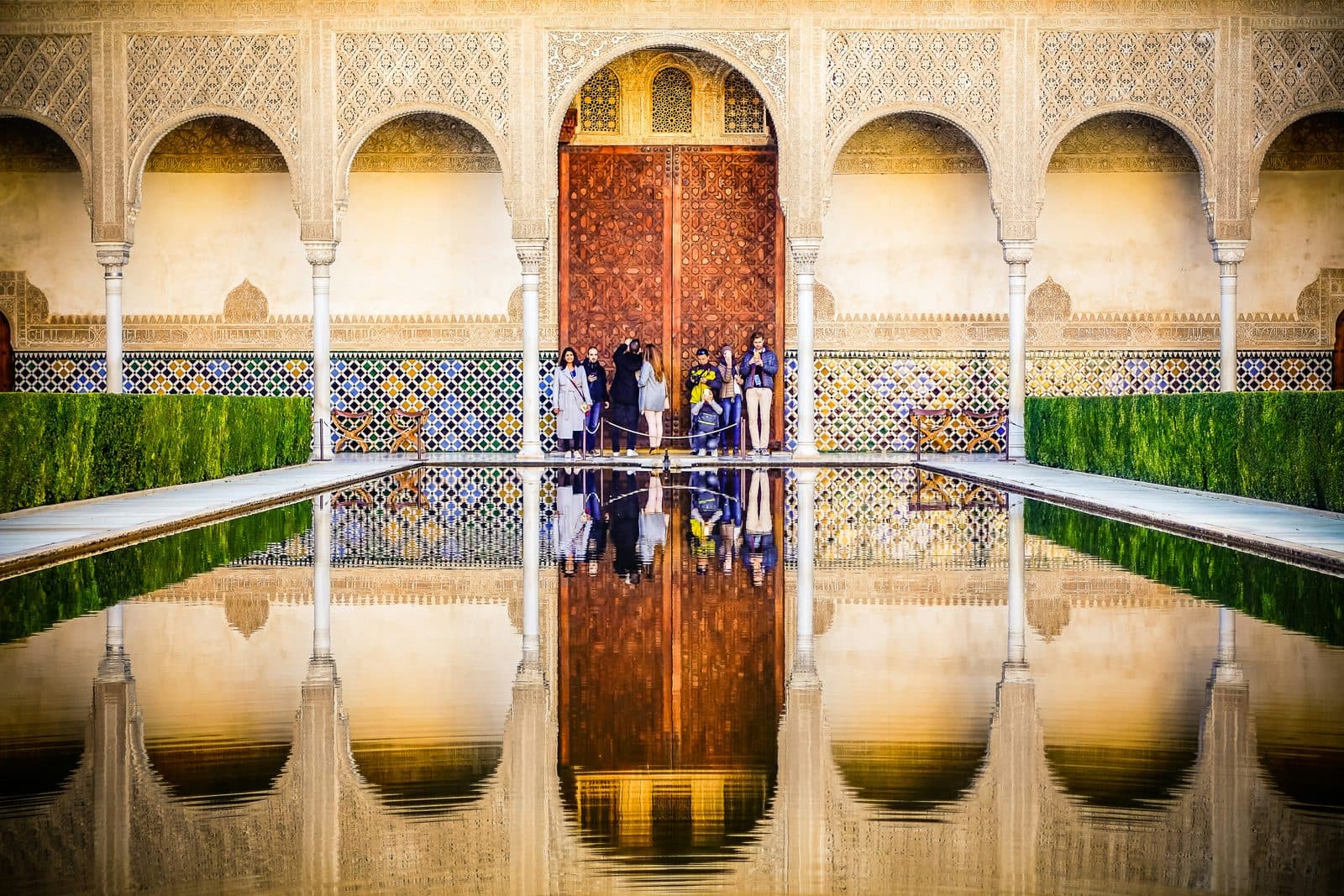
- •The Casa de Zafra at Stop Five operates as the Albaicín Visitor Centre and entry is free. The Nasrid casa-patio courtyard with the reflecting pool is the architectural anchor; the upper rooms with polychrome wooden ceilings and the original Nasrid columns are the secondary reads inside.
- •El Bañuelo at Stop Six is on the Patronato de la Alhambra unified ticket. If you plan to visit the Alhambra during your stay in Granada, an Alhambra General ticket or the Dobla de Oro combined ticket covers El Bañuelo plus other Patronato sites in the Albaicín. Check the Patronato website for the current ticket configuration.
- •Calle Calderería Nueva, between El Bañuelo and the Iglesia de San Salvador, is the morisco-quarter corridor of teterías, the Granadan tea houses. The street is a transition in this tour, not a stop, but it is the right place to pause between Stop Six and Stop Seven if you want a short break.
- •The Iglesia de San Salvador at Stop Seven holds the only surviving mosque sahn in Granada, accessible from the church entrance. The interior of the church may be closed during services; the sahn courtyard is the architectural anchor and is reachable outside service hours.
Safety & Precautions
- •The Albaicín streets are narrow, steep, and cobbled. Wear closed shoes with grip. Cobblestone gets slick in rain, and Granada rains in winter and early spring. The downhill direction this tour takes is the gentler of the two, but the surface still requires attention.
- •The Mirador de San Nicolás at Stop One is heavily touristed, especially around sunset. Pickpocket risk is documented by Turismo Granada at the Mirador and along the lookout rail. Carry valuables in a front pocket or a closed bag and stay aware in dense crowds.
- •Several of the corridor's stops are inside active institutions with their own opening hours and access rules. The Aljibe del Rey, the Casa del Chapiz, the Casa de Zafra, El Bañuelo, and the Iglesia de San Salvador all carry their own constraints. The exteriors are the audio anchors. Interior access is a bonus, not a requirement, for following the architectural read.
- •Carrera del Darro at Stop Six is a narrow riverside street with active vehicle traffic. Cross at signed crossings, walk in single file where the pavement narrows, and yield to taxis on the curves between the river and the Alhambra walls.
- •The route is downhill but cumulative; expect about ninety minutes to two hours including stop dwell. There are no public toilets between the Mirador at Stop One and the Casa de Zafra at Stop Five. Plan accordingly before starting the walk.
Travel advisory: Exercise Increased Caution (Level 2).
Gallery
Related Reading
Go deeper on what you'll see, hear, and walk through.
Overview
Best Self-Guided Walking Tours in Granada (2026)
4 min
Overview
Granada Travel Guide: Alhambra Tickets, How Many Days, Getting Around (2026)
5 min
Overview
One Day in Granada: A Walkable Alhambra-to-Sacromonte Itinerary (2026)
6 min
Thematic
Best Architecture Walking Tours in Granada (2026)
2 min
Thematic
Granada 1492: The Hinge Year You Are Standing On
5 min
Thematic
Granada's Free Tapas: The Only City in Spain Where the Food Still Comes Free
4 min
Thematic
What to Eat in Granada: A Food Guide (2026)
5 min
Companion
The Albaicín Is the Real Thing the Barri Gòtic Only Imitates
5 min
Deep dive
El Bañuelo: The Eleventh-Century Bath That Survived by Hiding in Plain Sight
4 min
Read the walk
The full story of Albaicín: 800 Years on a Hillside, in words. Prefer to listen? Play it narrated, from home or on location.
Introduction
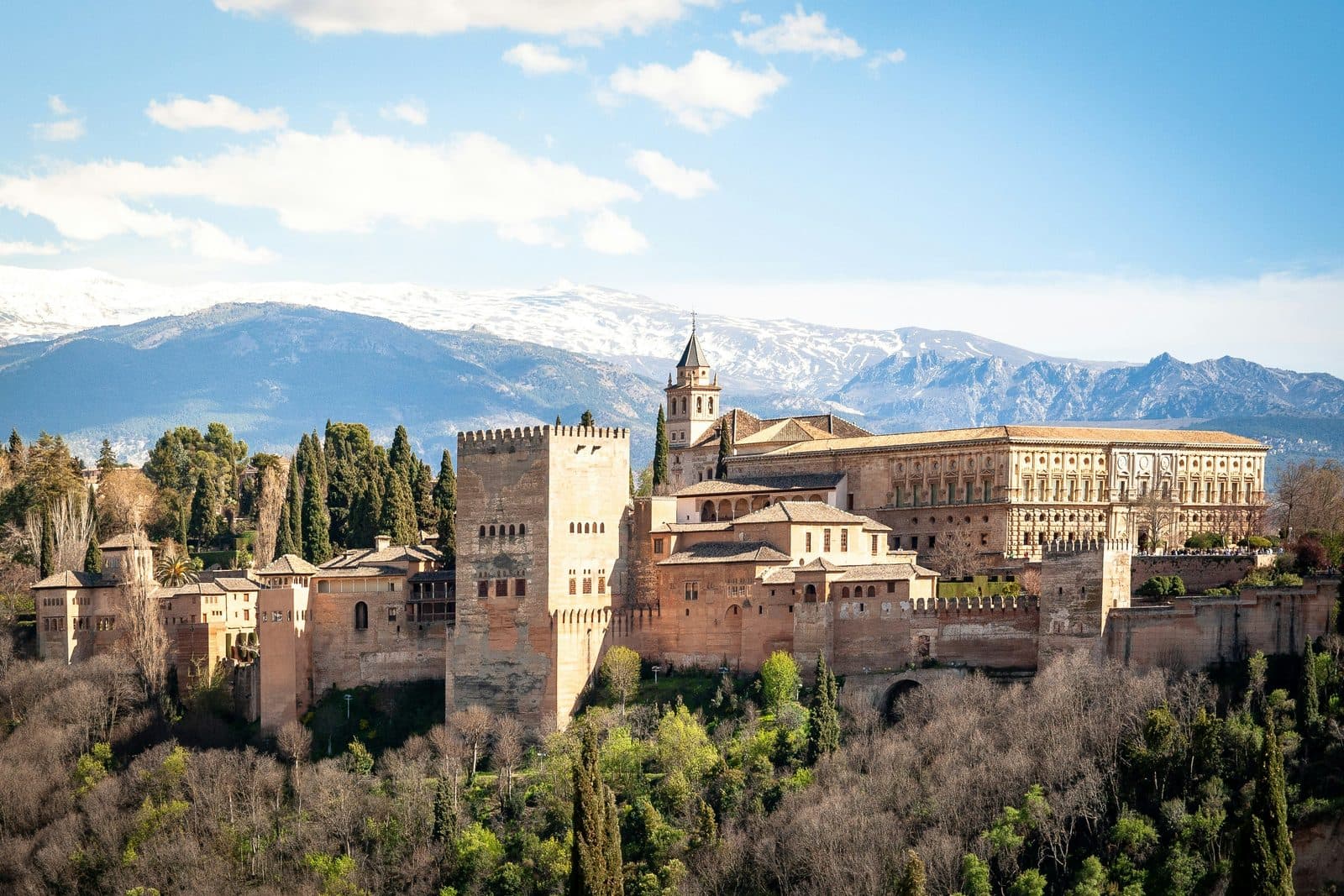
The Mirador de San Nicolás is the most photographed view in Granada. Most visitors come up here for the Alhambra across the river Darro. The Albaicín is the other way: the hillside under your feet, eight hundred years of continuous urban fabric, the actual subject of this walk.
The thesis is that the Albaicín is a continuous eight-hundred-year urban fabric, not a reconstruction. Streets laid down by the Nasrids in the thirteenth and fourteenth centuries. Cisterns built by the Zirids in the eleventh. Houses rebuilt by morisco converts in the sixteenth. Churches inserted into mosque foundations after fourteen ninety-two. And a hillside-wide scientific restoration carried out by Leopoldo Torres Balbás between nineteen twenty-three and nineteen thirty-six. The Alhambra and the Albaicín are two halves of one UNESCO inscription, number three hundred and fourteen, extended on the seventeenth of November, nineteen ninety-four to include this hillside as a Hispano-Muslim medieval city.
By the end you will read the hillside in five technical terms: aljibe, the covered cistern. Carmen, the walled-garden house. Casa-patio, the Granadan dwelling built around an inner reflecting pool. Sahn, the open courtyard of a mosque. Tapial calicastrado, the rammed-earth construction substrate of Nasrid walls. The Albaicín is what Barcelona's Barri Gòtic pretends to be.
The walk is seven stops, about two point one kilometres, and roughly one hundred and five minutes, downhill east to west across the slope. It opens at Plaza San Nicolás and closes at the Iglesia de San Salvador. When you arrive at the Mirador de San Nicolás, begin with stop one.
1. Plaza San Nicolás: The Hillside Under Your Feet
You are at Plaza San Nicolás, on the rim of the upper Albaicín. The Alhambra is across the gorge to your south. On this side, the white-walled hillside falls away in narrow stepped streets toward the river Darro.
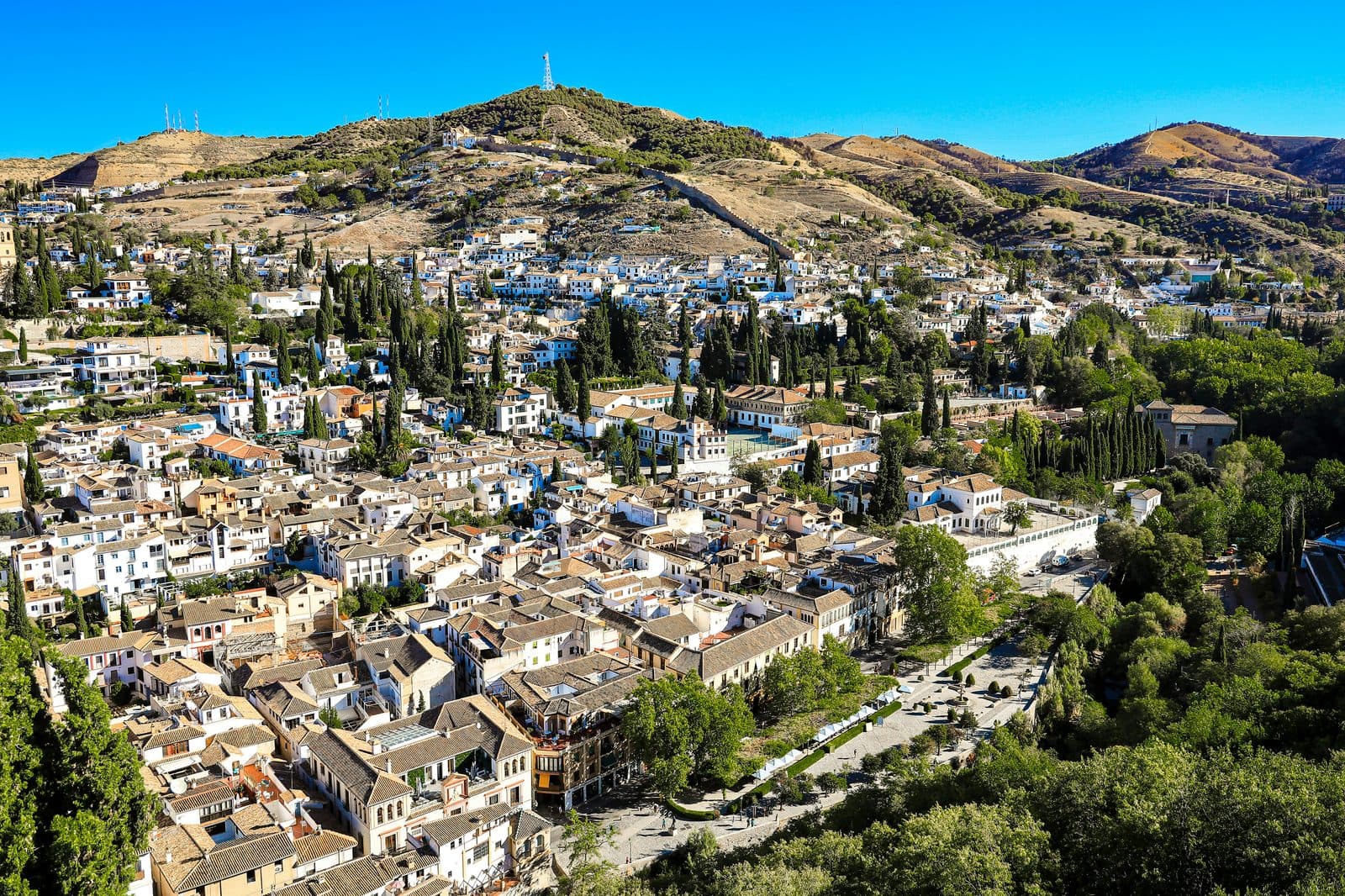
Read the slope first. The Albaicín is one continuous parcel of medieval fabric. The street pattern is Nasrid, thirteenth to fifteenth centuries. Dwellings turn inward, away from the street. Many parcels are cármenes, walled-garden houses where a high wall along the street hides a private orchard and a casa-patio inside. The carmen is the Albaicín's signature urban grammar: not the public street, but the private inward garden behind it.
The perimeter of this medieval fabric is held by a Nasrid wall called the Cerca de Don Gonzalo. Over one kilometre of it still stands, built in tapial calicastrado, rammed earth packed in timber forms and bound with lime mortar. The wall is the substrate the entire hillside sits inside.
One block from this square stands the New Mosque of Granada, opened in two thousand and three. A twenty-first-century symbolic return. This tour does not stop there. We hold the eight hundred years of medieval fabric between the Zirid foundation of Granada in ten thirteen and that twenty-first-century return, and we read them downhill.
Turn now to the small Mudéjar church on the north edge of the square. That is your next stop.
2. Iglesia de San Nicolás: Christian Insertion on a Moorish Footprint
You are facing the Iglesia de San Nicolás. Mudéjar style. Brick. Squat. The square tower at the corner is the audio anchor.
The completion date is fifteen twenty-five. The master builder is Rodrigo Hernández. The construction sits on the foundations of the former mezquita azitiní, the neighbourhood mosque of this part of the upper Albaicín. The mosque-to-church identification was established by the Granadan archaeologist Manuel Gómez-Moreno in eighteen ninety-two. The square brick tower above you, added around fifteen forty-three, recalls the form of a Hispano-Muslim alminar, the minaret tower, not the form of a Christian campanile.
The Castilian crown took Granada in fourteen ninety-two. Mosques across the Albaicín were converted to churches over the following decades. Demolition was expensive. Existing fabric was useful. The mosque foundations became the church foundations. The alminar base became the bell tower base. The orientation was reset to the Christian east. The church is sitting inside the Moorish footprint. The tower on top is speaking the architectural language of the building underneath it.
This is the first of two mosque-to-church palimpsests on the corridor. Stop seven holds the second, and the most legible.
From the square, walk north up Callejón de San Cecilio toward the Mirador de San Cristóbal. We are dropping back a thousand years, to the water grammar everything else sits on.
3. Aljibe del Rey: The Zirid Water Grammar
You are at the Aljibe del Rey, on Carril de la Lona in the north Albaicín. The structure is mostly underground. The surface entrance is a stone wellhead under a small canopy, with the interpretation centre alongside.
The word is aljibe. It means a covered cistern, a subterranean water-storage chamber sealed against evaporation. This one holds three hundred cubic metres. It is the largest aljibe in the Albaicín, built in the eleventh century under the Zirid emir Badis ibn Habus, who reigned in Granada from ten thirty-eight to ten seventy-three.
The hillside cannot sustain habitation without water, and the Albaicín slope has no river of its own. The Zirids solved that by building the Aynadamar channel, a ten-kilometre aqueduct running from Fuente Grande, at the village of Alfacar to the north, to the upper hillside. The channel fed a network of aljibes across the slope. Every later period, Almohad, Nasrid, morisco, Christian, sits inside that eleventh-century hydrological order.
The Aljibe del Rey itself was restored by the Ayuntamiento de Granada in nineteen eighty-eight, taken over by the AguaGranada Foundation in two thousand and eight, and reopened by Queen Sofía in two thousand and nine as the Albaicín's water-system interpretation centre. The masonry you are standing over is original Zirid.
Walk east and downhill now, through the street network toward the Camino del Sacromonte. The next stop is the morisco-period rebuild on a fourteenth-century Nasrid substrate.
4. Casa del Chapiz: The Morisco Rebuild on a Nasrid Substrate
You are at the Casa del Chapiz, on Cuesta del Chapiz at the fork with the Camino del Sacromonte. Two adjoining houses behind a high garden wall. From the street you see the upper storeys; the courtyard plan sits behind the wall. The substrate is fourteenth-century Nasrid, with…
Full narration for this stop unlocks with the tour.
5. Casa de Zafra: The Surviving Nasrid Casa-Patio
You are at the Casa de Zafra, on Calle Portería de la Concepción on the south slope of the Albaicín. The street facade is plain. The architecture sits inside. Inside is a casa-patio. The canonical Granadan dwelling. A rectangular courtyard with a long reflecting pool down the…
Full narration for this stop unlocks with the tour.
6. El Bañuelo: The Zirid Hammam and Torres Balbás's Conservation Method
You are at El Bañuelo, also called the Baños del Nogal, on Carrera del Darro. The Alhambra walls are immediately across the water. Inside, four chambers in sequence. A cool room with horseshoe arches. A warm room. A hot room over a hypocaust floor that channelled hot air from a…
Full narration for this stop unlocks with the tour.
7. Iglesia de San Salvador: The Only Surviving Mosque Sahn in Granada
You have arrived at the Iglesia de San Salvador, on Plaza del Salvador in the central Albaicín. The entry portal of fifteen forty-three was completed under the direction of Diego Siloe and attributed to the sculptor Esteban Sánchez. Underneath the church is the Almohad Great…
Full narration for this stop unlocks with the tour.