Albaicín: 800 Years on a Hillside
105 min · 2.1 km · moderate
Here is the single most useful thing to know about eating in Granada: order a drink and food arrives with it, free. No menu, often no choice, no upcharge. A small beer or a glass of wine comes with a plate, and the next drink comes with a different plate. This is not a tourist gimmick or a happy hour. It is a genuine surviving custom, and it should change how you plan your evenings, especially after an afternoon walking the Albaicín tour, because the best tapas bars sit in the streets right below that hill.
Granada kept what the rest of Spain dropped
Across most of Spain, tapas are food you order and pay for. Granada is one of the last cities where the older custom holds: the tapa comes free with the drink. A handful of other Andalusian cities, Jaén, Almería, parts of Cádiz, kept it too, but Granada is the one it is most famous for. The word itself comes from the Spanish verb tapar, to cover, and the oldest version of the tradition was a literal cover: a slice of bread or ham laid over the top of a glass to keep flies out and, the stories say, to slow down the drinking. Whatever the exact origin, the surviving practice in Granada is that the drink buys the food.
How it actually works at the table
Hear a stop from this walk
El Bañuelo: The Zirid Hammam and Torres Balbás's Conservation Method
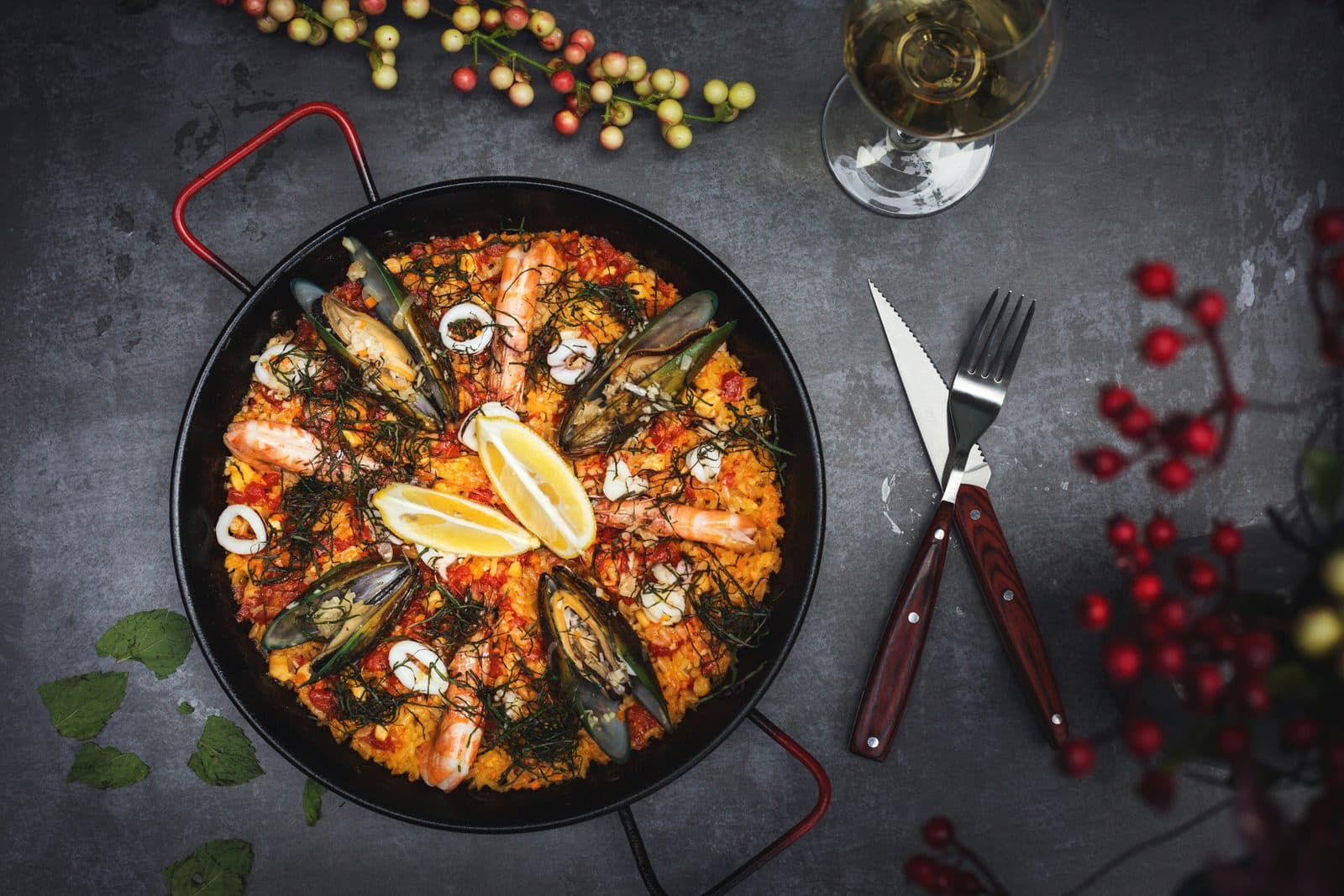
Walk into a traditional bar, order a drink, and wait. At the most old-fashioned places, you do not choose the tapa. The kitchen sends out whatever it is making, and it rotates: a plate of cured ham with the first round, a small stew with the second, a bit of fried fish with the third. Part of the pleasure is not knowing. Some bars have modernized and let you pick from a short list, but the classic move is to trust the bar. Order a second drink and a new plate arrives, which is the mechanism that turns a night out into an actual dinner.
The practical upshot: order drinks, not food. Visitors used to paying for tapas sometimes sit down and order a plate directly, which quietly opts them out of the whole custom. The trick is to bar-hop. One drink per bar, eat what comes, move to the next. Four or five stops is a full and varied meal, and you will have seen four or five different rooms doing it.
Why the free tapa is really a social machine
The tradition survives because it does something beyond feeding you cheaply. The free tapa is what keeps you at the bar long enough for the bar to do its real job, which is being the corner of the neighborhood where people run into each other. You stay for a second drink because a second plate is coming, and in that extra twenty minutes you overhear the argument at the next table, greet the person who just walked in, and become, briefly, part of the street. The food is the reason to linger, and the lingering is the point. That is exactly the texture of daily Granada life that the walking tours are built around, from the everyday medieval streets of the Albaicín to the caves of Sacromonte where the neighborhood culture still gathers at night.
Where to do it
The natural rhythm is to walk in the daylight and eat in the evening. Come down off the Albaicín in the late afternoon and the streets below the hill are thick with bars, along with Calle Elvira and, on the other side of the center, Calle Navas, a street more or less dedicated to the ritual. Order a drink, see what arrives, and repeat down the block.
A custom under quiet pressure
It is worth knowing the tradition is not guaranteed forever. It costs bars money, and the pressure of tourism and rising costs has led some owners, and at one point the mayor of Granada, to question whether the free tapa is sustainable. Most traditional bars still honor it, and it remains one of the genuine pleasures of the city, but it is a living custom rather than a museum piece. Which is all the more reason to do it properly while you are here: walk the hill in the Albaicín tour, then drop into the streets below and let the bar decide what you eat.
Frequently asked questions
- Are tapas really free in Granada?
- Yes. In Granada, ordering a drink at most traditional bars gets you a plate of food at no extra charge. This is unusual in Spain, where tapas are normally paid for separately. Granada, along with a few other Andalusian cities like Jaén and Almería, kept the older free-tapa custom alive.
- How does the free tapa work? Do I get to choose it?
- Usually not. At the most traditional places the kitchen decides what comes with your drink, and it often changes with each round, so a second drink brings a different plate. Some bars have moved toward letting you choose from a list. The classic experience is to trust the bar and see what arrives.
- How do I eat a full meal on free tapas?
- You bar-hop. Order one drink at each stop, eat the tapa that comes with it, then move on to the next bar for a different drink and a different plate. A few rounds across several bars adds up to a full, varied dinner. Ordering drinks rather than food is the whole trick.
- Where is the best area for tapas in Granada?
- The streets below the Albaicín, and around Calle Elvira and Calle Navas, are dense with traditional tapas bars. Walking the Albaicín in the late afternoon and dropping down into these streets for the evening is the natural rhythm of a day in Granada.
Ready to experience it?
Albaicín: 800 Years on a Hillside
105 min · 2.1 km · moderate
More from Granada
Explore more at your own pace.
Granada 1492: The Hinge Year You Are Standing On
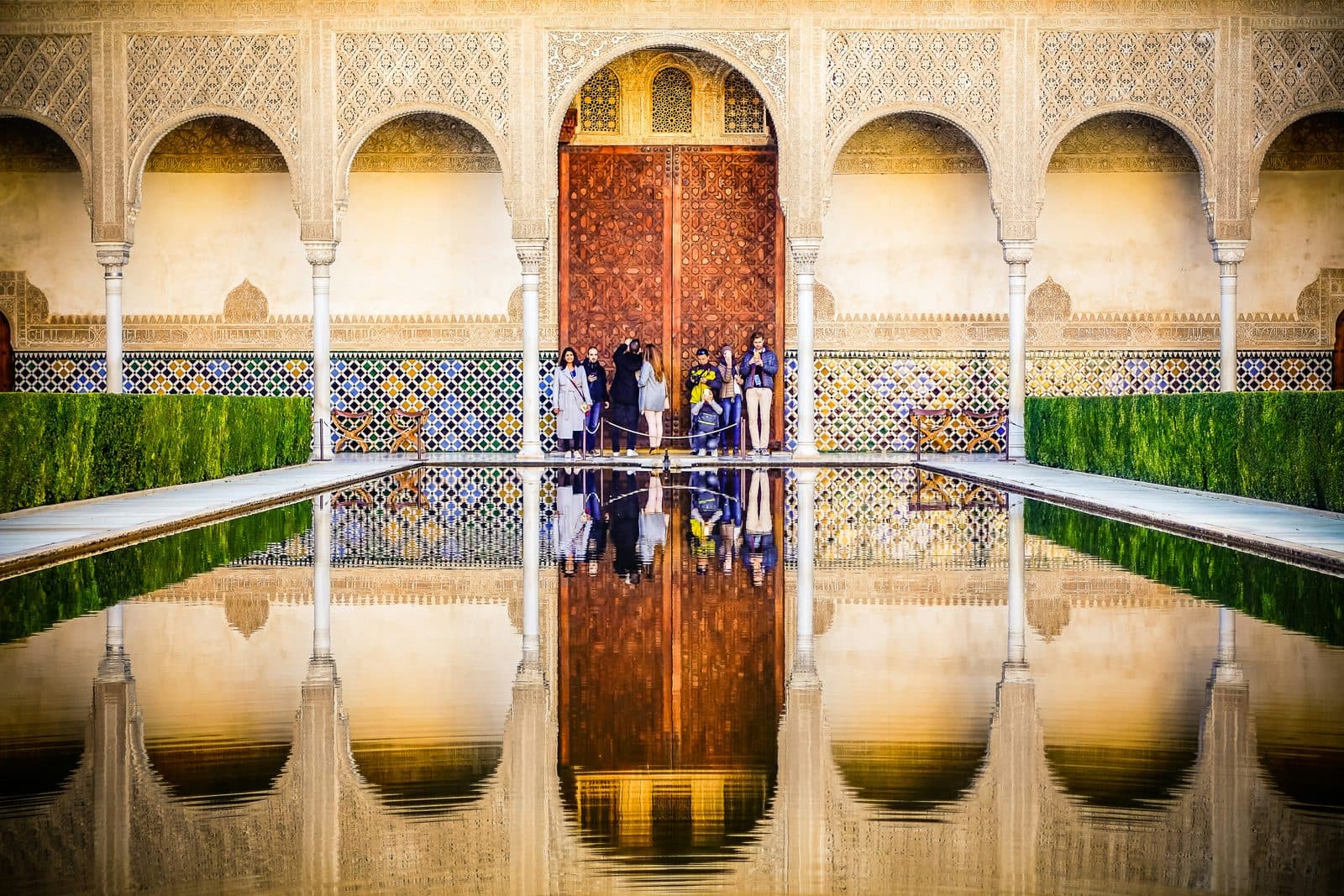
How to Read the Alhambra: The Seven Elements of a Nasrid Sentence
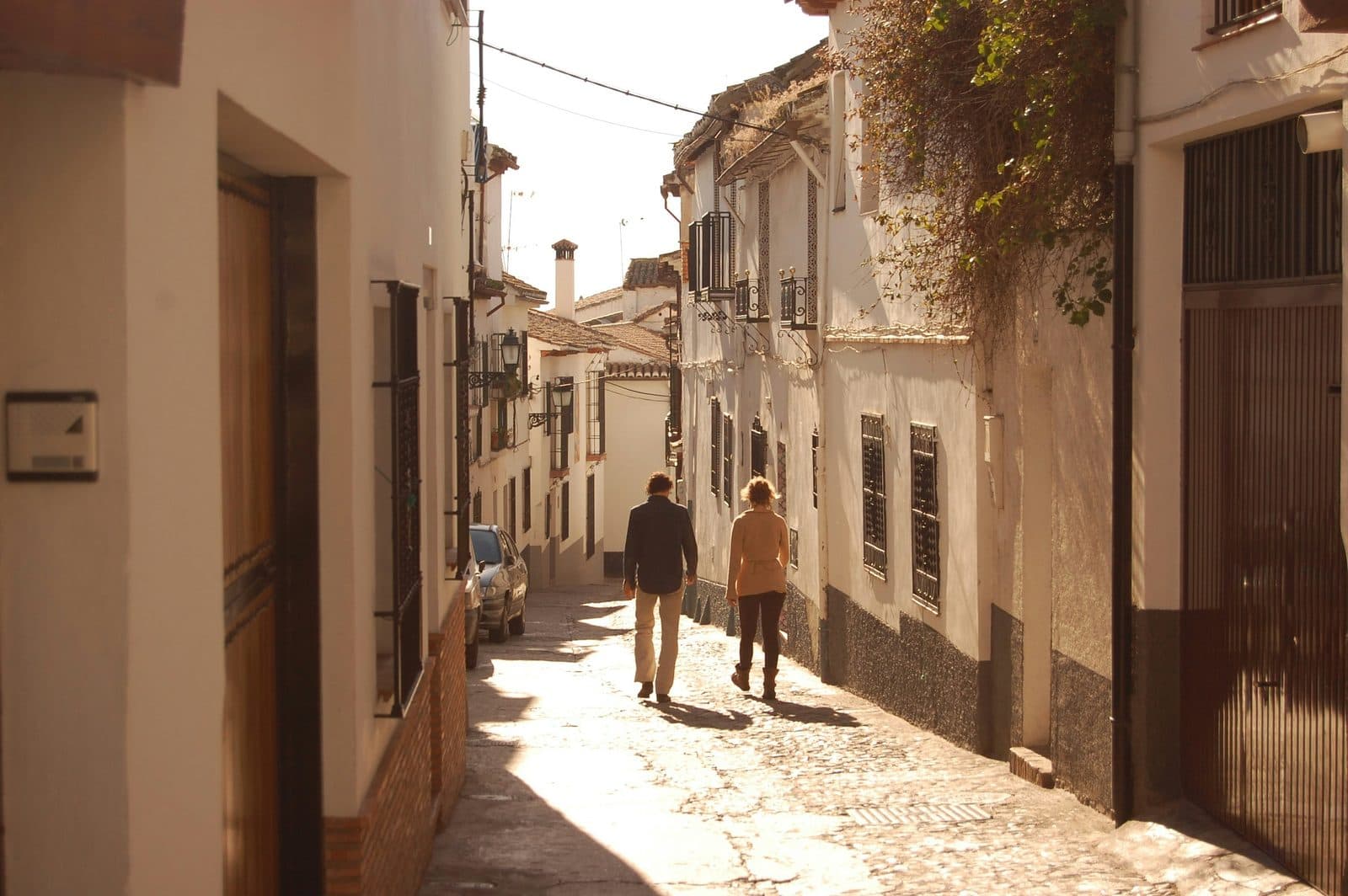
Sacromonte: Where Two Losing Sides Made a New Culture in the Caves
The Albaicín Is the Real Thing the Barri Gòtic Only Imitates
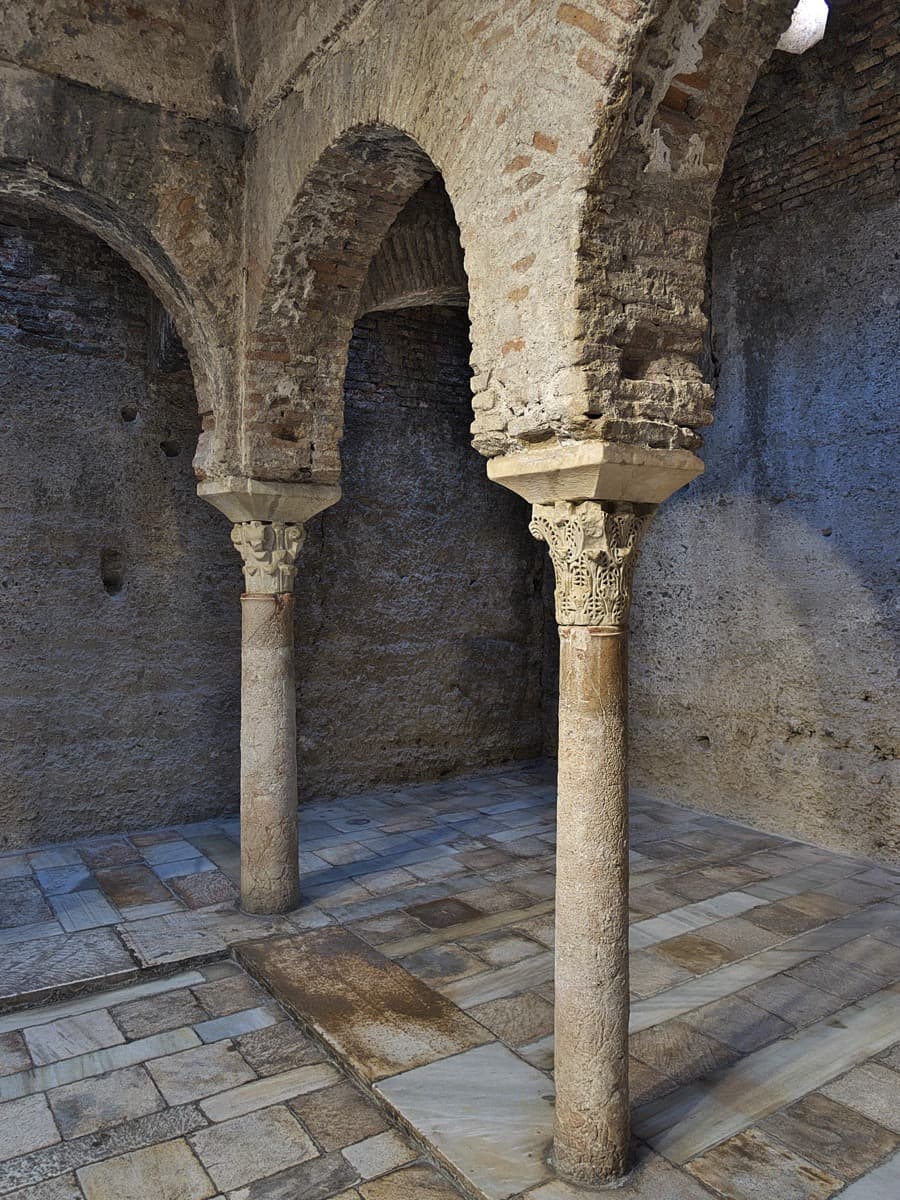
El Bañuelo: The Eleventh-Century Bath That Survived by Hiding in Plain Sight