Historic Center: The Old Town Rebuilt from Fire
75 min · 2.8 km · moderate
Copenhagen reads as a medieval harbour capital, but its old town is largely a Neoclassical city rebuilt after catastrophe, and its story keeps circling one motion: a crown draws an order in stone, fire or the sea unmakes it, and the city raises it again. Bishop Absalon fortified the little island of Slotsholmen in eleven sixty-seven, and Copenhagen grew outward from that fortress into a royal seat of green copper spires and dug canals. What looks ancient along the cobbles is often nineteenth-century reconstruction. What looks purely picturesque, the coloured quay and the golden spire, was engineered on purpose. Read the three walks together and the whole harbour capital resolves into a single argument: order imposed, order lost, order remade, told plainly and at your own unhurried pace.
The old town is a city rebuilt from fire
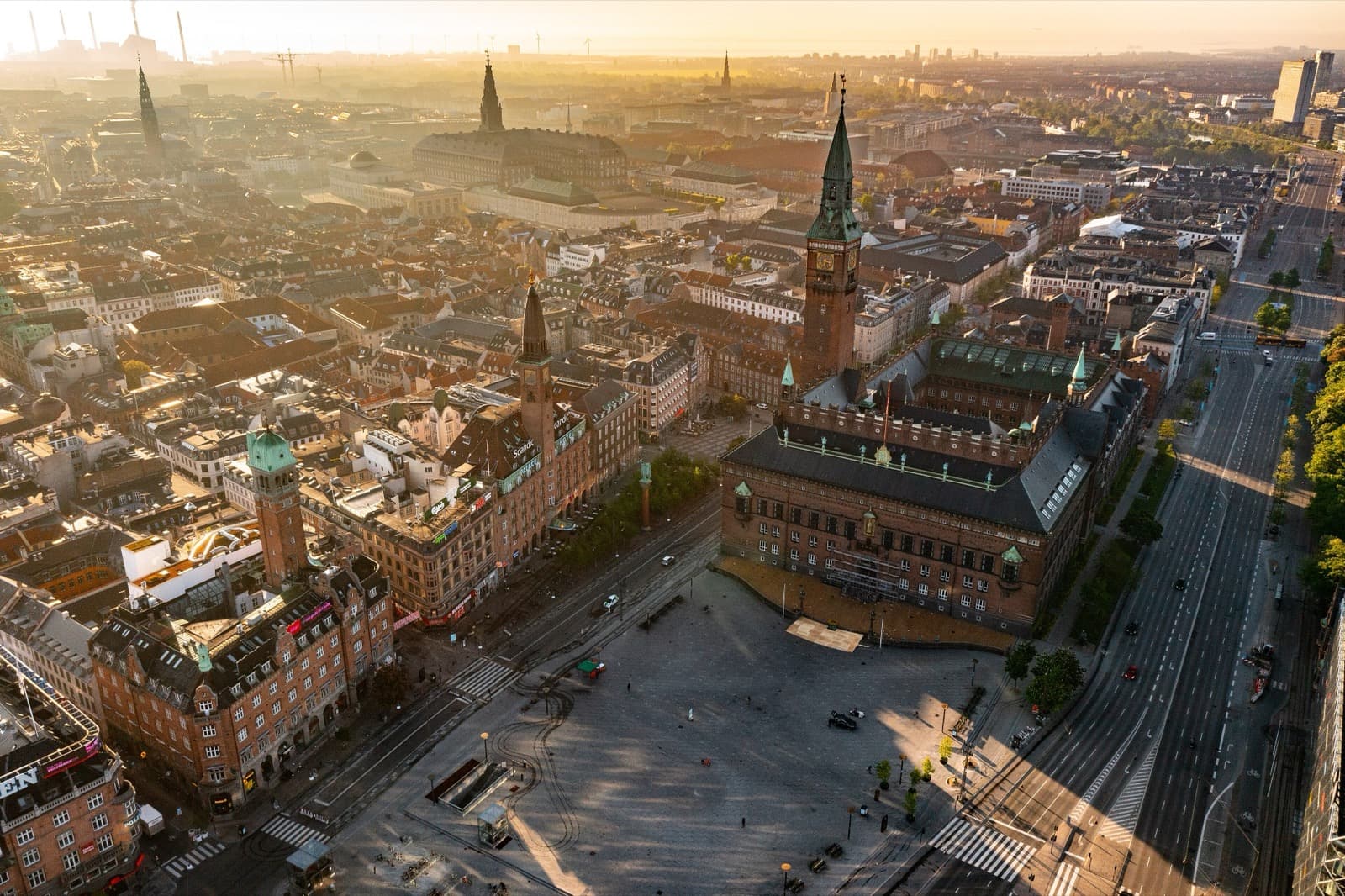
Start where the surprise is sharpest. The Historic Center walk runs about three kilometres from the wide City Hall Square east along Stroeget to Rosenborg, and its whole point is that the medieval-looking core is not intact. The merchant town Absalon founded burned repeatedly. The great fires of seventeen twenty-eight and seventeen ninety-five, and the British naval bombardment of eighteen oh seven, destroyed much of it, so the streets you follow are a Neoclassical city laid over the old street plan.
The clearest evidence is the cathedral. A church has stood on the ground of Vor Frue Kirke, the Church of Our Lady, since the Middle Ages. During the Napoleonic Wars a British fleet bombarded Copenhagen to seize the Danish navy, and British gunners are recorded to have used the cathedral's tall tower as a range marker. The tower caught fire and the cathedral burned to the ground. From the ruin came the severe Neoclassical building by Christian Frederik Hansen, its cornerstone laid in eighteen seventeen and reconsecrated in eighteen twenty-nine, now holding Bertel Thorvaldsen's white Carrara-marble Christ and the Twelve Apostles. Nearby, the University of Copenhagen, founded on the first of June, fourteen seventy-nine, and its Latin Quarter were heavily damaged the same night in eighteen oh seven, with the new main building inaugurated in eighteen thirty-six.
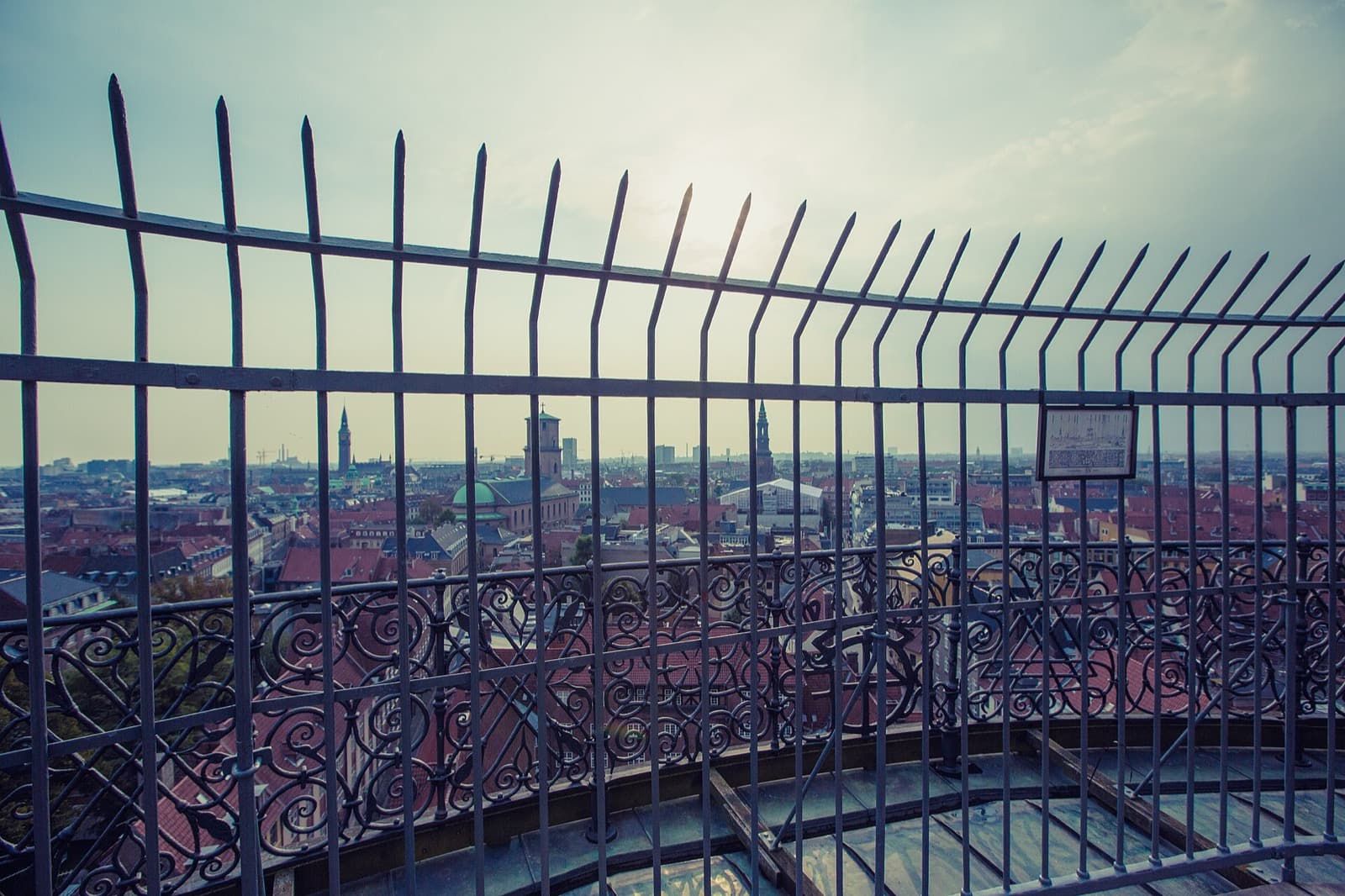
Against all that stand two survivors from the age of King Christian the Fourth. Rundetaarn, the Round Tower, built between sixteen thirty-seven and sixteen forty-two, rises by an equestrian spiral ramp of seven and a half turns rather than stairs, described by its own authorities as Europe's oldest functioning observatory building. And Rosenborg Slot, his Dutch Renaissance castle beyond the old ramparts, has been a public museum since eighteen thirty-eight and keeps the Danish crown jewels, including the Sword of State from fifteen fifty-one, the oldest piece of regalia. Fire took the town around them; these two the flames never took.
The harbour is a city drawn on purpose
Hear a stop from this walk
The Round Tower: Christian the Fourth's Spiral to the Stars
If the old town is unplanned ground remade after disaster, the royal quarter is the opposite: a Copenhagen ordered into being by design. The Nyhavn and Royal Quarter walk covers about four kilometres and reads the city as a plan. King Christian the Fifth drove the great round square of Kongens Nytorv through the medieval tangle in sixteen seventy, in the spirit of Parisian royal planning, and set his equestrian statue, raised in sixteen eighty-eight, at the hub. In the same royal decade he had Nyhavn dug straight into the city so ships could unload cargo in the centre of town, the work done partly by Swedish prisoners from the Dano-Swedish War of sixteen fifty-eight to sixteen sixty. The oldest house on the canal, number nine, dates from sixteen eighty-one. That painted, most-photographed quay began as a rough sailors' quarter of taverns and lodgings, and Hans Christian Andersen lived on it, at number sixty-seven from eighteen forty-eight to eighteen sixty-five.
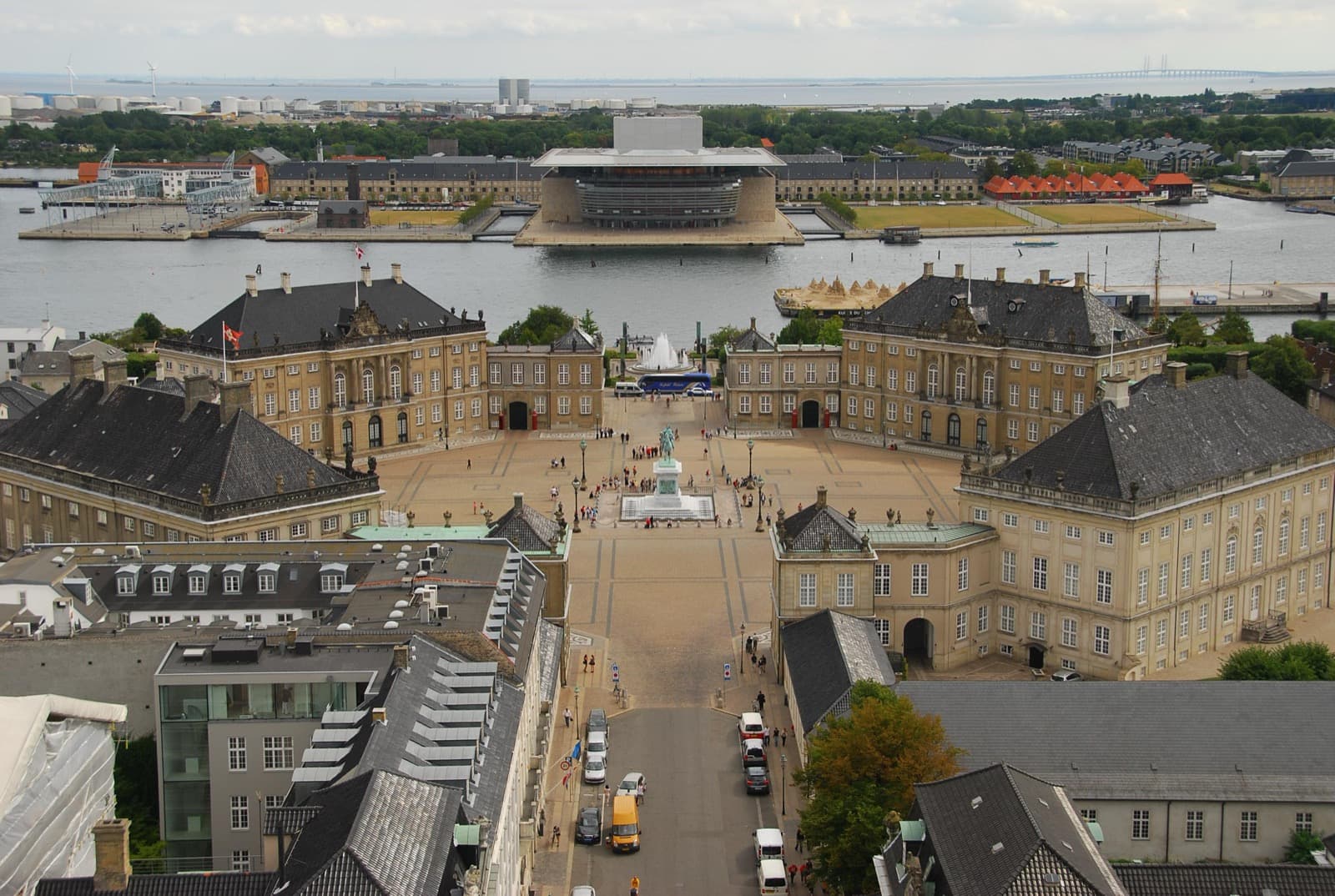
North of the canal the plan tightens into Frederiksstaden, the rococo district laid out under King Frederik the Fifth around the planning year of seventeen forty-nine. Amalienborg is four matching palaces set around an octagonal square, still the monarch's winter home, occupied only after the first Christiansborg burned in seventeen ninety-four. The axis closes on the domed Marble Church, whose foundation stone was laid in seventeen forty-nine but which stood a ruin for well over a century until the financier Carl Frederik Tietgen bought it and paid for its completion, inaugurated in eighteen ninety-four. What a king could not finish, finance did.
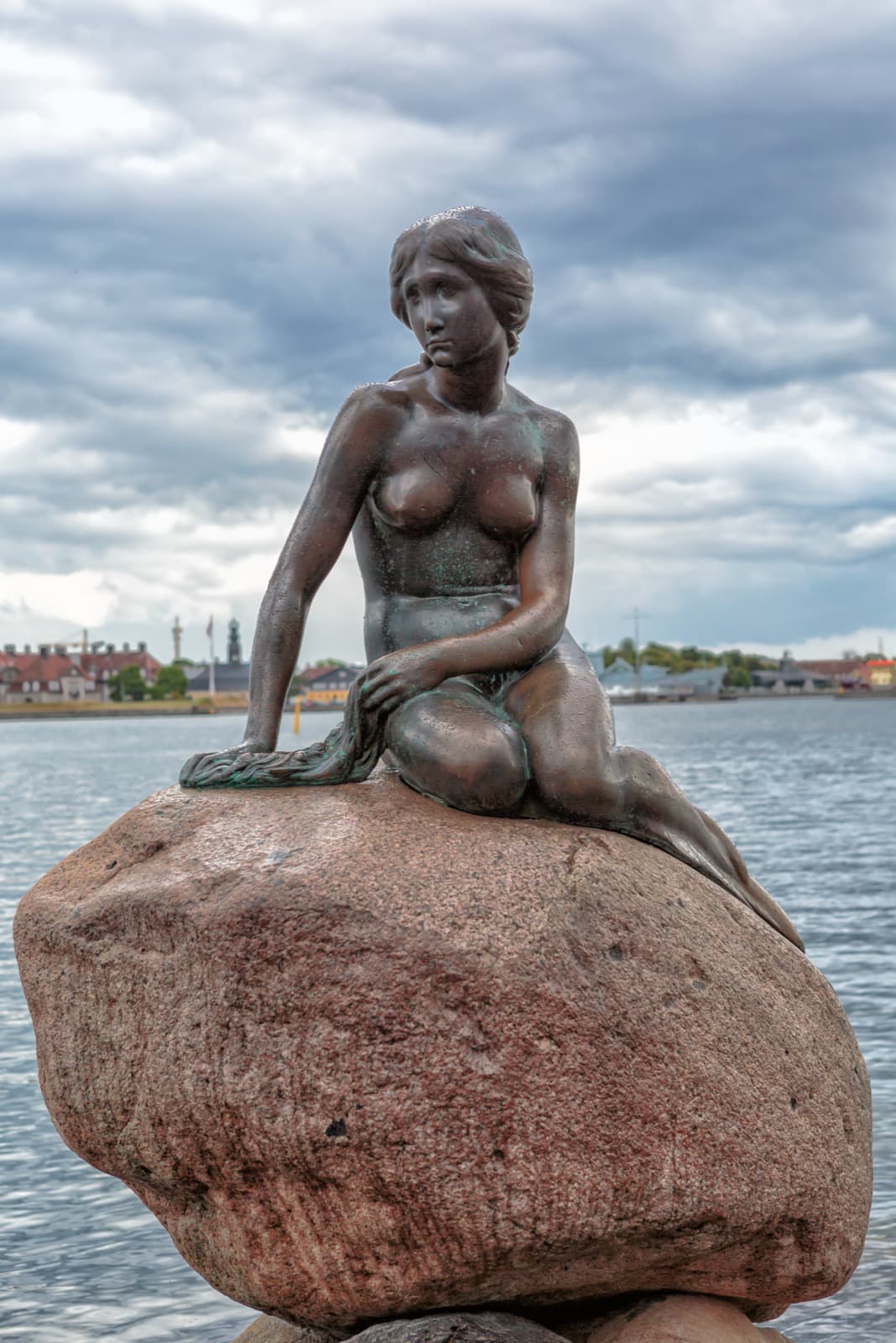
The walk carries the harder record too. Past the Gefion Fountain and out to Kastellet, the five-bastion star fortress built between sixteen sixty-two and sixteen sixty-four, lies a shore bound to October nineteen forty-three. When word reached the resistance of a planned round-up, ordinary Danes ferried people across the Sound to neutral Sweden. About seven thousand Jews and some seven hundred non-Jewish relatives reached safety; about four hundred and eighty-two, mostly elderly and sick, were caught and deported to Theresienstadt. The walk ends on Edvard Eriksen's small bronze Little Mermaid, unveiled on the twenty-third of August nineteen thirteen and drawn from Andersen's eighteen thirty-seven tale, looking out to sea.
The island of power answers the improvised town
The third walk returns to where everything began and stages the city's deepest tension across a strip of water. The Slotsholmen and Christianshavn walk covers about three kilometres. On the island of state sits Christiansborg, the third palace of its name, built between nineteen oh seven and nineteen twenty-eight over the excavated ruins of Absalon's eleven sixty-seven fortress. It houses parliament, the Prime Minister's Office, and the Supreme Court under one roof, a combination found in no other building in the world, its tower the tallest in Copenhagen at about one hundred six metres. Fire is written into the whole island: the first Christiansborg burned in seventeen ninety-four, the second in eighteen eighty-four, and Boersen, King Christian the Fourth's Dutch-Renaissance stock exchange with its intertwined four-dragon spire, lost roughly half its fabric and its spire to a fire on the sixteenth of April, twenty twenty-four, with reconstruction begun the same year. Burned and raised again is the island's quiet refrain.
Across the harbour lies the world the same crown created and could never fully control. Christianshavn, founded from about sixteen eighteen on reclaimed marsh and planned on a Dutch grid by the engineer Johan Semp, was laid out for merchants and sailors, a small Amsterdam of canals and warehouses. Above it rises Vor Frelsers Kirke, the Church of Our Saviour, its spire completed in seventeen fifty-two by Lauritz de Thurah, carrying an external staircase of about four hundred steps that turns counterclockwise to a gilded Christ. And on the old ramparts sits Freetown Christiania, declared open on the twenty-sixth of September, nineteen seventy-one, a self-governing car-free community that a twenty eleven agreement let begin buying its land from the state. Order and improvisation, facing each other across the water.
That facing is the through-line of the whole capital. Whether you take one walk or all three, at your own pace, you are reading the same city: drawn by kings, unmade by fire and the sea, and raised again. Plan a route from the Copenhagen walking tours hub and set your own clock.
Sources
- Roamer tour transcript, "Historic Center: The Old Town Rebuilt from Fire" (fact-audited), covering the great fires, the eighteen oh seven bombardment, the Round Tower, and Rosenborg.
- Roamer tour transcript, "Nyhavn: The Royal Quarter and the Harbour of Coloured Houses" (fact-audited), covering Kongens Nytorv, Frederiksstaden, Kastellet, the nineteen forty-three rescue, and the Little Mermaid.
- Roamer tour transcript, "Slotsholmen: The Island of Power and the Spiral Spire" (fact-audited), covering Christiansborg, Boersen, Christianshavn, the Church of Our Saviour, and Freetown Christiania.
- Royal Danish Collection, on Absalon's eleven sixty-seven fortress on Slotsholmen and the Rosenborg regalia.
- Danish Architecture Center, on Frederiksstaden as a planned rococo quarter and the completion of the Marble Church.
Frequently asked questions
- Is Copenhagen's old town actually medieval?
- It looks medieval but is largely a Neoclassical city rebuilt after catastrophe. The great fires of seventeen twenty-eight and seventeen ninety-five and the British naval bombardment of eighteen oh seven destroyed much of it, so the cobbled streets are reconstruction laid over the old medieval street plan. The Round Tower and Rosenborg Castle are among the few genuine survivors.
- Why was Copenhagen bombarded in 1807?
- During the Napoleonic Wars a British fleet bombarded Copenhagen to seize the neutral Danish navy before it could fall to Napoleon. British gunners are recorded to have used the tall tower of the Church of Our Lady as a range marker, and the cathedral burned to the ground. It was rebuilt in Neoclassical form and reconsecrated in eighteen twenty-nine.
- Who founded Copenhagen and when?
- By tradition Bishop Absalon fortified the little island of Slotsholmen in eleven sixty-seven, and the city grew outward from that fortress. The ruins of Absalon's fortress and the later medieval castle survive in excavations open beneath the present Christiansborg Palace, which houses the Danish parliament, Prime Minister's Office, and Supreme Court.
- What happened to Denmark's Jews in October 1943?
- When word reached the Danish resistance of a planned German round-up, ordinary Danes ferried people across the Sound to neutral Sweden from harbour fronts near Kastellet and elsewhere. About seven thousand Jews and some seven hundred non-Jewish relatives reached safety over roughly three weeks. About four hundred and eighty-two, mostly elderly and sick, were caught and deported to Theresienstadt.
- Which Copenhagen church has a spiral staircase on the outside?
- The Church of Our Saviour in Christianshavn. Its baroque spire, completed in seventeen fifty-two by the architect Lauritz de Thurah, rises about ninety metres and carries an external staircase of roughly four hundred steps that winds counterclockwise up to a gilded figure of Christ. The climb is seasonal and closes in high wind.
Ready to experience it?
Historic Center: The Old Town Rebuilt from Fire
75 min · 2.8 km · moderate
More from Copenhagen
Explore more at your own pace.
Amalienborg and the Copenhagen a King Drew on Purpose
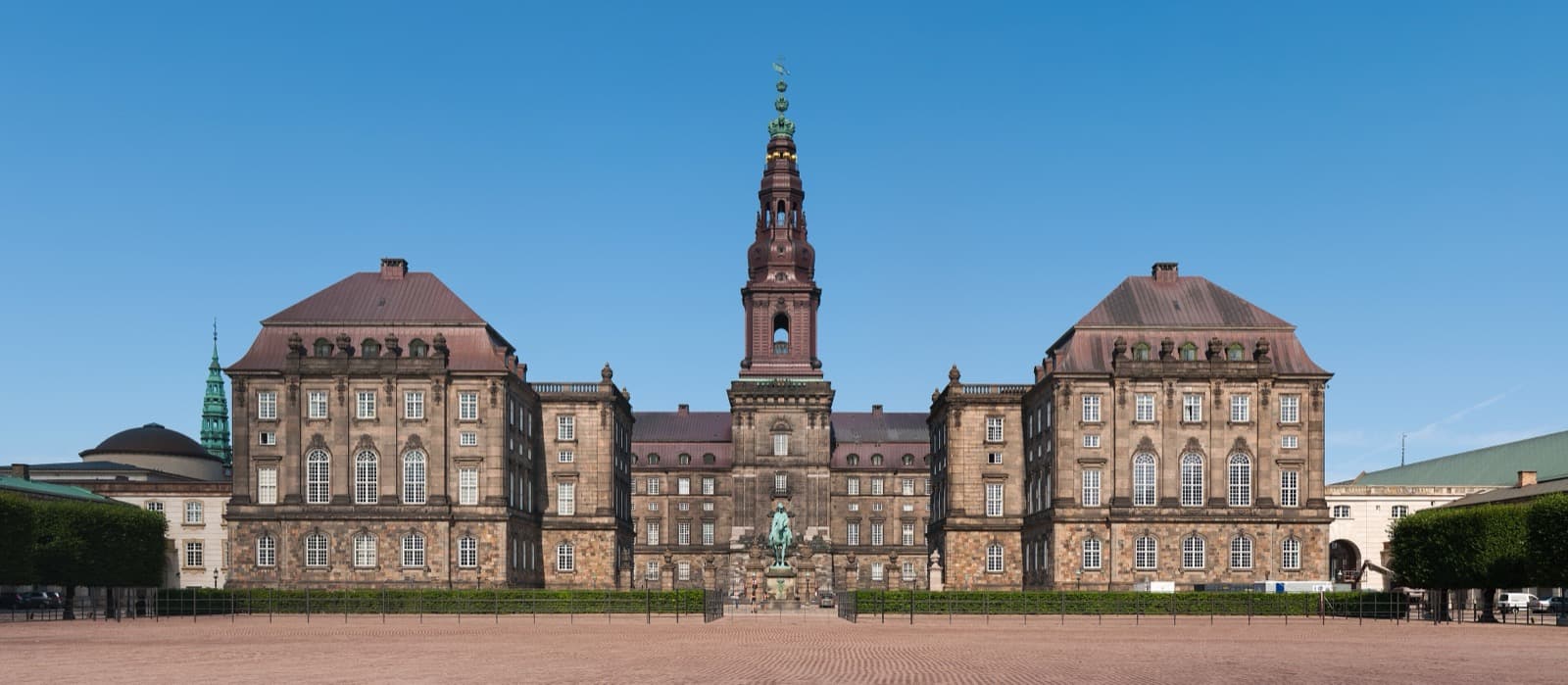
Christiansborg Palace and the Island Where Copenhagen Began
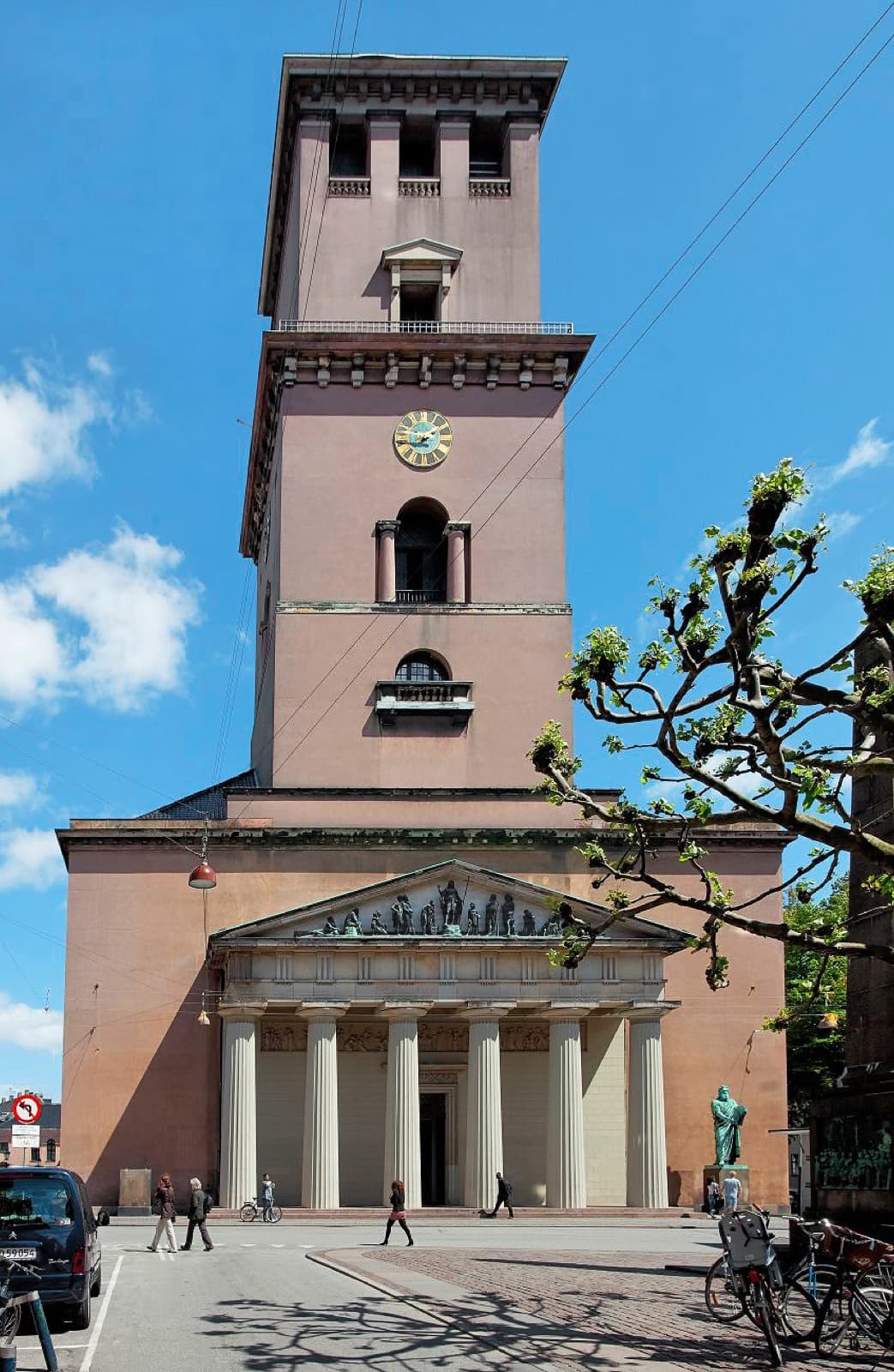
The Copenhagen Cathedral That Was Rebuilt from a Bombardment
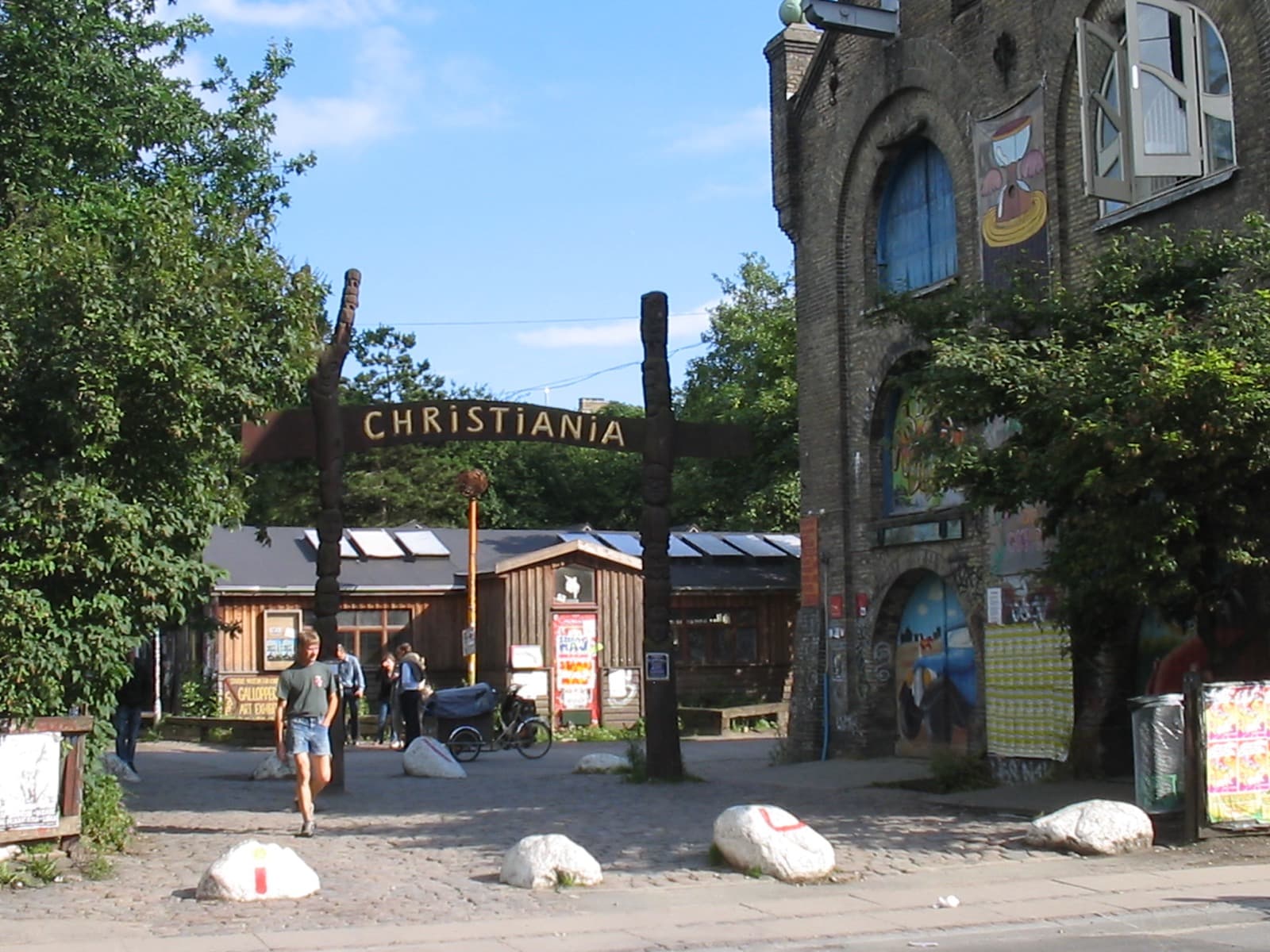
Freetown Christiania: Copenhagen's Free Town on the Old Ramparts
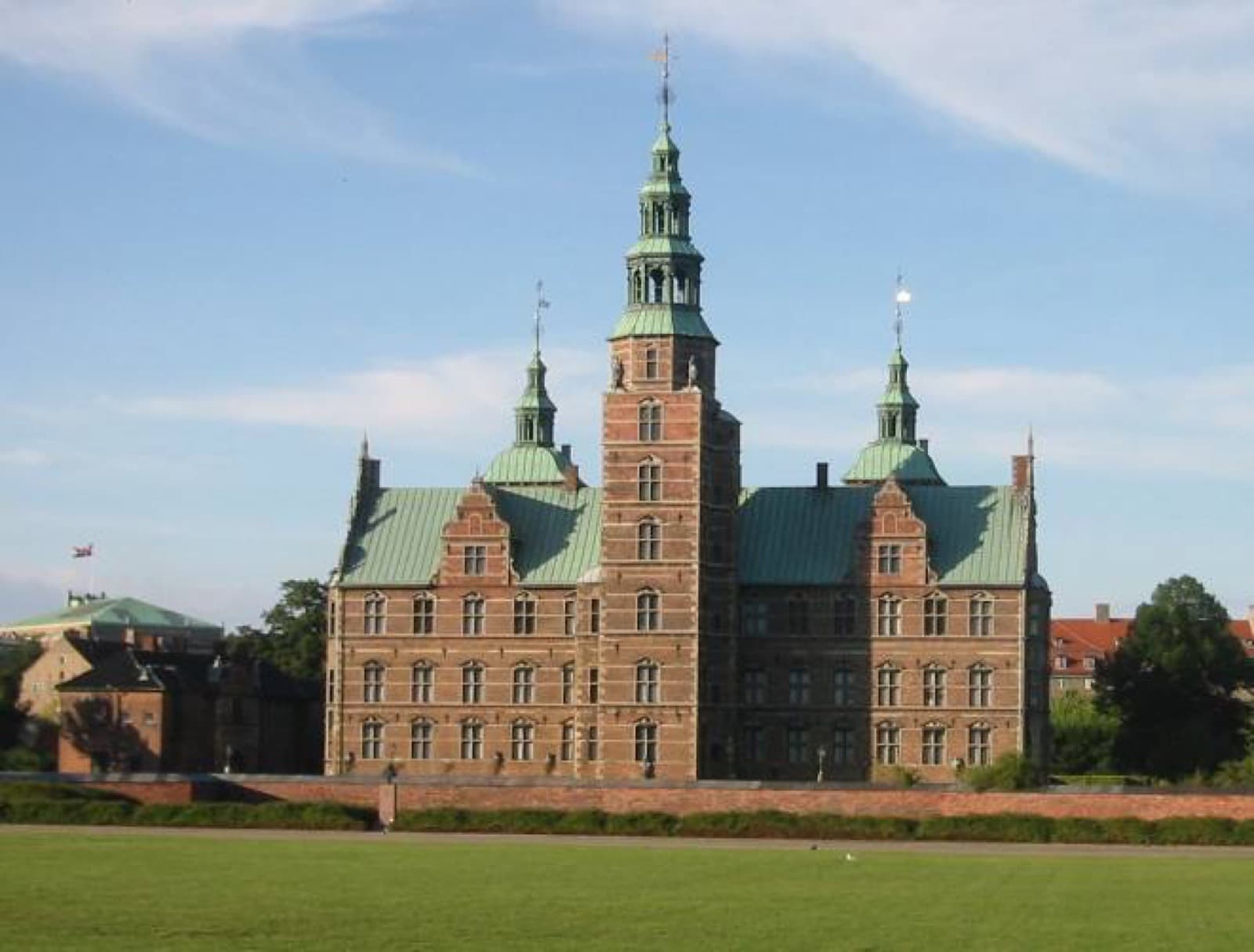
Rosenborg Castle: The Fairytale Fortress That Kept Denmark's Crown Jewels