Historic Center: The Old Town Rebuilt from Fire
75 min · 2.8 km · moderate
Copenhagen rewards two to three days on foot: the medieval old town, the royal quarter, and the little island where the city began all sit within a compact, walkable core, and a good self-guided walking tour connects them without a car. This guide answers the practical questions travelers actually ask before booking, how many days you need, how to get around, when to come, whether it is safe, and what it costs, all checked against current sources so you can plan with confidence. When you are ready to walk, our three Copenhagen walking tours map cleanly onto the city and pick up where this guide leaves off.
How many days do you need in Copenhagen?
Two full days cover the essentials, and three let you slow down. The historic center, the harbour, and the palace island are close enough that you can see each on foot in an unhurried half day.
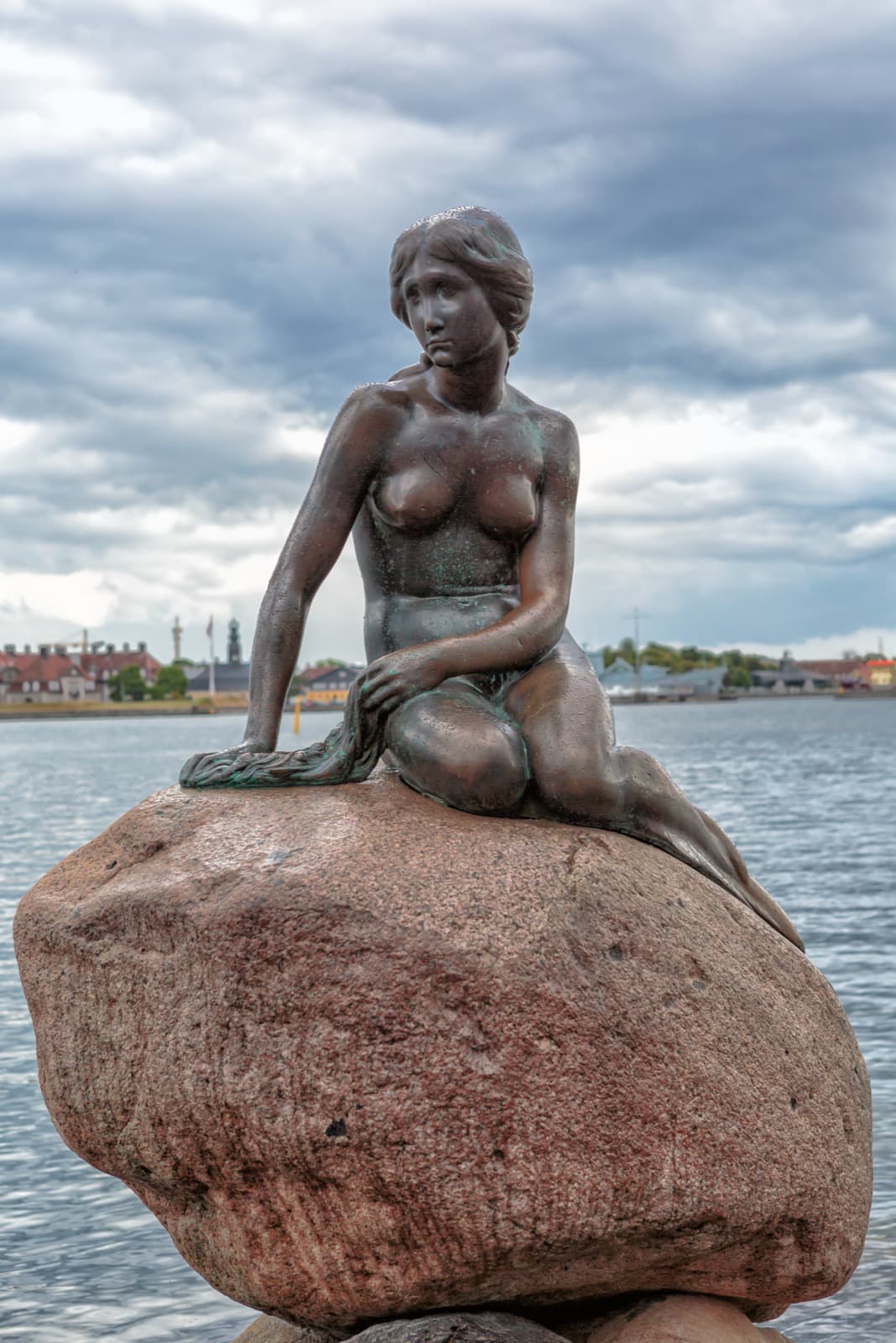
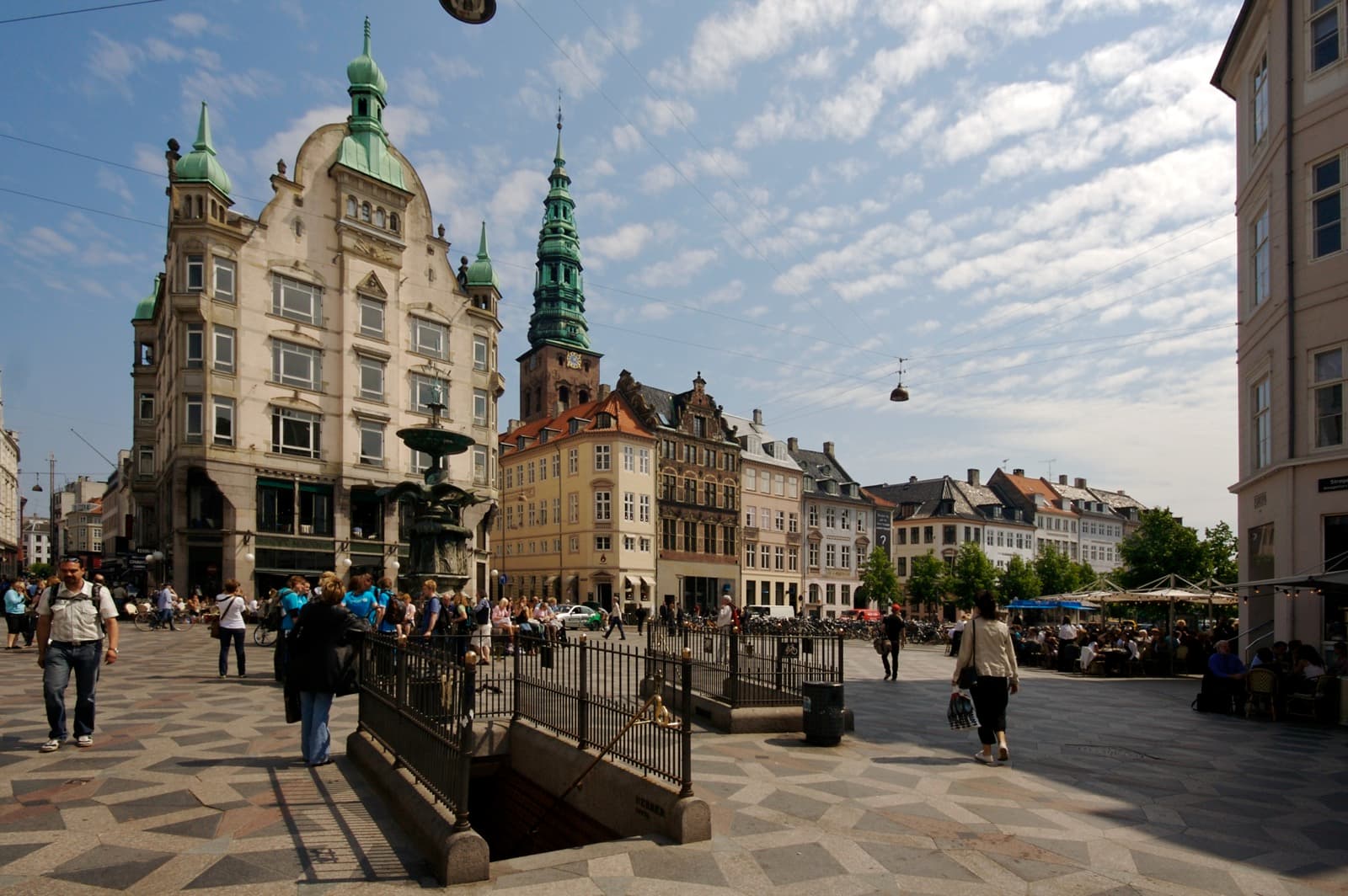
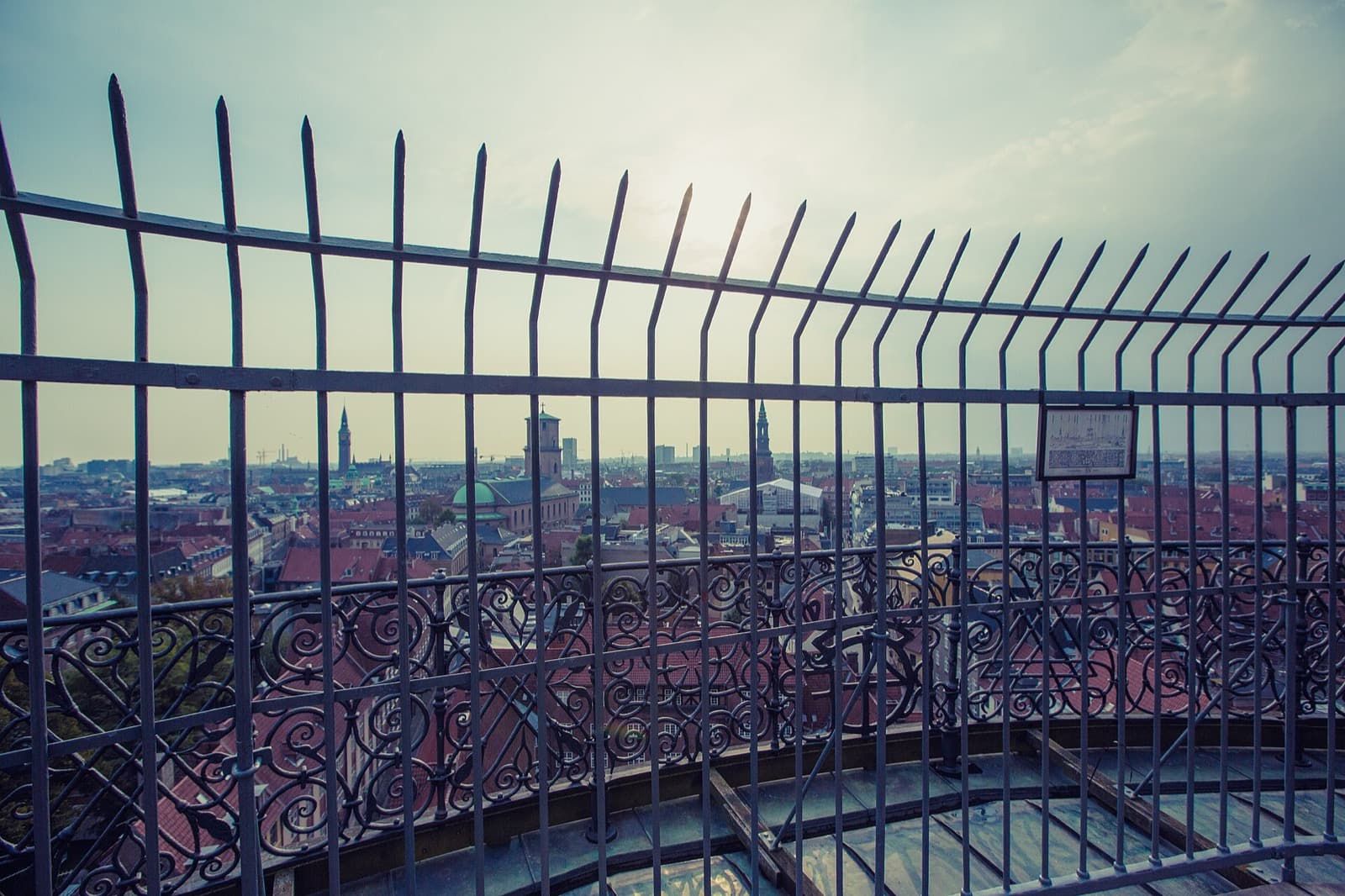
A natural three-day rhythm follows the way the city is actually built. Day one is the old town: City Hall Square, the Stroeget shopping street, Copenhagen Cathedral, the Latin Quarter around the university, and the Round Tower, the spiral you climb rather than a staircase. Day two is the royal quarter and the water: Kongens Nytorv, the coloured quay of Nyhavn, the four palaces of Amalienborg, the Marble Church, the star fortress of Kastellet, and the small bronze Little Mermaid looking out to the Sound. Day three is Slotsholmen and Christianshavn: Christiansborg Palace where parliament sits, the dragon-spired old stock exchange, the canal quarter that locals compare to Amsterdam, and the twisting golden spire of the Church of Our Saviour. That maps directly onto our three tours, each roughly 75 to 90 minutes of walking plus stops, so you can do one per morning and keep afternoons open.
If you only have one day, pick the old town core and Nyhavn: you will still get the medieval street plan, the towers, and the harbour in a single loop.
How do you get around Copenhagen?
Hear a stop from this walk
The Round Tower: Christian the Fourth's Spiral to the Stars
Walk first, cycle second, and use the metro to cover longer hops. The central sights sit within about a two to three kilometer radius, so most days you will barely need transit at all.
Copenhagen is one of the world's most bike-friendly cities, with hundreds of kilometers of separated bike tracks, dedicated signals, and clear right-of-way rules, which makes it forgiving even if you have not ridden in years. App-based rentals like Donkey Republic have pickup points across the city, and a standard city bike typically runs under 100 DKK for a full day, roughly 70 to 95 DKK depending on the provider (e-bikes cost a bit more). Ride on the right, signal with your arm, and stop behind the line at lights.
For transit, the metro runs around the clock, every day, with trains every few minutes at peak and reduced night frequency. Tickets, buses, the S-tog trains, the metro, and the yellow harbour buses all share one zone-based fare system. A single 2-zone ticket starts around 24 to 30 DKK depending on the ticket source. If you plan several rides in a day, a City Pass Small (zones one to four, airport included) starts around 100 DKK for 24 hours and is valid on metro, buses, S-tog, and harbour buses. Buy tickets through the official mobile ticketing app rather than looking for a physical card, since the old Rejsekort is being phased out in 2026. Confirm exact fares on the operator's site before you travel, as prices are adjusted periodically.
How do you get from the airport to the city center?
Take the metro. Copenhagen Airport (Kastrup) sits in fare zone 3, and the M2 metro line runs directly from the terminal into the center in about 15 minutes.
Because the airport is in zone 3, you need a ticket covering zones one to three, which is a single fare of roughly 30 DKK, or an all-zone City Pass if you will keep riding that day. The metro platform is a short signed walk from the arrivals hall, so this is usually faster and cheaper than a taxi.
When is the best time to visit Copenhagen?
Late spring through early autumn is the sweet spot, with May and September offering near-summer conditions and thinner crowds than peak July and August.
Summer (June to August) brings the warmest weather, roughly 17 to 22 degrees Celsius by day, and very long days, which is ideal for walking tours and canal-side evenings, but it is also the busiest and priciest stretch. The shoulder months of May and September keep the daylight generous while easing the crowds. Winter (November to February) is cold and short on light, with sunset around 4 pm in January and temperatures often near freezing, though it trades daylight for Christmas markets, candlelit cafes, and the local idea of hygge. Copenhagen's maritime climate can turn quickly in any season, so pack layers and something waterproof regardless of when you come. For our walking tours, a bright, dry morning in the shoulder season is close to perfect.
Is Copenhagen safe for travelers?
Yes. Copenhagen is consistently ranked among the safest cities in the world, and violent crime against visitors is rare. The realistic concern is petty pickpocketing in crowds, not personal danger.
Keep an eye on your bag in the predictable spots: Copenhagen Central Station, the Stroeget shopping street and City Hall Square, and other busy tourist areas like Nyhavn, especially during events and peak summer. A zipped bag worn in front and valuables left at the hotel handle most of the risk. A calm, sensible note on Christiania, the self-governing Freetown that ends our Slotsholmen and Christianshavn tour: it is a genuine community and a daytime visit for many travelers, and in April 2024 its residents dug up the cobblestones of the former Pusher Street to end the open drug market there. Photography is now generally fine in most of the area, but ask before taking close-ups of residents or their private homes, and treat the neighbourhood with respect. None of this should put you off the city; it just means the same street sense you would use anywhere.
How expensive is Copenhagen, and how can you save?
Copenhagen is expensive by European standards, pricier than Berlin or Prague, though generally near or below Stockholm. Budget travelers can manage on roughly 600 to 850 DKK a day using hostels, supermarket meals, and free sights, while a comfortable mid-range day with a hotel and restaurant meals runs closer to 1,200 to 1,800 DKK.
The good news for walkers is that the city's best experience, its streets, squares, harbour, and canals, is free. Many of the landmarks on our tours cost nothing to see from the outside, and the ones with an entry fee tend to be modest: the Round Tower, for example, charges a small admission (its historic observatory is closed for restoration through much of 2026, though the viewing platform stays open). To keep costs down, buy transit only when you actually need it, eat at least one meal from a bakery or supermarket, carry a refillable bottle since the tap water is excellent, and let a self-guided audio tour replace a paid group tour so you set your own pace and skip the tip pressure.
Ready to walk it?
Once you have your days blocked out, the walking is the easy part. Start with the Copenhagen walking tours overview to see how the three routes fit together, then head to /denmark/copenhagen to open the tours on the map and begin whenever you land. Each one is self-guided with GPS-triggered audio, so you walk on your own schedule, pause for a coffee, and pick it back up when you are ready.
Sources
Frequently asked questions
- How many days do you need in Copenhagen?
- Two full days cover the essentials and three let you slow down. The old town, the royal quarter around Nyhavn, and the palace island of Slotsholmen each fit into an unhurried half day on foot, so a common plan is one district per morning with afternoons free. With only one day, focus on the old town core and Nyhavn.
- How do you get from Copenhagen Airport to the city center?
- Take the M2 metro directly from the airport terminal into the center in about 15 minutes. The airport sits in fare zone 3, so you need a ticket covering zones one to three, a single fare of roughly 30 DKK, or an all-zone City Pass if you will keep riding that day. The metro is usually faster and cheaper than a taxi.
- Is Copenhagen safe for tourists?
- Yes. Copenhagen is consistently ranked among the safest cities in the world and violent crime against visitors is rare. The main risk is pickpocketing in crowds around Copenhagen Central Station and the Stroeget shopping street, so keep valuables in a zipped bag worn in front. In Christiania's former Pusher Street area, residents dug up the cobblestones in April 2024 to end the open drug market, so ask before photographing residents or their homes and treat the area with respect.
- What is the best time to visit Copenhagen?
- Late spring through early autumn is the sweet spot, with May and September offering near-summer weather and fewer crowds than peak July and August. Summer brings warm days around 17 to 22 degrees Celsius and very long daylight. Winter is cold with short days, sunset near 4 pm in January, but adds Christmas markets and cozy cafes.
- Do you need public transport in Copenhagen or can you walk?
- The central sights sit within about a two to three kilometer radius, so most days you can walk. Copenhagen is one of the world's most bike-friendly cities with hundreds of kilometers of separated bike tracks, and app-based rentals like Donkey Republic make cycling easy. The metro runs around the clock for longer hops, and a City Pass covers metro, buses, S-tog, and harbour buses on one zone-based fare.
- Is Copenhagen expensive?
- Copenhagen is expensive by European standards, pricier than Berlin or Prague but generally near or below Stockholm. Budget travelers can manage on roughly 600 to 850 DKK a day with hostels and supermarket meals, while a comfortable mid-range day runs about 1,200 to 1,800 DKK. Walking the streets, squares, and harbour is free, and many landmark exteriors cost nothing to see.
Ready to experience it?
Historic Center: The Old Town Rebuilt from Fire
75 min · 2.8 km · moderate
More from Copenhagen
Explore more at your own pace.
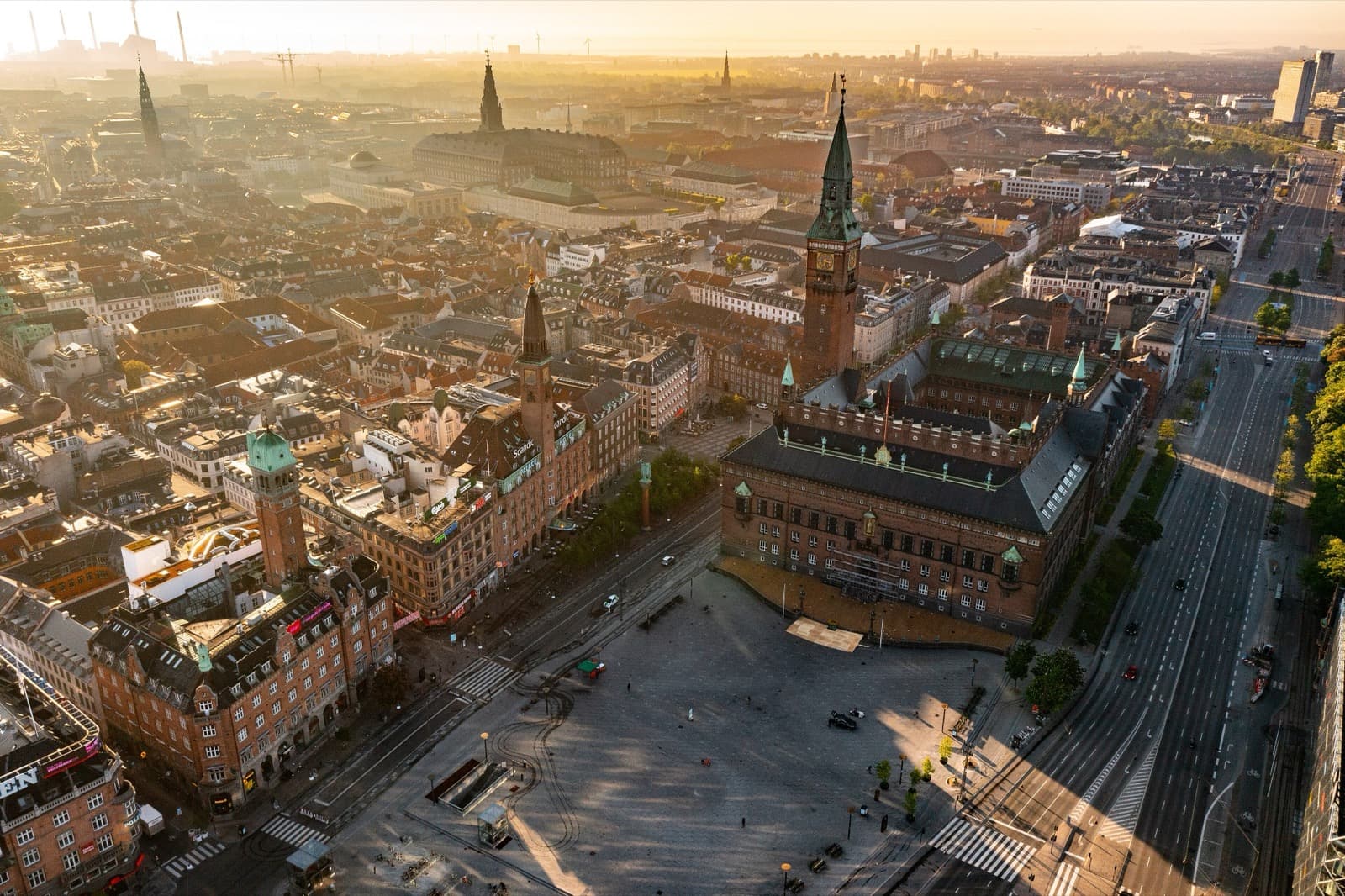
The Rebuilt Capital: How Copenhagen Kept Raising Itself from Fire
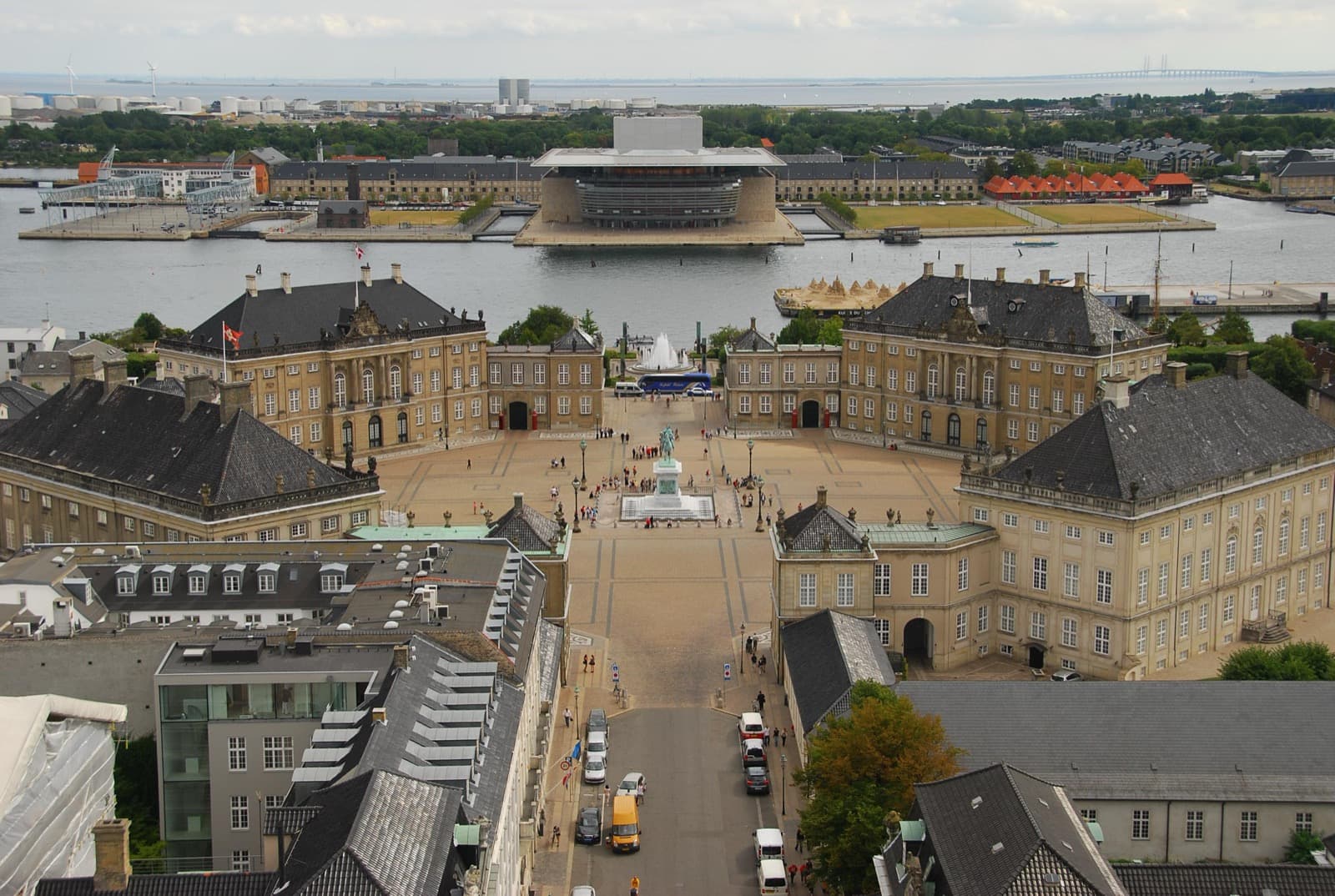
Amalienborg and the Copenhagen a King Drew on Purpose
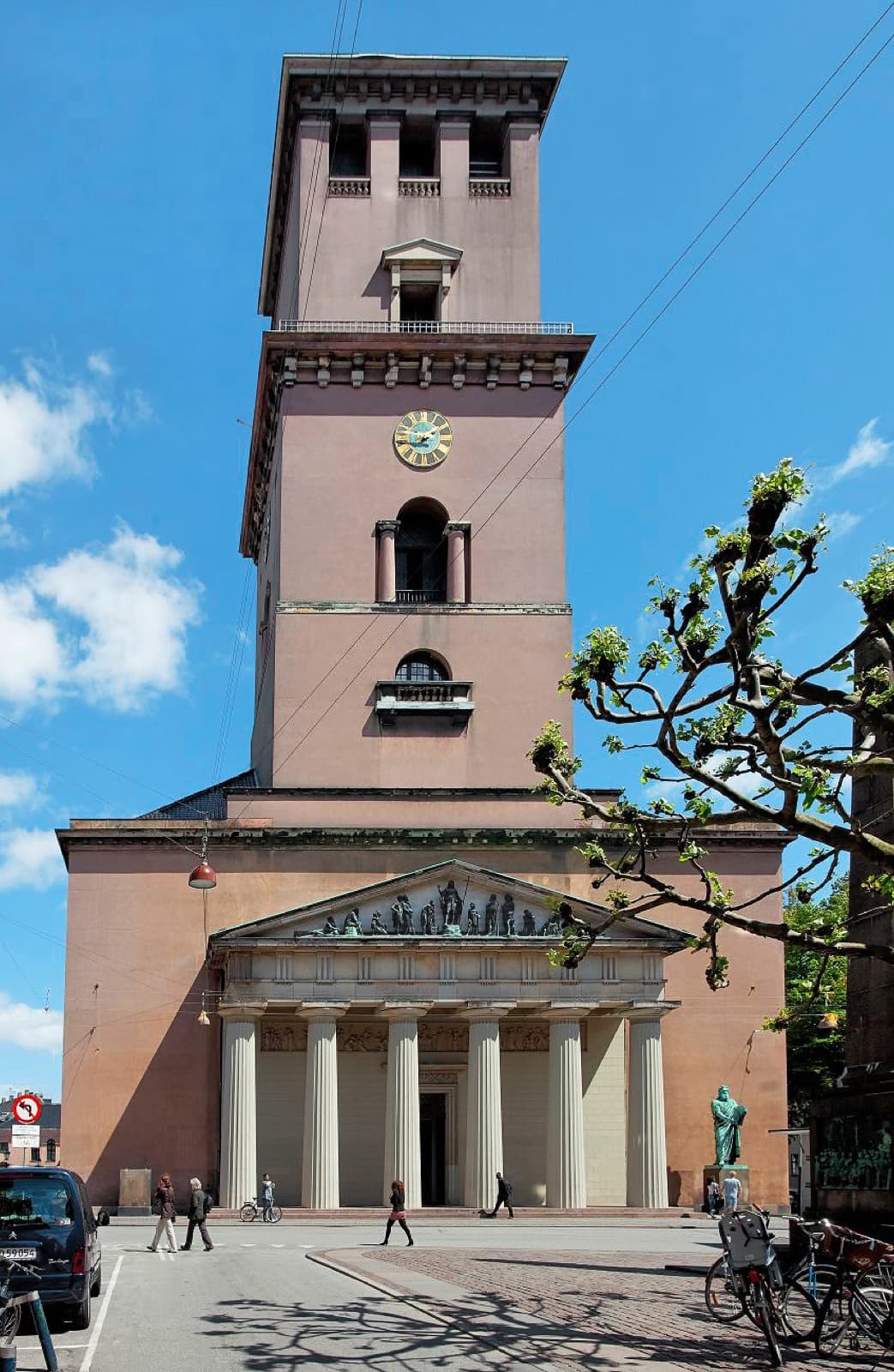
The Copenhagen Cathedral That Was Rebuilt from a Bombardment
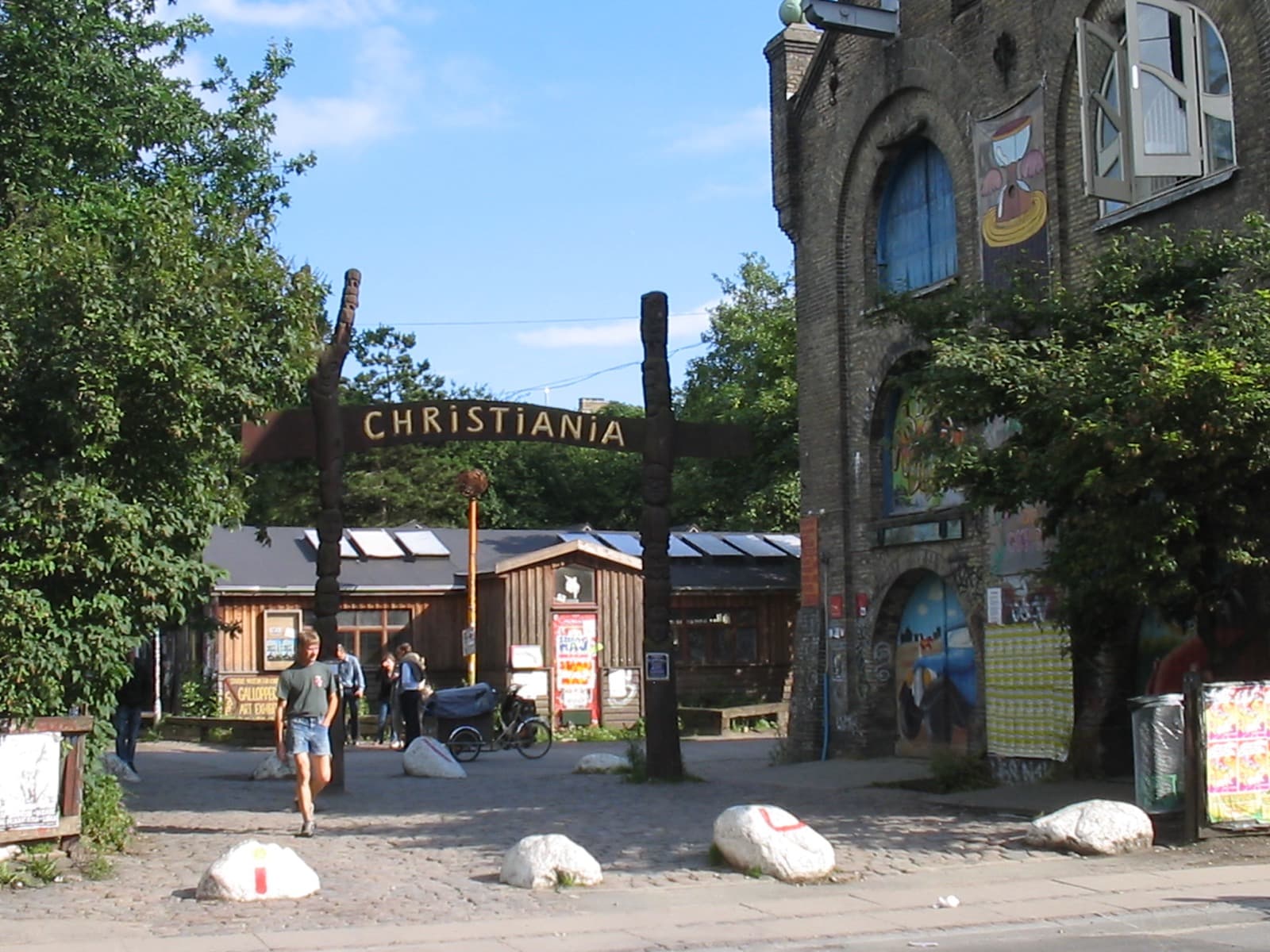
Freetown Christiania: Copenhagen's Free Town on the Old Ramparts
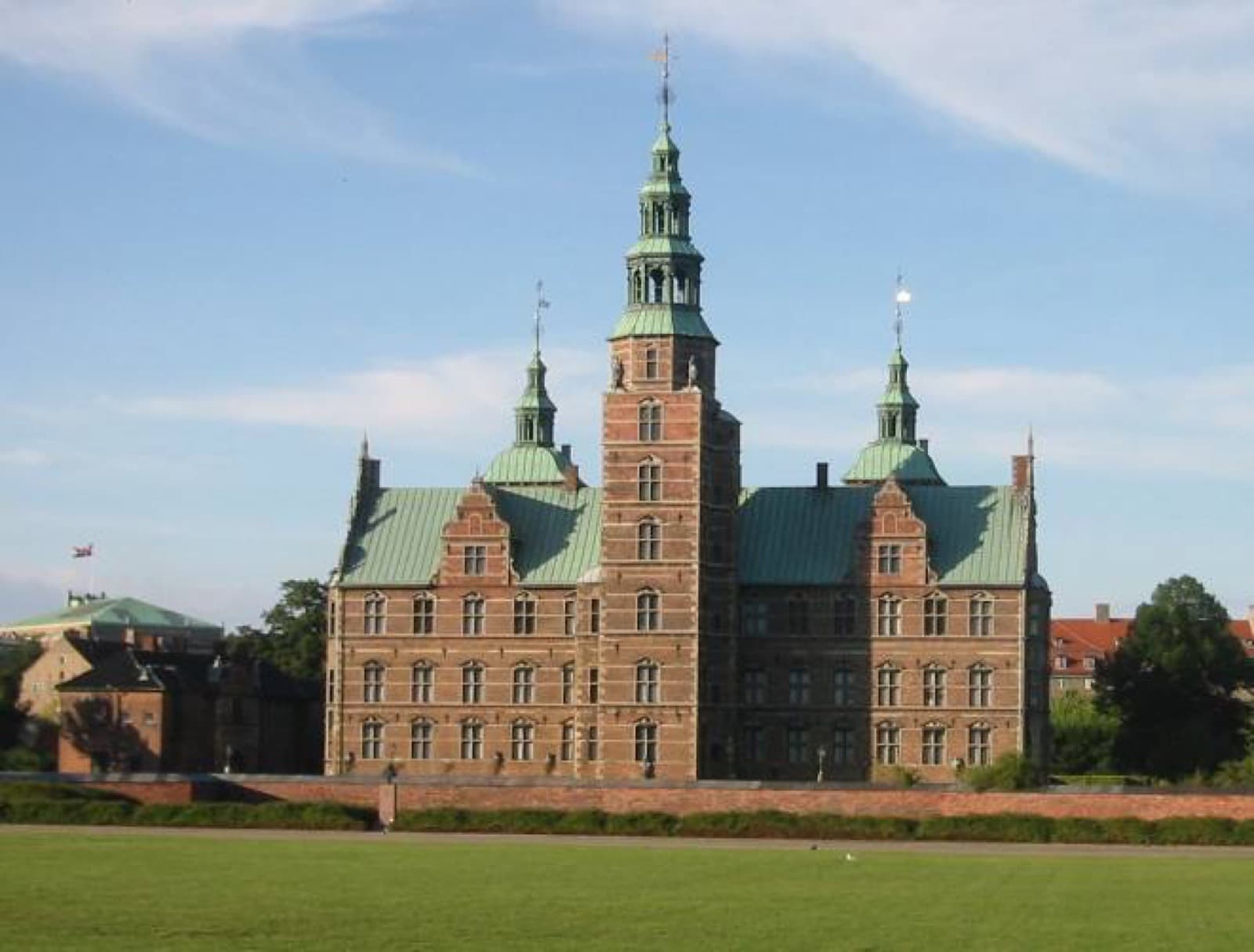
Rosenborg Castle: The Fairytale Fortress That Kept Denmark's Crown Jewels