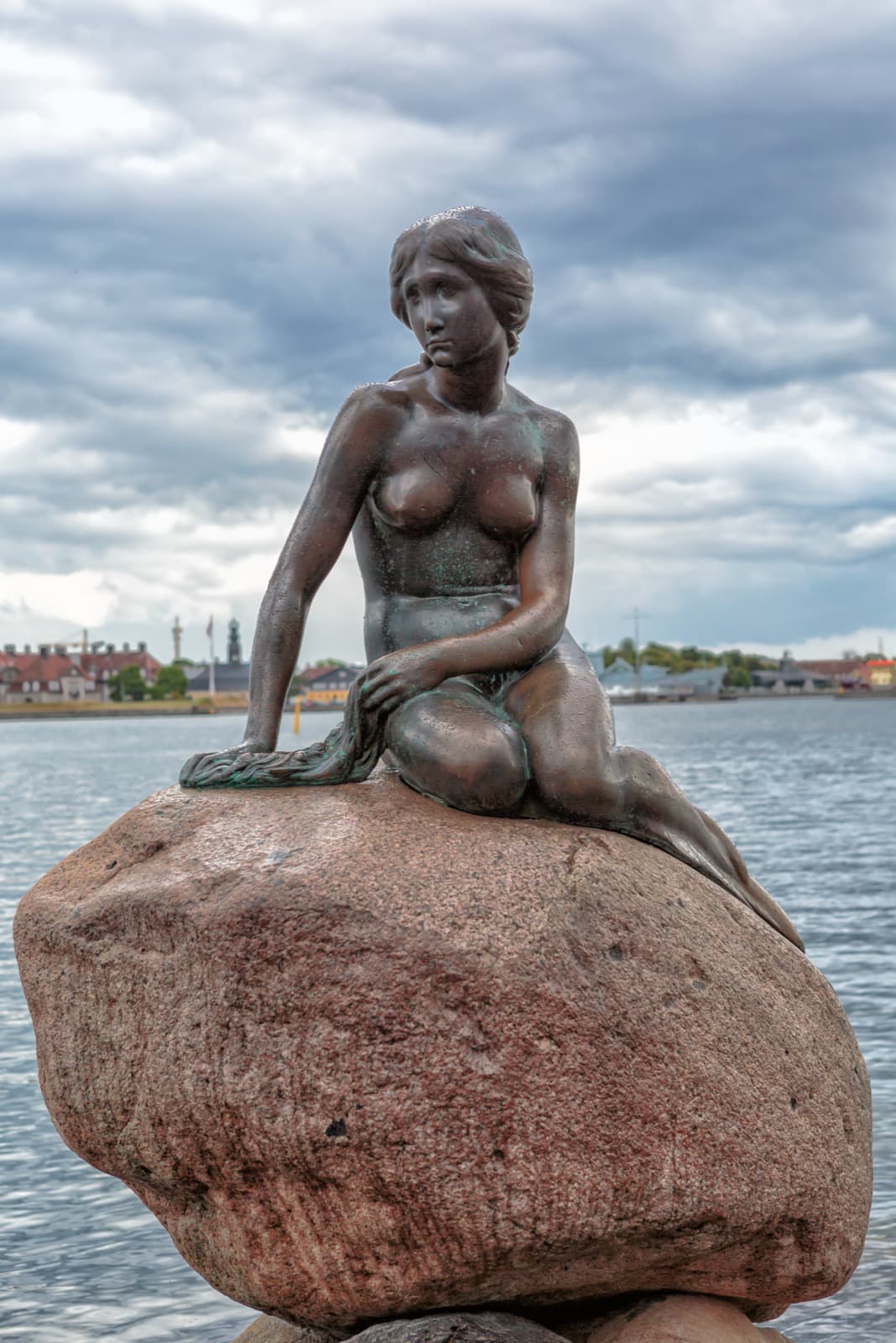
The Little Mermaid is a small bronze statue on a granite rock at the Copenhagen harbour's edge, and almost everyone who travels to see her arrives expecting something larger. She stands about one and a quarter metres tall and weighs roughly one hundred and seventy-five kilograms. The sculptor Edvard Eriksen made her, she was unveiled on the twenty-third of August nineteen thirteen, and she was commissioned by a brewer who had fallen for a ballet. That combination, modest size and outsized fame, is the one thing worth understanding while you stand in front of her. She is not famous because she is grand. She is famous because of a chain of decisions by particular people, and because a whole city chose to let her speak for it.
A brewer, a ballet, and a fairy tale
The commission came from Carl Jacobsen, son of the founder of Carlsberg. Jacobsen had seen a ballet based on Hans Christian Andersen's story at the Royal Theatre and was captivated by it. He wanted the figure of the mermaid fixed in bronze at the water's edge, and he paid for it. This matters because it separates the statue from the myths that tend to grow around old landmarks. Her origin is documented, not legendary. She descends directly from Andersen's fairy tale of eighteen thirty-seven, the story of a sea creature who longs for a life on land and pays a steep price for the trade. The ending of that tale is not the softened version many people carry from childhood. Andersen wrote loss into it, and the statue keeps that mood: she sits alone, turned toward the sea, looking rather than arriving.
There is a human story folded into her making as well, and it is the detail most visitors never hear. Jacobsen first asked the ballerina Ellen Price, who had danced the role, to model for the figure, and a popular legend still credits her face to the finished statue. When Price declined to pose without her clothes, the sculptor's wife, Eline Eriksen, modelled the body instead, and by most accounts the figure on the rock was ultimately modelled on her. So the statue is bound up with two women, a dancer who set the commission in motion and a wife who sat for it, joined by a sculptor working between them. Once you know that, the statue stops being a generic postcard and becomes something more particular: a real negotiation between real people, cast in metal in nineteen thirteen.
Why so small, and why it works
Hear a stop from this walk
Kastellet: The Green Star Fortress
Visitors are often told, half as a joke, that the Little Mermaid is a disappointment. The complaint misreads her. She was never conceived as a monument in the civic sense, the way an equestrian king or a triumphal column is. She is a figure at human scale, placed low and close to the water, so that the sea behind her does most of the work. She looks out across the Sound, the Oresund, toward Sweden on the far shore. The setting is the composition. Stand where the crowd stands and you are looking past her at open water, which is exactly what she is looking at. A larger statue would have broken that relationship. Her smallness is the point, not a flaw in it.
This is also why the walk out to her matters more than the arrival. The route along the harbour, past the star fortress of Kastellet and its green ramparts, builds toward a quiet ending rather than a loud one. If you sprint the last stretch to tick her off a list, you get the disappointment you were warned about. If you take the water slowly, the statue lands the way it was meant to.
A long history of being attacked
For a figure so gentle, the Little Mermaid has endured a remarkable amount of violence, and this too is part of standing in front of her. On the twenty-fourth of April nineteen sixty-four, her head was sawn off and stolen; it was never recovered, and a new head was cast and fitted in its place. In nineteen eighty-four her right arm was sawn off, then returned two days later. In two thousand and three she was knocked clean off her base with explosives. Over the decades she has been painted, draped, and used repeatedly as a billboard for political causes, because everyone understands that harming Copenhagen's best-known figure guarantees the world's attention.
One quieter fact explains why the version on the rock stays so consistent. The statue is under copyright until the first of January twenty thirty, and the rights are held by the Eriksen family, who authorise the replicas sold today. Because the sculptor's descendants still control the form, the figure can be restored faithfully to the same shape after each attack. What you see on the rock is repeatedly returned to Eriksen's design. The bronze girl looking out to sea is, in a real sense, the same figure he finished more than a century ago, even after all that has been done to her.
Standing in front of her
So the one thing to understand, standing at the harbour's edge, is that the Little Mermaid's fame is manufactured in the best sense of the word. A brewer chose her, a sculptor built her around the women in the story of her making, a fairy tale gave her a mood of longing, and a city adopted her as its quiet emblem. She is not the biggest thing you will see in Copenhagen, or the oldest, or the most ornate. She is the most chosen. That is a different kind of importance, and it rewards a slower look. Give her a few minutes rather than a photograph, notice that she is looking at the water and not at you, and the ending of the walk resolves the way it should: a city drawn on purpose, ending on a small rock at the harbour's mouth, facing the sea.
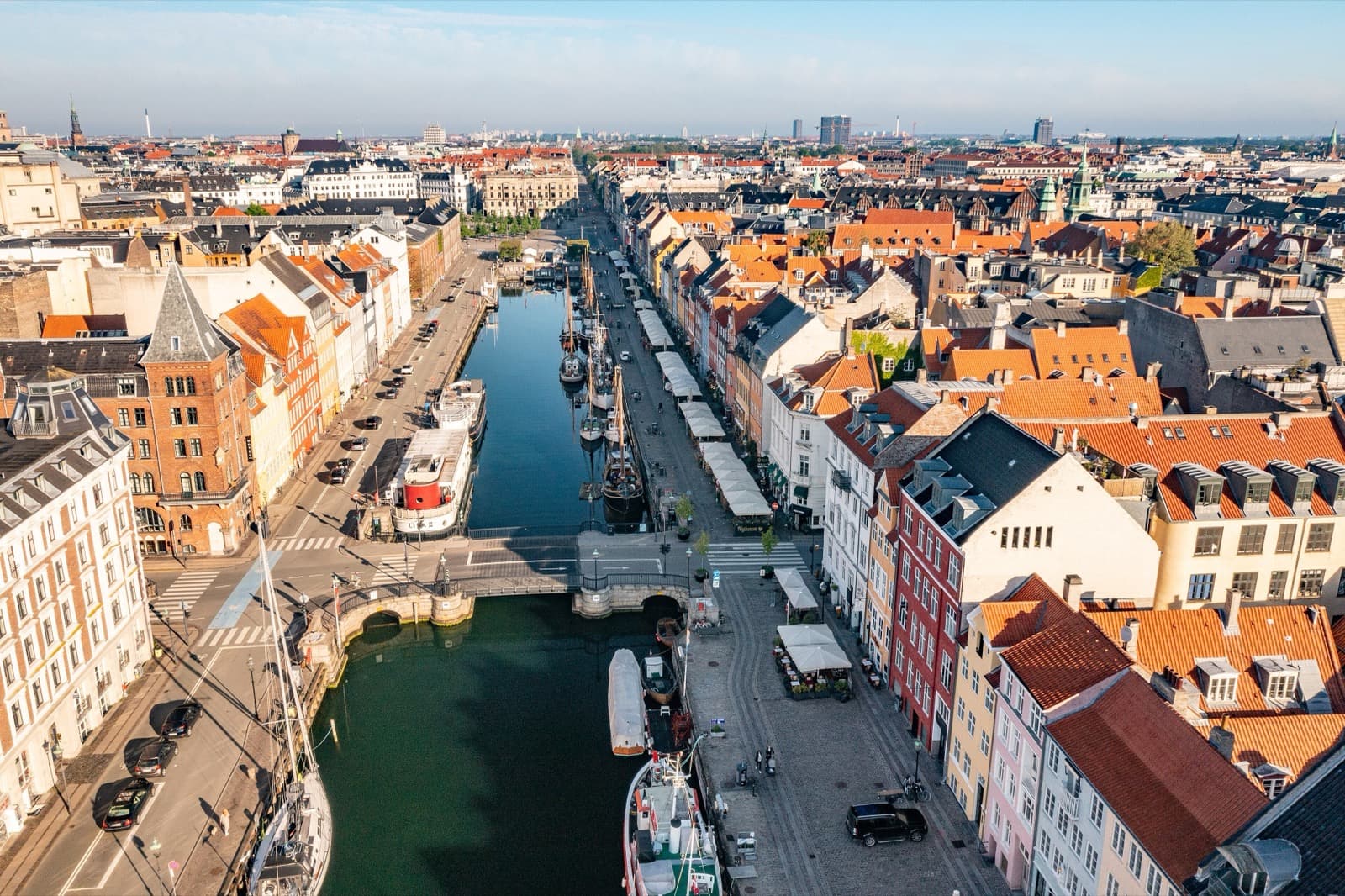
The Little Mermaid is the final stop on the copenhagen-nyhavn-royal-quarter self-guided audio walk, which begins at the great round square of Kongens Nytorv, runs down the painted quay of Nyhavn, and passes the royal palaces of Amalienborg, the Marble Church, the Gefion Fountain, and Kastellet before reaching her. You can walk it at your own pace, with the full story of each stop in your ear. For more routes through the city, see our guide to Copenhagen walking tours, or start planning from the Copenhagen city page.
Sources
- The Little Mermaid (statue), Wikipedia. Core facts on the 1913 unveiling, sculptor Edvard Eriksen, the Carl Jacobsen commission, the Andersen fairy tale of 1837, the Ellen Price and Eline Eriksen modelling, the documented vandalism dates (1964 head, 1984 arm, 2003 explosives), and Eriksen-family copyright to 1 January 2030.
- Roamer tour transcript, "Copenhagen: Nyhavn and the Royal Quarter," fact-audited primary source for the statue's dimensions and its position on the harbour looking out to the Oresund.
- Hans Christian Andersen, "The Little Mermaid" (1837), the original fairy tale that the statue depicts.
- The Culture Trip, "Why Is Copenhagen's Little Mermaid A Target For Vandals?", background on the statue's repeated defacements and their political motivations.
Ready to experience it?
Nyhavn: The Royal Quarter and the Harbour of Coloured Houses
90 min · 3.9 km · easy
More from Copenhagen
Explore more at your own pace.
The Rebuilt Capital: How Copenhagen Kept Raising Itself from Fire
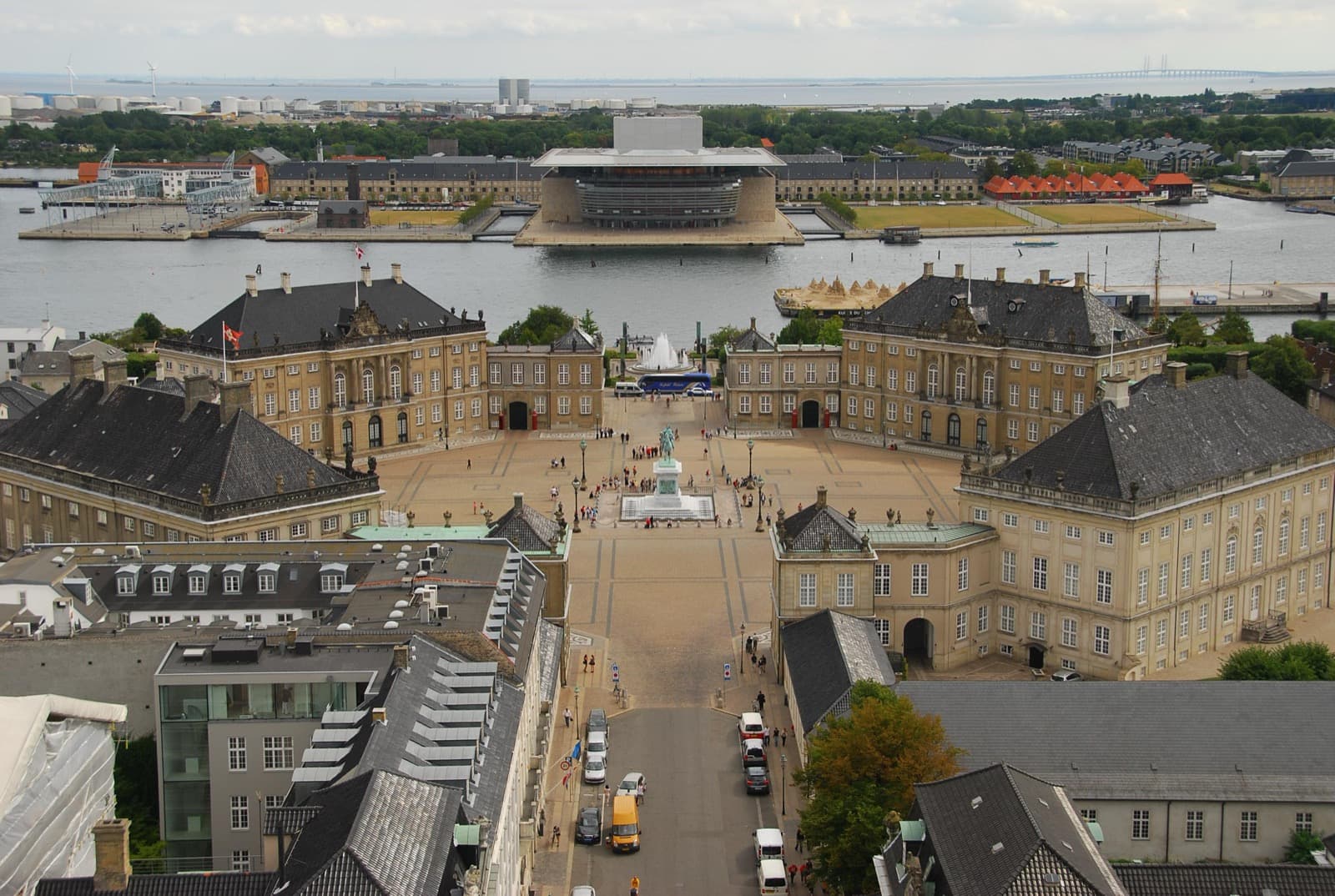
Amalienborg and the Copenhagen a King Drew on Purpose
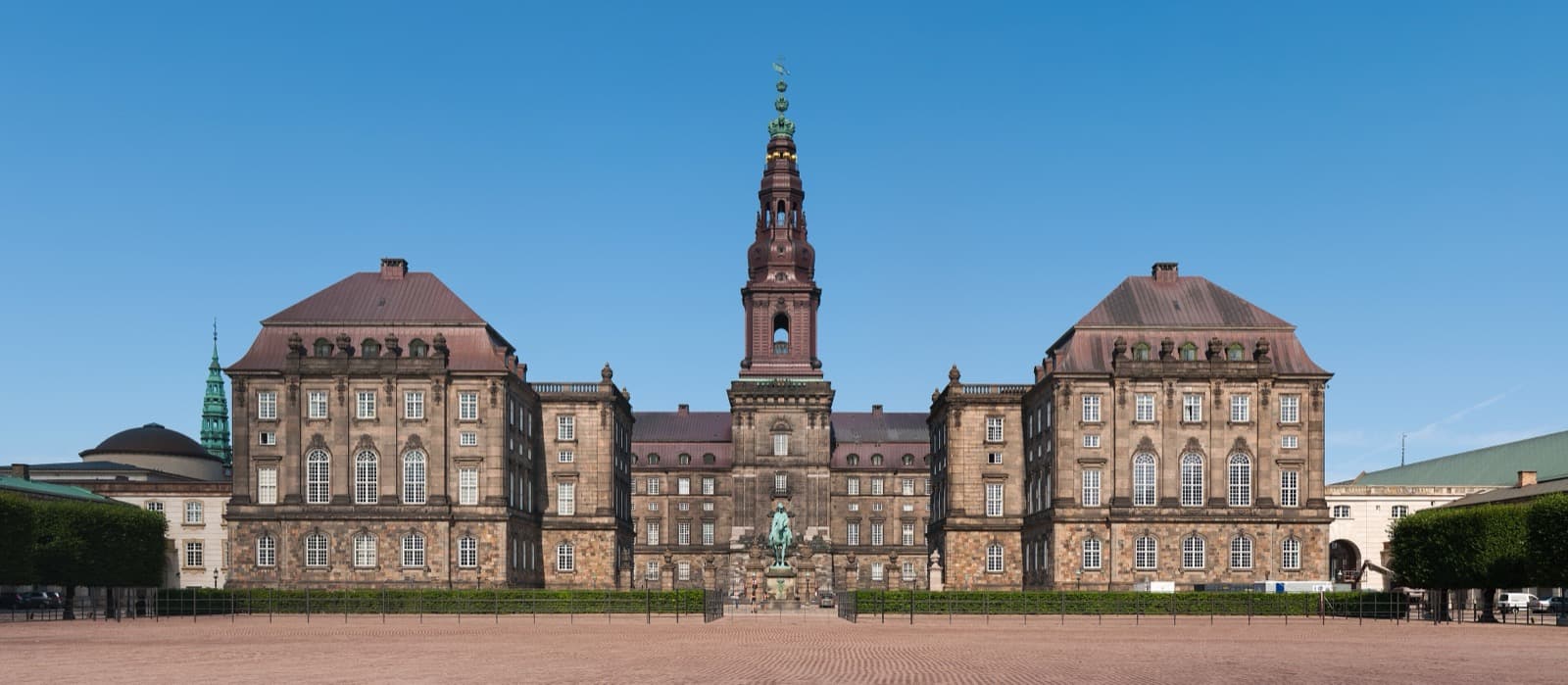
Christiansborg Palace and the Island Where Copenhagen Began
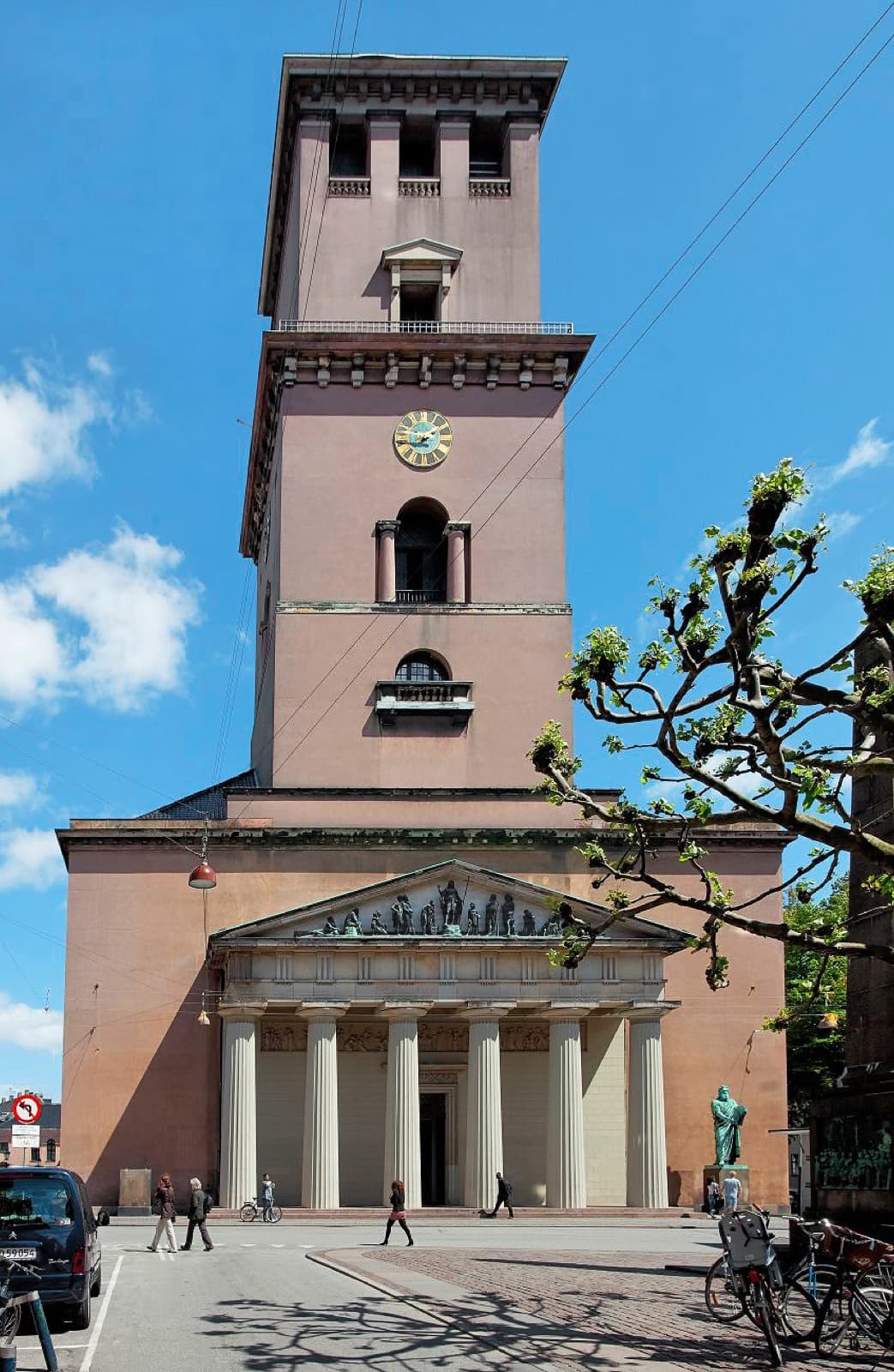
The Copenhagen Cathedral That Was Rebuilt from a Bombardment
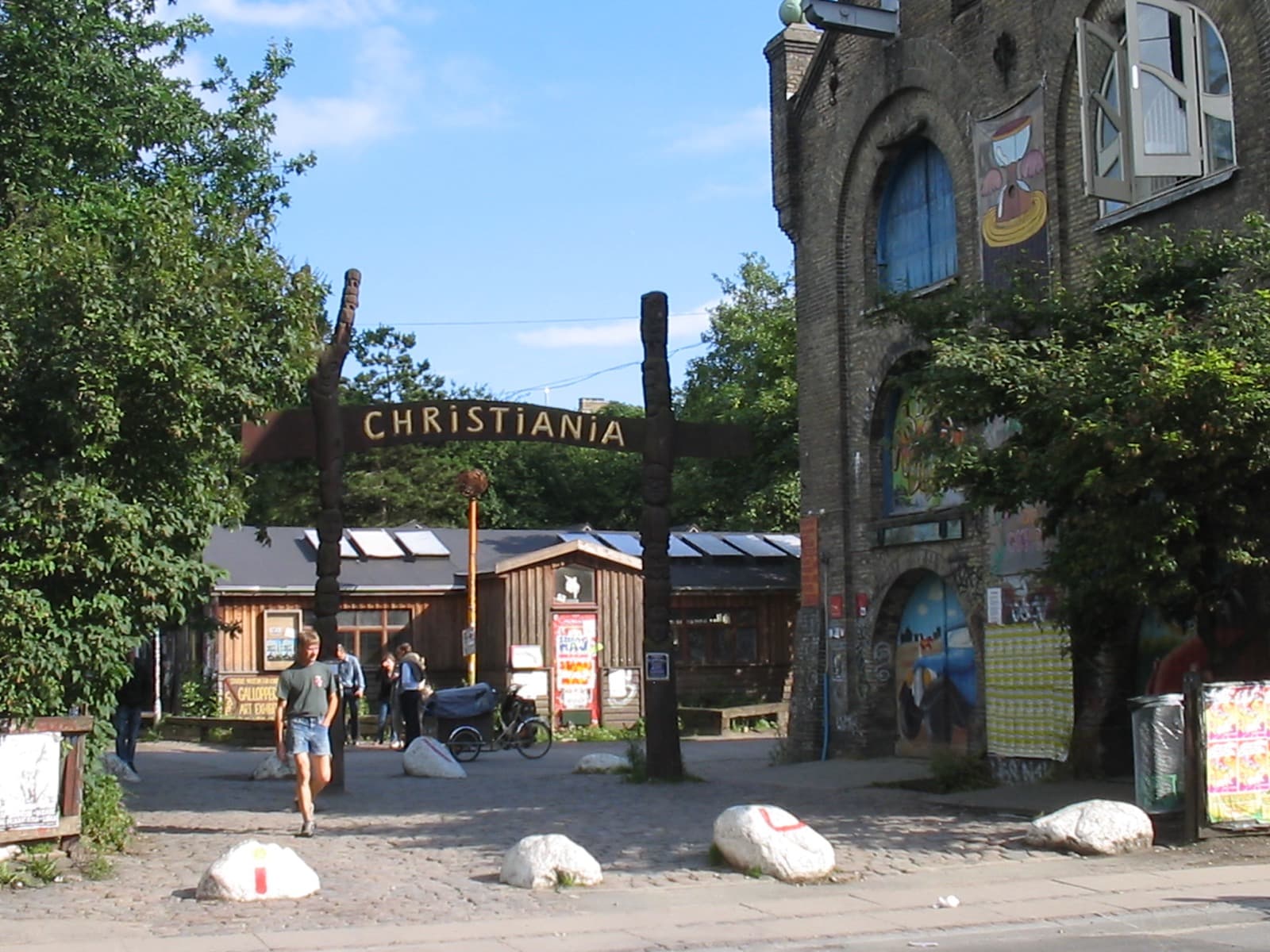
Freetown Christiania: Copenhagen's Free Town on the Old Ramparts