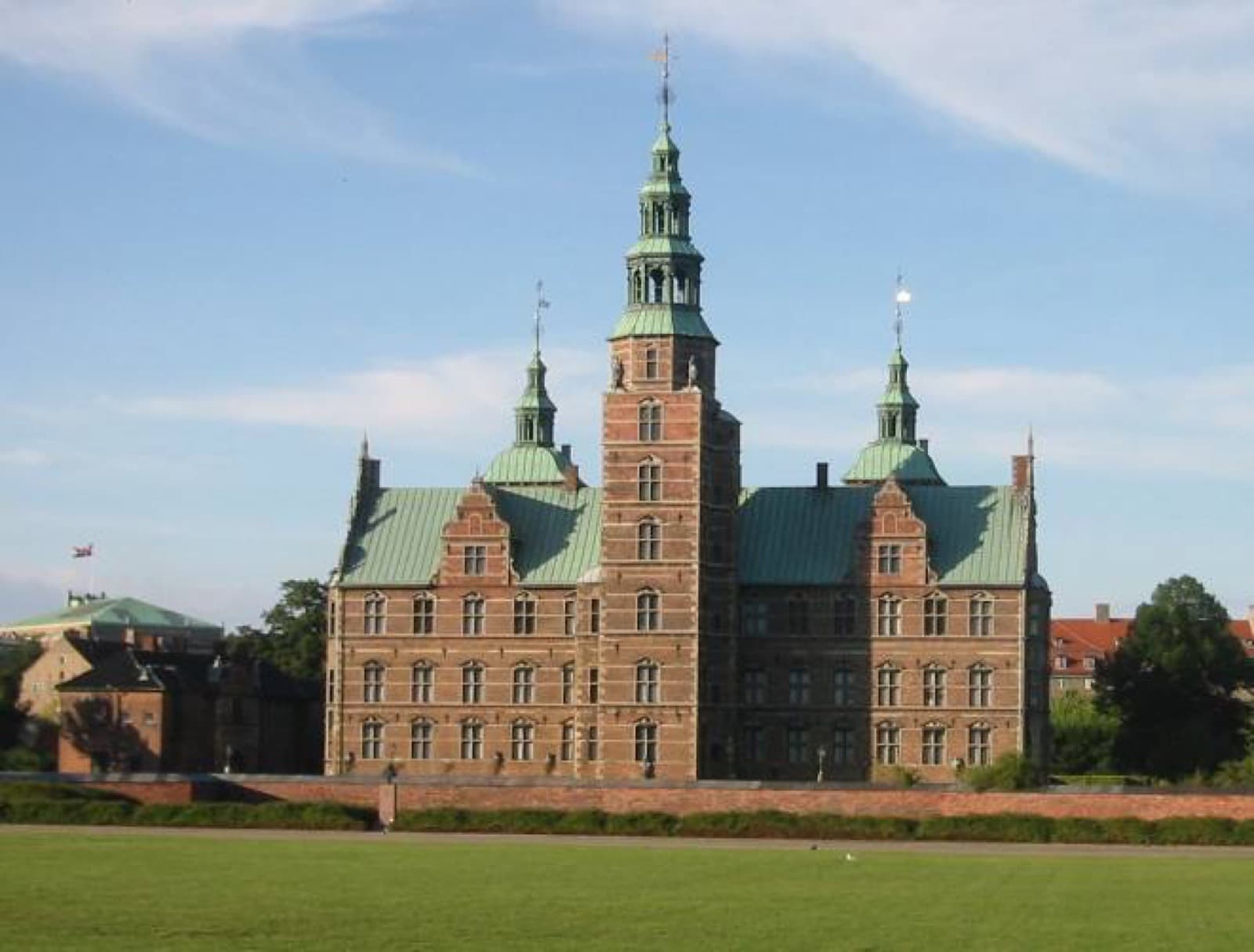
Rosenborg Castle survives as Copenhagen's most complete window into the age of King Christian the Fourth for a reason that seems backwards: it was never built to survive anything. It was not a fortress. It was not the seat of government. It was a summer house on the edge of a fortified city, raised for pleasure rather than defence, and that lack of importance is exactly what let it outlast the fires and bombardments that reshaped almost everything around it. Stand in front of its turreted brick towers in the King's Garden and you are looking at the one place on this walk where the seventeenth century reaches you intact.
A summer house that grew into a castle
The building began in sixteen oh six as a modest country retreat outside the old city ramparts. Christian the Fourth wanted a garden and a place to escape the crowded, timber-built town, and he kept adding to it. Over roughly two decades the small house was expanded again and again until it reached its final form around sixteen twenty-four, worked on by architects including Bertel Lange and Hans van Steenwinckel the Younger. The style is Dutch Renaissance: red brick banded with pale sandstone, copper spires gone green, gables and towers that make the whole thing read more like an illustration than a defensive structure. People call it a fairytale castle. That is a popular impression rather than a matter of record, but it is an honest one. The building was designed to delight.
To understand Rosenborg you have to understand the king who built it. Christian the Fourth reigned from fifteen eighty-eight to sixteen forty-eight, close to sixty years, one of the longest reigns in Scandinavian history. He was a compulsive builder, and Copenhagen still carries his signature across the skyline. On this same walk you pass the Round Tower, his observatory finished in sixteen forty-two. He also raised the Old Stock Exchange with its famous dragon-tail spire. Rosenborg was his personal favourite, close to the garden he laid out himself, and it is where his story ends. On the twenty-first of February, sixteen forty-eight, at his own request, the dying king was carried by litter from Frederiksborg to the city he loved. He died a week later, on the twenty-eighth of February, at Rosenborg.
Why it outlived everything around it
Hear a stop from this walk
The Round Tower: Christian the Fourth's Spiral to the Stars
The counter-intuitive heart of the old town is that most of it is younger than it looks. The great fires of seventeen twenty-eight and seventeen ninety-five and the British naval bombardment of eighteen oh seven destroyed huge stretches of the medieval city. The cathedral you pass earlier on the Copenhagen walking tours route, the Church of Our Lady, burned to the ground in eighteen oh seven and was rebuilt from scratch in severe Neoclassical stone. The Latin Quarter around the university was gutted the same night. What you walk through as "medieval Copenhagen" is very often a Neoclassical reconstruction laid over an old street plan.
Rosenborg escaped all of it. It sat beyond the ramparts, away from the dense flammable core, and it had stopped being a working residence early. Kings used it until about seventeen ten, and after that its role quietly shifted from home to storehouse and, eventually, to museum. A building that nobody was living in and nobody was fighting over is a building that does not get rebuilt after a disaster, because the disaster never reaches it and nobody has a reason to modernise it. So while the cathedral and the market squares carry the marks of fire and reinvention, Rosenborg carries something rarer. It carries continuity. The interiors, the panelled rooms, the tiled chambers, the long gallery: these are genuinely of their period, not a nineteenth-century idea of it.
The treasury and the crown jewels
The single thing to understand while standing in front of Rosenborg is what it holds in its cellar. This is where Denmark keeps its crown jewels and coronation regalia. The Royal Danish Collection, which runs the castle, displays them in the basement treasury, and they are the reason the building matters far beyond its architecture.
Among the regalia are three crowns, the Royal Sceptre, an orb dated sixteen forty-eight, and the Sword of State from fifteen fifty-one, which is Denmark's oldest surviving piece of regalia. The centrepiece is the Crown of Christian the Fifth, made between sixteen seventy and sixteen seventy-one for Denmark's first absolute monarch, Christian the Fifth. That date matters. In sixteen sixty Denmark had converted to an absolute, hereditary monarchy under his father Frederick the Third, and the new crown was the visible symbol of that change. It was worn at the anointing of Danish kings from Christian the Fifth through Christian the Eighth, and to this day it is laid on a Danish monarch's coffin during the lying-in-state ceremony known as the castrum doloris. The regalia are not museum props. They remain part of the living machinery of the Danish state, which is why they still sit behind glass in a working royal collection rather than a warehouse.
The castle became a public museum in eighteen thirty-eight, making it one of the oldest museums of its kind in the city. That is nearly two centuries of people filing through the same rooms Christian the Fourth walked, looking at the same regalia. Few royal buildings anywhere let you stand this close to an unbroken thread between an early-modern king and a modern constitutional monarchy.
Standing before it
There is one more layer that is easy to miss. Rosenborg sits inside Kongens Have, the King's Garden, and the garden is older than most of the city around it. Christian the Fourth laid it out himself, making it the country's oldest royal garden, and it has been open to the public for generations. The castle you are looking at was a private pleasure; the green space around it became a shared one. Copenhageners treat it as an ordinary park, which is part of its charm. A building that once symbolised absolute royal power now sits in a lawn where students eat lunch.
If you climb the Round Tower earlier in the day, you meet the first of Christian the Fourth's two surviving towers. Rosenborg is the second, and the two together are the spine of what actually endured from his reign. Everything between them, the cobbled lanes and the grand churches, is largely the story of loss and rebuilding. Rosenborg is the story of what was spared.
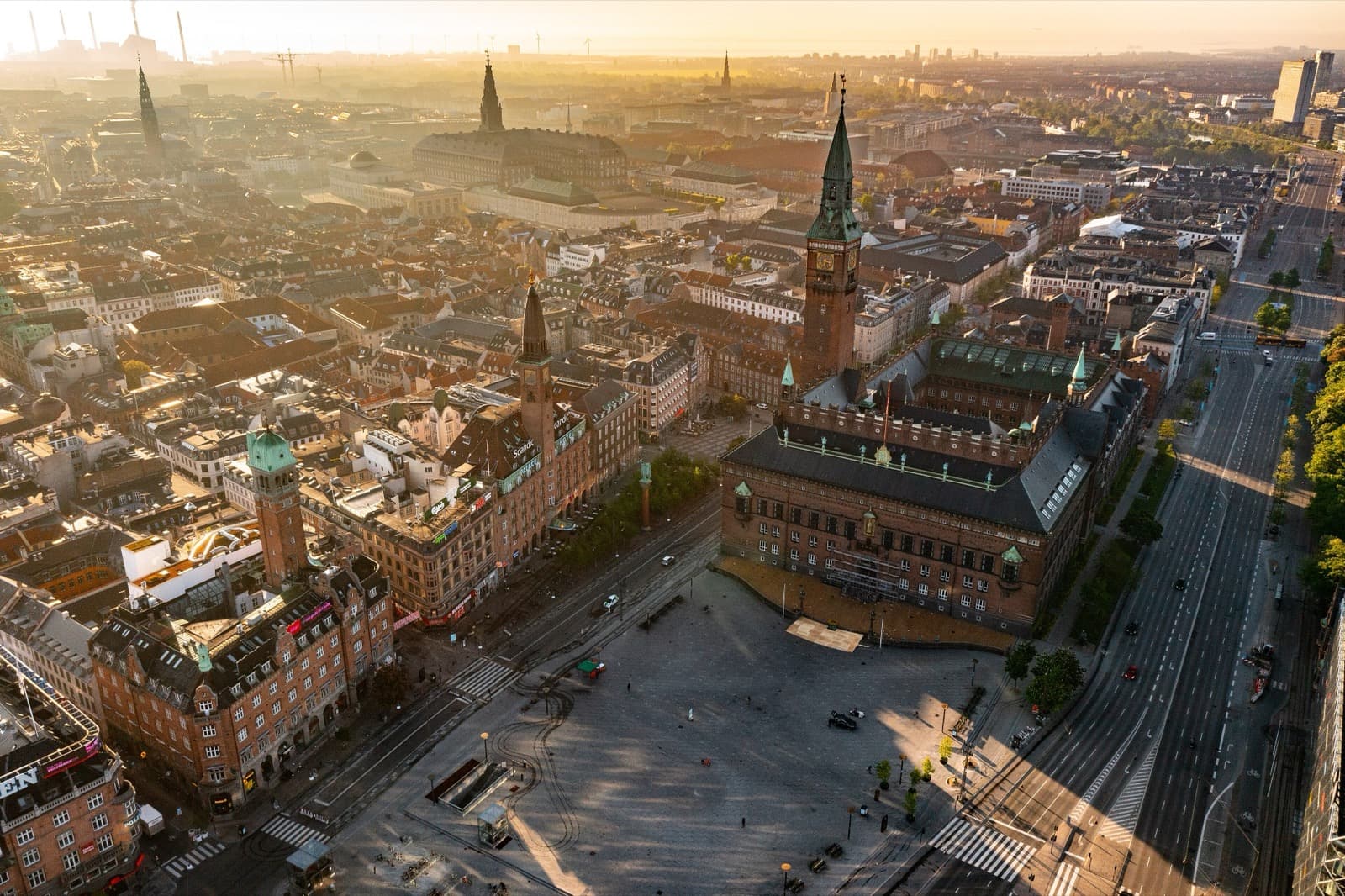
This deep dive is the closing stop on Roamer's self-guided historic center walk. The full route runs about three kilometres through the old town of Copenhagen, from the modern City Hall Square along the pedestrian spine of Stroeget to this garden castle, reading the whole layered story of fire, bombardment, and survival on the way. Do it at your own pace, and save time to sit in the King's Garden at the end, on your own clock, for as long as the day allows.
Sources
- The Royal Danish Collection, Rosenborg Castle: official history of the castle, its museum status since eighteen thirty-eight, and the treasury holding the crown jewels.
- Kongehuset (the Danish Royal House), The Crown of Christian the Fifth: date of manufacture (sixteen seventy to sixteen seventy-one), its use at anointings, and the castrum doloris ceremony.
- Wikipedia, Christian IV of Denmark: reign dates (fifteen eighty-eight to sixteen forty-eight), one of the longest reigns in Scandinavian history, and his death at Rosenborg on the twenty-eighth of February, sixteen forty-eight.
- Wikipedia, Rosenborg Castle: construction from sixteen oh six to roughly sixteen twenty-four, Dutch Renaissance style, and use as a royal residence until about seventeen ten.
- Roamer tour transcript, "Historic Center: The Old Town Rebuilt from Fire": fact-audited narration for Rosenborg, the King's Garden, and the Danish crown regalia including the Sword of State from fifteen fifty-one.
Ready to experience it?
Historic Center: The Old Town Rebuilt from Fire
75 min · 2.8 km · moderate
More from Copenhagen
Explore more at your own pace.
The Rebuilt Capital: How Copenhagen Kept Raising Itself from Fire
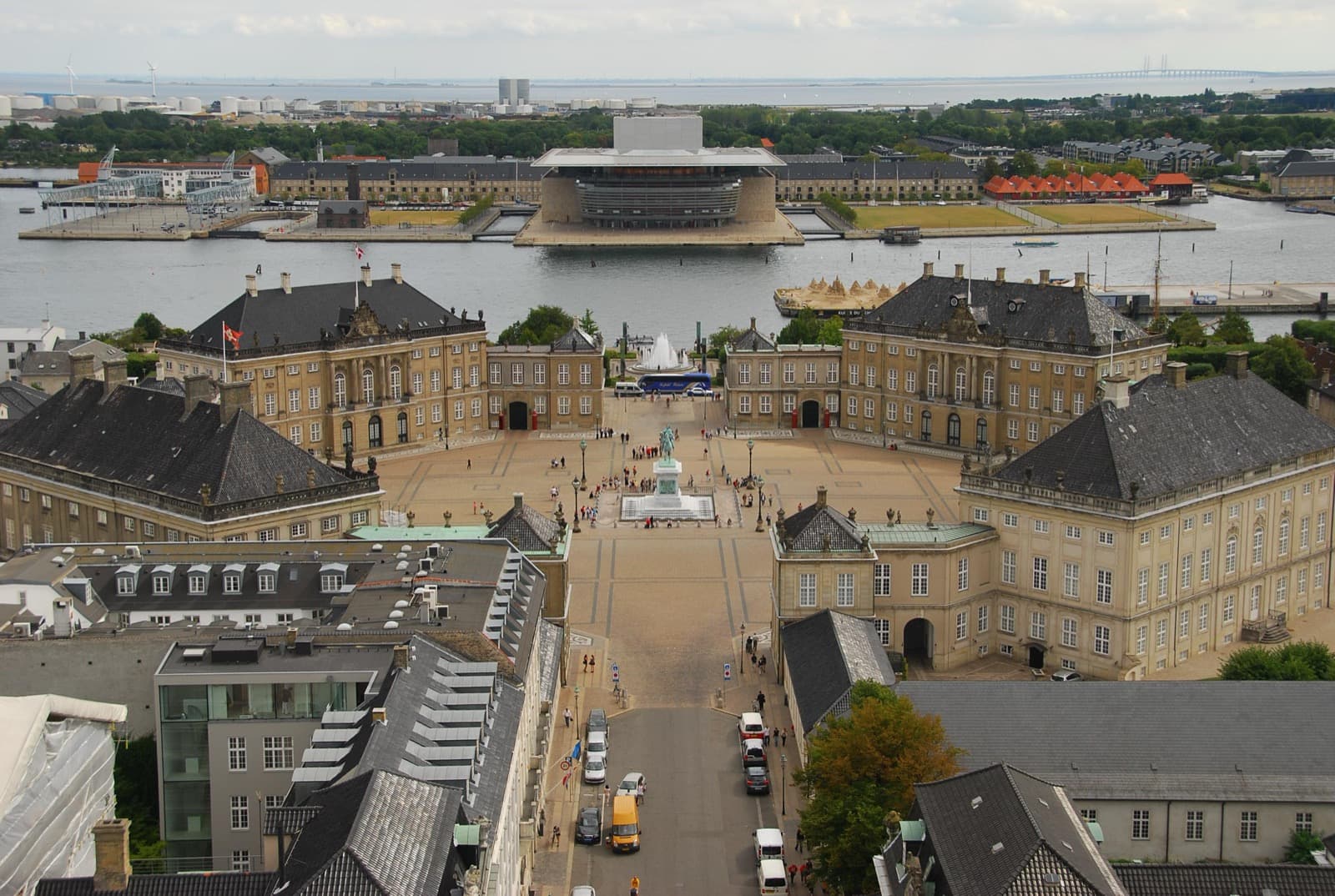
Amalienborg and the Copenhagen a King Drew on Purpose
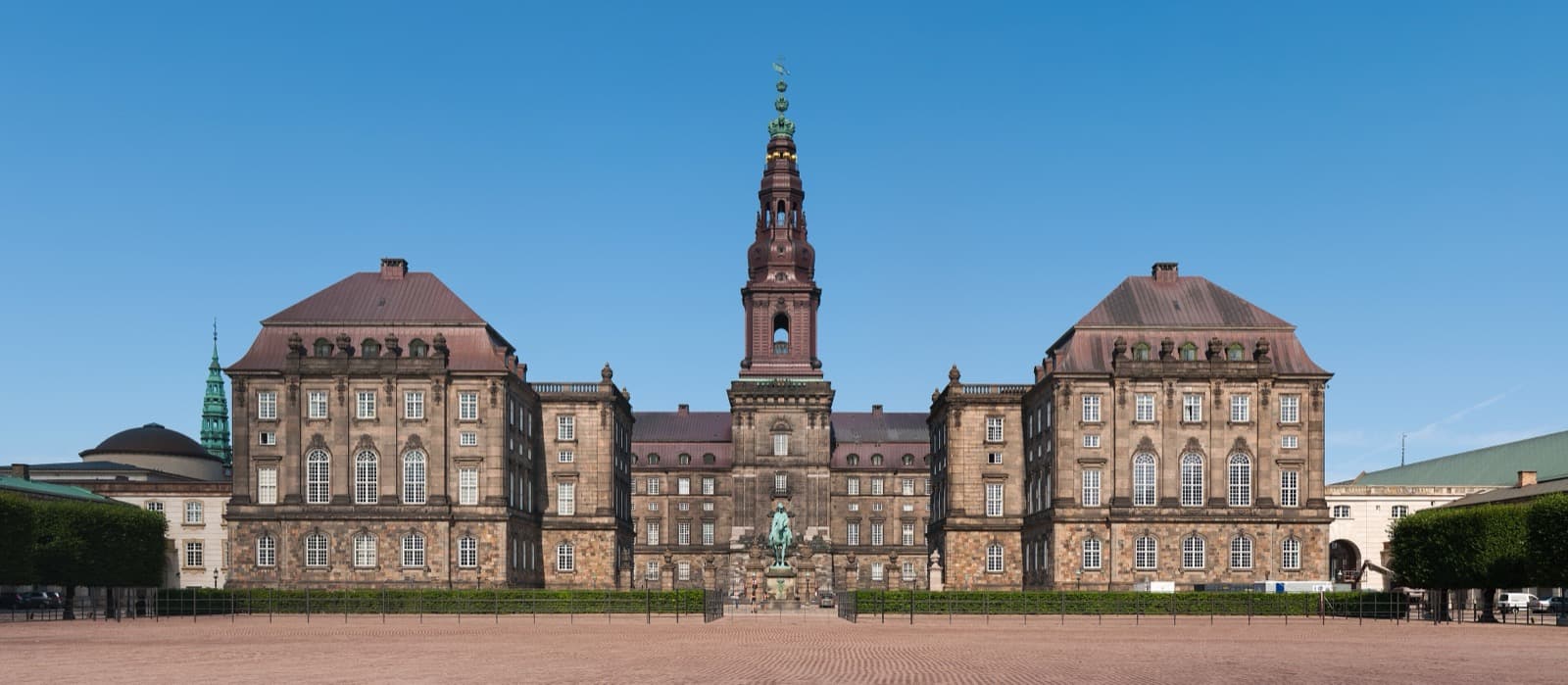
Christiansborg Palace and the Island Where Copenhagen Began
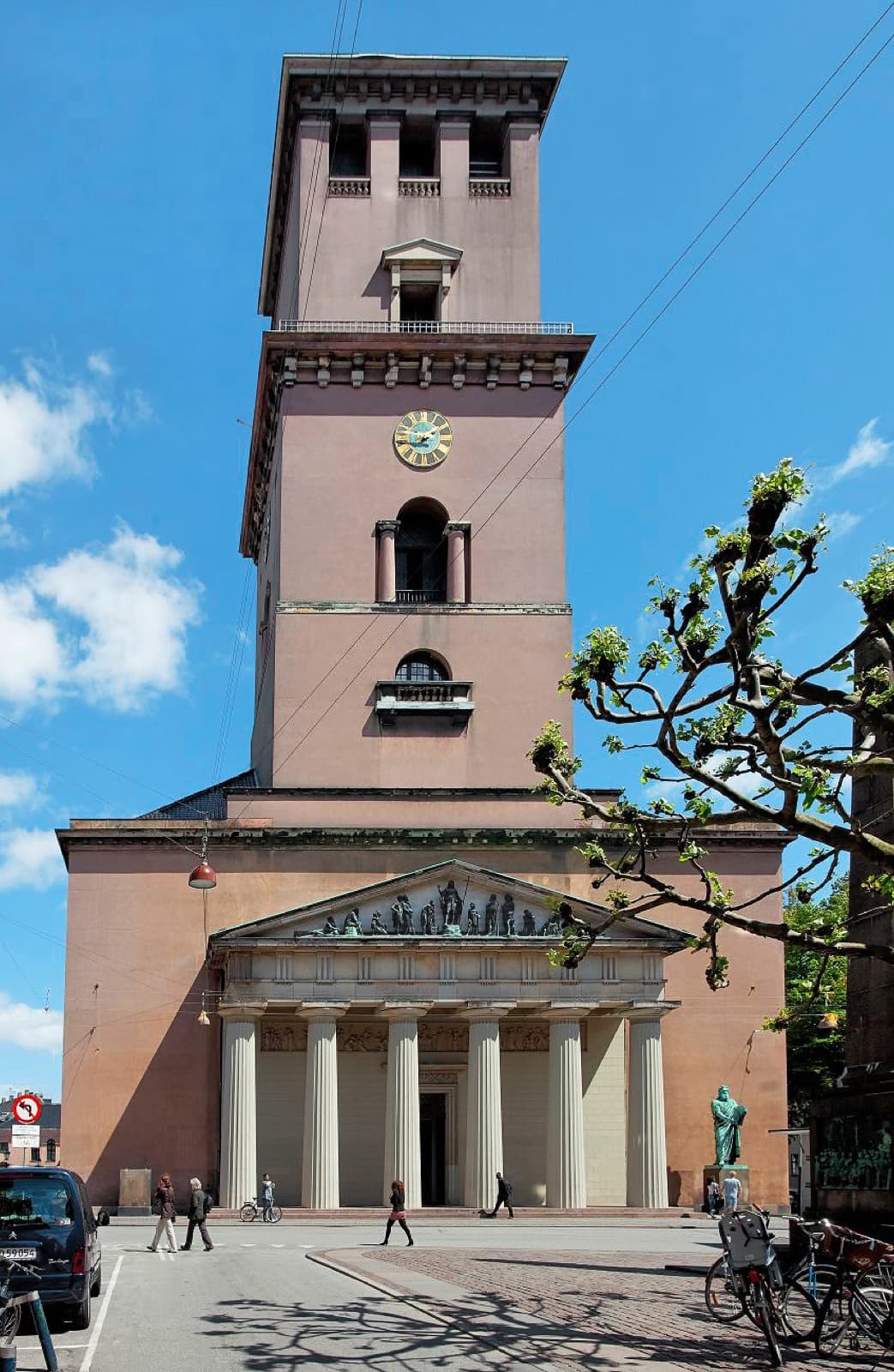
The Copenhagen Cathedral That Was Rebuilt from a Bombardment
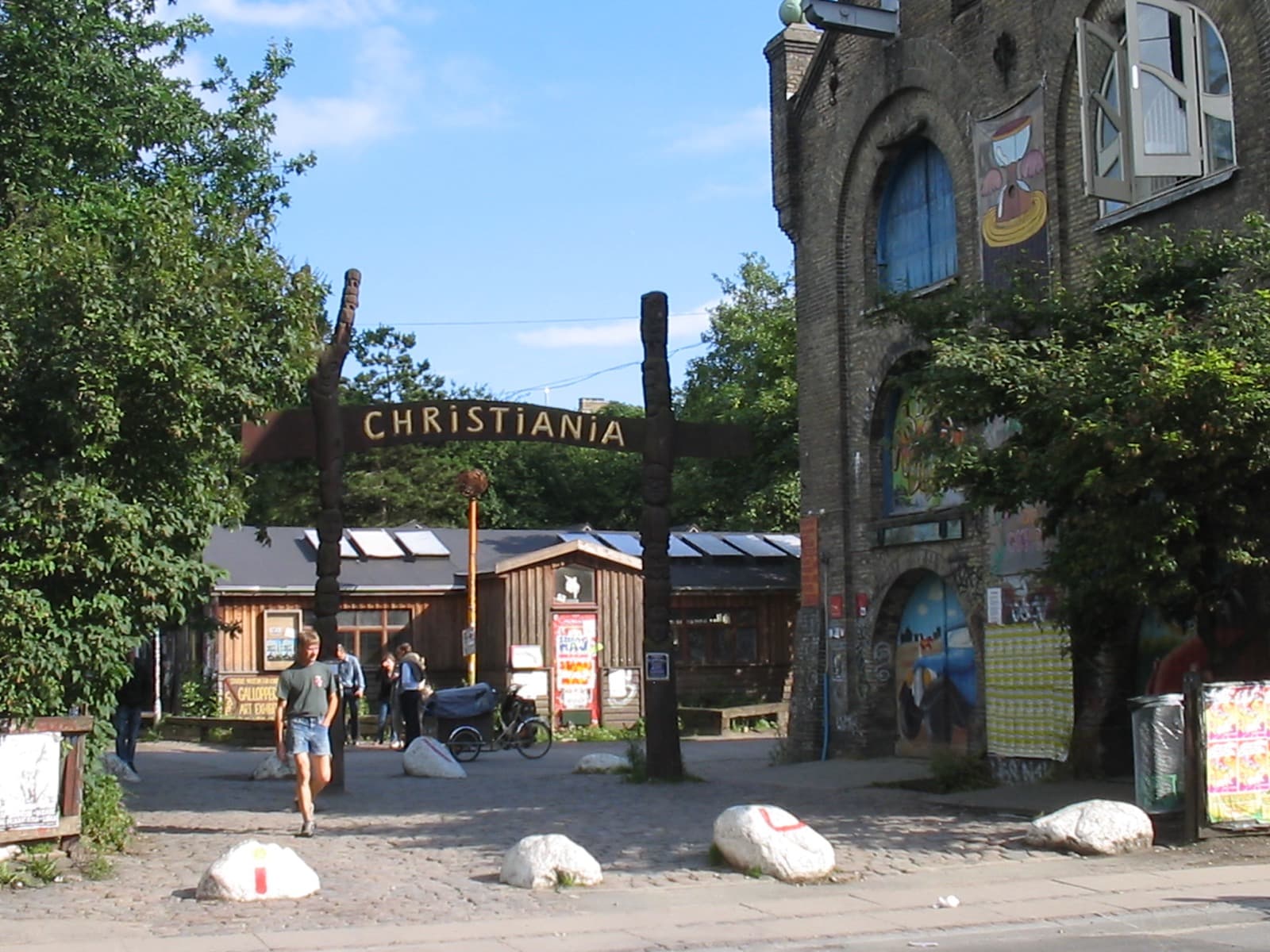
Freetown Christiania: Copenhagen's Free Town on the Old Ramparts