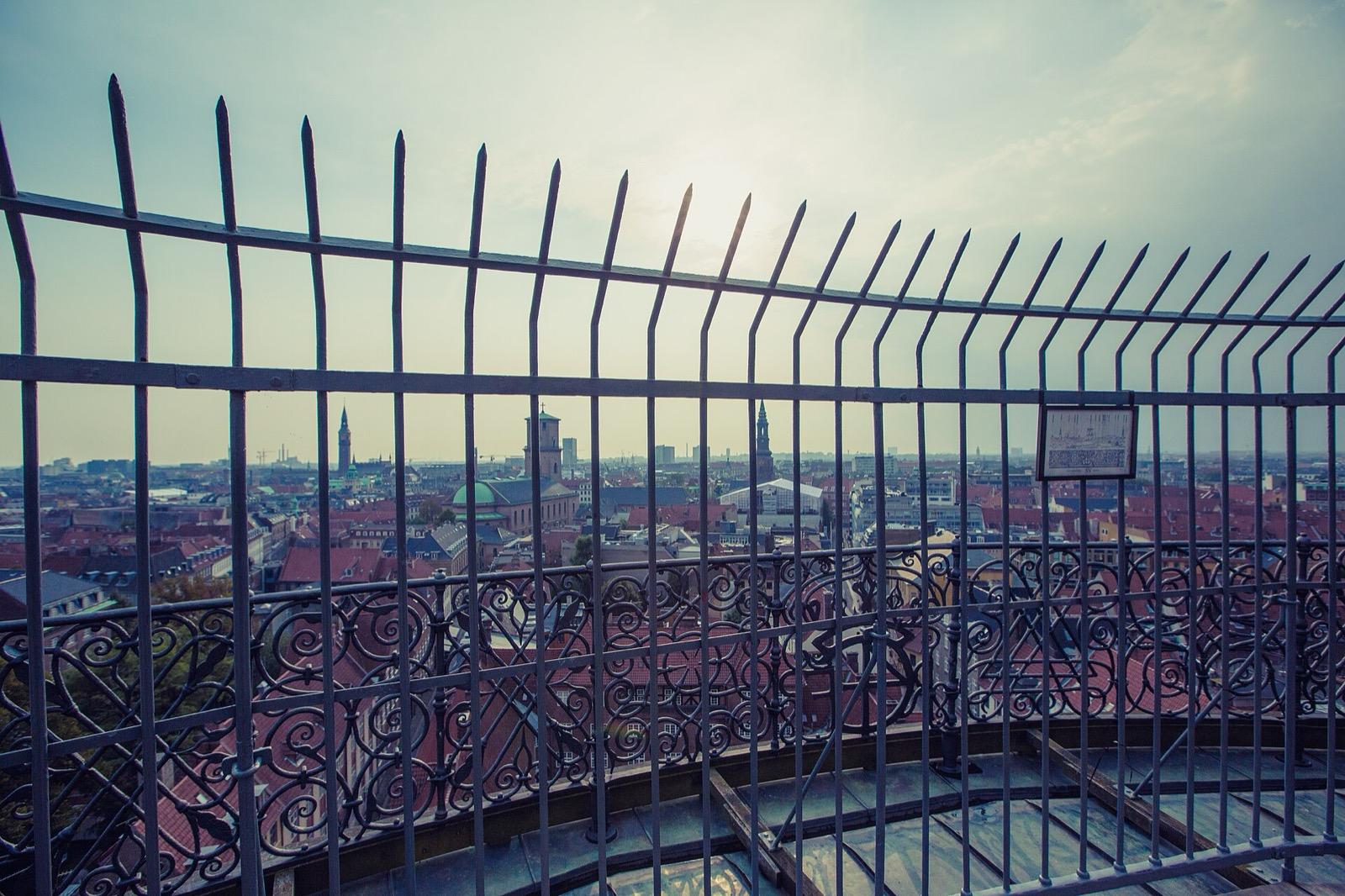
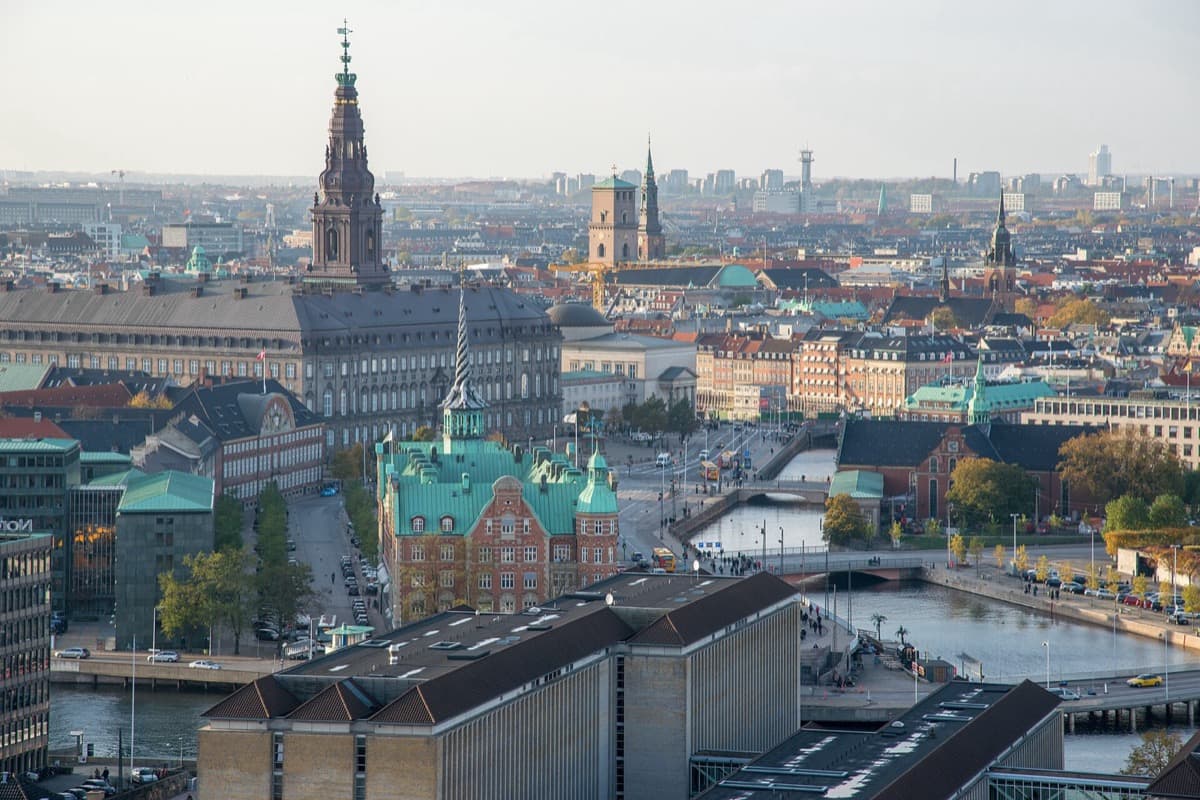
Copenhagen's cobbled old town looks medieval, but it is largely a Neoclassical city rebuilt after the great fires and the bombardment of eighteen oh seven, laid over an ancient street plan and crowned by the two surviving towers of one king.
Start · The City Hall Square: Gateway to the Old Town
DirectionsStops
- 1
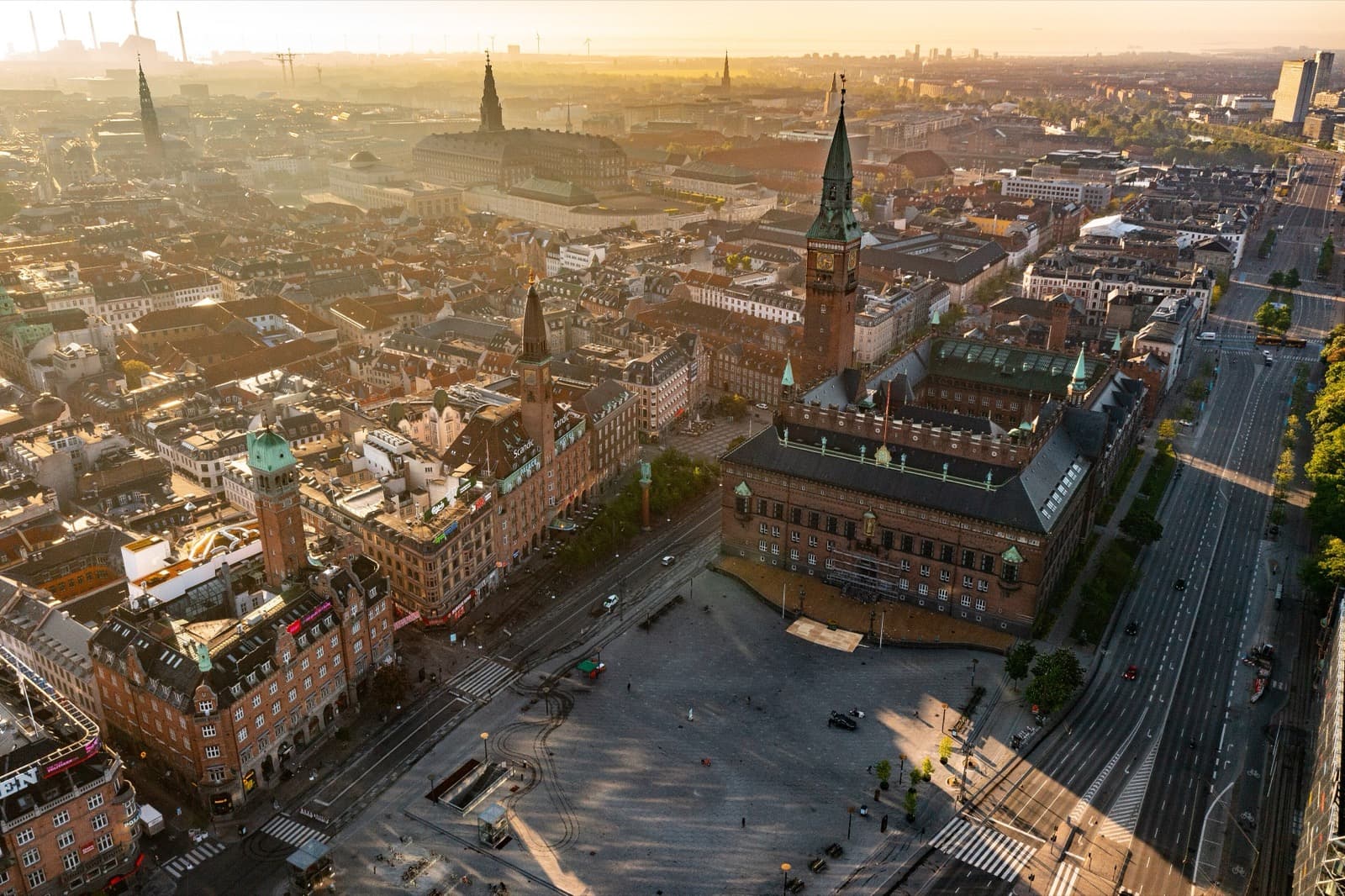
The City Hall Square: Gateway to the Old Town
Copenhagen's modern civic square at the western edge of the old city ramparts, the gateway to the great walking street of Stroeget.
- 2
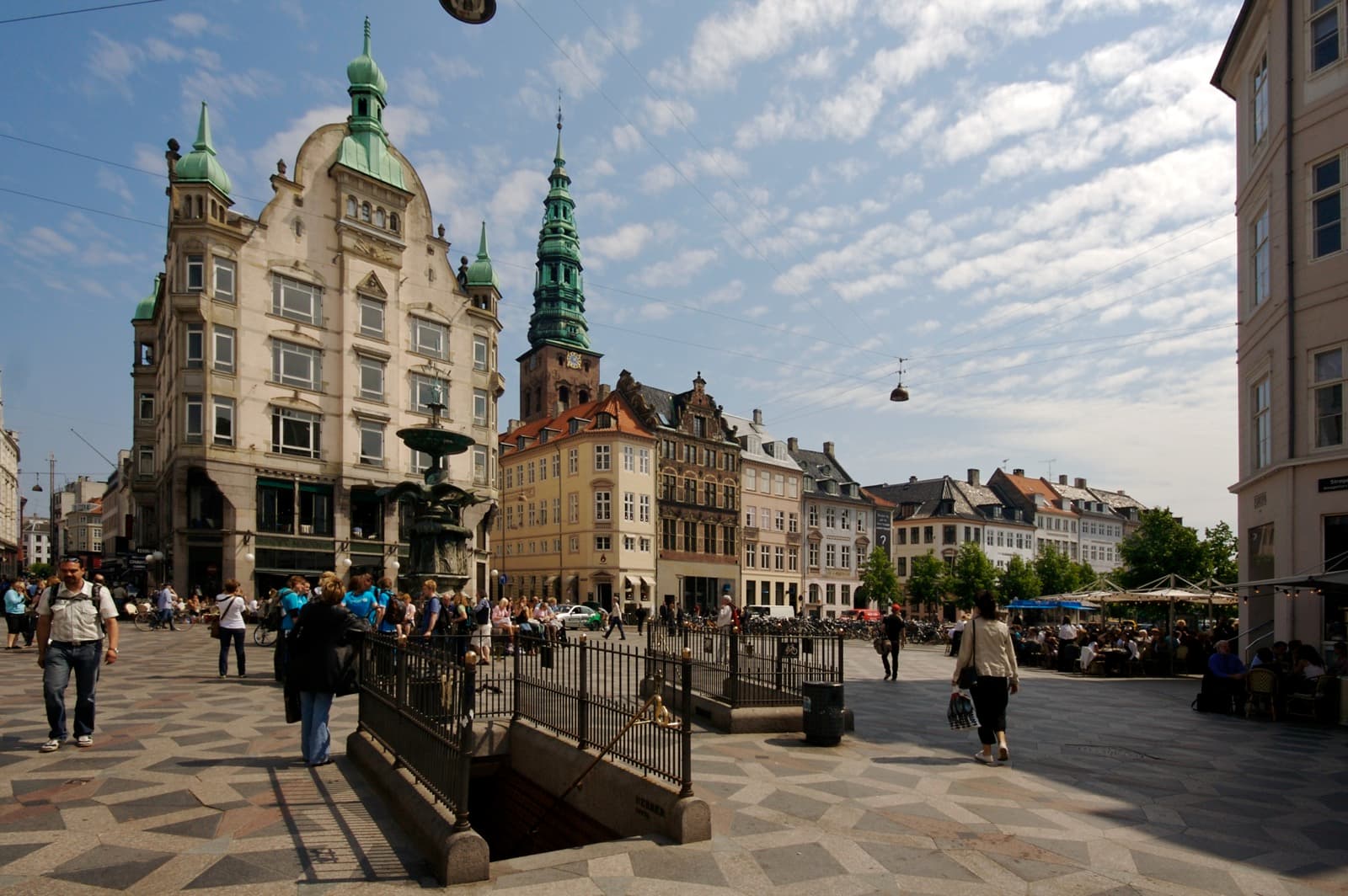
Stroeget: The Medieval Market Heart
The long pedestrian spine of the old town, threading the twin medieval market squares of Gammeltorv and Nytorv.
- 3
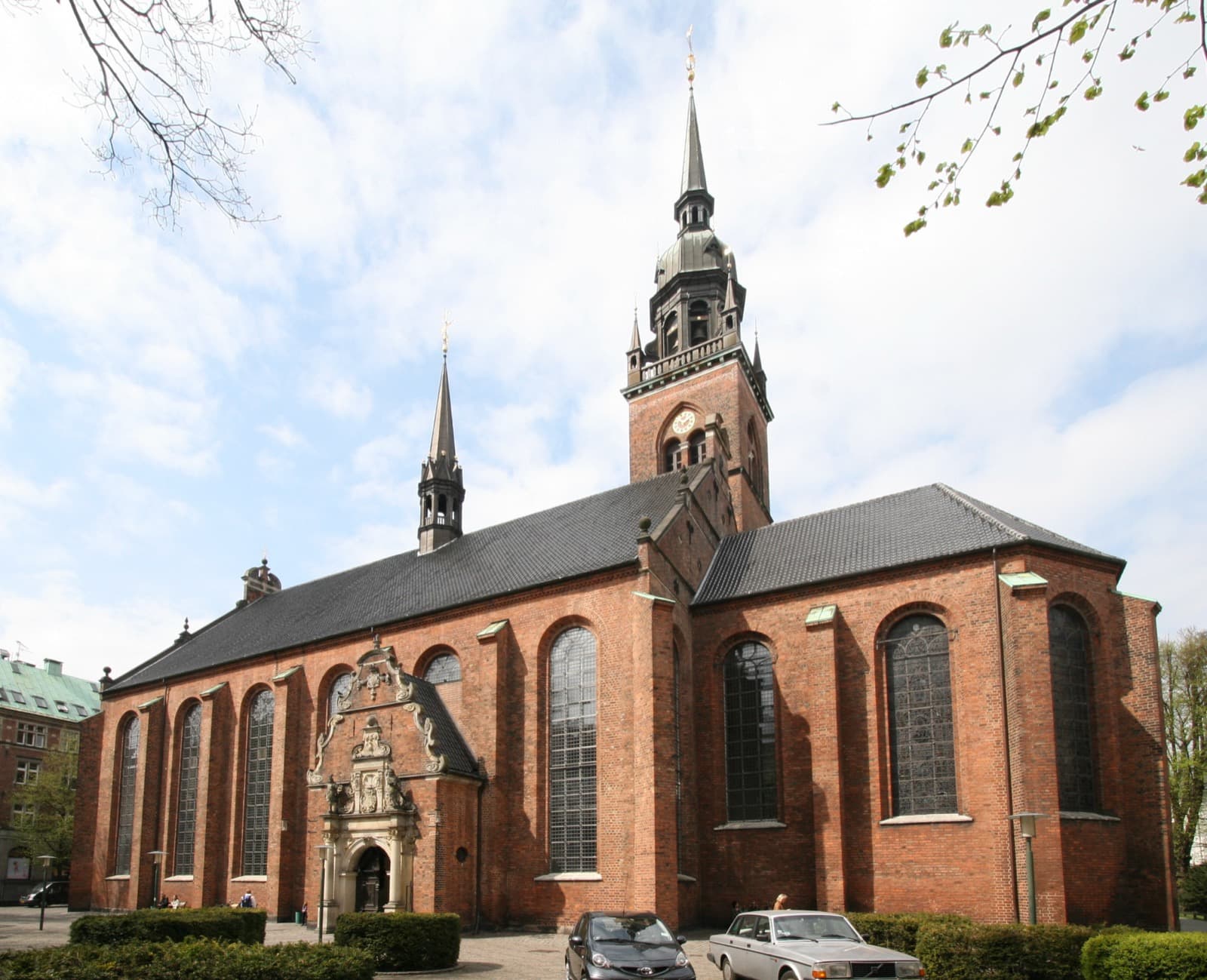
Helligaandskirken: A Medieval Survivor
The Church of the Holy Ghost on Stroeget, whose surviving monastery wing is among the oldest buildings in the city.
- 4
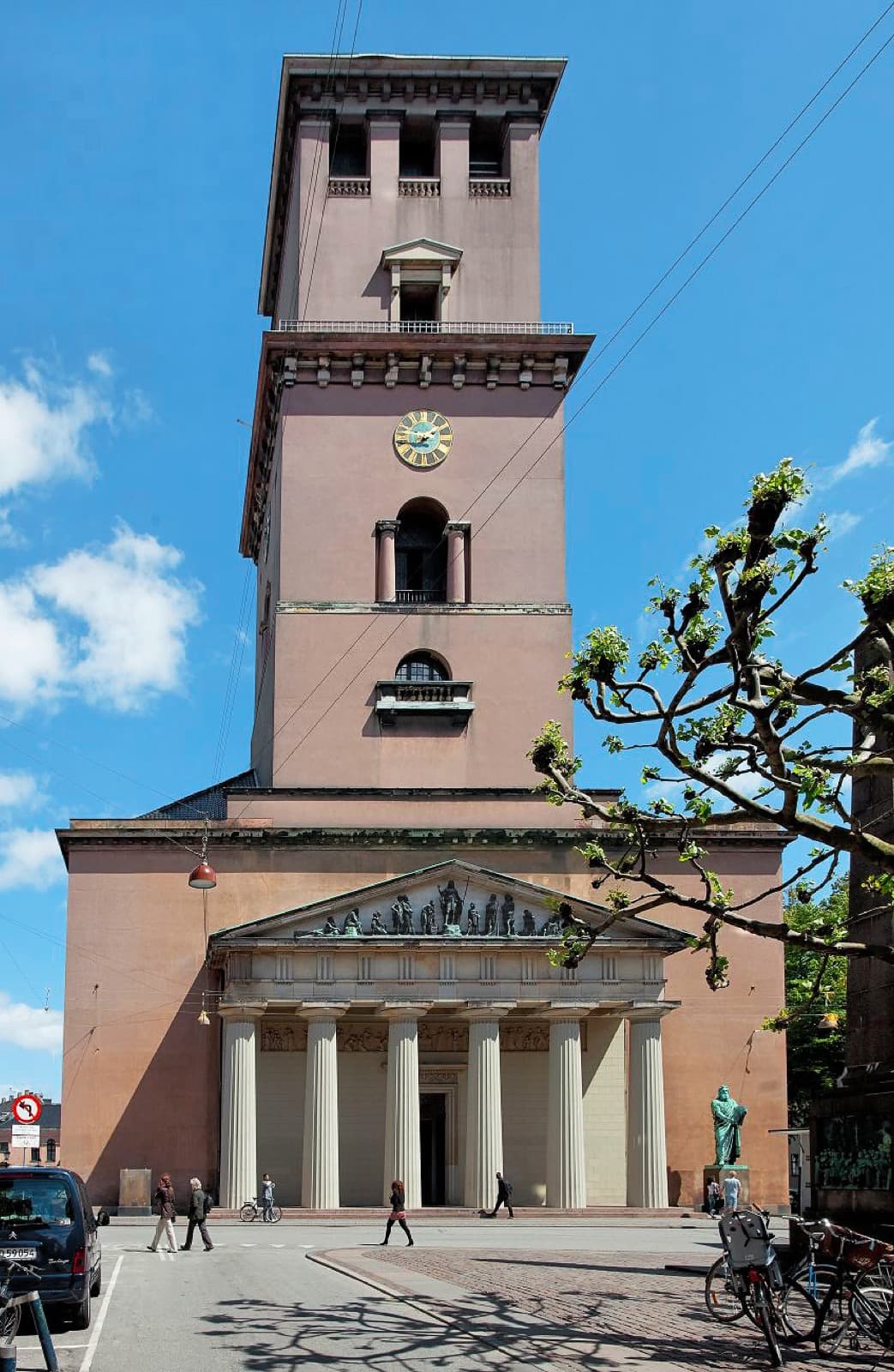
Copenhagen Cathedral: Reborn from the Bombardment
The Church of Our Lady, Copenhagen's Neoclassical cathedral, rebuilt after the eighteen oh seven bombardment and home to Thorvaldsen's marble Christ.
- 5
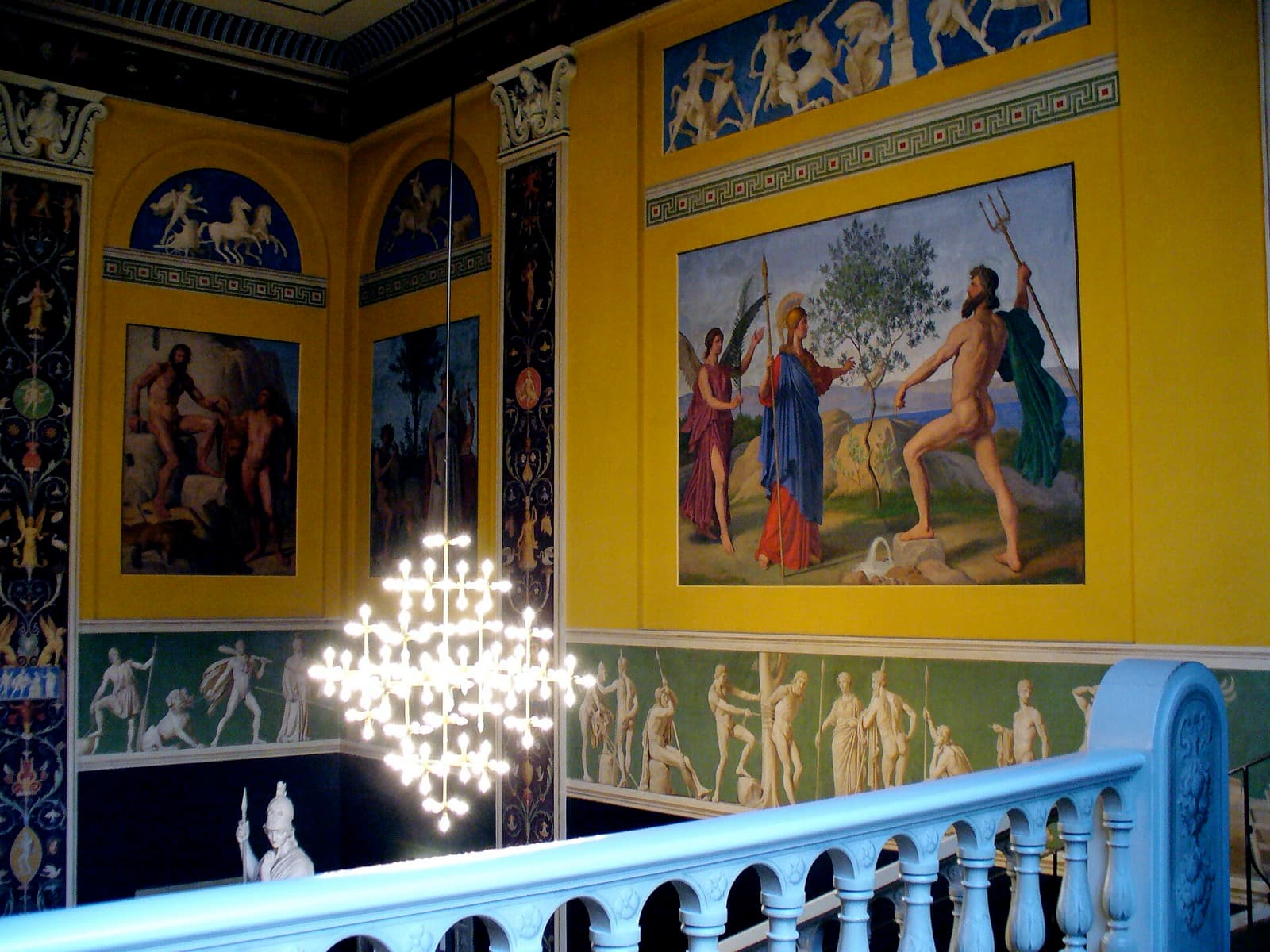
The Latin Quarter and the University
The old scholars' district around the University of Copenhagen, rebuilt after the eighteen oh seven bombardment.
- 6
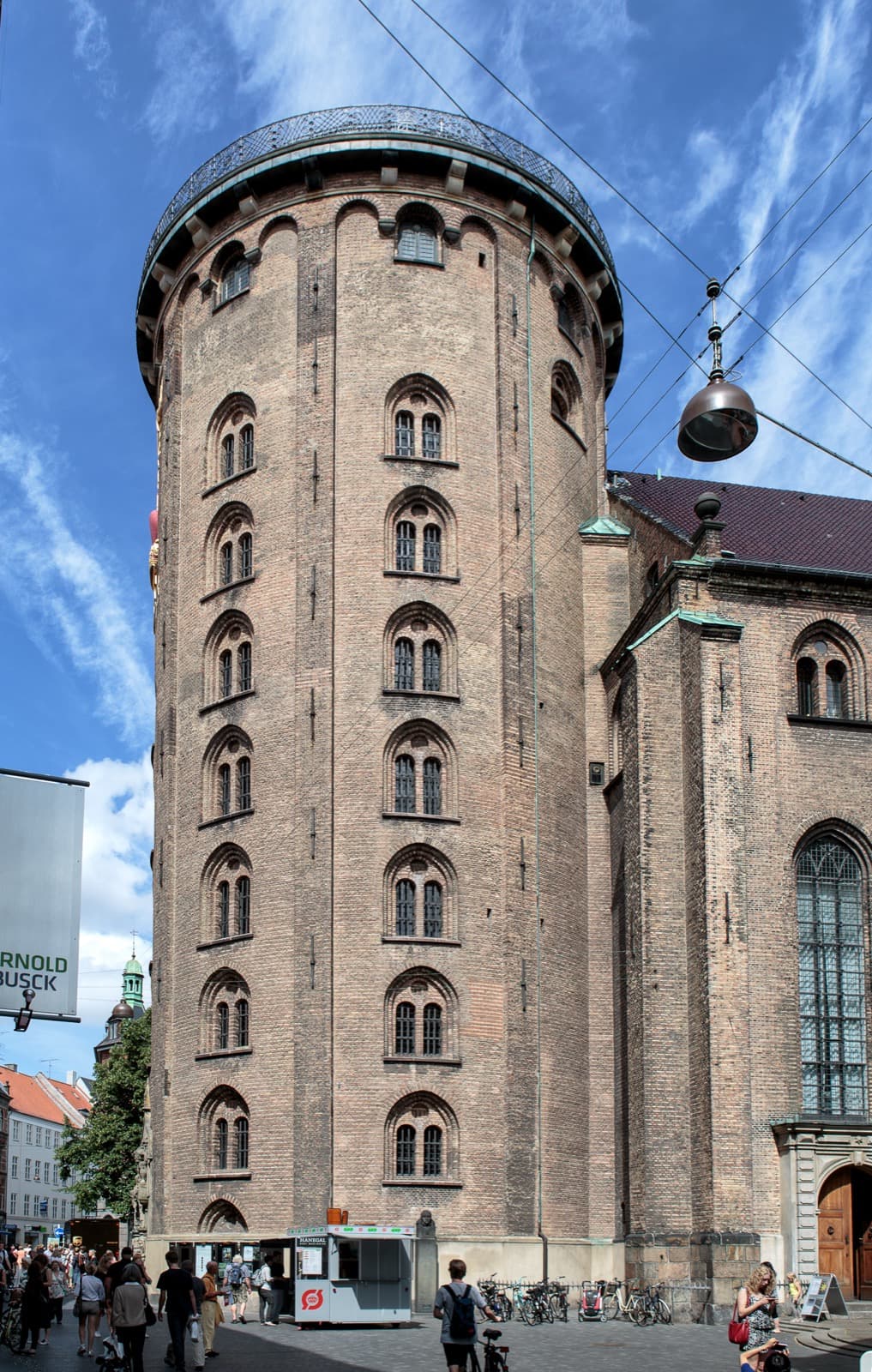
The Round Tower: Christian the Fourth's Spiral to the Stars
King Christian the Fourth's cylindrical brick tower with its famous horse-friendly spiral ramp, a true survivor of the old city.
- 7
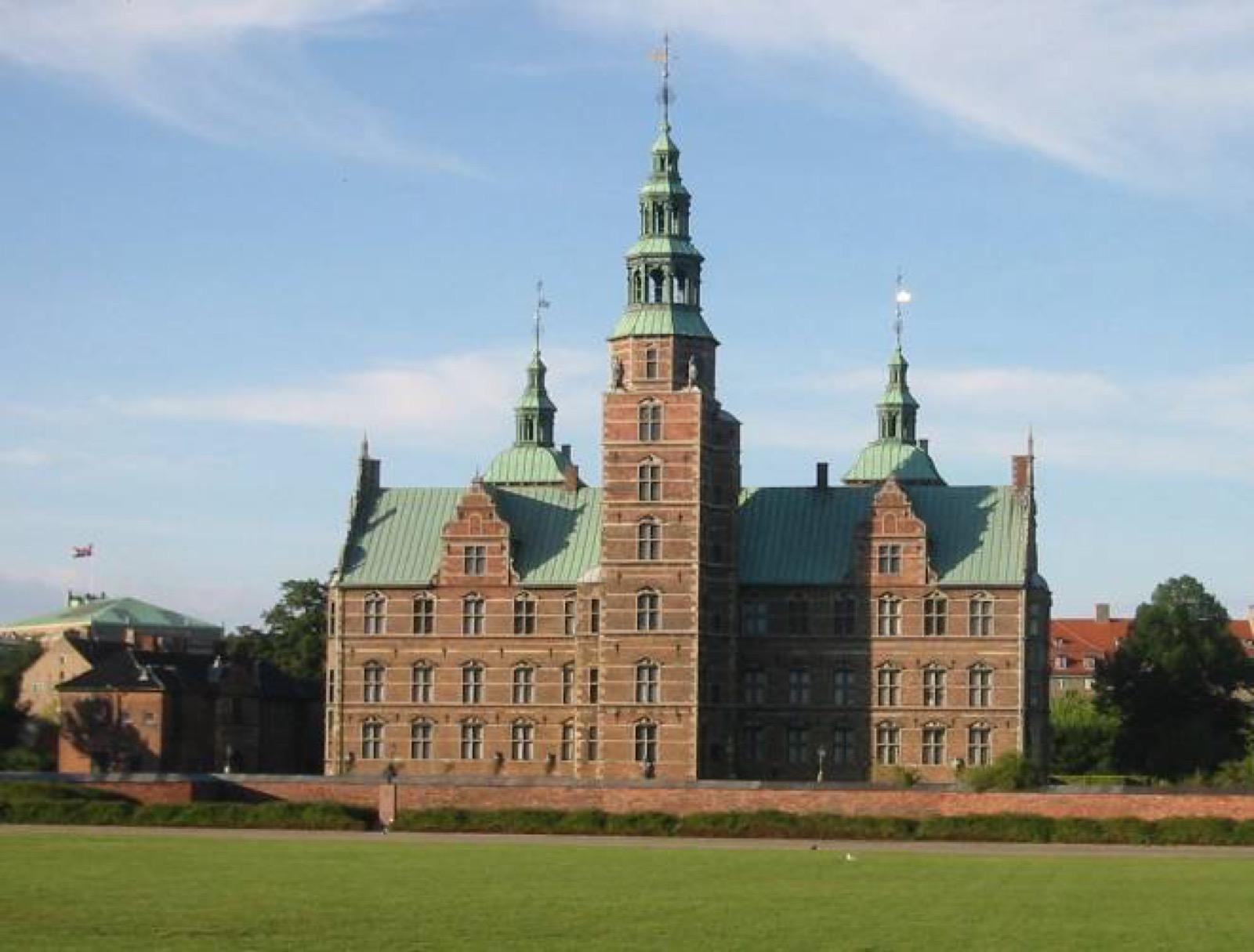
Rosenborg Castle: The King's Renaissance Survivor
King Christian the Fourth's Dutch Renaissance summer castle in the King's Garden, keeper of the Danish crown jewels beyond the old ramparts.
Details
Best Time to Visit
Late morning to mid-afternoon is ideal, when the churches are open and the Round Tower and Rosenborg have their fullest hours. Spring and early autumn give the softest light and the King's Garden at its greenest, while summer brings long northern daylight but busier squares. Aim to reach the Round Tower and the cathedral before mid-afternoon so you have time and open doors, and save the King's Garden for a lingering finish.
Pro Tips
- •Do the walk in the direction given, from Raadhuspladsen east along Stroeget and out to Rosenborg, so the climb of the Round Tower comes before the garden finish and you end on a green, unhurried note.
- •Time the Round Tower and the cathedral for open hours in late morning or early afternoon, and go up the tower when the queue looks thin rather than waiting in a crowd.
- •The whole route is flat and walkable, with the only real climb being the spiral ramp inside the Round Tower, so wear comfortable shoes for cobbles rather than worrying about hills.
- •Carry a little Danish krone in cash or a card for the entry fees at the Round Tower and Rosenborg, since Denmark uses the krone and not the euro.
- •Save extra time for the King's Garden at the end, because the closing stop is meant to be lingered in at your own pace, not rushed.
- •Step inside the Church of Our Lady even briefly to see Thorvaldsen's white marble Christ and Apostles, one of the quiet high points of the whole old town.
Safety & Precautions
- •Copenhagen has heavy bicycle traffic and dedicated cycle lanes that run beside the pavements, so look carefully for fast-moving cyclists whenever you cross a street or step off a kerb.
- •The cathedral and the Church of the Holy Ghost are working churches, so dress modestly, keep your voice low, and be mindful of any service in progress.
- •The Round Tower involves a real climb up its spiral ramp and can build a queue at busy times, so allow for the effort and the wait, and note that parts of the observatory may be closed for restoration.
- •Danish weather changes quickly, so bring sun protection for bright northern days and a light waterproof for sudden showers, and keep valuables discreet in the busier stretches of Stroeget.
Travel advisory: Exercise Increased Caution (Level 2).
Gallery
Related Reading
Go deeper on what you'll see, hear, and walk through.
Overview
Best Self-Guided Walking Tours in Copenhagen (2026)
4 min
Overview
Copenhagen Travel Guide: Days, Transport, Season, Safety, and Budget
7 min
Overview
One Day in Copenhagen: A Walkable Itinerary From Morning to Evening
6 min
Thematic
Best History Walking Tours in Copenhagen (2026)
2 min
Thematic
The Rebuilt Capital: How Copenhagen Kept Raising Itself from Fire
7 min
Companion
The Copenhagen Cathedral That Was Rebuilt from a Bombardment
7 min
Deep dive
Rosenborg Castle: The Fairytale Fortress That Kept Denmark's Crown Jewels
7 min
Read
What to Eat in Copenhagen: Dishes, Origins, and How to Order Like a Local
6 min
Read the walk
The full story of Historic Center: The Old Town Rebuilt from Fire, in words. Prefer to listen? Play it narrated, from home or on location.
Introduction
The old town of Copenhagen, Denmark, looks like an intact medieval city, and it is one of the great surprises of this walk that it is not. The merchant town that Bishop Absalon founded on the little island of Slotsholmen in eleven sixty-seven grew into a crowded city of timber and then burned. The great fires of seventeen twenty-eight and seventeen ninety-five, and the British naval bombardment of eighteen oh seven, destroyed much of it, so the cobbled streets you will follow are largely a Neoclassical city rebuilt after the flames, laid over the medieval street plan. Rising above that rebuilt town are two survivors from the age of King Christian the Fourth: the Round Tower and, beyond the old ramparts, his Renaissance castle of Rosenborg. This route reads that layered story of stone and fire in seven stops, running about three kilometres over roughly two hours at an easy pace, though it is entirely yours to stretch or shorten. There is no group here and no schedule. You set the speed, you choose where to pause, and you can climb the Round Tower or sit in the King's Garden for as long as you like. The walk begins at the wide civic square at the western gateway to the old town and ends at a garden castle that keeps the crown jewels. When you arrive at the City Hall Square, Raadhuspladsen, begin with stop one.
1. The City Hall Square: Gateway to the Old Town
You are standing on Raadhuspladsen, the City Hall Square, the modern civic heart of Copenhagen and the western gateway to the old town. The name is easy to unpack: plads means square. This open space sits along the line of the old city ramparts, the boundary that once separated the crowded medieval city from the world outside. The great red-brick building that dominates it is Copenhagen City Hall, Koebenhavns Raadhus. It was designed by the architect Martin Nyrop and inaugurated on the twelfth of September, nineteen oh five, in the National Romantic style, with a Renaissance revival flavour inspired in part by the town hall of Siena in Italy. Its slender clock tower rises about one hundred and five metres, and inside sits an astronomical world clock built by Jens Olsen. Look up to the balcony over the main entrance and you will find a gilded figure of Bishop Absalon, the warrior-bishop who, by tradition, founded Copenhagen's first castle on the island of Slotsholmen in eleven sixty-seven, as recorded by the chronicler Saxo Grammaticus. So this modern square is quietly bound to the twelfth-century origin of the whole city. Near here lies Tivoli Gardens, the historic pleasure garden that opened on the fifteenth of August, eighteen forty-three, founded by Georg Carstensen. It is often described as the world's second-oldest amusement park still operating. From this civic threshold, the long pedestrian street of Stroeget runs east into the medieval heart. Take a moment here, unhurried, before the old town begins.
2. Stroeget: The Medieval Market Heart
You have joined Stroeget, the main pedestrian street that threads the old town from end to end. The Danish word strog signals the main promenade, and torv, which you will hear again, means market square. Stroeget runs about one kilometre from Raadhuspladsen to Kongens Nytorv, the King's New Square, and it is one of the longest pedestrian shopping streets in Europe. It was pedestrianised on the seventeenth of November, nineteen sixty-two, and made permanent in nineteen sixty-four, after fierce early opposition from those who feared a car-free street would empty of life. It did the opposite. Along the way lie the twin medieval market squares that are the oldest part of the city: Gammeltorv, the Old Square, and Nytorv, the New Square. Gammeltorv is Copenhagen's oldest square, a marketplace that existed even before Absalon built his castle on Slotsholmen. At its centre stands the Caritas Well, the Caritasspringvandet, built in sixteen oh eight by King Christian the Fourth. Its figure group of Charity, a mother with her children, was first carved in wood by the German carver Statius Otto of Elsinore, then cast in bronze. Across the way, Nytorv was laid out in sixteen ten by the same king. For centuries it was a place of grim public justice, holding the city's scaffold and pillory, with executions here into the seventeen fifties. The severe Neoclassical Copenhagen Court House that faces it was built by the architect C.F. Hansen and completed in eighteen fifteen. Let the living shopping scene move around you, and take these two old squares at your own pace.
3. Helligaandskirken: A Medieval Survivor
Rising beside Stroeget is Helligaandskirken, the Church of the Holy Ghost. The name breaks down gently: helligaand is the Holy Ghost, or Holy Spirit, and kirke is church. It is one of the oldest churches in Copenhagen, and its story reaches deep into the Middle Ages. It began as a Franciscan house in twelve thirty-eight, only twelve years after the death of Francis of Assisi. A hospital for the sick, the poor and the old was established here by Bishop Johannes Krag in twelve ninety-six, and in fourteen sixty-nine, under King Christian the First, the house was raised to an abbey, recognised under the Order of the Holy Ghost with the church of Santo Spirito in Rome as its mother house. After the Reformation, in fifteen thirty-seven, it became a parish church. The true treasure here is the Helligaandshuset, the House of the Holy Ghost, the surviving west wing of the old monastery, which is among the oldest buildings anywhere in the city. Then came the fire. The great Copenhagen Fire of seventeen twenty-eight destroyed much of the church, which was rebuilt in its wake. The spire itself is older, completed in fifteen ninety-four under Governor Christoffer Valkendorff and possibly designed by Hans van Steenwinckel the Elder. So this stop holds the tour's whole theme in one place: a genuine medieval survivor, the old House, standing amid a church and a city rebuilt again and again from the flames. Step out of the shopping stream and give this quiet corner your own unhurried minute.
4. Copenhagen Cathedral: Reborn from the Bombardment
This is Vor Frue Kirke, the Church of Our Lady, the cathedral of Copenhagen. The name is plain once opened: vor is our, frue is lady, and kirke is church, and the word domkirke means cathedral. A church has stood on this ground since the Middle Ages, its origins traced to eleven…
Full narration for this stop unlocks with the tour.
5. The Latin Quarter and the University
You have stepped into the Latinerkvarteret, the Latin Quarter, the old scholars' district that gathers around the University of Copenhagen just beside the cathedral. The name comes from the days when Latin was the language of learning in these lanes, and students and masters…
Full narration for this stop unlocks with the tour.
6. The Round Tower: Christian the Fourth's Spiral to the Stars
Ahead rises Rundetaarn, the Round Tower, and here we meet the first true survivor of King Christian the Fourth. The name is simple: rund is round, and taarn is tower. This cylindrical brick tower was built between sixteen thirty-seven and sixteen forty-two, reaching about…
Full narration for this stop unlocks with the tour.
7. Rosenborg Castle: The King's Renaissance Survivor
Here the walk closes at Rosenborg, Rosenborg Slot, where slot means palace or castle. This Dutch Renaissance castle was built for King Christian the Fourth beyond the old city ramparts, and it is his masterpiece and the second of his surviving towers on this walk. It began in…
Full narration for this stop unlocks with the tour.