Historic Center: The Old Town Rebuilt from Fire
75 min · 2.8 km · moderate
You can walk Copenhagen's core in a single day, morning to evening, and see the old town, the royal quarter, and the island where the city began without ever needing a car or a tour bus. The city is compact, flat, and walkable, so a well-ordered route ties City Hall Square, the Round Tower, Nyhavn, Amalienborg, the Little Mermaid, and Slotsholmen into roughly ten kilometers of easy walking spread across the day. This guide sequences those stops in the order the streets actually connect them, flags what costs money and what is free, and hands off each leg to a self-guided audio tour you can start on your phone when you reach the first stop.
The plan below assumes you arrive rested and want a full day on foot. From Copenhagen Airport, the driverless M2 metro reaches Kongens Nytorv in about 13 minutes, and a direct train reaches Copenhagen Central Station in a similar time, so most visitors are standing in the center within a quarter hour of landing. For the full set of routes and how they connect, see Copenhagen walking tours, and browse everything on offer on the /denmark/copenhagen city page.
Morning: the historic center
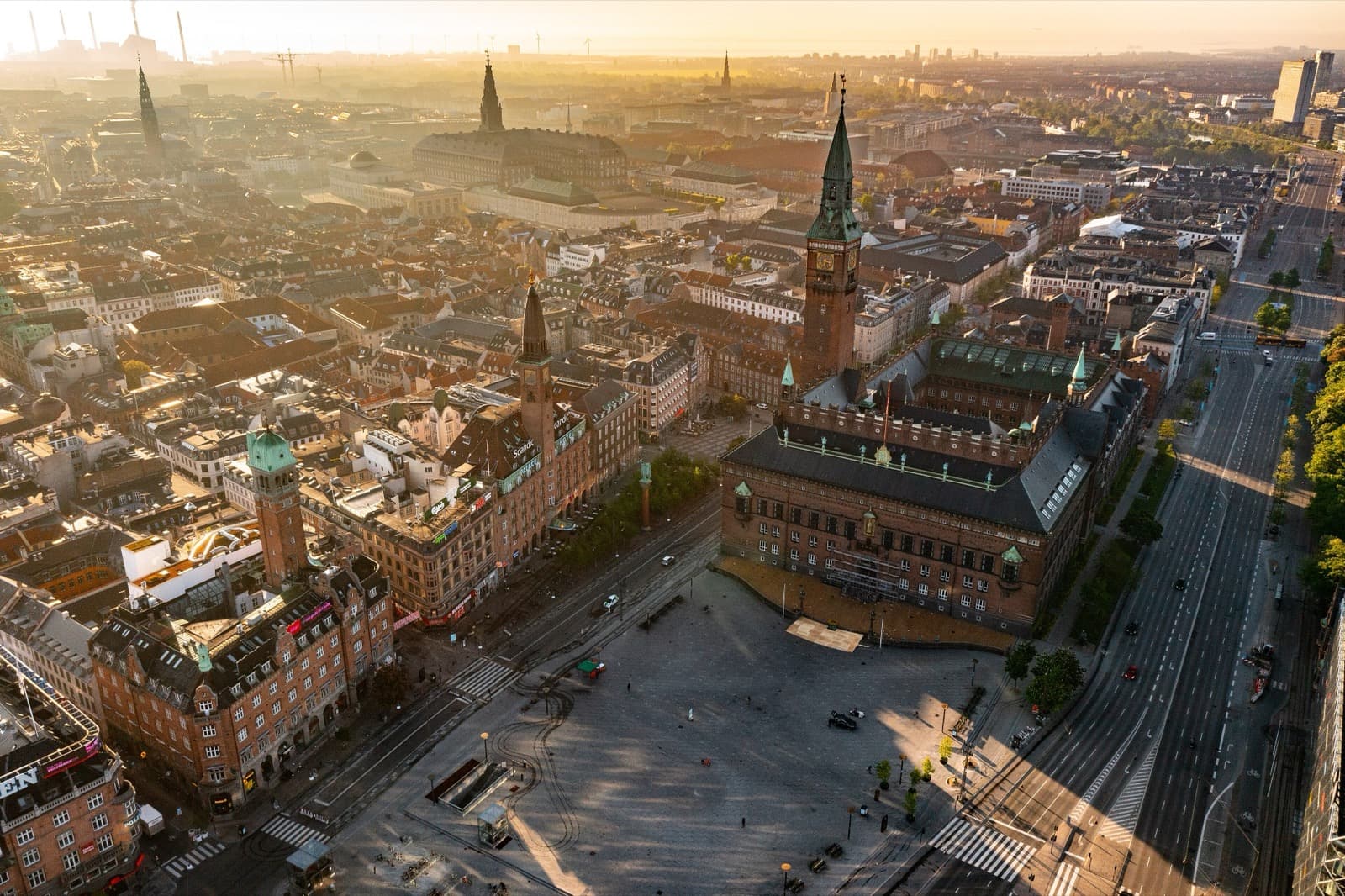
Start at City Hall Square (Raadhuspladsen), the open plaza that anchors the west end of the old town. From here the pedestrian street Stroeget runs east through Gammeltorv and Nytorv, the paired old market squares, toward the Round Tower and the Latin Quarter around the University of Copenhagen. The whole medieval-looking core is largely a Neoclassical city rebuilt after fires and the bombardment of 1807, laid over an older street plan, which is exactly the counter-intuitive thread the historic center audio tour follows across roughly 2.8 kilometers and seven stops.
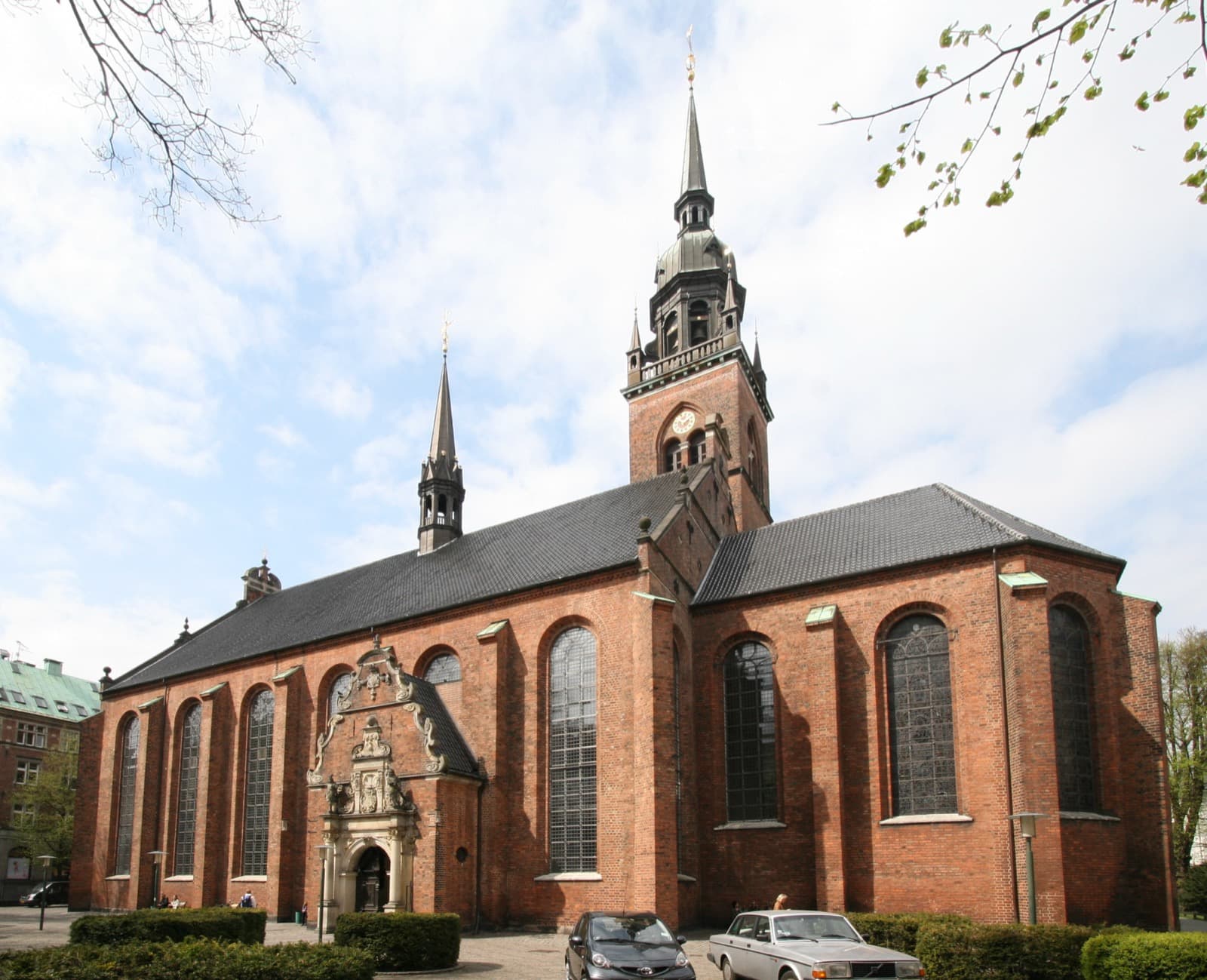
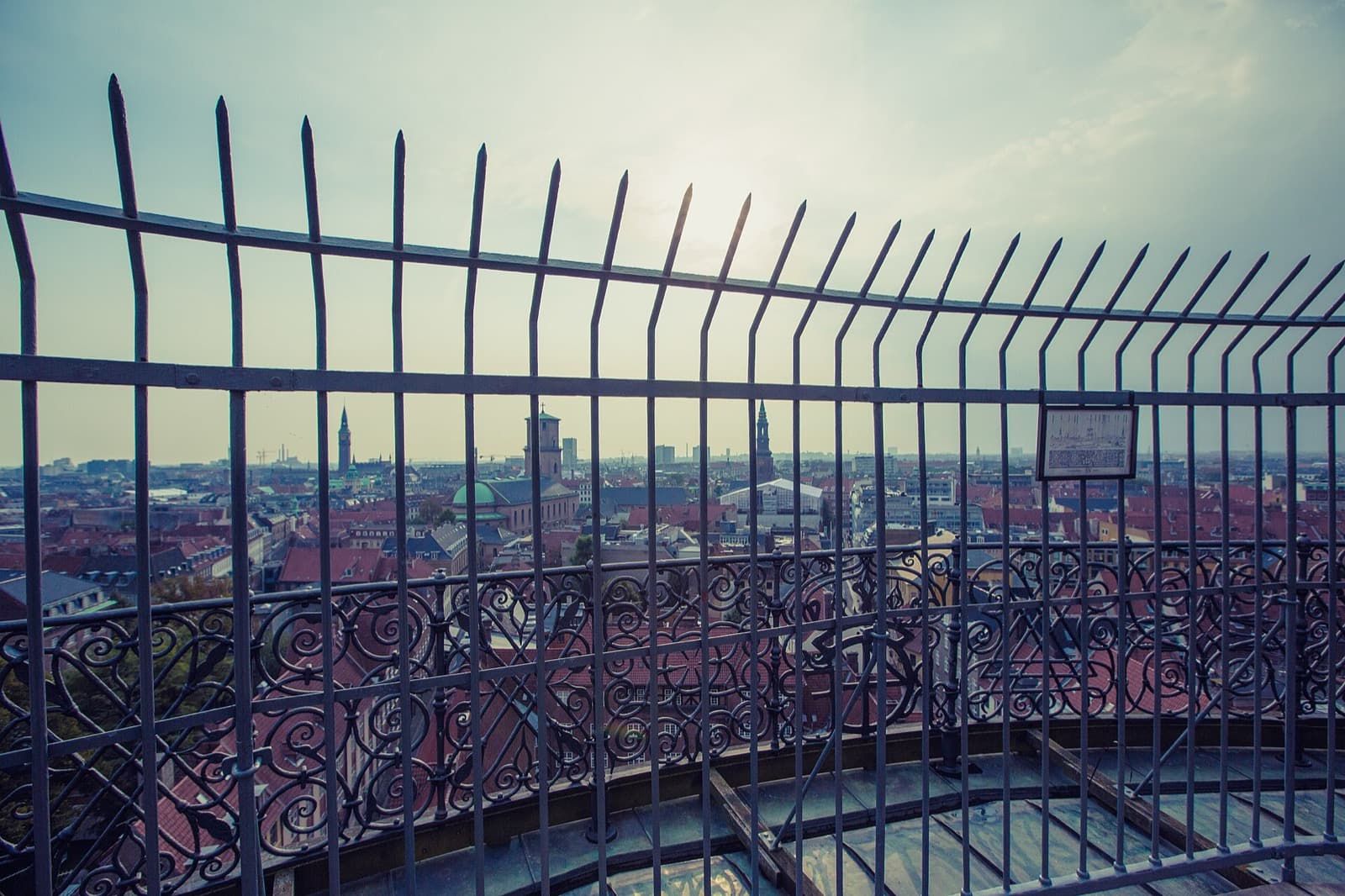
Most of the morning costs nothing. Stroeget, the squares, the Church of the Holy Ghost, and the Church of Our Lady (Copenhagen Cathedral) are free to enter and walk through. Two paid climbs are worth budgeting for. The Round Tower (Rundetaarn) charges an adult fee of around 60 DKK and opens daily from 10:00, with longer evening hours from April through September. Note that its observatory is under restoration through much of 2026 and is scheduled to reopen in October 2026, though the ramp and viewing platform stay open. If you want a castle and the Danish crown jewels, Rosenborg Castle sits a short walk north at the edge of the King's Garden (Kongens Have), which is free to stroll; the castle itself charges an adult admission of about 140 DKK that includes the Treasury.
Midday: Nyhavn and the royal quarter
Hear a stop from this walk
The Round Tower: Christian the Fourth's Spiral to the Stars
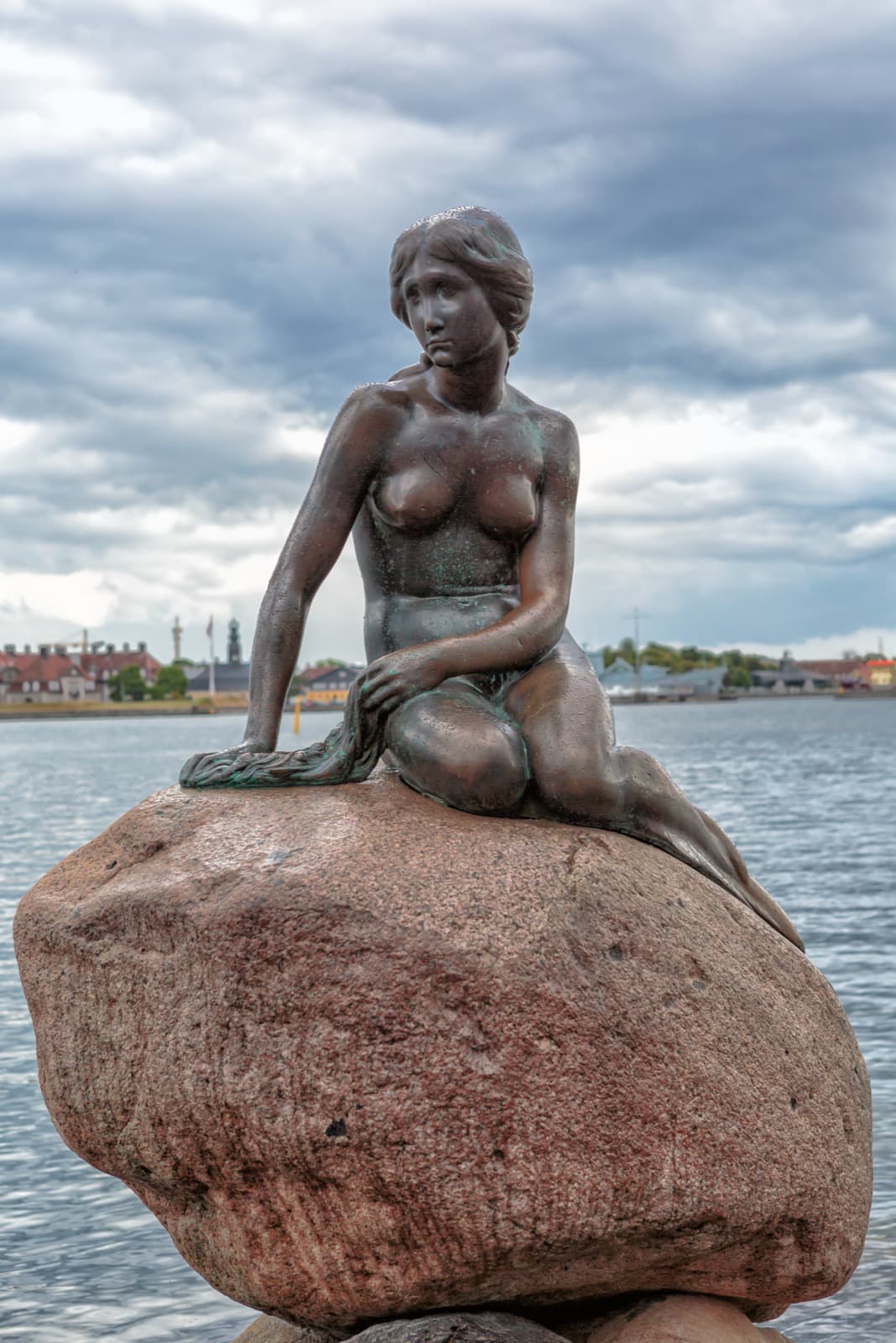
Walk east to Kongens Nytorv, the large round square, then down to Nyhavn, the colored quay lined with old townhouses and moored wooden boats. This is the postcard stretch and a natural place to pause for lunch, though the canal-side cafes charge a premium for the view. From Nyhavn the royal quarter opens northward: the four palaces of Amalienborg around their octagonal square, the great dome of the Marble Church (Frederik's Church) facing it, and then the waterfront path past the Gefion Fountain and the star-shaped Kastellet fortress out to the Little Mermaid. This is the sequence the Nyhavn and Royal Quarter audio tour walks, about 3.9 kilometers of flat, easy ground.
Almost all of this leg is free. Nyhavn, the Amalienborg square, the Gefion Fountain, Kastellet's ramparts, and the Little Mermaid are open public space at no charge. If the royal family is in residence you may catch the changing of the guard at Amalienborg around midday. The Marble Church is free to enter; its dome climb carries a small seasonal fee. Amalienborg's museum palace charges an adult admission if you want to go inside.
Afternoon and evening: Slotsholmen and Christianshavn
Cross back toward the little island of Slotsholmen, where Bishop Absalon raised the first fortress in 1167 and the city grew outward from there. Christiansborg Palace now holds the Danish Parliament, and its tower, at 106 meters the tallest in the city, is free to enter for a panoramic view. The palace grounds are free to walk; the reception rooms, ruins, and stables are separate ticketed museums, with a combined adult ticket in the range of 215 to 225 DKK. Next door stands Boersen, the old stock exchange with its famous dragon-tail spire, which suffered a major fire in 2024 and is under restoration, so expect to view it from the outside only.
From Slotsholmen cross the harbor into Christianshavn, the Dutch-style canal quarter, and finish at the Church of Our Saviour (Vor Frelsers Kirke) with its golden external spiral staircase. The church is free; the spire climb is ticketed at around 70 DKK, runs about 400 steps to the top, is seasonal and weather-dependent, and requires booking in advance. Beyond it lies Freetown Christiania, the self-governed community on the old ramparts, free to enter, where photography is restricted in parts and respectful behavior is expected. The Slotsholmen and Christianshavn audio tour covers this arc in about 3 kilometers and closes the day where the city started.
Practical notes
Copenhagen is a calm, walkable city and consistently ranks among the safest in Europe, so an evening walk back through the center is unremarkable. The one genuine hazard is the bike lanes. Cyclists move fast and have priority, so look for the raised lane between the sidewalk and the road before you step off a curb, and do not stand in it. In 2026, after a survey found that about eight of ten local cyclists see tourist cycling as a traffic safety problem, Copenhagen authorities issued fresh guidance at the points where visitors rent bikes, so if you plan to ride, learn the hand signals and stay to the right. Water refill is easy from public fountains, and English is spoken almost everywhere. Because every audio stop is short and skippable, you can compress this into a half day or stretch it across two, and the tours pick up wherever you are rather than forcing a fixed pace.
Sources
Frequently asked questions
- Can you see Copenhagen in one day on foot?
- Yes. Copenhagen's center is compact and flat, so you can walk from City Hall Square through the old town, Nyhavn, the royal quarter, and Slotsholmen to Christianshavn in a single day. The full loop is roughly ten kilometers of easy walking spread across morning, midday, and afternoon, with short skippable stops so you can compress or stretch the day to your pace.
- How do you get from Copenhagen Airport to the city center?
- The driverless M2 metro reaches Kongens Nytorv in about 13 minutes and runs 24 hours, roughly every few minutes. A direct train reaches Copenhagen Central Station in a similar time. Both put you in the walkable center within about a quarter hour of landing, and the metro fare to the center is around 40 DKK.
- How much does it cost to climb the Round Tower and the Church of Our Saviour spire?
- The Round Tower (Rundetaarn) charges an adult fee of around 60 DKK and opens daily from 10:00. The Church of Our Saviour spire climb costs around 70 DKK for adults, is about 400 steps, runs seasonally from roughly February through December, is weather-dependent, and should be booked in advance.
- Which Copenhagen sights are free to visit?
- Many of the best stops cost nothing. Stroeget, City Hall Square, Nyhavn, Amalienborg square, the Gefion Fountain, Kastellet, and the Little Mermaid are all free public space. The Church of Our Lady, the Marble Church interior, and Holmen Church are free to enter, and the Christiansborg Palace tower, the tallest in the city at 106 meters, is free.
- Is Copenhagen safe to walk around?
- Copenhagen is a calm, walkable city and consistently ranks among the safest in Europe, including for solo travelers, so evening walks through the center are unremarkable. The main hazard for visitors is the bike lanes, where cyclists move fast and have priority. Look for the raised lane between the sidewalk and the road before stepping off a curb, and avoid standing in it.
- Can you go inside Boersen, the old stock exchange?
- No. Boersen, the old stock exchange with its dragon-tail spire on Slotsholmen, suffered a major fire in 2024 and is under restoration, so it is not open to visitors. You can still view the exterior from the surrounding streets and the harbor front as part of a walk across the island.
Ready to experience it?
Historic Center: The Old Town Rebuilt from Fire
75 min · 2.8 km · moderate
More from Copenhagen
Explore more at your own pace.
The Rebuilt Capital: How Copenhagen Kept Raising Itself from Fire
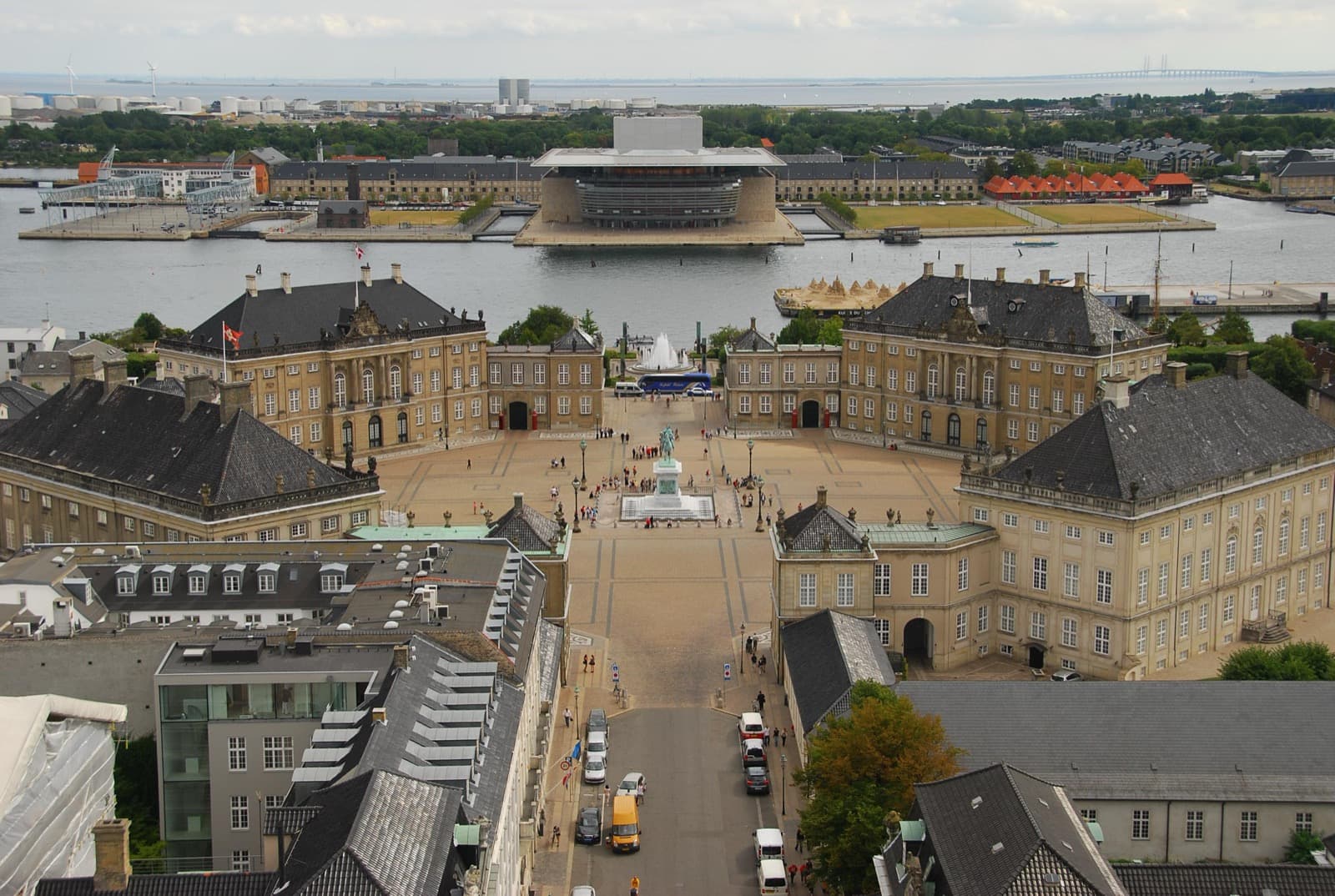
Amalienborg and the Copenhagen a King Drew on Purpose
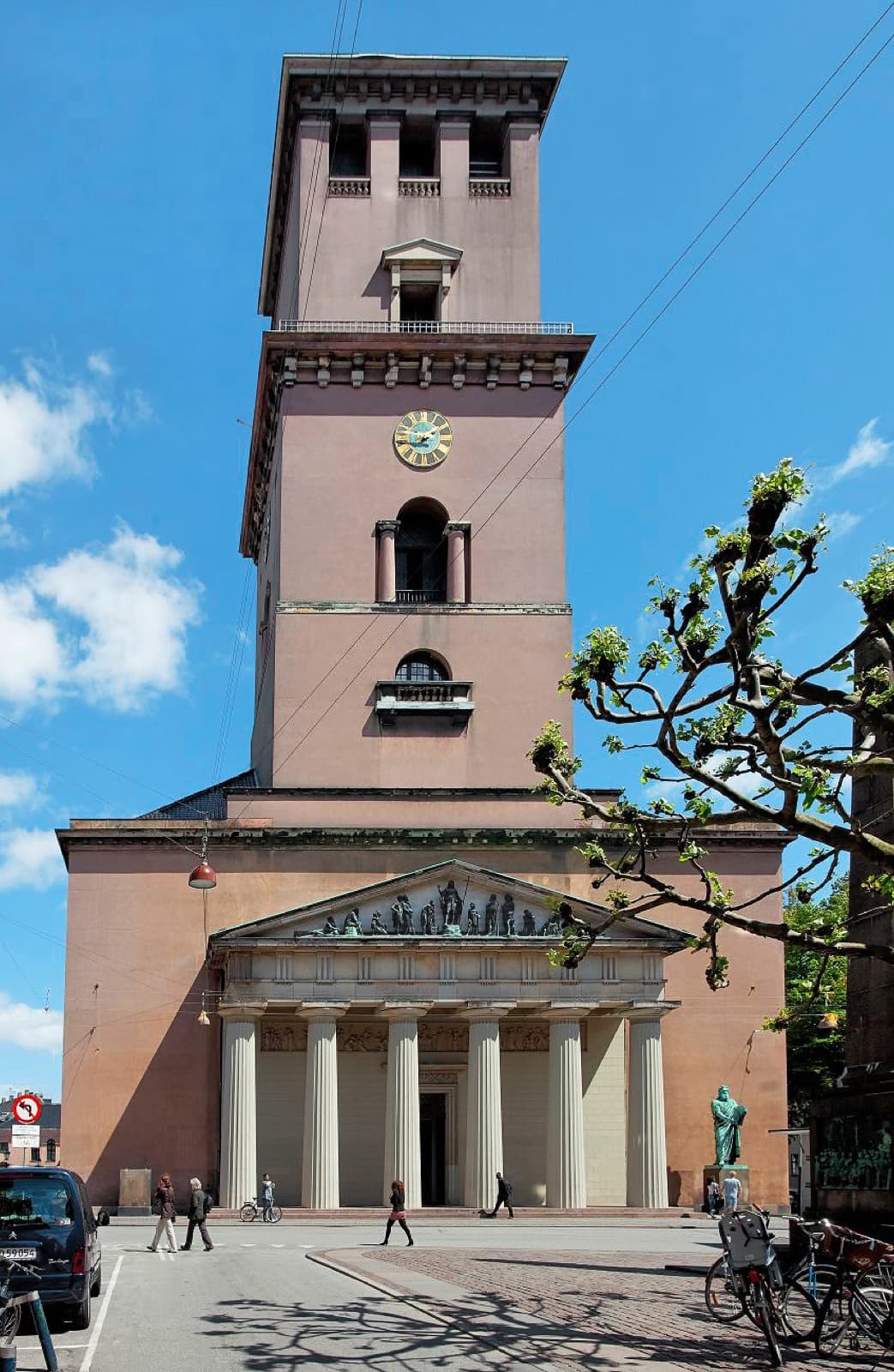
The Copenhagen Cathedral That Was Rebuilt from a Bombardment
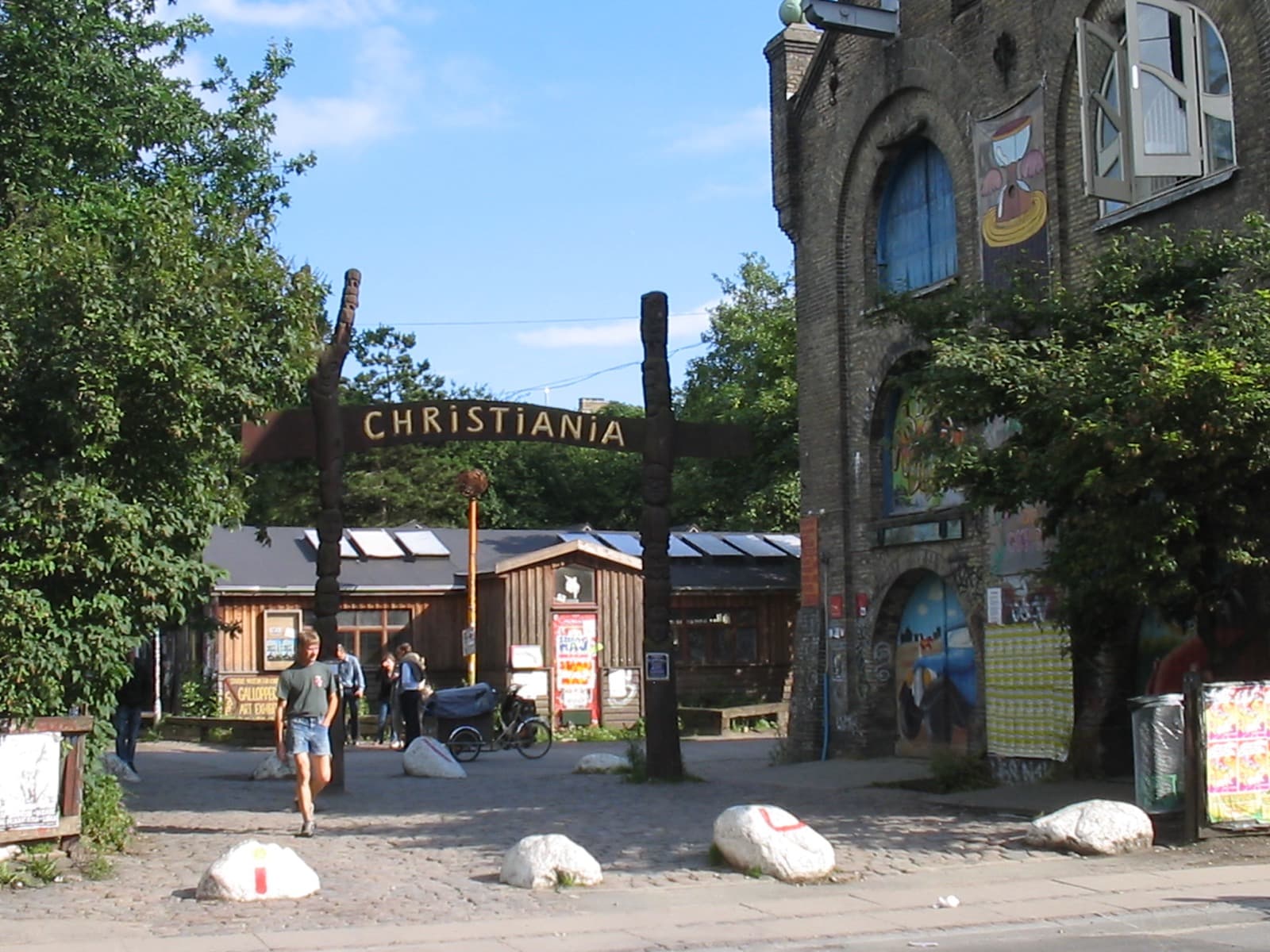
Freetown Christiania: Copenhagen's Free Town on the Old Ramparts
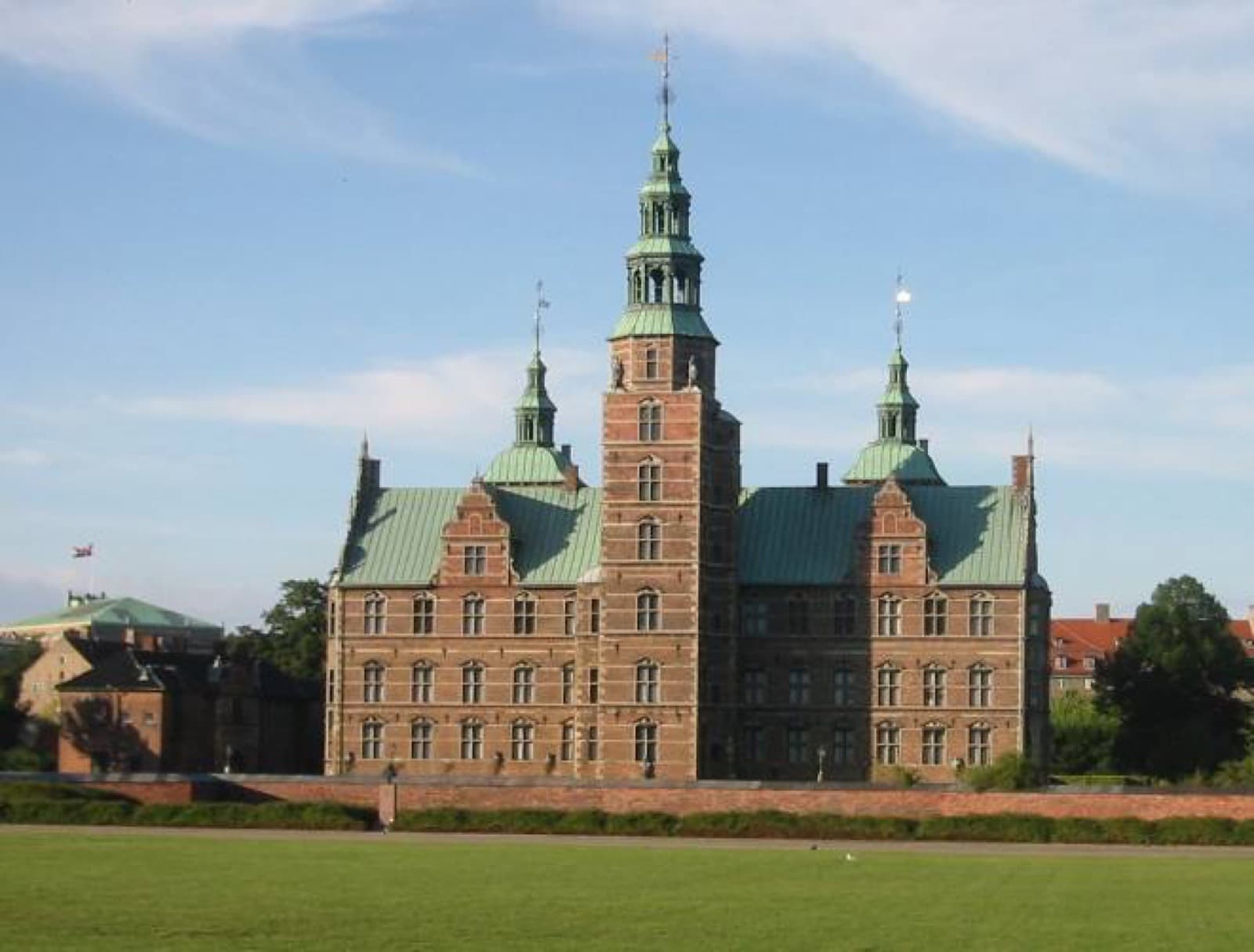
Rosenborg Castle: The Fairytale Fortress That Kept Denmark's Crown Jewels