
Historic Center: The Old Town Rebuilt from Fire
75 min · 2.8 km · moderate
If you want to eat like a local in Copenhagen, start with smørrebrød (the buttered rye open sandwich), a rød pølse from a street cart, and a wienerbrød from a bakery, then order them in the right way. These three dishes carry most of the city's food story: a working lunch that turned into an art form, a hot dog that became a national habit, and a pastry Denmark borrowed and made its own. This guide covers the specific dishes, where each tradition comes from, and how to order without looking lost. When you are ready to walk it off, the same medieval streets and harbour where these foods took hold are the ones you cross on the city's self-guided Copenhagen walking tours.
Smørrebrød: the open sandwich you eat with a knife and fork
Smørrebrød is the dish to understand first. The name simply combines the Danish words smør (butter) and brød (bread), and the base is always the same: a slice of dense, dark rye bread called rugbrød, spread with butter, then topped. It began in the 19th century as a practical worker's and farmer's lunch, cold leftovers from the night before laid on buttered rye and carried to the job. Industrial Copenhagen turned it into an everyday habit, and lunch restaurants later turned it into something closer to a craft, with dozens of set combinations.
A few toppings you will see again and again: pickled herring (sild), often the traditional opener, breaded fried fish fillet with remoulade, roast beef with crispy onions, and a shrimp mountain on white bread. One classic worth knowing by name is dyrlægens natmad, literally "the veterinarian's midnight snack," a layering of liver pâté, salt beef, and meat aspic on rye. It was named in the 1920s at Oskar Davidsen's sandwich restaurant in Copenhagen after a regular customer, a veterinarian named Sigurd Kejlgaard who looked after horses in the city's royal stables.
How to order like a local: eat smørrebrød with a knife and fork, not your hands, because the toppings are too generous to lift. If you order several pieces, there is a traditional sequence, fish first, then meat, then cheese. Many places serve it only at lunch. If a small glass of ice-cold aquavit (snaps) and a beer appear on the menu alongside it, that is the intended pairing.
Rød pølse and the pølsevogn: Copenhagen's street classic
Hear a stop from this walk
The Round Tower: Christian the Fourth's Spiral to the Stars
For fast, cheap, and genuinely local, find a pølsevogn, a hot dog cart, and order a rød pølse. This is the long, bright-red, natural-casing pork sausage that is a Danish street-food fixture. Denmark got its first hot dog vendors in 1920, when Charles Svendsen Stevns, a Dane who had run a hot dog business in Oslo, was granted permission to set up carts around Copenhagen. The habit stuck: by 1950 Copenhagen alone had around 400 hot dog vans.
Two ways to order it. A ristet hotdog is the grilled sausage in a bun, and the full local treatment adds mustard, ketchup, remoulade, pickled cucumber, and both raw and crispy fried onions on top. A fransk hotdog, or French dog, which reached Denmark in the 1970s, skips the split bun for a hollowed-out baguette filled with dressing and the sausage pushed inside. Carts stand near squares, stations, and busy corners, so you rarely have to look far.
Wienerbrød: the pastry Denmark borrowed
What the English-speaking world calls a "Danish" is called wienerbrød in Denmark, meaning "Viennese bread," and the name is honest about its origin. During a bakers' strike in Denmark in 1850, employers brought in foreign bakers, several from Austria, who worked in their own laminated-dough style. When the strike ended, the flaky pastry had already caught on, so Danish bakers learned to make it and adjusted the recipe with more butter and eggs. Order it fresh from a bakery in the morning and you will find versions filled with custard (spandauer), cinnamon, or marzipan. Ask for wienerbrød, not a "Danish," and you will be understood immediately.
Hot plates: flæskesteg and the national dish
For a proper hot Danish meal, look for pork. Flæskesteg is roast pork with crackling, the crisp, blistered skin that Danes prize, and it is the centrepiece of many Christmas Eve dinners, served with red cabbage and caramelised potatoes. The everyday cousin is the one that actually holds the title: in 2014, a public poll run by Denmark's food ministry, with more than 63,000 votes cast, chose stegt flæsk med persillesovs as the national dish. It is fried pork belly with parsley sauce and potatoes, and it beat smørrebrød into second place. Both dishes turn up on traditional Danish lunch and dinner menus rather than street stalls.
New Nordic: the modern chapter
Copenhagen's global food reputation rests on a movement that is only a couple of decades old. In 2003, René Redzepi and Claus Meyer opened the restaurant Noma on the city's waterfront in Christianshavn, its name a contraction of nordisk mad, Danish for "Nordic food." The following year, a group of chefs signed the New Nordic Food Manifesto, a ten-point set of ideas built around seasonality, local sourcing, and foraging. You do not need a tasting-menu budget to feel its influence: the emphasis on Danish produce, rye, seafood, and wild herbs now runs through cafés and casual spots across the city.
Where to graze: Torvehallerne and market halls
If you want to try several things in one stop, Torvehallerne is the obvious place. This covered market opened on 2 September 2011, right by Nørreport Station, and gathers dozens of stalls under glass roofs, smørrebrød counters, bakeries, coffee, cheese, fish, and prepared food. It is central and easy to reach on foot or by Metro, and it works well as a single grazing lunch before or after a walk through the old town.
Practical ordering tips
A few things that make eating in Copenhagen smoother. Tipping is not expected, because service is normally included in the bill; rounding up for exceptional service is welcome but optional. Tap water is safe and good, and asking for postevand (tap water) rather than accepting bottled saves you the cost of a bottled glass. Lunch is often the smart move for sit-down Danish food, since set lunch menus can be far cheaper than the same kitchen at dinner. And most traditional smørrebrød is a midday dish, so plan it for lunch rather than a late dinner.
Walk it into the city
Every one of these foods sits inside the geography you can walk. The historic core along Strøget, where the market lunch habit grew, is covered by the Copenhagen historic center tour. The coloured houses and old sailors' harbour of Nyhavn, long tied to beer, herring, and quick food, anchor the royal-quarter route, and the canals of Christianshavn, once a working port, sit on the Slotsholmen and Christianshavn walk. Browse all three from the Copenhagen city page, pick a district, and let the audio guide fill in the streets between bites.
Sources
Frequently asked questions
- What is the most traditional food to eat in Copenhagen?
- Smørrebrød, the open-faced sandwich, is the most traditional. It is a slice of dense rye bread (rugbrød) spread with butter and topped with fish, meat, cheese, or egg. It began in the 19th century as a cold worker's lunch and is still served mainly at midday. Eat it with a knife and fork.
- What is a Danish hot dog and how do I order one?
- The classic is a rød pølse, a long red pork sausage, sold from a hot dog cart called a pølsevogn. Order a ristet hotdog for the grilled sausage in a bun with mustard, ketchup, remoulade, pickles, and both raw and crispy onions. A fransk hotdog serves the sausage inside a hollowed baguette instead.
- Are Danish pastries actually from Denmark?
- The pastry is called wienerbrød in Denmark, meaning Viennese bread, because Austrian bakers brought the laminated-dough technique during a Danish bakers' strike in 1850. It caught on, and Danish bakers adapted it with more butter and eggs. Ask for wienerbrød at a bakery rather than a Danish.
- What is the national dish of Denmark?
- Stegt flæsk med persillesovs, fried pork belly with parsley sauce and potatoes, was voted the national dish in a 2014 public poll run by Denmark's food ministry, with over 63,000 votes cast. It beat smørrebrød into second place. Flæskesteg, roast pork with crackling, is a separate Christmas favourite.
- Where can I try lots of Danish food in one place in Copenhagen?
- Torvehallerne is the best single stop. This covered food market opened on 2 September 2011 next to Nørreport Station and gathers dozens of stalls, including smørrebrød counters, bakeries, cheese, fish, and coffee. It is central and easy to reach on foot or by Metro.
- Do I need to tip at restaurants in Copenhagen?
- No. Service is normally included in the bill, so tipping is not expected, though rounding up for exceptional service is welcome. Tap water is safe and good, so ask for postevand to avoid paying for bottled. Sit-down Danish food is often cheaper at lunch than at dinner.
Ready to experience it?
Historic Center: The Old Town Rebuilt from Fire
75 min · 2.8 km · moderate
More from Copenhagen
Explore more at your own pace.
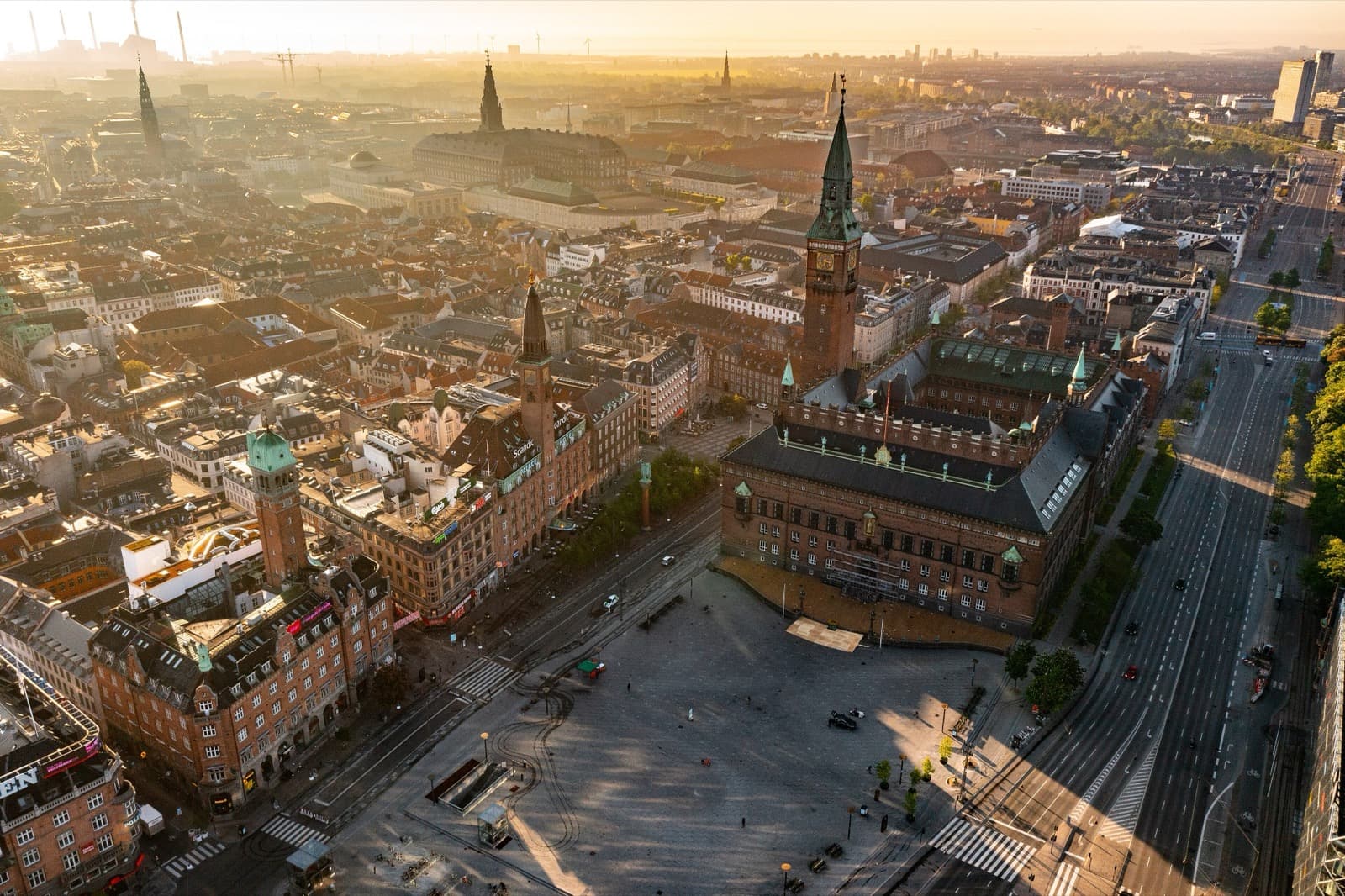
The Rebuilt Capital: How Copenhagen Kept Raising Itself from Fire
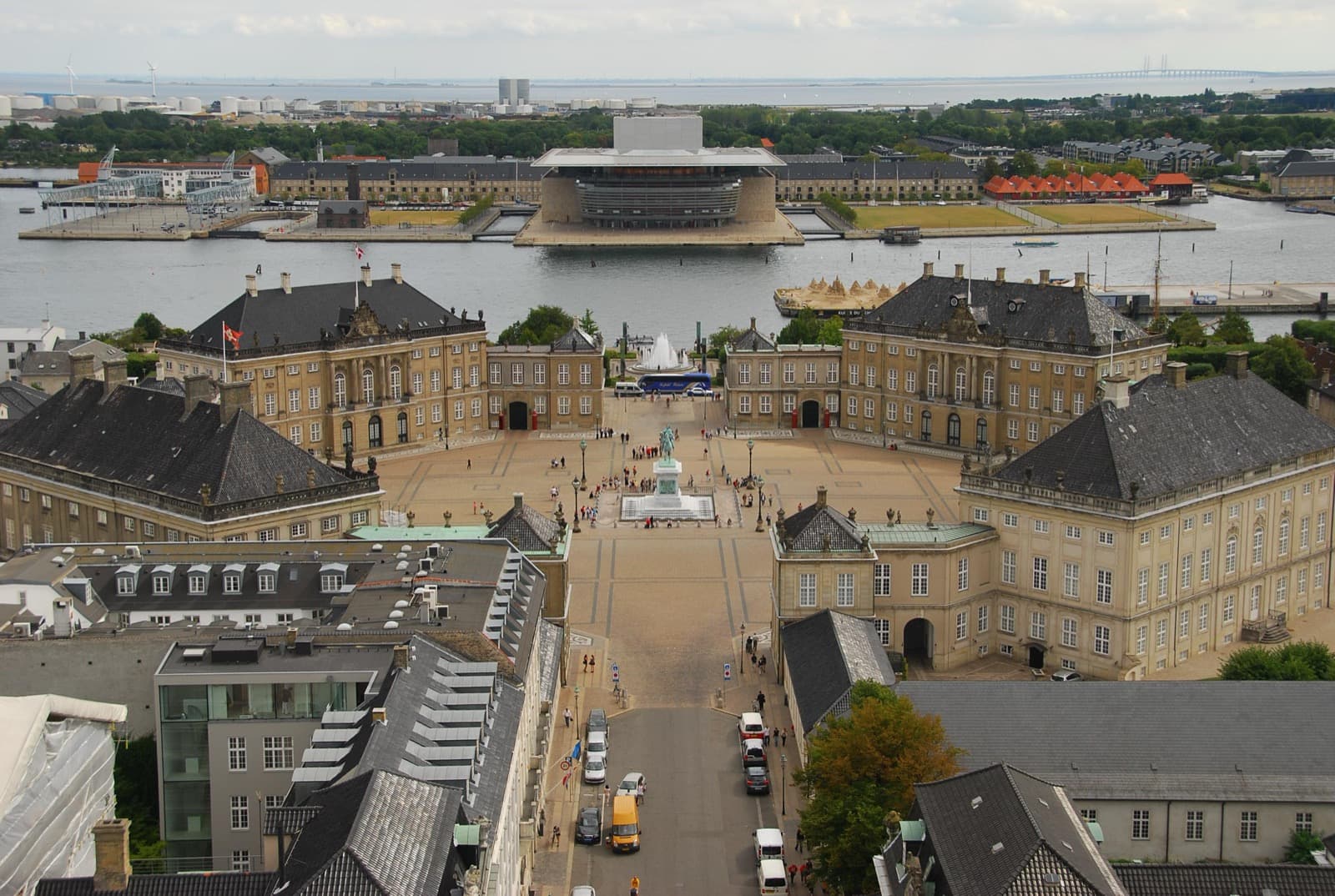
Amalienborg and the Copenhagen a King Drew on Purpose
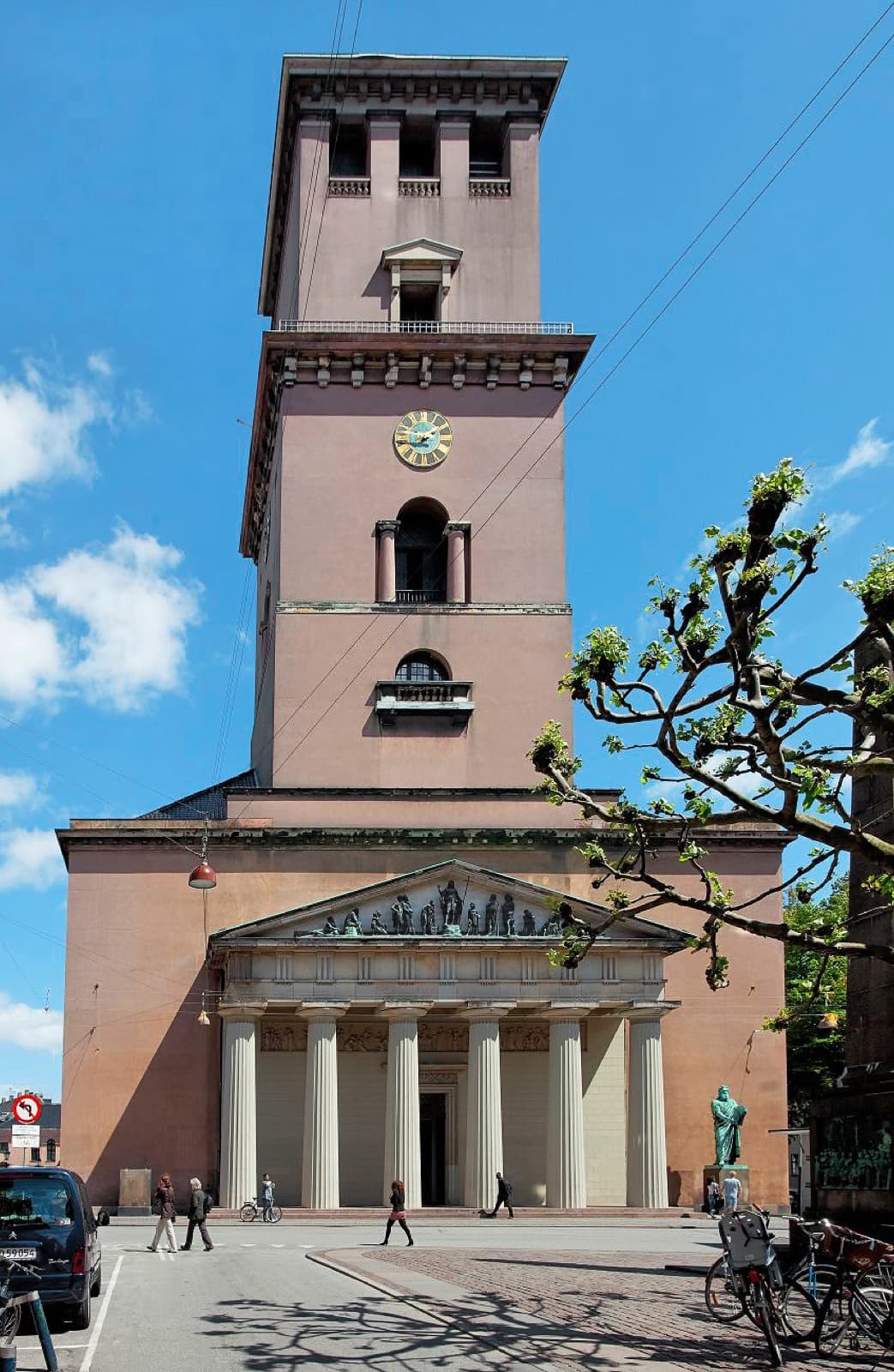
The Copenhagen Cathedral That Was Rebuilt from a Bombardment
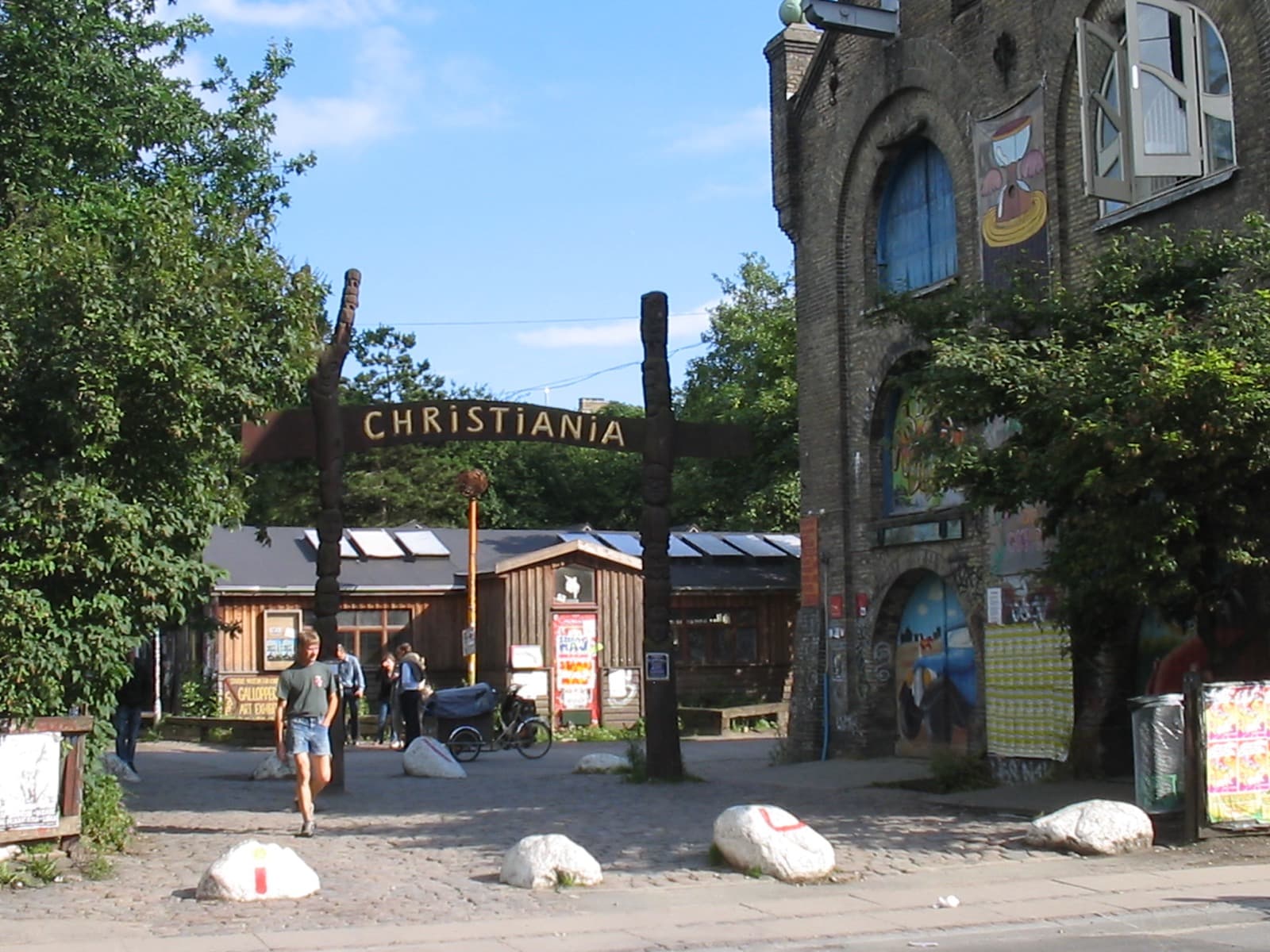
Freetown Christiania: Copenhagen's Free Town on the Old Ramparts
Rosenborg Castle: The Fairytale Fortress That Kept Denmark's Crown Jewels