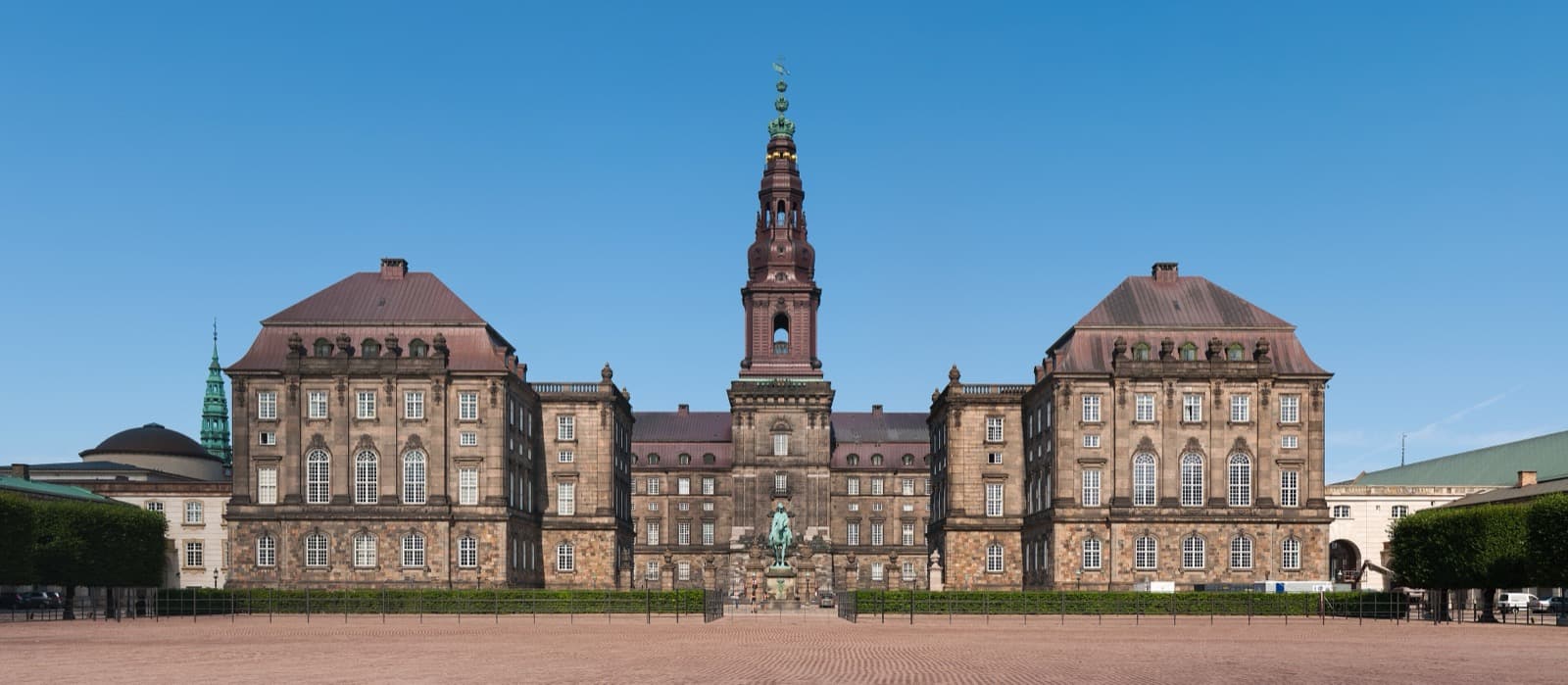
Christiansborg Palace stands on Slotsholmen, the small islet where Copenhagen began, and it gathers a nation's parliament, prime minister, supreme court, and royal reception rooms over the buried ruins of a medieval fort. That single sentence holds the argument of the whole Slotsholmen and Christianshavn walk: order raised over a rough beginning, on ground that has burned and been rebuilt again and again. The palace is the way into a route that reads the ordered island of state against the improvised canal quarter and free town facing it across the harbour.
Power stacked on a ruin
Begin in the forecourt and look at what you are actually standing on. The Royal Danish Collection records that Bishop Absalon raised a fortress on this exact ground in 1167, and the ruins of that fortress and of the later medieval castle survive in excavations open beneath the present palace. You can walk down and see them. The neat baroque symmetry above sits directly on top of that ruined start, which is the tension the rest of the walk keeps peeling back.
The building you see is the third to carry the name Christiansborg. The first, finished in the 1740s, burned in 1794. The second, finished in the 1820s, burned in 1884. The one standing now was built between 1907 and 1928 to the design of the architect Thorvald Jorgensen, a neo-baroque block of reinforced concrete faced in granite. Fire is written into the whole story, and so is rebuilding.
What makes Christiansborg unusual anywhere in the world is what it holds. Under one roof sit all three branches of Danish government: the Folketing, which is the Danish Parliament, the Prime Minister's Office, and the Supreme Court, together with the reception rooms the monarch still uses. No other single building combines those functions. The tower above, at about 106 metres, is the tallest in Copenhagen. The grounds and the walk across the island are free; only the reception rooms, the ruins, the tower, and the stables charge a museum ticket in Danish kroner, so you can read the whole island without paying anything.
An island of institutions
Hear a stop from this walk
Freetown Christiania: The Green Free Town on the Ramparts
From the palace the route stays on Slotsholmen a while longer, and every stop restates the same theme in a different key. Just across the way stands Boersen, the Old Stock Exchange, built for King Christian the Fourth between about 1619 and 1640 by the Steenwinckel builders as a long Dutch-Renaissance trading hall. Its famous spire twisted the tails of four dragons together and rose about 56 metres, topped by three crowns for Denmark, Norway, and Sweden. On the sixteenth of April 2024 a fire during renovation destroyed about half the building and collapsed the spire. No one was killed, though a bronze bust of Christian the Fourth was lost. Reconstruction began that same year, so today you read the building from the outside through scaffolding and let the story carry the missing dragons. The rhyme with the palace behind you is exact: this island keeps burning and keeps being raised again.
Next comes a pairing of one bright building and one black. Thorvaldsens Museum, built between 1839 and 1848 to the design of Michael Gottlieb Bindesboll, was the first purpose-built art museum in Denmark and the first museum anywhere devoted to a single artist. That artist was the sculptor Bertel Thorvaldsen, who lived from 1770 to 1844 and is buried in the museum's inner courtyard, so the building is quite literally his tomb wrapped in colour. Down at the water leans the Royal Danish Library's granite extension, the Black Diamond, opened in 1999 to the design of Schmidt Hammer Lassen. The coloured tomb-museum keeps one man's life work, the black diamond of books keeps a nation's writing, and both stand as keepers of memory beside the island of power.
Then Holmens Kirke, the church of the fleet, which began not as a place of worship but as an anchor forge built between 1562 and 1563 under King Frederik the Second. King Christian the Fourth converted it into the navy's own church, consecrated in 1619 and expanded to a cross-shaped plan in 1641. Its floor holds Denmark's sea heroes, including Admiral Niels Juel and the Great Northern War commander Peter Tordenskjold, and a cannonball from the Swedish assault of 1658 is still lodged in the choir. This is the hinge. Everything so far has been the ordered island of state. From here the walk crosses the harbour by the Knippelsbro bridge, and the world changes.
The improvised answer across the water
On the far side lies Christianshavn, which the same King Christian the Fourth founded from about 1618 on ground reclaimed from marshy shallows. He planned it on a Dutch model with the engineer Johan Semp, a grid of straight streets cut by a central canal and ringed by earthen ramparts. This was not a quarter for palaces. It was laid out for the merchant navy and foreign trade, and along Christianshavns Kanal the old brick warehouses, wooden barges, and houseboats still give it the feel of a small Amsterdam dropped into Copenhagen. The crown planned it, but planned it for trade and sailors, and life here grew looser than anything on Slotsholmen.
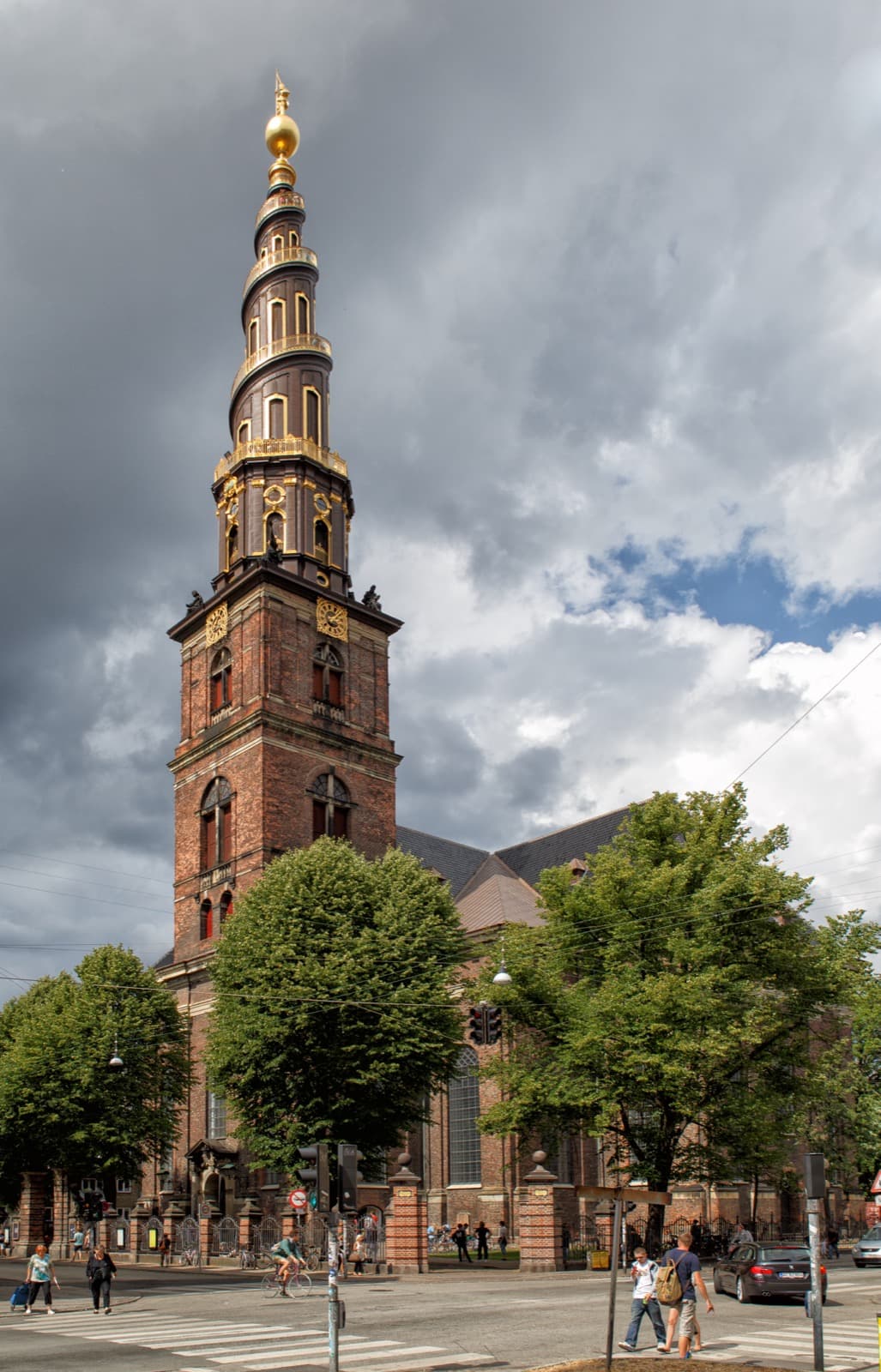
Rising over the rooftops is the golden spiral you have been walking toward. Vor Frelsers Kirke, the Church of Our Saviour, was consecrated in 1696 to the design of Lambert van Haven, and its spire was completed in 1752 by the architect Lauritz de Thurah. The spire climbs about 90 metres, and its wonder is the external staircase of about 400 steps that turns counterclockwise around the tower to a gilded figure of Christ, the last stretch out in the open air. A legend says the architect leapt to his death on seeing the spiral run the wrong way. It is false. De Thurah died in his own bed seven years after the work was done. The climb is seasonal and closes in high wind, so check before you build your day around the view.
The walk ends on the old ramparts at Freetown Christiania, declared open on the twenty-sixth of September 1971 by the activist and journalist Jacob Ludvigsen after people occupied the abandoned Baadsmandsstraede barracks. It grew into a self-governing, car-free community, and a 2011 agreement let residents begin buying the land from the state, turning squatters into legal owners. Honour their rules, including the long-standing photography restrictions on Pusher Street. The same crown that raised those ramparts for defence is the crown whose old ground now holds this free town, the human answer to everything the walk began with.
Walking it yourself
This is a solo-friendly route of about three kilometres over seven stops, roughly two and a half to three hours at your own pace. Start at Christiansborg, let the water join the island of kings to the spiral in the sky, and skip any stop that does not call to you. For more routes across the city, see our guide to Copenhagen walking tours, or browse everything on offer in Copenhagen.
Sources
- Christiansborg Palace, Wikipedia: history of the three palaces, the 1907 to 1928 rebuild, and the combined seat of government.
- Absalon's Castle, The Royal Danish Collection: Bishop Absalon's 1167 fortress and the excavated ruins beneath the palace.
- Boersen and the 2024 fire, CNBC and Wikipedia: Christian the Fourth's exchange, the dragon spire, and the sixteenth of April 2024 blaze.
- Church of Our Saviour, Copenhagen, Wikipedia and the church's official history pages: the 1752 spire, de Thurah, and the counterclockwise external staircase.
- Freetown Christiania, Wikipedia: the 1971 founding and the 2011 land agreement with the Danish state.
Ready to experience it?
Slotsholmen: The Island of Power and the Spiral Spire
80 min · 3 km · easy
More from Copenhagen
Explore more at your own pace.
The Rebuilt Capital: How Copenhagen Kept Raising Itself from Fire
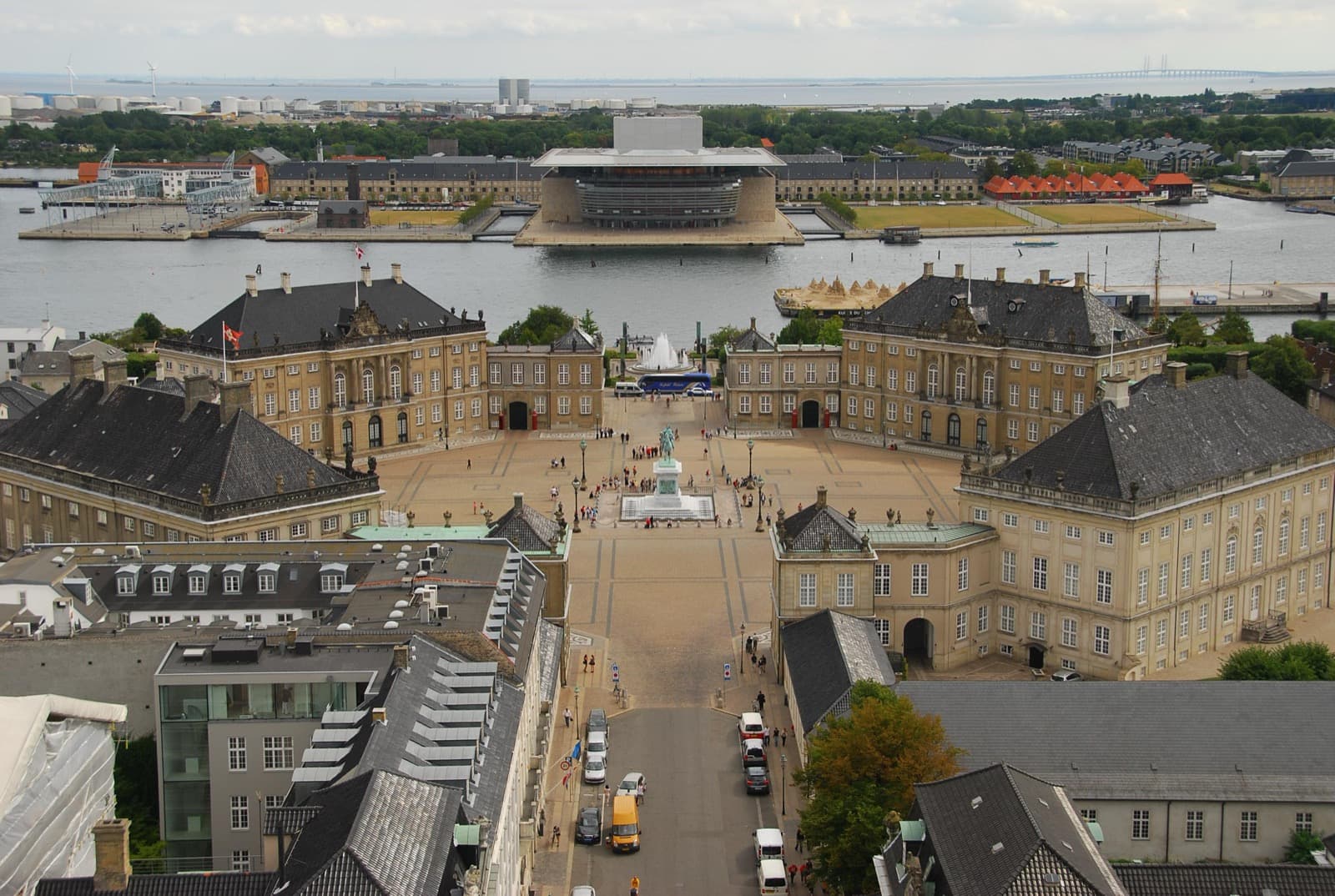
Amalienborg and the Copenhagen a King Drew on Purpose
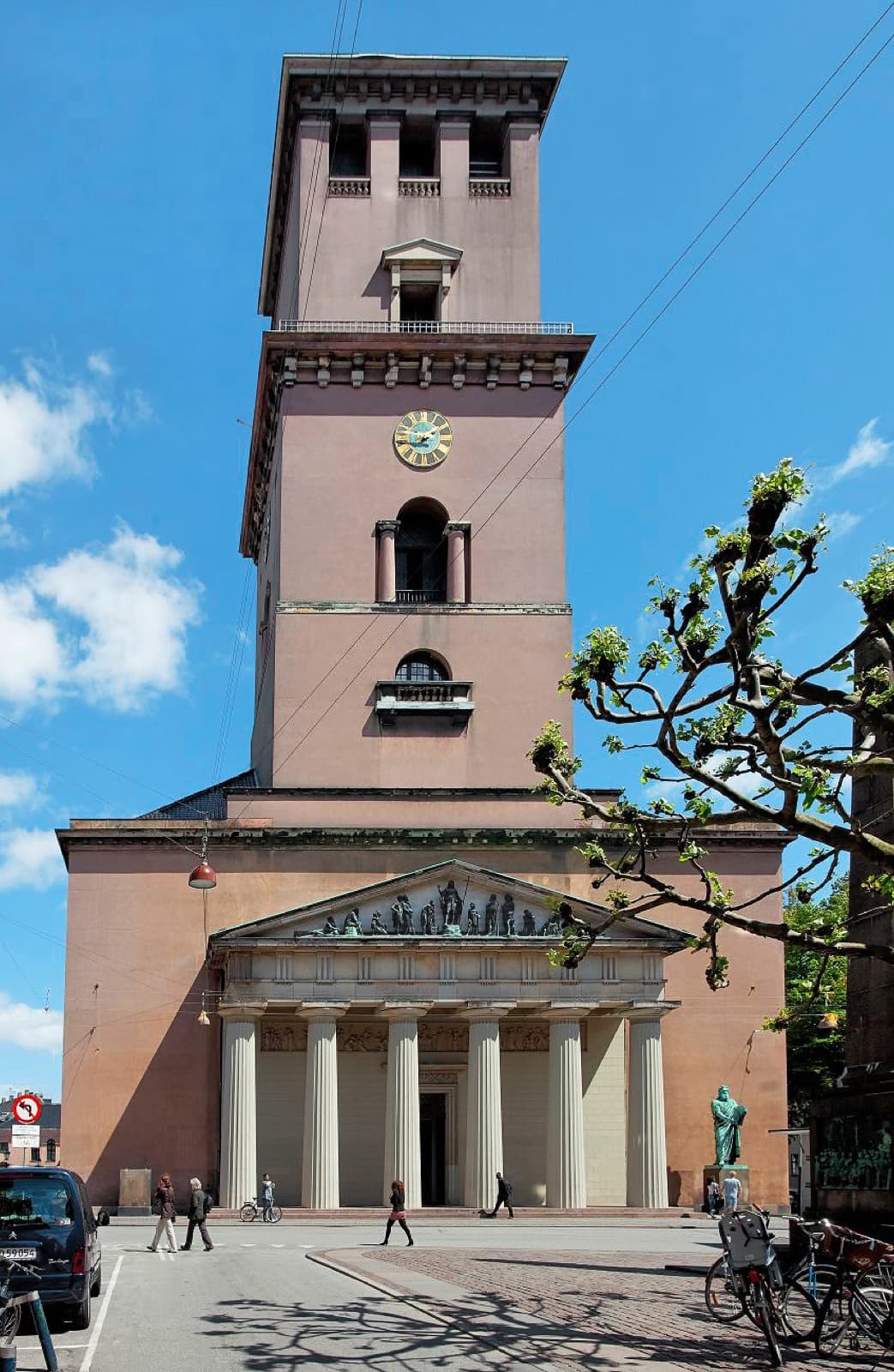
The Copenhagen Cathedral That Was Rebuilt from a Bombardment
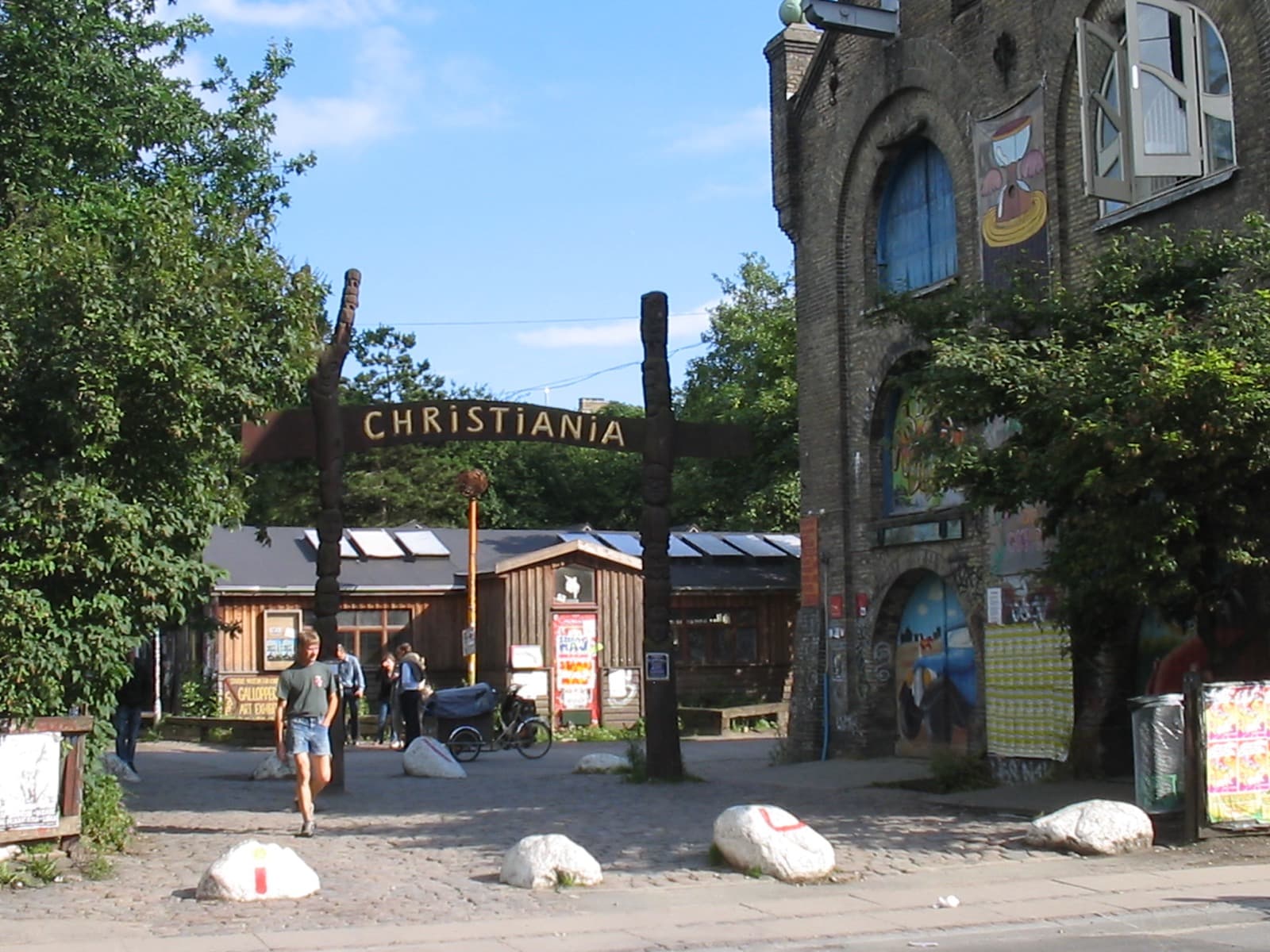
Freetown Christiania: Copenhagen's Free Town on the Old Ramparts
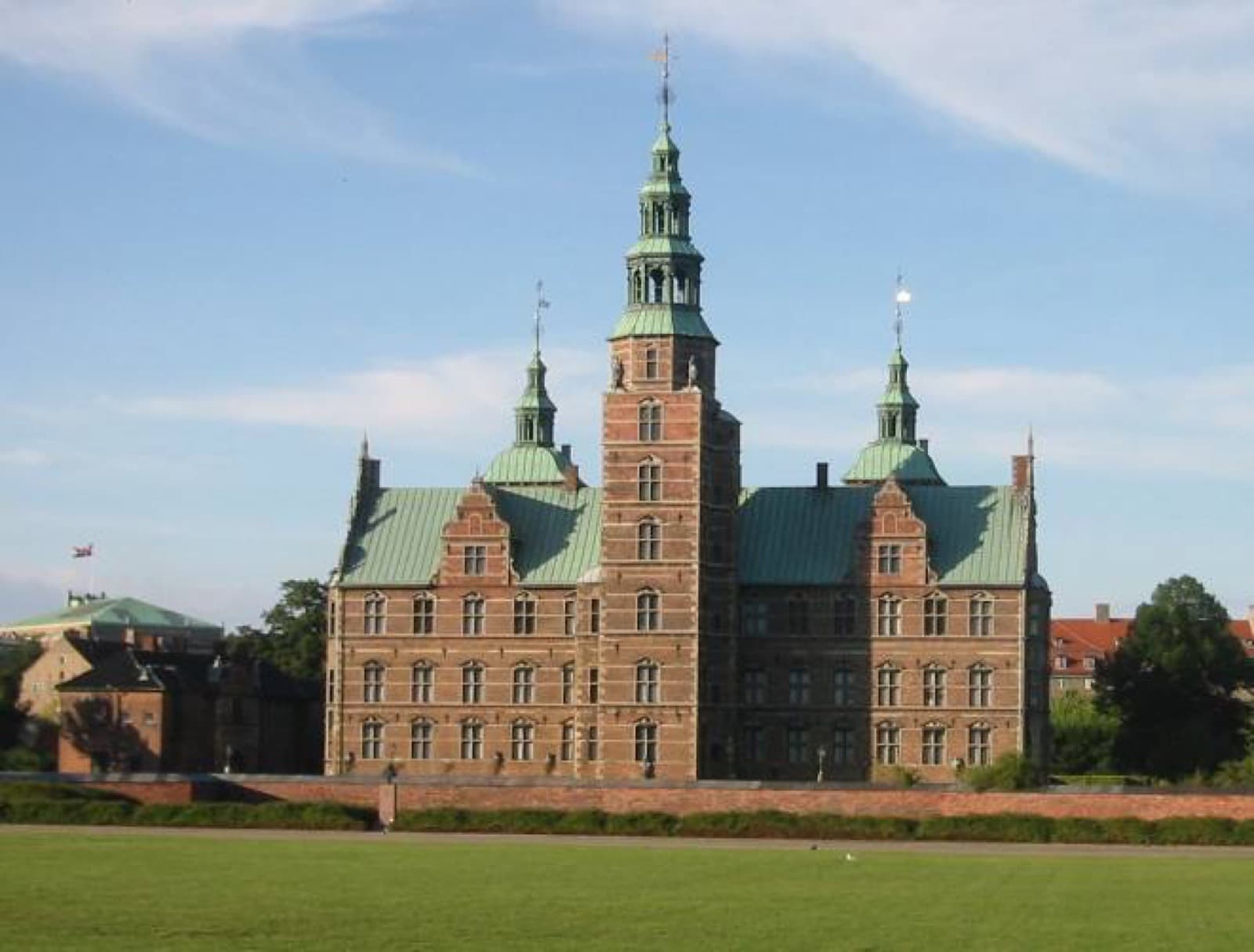
Rosenborg Castle: The Fairytale Fortress That Kept Denmark's Crown Jewels