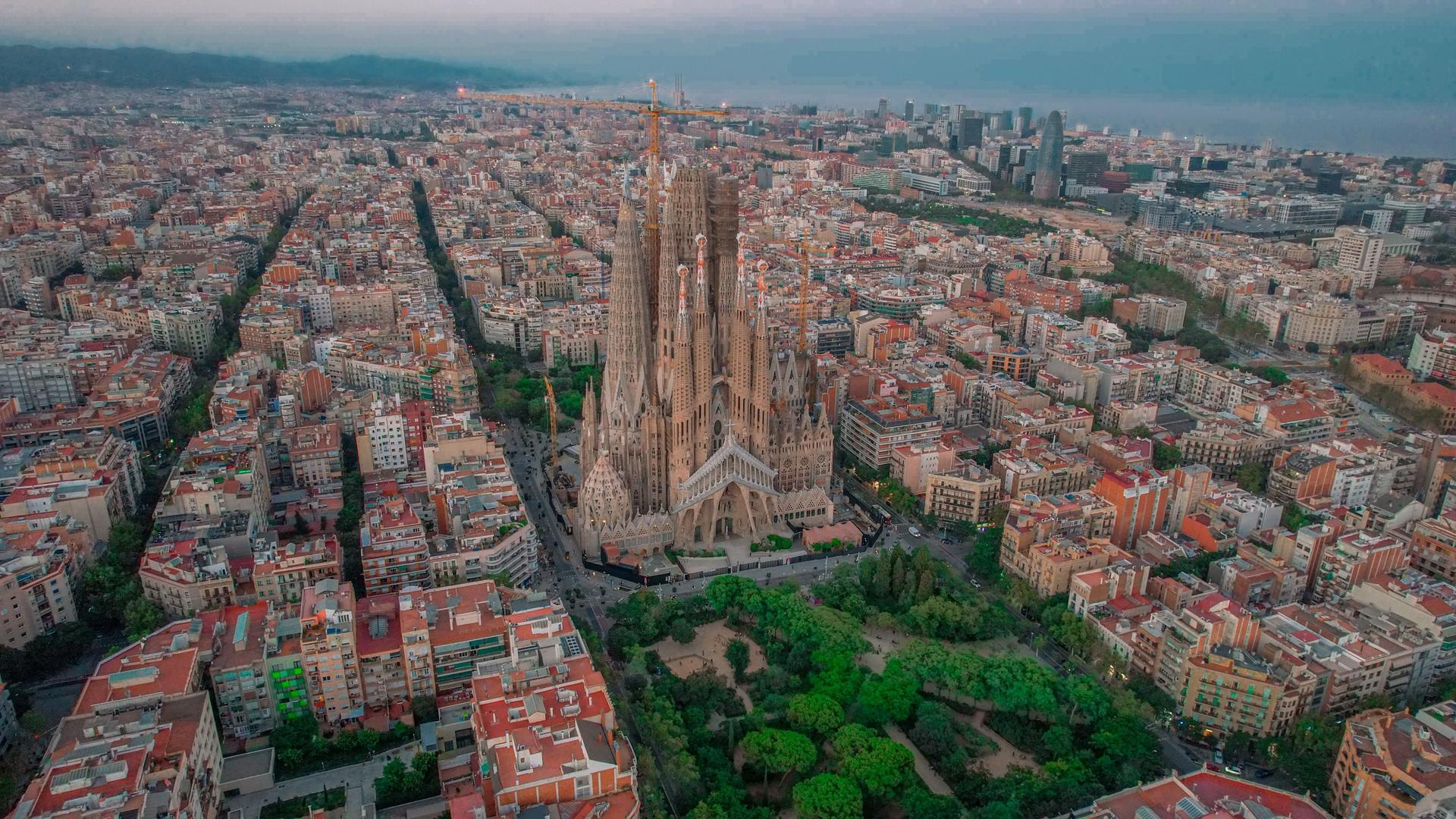
Walking round the Sagrada Família reads its building history one side at a time: the apse Gaudí completed, the Nativity he built as a model, the Passion of the 1950s to 2010, the central towers finished outside in 2026, and the Glory front that is still a planning question. Then the avenue leads to Sant Pau, the other great building of the same decades, which turned off the city's grid onto a cross. Most visitors see the basilica from one queue and leave. Going all the way round, on free streets, turns it from a monument into a timeline.
The east side: a model for strangers
From the pond in Plaça de Gaudí you look across water at the Nativity façade. Gaudí, who ran the works from 1883 until his death in 1926, knew he would never finish the church, so he built one front completely as a model for those who came after, begun in 1891. Read its three doorways from left to right: Hope, Charity and Faith, with a carved cypress, the tree of life, rising over the centre. One of its bell towers, Saint Barnabas, was finished in November 1925, the only tower Gaudí lived to see complete.
Gaudí designed eighteen towers in a hierarchy you can learn to read: twelve apostles, four per great front; four Evangelists carrying a human figure, an eagle, a lion and an ox; Mary's crowned with a star; and Jesus Christ's, highest of all, in the middle.
The south side: a front still to come
Hear a stop from this walk
Sant Pau's Pavilions: A Hospital Until 2009
On Carrer de Mallorca you face the main front, the Glory façade, which does not exist yet. Gaudí's model gives it the last four apostle towers, a great porch with sixteen lanterns and a broad stairway over the street. That stairway is the difficulty: a city plan of 1976 drew an avenue across the two blocks where people live today, and in 2026 the council, the residents and the church were still negotiating. It is a planning question as much as a building one, so keep your voice down here.
On the corner behind the site fence stands the small Sagrada Família Schools of 1909, a classroom block whose rippling roof is built entirely of straight lines, the same geometry Gaudí later used in the church's vaults.
The west side: a front made to inspire fear
The Passion façade faces the sunset and is everything the Nativity is not: bare, sharp and hard. Gaudí sketched it in 1911, and a disciple recorded him wanting it to inspire fear. Its foundations were laid in 1954, its towers rose in the 1970s, and from 1986 to 2010 the sculptor Josep Maria Subirachs carved its scenes in his own angular language, winding upward in an S. Find the Evangelist who wears Gaudí's face, and the soldiers' helmets that echo the chimneys of Casa Milà.
The north side: where it began
The rounded apse on Carrer de Provença is the oldest part above ground and, the walk points out, the only façade Gaudí was able to complete. The crypt below was begun in 1882 to another architect's neo-Gothic design, and on this wall you can watch that neo-Gothic turn into Gaudí's own style. Look high for carved snails, lizards and frogs working as gargoyles.
The middle: finished outside in 2026
Walk up Avinguda de Gaudí and turn round. The trees frame the central towers. The tower of Jesus Christ was completed outside on the twentieth of February 2026, when the upper arm of its cross was set, and at a hundred seventy-two and a half metres the church says it is now the tallest church in the world. On the tenth of June 2026, a century to the day after Gaudí's death, the pope blessed it. Finished outside is not finished: the four Glory towers are still to come, and the church has set no date for the end.
Up the avenue to Sant Pau
The avenue itself is the next lesson. It runs at a slant across the Eixample grid, under Pere Falqués lamps, climbing about twenty-five metres. At the top stands the Hospital de Sant Pau. The Hospital de la Santa Creu was founded in 1401, and it was there that Gaudí was taken after a tram hit him in 1926. Its new home was paid for by the banker Pau Gil's bequest and designed by Lluís Domènech i Montaner as a town of separate pavilions in gardens, joined by tunnels, laid on two diagonal axes that form a cross and ignore the grid. Building began in 1902; the king opened it in January 1930, the year the last Nativity tower was finished. Patients were treated in the pavilions until 2009.
Two great buildings of the same decades, both begun with private money: one still rising, one long since handed on.
Walking it yourself
It is eleven stops over about 1.5 kilometres in around an hour, from stop 1 at the pond to stop 11 at the Sant Pau pavilions, on Sagrada Família and Sant Pau: Four Façades and an Avenue. The walk stays on free streets, so you can do it before or after a ticketed visit, at your own pace, and skip any side you have already seen. For one façade in depth, read The Stone Book Gaudí Left Unfinished, and see the Barcelona city page for more.
Sources
- Basílica de la Sagrada Família, "History of the temple": https://sagradafamilia.org/en/history-of-the-temple . The 1882 start, Gaudí taking over in 1883, the Nativity begun in 1891, Gaudí's death in 1926, the Passion foundations of 1954, and the 2026 completion and blessing of the tower of Jesus Christ.
- Recinte Modernista de Sant Pau, site presentation (PDF): https://santpaubarcelona.org/wp-content/uploads/2025/08/Presentacio-recinte-ENG.pdf . The 1401 founding, the 1902 start under Domènech i Montaner, the pavilion plan, the 1930 opening and the 2009 move.
- The tour's audited research (Roamer Sagrada Família rebuild, October 2026): the basilica's news releases through October 2026 on the Glory front talks and the central tower, Sant Pau's history pages, and Barcelona Turisme on Avinguda de Gaudí.
Ready to experience it?
Sagrada Família and Sant Pau: Four Façades and an Avenue
60 min · 1.5 km · easy
More from Barcelona
Explore more at your own pace.
Barceloneta and Port Vell: Walking the City's Moving Edge of the Sea
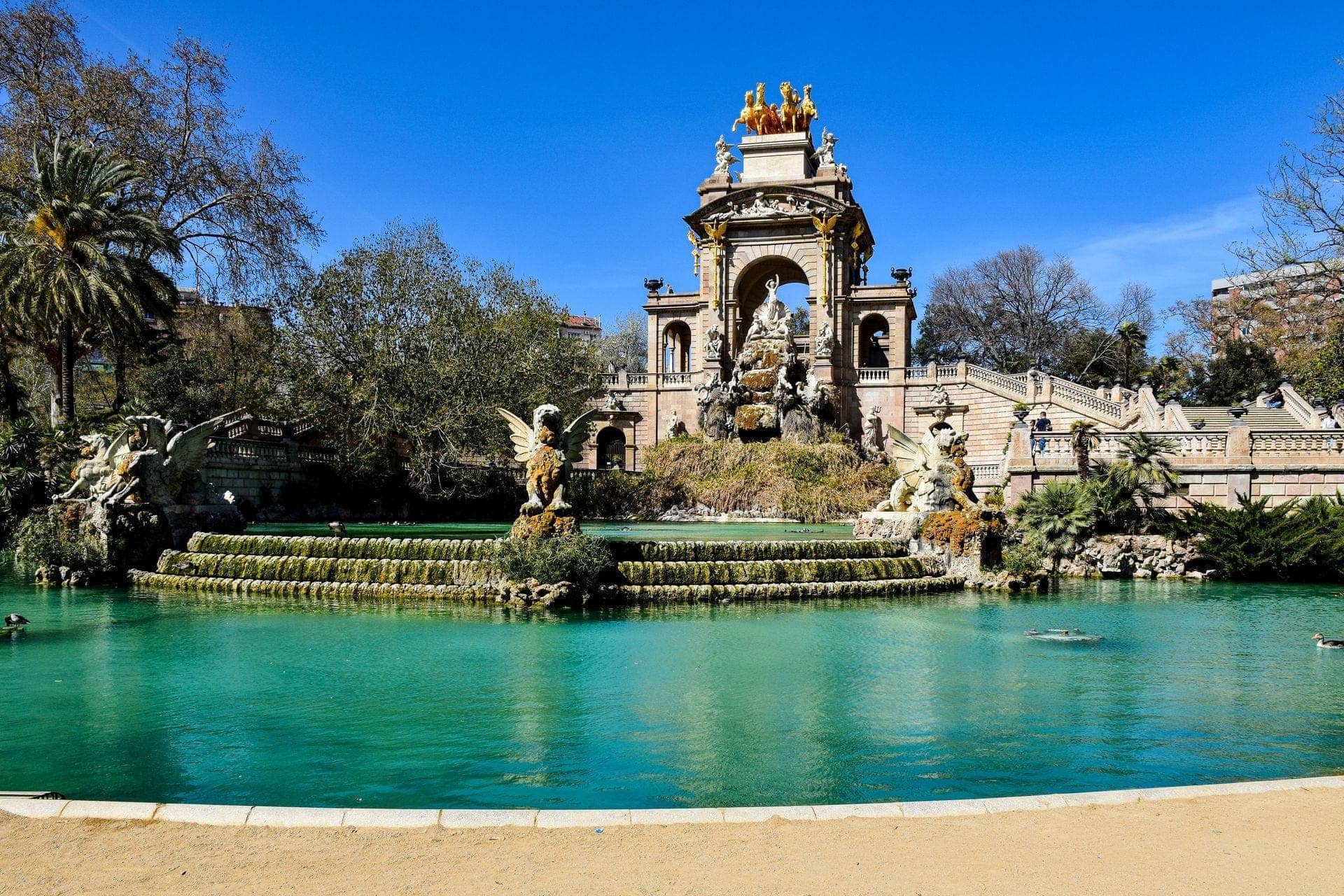
Ciutadella Park: A Fortress Turned Inside Out Into a Science Garden
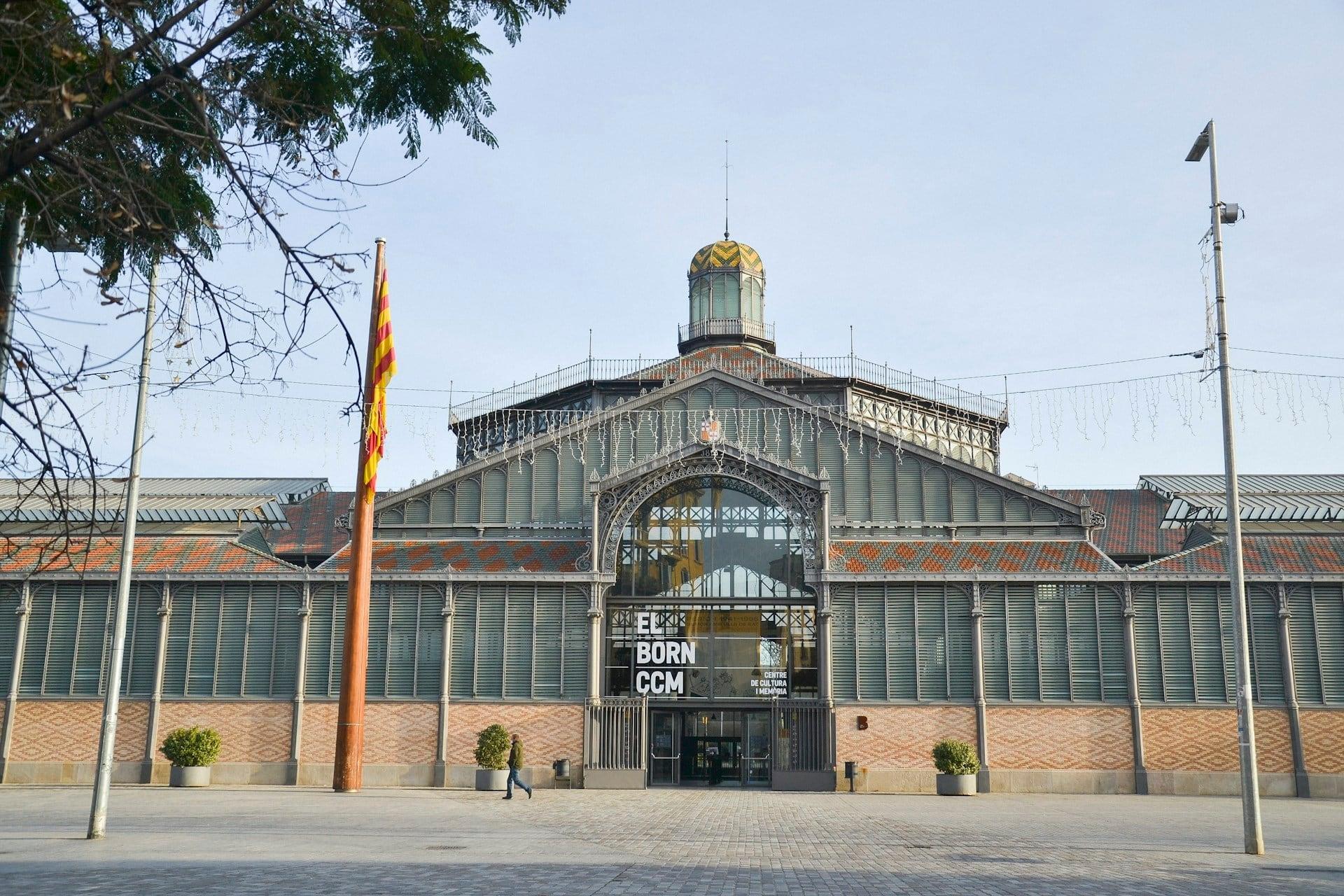
El Born: The Sea Quarter That Paid for Its Landmarks and Lost Its Streets
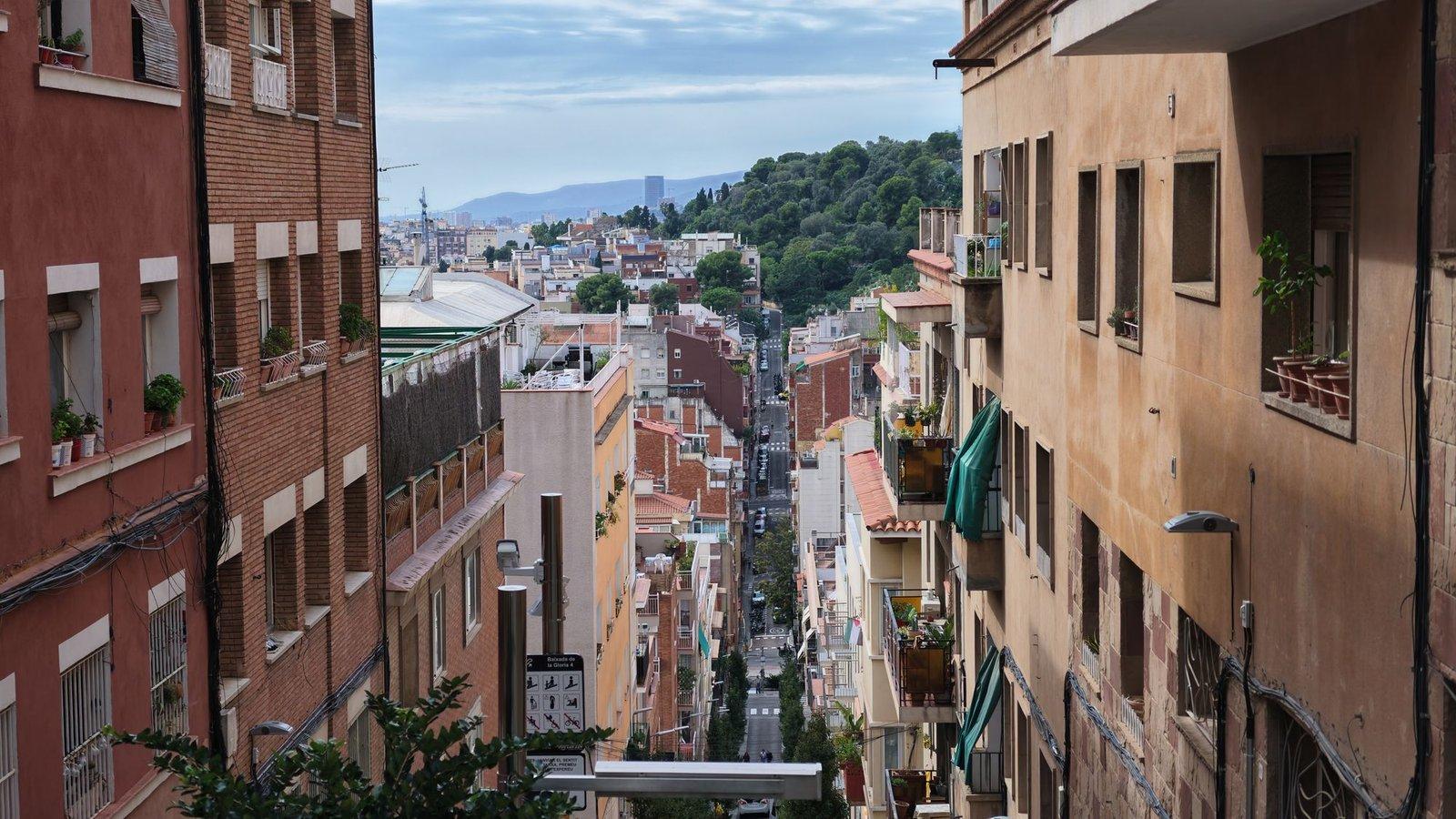
Gràcia to Park Güell: How a Town of Private Developments Ended in Gaudí's Failed Estate
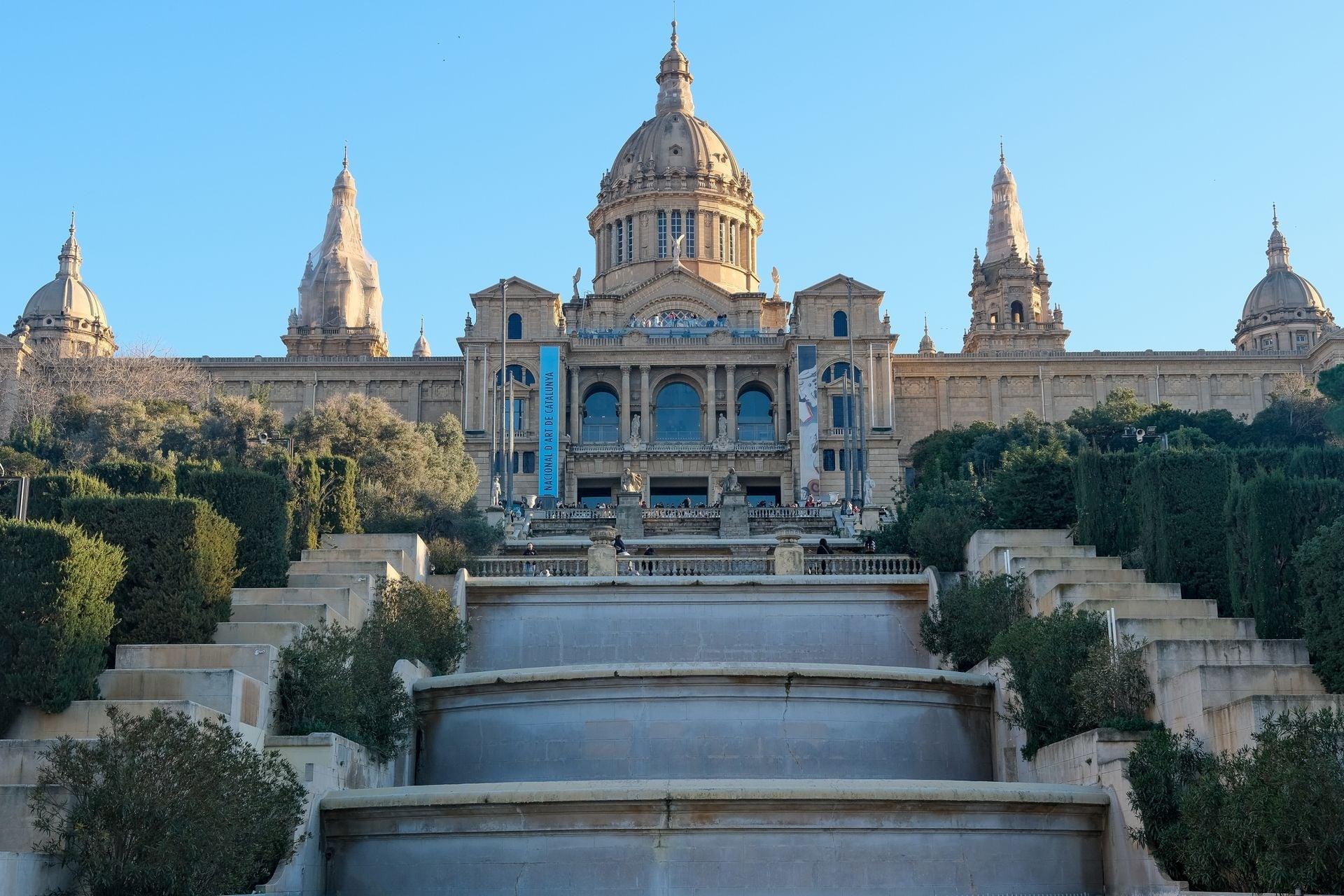
Montjuïc's World's Fair Stage: Reading the 1929 Axis From Gate to Palace