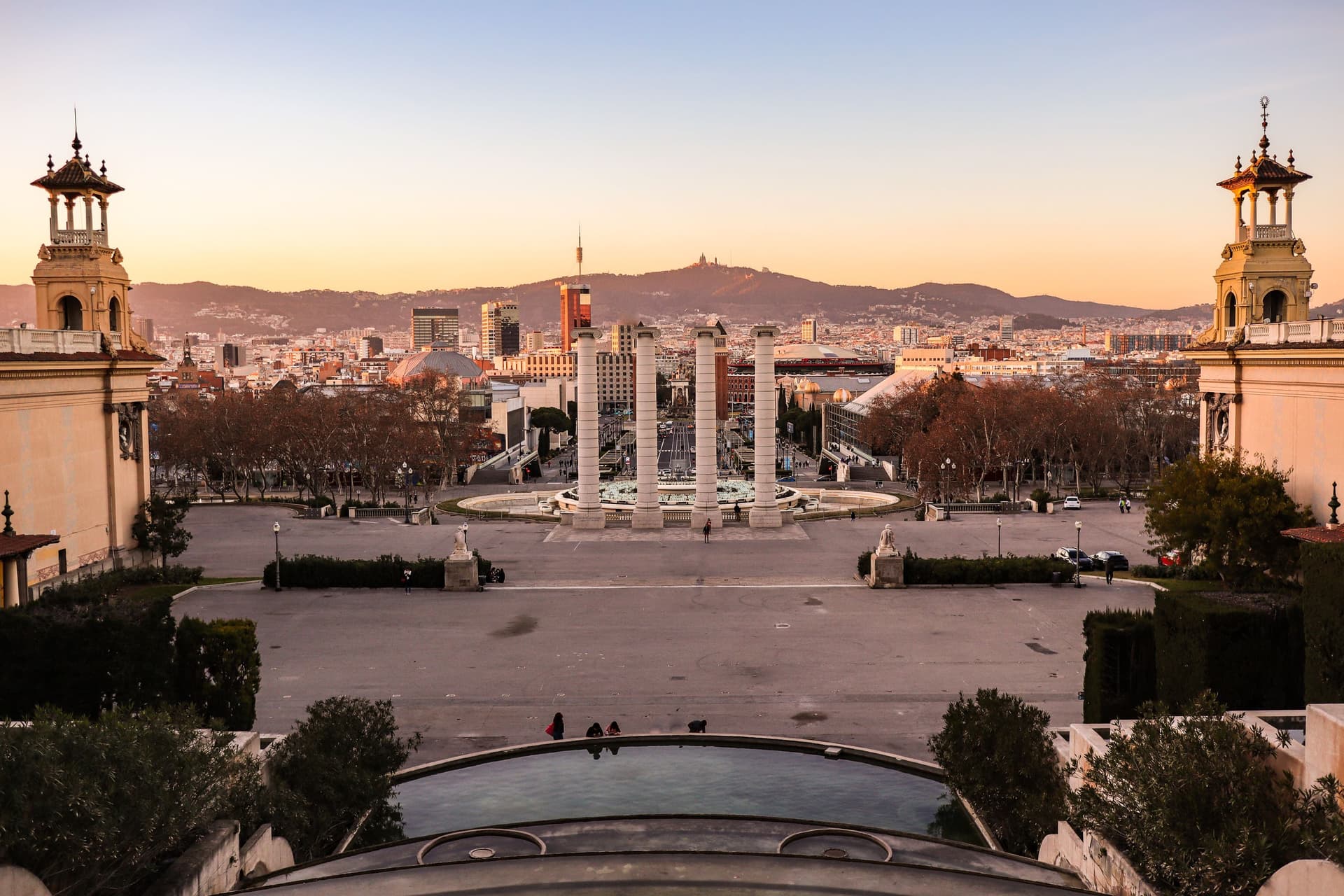
The four columns on Montjuïc hold up nothing but their meaning. Raised by Josep Puig i Cadafalch in 1919, pulled down by the dictatorship in 1928 so that a fountain could fill their place, and rebuilt by the city in 2010, they are the clearest sign on the hill that the fair's great stage was planned by one man and finished without him. You find them a few steps above the Magic Fountain, with the staircase of water rising behind.
Four columns for four stripes
Puig i Cadafalch was the architect who planned the whole axis of the 1929 Exposition, from the twin towers on Plaça d'Espanya to the palace at the top of the hill. In 1919 he set up four tall Ionic columns on the slope, on the spot where the Magic Fountain plays today. They carry no roof and no beam. They are widely read as the four red stripes of the Catalan flag, the senyera, standing on the line every visitor to the fair would walk.
That reading is exactly why they did not last. In 1928, under the dictatorship of Miguel Primo de Rivera, the columns were pulled down. Catalonia's heritage inventory puts it in careful words, saying it was done to avoid incidents with the regime. The architect himself had already been sidelined. Another architect directed the fair works in the years when the fountains and cascades were built, and the hole the columns left was filled by Carles Buïgas's Magic Fountain, which first ran in 1929.
So the stage you climb on this walk was drawn by Puig i Cadafalch and completed without him, and its most famous attraction stands where his most pointed gesture used to be.
Eight decades later
Hear a stop from this walk
Greek Theatre: A Stage Cut From a Quarry
The columns came back by vote. In June 2008, Barcelona's city council agreed, with every municipal group in favour, to restore them, VilaWeb reported at the time. The debate was about where. According to that report, the city government had first wanted them to one side of the fountain, and the people who pushed for the restoration objected that a hidden site would hide their meaning. The plan that went ahead put them back on the slope behind the fountain, visible from the foot of the climb.
The city's own history of the Magic Fountain records the result: the columns were rebuilt in 2010, a few metres from where they first stood. Look for the plaque beside them about their return.
How they stand up
Look closely at the shafts, because the way they are built suits what they are for. The professional catalogue of Catalan architecture describes them as artificial stone, raised one drum on top of another and held together by tension: cables run up inside each column and are pulled tight, so the stack works as a single piece. A classical column is meant to carry weight down to the ground. These carry none. The engineering exists only to keep a symbol upright.
Then look past them. The Magic Fountain sits a little way down the slope, and the Barcelona Pavilion of Mies van der Rohe and Lilly Reich, dismantled in 1930 and rebuilt in 1986, sits just off to the side. Within a short walk, two things the fair lost are standing again. Montjuïc is a hill of things taken down and put back, and these four columns are the plainest example.
On the walk
The columns are stop 6 of Montjuïc and the Magic Fountain: A World's Fair Stage, between the pavilion and the foot of the cascades. Arrive at your own pace, read the plaque, and carry the story up the water stair, where the whole axis the architect planned opens below you from the palace terrace. More of the city is on the Barcelona page.
Sources
- Ajuntament de Barcelona, "Història" of the Font Màgica: https://barcelona.cat/ca/que-pots-fer-a-bcn/font-magica/historia . The fountain built where Puig i Cadafalch's columns stood; the columns demolished in 1928 and rebuilt in 2010 a few metres from their original site.
- VilaWeb, "L'Ajuntament de Barcelona restituirà les quatre columnes de Puig i Cadafalch a Montjuïc", 27 June 2008: https://www.vilaweb.cat/noticia/2912647/20080627/lajuntament-barcelona-restituira-quatre-columnes-puig-cadafalch-montjuic.html . The 1919 Ionic columns as the four stripes, the 1928 demolition, the unanimous 2008 council vote and the dispute over their site.
- The tour's audited research (Roamer Montjuïc rebuild, October 2026): the Generalitat heritage inventory on the 1928 removal, and the COAC architecture catalogue on the post-tensioned artificial stone of the 2010 rebuild.
Ready to experience it?
Montjuïc and the Magic Fountain: A World's Fair Stage
75 min · 2 km · moderate
More from Barcelona
Explore more at your own pace.
Barceloneta and Port Vell: Walking the City's Moving Edge of the Sea
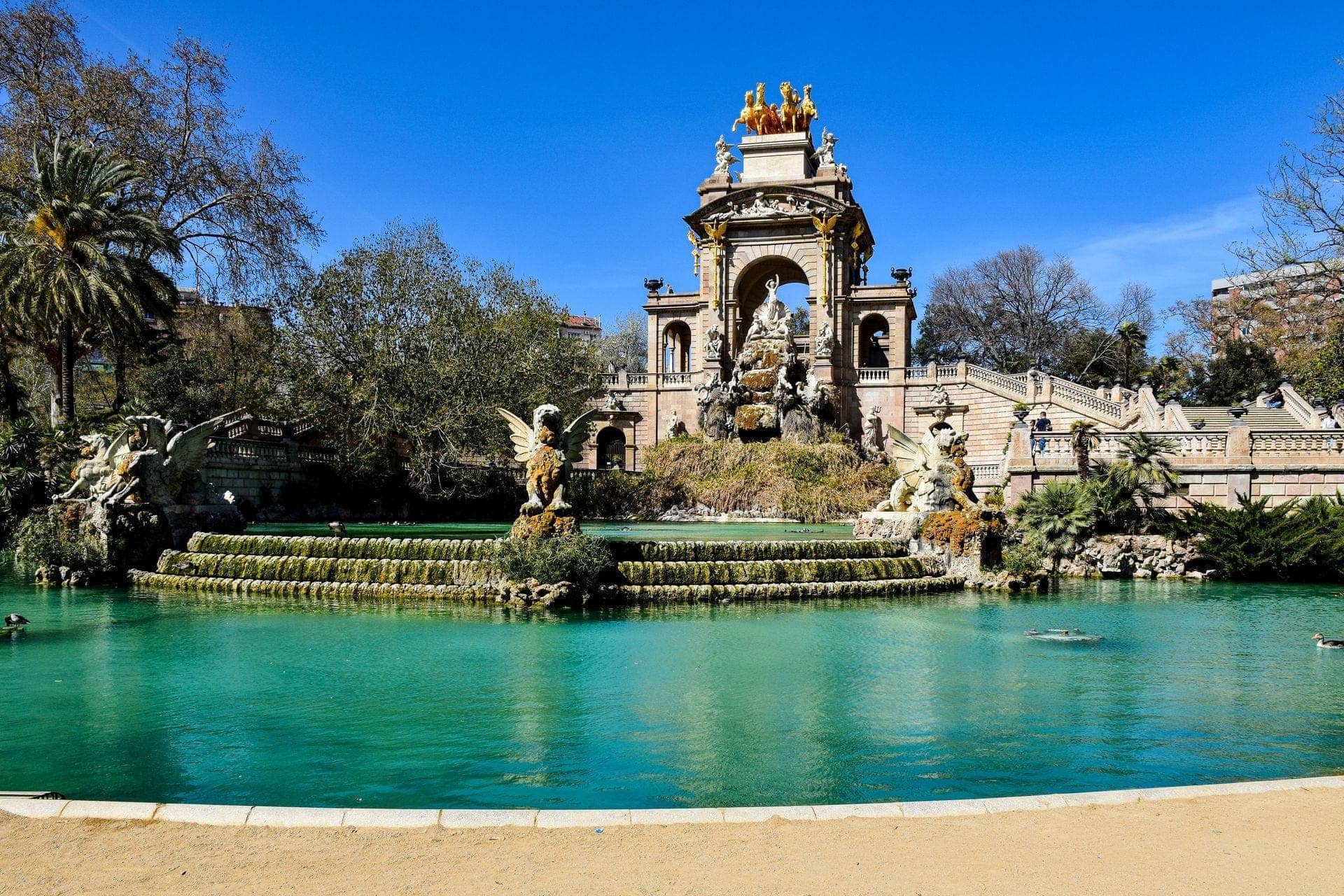
Ciutadella Park: A Fortress Turned Inside Out Into a Science Garden
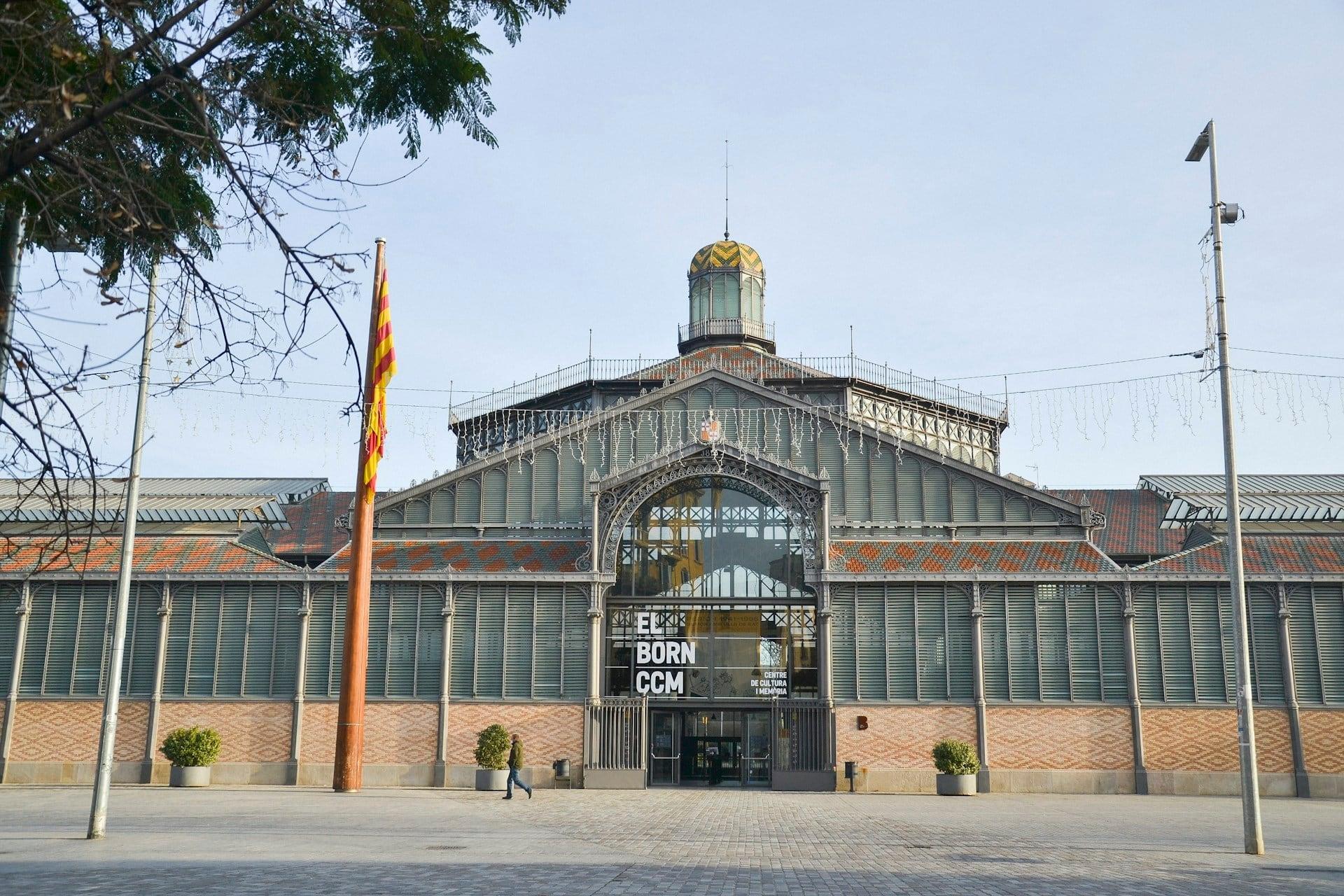
El Born: The Sea Quarter That Paid for Its Landmarks and Lost Its Streets
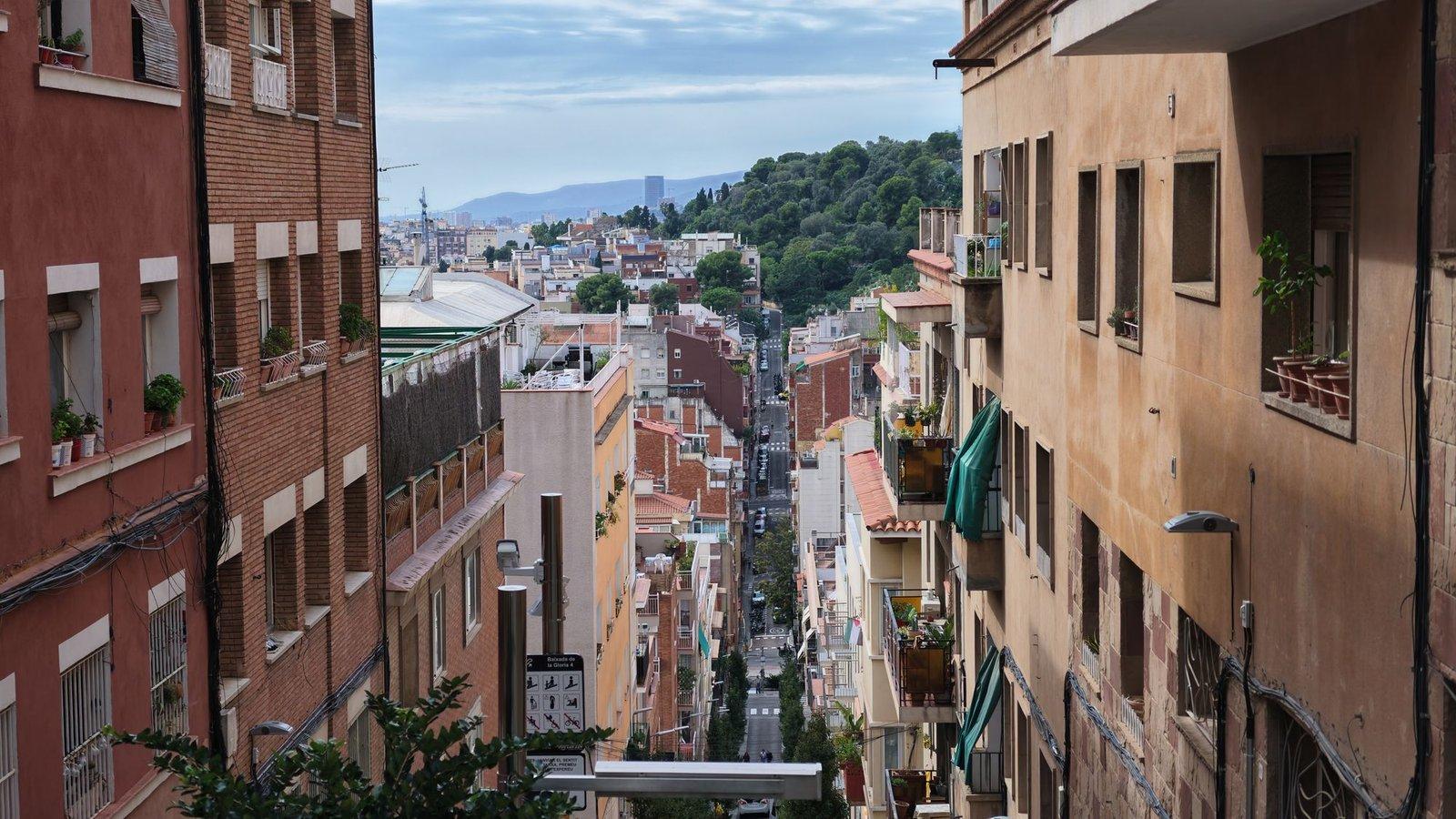
Gràcia to Park Güell: How a Town of Private Developments Ended in Gaudí's Failed Estate
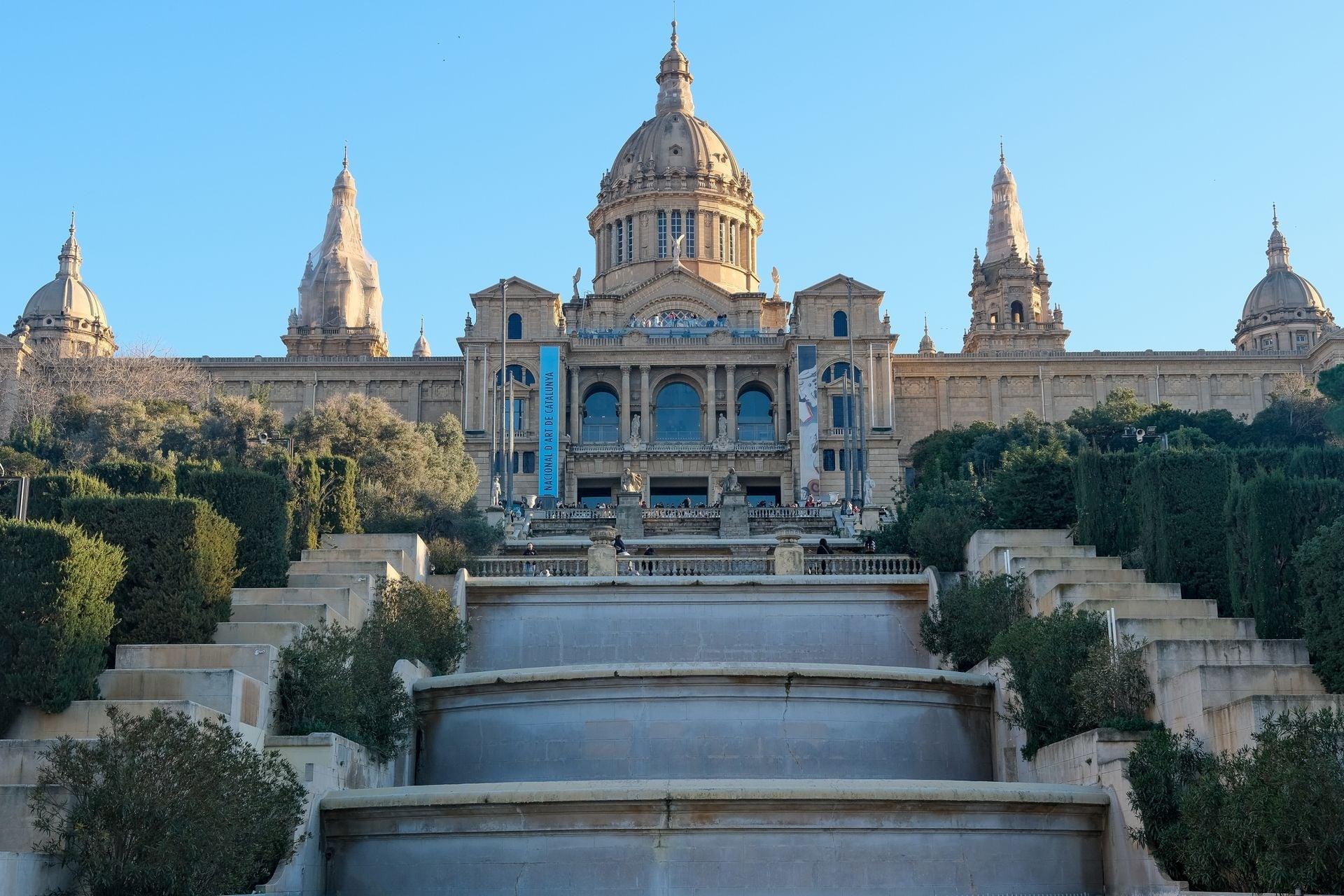
Montjuïc's World's Fair Stage: Reading the 1929 Axis From Gate to Palace