Gothic Quarter: Roman, Royal and Rebuilt
75 min · 1.8 km · easy
The most useful thing to know about eating in Barcelona is what not to order. Paella is Valencian, sangria is a tourist drink, and pintxos are Basque. Barcelona is the capital of Catalonia, which has its own distinct, Mediterranean, seafood-forward cuisine with its own dishes and its own language for them. Order the Catalan things and you eat far better and far more locally. Here is what to look for.
Pa amb tomàquet: the cornerstone
Start with pa amb tomàquet, the true symbol of Catalan eating. It is disarmingly simple: a slice of bread, often toasted, rubbed with a halved ripe tomato and sometimes garlic, then finished with extra virgin olive oil and a pinch of salt. It was born of thrift, a way to revive dry bread, and it now turns up at every meal from breakfast to dinner. Ordering it is the quickest way to signal you know the local table rather than the tourist menu.
Catalan, not generic Spanish
Hear a stop from this walk
Plaça Reial: Gaudí's Lampposts
The single biggest upgrade to eating in Barcelona is learning to tell Catalan cooking from the generic Spanish plates sold to visitors. A few markers:
- Calçots. In late winter, Catalans grill these long, sweet spring onions over flames, char them black, then peel and dunk them in a nutty romesco-style sauce (salvitxada), made by pounding roasted tomato, garlic, nuts and dried pepper together with the picada technique that runs through Catalan cooking. A calçotada is the whole messy communal feast built around them, bib and all.
- Esqueixada. A cold salad of hand-shredded salt cod with tomato, onion and olives. The name comes from the Catalan for "to tear," because the cod is pulled apart by hand, never cut with a knife. Think of it as the Catalan coast's answer to ceviche.
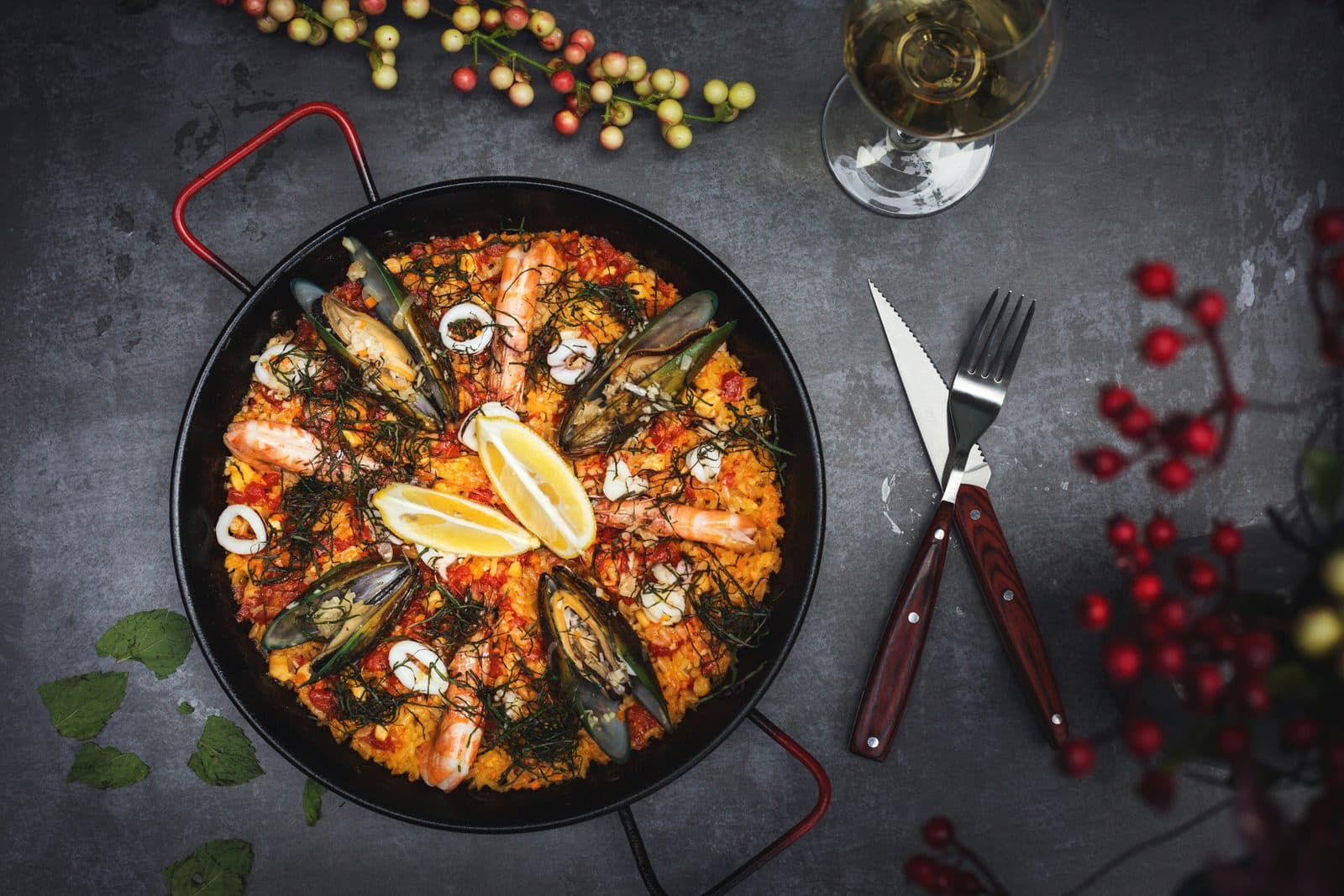
- Fideuà. Barcelona's beloved seafood dish that looks like paella but is made with short, thin noodles instead of rice, cooked in saffron stock with squid, mussels and prawns. It originated on this coast and is a terrace staple by the beach.
- Crema catalana. The regional dessert, and older than crème brûlée. It is made with milk rather than cream and flavoured with citrus and cinnamon rather than vanilla, then finished with a burnt-sugar crust. Lighter and more aromatic than its French cousin, and the official dessert of Catalonia.
Pintxos, by contrast, are the small toothpick-skewered bites of the Basque Country, not a Barcelona tradition, though you will find Basque bars in the city. Knowing the difference is half the fun.
Seafood and the market
Barcelona is a Mediterranean port city, a history you can walk on our Barceloneta and Port Vell walk, from the medieval royal shipyards to the beach. That maritime past is on every menu: grilled fish, shellfish, cuttlefish, and rice and noodle dishes built around them.
The temple of all this is La Boqueria, the great covered market just off La Rambla. (The Rambla's central walk is being rebuilt until early 2027, so expect works fencing in front of it.) It is a working market first and a spectacle second, so it is best in the morning before the tour crowds thicken, and better still if you buy something and eat it than if you only photograph the stalls. Two quieter neighbourhood markets sit on our walks: Santa Caterina in El Born, the city's first covered market (1848), under a wavy roof of 325,000 coloured pieces finished in 2005, and the Barceloneta's iron market hall of the 1880s, rebuilt in 2007 with solar panels on its new roof.
The vermouth hour
The most local drinking ritual in the city is la hora del vermut, the vermouth hour. Around midday, and most strongly on Sundays, Barcelonans gather at vermouth bars for a glass of house vermut served over ice with a slice of orange and an olive, alongside a few snacks such as olives, anchovies or crisps, all before sitting down to a proper lunch. "Fer el vermut," to do the vermouth, is a social event as much as a drink. It is one of the most genuinely Catalan things you can do, and it costs very little.
Eat it into a walk
Food in Barcelona is best folded into a day on foot rather than treated as a separate errand. A morning in the old town runs naturally into a market stop and a vermouth before lunch; an afternoon among the Modernisme architecture on Passeig de Gràcia sets you up for an early-evening seafood terrace by the water.
To plan that day, see our one-day Barcelona itinerary, which routes the old town, the architecture and the waterfront into a single walkable loop, and the Barcelona travel guide for how many days to give the city and how to get around. When you are ready to walk, the best self-guided walking tours in Barcelona collects every route, each free to start.
Frequently asked questions
- What food is Barcelona famous for?
- Barcelona is famous for Catalan cooking, which is Mediterranean and seafood-forward, not the paella-and-sangria cliché. The signatures are pa amb tomàquet (bread rubbed with ripe tomato, olive oil and salt), fresh seafood and fideuà (a paella-style dish made with short noodles instead of rice), calçots (grilled spring onions with romesco-style sauce, eaten in winter), and crema catalana for dessert. The city also runs on the vermouth hour, a midday aperitif ritual.
- Is Catalan food different from Spanish food?
- Yes. Catalonia has its own distinct cuisine rooted in the Mediterranean, with more emphasis on seafood, and its own signature dishes and language for them. Pintxos are Basque, not Catalan, and paella is Valencian. The most Catalan things you can eat in Barcelona are pa amb tomàquet, calçots, esqueixada, fideuà and crema catalana, none of which are the generic Spanish plates sold to tourists.
- What is pa amb tomàquet?
- Pa amb tomàquet is the cornerstone of Catalan eating: a slice of bread, often toasted, rubbed with a halved ripe tomato and sometimes garlic, then dressed with extra virgin olive oil and a pinch of salt. It began as a thrifty way to revive dry bread and now appears at every meal from breakfast to dinner. Ordering it marks you as someone who knows the local table.
- What is the vermouth hour in Barcelona?
- La hora del vermut, the vermouth hour, is a midday social ritual, usually around noon to two in the afternoon and strongest on Sundays, when locals gather for a glass of vermouth served over ice with a slice of orange and an olive, alongside a few snacks, before lunch. It is one of the most genuinely local things you can do in the city.
Ready to experience it?
Gothic Quarter: Roman, Royal and Rebuilt
75 min · 1.8 km · easy
More from Barcelona
Explore more at your own pace.
Best History Walking Tours in Barcelona (2026)
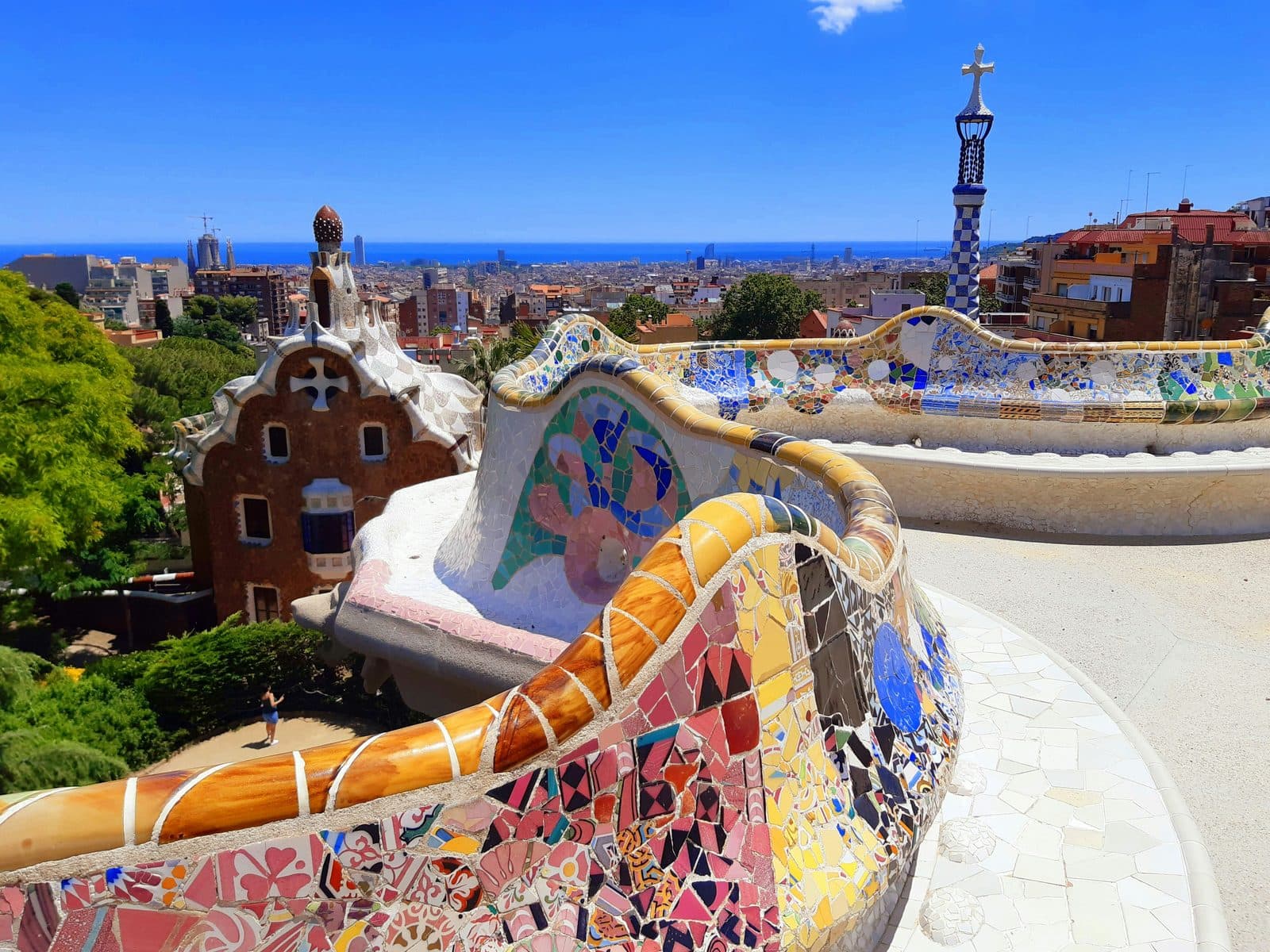
Cerdà's Eixample: The Grid Madrid Imposed and the Buildings That Broke Its Rules
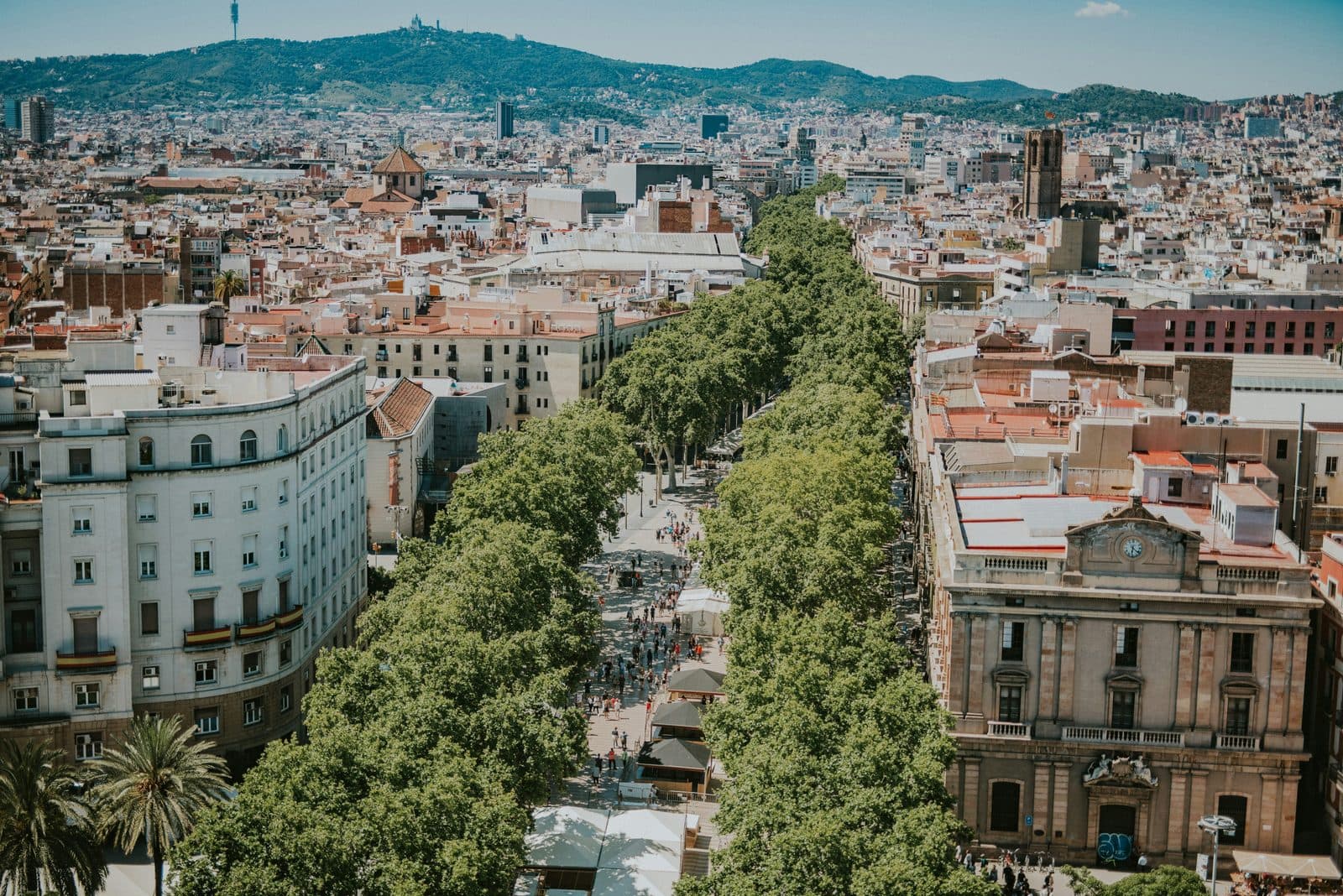
El Born vs the Gothic Quarter: How to Tell Barcelona's Two Old Towns Apart
Casa Batlló's Hidden Rib-Cage: Sixty Catenary Arches Under the Dragon
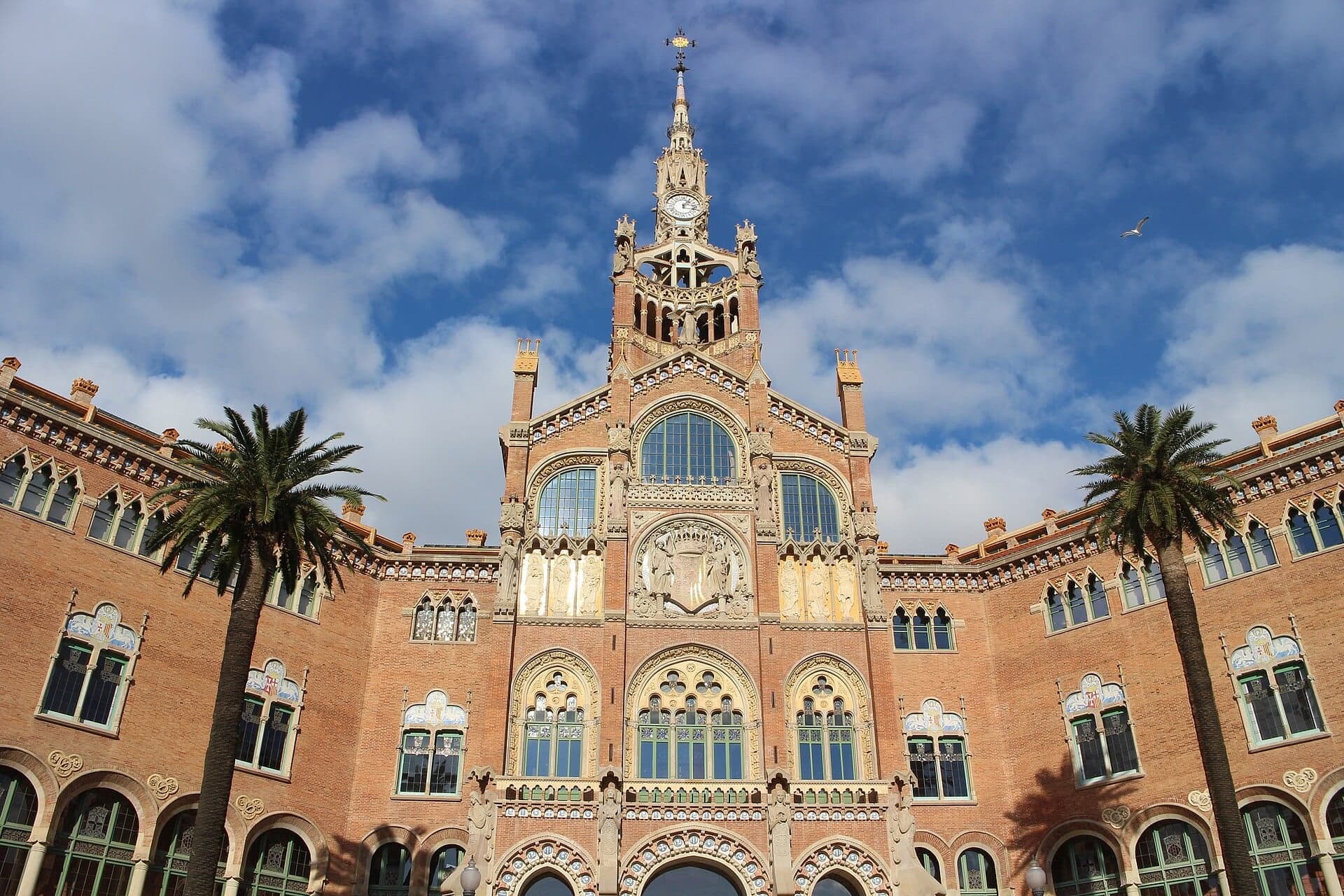
Hospital de Sant Pau: A Hospital Built as Art