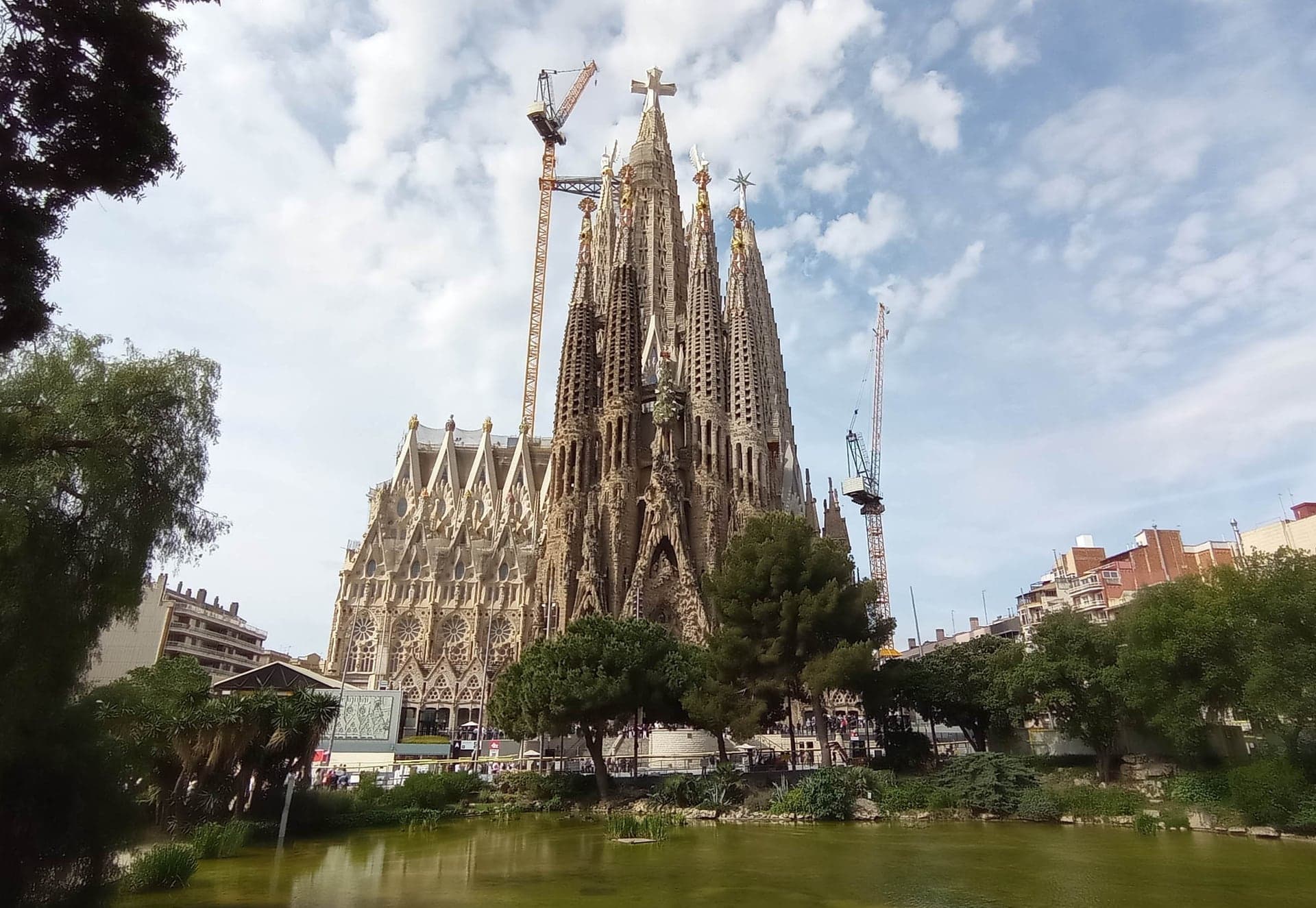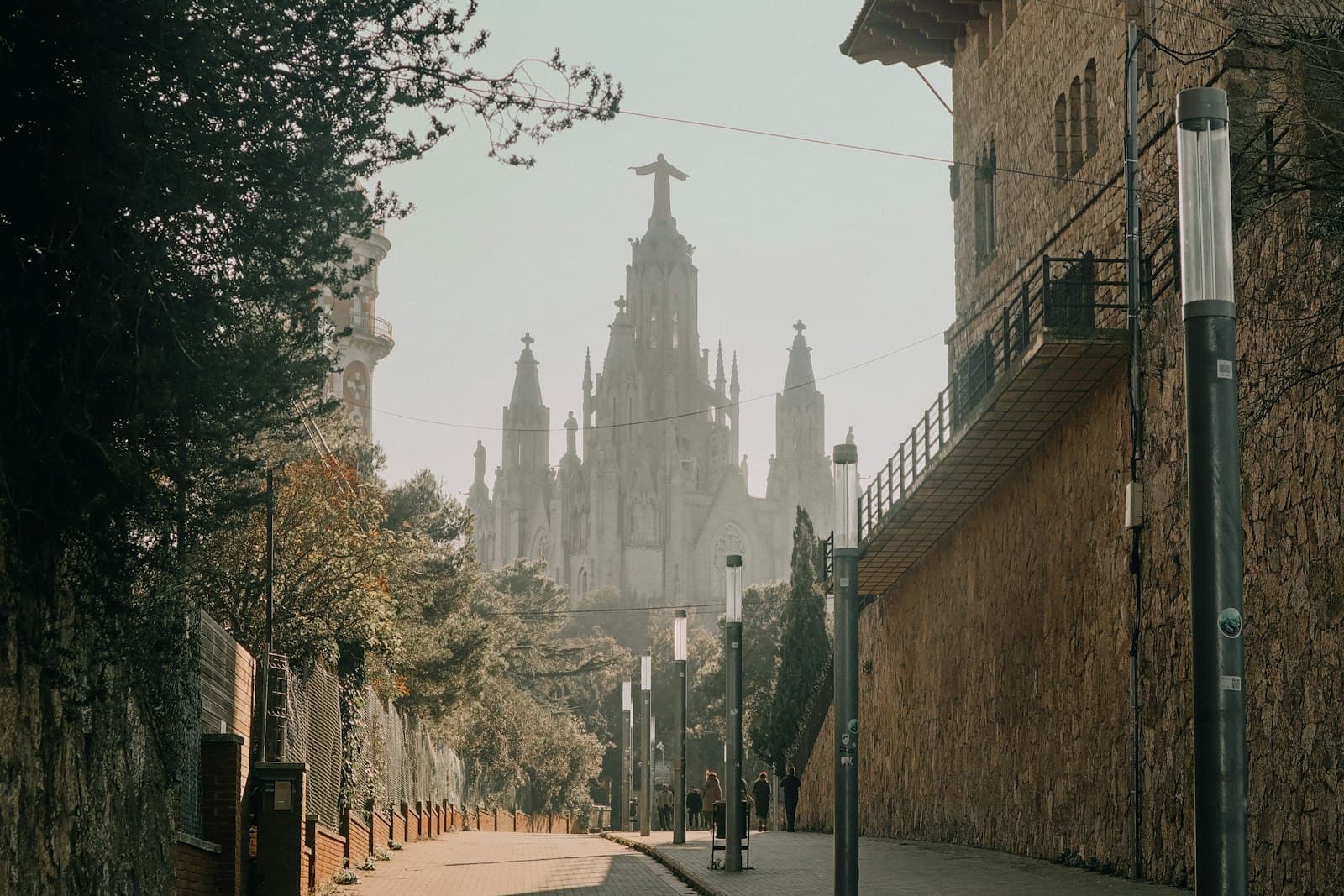
Gothic Quarter: Roman, Royal and Rebuilt
75 min · 1.8 km · easy
How many days? Give Barcelona three to four days. How to get around? Walk the centre, take the metro for longer hops. When to go? April to June or September to October. Is it safe? Yes, just guard against pickpockets. Those are the short answers. The rest of this guide fills them in so you can plan a trip that fits the city instead of fighting it.
How many days do you need in Barcelona?
Three to four days is the sweet spot.
- Two days covers the essentials at a rush: the medieval old town, Passeig de Gràcia and one Gaudí interior.
- Three to four days is the comfortable version. It lets you add the Sagrada Família, Park Güell, a beach afternoon and a slower neighbourhood such as Gràcia or El Born without racing between timed tickets.
- Five or more days leaves room for day trips: the mountain monastery of Montserrat, the wine country of Penedès, or the coastal towns of the Costa Brava.
If you only have one day, we have a walkable one-day Barcelona itinerary that routes a genuinely good day through the old town, the Eixample and the waterfront.
Getting around Barcelona
Hear a stop from this walk
Plaça Reial: Gaudí's Lampposts
On foot. Central Barcelona is highly walkable. The old town, the Eixample and the run of Modernisme architecture on Passeig de Gràcia are mostly fifteen to twenty minutes apart, and the walk is half the pleasure. The city's structure helps: the historic Ciutat Vella (the Gothic Quarter, El Born, El Raval and Barceloneta) is a dense medieval tangle, while the Eixample above it is a rigorously regular nineteenth-century grid. Understanding that grid is worth a walk of its own: the Casa Batlló and La Pedrera walk starts at Plaça de Catalunya, where Cerdà's plan met the old city, and the background is in Cerdà's Eixample.
By metro. For longer hops the metro is fast, cheap and easy, with twelve lines covering the city and suburbs and trains every few minutes. For a short visit, the best-value ticket is the T-casual, a ten-journey ticket you can share between people, valid across metro, bus, tram and local trains with transfers inside a time window. One important catch: the T-casual is not valid for the metro or train to and from the airport, which needs a separate airport fare.
Neighbourhoods worth walking. Beyond the headline sights, Gràcia keeps the feel of a separate village of squares, and the Park Güell and Gràcia walk climbs through them to Park Güell's gate; El Born pairs a real medieval quarter with design shops and vermouth bars, walked on the El Born tour; and Montjuïc gives you gardens, museums and a view back over the whole city, with the Montjuïc walk following the 1929 world's fair axis from Plaça d'Espanya up to the Palau Nacional's terrace. For how to split time between the two old towns, read El Born vs the Gothic Quarter.
Best time to visit Barcelona
The shoulder seasons, roughly April to June and September to October, are the best time to go. You get warm days, long light and noticeably lighter crowds than high summer.
- Spring (March to May): mild, rarely below 10°C, ideal for walking and museums with shorter queues.
- Summer (July to August): the warmest months, around 28 to 29°C, and the busiest. Beach weather, but the crowds and heat are real.
- Autumn (September to October): the sea stays warm enough to swim into October, with bright, clear days as the summer heat fades. October is the rainiest month, so pack a light waterproof.
- Winter (November to February): cooler, wetter and the cheapest, least crowded time to visit. The city rarely gets long spells of grey rain.
Is Barcelona safe?
Yes. Barcelona is a safe city, and violent crime against tourists is rare. The genuine risk is pickpocketing, not danger to your person.
Pickpocketing is concentrated in the busiest tourist places: Las Ramblas, the Gothic Quarter, Barceloneta beach, crowded markets, and the metro, especially on the busiest lines and at major interchange stations during rush hours. Encouragingly, transport authorities have reported a sharp drop in metro pickpocketing in 2026 after a joint policing operation, but it pays to stay careful.
Simple habits handle almost all of it:
- Keep your phone and wallet in a front, zipped pocket, never a back pocket or an open bag.
- Wear a bag across your body and in front of you in crowds.
- Be most alert in dense crowds, on Las Ramblas, and boarding or leaving a packed metro car.
- Do not put your phone or bag down on a restaurant table facing the street.
Treat it as an inconvenience to manage, not a reason to be nervous. Self-guided walking keeps you moving at your own pace and out of the tightest tour-group crushes where opportunists work.
Barcelona on a budget
Barcelona rewards budget travellers because so much of its best is free and outdoors. Walking the Gothic Quarter, admiring the Modernisme facades on Passeig de Gràcia, the beach, the parks of Montjuïc and the public markets all cost nothing. The main paid attractions are the ticketed Gaudí sites, Park Güell included (18 euros for a general ticket, by timed slot, checked October 2026), so pick one or two rather than trying to see them all. The outside of the Sagrada Família, which is what the Sagrada Família and Sant Pau walk reads, is free to walk round.
To stretch a budget further: eat where locals eat rather than on the main tourist drags, use a T-casual ticket instead of single fares, and consider a self-guided audio walking tour instead of a booked group tour. Roamer's Barcelona walking tours are free to start and a few dollars to unlock in full, with no start time and no tip.
Plan the walking
Once the logistics are sorted, the fun part is deciding what to see on foot. Start with our guide to the best self-guided walking tours in Barcelona, which compares the routes by length and focus, then read the one-day itinerary if your time is tight or the Barcelona architecture tours guide if the buildings are what brought you. When you get hungry, what to eat in Barcelona sorts the local Catalan dishes from the generic tourist plates.
Frequently asked questions
- How many days do you need in Barcelona?
- Three to four days is the sweet spot. Two days covers the essentials at a rush: the old town, Passeig de Gràcia and one Gaudí interior. Three to four days lets you add the Sagrada Família, Park Güell, a beach afternoon and a slower neighbourhood like Gràcia or El Born without racing. Five or more days is comfortable and leaves room for day trips such as Montserrat or the Costa Brava.
- How do you get around Barcelona?
- Central Barcelona is highly walkable, and most major sights in the old town, the Eixample and along Passeig de Gràcia are fifteen to twenty minutes apart on foot. For longer hops, the metro is fast, cheap and easy, with twelve lines that cover the city and its suburbs and trains every few minutes. The best-value ticket for a short visit is the T-casual, a shareable ten-journey ticket. Note it is not valid for the metro to and from the airport, which needs a separate fare.
- What is the best time to visit Barcelona?
- The shoulder seasons, roughly April to June and September to October, offer the best mix of warm weather, long days and lighter crowds. July and August are hot, around 28 to 29 degrees Celsius, and busy. Winter, from November to February, is cooler and wetter but the cheapest and least crowded time to go, and the city rarely sees long spells of grey rainy weather.
- Is Barcelona safe for tourists?
- Yes. Barcelona is a safe city and violent crime against visitors is rare. The real risk is pickpocketing, which is concentrated in crowded tourist areas such as Las Ramblas, the Gothic Quarter, Barceloneta beach and the busy metro lines. It is an inconvenience, not a danger. Keep your phone and wallet in a front zipped pocket, wear a bag across your body in front of you, and stay alert in crowds and on the metro.
- Can you visit Barcelona on a budget?
- Easily. Much of the best of Barcelona is free and outdoors: the Gothic Quarter, the Modernisme facades on Passeig de Gràcia, the beach, Montjuïc and the markets cost nothing to walk. The main paid attractions are the Gaudí interiors. Eat where locals do rather than on Las Ramblas, use a T-casual ticket for transport, and consider self-guided audio walking tours instead of booked group tours to keep costs down.
- Do I need to speak Spanish or Catalan in Barcelona?
- No. Barcelona is bilingual in Catalan and Spanish, and both are official languages of Catalonia. In tourist areas, English is widely understood, and menus and signs are often in several languages. A few words of either language are appreciated, but you can get by comfortably in English.
Ready to experience it?
Gothic Quarter: Roman, Royal and Rebuilt
75 min · 1.8 km · easy
More from Barcelona
Explore more at your own pace.
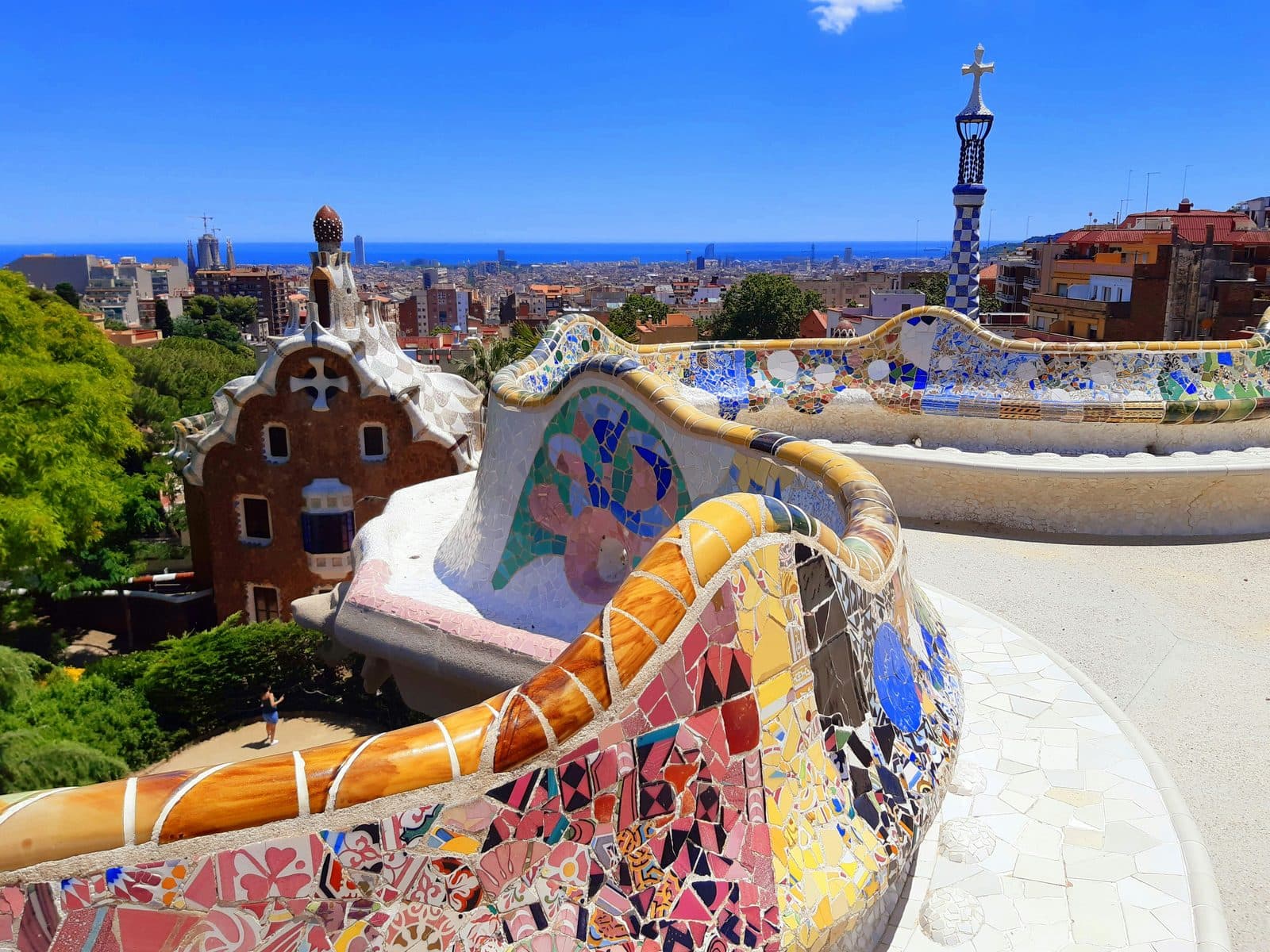
Best History Walking Tours in Barcelona (2026)
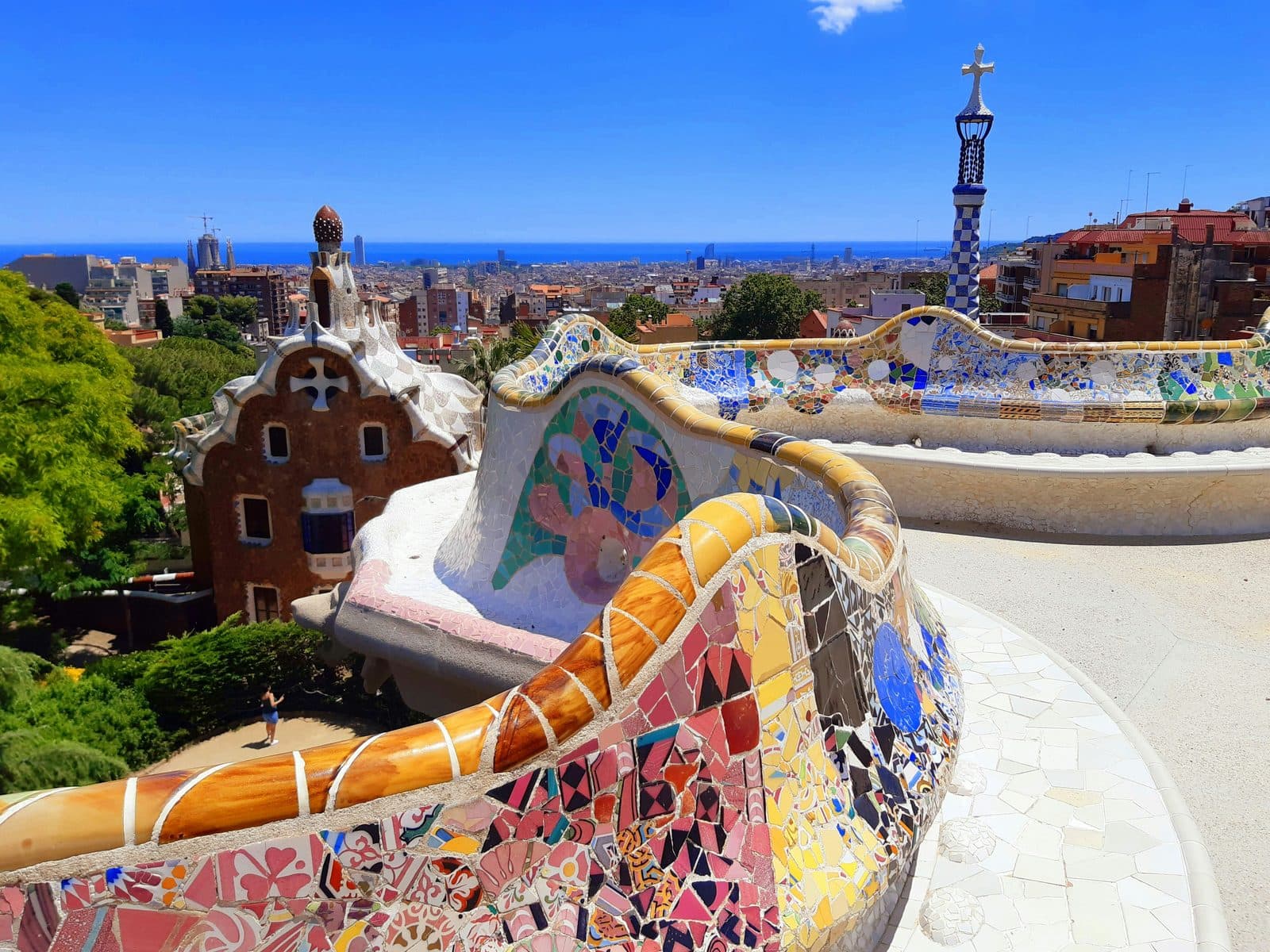
Cerdà's Eixample: The Grid Madrid Imposed and the Buildings That Broke Its Rules
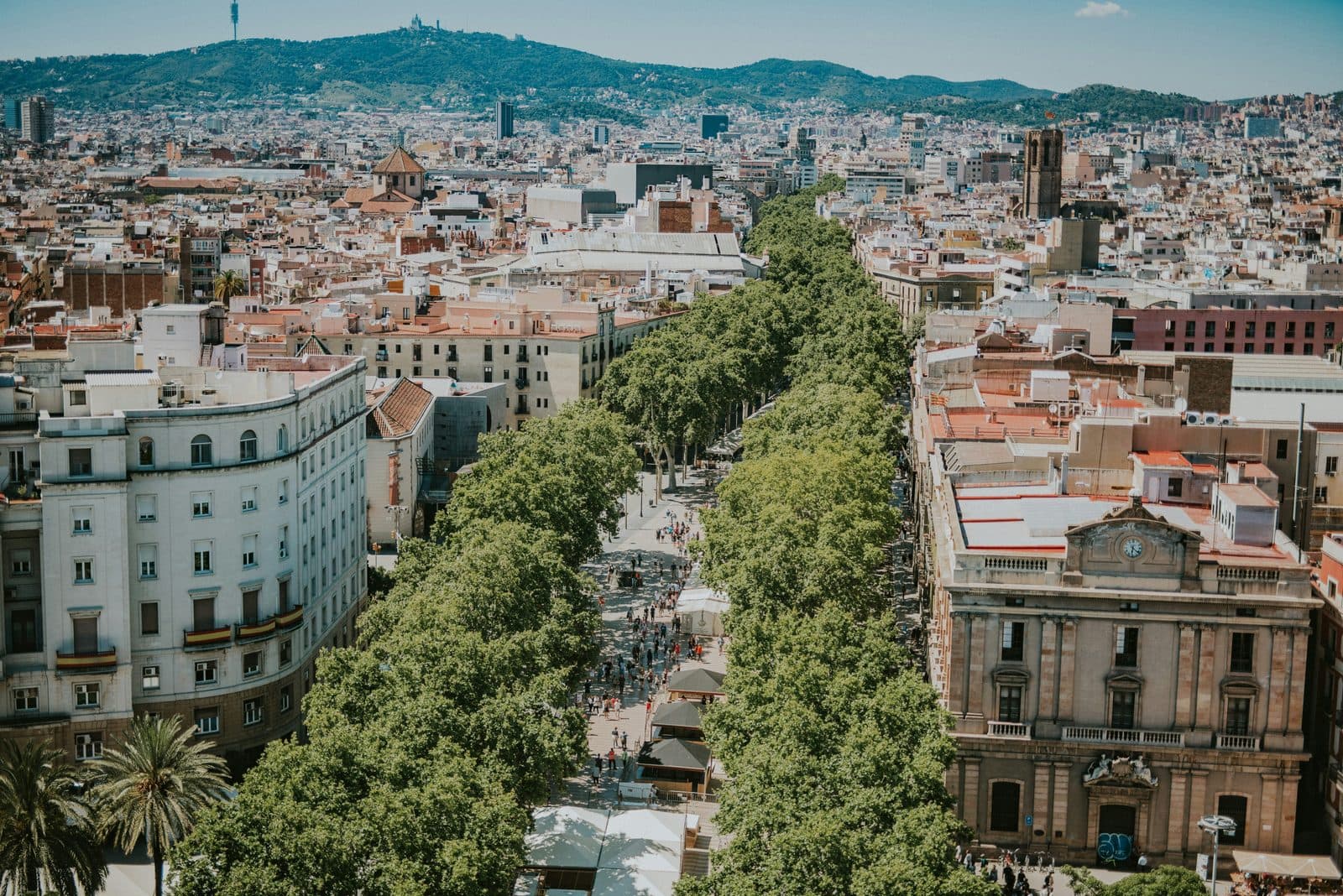
El Born vs the Gothic Quarter: How to Tell Barcelona's Two Old Towns Apart
Casa Batlló's Hidden Rib-Cage: Sixty Catenary Arches Under the Dragon
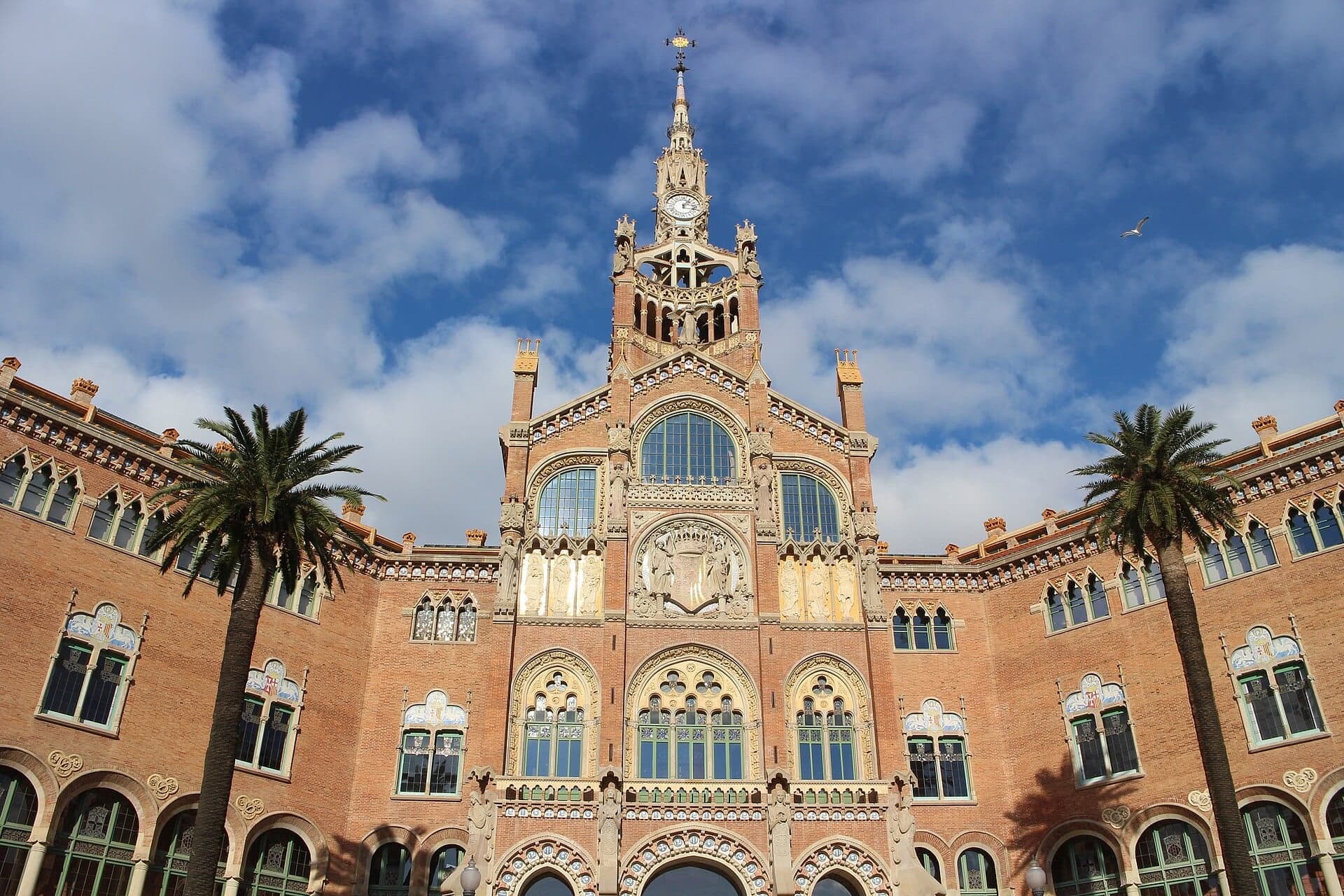
Hospital de Sant Pau: A Hospital Built as Art