Gothic Quarter: Roman, Royal and Rebuilt
75 min · 1.8 km · easy
The two oldest districts of Barcelona sit against each other, separated by the modern slash of Via Laietana. Most visitors treat them as one blur of narrow medieval lanes. They are not the same, and knowing the difference is the single most useful thing for planning an afternoon on foot. The Gothic Quarter is the monumental, partly manufactured old town of cathedrals and civic squares; El Born, just east, is a genuine medieval merchants' quarter that is now Barcelona's best area for eating, drinking, and browsing. Walk the first for history, drift into the second to relax.
What the Gothic Quarter is for
The Barri Gòtic is the ceremonial heart: the cathedral, the medieval royal palace at Plaça del Rei, the Roman columns, the seat of city and regional government at Plaça Sant Jaume. It is dense, monumental, and heavily walked. It is also partly a twentieth-century composition. As the Gothic Quarter companion explains, between 1927 and 1970 about forty buildings here were restored, moved or rebuilt to look medieval, over a real Roman and medieval core. The Gothic Quarter tour walks all three layers in twelve stops, from the Roman gate at Plaça Nova to Plaça Reial, in about an hour and a quarter.
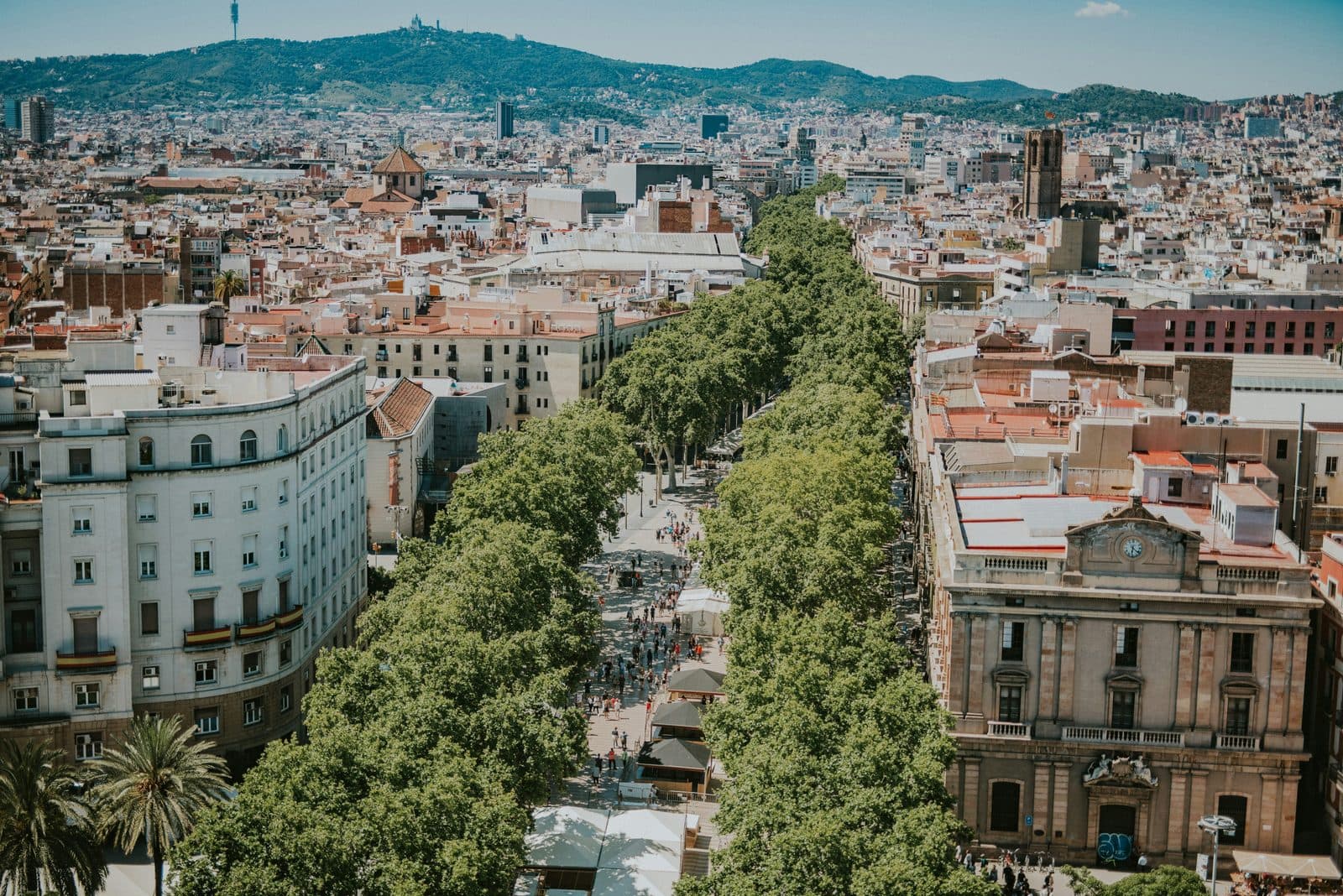
This is the part of town for looking up: façades, spires, squares, layers of history stacked vertically. It is not the part of town for a slow lunch. The main lanes near the cathedral and Las Ramblas are the most tourist-dense in the city.
What El Born is for
Hear a stop from this walk
Plaça Reial: Gaudí's Lampposts
Cross Via Laietana east and you are in El Born. Strictly, "El Born" is the popular name for the southern half of the quarter, around the Passeig del Born and its old market; the city's name for the whole neighbourhood is Sant Pere, Santa Caterina i la Ribera. The Ribera was named for being near the sea, and its parish church says it held much of the population tied to the port: sailors, fishermen, merchants and guilds whose trades still name its streets. The word Born is usually linked to the jousts held on the Passeig in the Middle Ages, though no primary source we found confirms it.
El Born shares the same tangled medieval street plan, but its history is different in kind. This was the working merchant and artisan quarter of medieval Barcelona, and that origin still shapes it. Its landmark is Santa Maria del Mar, begun in 1329 and built, its parish says, in just fifty-four years, with stone from Montjuïc carried unpaid by the bastaixos, the porters' guild of the port. Inside, three naves of almost the same height stand on slim eight-sided pillars, so the whole space reads as one. Its rose window fell in an earthquake in 1428 and was rebuilt, and the church burned in 1936. It is a useful contrast to the cathedral a few blocks west, whose medieval interior wears a front added between 1887 and 1913. Nearby, the Museu Picasso occupies five medieval town houses on Carrer de Montcada, a street of merchants' houses with business below and the family above, each built round a courtyard with an open stair.
Today El Born is where the old town goes to eat and browse: independent shops, workshops, galleries and a deep bench of tapas bars and restaurants, with fewer tourist traps than the lanes around La Rambla. If you want to actually eat and drink well after a morning of monuments, this is where you go.
If you want its history too, the El Born tour walks ten stops over about two kilometres, from Sant Pere de les Puel·les past the Palau de la Música Catalana, built with money raised by public subscription, and the Santa Caterina market, whose 2005 roof of 325,000 coloured pieces sits on the city's first covered market of 1848. It goes on through Montcada, Santa Maria del Mar and the Fossar de les Moreres, the parish graveyard where the defenders of 1714 were buried, to the iron Born market of 1876. Under that market lie streets of the Ribera razed after the siege of 1714 for the Ciutadella fortress, found when builders dug there in 2002. The walk ends at the gate of the park that replaced the fortress, where the Ciutadella Park tour takes over.
What to eat, and the local timing trick
The move that marks you as clued-in rather than clueless is vermouth. "Fer el vermut," doing the vermouth, is the Barcelona ritual of a glass of sweet red vermouth on ice with a slice of orange and an olive, taken as a pre-lunch aperitif, often on a Sunday, at a bar with a marble counter. El Born and the Gothic Quarter both have historic vermuterías, and late morning is the right time.
For food, keep it Catalan and shareable: pa amb tomàquet, bread rubbed with ripe tomato, garlic, and olive oil, is the base of every table. Add jamón, a plate of anchovies, croquetes, escalivada (smoky roasted peppers and aubergine), and if it is on the menu, esqueixada, a salt-cod salad. Order a few small plates rather than one main. Lunch runs late by northern-European standards, often not before 2pm, and dinner later still, so pace the day around it.
How to split an afternoon
The efficient plan: walk the Gothic Quarter first, ideally earlier when the squares are quieter, then cross Via Laietana into El Born for a late lunch and an aimless drift, or the El Born walk if you still have legs. That way you spend your attention on monuments when you have energy for them, and your appetite in the quarter that rewards it. History west, lunch east.
Keep exploring Barcelona
Read the deeper history in Barcelona's two invented cities, or plan the walking with the guide to the best self-guided walking tours in Barcelona.
Ready to experience it?
Gothic Quarter: Roman, Royal and Rebuilt
75 min · 1.8 km · easy
More from Barcelona
Explore more at your own pace.
Best History Walking Tours in Barcelona (2026)
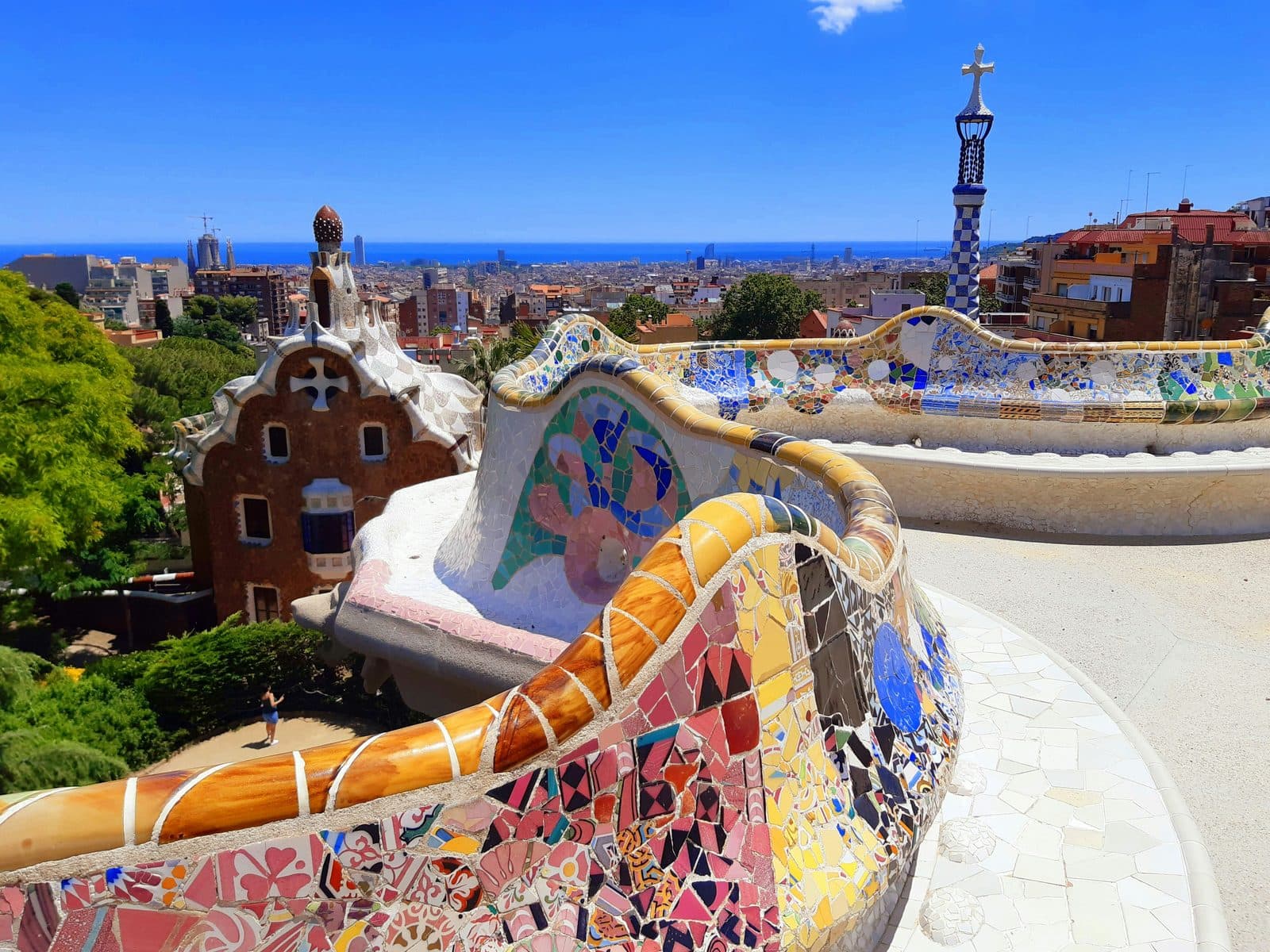
Cerdà's Eixample: The Grid Madrid Imposed and the Buildings That Broke Its Rules
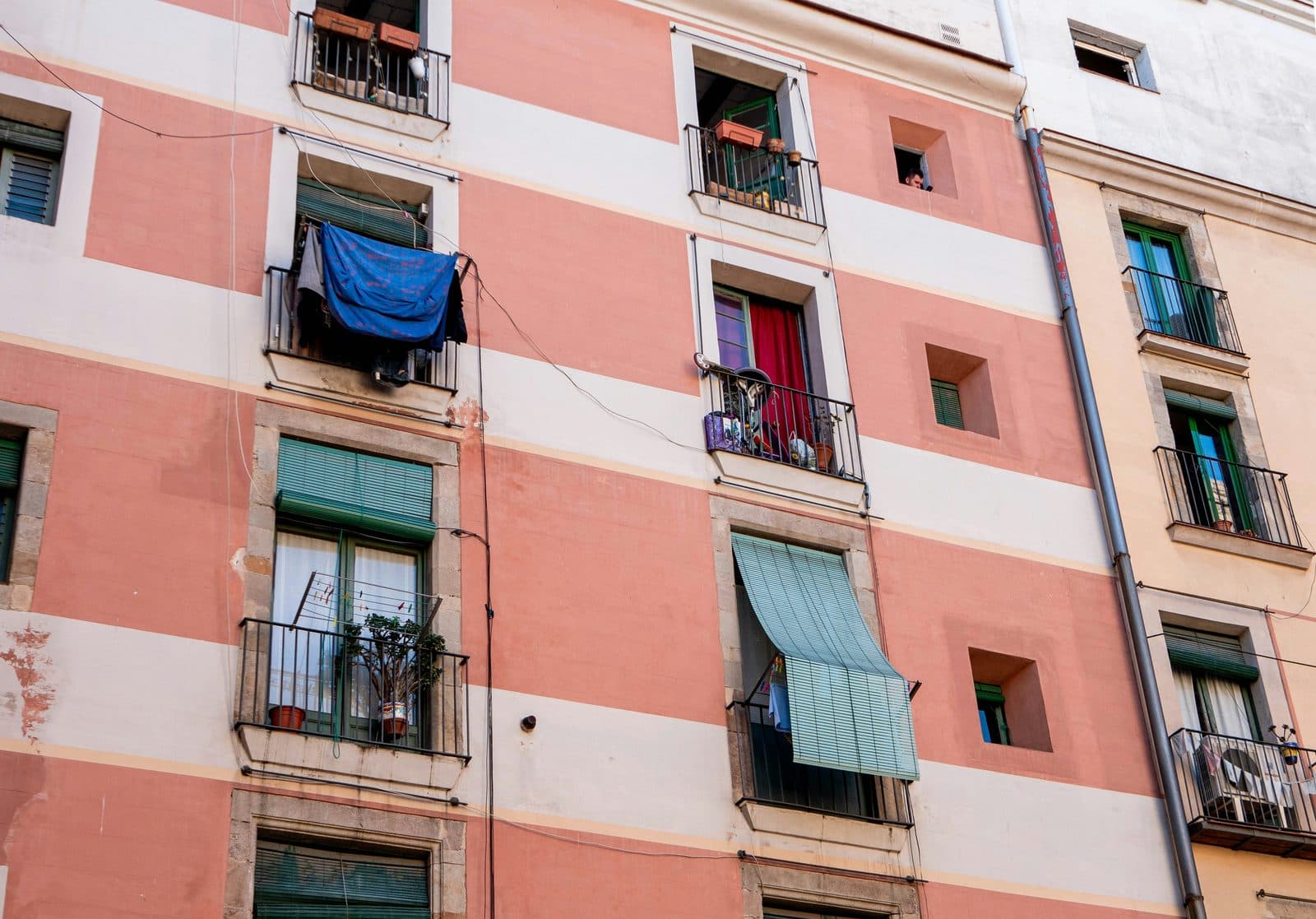
The Gothic Quarter in Three Layers: Roman, Royal and Rebuilt
Casa Batlló's Hidden Rib-Cage: Sixty Catenary Arches Under the Dragon
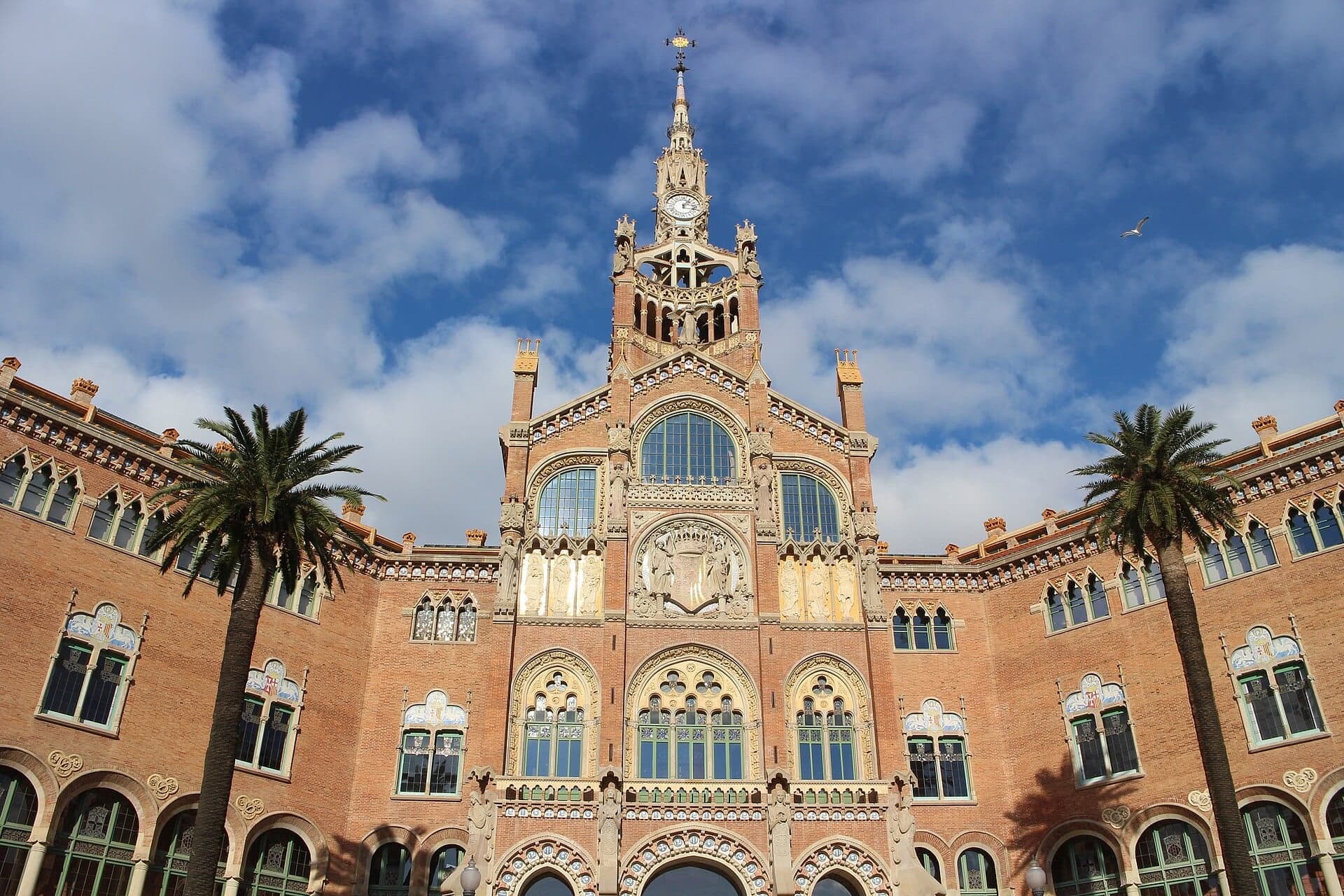
Hospital de Sant Pau: A Hospital Built as Art