Gothic Quarter: Roman, Royal and Rebuilt
75 min · 1.8 km · easy
Barcelona spent the decades either side of 1900 building two cities that had never existed before. One was made of new material, the other of borrowed age. Both are, if you look closely, honest records of what a city wanted to be.
The short version: the Modernisme houses on the Passeig de Gràcia and the medievalised Gothic Quarter are two halves of one argument, paid for by the same kind of patron, the city's bankers and industrialists, in overlapping decades. One invented a future. One assembled a past. Seeing them as one argument is the fastest way to read Barcelona.
The ground they built on
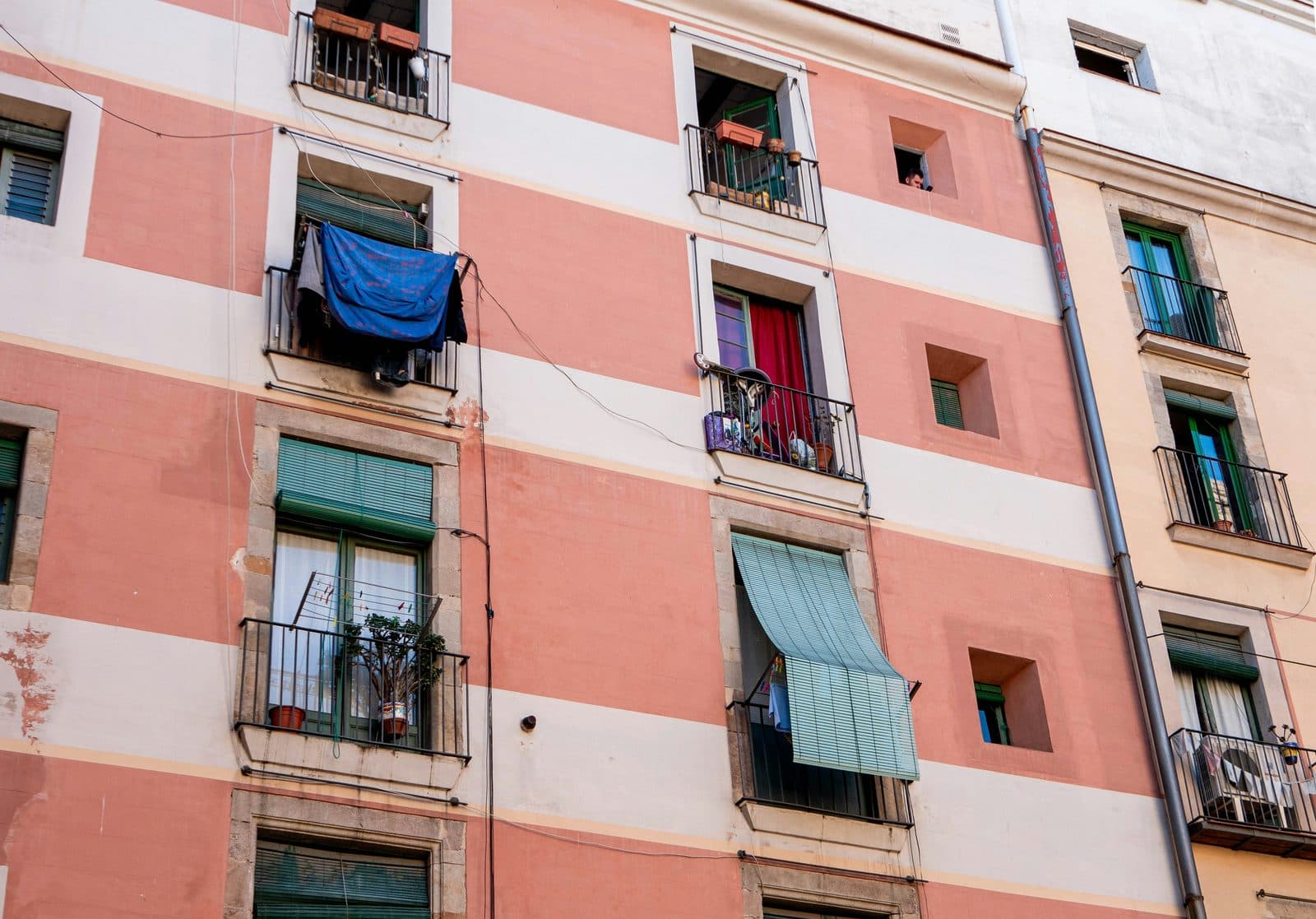
Until 1854 Barcelona was a walled city. The case for pulling the walls down had been made for years: in 1840 the city called a competition on the advantages of demolishing them, won by Monlau's tract ¡Abajo las murallas! (Down with the walls!) When they fell, the plain beyond needed a plan. On 7 June 1859 a royal order from Madrid approved a grid drawn by the engineer Ildefons Cerdà, confirmed by royal decree on 31 May 1860. That autumn the city's own jury chose a different plan, Antoni Rovira i Trias's, unanimously, and lost. Queen Isabel II came in September and October 1860 to inaugurate the works. The grid is the Eixample, and its spine became the old road to the village of Gràcia, the Passeig de Gràcia.
Invention one: a language for the future
Hear a stop from this walk
Plaça Reial: Gaudí's Lampposts
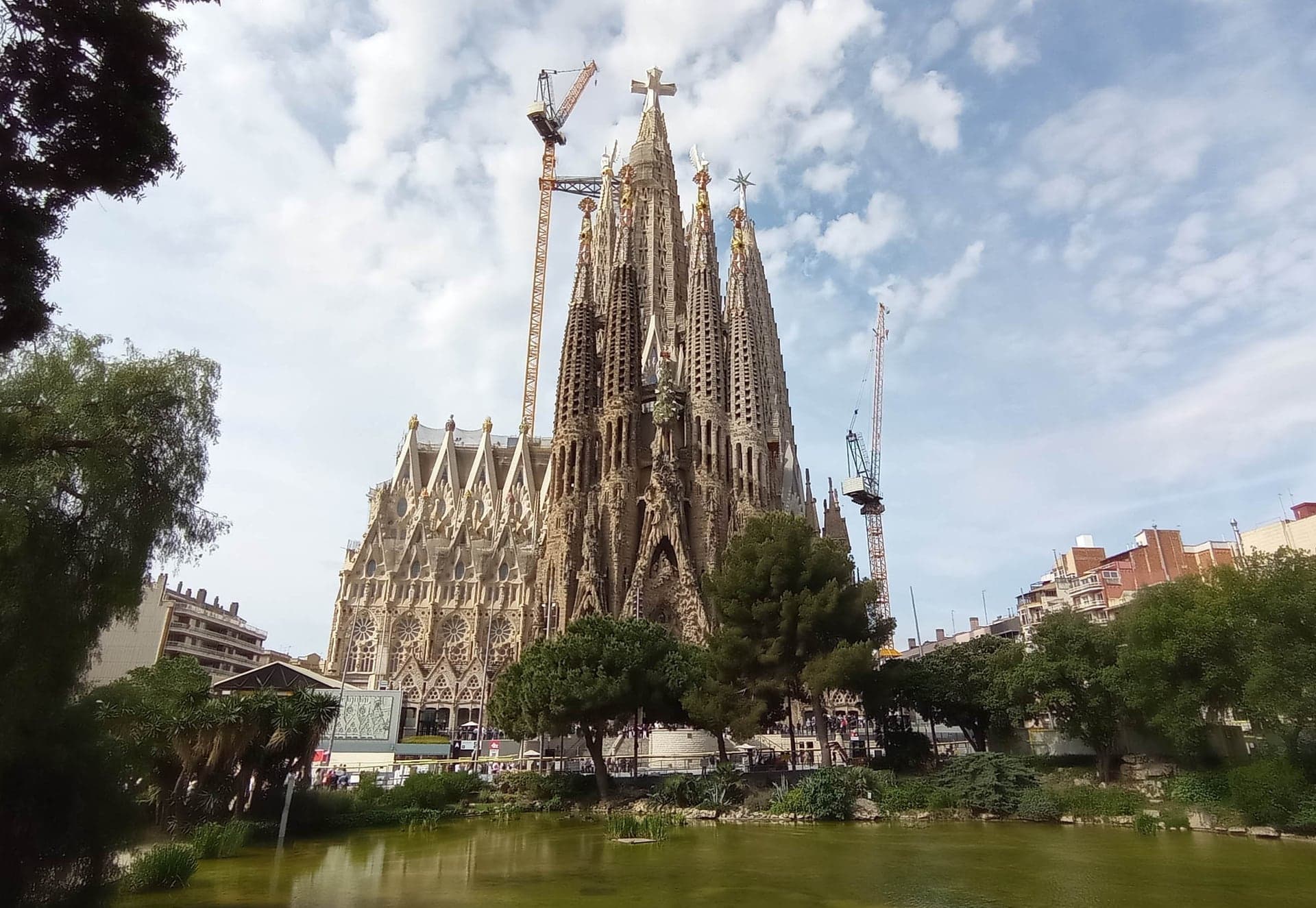
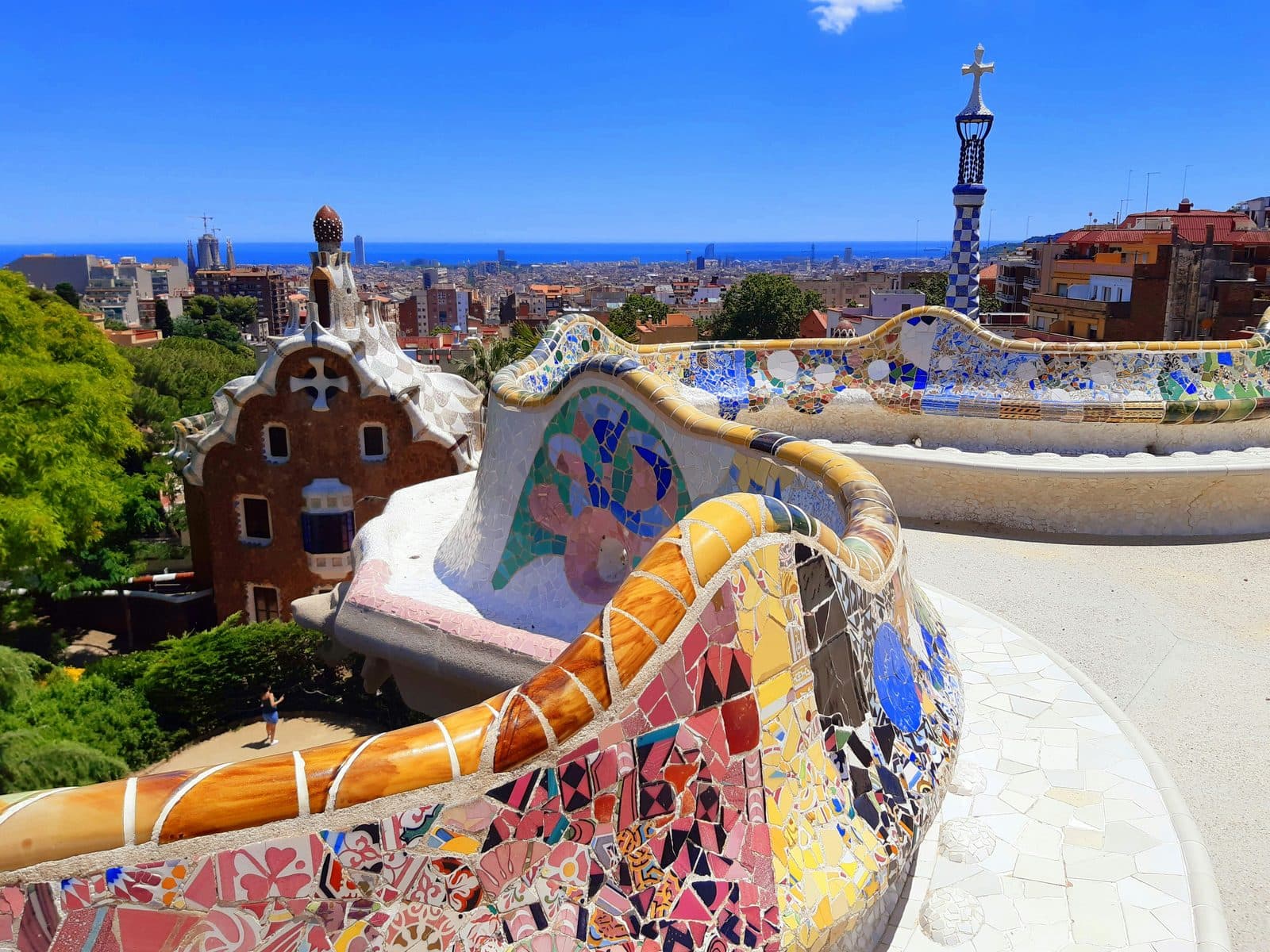
On the new grid, families with new money commissioned a new architectural vocabulary. Lluís Domènech i Montaner set out the ambition early: in 1878 he published an essay in the Catalanist paper La Renaixensa titled "In search of a national architecture." Over the next decades he, Josep Puig i Cadafalch and Antoni Gaudí worked in carved stone, iron, ceramic, mosaic and stained glass. This was Modernisme, the Catalan cousin of Art Nouveau.
One block of the Passeig shows it best. Domènech remade Casa Lleó Morera from 1902, Puig built Casa Amatller for a chocolatier in 1898 to 1900, and Gaudí remade Casa Batlló for a textile industrialist between 1904 and 1906. People call it the Block of Discord: in Spanish, manzana means both a city block and an apple, and the apple of discord started a quarrel. Only one of the three won the city's prize for artistic buildings, Casa Lleó Morera, in 1906. The Casa Batlló and La Pedrera walk reads that block and the grid around it, and the deeper reading is in how Barcelona wrote a new architectural language.
This was not a revival. In Casa Batlló's attic Gaudí set sixty catenary arches, the shape a hanging chain takes, turned upside down. Further up the Passeig, La Pedrera's stone front hangs on a frame of pillars like a curtain, and its owners say it broke the city's volume rules by four thousand cubic metres; in 1909 the city decided it was "a monument" and let it stand. Nothing about that was medieval. It pointed forward.
Invention two: a past for the nation
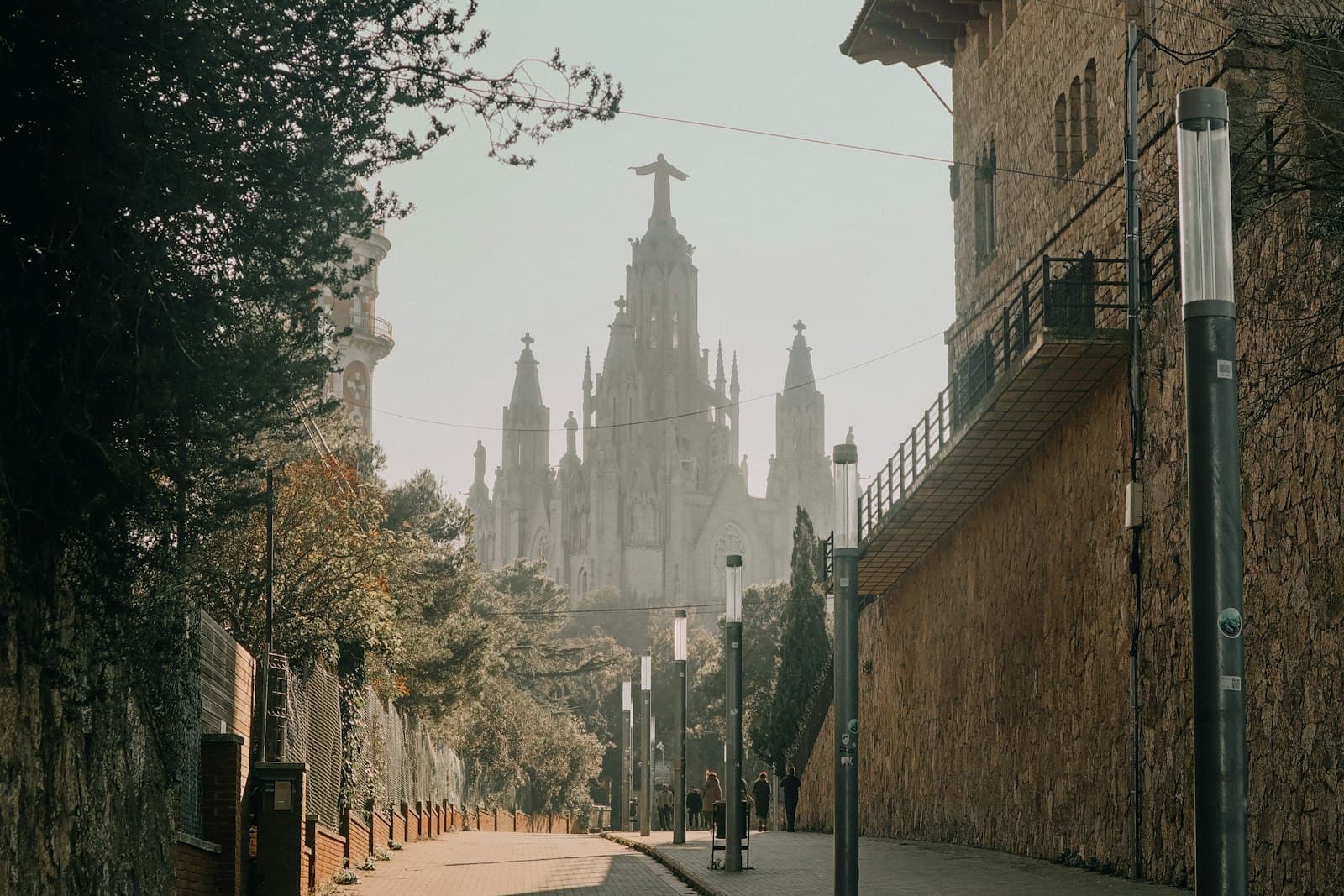
Meanwhile, a few streets south, the old cathedral quarter was being given a Middle Ages it had only partly kept. Its name, "Gothic Quarter," was first used in 1911. Between 1927 and 1970, in the account of the historian Cócola Gant, about forty buildings were restored, moved or rebuilt to look medieval and some eighty-five "Gothic" windows were re-created. The Via Laietana, cut through the old town from about 1908, displaced thousands of people, and a Gothic house was taken down on Carrer Mercaders and rebuilt stone by stone on Plaça del Rei around 1930.
The patrons were the same sort of people as on the Passeig. The cathedral's front, a plain wall since 1417, was built between 1887 and 1913 at the expense of the banker Manuel Girona, to plans inspired by a portal drawn in 1408 and never built. The banker Milà i Camps had the canons' houses on Carrer del Bisbe refitted in a Gothic manner between 1927 and 1930, and the bridge over the street was built in 1928 by Joan Rubió i Bellver, a disciple of Gaudí. The postcard is younger than the camera that photographs it.
The Gothic Quarter tour walks the Roman town, the royal city and this remake stop by stop. The Roman layer underneath is real, from the north-west gate at Plaça Nova to the Temple of Augustus columns, though even those columns were cleared and completed in the twentieth century.
Why both are true
Calling the Gothic Quarter fake, or Modernisme mere decoration, misses what these buildings document. The medievalised quarter records a city choosing to see itself as heir to a proud Catalan Middle Ages. Modernisme records the same city choosing to see itself as a modern European capital with its own voice. Neither was put up for tourists.
The remake is convincing because so much of it is real: the Roman wall, the cathedral's medieval nave and cloister, the hall of the royal palace, the basilica of Santa Maria del Pi. What was added is the finish that joins them. And Modernisme is convincing because the craft is real: at Casa Lleó Morera alone the city names the sculptors Eusebi Arnau and Alfons Juyol, the glaziers Rigalt and Granell, and the mosaicists Mario Maragliano and Lluís Bru.
Two invented cities, one identity project. Walk them in either order. You will start seeing the argument in every façade.
Keep exploring Barcelona
Compare the routes in the guide to the best self-guided walking tours in Barcelona, or focus on the built environment with the architecture walking tours in Barcelona.
Frequently asked questions
- Is the Gothic Quarter in Barcelona actually medieval?
- Partly. Real Roman and medieval fabric survives, including the Roman gate and wall, the Temple of Augustus columns and the cathedral's medieval nave and cloister. But between 1927 and 1970 about forty buildings were restored, moved or rebuilt to look medieval, and the cathedral's famous front only went up between 1887 and 1913. Most of what you see is real; part of the storybook finish is twentieth century.
- What is Modernisme and why did Barcelona invent it?
- Modernisme is the Catalan cousin of Art Nouveau, from the 1880s to the 1910s, whose best-known architects were Lluís Domènech i Montaner, Josep Puig i Cadafalch and Antoni Gaudí. It had a national purpose from the start: in 1878 Domènech published an essay titled 'In search of a national architecture' in the Catalanist paper La Renaixensa. Families made rich by trade and industry used the new language to show a modern, self-consciously Catalan city.
- Did the same people build both the Gothic Quarter and Modernisme?
- The same kind of patron, in overlapping decades. On the Passeig de Gràcia the clients were a chocolatier, a textile industrialist and the Milà family; in the old quarter the banker Manuel Girona paid for the cathedral's front (1887 to 1913) and the banker Milà i Camps had the canons' houses on Carrer del Bisbe refitted in a Gothic manner (1927 to 1930). Two projects, one identity argument: a modern future and a proud national past.
- Which Barcelona walking tour explains this best?
- Two do, and they pair. The Gothic Quarter tour walks the Roman town, the royal city and the twentieth-century remake stop by stop, and the Casa Batlló and La Pedrera walk reads Cerdà's grid and the houses that broke its rules. Doing both reveals the single argument underneath.
Ready to experience it?
Gothic Quarter: Roman, Royal and Rebuilt
75 min · 1.8 km · easy
More from Barcelona
Explore more at your own pace.
Best History Walking Tours in Barcelona (2026)
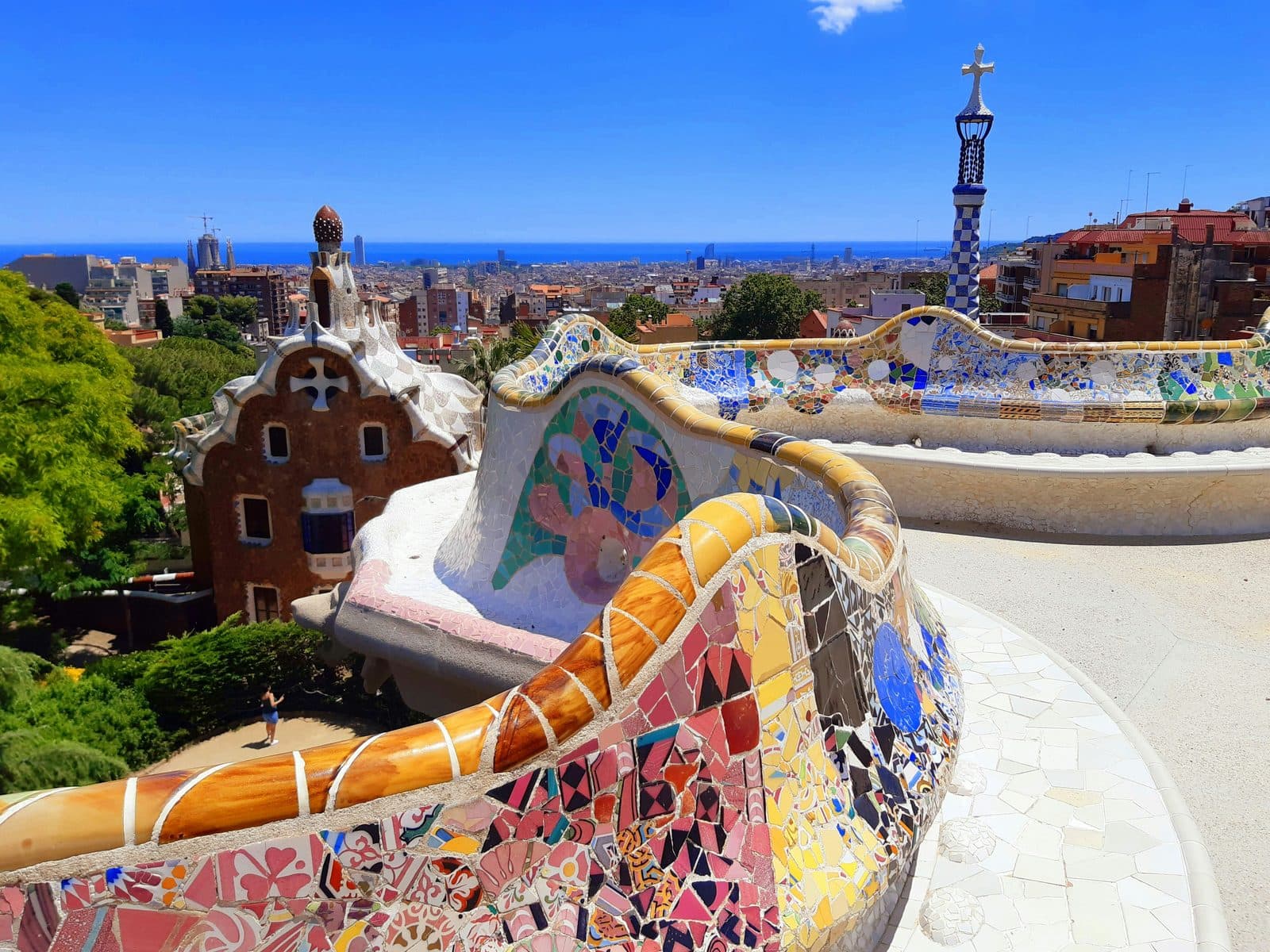
Cerdà's Eixample: The Grid Madrid Imposed and the Buildings That Broke Its Rules
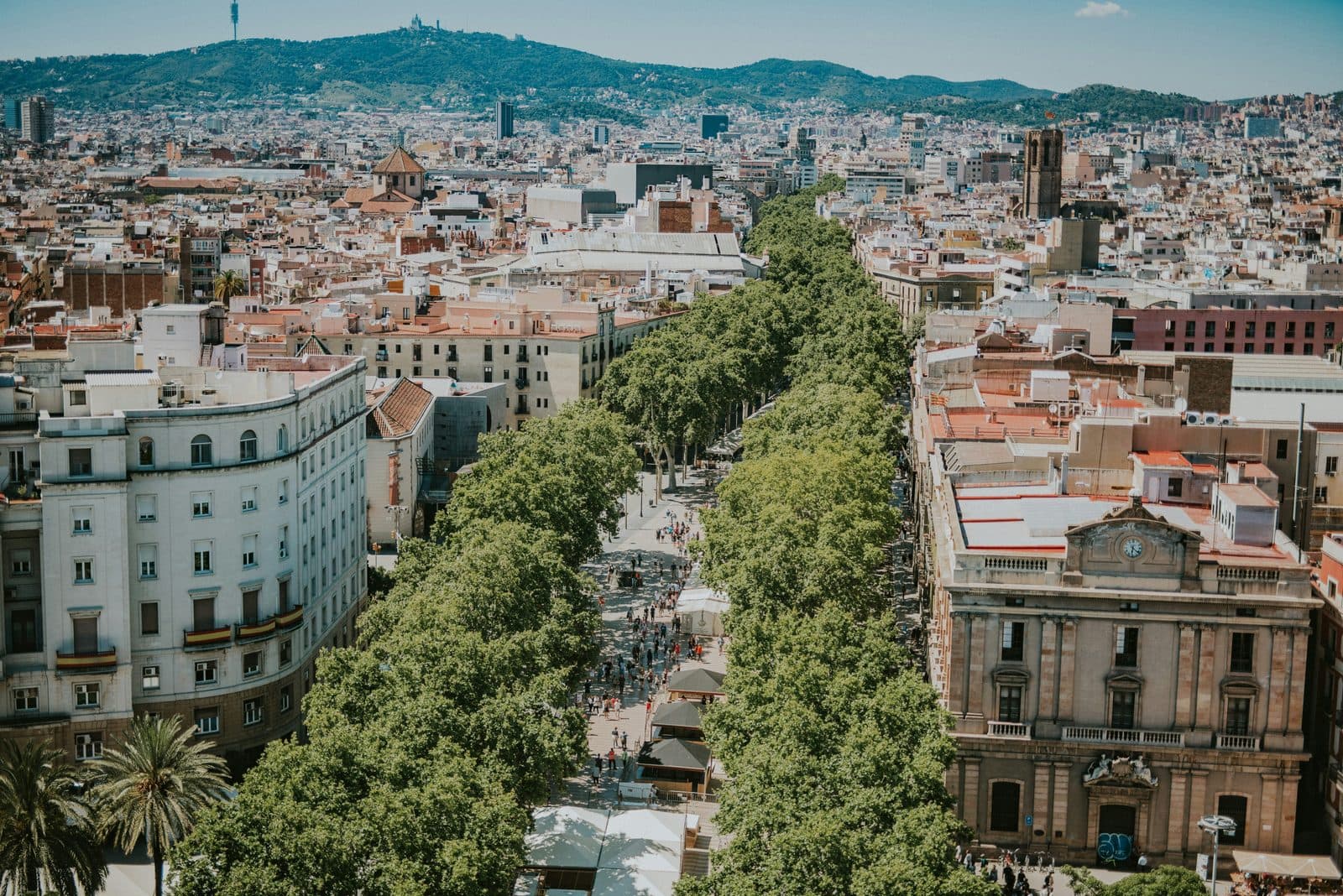
El Born vs the Gothic Quarter: How to Tell Barcelona's Two Old Towns Apart
Casa Batlló's Hidden Rib-Cage: Sixty Catenary Arches Under the Dragon
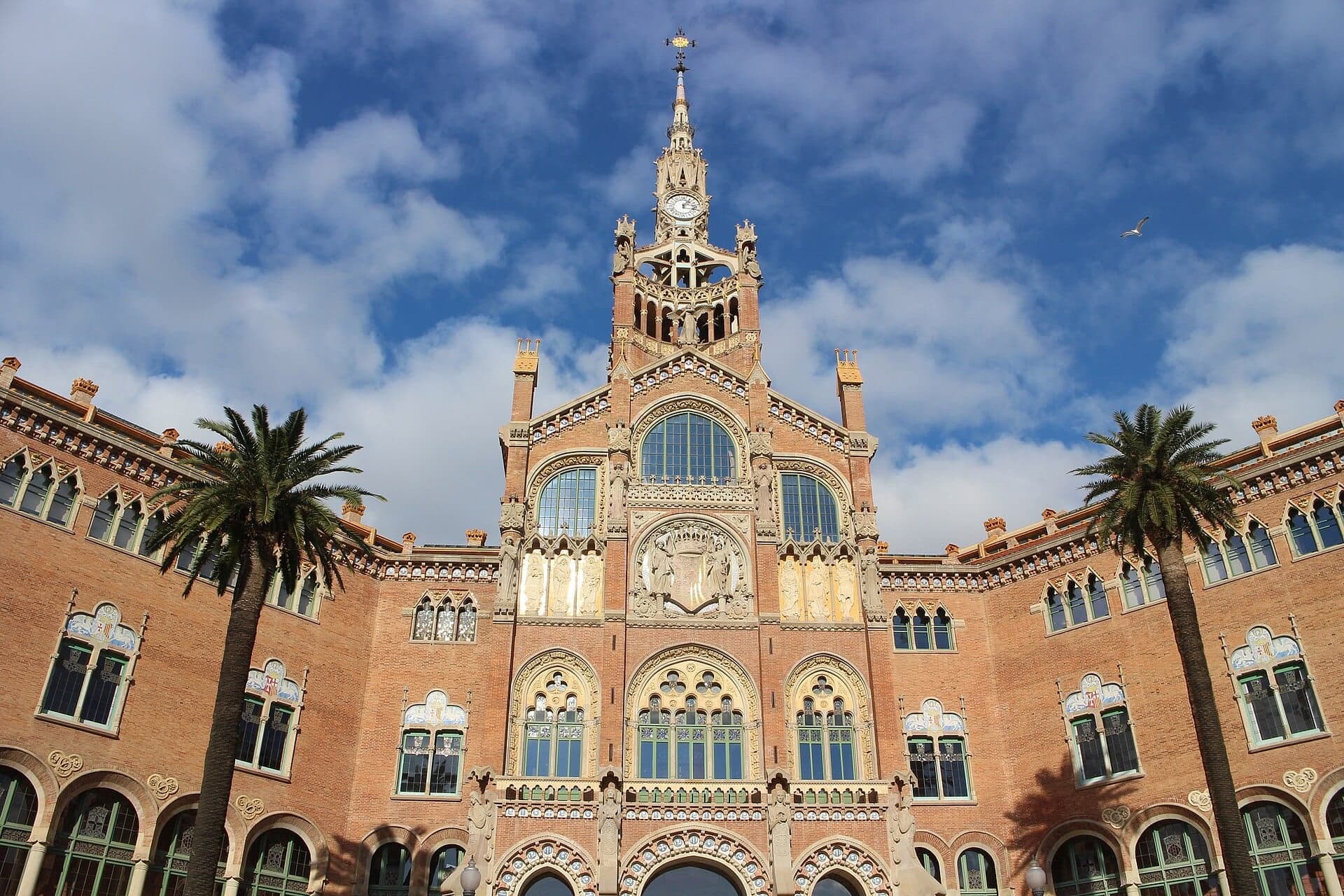
Hospital de Sant Pau: A Hospital Built as Art