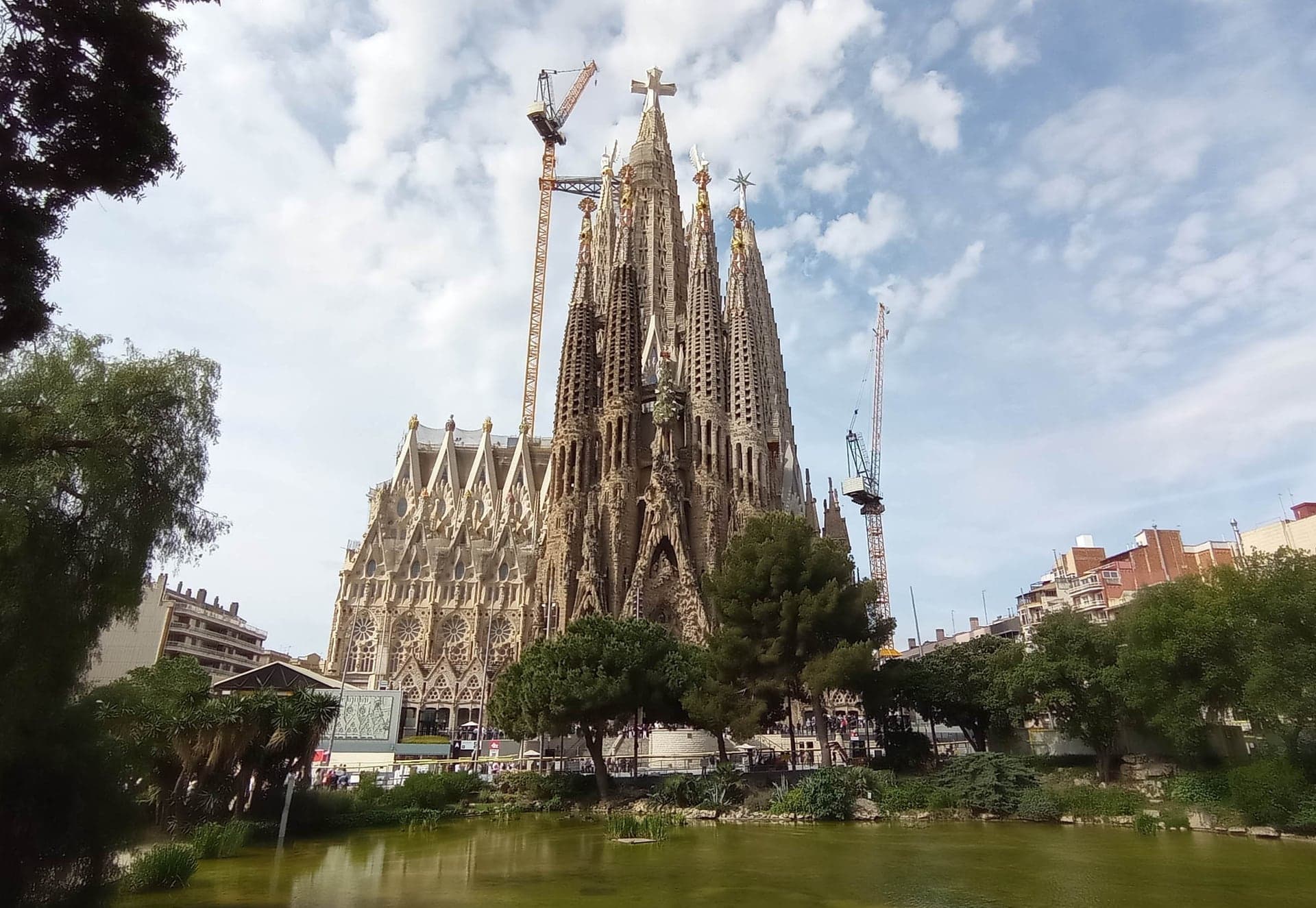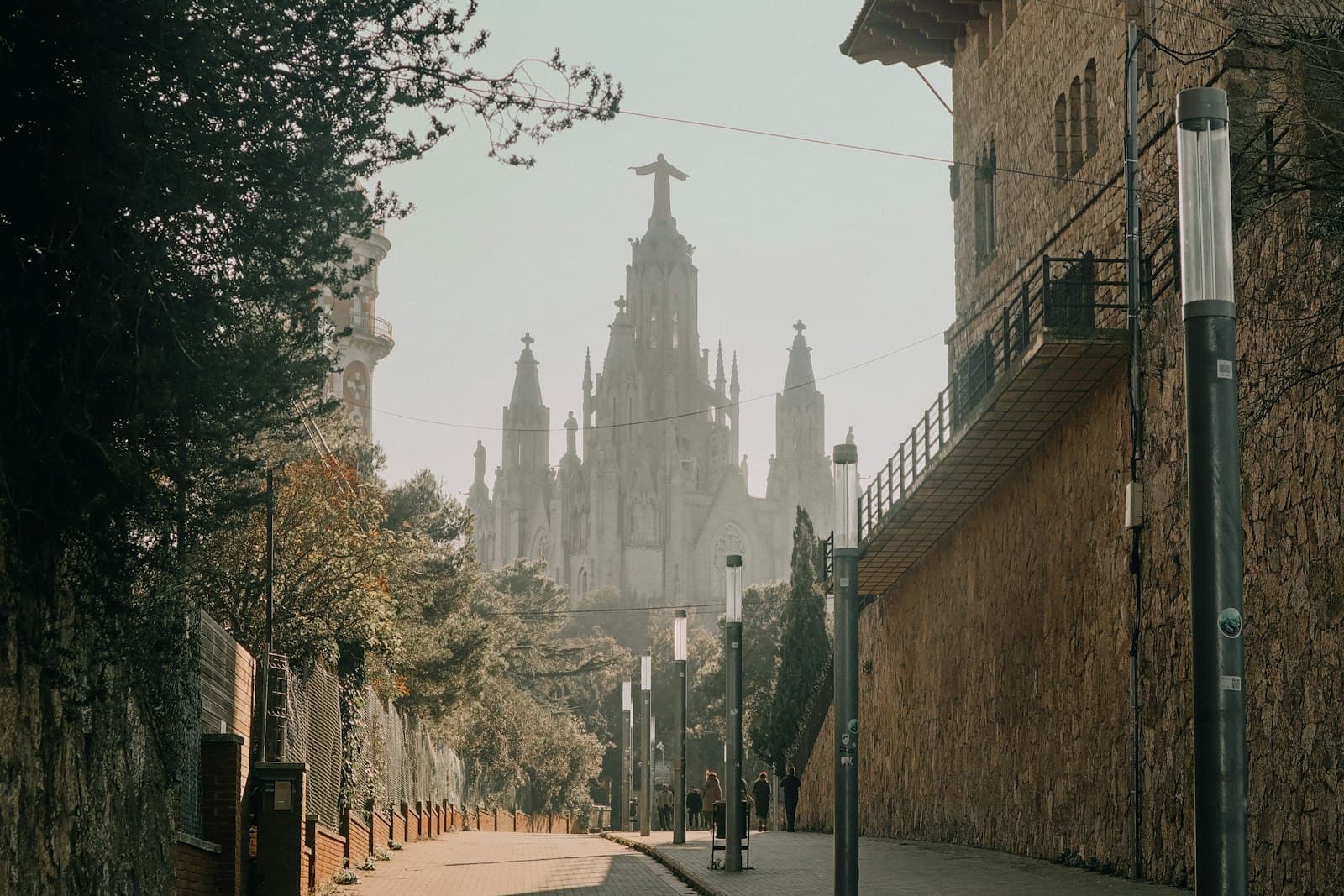
Gothic Quarter: Roman, Royal and Rebuilt
75 min · 1.8 km · easy
You can see a genuinely good cross-section of Barcelona in one day on foot. Central Barcelona is compact: the medieval old town, the Modernisme facades of Passeig de Gràcia, and the waterfront are each about fifteen to twenty minutes apart, so a single day works if you keep to one part of the city at a time rather than criss-crossing it. Below is a realistic route that reads the city roughly in the order it was built: Roman and royal town first, nineteenth-century grid second, the harbour last. Each block is anchored to one of Roamer's self-guided audio tours, so the history walks with you and you set your own pace.
A note before you start: the big Gaudí sites (the Sagrada Família, Casa Batlló, La Pedrera, Park Güell) need timed tickets bought ahead, and each takes an hour or more inside. In one day, favour the streets, squares and facades, where much of the best of Barcelona is free and outdoors, and save the ticketed interiors for a return trip.
Morning: the Roman and medieval old town
Start in the Barri Gòtic, the old core around the cathedral, in the early morning while it is quiet and cool. This is the oldest part of Barcelona, built on the Roman colony of Barcino, founded by Augustus around 10 BC. Long stretches of the Roman wall still stand, thickened in the late 200s and folded into later buildings, and four columns of the Roman Temple of Augustus stand behind a door on Carrer del Paradís, a minute from Plaça de Sant Jaume.
This is where Roamer's history tour anchors the morning: Gothic Quarter: Roman, Royal and Rebuilt, twelve stops over about 1.8 km, about an hour and a quarter, from the Roman gate at Plaça Nova to Plaça Reial. It reads three layers you can test with your eyes, and it is honest about a twist most guides skip: between 1927 and 1970 about forty buildings here were restored, moved or rebuilt to look medieval. If you want that story before you go, read Barcelona's Two Invented Cities.
From the cathedral you are a short walk across Via Laietana from El Born, the old sea quarter of merchants and guilds, home to the basilica of Santa Maria del Mar and a run of good places to stop for coffee or an early bite. Its own walk, El Born: The Sea Quarter That Built Itself, takes about an hour and a quarter if you have the time. If you are deciding how to split old-town time, El Born vs the Gothic Quarter lays out the difference.
Afternoon: the grid and Passeig de Gràcia
Hear a stop from this walk
Plaça Reial: Gaudí's Lampposts
Break for lunch in or near the old town, then walk up to Plaça de Catalunya, where the old city ends and the Eixample begins, the nineteenth-century grid drawn by the engineer Ildefons Cerdà and approved by Madrid in 1859. The grid itself is the argument: blocks with their corners cut off, laid over the old road to the village of Gràcia, which became the Passeig de Gràcia.
The most concentrated stretch of Barcelona's famous architecture runs up that avenue, where the Catalan Modernisme movement wrote a new architectural language from the 1880s to the 1910s in carved stone, iron, ceramic and stained glass. Anchor this block with Casa Batlló and La Pedrera: The Grid and Its Showpieces, ten stops over just under 2 km, about an hour and a quarter, from Plaça de Catalunya up to the little gardens at the top of the Passeig. It reads the grid and the houses that answered it: the Block of Discord with Casa Batlló, and La Pedrera on its cut corner, which broke the city's volume rules and was let off as "a monument" in 1909. If you want one interior ticket, Casa Batlló or La Pedrera is the pick. For the idea behind Batlló, see Casa Batlló's Catenary Attic; for the grid, Cerdà's Eixample.
If the Sagrada Família matters more to you than the Passeig, swap this block for Sagrada Família and Sant Pau: Four Façades and an Avenue, eleven stops round the outside of the basilica and up the Avinguda de Gaudí to the Hospital de Sant Pau, in about an hour. For the wider architecture story, architecture walking tours in Barcelona collects every route.
Evening: the waterfront
End the day by heading down to the Mediterranean. From the old town it is about a fifteen-minute walk to the harbour and Barceloneta, where the light off the water in the early evening is the best of the day. Barceloneta is a harbour quarter laid out from 1753 by an army engineer on ground won from the sea, home to boat-builders, caulkers and fishermen, and its first houses were kept to a single storey so the guns of the Ciutadella fortress could fire over them. Its beach and promenade were won back from shacks and bathhouses only in the 1990s, and Rebecca Horn's sculpture of stacked steel rooms, the Wounded Star of 1992, remembers them. The Barceloneta and Port Vell walk runs from the medieval shipyards of the Drassanes to that sculpture on the sand.
If you build any appetite along the way, our guide to what to eat in Barcelona covers the dishes worth ordering, from pa amb tomàquet to fresh fideuà on a terrace by the beach.
Turning one day into a real plan
The tours above stitch this whole day together, and each is free to start: the introduction and first stop play in full, and every later stop plays a short preview before you decide to unlock the rest. There is no start time to book, no group to keep up with, and you set the pace at every stop.
For the full picture, browse all of Roamer's Barcelona walking tours, compare them in our guide to the best self-guided walking tours in Barcelona, or read the Barcelona travel guide for how many days to give the city, how to get around, and when to go.
Frequently asked questions
- Can you see Barcelona in one day?
- You cannot see all of it, but you can see a genuinely good cross-section on foot: the Roman and medieval old town in the morning, Modernisme architecture and the Eixample grid in the afternoon, and the waterfront by evening. Central Barcelona is compact, and most of these areas are 15 to 20 minutes apart on foot, so a single day works well if you keep to one part of the city at a time rather than criss-crossing it.
- Is one day in Barcelona enough?
- One day is enough to fall for the city and cover the Gothic Quarter, Passeig de Gràcia and the waterfront. It is not enough for the interiors of the big Gaudí sites, which need timed tickets bought ahead and take an hour or more each. If you only have a day, favour walking the streets, squares and facades, where much of the best of Barcelona is free and outdoors, and save the ticketed interiors for a return trip.
- What is the best area to start a day in Barcelona?
- Start in the Barri Gòtic, the old core around the cathedral. It is the oldest part of the city, built on the Roman colony of Barcino that Augustus founded around 10 BC, and it is at its quietest and coolest in the morning before the crowds and midday heat arrive.
- How much walking is a one-day Barcelona itinerary?
- This route covers roughly six to eight kilometres across the day if you walk it end to end: the Gothic Quarter walk is about 1.8 km, the Passeig de Gràcia walk just under 2 km and the Barceloneta walk about 2.9 km, plus the links between them, with long breaks for lunch, coffee and sitting down. You can cut walking by taking the metro between the old town and the Eixample, which is a five-minute ride.
Ready to experience it?
Gothic Quarter: Roman, Royal and Rebuilt
75 min · 1.8 km · easy
More from Barcelona
Explore more at your own pace.
Best History Walking Tours in Barcelona (2026)
Cerdà's Eixample: The Grid Madrid Imposed and the Buildings That Broke Its Rules
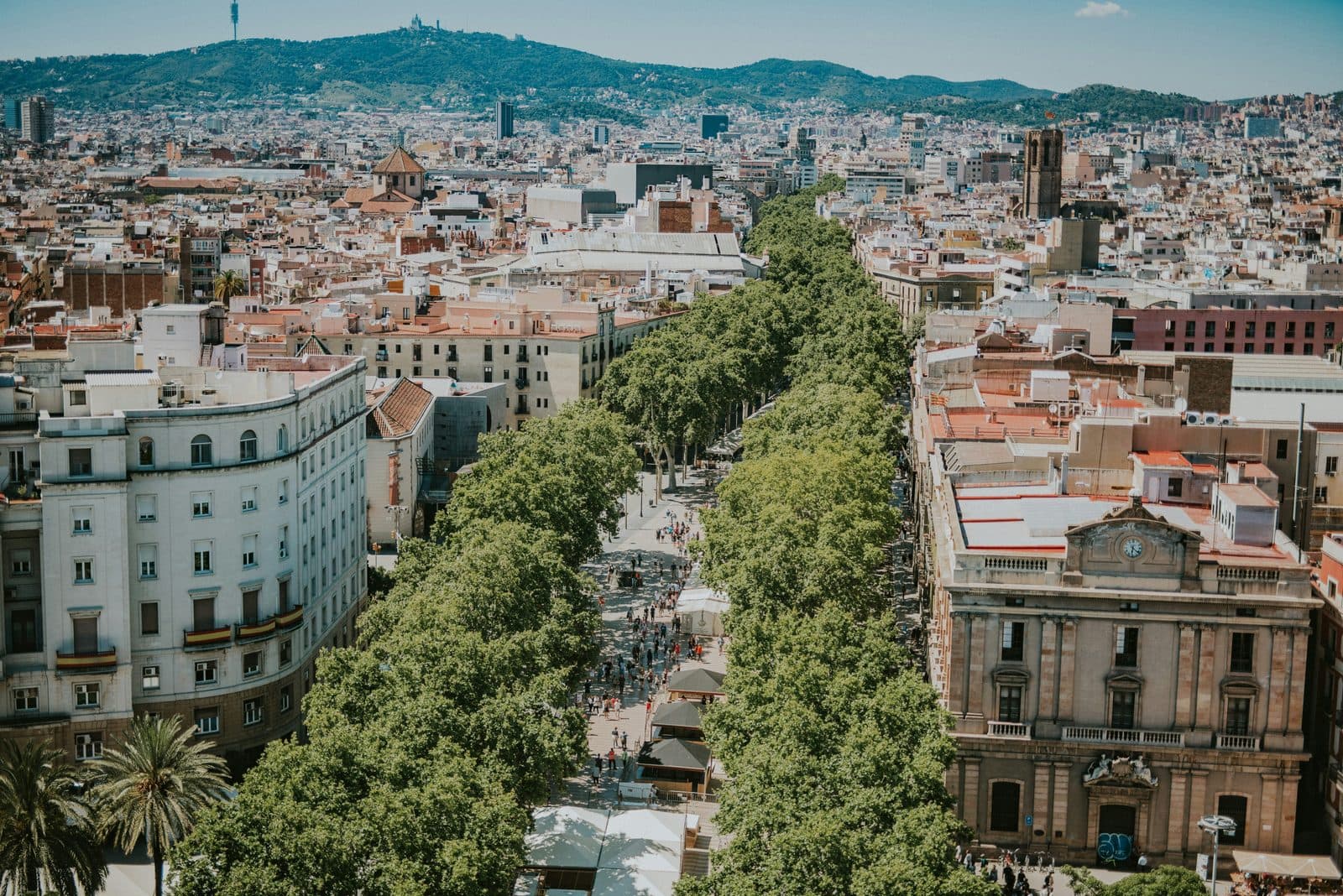
El Born vs the Gothic Quarter: How to Tell Barcelona's Two Old Towns Apart
Casa Batlló's Hidden Rib-Cage: Sixty Catenary Arches Under the Dragon
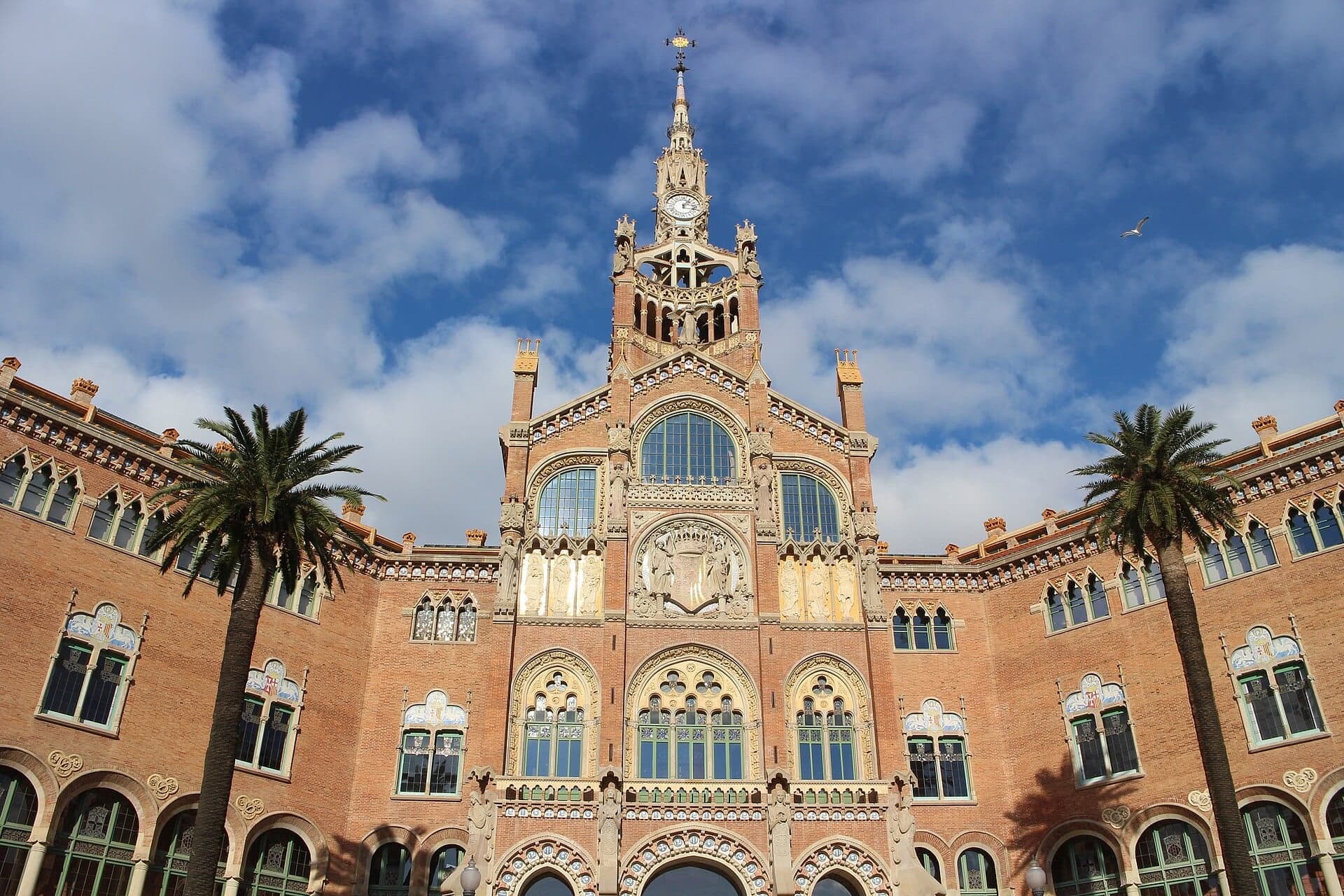
Hospital de Sant Pau: A Hospital Built as Art