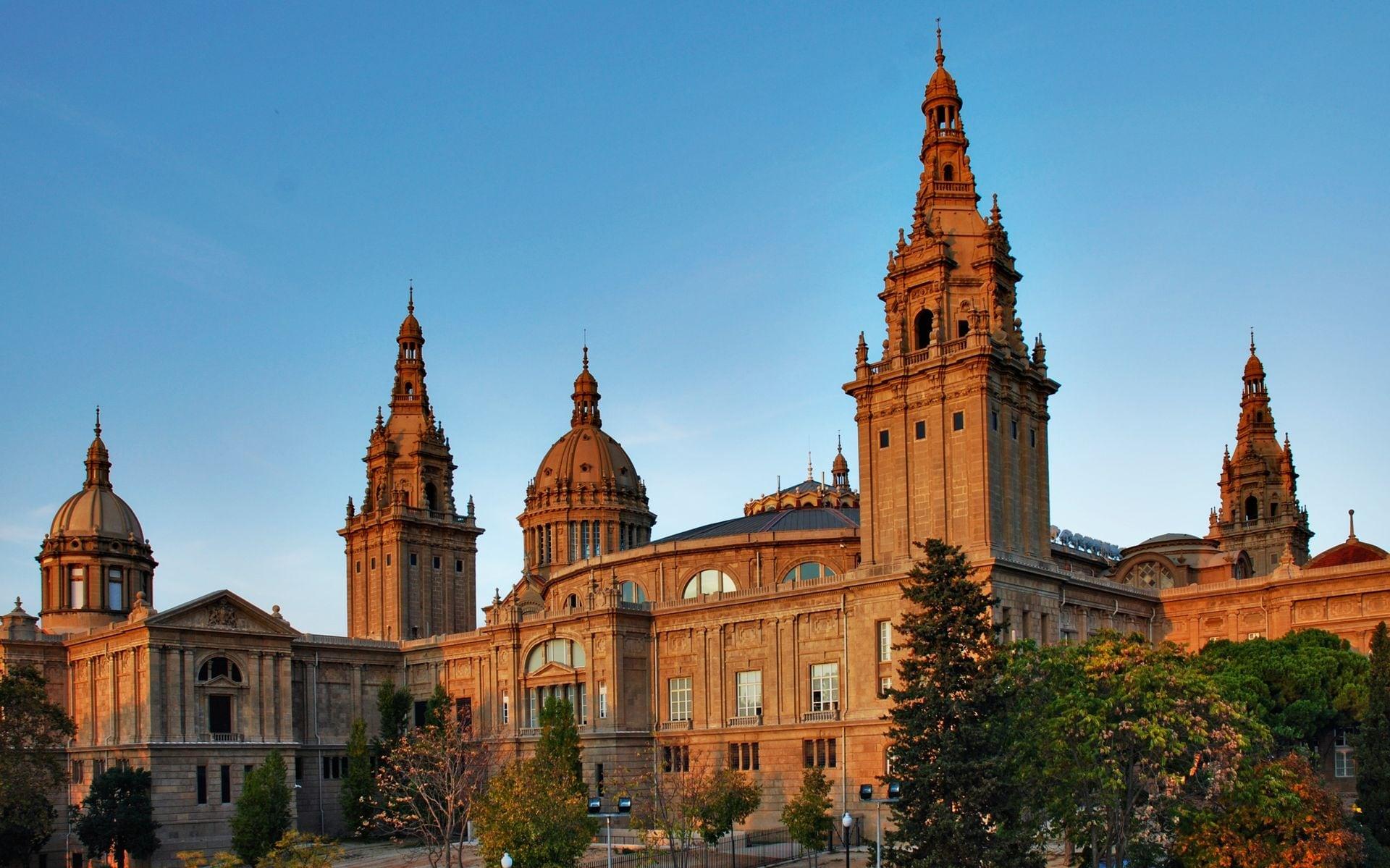
The Ribera paid for its own landmarks: a concert hall by public subscription, a church whose stone its porters carried. Then it was punished for its part in 1714, when dozens of its streets were razed for a fortress. The market and the park built later on that ground, and the streets dug up under the market, close the story at the park gate. El Born is usually sold as a place for bars and boutiques. Underneath, it is one of the clearest stories of a neighbourhood the city has.
A quarter that rebuilt itself in different ways
The walk opens at Sant Pere de les Puel·les, a convent church first recorded in 945 as Saint Peter of the maidens. Look at it with suspicion. It burned in the Tragic Week of July 1909, and a historian writing for the city archive calls the rebuilding so convincing that it is hard to tell old parts from new. That is the first of several ways this quarter has rebuilt itself.
The second is the Mercat de Santa Caterina. Its roof is a wave of 325,000 ceramic pieces whose colours, the city says, reproduce the fruit and vegetables on the stalls beneath. The architects kept the old arcade of Barcelona's first covered market of 1848 and floated the new roof above it, finished in 2005, after two years of the works went to archaeologists digging out a Dominican convent founded in 1223.
Paid for by the people who used it
Hear a stop from this walk
Ciutadella Park Gate: Tàpies's Cube for Picasso
The Palau de la Música Catalana turns a corner between two narrow streets, so the Palau itself admits you cannot see the front whole. Read it in pieces: the sculpture group high on the corner, the pairs of mosaic columns along the balcony, no two alike, the busts of composers above. Lluís Domènech i Montaner built it from 1905 to 1908 for the Orfeó Català, a choral society, and it was paid for by public subscription. UNESCO listed it in 1997.
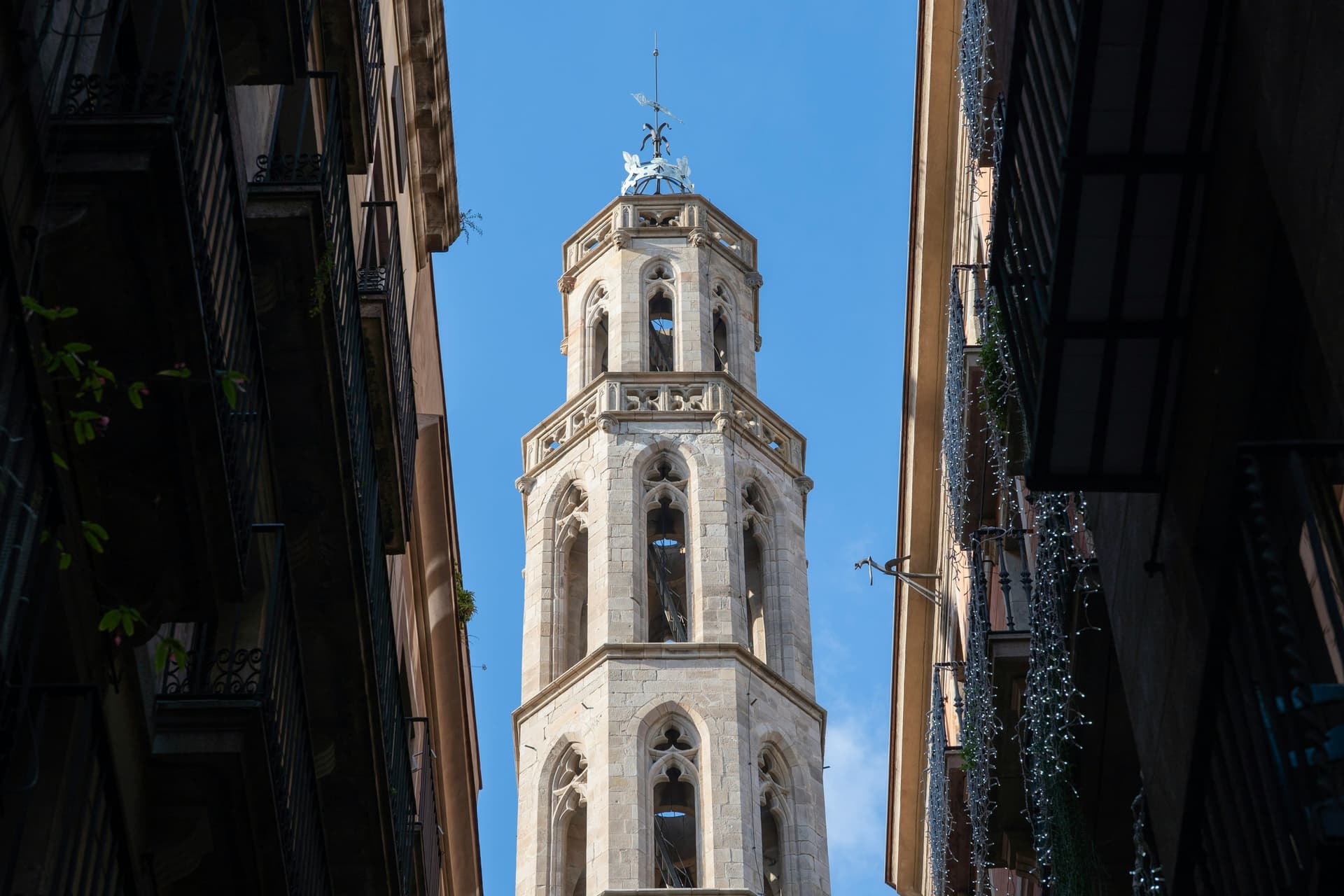
Nearly six centuries earlier, the quarter did the same thing in stone. Santa Maria del Mar was begun in 1329 and finished in just fifty-four years. Its stone came from Montjuïc, and the basilica's own history says the bastaixos, the porters who carried cargo from ships too big to reach the beach, hauled it for free. Inside, three naves of almost equal height on slim eight-sided pillars make one great hall; the basilica calls it the best example of Catalan Gothic. Outside, the two towers are eight-sided too.
Between them runs Carrer de Montcada, a twelfth-century street whose merchant houses are built round courtyards with open stairs, the plan of the Catalan Gothic town house. Five of them now hold the Picasso Museum, and one, the museum says, was battered in the bombardment of 1714 and rebuilt.
The year the quarter lost
Beside Santa Maria del Mar is the Fossar de les Moreres, the parish graveyard where defenders of the siege that ended on the eleventh of September 1714 were buried. Since about 1870 people have gathered here every eleventh of September. The memorial is spare: paving, a wall and a flame. Keep your voice low.
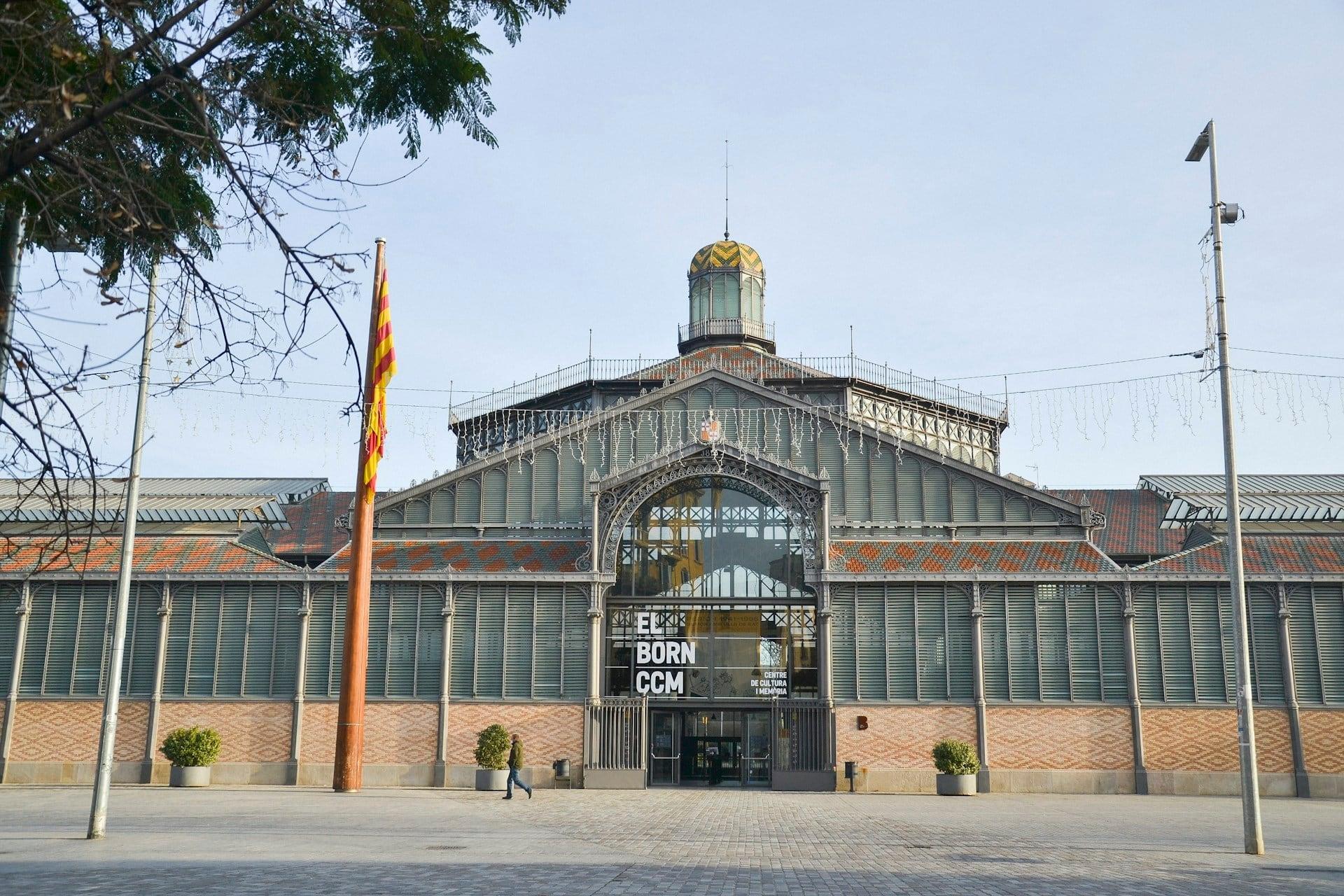
What came next was the punishment. In the years after the siege, part of the Ribera was pulled down for the Ciutadella fortress and the open ground around it. Under the iron Born market at the end of the Passeig del Born, the city found those streets. The hall, designed by Josep Fontserè and opened in 1876, was being turned into a library early in the 2000s when builders hit the remains. The museum counts forty-two streets destroyed; inside you look down on parts of up to nine of them and about sixty houses. The hall reopened over the open excavation on the eleventh of September 2013. This time the rebuilding kept the hole.
Ending at the park gate
Fontserè designed the market as part of his plan for the fortress ground once the fortress was gone, and much of the rest of it became the Ciutadella park. The walk ends at the park railings beside Antoni Tàpies's glass cube for Picasso, unveiled in 1983. Through the bars is the ground that took the Ribera's streets, given back as a garden.
Walking it yourself
It is ten stops over about 2 kilometres in around 75 minutes, flat and step-free, from stop 1 at Sant Pere to stop 10 at the park gate, on El Born: The Sea Quarter That Built Itself. Go at your own pace, step into the Born hall or the church when they are open, and skip whatever you like; every stop works from the street. The Ciutadella park walk picks up at the gate, and the Barcelona city page has the rest.
Sources
- Palau de la Música Catalana, "Història i arquitectura": https://www.palaumusica.cat/ca/historia-i-arquitectura_1674409 . Built 1905 to 1908 by Domènech i Montaner for the Orfeó Català, funded by popular subscription, UNESCO World Heritage on 4 December 1997.
- Basílica de Santa Maria del Mar: https://www.santamariadelmar.barcelona/ca/ . A fourteenth-century building described as the best example of Catalan Gothic.
- Meet Barcelona, El Born Centre de Cultura i Memòria: https://www.meet.barcelona/en/visit-and-love-it/points-interest-city/el-born-centre-de-cultura-i-memoria-92086008839 . The 1876 market by Fontserè, wholesale market from 1921 to 1971, the remains found during library works, sixty dwellings and streets, and the 2013 opening.
- The tour's audited research (Roamer El Born rebuild, October 2026): MUHBA on the forty-two streets, the basilica's history of the bastaixos, the EMBT project sheet for Santa Caterina, and the 1999 heritage listing of the Fossar.
Ready to experience it?
El Born: The Sea Quarter That Built Itself
75 min · 2 km · easy
More from Barcelona
Explore more at your own pace.
Barceloneta and Port Vell: Walking the City's Moving Edge of the Sea
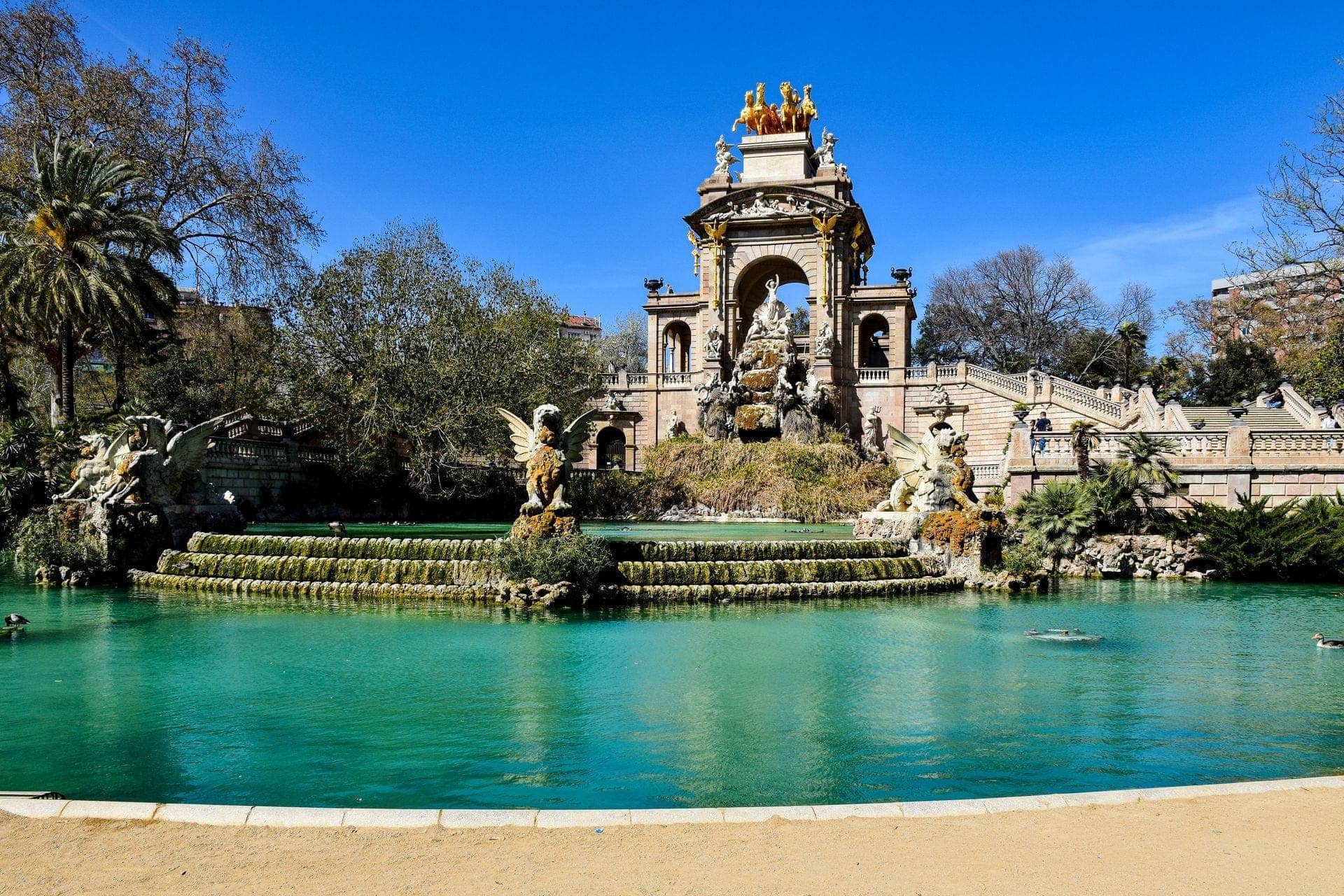
Ciutadella Park: A Fortress Turned Inside Out Into a Science Garden
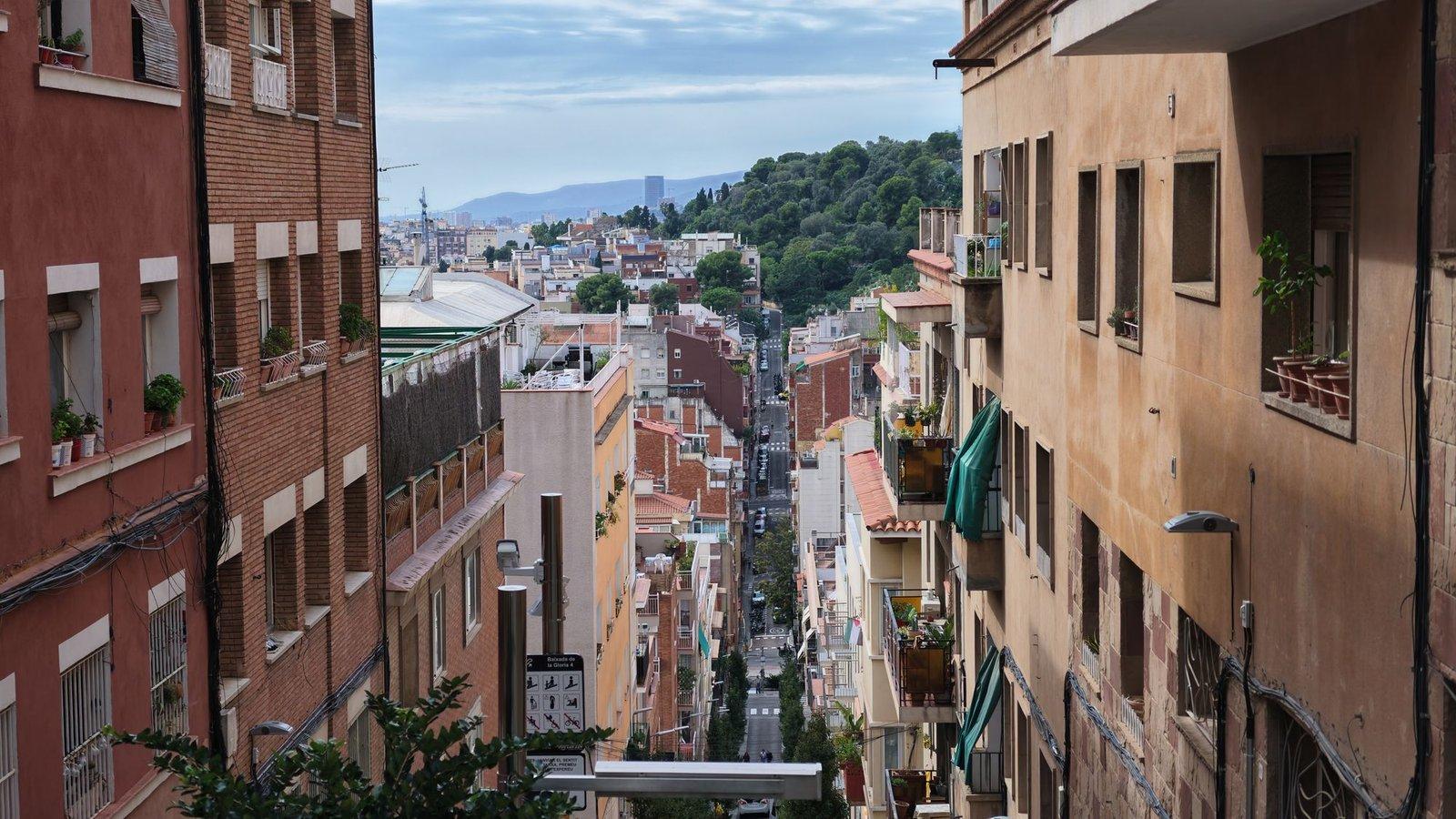
Gràcia to Park Güell: How a Town of Private Developments Ended in Gaudí's Failed Estate
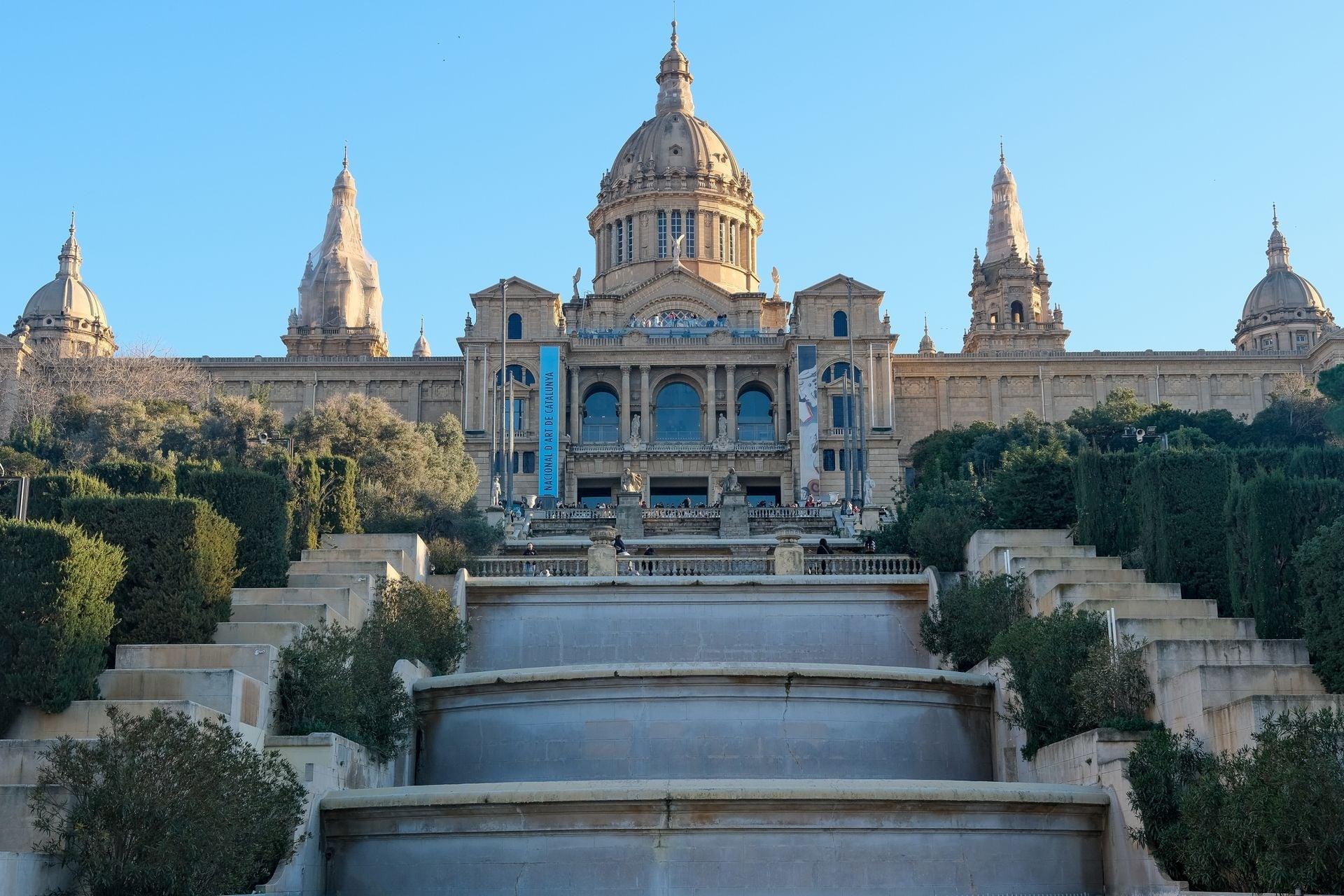
Montjuïc's World's Fair Stage: Reading the 1929 Axis From Gate to Palace
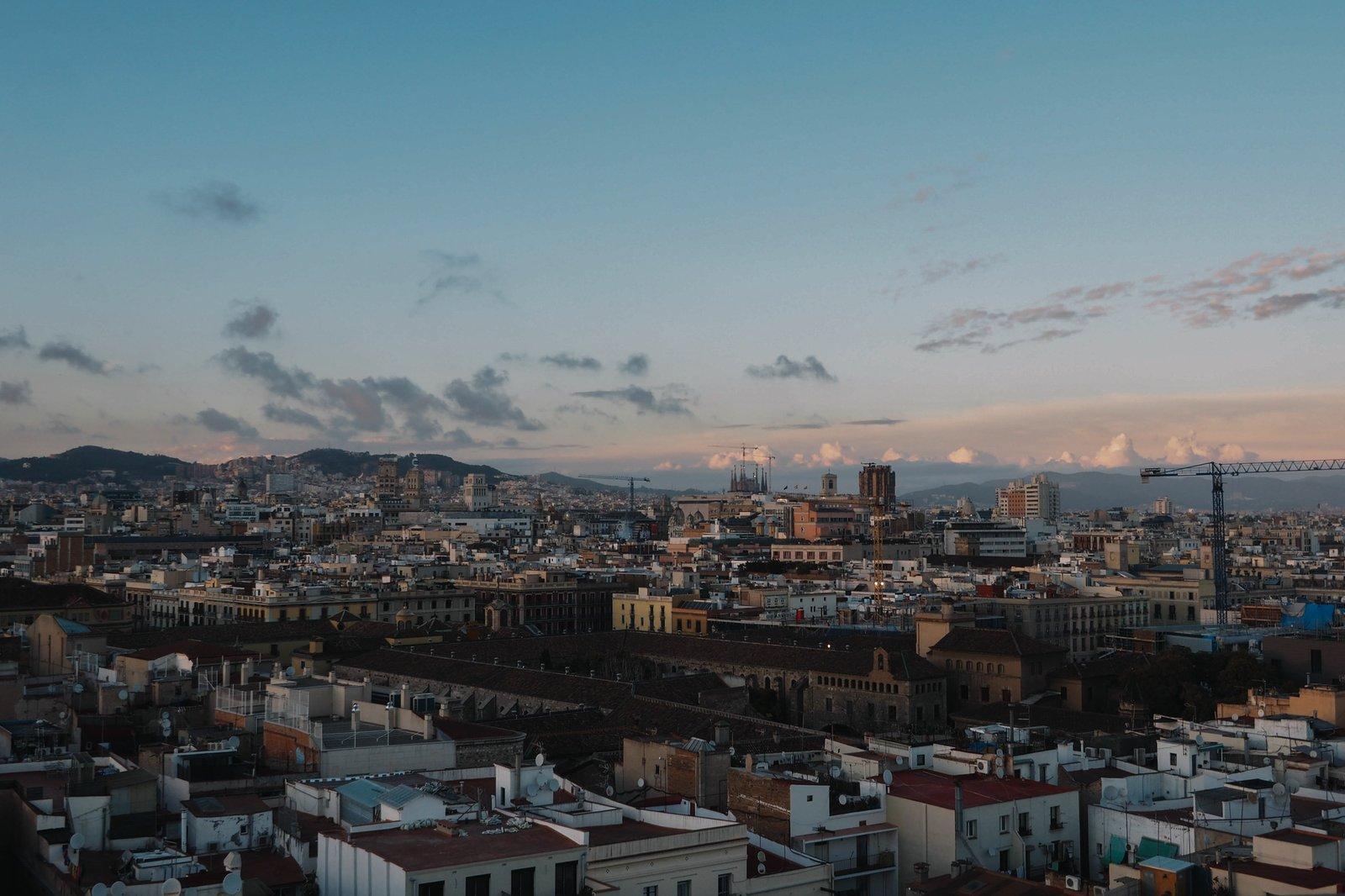
Sagrada Família and Sant Pau: Reading a Basilica One Side at a Time, Then Walking to the Hospital