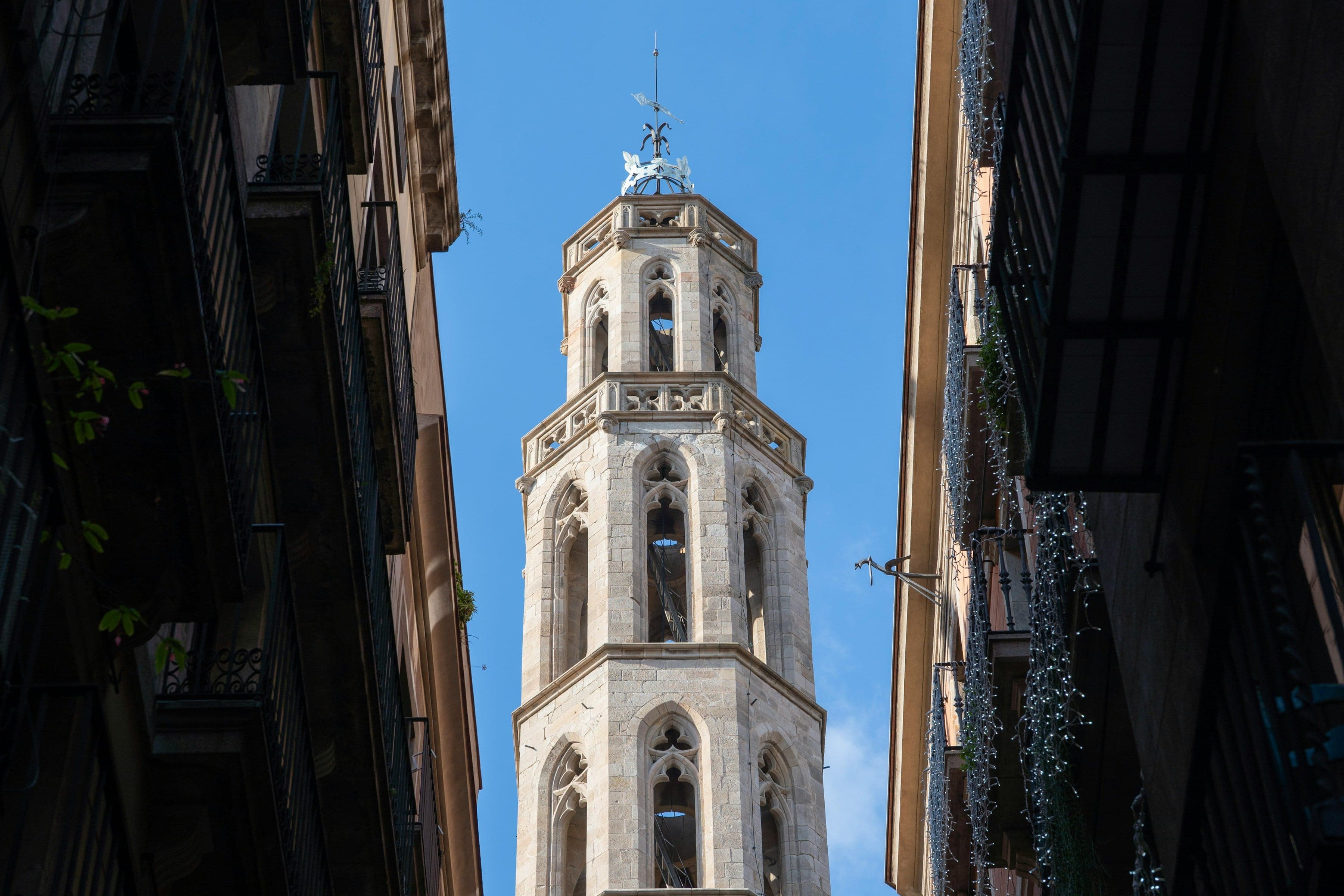
From Sant Pere's square past the Palau de la Música, Santa Caterina's colored roof and Carrer de Montcada to Santa Maria del Mar, the 1714 graveyard and the Born market, ending at the Ciutadella park gate.
Start · Sant Pere de les Puel·les: The Maidens' Convent
DirectionsStops
- 1
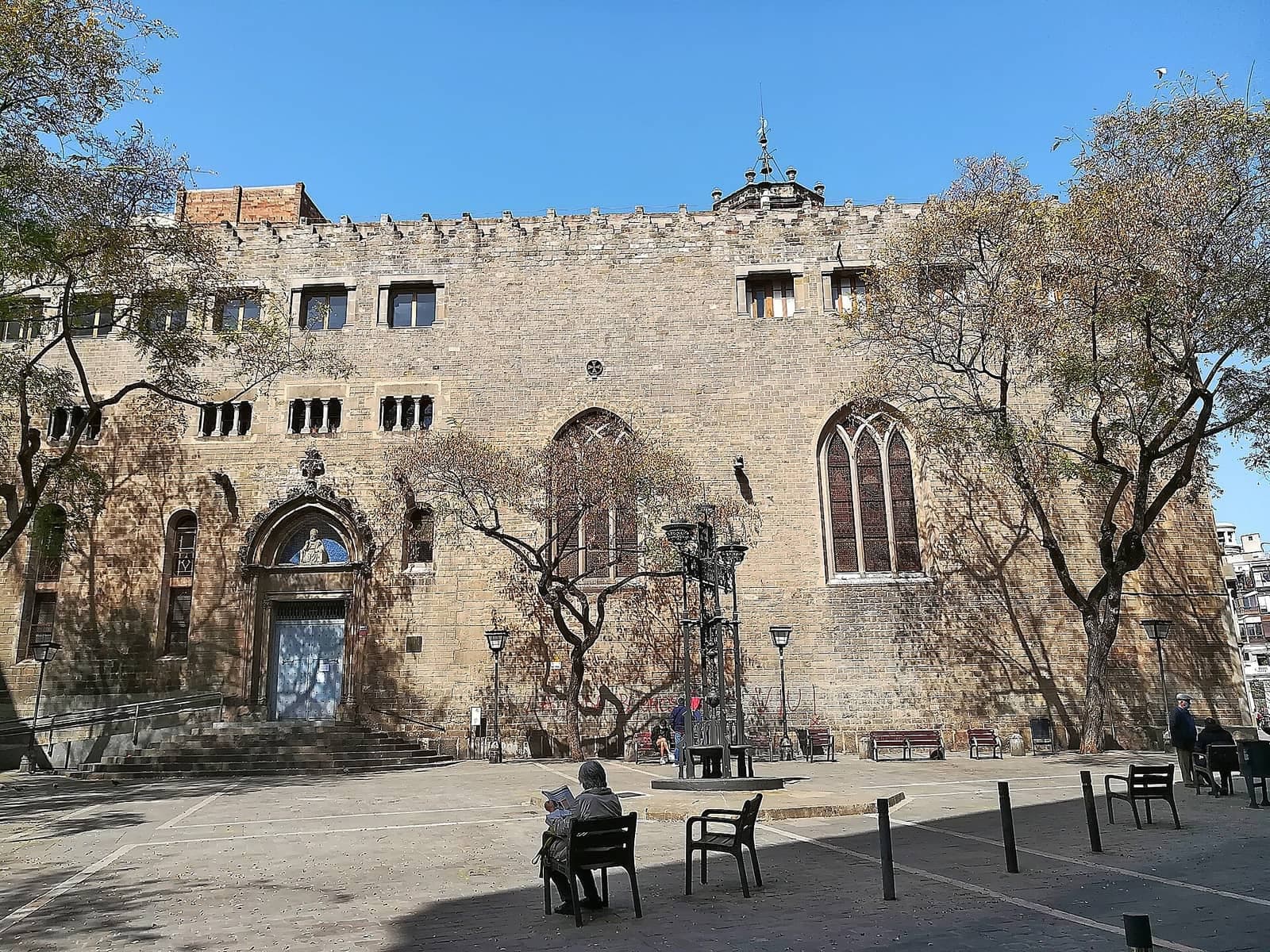
Sant Pere de les Puel·les: The Maidens' Convent
The convent church that named the quarter, rebuilt in medieval style after a fire in 1909.
- 2
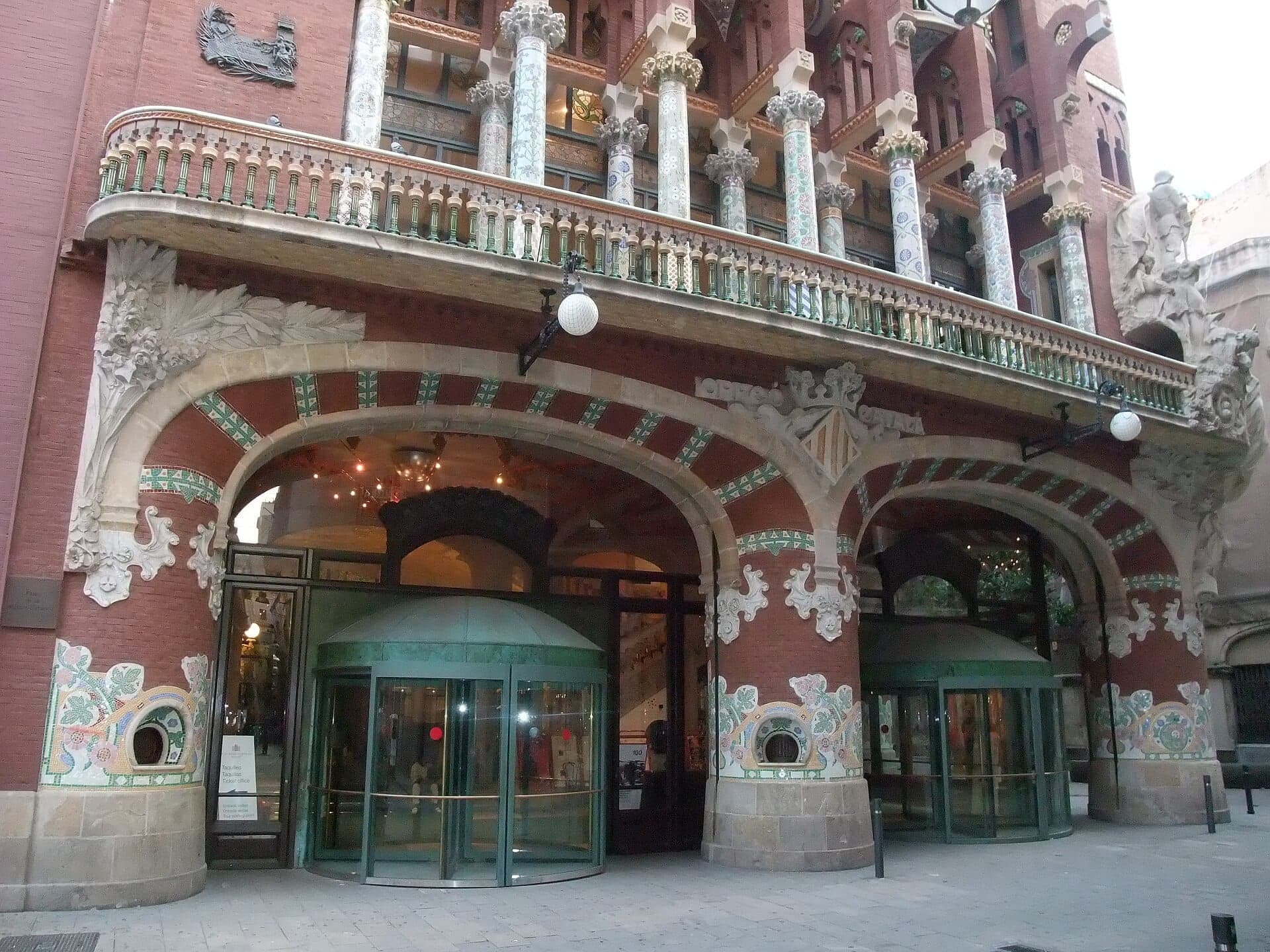
Palau de la Música Catalana: Built by Subscription
Domènech i Montaner's concert hall for a choir, paid for by public subscription and on UNESCO's World Heritage list.
- 3
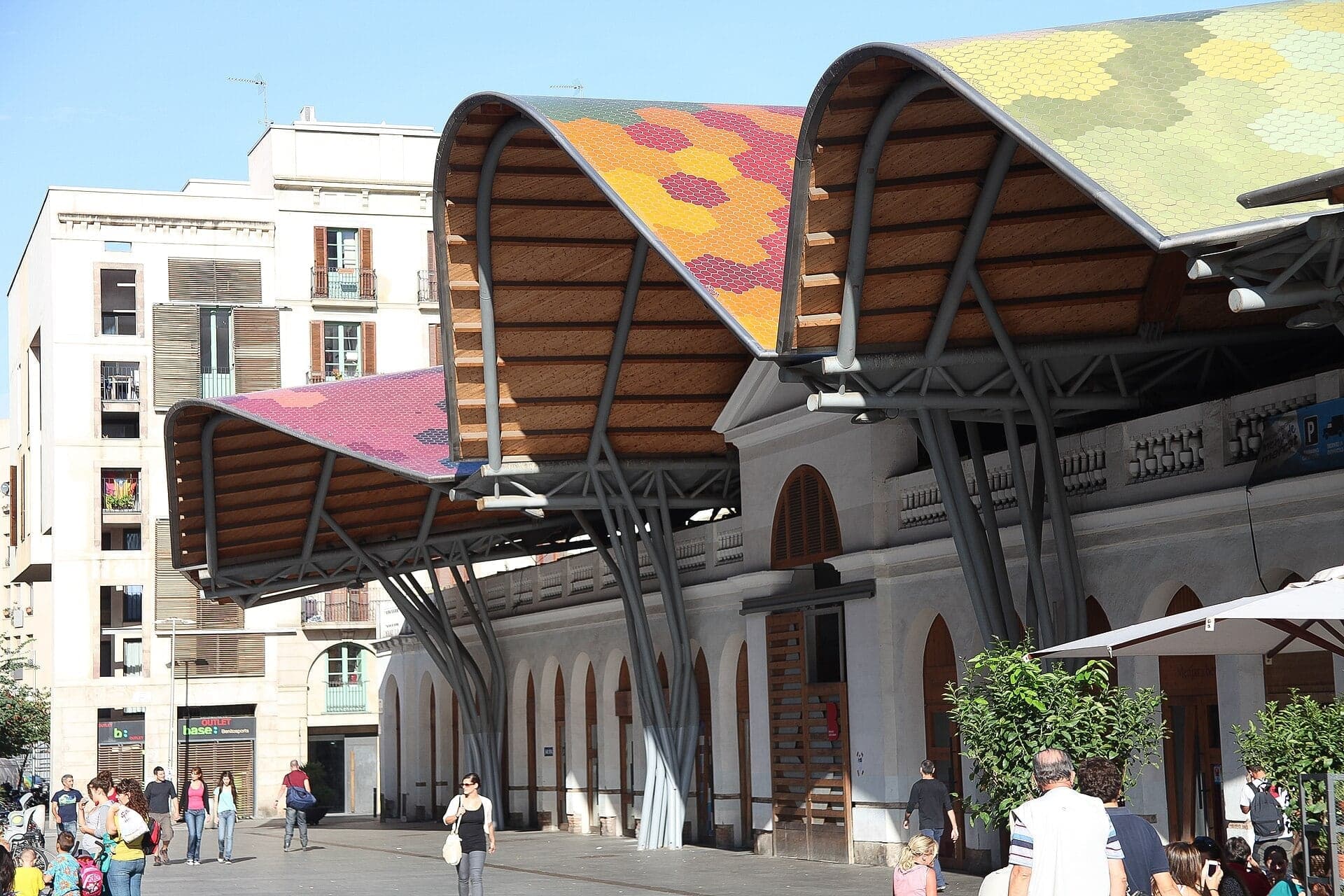
Mercat de Santa Caterina: The Colored Roof
Barcelona's first covered market wears a colored roof of ceramic pieces, on the site of a medieval convent.
- 4
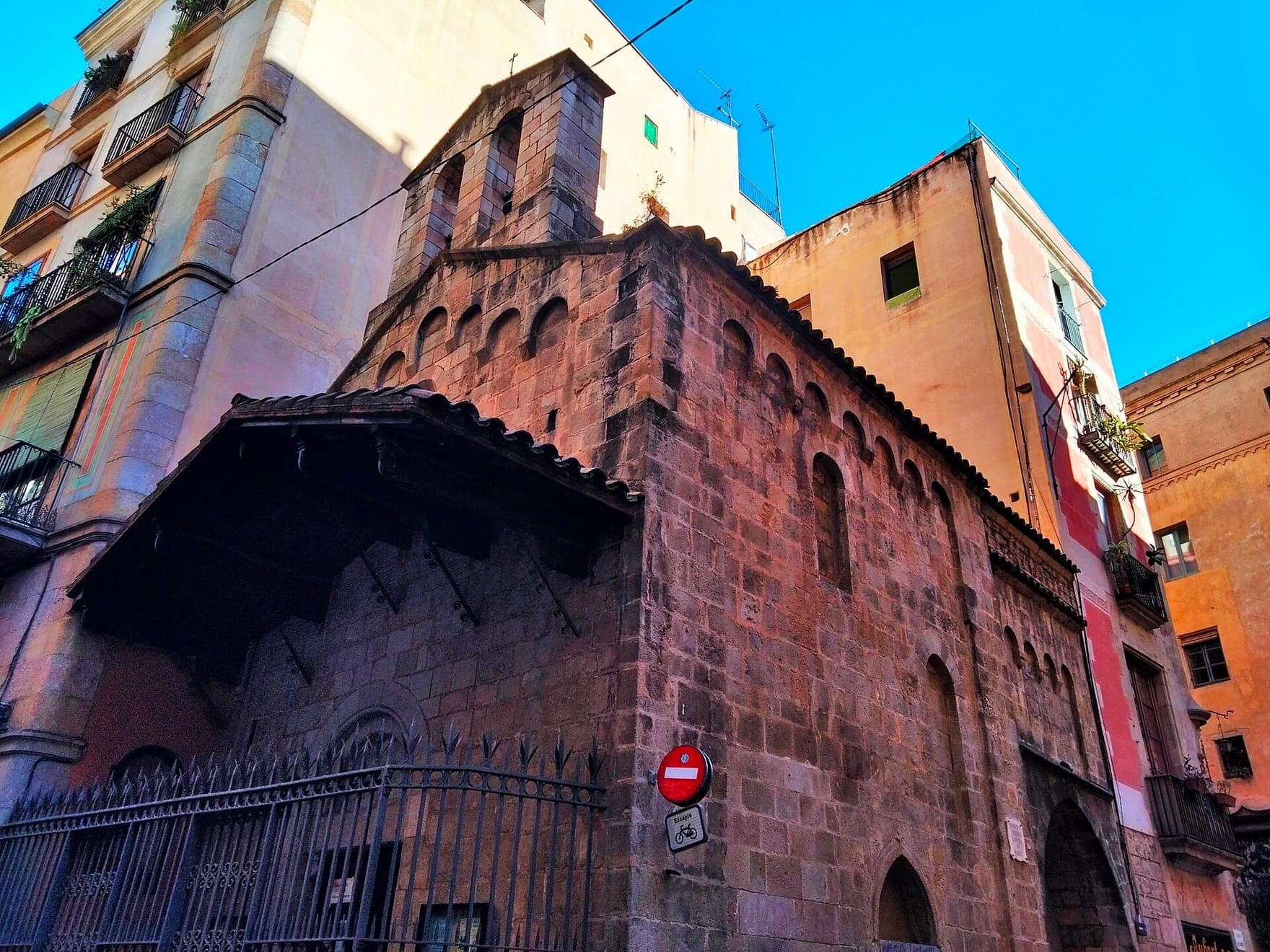
Capella d'en Marcús: A Chapel by the Old Road
A small Romanesque chapel stands beside the old road into the city, one of three left inside the old walls.
- 5
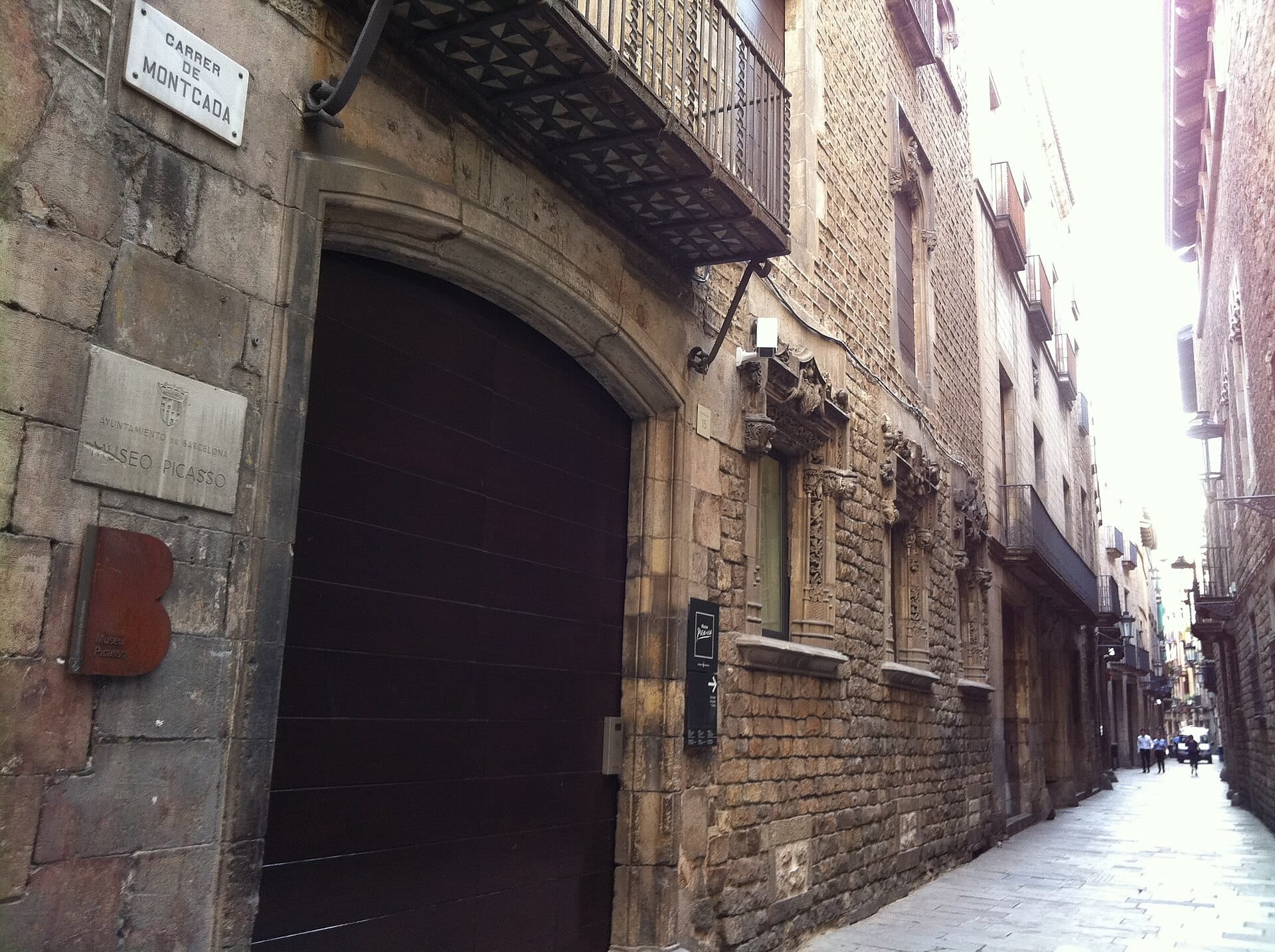
Carrer de Montcada: The Picasso Museum's Merchant Houses
Merchant houses built round courtyards now hold the Museu Picasso, on a street that goes back to the twelfth century.
- 6
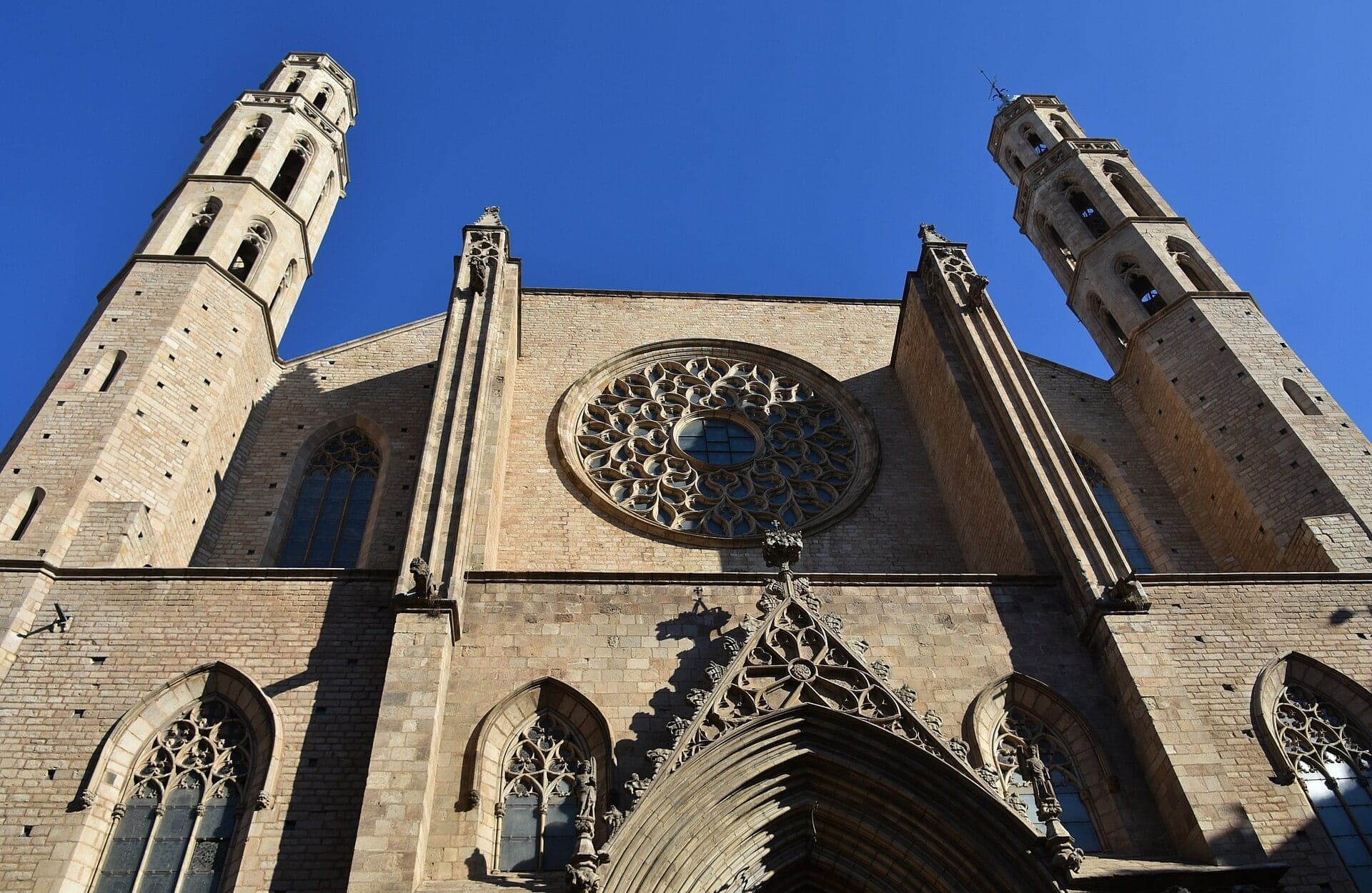
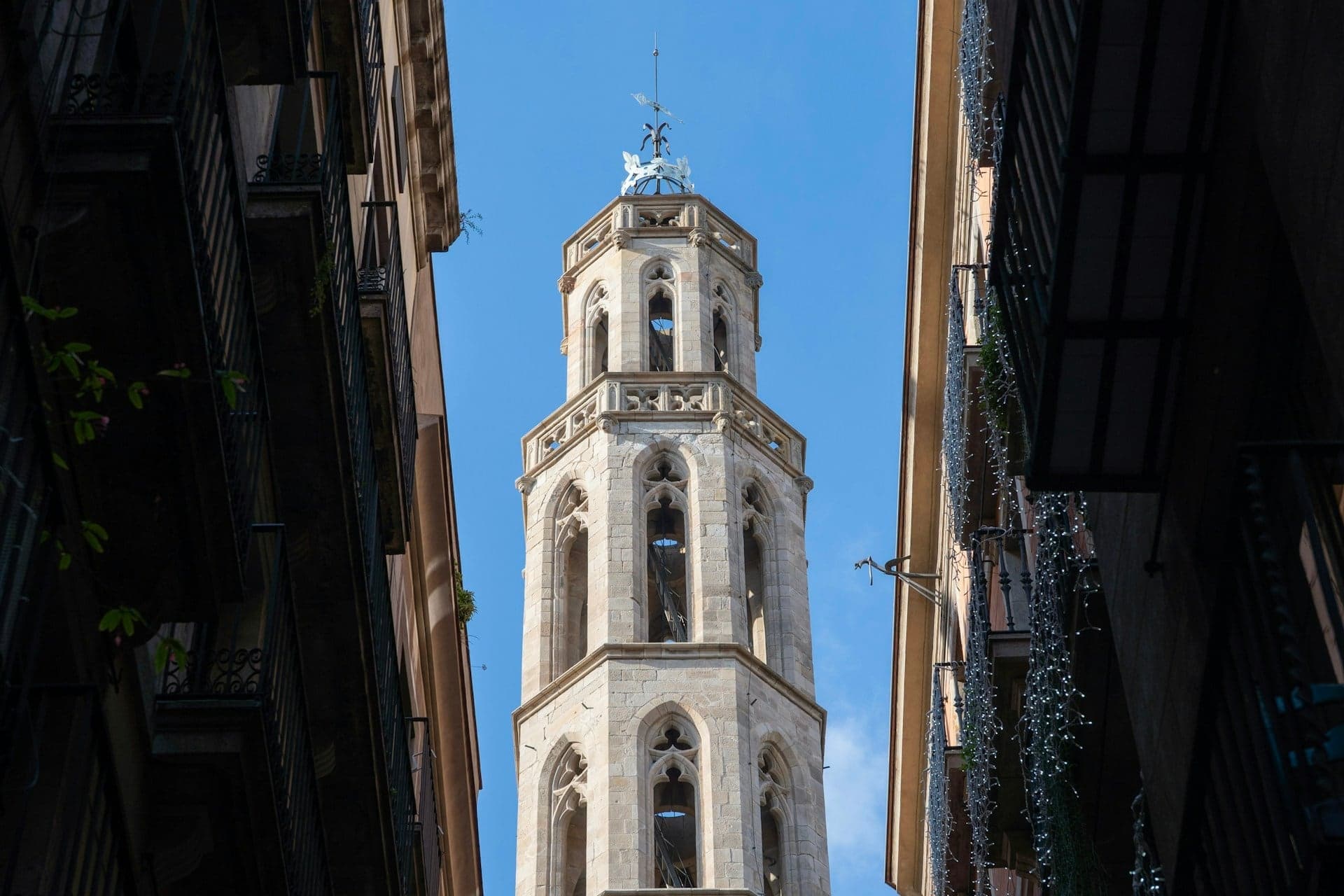
Santa Maria del Mar: The Porters' Church
The Ribera's great Gothic church was built in just 54 years, from Montjuïc stone the port's porters carried for free.
- 7
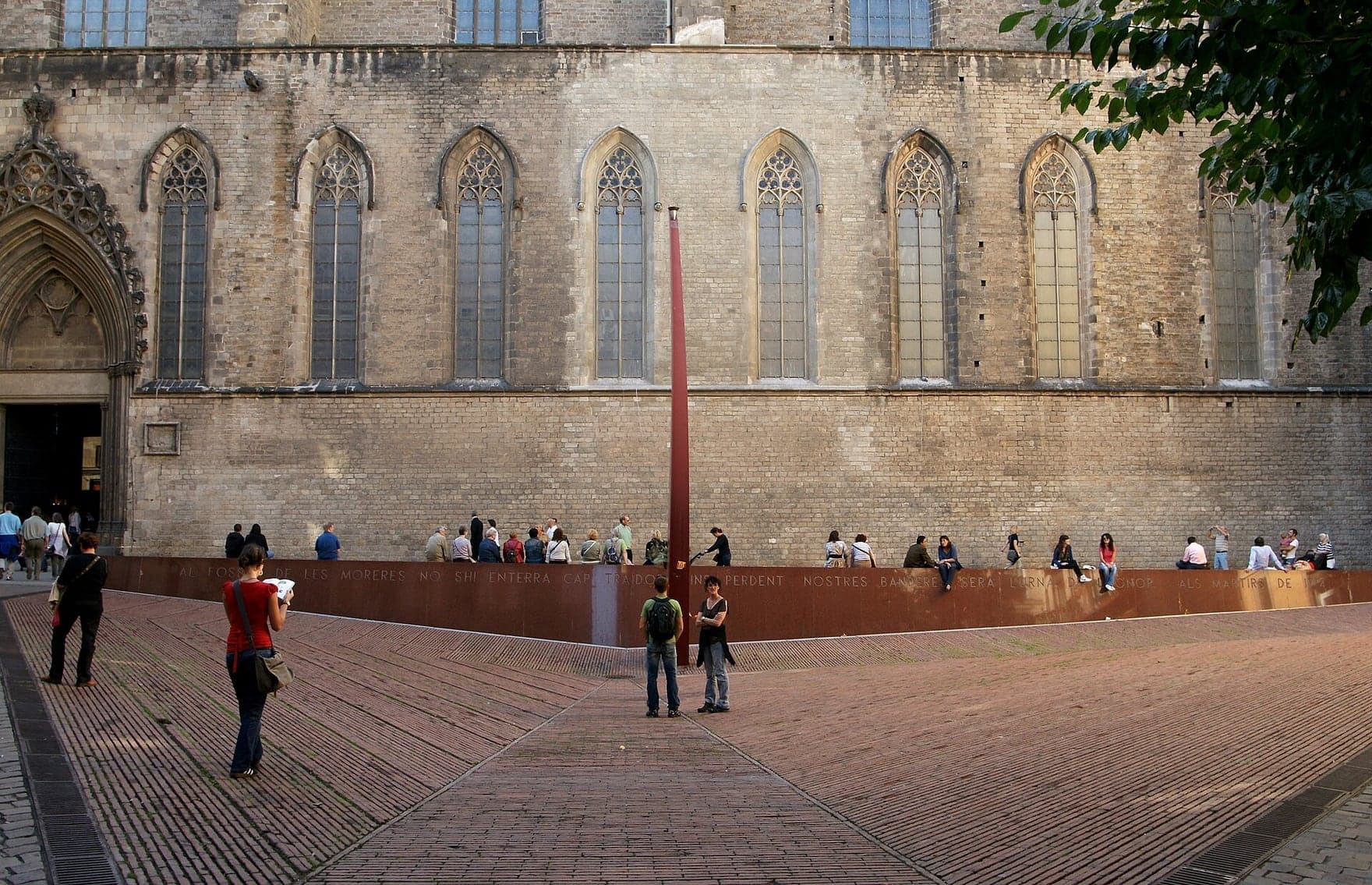
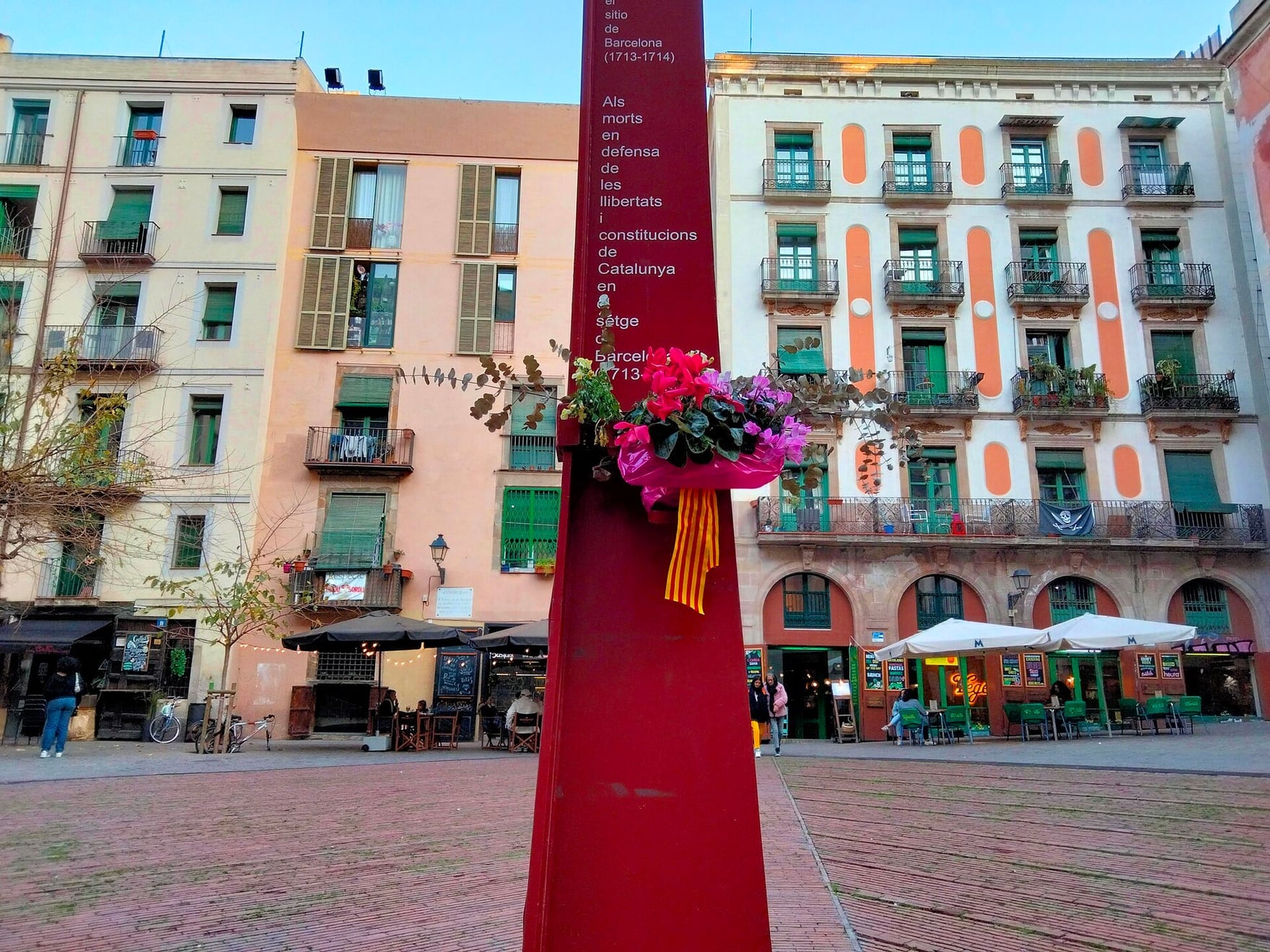
Fossar de les Moreres: The 1714 Graveyard
The parish graveyard where the defenders of 1714 were buried, now a memorial square beside the church.
- 8
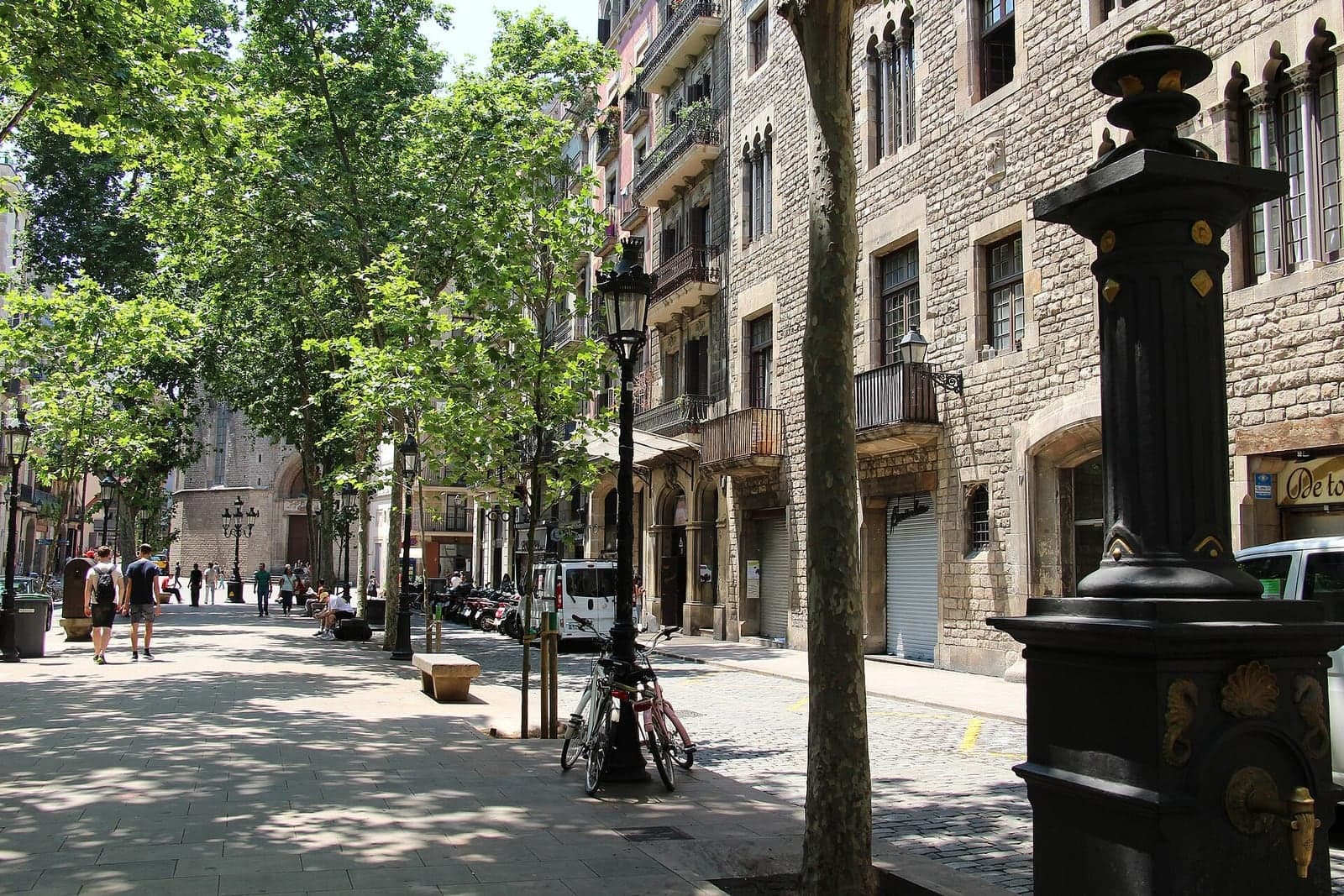
Passeig del Born: The Old Market Ground
An open promenade runs from the Gothic church to the iron market, on the Ribera's old market square.
- 9
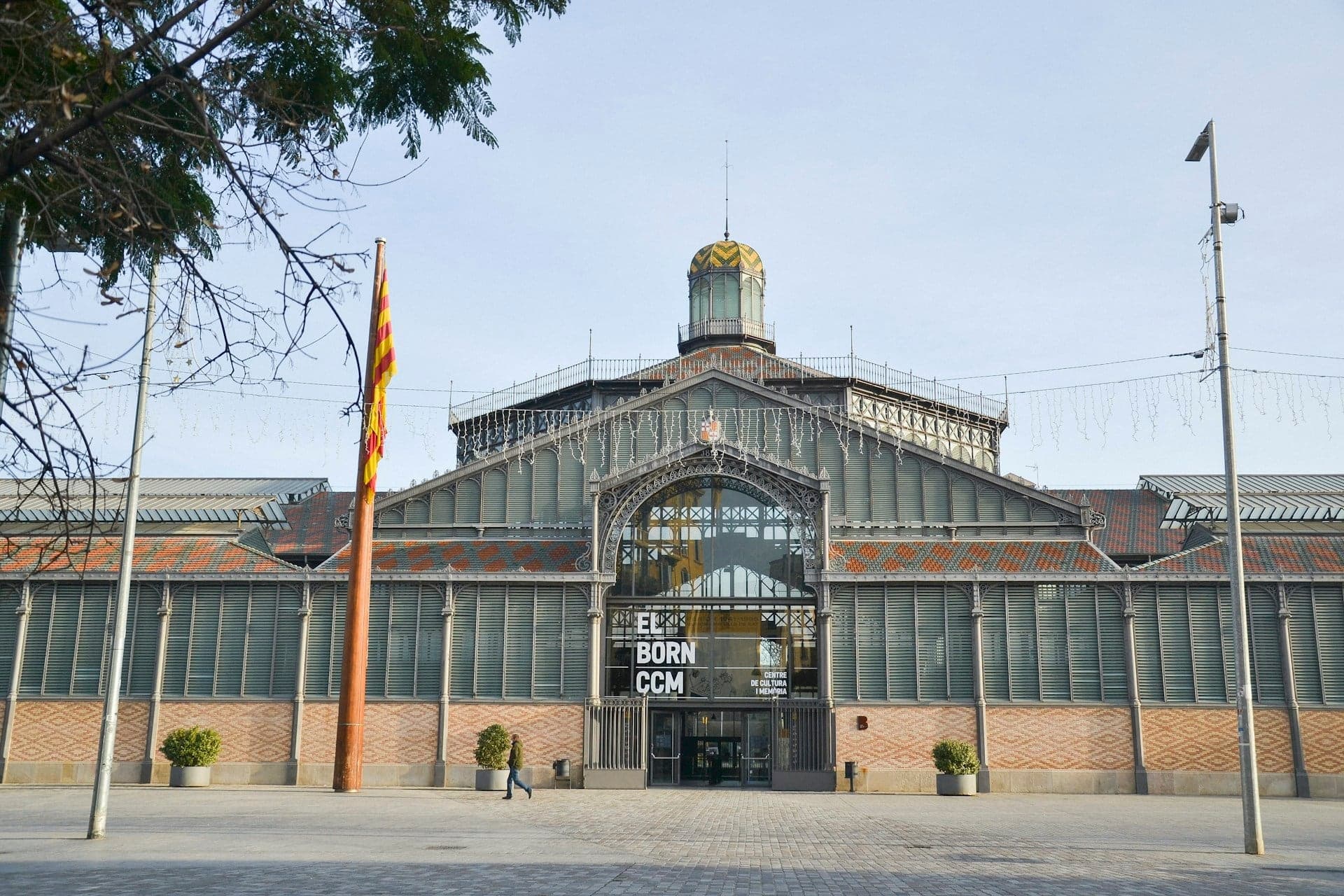
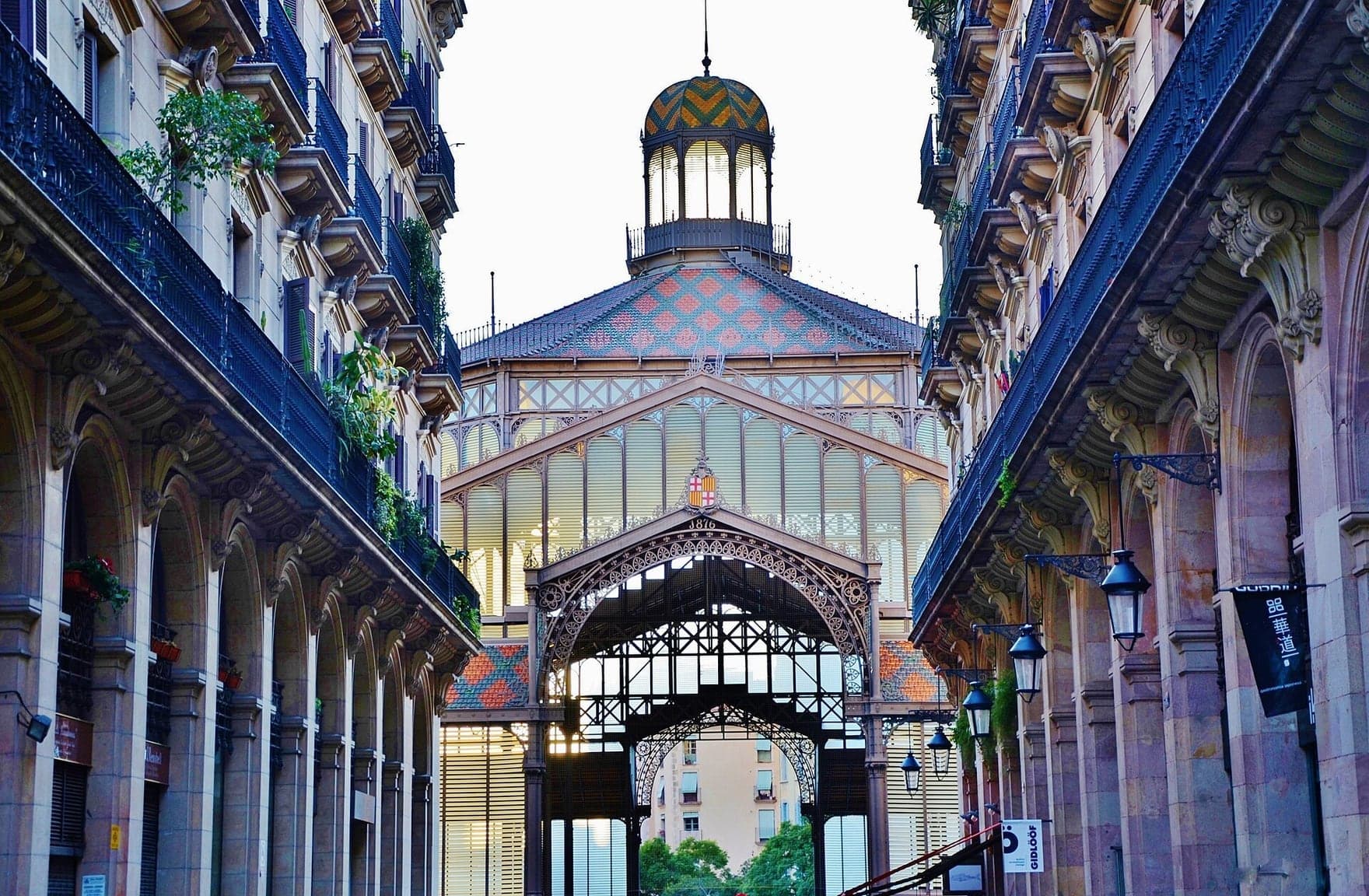
El Born: The Streets Under the Market
An iron market hall of 1876 stands over streets razed after 1714, free to look down on except Mondays.
- 10
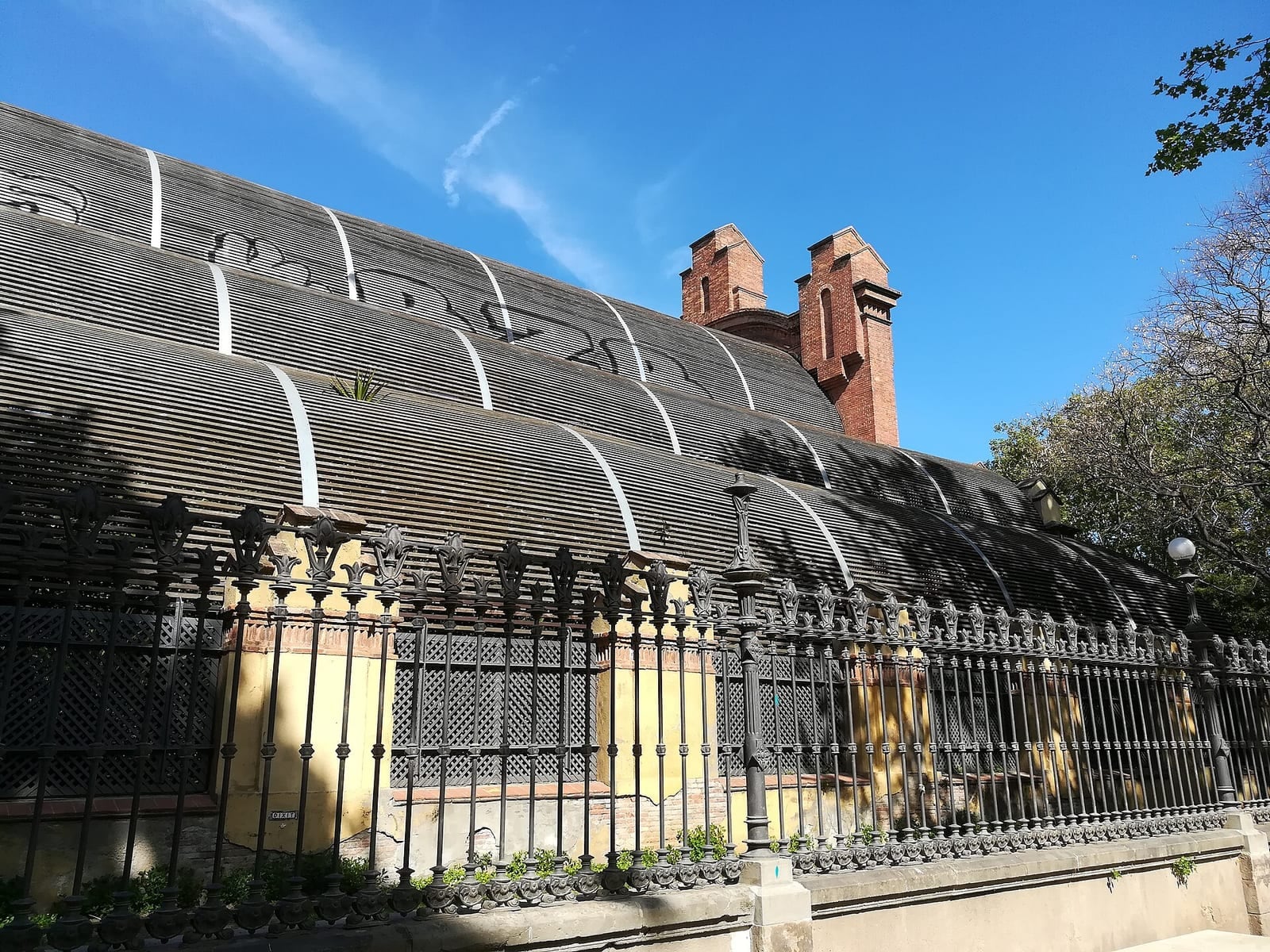
Ciutadella Park Gate: Tàpies's Cube for Picasso
Tàpies's glass cube for Picasso marks the gate of the Ciutadella park, built on the fortress ground.
Details
Best Time to Visit
Tuesday to Saturday. The Born hall and the Picasso Museum are closed on Mondays, and Santa Caterina market is closed on Sundays. A good plan is to start in the early afternoon on a Tuesday, Thursday or Friday, when the market stays open into the evening, and reach Santa Maria del Mar after 6pm, when entry is free (Monday to Saturday 6pm to 8.30pm). The Born hall is open until 8pm until the end of October and until 7pm from November. The Palau de la Música's daytime visits end at 3.30pm, so take one before you start if you want it. Checked 12 October 2026.
Pro Tips
- •Getting to the start: Plaça de Sant Pere is about 350 metres from Arc de Triomf Metro (line 1, red) and about 370 metres from Urquinaona (lines 1 and 4); Barcelona-Arc de Triomf Rodalies station is about 375 metres away. Checked 12 October 2026.
- •Getting away from the end: Barcelona-Estació de França (Rodalies) is about 220 metres from the gate, Barceloneta Metro (line 4) about 470 metres, and Jaume I (line 4) about 600 metres. Jaume I is also about 260 metres from Santa Maria del Mar if you leave the walk halfway.
- •Palau de la Música Catalana (stop 2): daytime visits every day 9am to 3.30pm, about 50 minutes; self-guided 20 EUR, guided or audioguide 24 EUR, 2 EUR more at the box office. Booking ahead is wise. The box office is open Monday to Saturday 8.30am to 9pm and Sundays and holidays 8.30am to 3.30pm, and the Café Palau daily 9am to midnight. Checked 12 October 2026 at palaumusica.cat.
- •Mercat de Santa Caterina (stop 3): Monday, Wednesday and Saturday 7.30am to 3.30pm; Tuesday, Thursday and Friday 7.30am to 8.30pm; closed Sundays (in summer, Monday to Saturday 7.30am to 3.30pm, Friday to 8pm). The roof is seen from outside at any hour. Checked 12 October 2026 at mercatsantacaterina.com.
- •Museu Picasso (stop 5): Tuesday to Sunday 10am to 7pm until 29 March, closed Mondays; 12 EUR online, 13 EUR at the desk. Free with a prior booking on Thursdays 4pm to 7pm in this season. Checked 12 October 2026 at museupicassobcn.cat.
- •Santa Maria del Mar (stop 6): free Monday to Saturday 6pm to 8.30pm and Sunday 10am to 1pm and 6pm to 8.30pm; at other times the 8 EUR cultural visit includes the towers, roof terraces and crypt (last entry 5.30pm, terraces not for under-eights). Only the nave and the Holy Sacrament chapel are step-free. Checked 12 October 2026 at santamariadelmar.barcelona.
- •El Born (stop 9): free entry to the hall and balconies Tuesday to Sunday, 10am to 8pm until the end of October and 10am to 7pm from November to February; closed Mondays. Guided visits down into the excavated streets are paid; in English Tuesday to Friday at 3pm and at weekends at 10.30am. A free exhibition in the lobby covers the market and Fontserè's plan for the Ciutadella. Checked 12 October 2026 at barcelona.cat/museuhistoria.
- •The whole route is flat and step-free, on paving stones and setts, with asphalt on Passeig de Picasso.
Safety & Precautions
- •Mondays: El Born and the Museu Picasso are closed, and Santa Maria del Mar charges for entry until 6pm. The walk still works from the street.
- •Carrer de Sant Pere més Alt (stops 1 to 2) and parts of the Passeig del Born are shared streets: residents' and delivery vans move at walking pace.
- •Between stops 3 and 4 the route crosses the market's bus-and-delivery road on a marked crossing with no lights, then follows the market's delivery lane, Carrer de les Freixures, for about 30 metres with no pavement.
- •Between stops 4 and 5 you cross Carrer de la Princesa on a zebra crossing with no lights. It is one lane and one-way: check the direction of traffic before stepping out.
- •Between stops 9 and 10 you cross Passeig de Picasso at the traffic lights where Carrer de la Fusina meets it: first a two-lane side road, then the three main lanes, each with its own signal. A zebra opposite the park gate has no lights and crosses fast traffic; use the signals.
- •Carrer de Montcada is narrow and the Museu Picasso queue forms on it; keep to the side and do not block the line. The corner of the Palau de la Música is also crowded at visit times.
- •Plaça de Santa Maria and the Passeig del Born are busy squares and a nightlife street: keep bags closed and in front of you.
- •The Fossar de les Moreres is a memorial. Keep voices low and do not climb on or touch the memorial.
- •Sant Pere and the streets around it are residential. Keep to the street and do not photograph people at their homes.
- •The Umbracle, just inside the park gate at the end, is scheduled for restoration from early 2026 for about ten months; expect work fences. Checked 12 October 2026. The Ciutadella park has gates and closes at night.
- •Santa Maria del Mar holds Masses in the evening and at noon on Sundays; the free evening hours overlap them, so visit quietly.
Travel advisory: Exercise Increased Caution (Level 2).
Gallery
Related Reading
Go deeper on what you'll see, hear, and walk through.
Overview
Best Self-Guided Walking Tours in Barcelona (2026)
5 min
Overview
One Day in Barcelona: A Walkable Itinerary Around the Best of the City
6 min
Thematic
Best History Walking Tours in Barcelona (2026)
2 min
Thematic
What to Eat in Barcelona: A Catalan Food Guide
5 min
Companion
El Born vs the Gothic Quarter: How to Tell Barcelona's Two Old Towns Apart
5 min
Read the walk
The full story of El Born: The Sea Quarter That Built Itself, in words. Prefer to listen? Play it narrated, from home or on location.
Introduction
Barcelona, the capital of Catalonia in Spain, grew rich on the sea, and this walk crosses the old quarter that did the work. The city calls it Sant Pere, Santa Caterina and the Ribera; most people say El Born. Ribera is named for the shore, and much of the port's workforce lived here: sailors, fishermen, merchants and the trades.
This quarter paid for its own landmarks. A choir built its concert hall by public subscription. The port's porters carried the stone for their own church. In the years after the siege of seventeen fourteen, dozens of its streets were pulled down for a fortress, and you will see what is left of them.
Three people shape what you will see: Lluís Domènech i Montaner, architect of the concert hall; Josep Fontserè, who designed the iron market over the lost streets; and Pablo Picasso, whose museum fills a row of merchant houses.
The walk is ten stops over about two kilometres, a mile and a quarter, and takes about an hour and a quarter. It is flat and step-free, with one big road to cross, at traffic lights, near the end. The concert hall, the Picasso Museum and the church's paid visit are ticketed, and every stop works from the street. It begins in Plaça de Sant Pere, a few minutes from Arc de Triomf Metro, and ends at a gate of the Ciutadella park, where our park walk takes over.
1. Sant Pere de les Puel·les: The Maidens' Convent
Welcome to Plaça de Sant Pere, the quiet square where this walk begins. Walk on to the paving and find the church across the square. This is Sant Pere de les Puel·les, Saint Peter of the maidens.
The name is very old. The act that consecrated the church, in nine hundred and forty-five, calls it the church of Saint Peter of the puellae, the Latin word for girls or maidens, and it places it outside the walls of the city. It was a convent of nuns, and the neighborhood around you still carries its name. The three streets that run out from this square are all Sant Pere, Saint Peter's: upper, middle and lower.
Now look at the church itself, and look at it with a little suspicion. In eighteen thirty-five the state took it from the Church, and in eighteen sixty it was used as a prison. On the twenty-seventh of July, nineteen oh nine, during the unrest Barcelona remembers as the Tragic Week, it burned.
What you see is mostly the rebuilding that followed. A historian writing for the city's archive calls it a splendid neo-medieval building, where it is hard to tell the original parts from the new. After the fire, the columns of an early medieval dome were found inside, and the architect copied them as his models. It was less a restoration than a reconstruction, and the oldest pieces it kept are inside.
This quarter has rebuilt itself in very different ways.
These are lived-in streets, with homes all around the square, so keep to the street and keep voices down.
Follow the route down Carrer de Sant Pere més Alt, a shared street where delivery vans move at walking pace. Next is a concert hall paid for by public subscription.
2. Palau de la Música Catalana: Built by Subscription
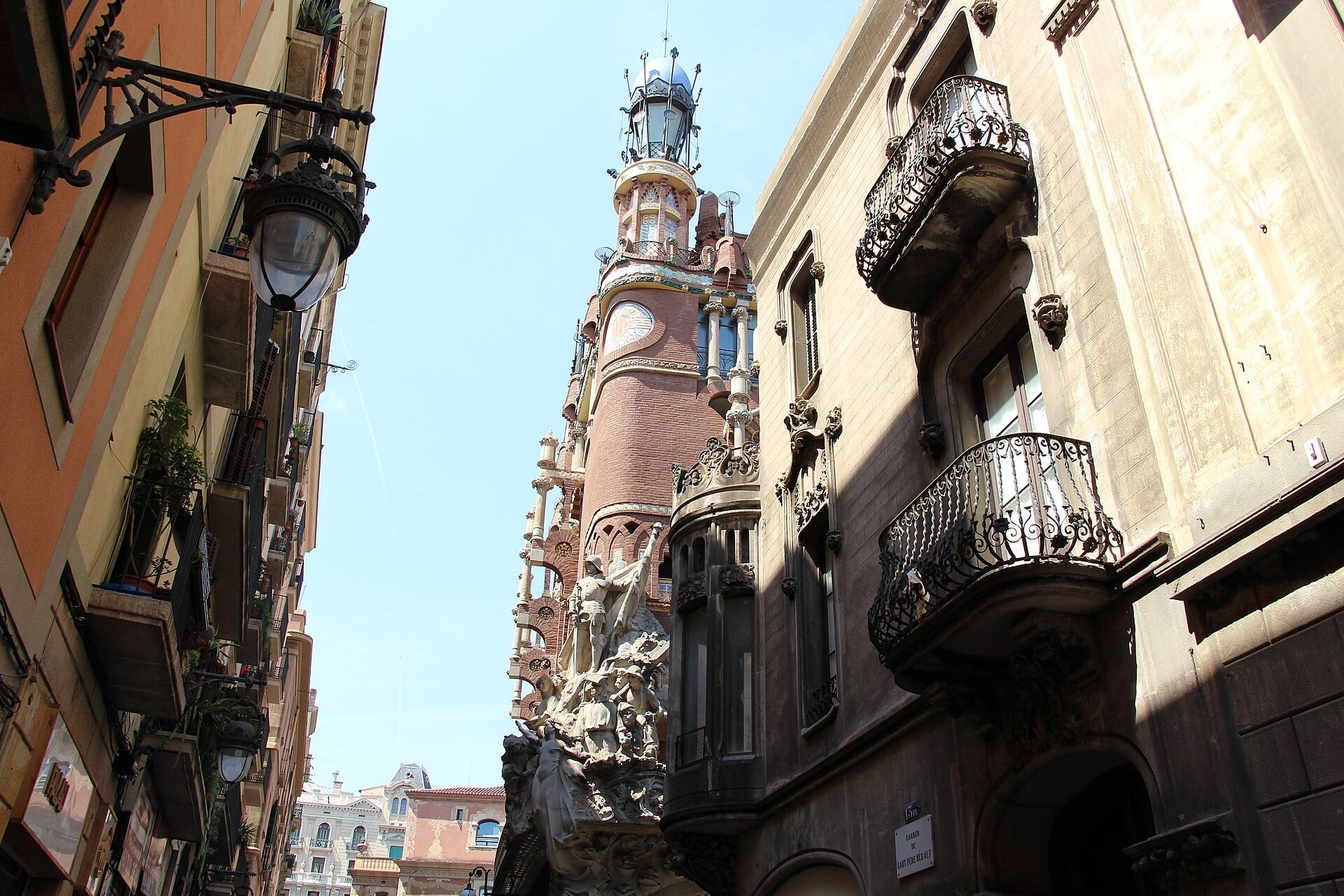
Walk on down the street until the corner of the Palau de la Música Catalana, the Palace of Catalan Music, rises ahead of you, and stop there. Its concerts and visits are ticketed and worth it, but this stop is all out here on the street. The details are on this stop's card.
The Palau itself admits that you cannot see this front whole: it turns a corner between two narrow streets. So read it piece by piece.
Start at the corner, high up. A woman stands out like the figurehead on the prow of a ship. She stands for music. Below her is Saint George, and around them a sailor, country people, an old man and children. The group is called Catalan Folk Song, unveiled in nineteen oh nine.
As you walk on past the front, drop to street level. Big columns of red brick and ceramic carry the arches, and two of them once held the ticket offices. One floor up, a balcony runs on fourteen columns in pairs, all covered in mosaic, and no two share a pattern. Above them, busts of composers look out: Palestrina, Bach and Beethoven along this street, Wagner round the corner. At the very top, a mosaic shows the choir's flag.
The hall was built from nineteen oh five to nineteen oh eight by the architect Lluís Domènech i Montaner, as the home of the Orfeó Català, a choral society. It was paid for by public subscription. Until nineteen eighty-nine, this narrow street was its only way in. In nineteen ninety-seven UNESCO added it to the World Heritage list, and the Palau says it is the only concert hall there.
A hall paid for by public subscription: hold on to that. The quarter ahead did the same thing, nearly six centuries earlier.
Follow the route on past the front. Next is a market under a roof of many colors.
3. Mercat de Santa Caterina: The Colored Roof
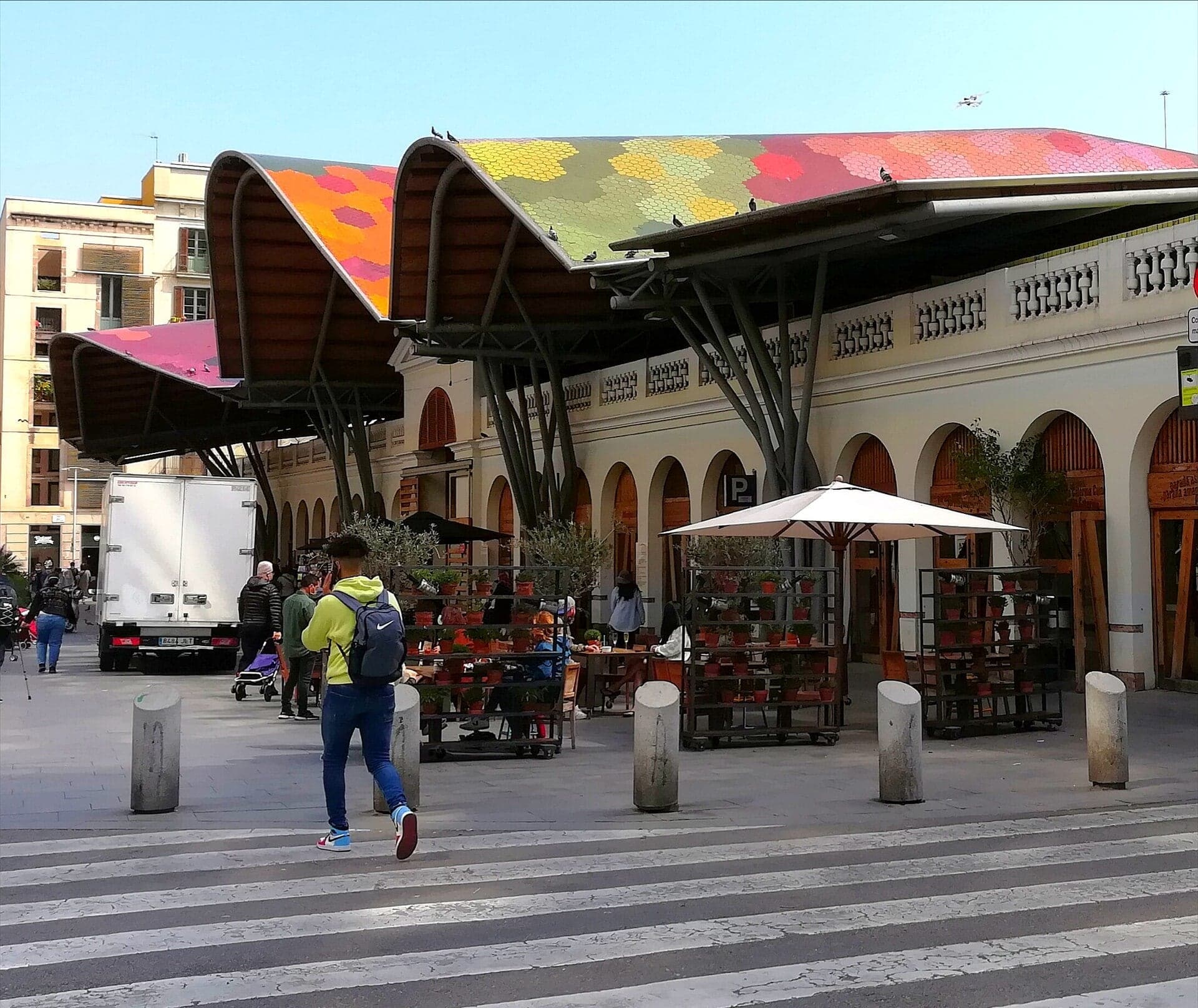
Walk on to the pavement on this side of the open avenue and stop there, with the market to your right, across the little service road. Look up at the roof: a great sheet of color above an older arcade.
That roof is made of three hundred and twenty-five thousand ceramic pieces. The city says the colors were chosen to reproduce the colors of the stalls underneath: the fruit and the vegetables. It was designed by two architects who won a competition for it in nineteen ninety-seven, and it was finished in two thousand and five. Under the tiles is a modern frame of timber, steel and concrete.
Now look below it, at the arcade. That is the front of the old market, kept by the architects with its side walls, while the roof and the south side are new. The arcade itself had already been rebuilt once, in the nineteen eighties.
The old market was Barcelona's first covered market, opened in eighteen forty-eight. It was built on the ground of a convent of Dominican friars, Santa Caterina, founded in twelve twenty-three and pulled down in the eighteen thirties.
The ground had more to give. The new market took six years of works, and two of those years went to the archaeologists. They found the convent, and the remains of an even older monastery. Part of the convent church's apse was kept, at one corner of the market.
When it reopened, about forty thousand people came on the first day.
So here is a second way of rebuilding: keep the old front, and float something new above it.
Follow the route across the service road on the marked crossing, which has no lights, and round the market's south side. For a short stretch you walk the market's delivery lane, which has no pavement, so watch for vans. Next is a chapel from the Romanesque age.
4. Capella d'en Marcús: A Chapel by the Old Road
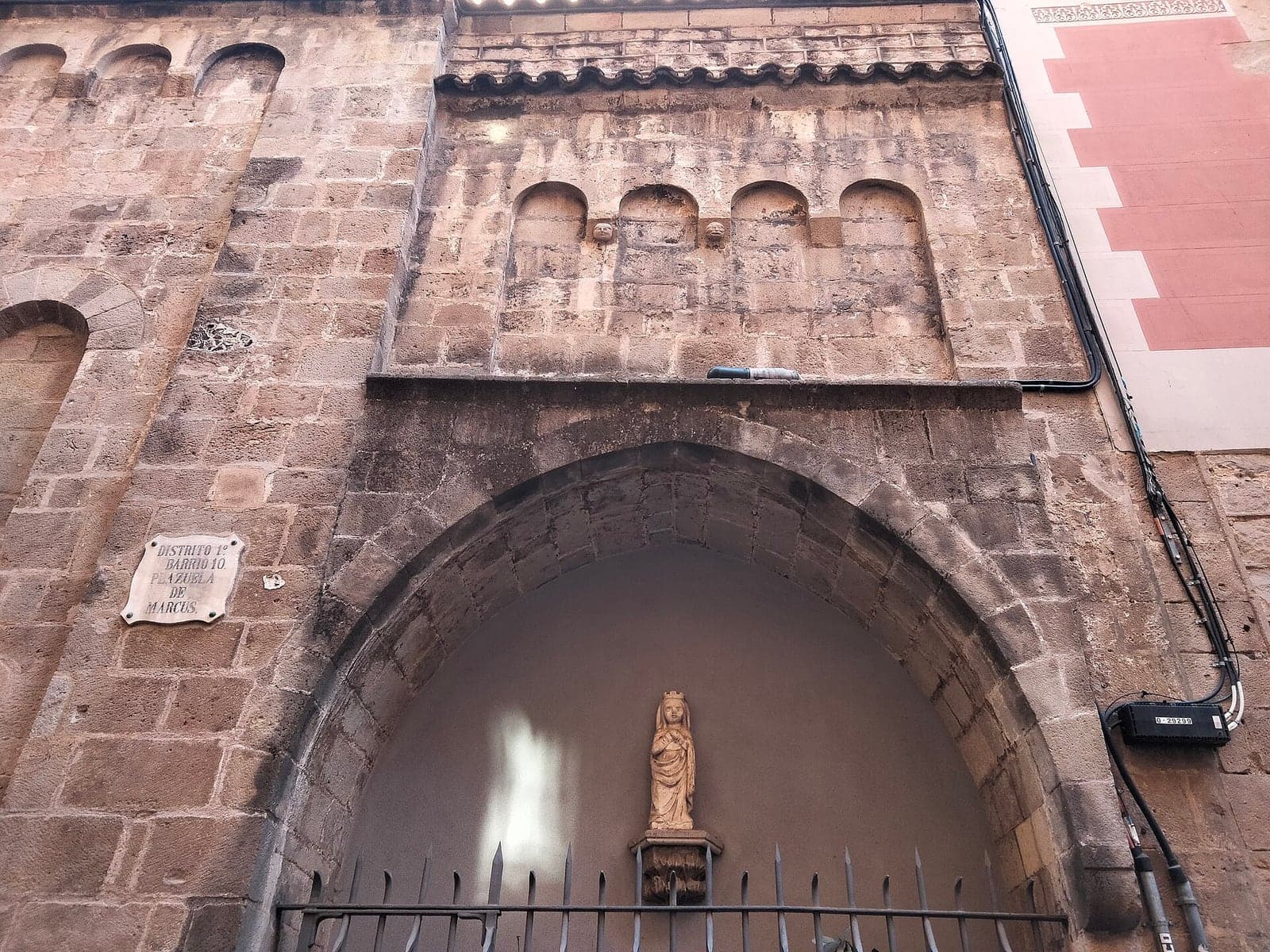
Walk on into the little square and stop by the small stone chapel right beside you on the corner. This is the Capella d'en Marcús, Marcús's chapel, and it is one of only three Romanesque chapels left inside the old walls of the city. It was built in the twelfth or thirteenth…
Full narration for this stop unlocks with the tour.
5. Carrer de Montcada: The Picasso Museum's Merchant Houses
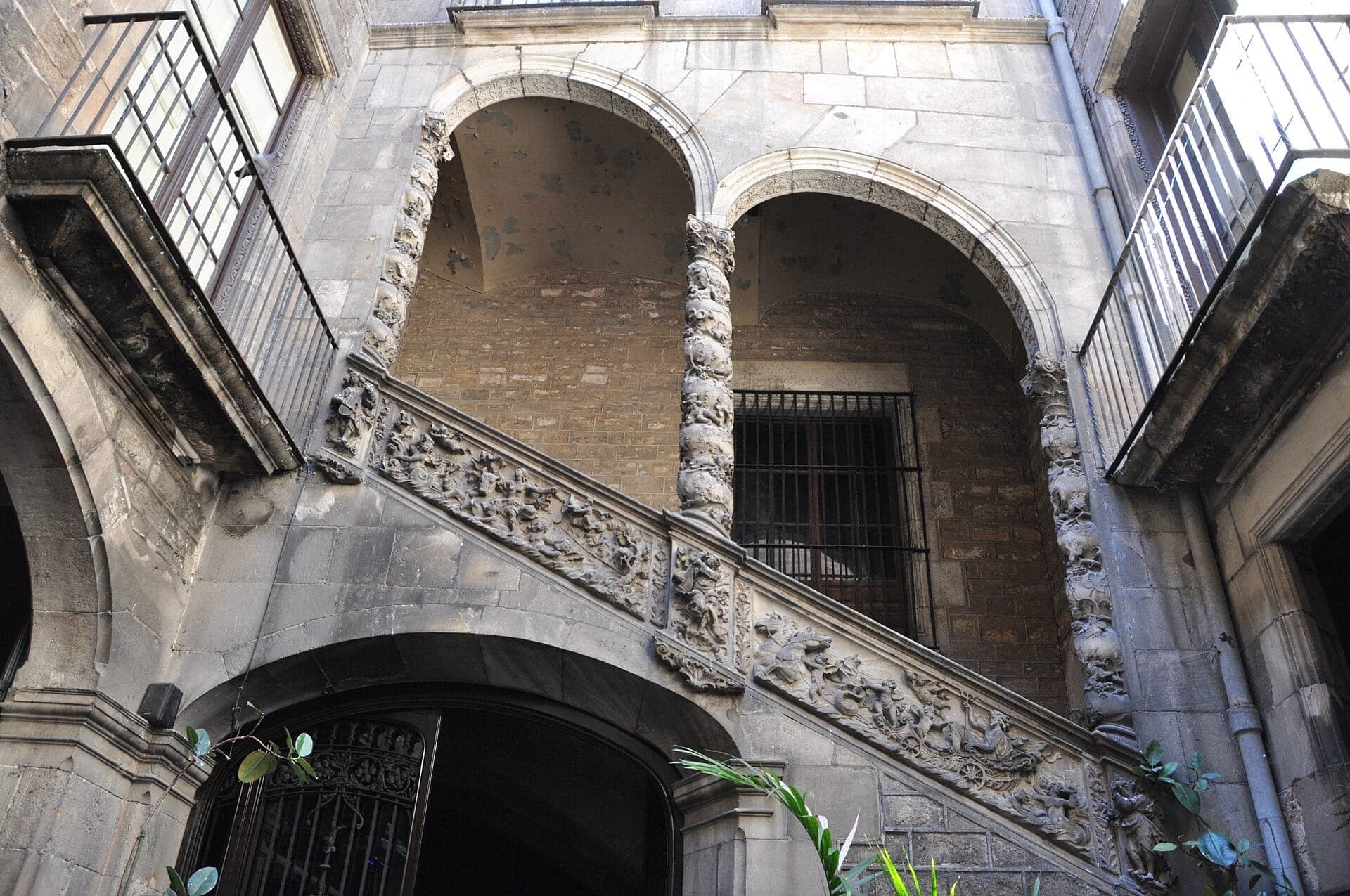
Walk on down Carrer de Montcada and stop beside the old front on your left, where the museum queue forms. This is Palau Aguilar, the first house of the Museu Picasso, the Picasso Museum. The museum is ticketed and closed on Mondays; the details are on this stop's card. The…
Full narration for this stop unlocks with the tour.
6. Santa Maria del Mar: The Porters' Church
Walk on into the square and stop on the paving. Turn round to your left, behind you, to face the front of Santa Maria del Mar, Saint Mary of the Sea. The church is free to enter at some hours and charges for a cultural visit at others; the details are on this stop's card. Start…
Full narration for this stop unlocks with the tour.
7. Fossar de les Moreres: The 1714 Graveyard
Walk on along the side of the church and stop where the open square begins. Turn round to the memorial just behind you, a wall and a flame. This is the Fossar de les Moreres. Fossar means graveyard, and this was the parish graveyard of Santa Maria del Mar. The church's side wall…
Full narration for this stop unlocks with the tour.
8. Passeig del Born: The Old Market Ground
Walk on into the middle of the long promenade and stop there. Behind you is the east end of Santa Maria del Mar. Ahead, closing the far end, is the iron front of a market hall. Between them runs this open strip, the Passeig del Born. Take a moment with the view in both…
Full narration for this stop unlocks with the tour.
9. El Born: The Streets Under the Market
Walk on to the end of the promenade and stop on the open ground before the iron and glass front of the market hall. This is the old Born market, and today it is El Born, part of the Barcelona History Museum. Walking into the hall and looking down from its balconies is free, but…
Full narration for this stop unlocks with the tour.
10. Ciutadella Park Gate: Tàpies's Cube for Picasso
Walk on past the park gate on your left and stop on the promenade just beyond it. This is the end of the walk. Now turn round: back the way you came, a glass cube stands in a shallow pool, and you can walk back to it for a closer look. The cube is Antoni Tàpies's tribute to…
Full narration for this stop unlocks with the tour.
- Sant Pere de les Puel·les (Barcelona) — Enric, CC BY-SA 4.0 · source
- Font modernista de la plaça de Sant Pere (Barcelona) — Enric, CC BY-SA 4.0 · source
- Barcelona-Palau de la Música Catalana (I) — Javi Guerra Hernando, CC BY-SA 4.0 · source
- Barcelona - Palau de la Música Catalana — Fred Romero, CC BY 2.0 · source
- Santa Caterina Market, designed by E. Miralles & B. Tagliabue (EMBT) Photographer: Rick Ligthelm for TravelMag.com if you want to use this p — Rick Ligthelm from Rotterdam, The Netherlands, CC BY 2.0 · source
- Mercat de Santa Caterina (Barcelona) — Enric, CC BY-SA 4.0 · source
- Capella de la Mare de Déu de la Guia, c. Carders 2 - pl. Marcús 3 (Barcelona) — Enric, CC BY-SA 4.0 · source
- Capella de la Mare de Déu de la Guia, pl. Marcús 3 (Barcelona), façana sud — Enric, CC BY-SA 4.0 · source
- Palau Aguilar, entrada principal al Museu Picasso — Kippelboy, CC BY-SA 3.0 ES · source
- Barcelona (Montcada street). Dalmases’s House (“Palau Dalmases”). Circa 1700. — Josep Bracons from Barcelona, Catalonia, CC BY-SA 2.0 · source
- Basilica de Santa Maria del Mar, 14th century (2) — Richard Mortel from Riyadh, Saudi Arabia, CC BY 2.0 · source
- Blick von der "Carrer del Malcuinat" auf das Fossar de les Moreres (Kriegerdenkmal) (Fackel mit der ewigen Flamme und einem heroischen Gedic — böhringer friedrich, CC BY-SA 2.5 · source
- Fossar de les Moreres (Barcelona), peveter d'Albert Viaplana — Enric, CC BY-SA 4.0 · source
- Barcelona - El Born. Passeig del Born — Fred Romero, CC BY 2.0 · source
- Barcelona - El Born. Passeig del Born — Fred Romero, CC BY 2.0 · source
- Born antic, Barcelona — Mariarosafg, CC BY-SA 3.0 · source
- Umbracle (Barcelona) — Enric, CC BY-SA 4.0 · source
- Parc de la Ciutadella, Barcelona, Julio 2020 — Robot8A, CC BY-SA 4.0 · source
Images may be cropped or resized. Other photos via Unsplash and Pexels.