Yanaka: The Surviving Low City
85 min · 2.5 km · easy
Tokyo can feel like an endless, patternless sprawl, a city too big to hold in your head. There is a key that unlocks it, and it is four hundred years old. From its founding, Tokyo was split into two cities: a low city of merchants and craftsmen down by the rivers, and a high city of samurai and elites up on the hills. That divide, drawn when the place was still called Edo, still shapes how every neighborhood feels. Learn to read Tokyo as a low city and a high city and the sprawl resolves into a legible map.
The divide the shogun drew
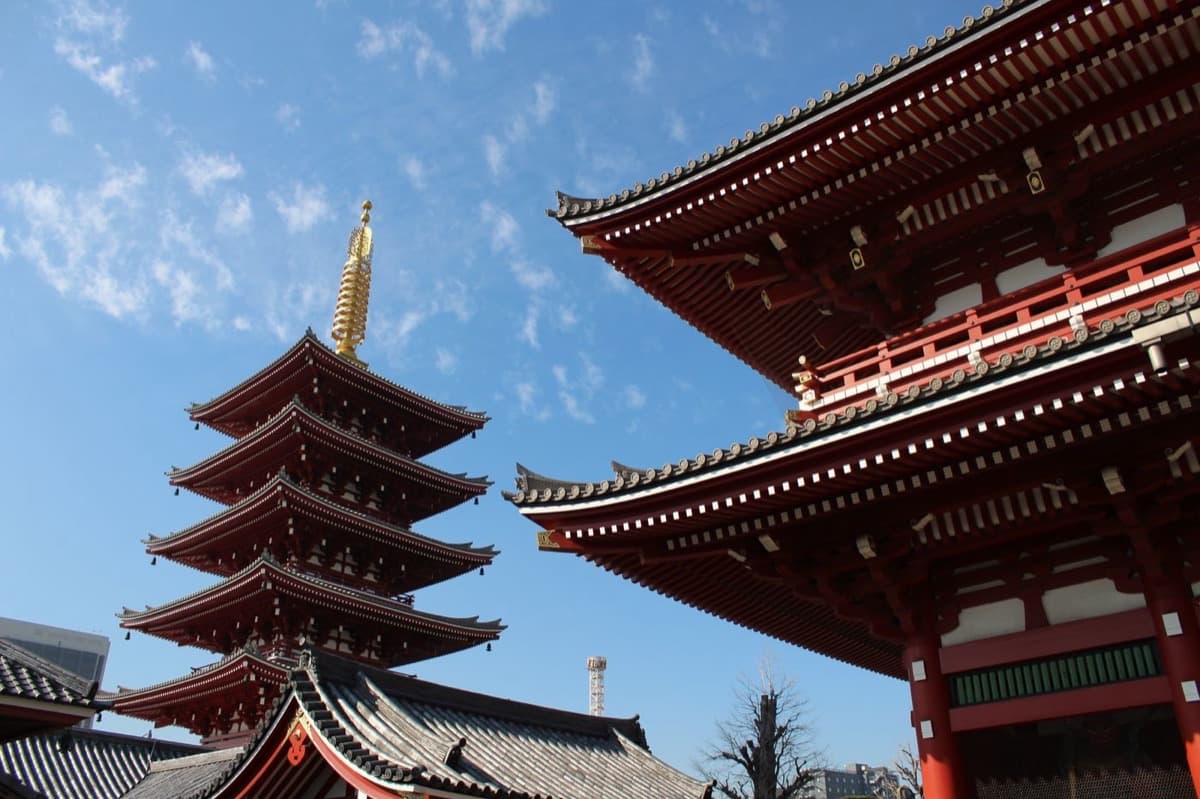
The split goes back to the founding of Edo. In 1603 the Tokugawa shogunate made this the capital and built Edo Castle, on the hill where the Imperial Palace stands today, at the center. Around that castle the shogunate arranged society by geography. The samurai and the upper classes were settled on the higher, hillier land to the west of the castle, which came to be called yamanote, meaning roughly the hand of the mountain, the high city. The merchants, artisans, entertainers, and commoners were left the lower ground to the east, the flat land near the rivers and the bay, which came to be called shitamachi, the low city, literally the downtown.
This was not just where people happened to live. It was a deliberate ordering of the city by rank, written into the land itself. The high city looked down, the low city looked up, and the character of each was set. The high city was formal, reserved, aristocratic. The low city was crowded, lively, commercial, the home of festivals and street food and popular culture.
Why the old divide still holds
Hear a stop from this walk
Yanaka Cemetery: Where the Last Shogun Lies
Centuries later, after fires, earthquakes, war, and rebuilding, the divide is astonishingly persistent. The eastern low-city neighborhoods, Asakusa, Ueno, Yanaka, Nihonbashi, still carry the character of old commoner Tokyo, with their temples, artisan trades, festivals, and low streets. The western high-city districts still read as the more polished, fashionable, upscale side of the city. The class geography of Edo became the cultural geography of Tokyo, and it never really went away.
This is the map that makes Tokyo's neighborhoods legible, and Roamer's three Tokyo walks land on different points of it.
The low city, walked
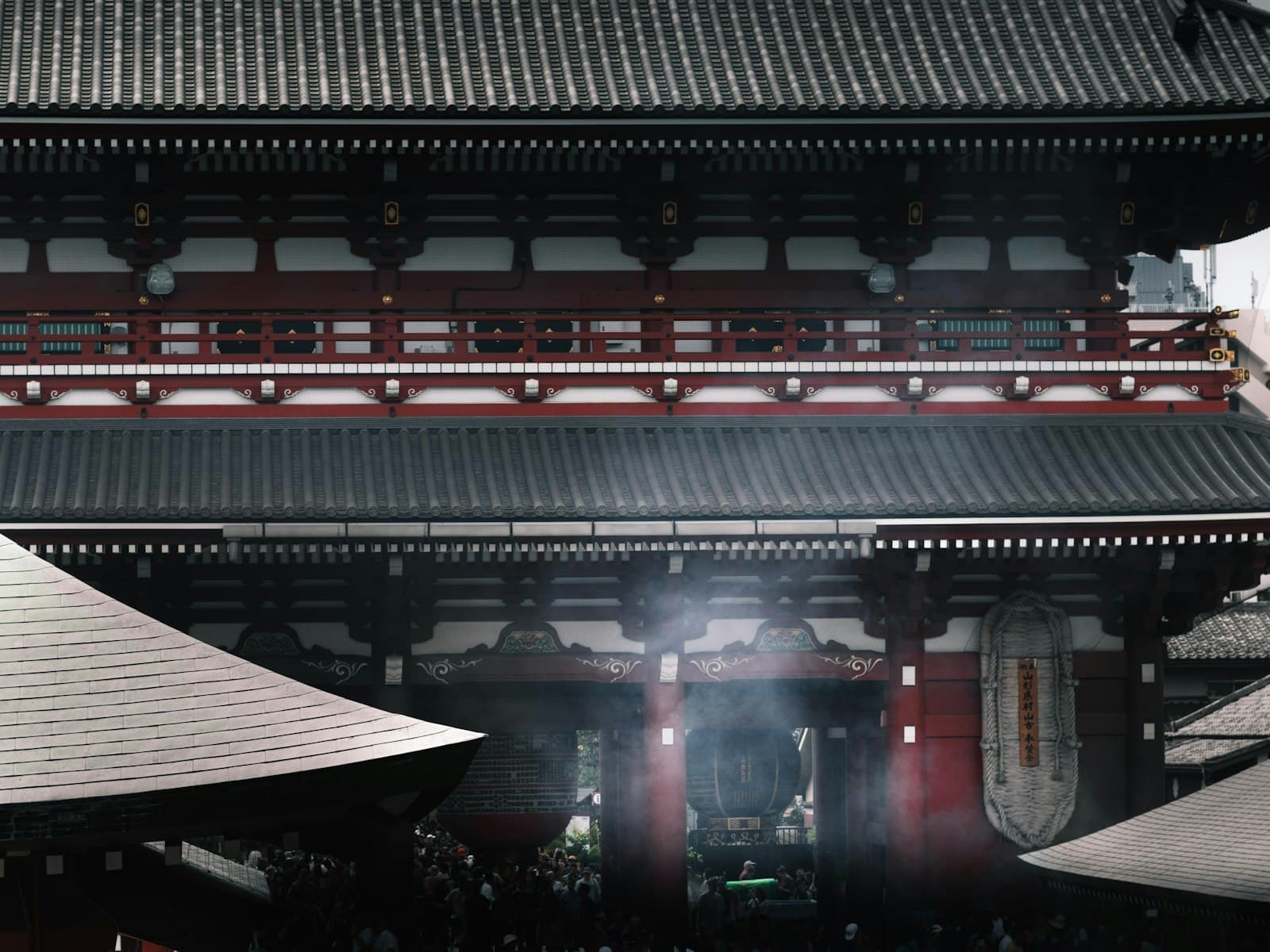
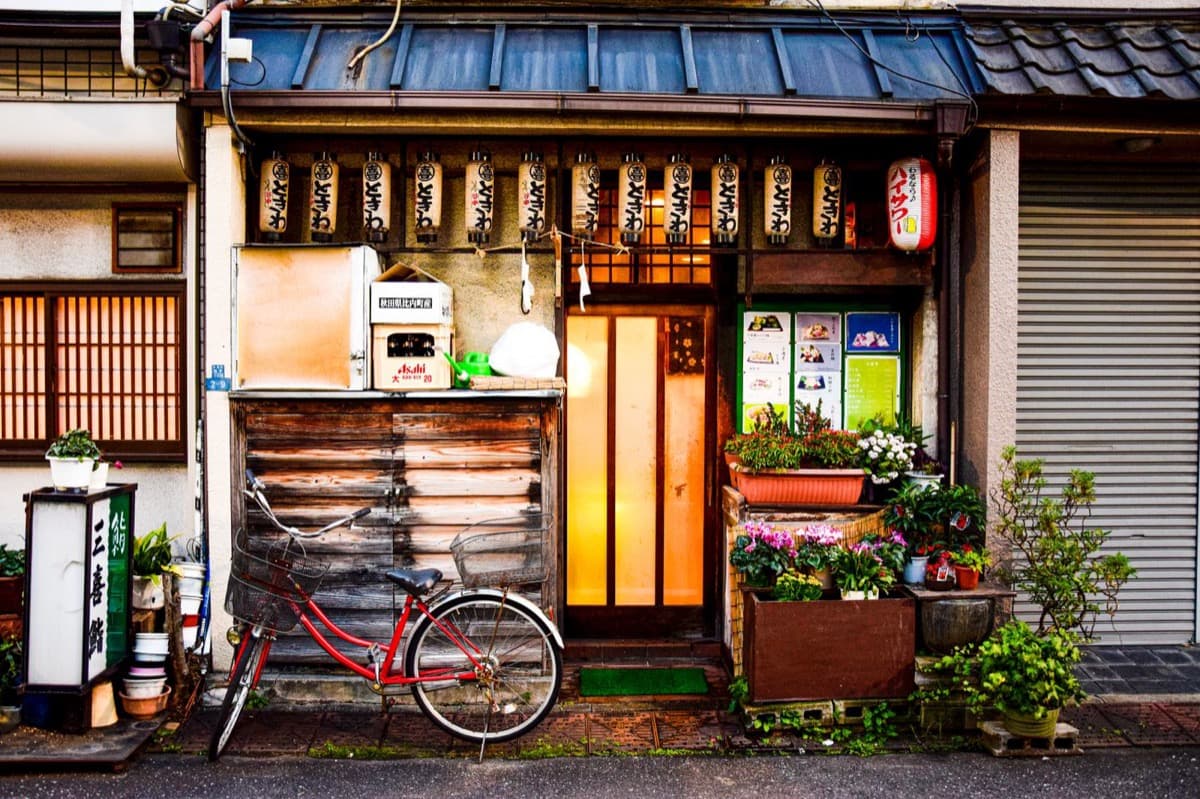
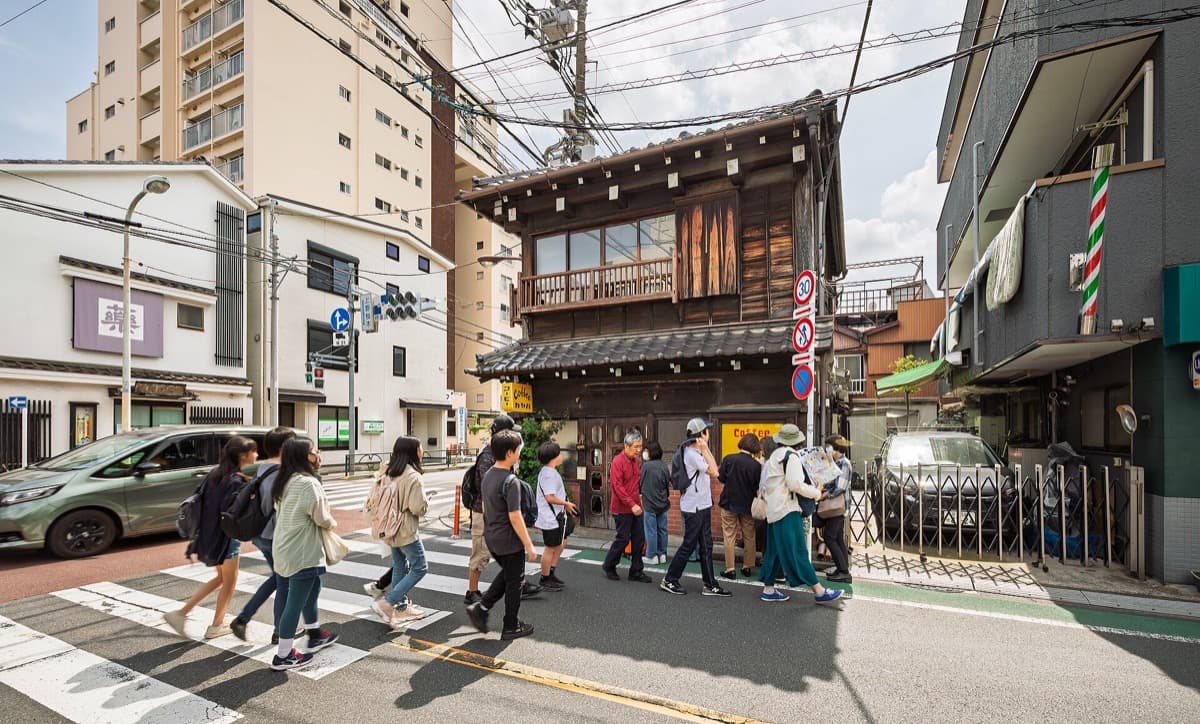
Two of Roamer's routes read the shitamachi directly. Asakusa and Senso-ji: Where Tokyo Came to Pray and Play walks the loud, plebeian heart of the low city, where the great popular temple of Sensoji, Tokyo's oldest, has always shared its street with food, festivals, and pleasure. Asakusa is the low city at full volume. Yanaka: The Surviving Low City reads a quieter face of the same world, a neighborhood that came through the twentieth century largely intact, where ordinary life, old shops, and a century-old coffee house like Kayaba Coffee survived when so much of Tokyo was rebuilt. Yanaka is the low city preserved, Asakusa is the low city alive.
The high city, remade
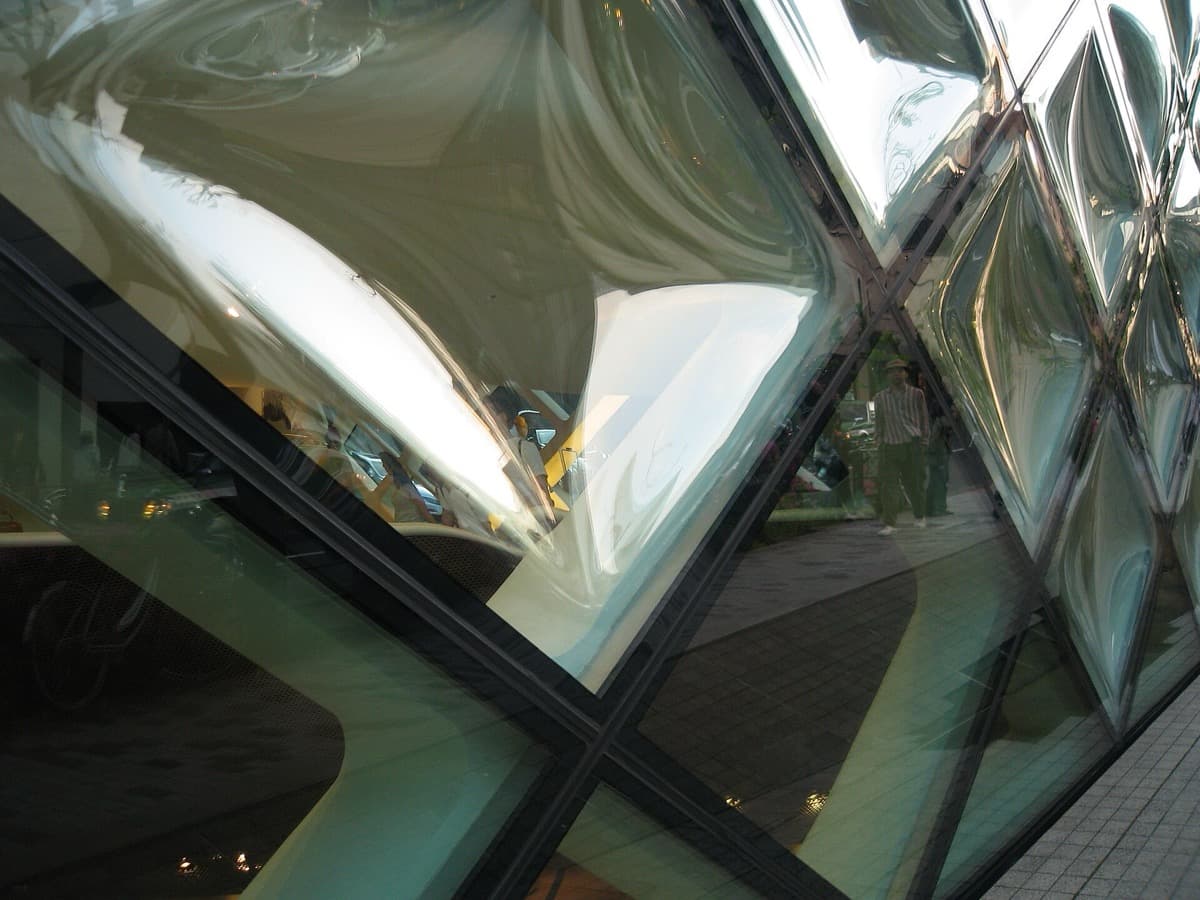
The third route reads the modern descendant of the yamanote. Omotesando and Harajuku: The Architects' Catwalk walks the fashionable western districts where the high city's polish became a stage for the world's great architects, from Tod's tree-branch facade to the crystal glass of Prada Aoyama. The aristocratic reserve of the old high city became, in time, the confident cosmopolitan glamour of Omotesando.
How to see it
Pick a side and read it whole. Spend a day in the low city, in Asakusa and Yanaka, and feel the crowded, human, commercial old Tokyo. Then spend a day in the high city, in Omotesando and Harajuku, and feel the polished western Tokyo. Holding the two against each other is the fastest way to understand the whole place. For the full set of routes, browse Tokyo walking tours, and to plan a day, see one day in Tokyo.
Sources
- Edward Seidensticker's framing of the low city and high city: shitamachi as the low-lying eastern merchant and artisan districts, yamanote as the higher western land of samurai and elites, the divide originating with the founding of Edo in 1603 and Edo Castle at the center, and the persistence of low-city character in Asakusa, Ueno, Yanaka, and Nihonbashi.
- Senso-ji, English page (senso-ji.jp/english/): Senso-ji as the oldest temple in Tokyo, by the temple's own account.
- Roamer tour transcripts, Asakusa (tokyo-asakusa), Yanaka (tokyo-yanaka), and Omotesando and Harajuku (tokyo-omotesando-harajuku), fact-audited: the low-city and high-city neighborhoods and their contrasting characters.
Frequently asked questions
- What is the difference between Shitamachi and Yamanote in Tokyo?
- Shitamachi, the low city, is the low-lying eastern side of Tokyo near the rivers and bay, where merchants, artisans, and commoners lived in the Edo period. Yamanote, the high city, is the hillier western side where the samurai and upper classes lived. The divide dates to the founding of Edo in 1603 and still shapes the character of Tokyo's neighborhoods today, with areas like Asakusa, Ueno, and Yanaka retaining the old low-city feel.
- Where is old Tokyo?
- The most intact old Tokyo is in the shitamachi, the low city, on the eastern side. Neighborhoods like Asakusa, Yanaka, Ueno, and Nihonbashi kept the character of Edo-era commoner Tokyo, with temples, artisan trades, festivals, and low wooden streets. Yanaka in particular survived the twentieth century largely intact, which is why it feels like a window into the older city.
- How do you understand Tokyo's layout?
- Read it through the old Edo divide between the low city and the high city. The Tokugawa shogunate built Edo Castle on a hill in the center, put the samurai elite on the high western ground (yamanote), and left the low eastern ground by the rivers (shitamachi) to merchants and craftsmen. That class geography, high city versus low city, still explains why different parts of Tokyo feel so different, and it is the single most useful map for making sense of the sprawl.
Ready to experience it?
Yanaka: The Surviving Low City
85 min · 2.5 km · easy
More from Tokyo
Explore more at your own pace.
One Day in Tokyo: A Walkable Itinerary Across Three Faces (2026)
Tokyo Travel Guide: How Many Days, Getting Around, When to Go (2026)
What to Eat in Tokyo: A Food Guide (2026)
Kayaba Coffee: How a 1916 Townhouse Made Survival a Verb in Yanaka
Prada Aoyama: The Tokyo Glass Tower Where the Skin Is the Structure