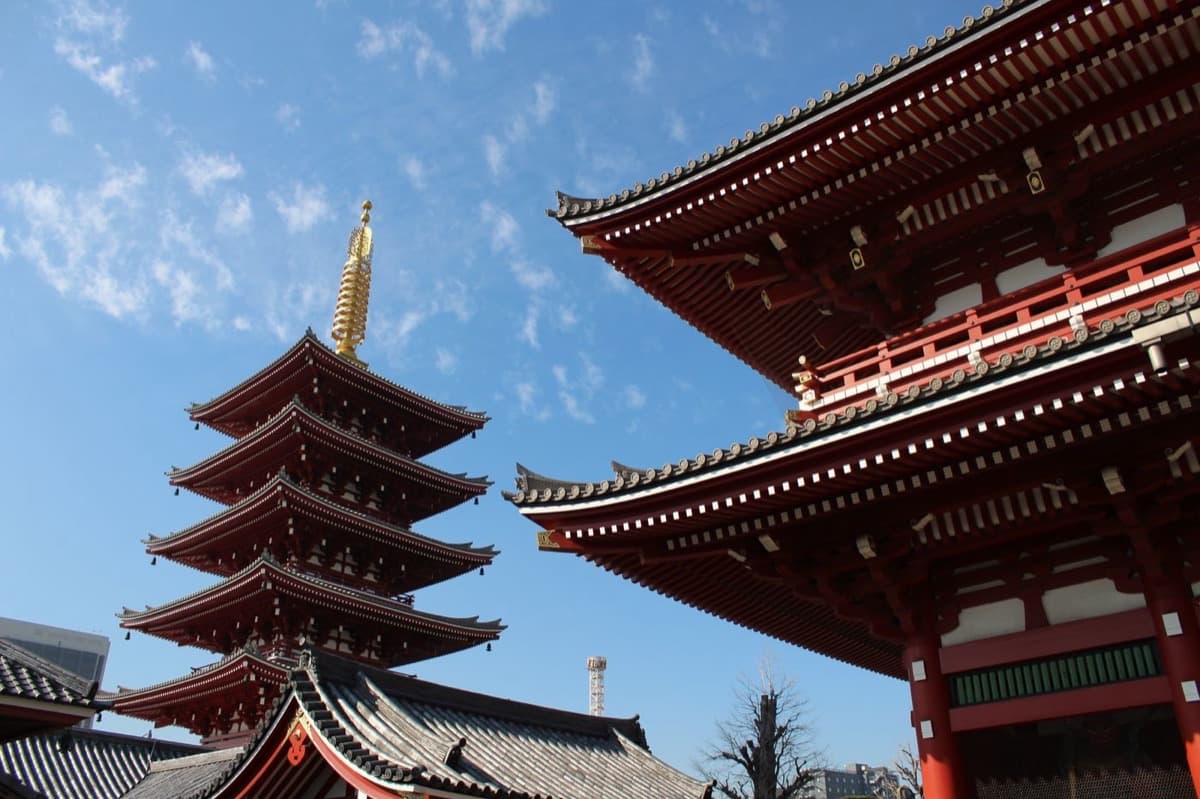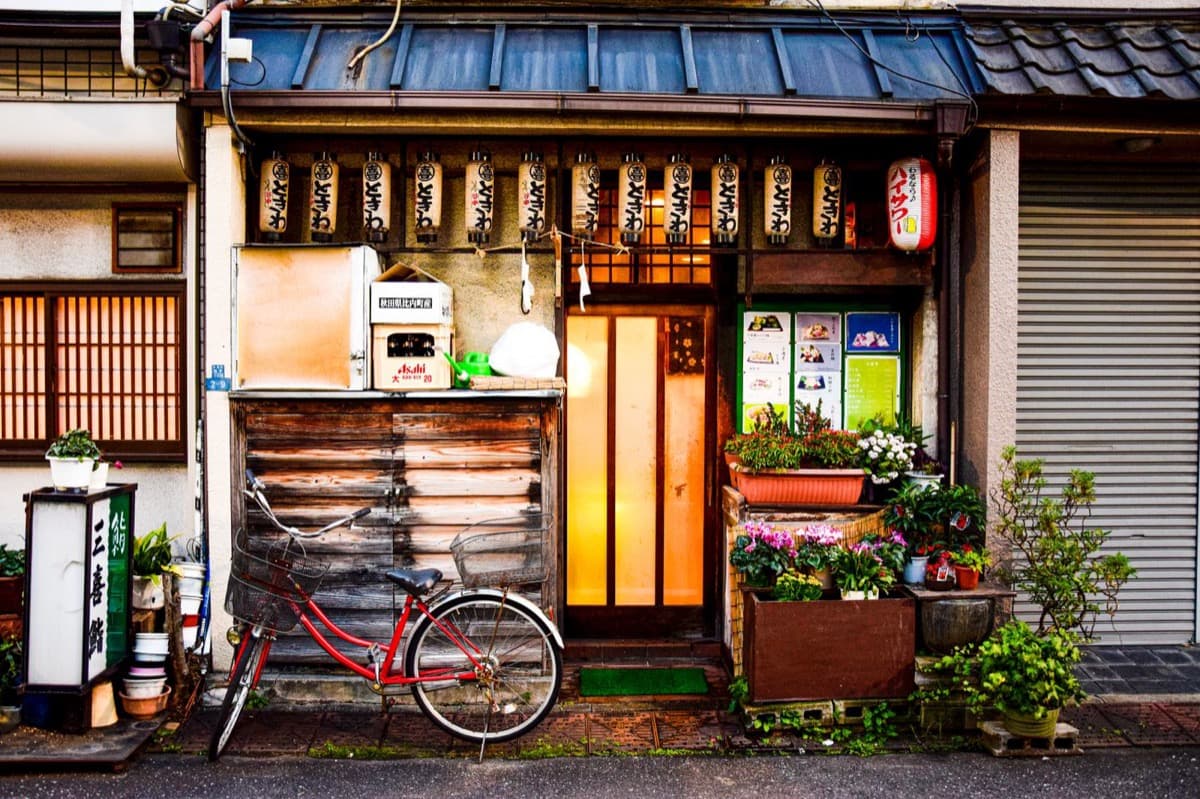
Yanaka: The Surviving Low City
85 min · 2.5 km · easy
Tokyo rewards planning more than almost any city. It is vast, its neighborhoods are worlds apart in mood, its transit is a dense web of JR and private lines rather than one tidy subway, and its two most beautiful seasons are also its most crowded. This guide answers the practical questions travelers actually search, answer first, then the detail.
How many days do you need in Tokyo?
Short answer: four to five days for a first visit.
- 3 days covers the essential neighborhoods if you are squeezing Tokyo into a larger Japan trip. Expect to move quickly.
- 4 to 5 days lets you see the main districts without rushing and fit in a day trip. This is the comfortable sweet spot.
- A week or more gives you time to go deep into the low city and the west side and take two or three excursions.
The classic mistake is cramming. Tokyo is enormous and its districts differ wildly in character, so a handful of neighborhoods walked slowly beats a checklist sprinted. If you only have a day, follow our focused one day in Tokyo route across three of the city's faces.
Getting around Tokyo
Hear a stop from this walk
Yanaka Cemetery: Where the Last Shogun Lies
Tokyo runs on rail, and it is superb once you know the shape of it. You combine walking within districts, which is how our self-guided Tokyo tours are built, with trains between them:
- JR lines. The Yamanote Line is a loop that connects most of the major hubs (Tokyo, Ueno, Shinjuku, Shibuya, Harajuku), and it is the backbone of a first visit.
- Subway. The Tokyo Metro and Toei networks fill in everything the JR loop does not reach.
- Private railways. Lines like Odakyu, Tobu, and Keio run to the suburbs and day-trip towns.
- IC card. Use a rechargeable Suica or Pasmo to tap on and off almost every train and bus, no fumbling for tickets. Tourists can buy a Welcome Suica, which needs no deposit and is valid for 28 days from first use.
Google Maps routes Tokyo's rail accurately. Taxis are clean and reliable but expensive, so most visitors stick to trains.
Best time to visit Tokyo
The two showcase windows, and their trade-offs:
- Cherry blossom (late March to early April). Blossoms typically open in the last week of March and peak in early April. Gorgeous, and the busiest, priciest time of year. Note that Golden Week in late April to early May is another major domestic-travel crush.
- Autumn foliage (mid to late November). Colours peak in Tokyo around mid to late November, with comfortable, clear weather and somewhat smaller international crowds than the blossoms.
For fewer crowds with good conditions, aim for the shoulder weeks just before or after each peak. Summer is hot and humid with a June rainy season; winter is cold, dry, clear, quiet, and often the best value.
Is Tokyo safe?
Very. Tokyo ranks among the safest major cities in the world, with very low violent crime and a murder rate a fraction of most Western capitals. Japan carries the lowest US State Department advisory level, and Tokyo is an easy, welcoming place for solo and female travelers. The biggest daily challenge is usually the language gap, not personal safety. Ordinary precautions still apply: mind your belongings in crowds and on packed rush-hour trains, use extra caution around nightlife touts in Kabukicho and Roppongi, and be aware of natural-hazard risks such as earthquakes and typhoons.
Tokyo on a budget
Tokyo is friendlier to a tight budget than its reputation suggests. Much of what makes it special costs nothing or close to it:
- Free to walk: Senso-ji temple, the Meiji Shrine forest, the Yanaka streets, Shibuya Crossing, and the neighborhoods themselves.
- Eat cheap and well: ramen shops, standing sushi bars, and department-store basement food halls, where prepared food is discounted late in the day. See what to eat in Tokyo for what to order.
- Skip taxis: a Suica card plus walking covers almost everything.
- Skip the guide fee: Roamer self-guided audio tours are free to start, so you get expert narration without booking a private guide, a start time, or a tip.
Start planning your walk
Ready to route your days? Read our one day in Tokyo itinerary, browse the best self-guided walking tours in Tokyo, or see all Tokyo tours. Every tour is free to start: the introduction and first stop play in full, and every later stop plays a short preview before an optional purchase. Tours can also be downloaded in advance for offline listening.
Frequently asked questions
- How many days do you need in Tokyo?
- Four to five days is the sweet spot for a first visit. Three days covers the essential neighborhoods if you are on a tight itinerary, four to five days lets you see the main districts without rushing and add a day trip, and a week gives you time to go deep and take two or three excursions. Tokyo is enormous and its neighborhoods are worlds apart in character, so the common mistake is trying to cram too much into too few days rather than walking a handful of districts well.
- How do you get around Tokyo?
- Tokyo runs on rail. The system combines JR East lines (including the Yamanote loop that connects most major hubs), the Tokyo Metro and Toei subway networks, and several private railways. The simplest way to pay is a rechargeable IC card such as Suica or Pasmo, which you tap on and off almost every train and bus and can also use at convenience stores. Tourists can buy a Welcome Suica, which needs no deposit and is valid for 28 days from first use. Google Maps handles routing well; taxis are reliable but expensive, so most visitors rely on trains.
- What is the best time of year to visit Tokyo?
- Spring and autumn are the most comfortable. Cherry blossoms usually bloom from late March into early April, and autumn foliage peaks in Tokyo in mid to late November, both beautiful and both busier and pricier, especially the cherry blossom weeks and the Golden Week holidays in late April to early May. For fewer crowds with good weather, aim for the shoulder weeks just before or after each peak. Summer is hot and humid with a June rainy season; winter is cold, dry, clear, and the quietest and cheapest season.
- Is Tokyo safe for tourists?
- Yes. Tokyo is consistently rated one of the safest major cities in the world, with very low violent crime and a murder rate a fraction of most Western capitals. Japan carries the lowest US State Department advisory level. It is an easy and welcoming place for solo and female travelers, and the biggest daily challenge tends to be the language gap rather than safety. Normal city sense still applies: watch belongings in crowds and on packed trains, use extra caution around nightlife touts in areas like Kabukicho and Roppongi, and be aware of earthquake and typhoon risk.
- How can you see Tokyo on a budget?
- Tokyo is far cheaper than its reputation if you lean on its free and low-cost pleasures. Many of the best experiences cost nothing: Senso-ji temple, the Meiji Shrine forest, the Yanaka streets, Shibuya Crossing, and simply walking the neighborhoods. Eat well for little at ramen shops, standing sushi bars, and department-store basement food halls late in the day when prepared foods are discounted. A Suica card plus walking replaces taxis. Self-guided audio tours are free to start on Roamer, so you get expert narration without hiring a guide.
- What are the best day trips from Tokyo?
- The three classic day trips are Kamakura, Hakone, and Nikko. Kamakura is the easiest, about an hour by JR train, and pairs temples, a giant bronze Buddha, and a beach. Hakone is roughly 90 minutes and offers hot springs, Lake Ashi, and Mount Fuji views. Nikko is around two to three hours each way and rewards the longer trip with elaborate lacquered shrines. Any of the three works as a full day, so add one if you have four or more days in the city.
Ready to experience it?
Yanaka: The Surviving Low City
85 min · 2.5 km · easy
More from Tokyo
Explore more at your own pace.
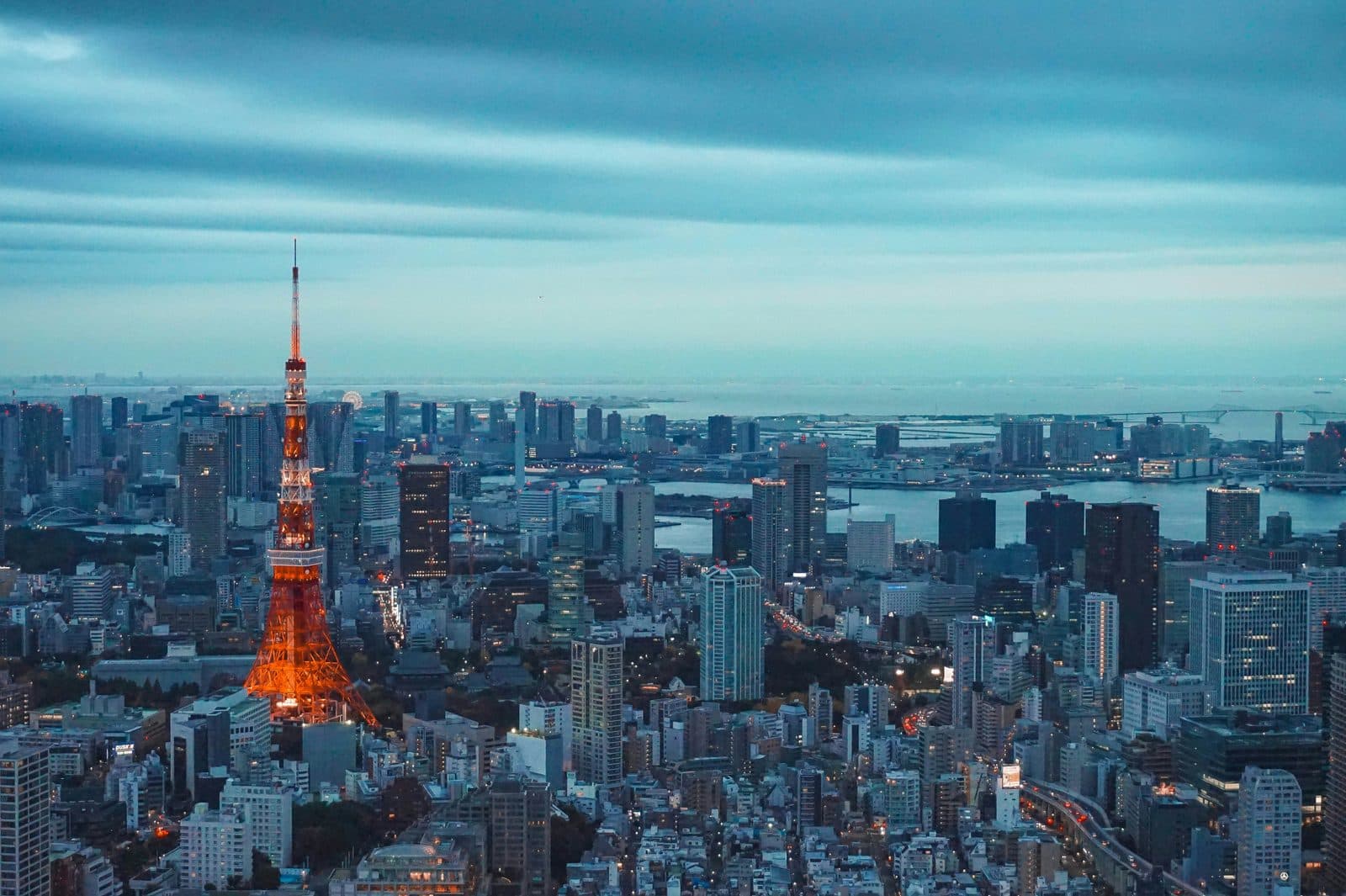
One Day in Tokyo: A Walkable Itinerary Across Three Faces (2026)
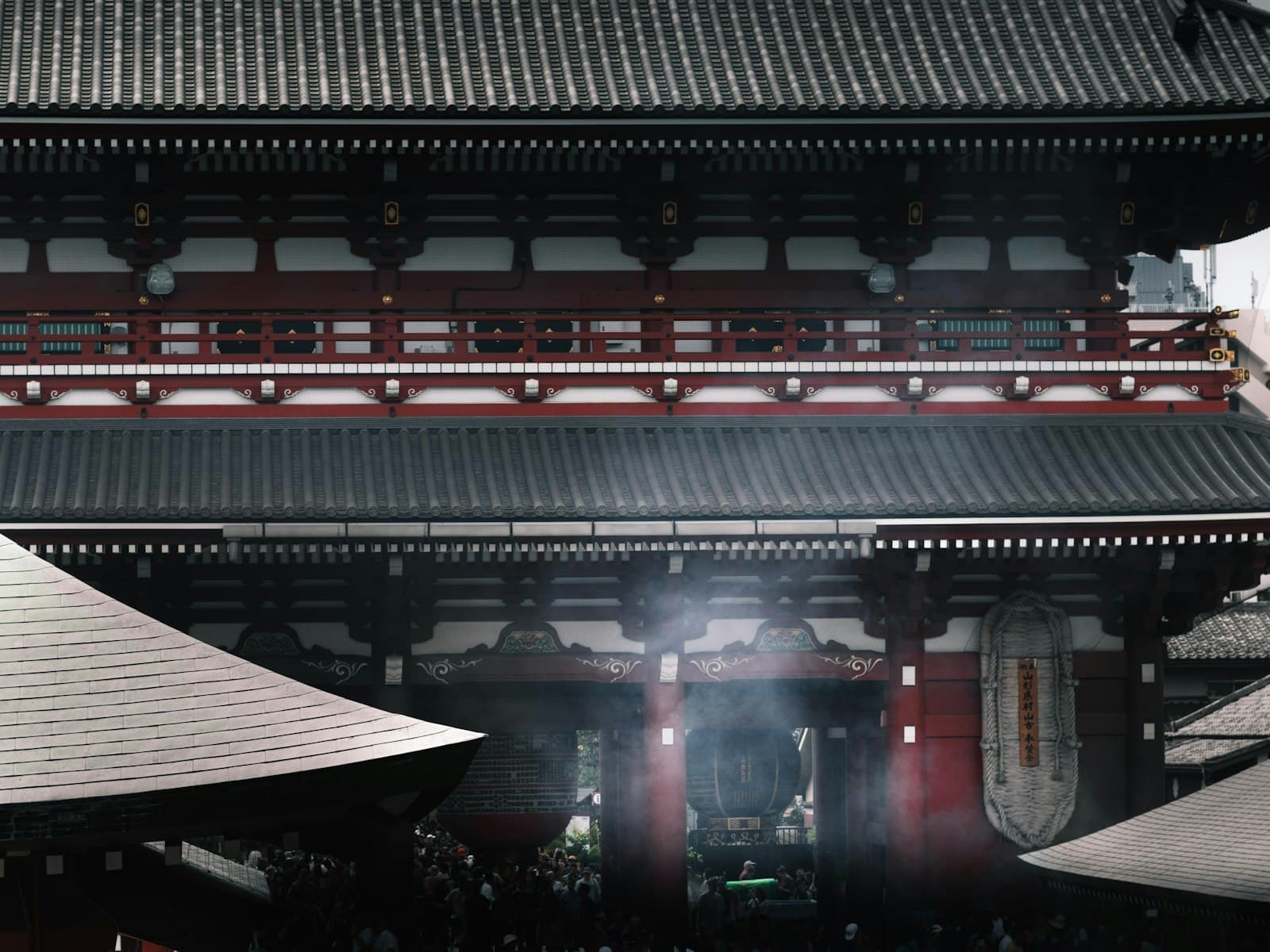
The Low City and the High City: How to Read Tokyo Like an Edo Map
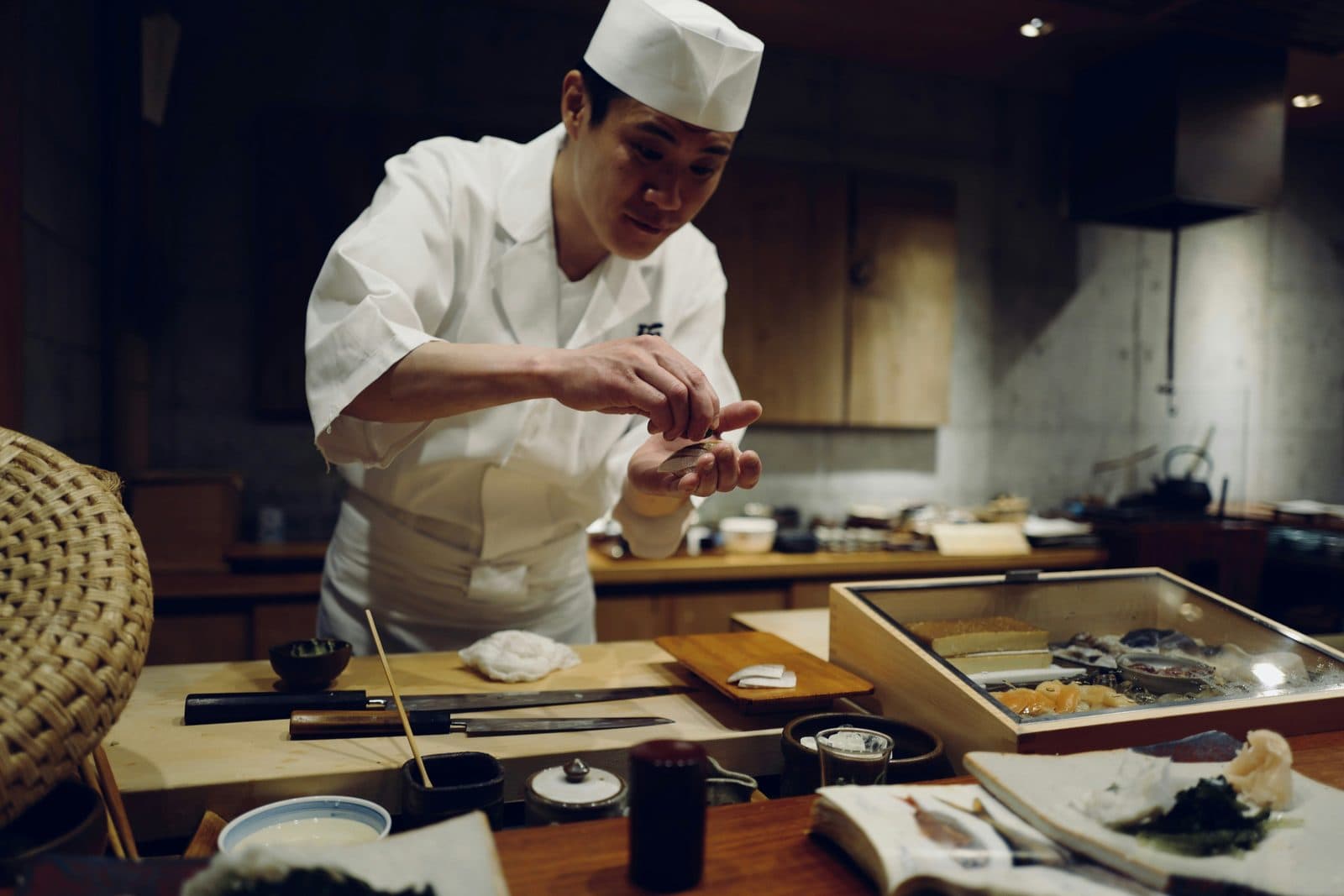
What to Eat in Tokyo: A Food Guide (2026)
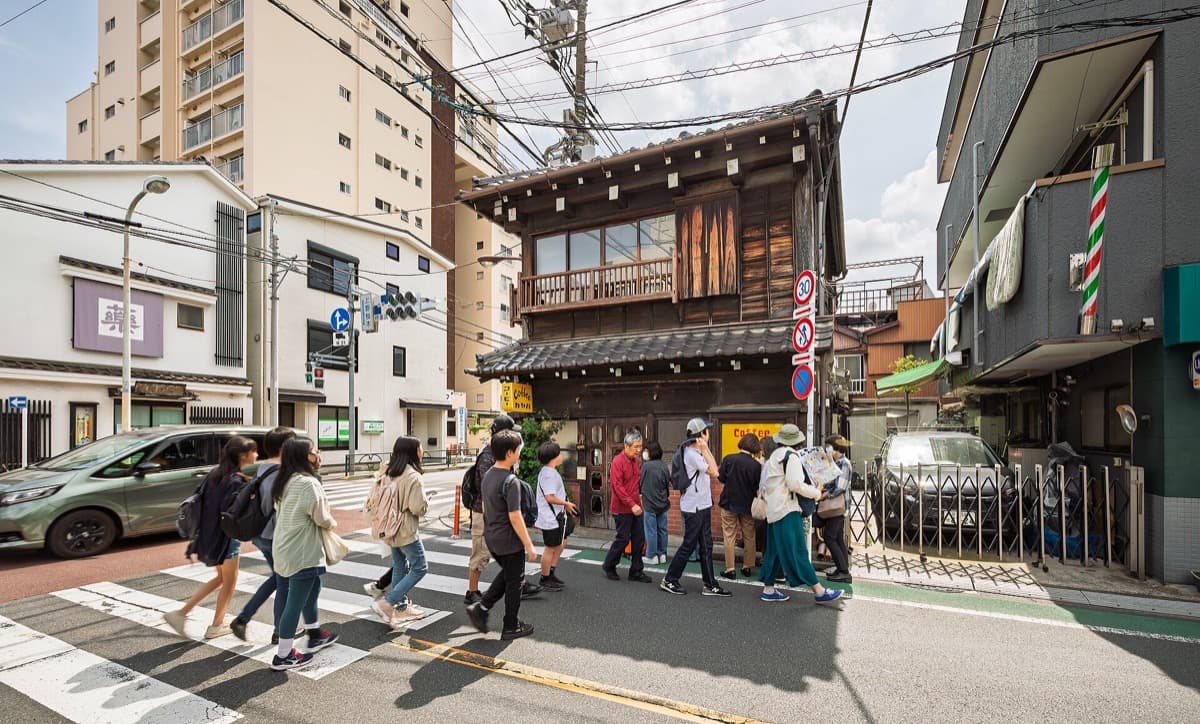
Kayaba Coffee: How a 1916 Townhouse Made Survival a Verb in Yanaka
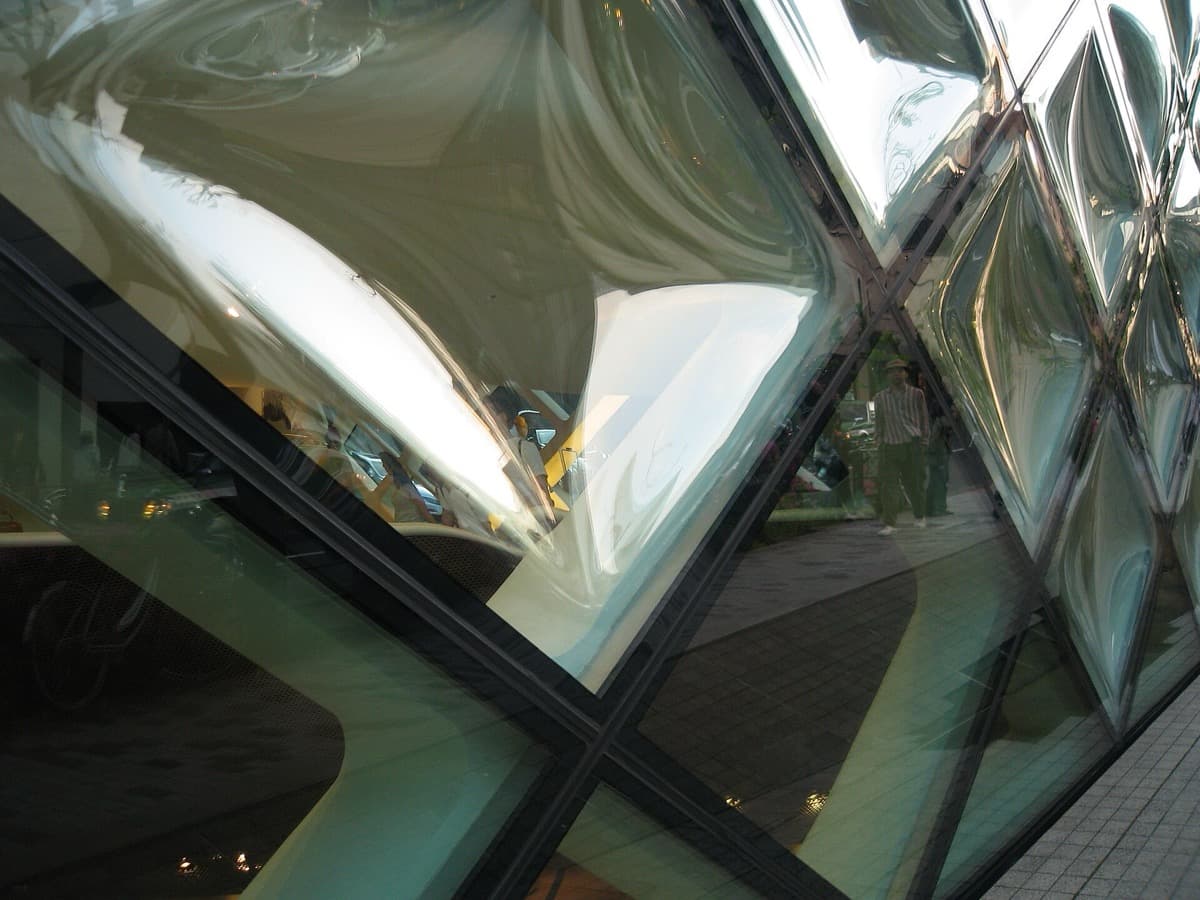
Prada Aoyama: The Tokyo Glass Tower Where the Skin Is the Structure