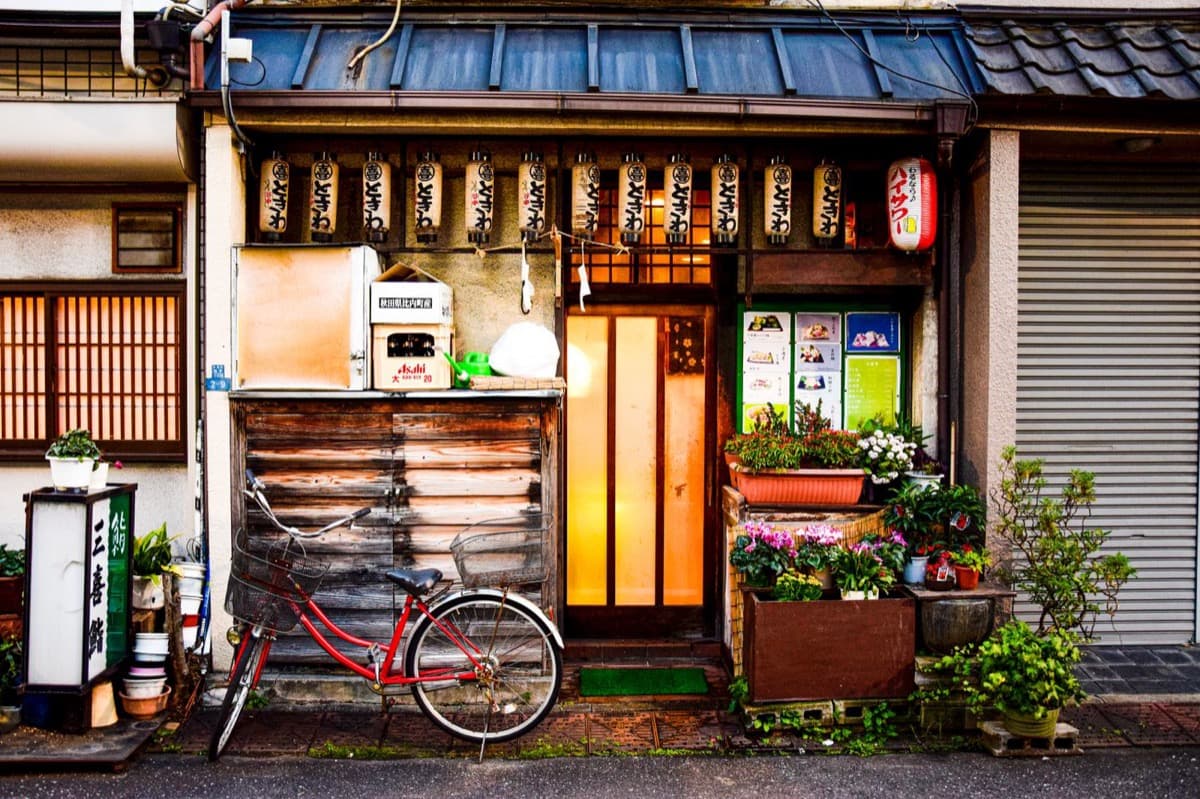
Most of old Tokyo was destroyed twice inside living memory. Yanaka is the ridge that survived, and this walk reads its wooden houses, temples, and coffee shops as what they really are: the actual pre-war city, still working.
Start · Nezu Shrine: The Buildings That Outlived the Shoguns
DirectionsStops
- 1
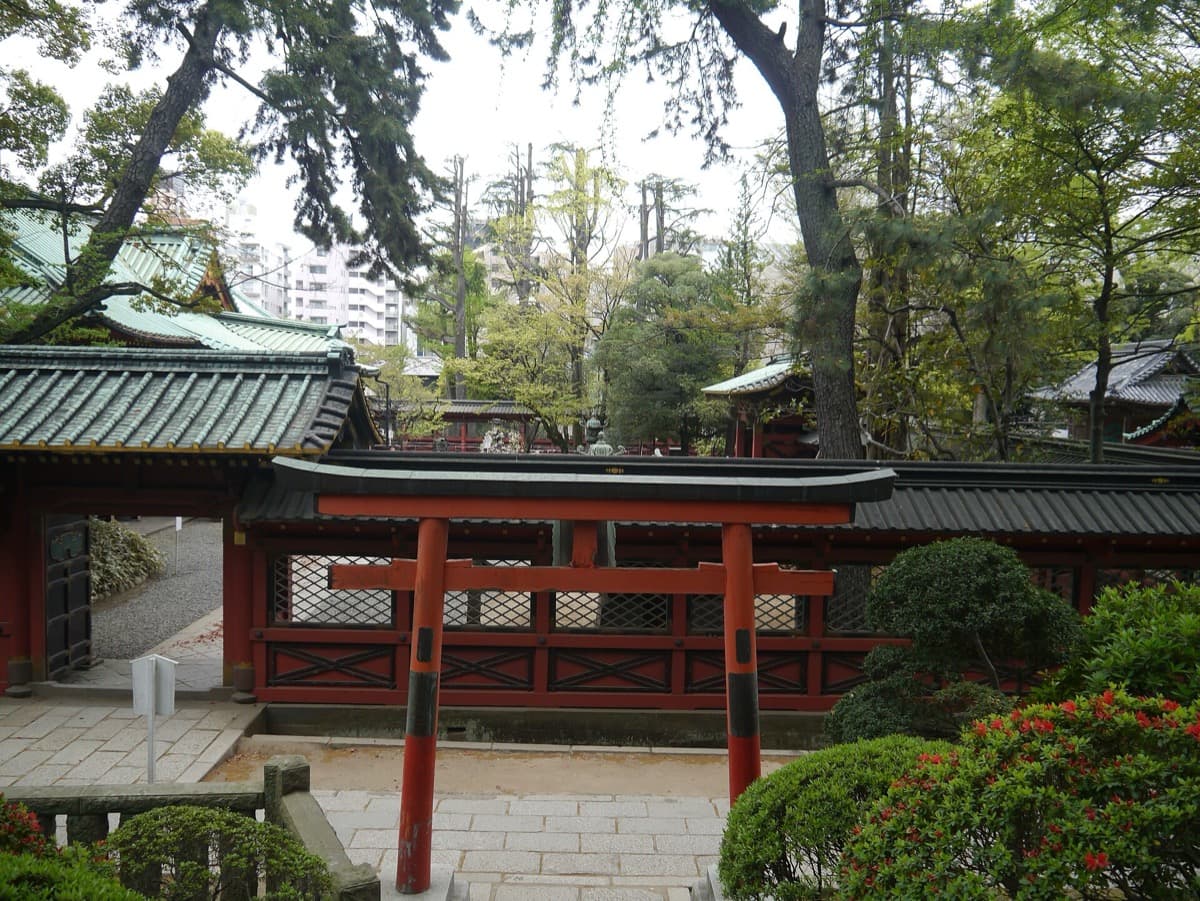
Nezu Shrine: The Buildings That Outlived the Shoguns
A grand Edo-period shrine whose seventeen-oh-six halls still stand as certified originals, long after the shoguns who built them vanished.
- 2
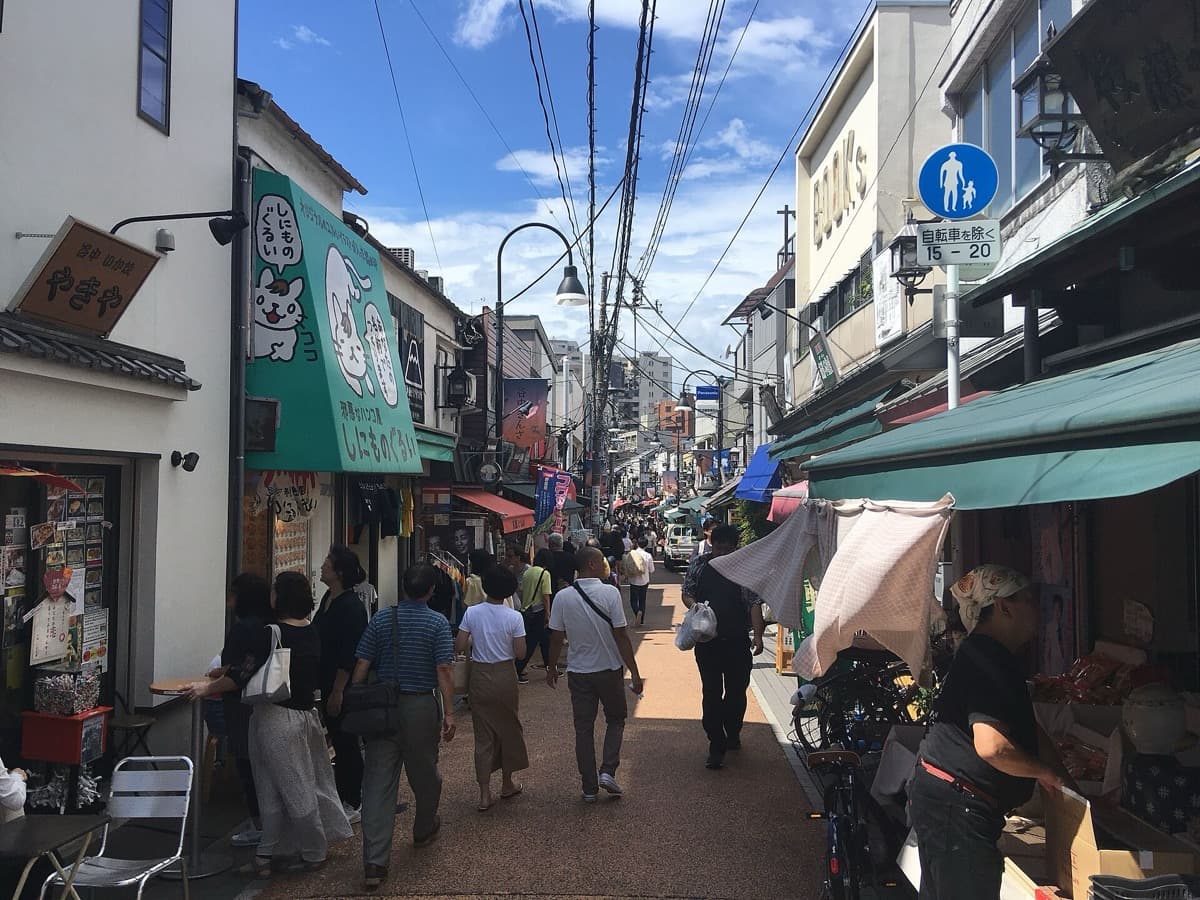
Yanaka Ginza and the Sunset Stairs: Where Ordinary Life Survived
A one-hundred-seventy-metre shopping street of Showa-era wooden shops, reached by the beloved sunset stairs, where everyday life is the rarest survival of all.
- 3
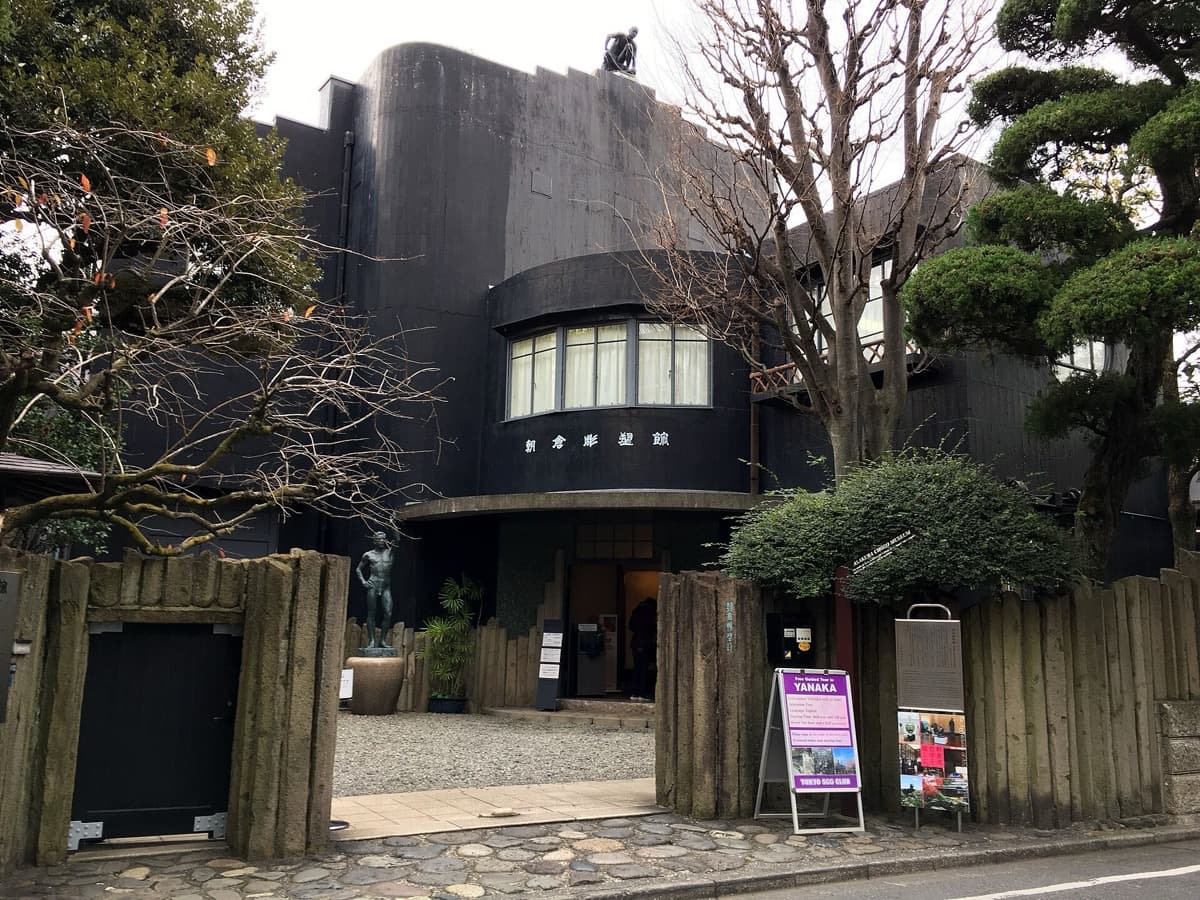
The Asakura Studio: A Self-Built Ark
The home and studio a leading sculptor designed and built for himself over seven years, deliberately fusing a concrete studio with a wooden house to last.
- 4
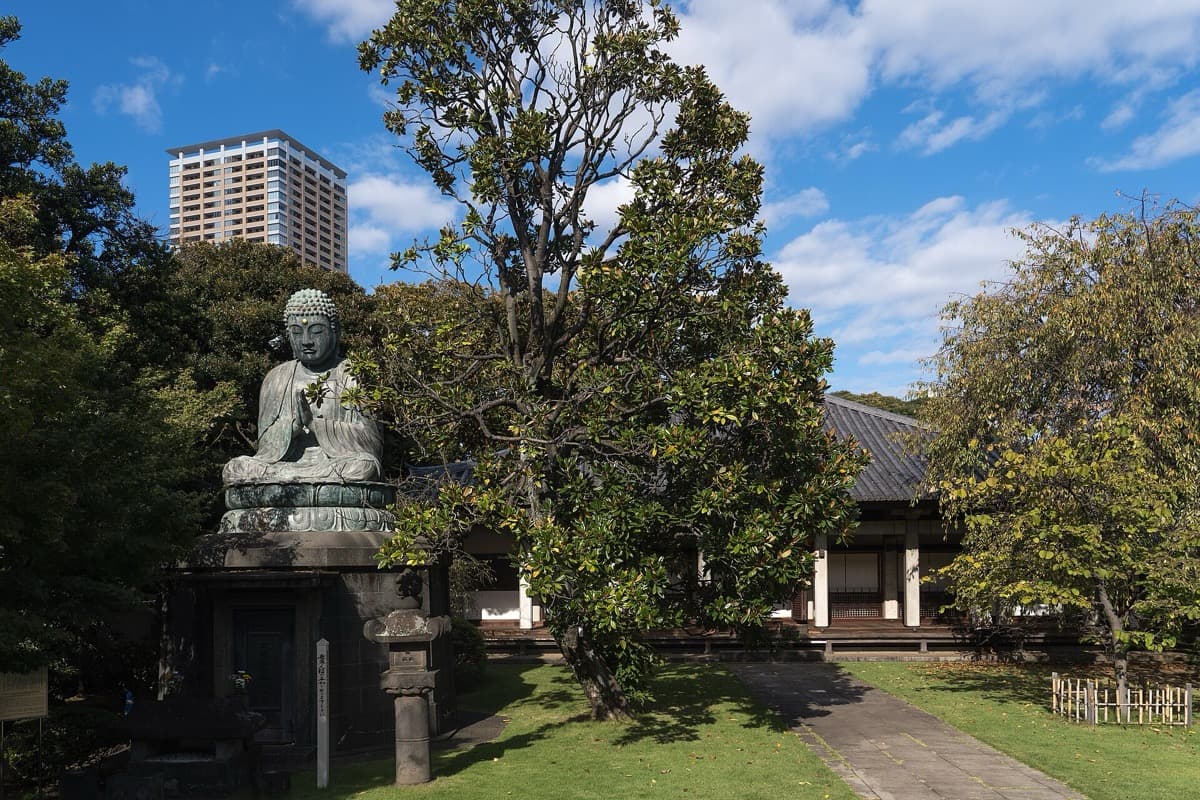
Tennoji: The Lottery Temple and Its Bronze Buddha
A temple forced to change religions to survive the shogunate, whose sixteen-ninety bronze Buddha and Edo lottery reveal the age's raw appetite for luck.
- 5
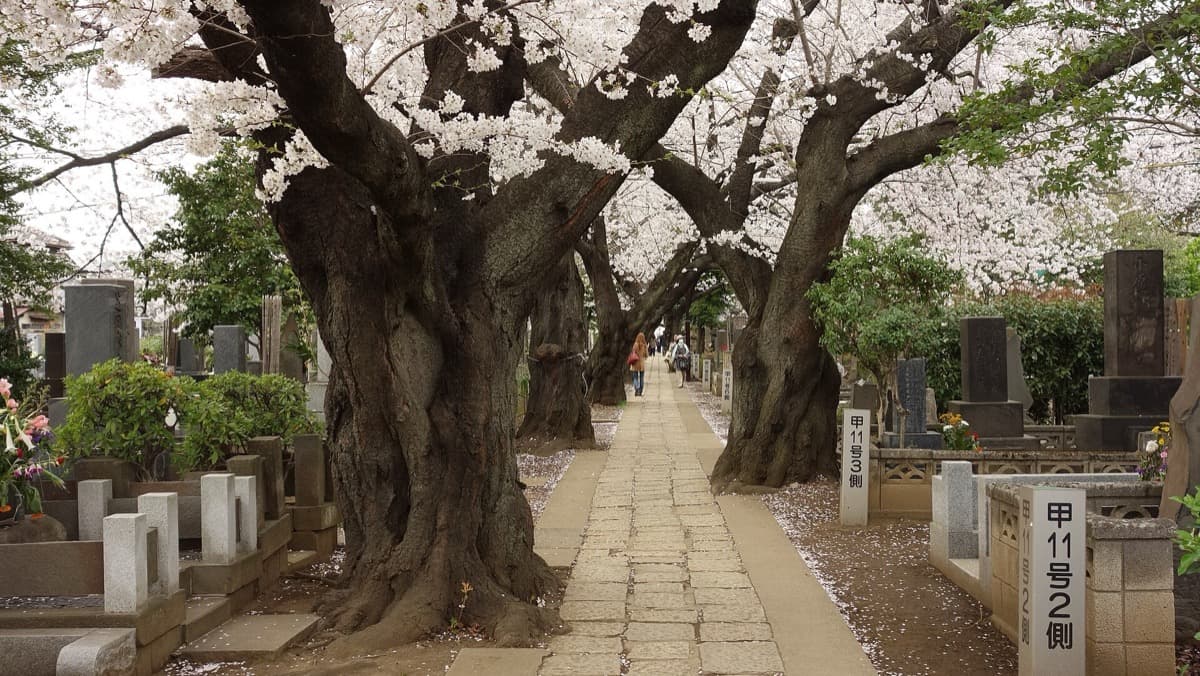
Yanaka Cemetery: Where the Last Shogun Lies
A cherry-lined public cemetery on former temple land where Tokugawa Yoshinobu, the fifteenth and last shogun, rests behind barred gates.
- 6
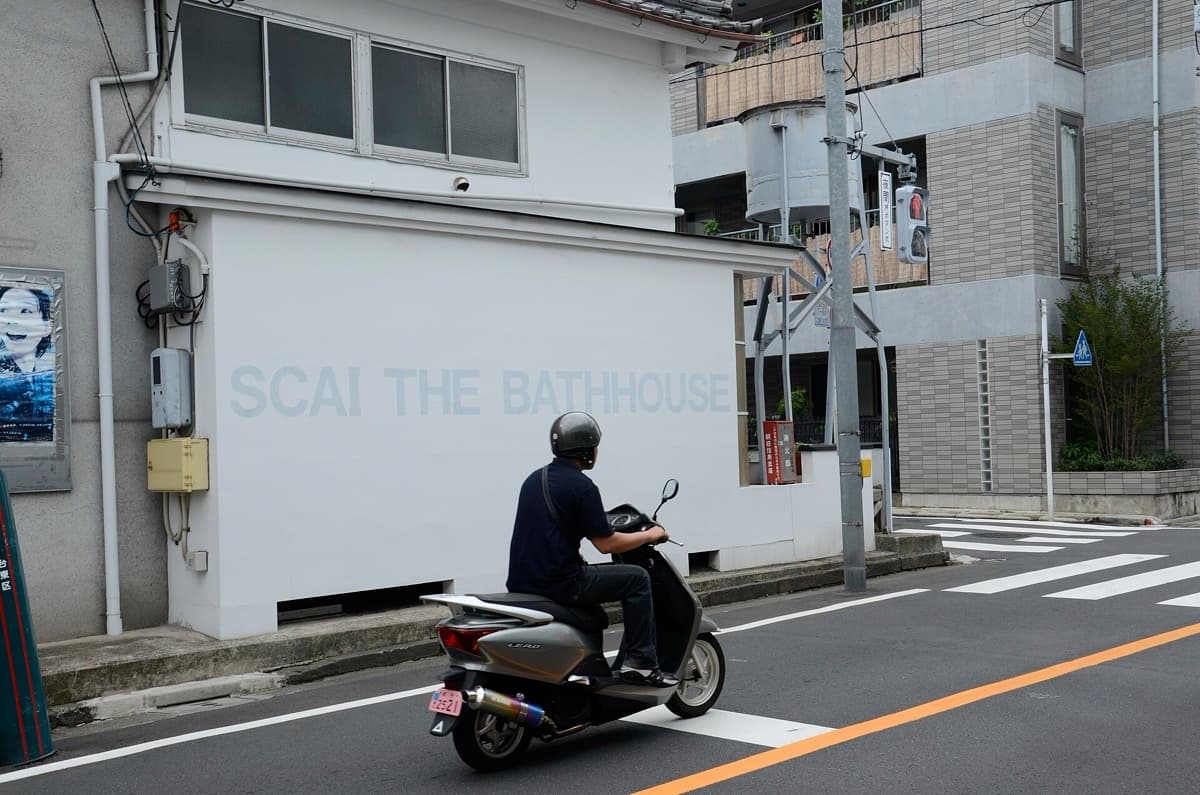
SCAI The Bathhouse: Survival as Reuse
A two-hundred-year-old public bathhouse gutted and reborn as a contemporary art gallery, preserving the shell by giving it a new job.
- 7
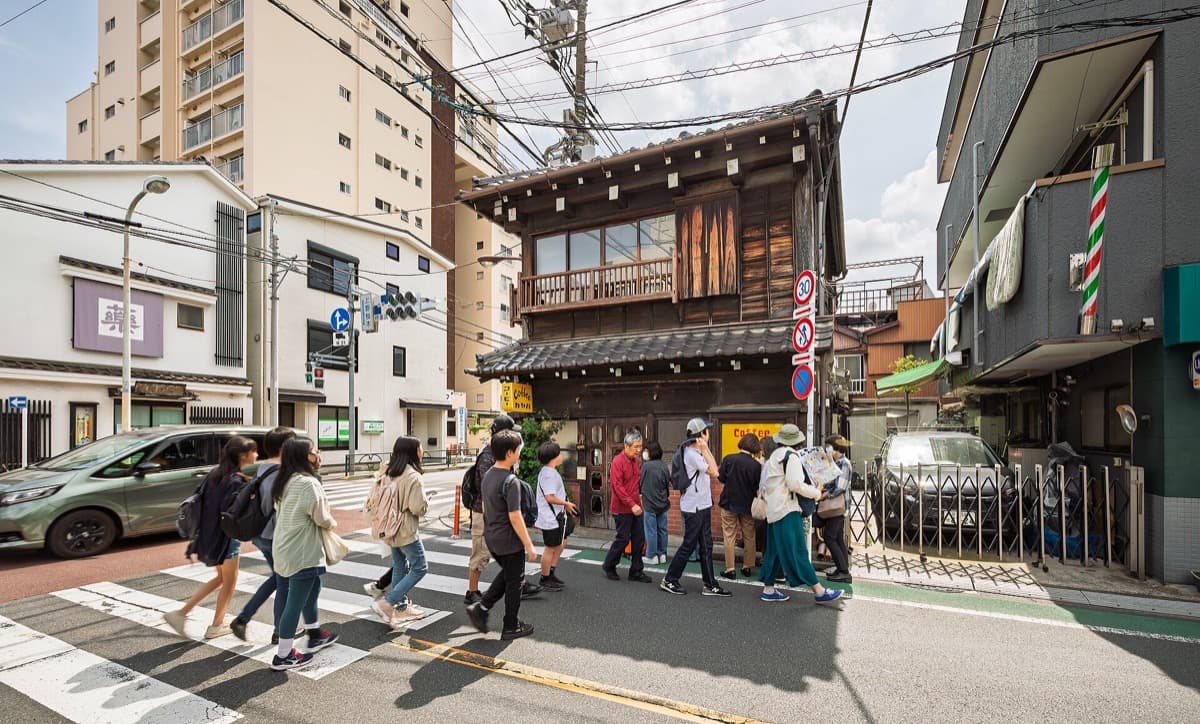
Kayaba Coffee: Survival Is a Verb
A nineteen-sixteen corner townhouse that has poured coffee since nineteen thirty-eight, closed after a death and revived, where preservation still means an open door.
Details
Best Time to Visit
Late afternoon, roughly three to five in the afternoon, is ideal: Yanaka Ginza's shops are open and the light glows down the Yuyake Dandan sunset stairs. Spring is the showpiece season, with cherry blossoms along the cemetery's Sakura-dori and azaleas at Nezu Shrine, though it draws crowds. Check closing days before you go: the Asakura Museum shuts on Mondays and Thursdays, and SCAI The Bathhouse opens only Tuesday to Saturday.
Pro Tips
- •Come mid-to-late afternoon so you reach the Yuyake Dandan stairs as the light turns gold and the shops of Yanaka Ginza are open.
- •Mind the closing days: the Asakura Museum is shut Mondays and Thursdays, and SCAI The Bathhouse is open only Tuesday through Saturday, roughly midday to six in the evening.
- •Carry a little cash. Small Yanaka shops and older cafes may not take cards, and the Asakura Museum charges about five hundred yen for entry.
- •At the Asakura Museum you remove your shoes, with socks required, and photography inside is not permitted, so plan around that.
- •Eat as you walk: croquettes, senbei crackers, and Kayaba's tamago sando are the local ritual, but finish any food before you step into shrine or temple grounds.
- •Load an IC card such as Suica or Pasmo for the trains; Nippori and Sendagi stations bookend the neighborhood.
Safety & Precautions
- •Tokyo summers are hot and very humid. Carry water, rest in the shade of the temple grounds, and pace yourself on the stairs and slopes.
- •Yanaka Cemetery is a working graveyard and Yanaka's lanes are people's homes. Keep your voice down, do not photograph residents or private doorways, and stay off private property.
- •At shrines and temples, bow lightly at the gates, avoid walking down the center of the path, and stay quiet and still near the Buddha and altars.
- •On trains, keep phone calls silent and voices low, queue on the platform markings, and let passengers off before you board; this etiquette is taken seriously in Tokyo.
Travel advisory: Exercise Normal Precautions (Level 1).
Gallery
Related Reading
Go deeper on what you'll see, hear, and walk through.
Overview
Best Self-Guided Walking Tours in Tokyo (2026)
4 min
Overview
One Day in Tokyo: A Walkable Itinerary Across Three Faces (2026)
5 min
Overview
Tokyo Travel Guide: How Many Days, Getting Around, When to Go (2026)
4 min
Thematic
What to Eat in Tokyo: A Food Guide (2026)
4 min
Deep dive
Kayaba Coffee: How a 1916 Townhouse Made Survival a Verb in Yanaka
6 min
Read the walk
The full story of Yanaka: The Surviving Low City, in words. Prefer to listen? Play it narrated, from home or on location.
Introduction
Yanaka sits on a ridge in the northeast of Tokyo, the capital of Japan, and it is one of the few corners of this city that can honestly call itself old. Most of Tokyo cannot. The pre-war city was destroyed twice inside living memory: first by the Great Kanto earthquake of September first, nineteen twenty-three, and again by the American firebombing of nineteen forty-five, whose raid on the night of March tenth was the deadliest. Between them they flattened almost everything wooden and low. Yanaka, up on its high ground and packed with temple firebreaks, was largely spared both. The wooden houses and temple gates you are about to pass are not reproductions. They are the actual survivors. Over the next seven stops you will trace how this neighborhood kept going. You will stand before a shrine whose buildings outlived the shoguns who raised them, walk a shopping street where ordinary life simply never stopped, step into a sculptor's self-built home, meet a bronze Buddha cast for a lottery, find the grave of the last shogun, and end at a two-hundred-year-old bathhouse and a coffee house that both refused to close. The full walk runs roughly two and a half kilometres and takes about two and a half hours, or roughly one hundred fifty minutes, at an easy pace. Every stop stands on its own, so linger where you like and skip what you do not. Move at your own speed. This is your afternoon. When you arrive at Nezu Shrine, begin with stop one.
1. Nezu Shrine: The Buildings That Outlived the Shoguns
You are standing in the precincts of Nezu Shrine, one of the oldest shrines in Tokyo, and the buildings around you are the whole point. The major structures here, the two-story romon gate, the honden or main hall, the karamon gate, and the curving sukibei walls, were completed in seventeen-oh-six. The shrine was moved to this spot in Nezu one year earlier, in seventeen-oh-five, by Tokugawa Tsunayoshi, the fifth Tokugawa shogun. He built it in the ornate gongen style that echoes the great mausoleum at Nikko, all deep eaves and painted joinery. Here is what matters. The honden, the haiden, and the heiden are each designated Important Cultural Properties. That is not decoration. It is the documentary proof that these are original Edo-period buildings, not later copies. And that proof is remarkable, because the city around them was erased twice, by the earthquake of nineteen twenty-three and the firebombing of nineteen forty-five. The shoguns who commissioned this shrine are long gone. Their government is gone. Their whole world is gone. The buildings are still here. If you have time, follow the tunnel of small vermilion torii gates up the Otome Inari path along the hillside. The gates crowd so close they turn the climb into a corridor of red. In spring the slope below fills with the shrine's azaleas, roughly three thousand plants, and only then does a small fee apply to enter that garden. The shrine itself is free. Stand a moment and let the age be literal rather than decorative. This is not old-fashioned. It is genuinely, three-hundred-year, still-standing old.
2. Yanaka Ginza and the Sunset Stairs: Where Ordinary Life Survived
From the top of these stairs, the whole of Yanaka Ginza opens below you. This staircase is the Yuyake Dandan, the sunset stairs, thirty-six steps dropping about four point four metres down to the shopping street. The name was chosen by locals in a naming contest in nineteen ninety, when the steps were renovated, and it fits: late afternoon light pools right down this slope. The street itself runs only about one hundred seventy metres, lined with roughly sixty small family-run shops in low wooden buildings from the Showa era. Croquette stalls, pickle sellers, senbei crackers, cat-shaped everything. It is nicknamed a cat town, and if you look up at the awnings and rooftops you can hunt for seven hand-carved wooden cats hidden along the street. It looks charming, and it is. But hold on to what charming means here. Every other low-city shopping street like this one was wooden, and wooden Tokyo burned. The earthquake of nineteen twenty-three and the firebombing of nineteen forty-five together took almost all of it. This street survived the war. So the rarest thing in front of you is not a temple or a monument. It is ordinary life, uninterrupted. The people selling croquettes are standing where earlier generations stood, in buildings those generations actually used. That continuity is the survival at its quietest. No plaque marks it. The shopkeepers who kept these doors open did not preserve the street on purpose. They just kept working, and by working they kept it. Come in the late afternoon, around three to five, when the shops are open and the light does what the stairs were named for.
3. The Asakura Studio: A Self-Built Ark
You are standing before the Asakura Museum of Sculpture, once the home and studio of Fumio Asakura, born in eighteen eighty-three and died in nineteen sixty-four. He is often called the father of modern Japanese sculpture, and sometimes the Rodin of Japan, and in nineteen forty-eight he received the Order of Culture, one of Japan's highest honors for artists. Look at the building, because he designed it himself. He built it over seven years, from nineteen twenty-eight to nineteen thirty-five, and it is deliberately two buildings fused into one. The tall black wing is reinforced concrete, a Western sculptor's studio with lofty ceilings and skylights, engineered to last. Wrapped against it is a traditional Japanese wooden residence arranged around a central courtyard pool. On the roof he made a garden, which his students tended. This is the survival thesis made personal. Everywhere else on this walk, buildings survived by luck, by sitting on high ground the fires missed. Here one man decided, on purpose, to build something permanent by hand. He poured concrete against a city that kept burning down and said, this will remain. It did. The building was registered as a Tangible Cultural Property in two thousand one, and the courtyard and rooftop garden were named a national Place of Scenic Beauty in two thousand eight. It opened to the public as a museum in nineteen sixty-seven, after his death. A few practical notes if you go in. Admission is about five hundred yen. You take your shoes off, socks required, and photography inside is not allowed. It closes on Mondays and Thursdays. Inside, the water, the light, and the quiet are the whole experience.
4. Tennoji: The Lottery Temple and Its Bronze Buddha
You are standing in the grounds of Tennoji, and the seated bronze figure here has a longer memory than almost anything else in Yanaka. This Great Buddha, the Tennoji Daibutsu, was cast in sixteen ninety, modeled on the famous Great Buddha of Kamakura. It has sat through…
Full narration for this stop unlocks with the tour.
5. Yanaka Cemetery: Where the Last Shogun Lies
You are walking into Yanaka Cemetery, and its main avenue tells you where you are. This central path, Sakura-dori, is lined with roughly one hundred seventy cherry trees, and in spring it becomes one of the loveliest blossom tunnels in the city. The avenue is not new. It was the…
Full narration for this stop unlocks with the tour.
6. SCAI The Bathhouse: Survival as Reuse
You are standing in front of SCAI The Bathhouse, and everything about the outside says neighborhood sento. The tiled roof, the tall brick chimney, the modest shitamachi face. This building really was a public bathhouse, the Kashiwayu, and it is roughly two hundred years old,…
Full narration for this stop unlocks with the tour.
7. Kayaba Coffee: Survival Is a Verb
You end the walk at a street corner, in front of Kayaba Coffee, and it is the perfect last word. This wooden machiya, a traditional townhouse, dates to nineteen sixteen. It began as a milk hall and sweets shop, and it has poured coffee as the Kayaba kissaten since nineteen…
Full narration for this stop unlocks with the tour.