Yanaka: The Surviving Low City
85 min · 2.5 km · easy
Tokyo food is Edo food grown up. This city invented or perfected the dishes the world now thinks of as quintessentially Japanese, back when it was called Edo and its bay teemed with fish. Nigiri sushi began here as fast food. Tempura was an Edo street snack. Tokyo-style shoyu ramen became the prototype for the bowls that spread across Japan. And the city holds two truths at once: it is the pinnacle of refinement, with more Michelin stars than any city on earth, and a town of loud, cheap, gloriously good everyday food. This guide covers the dishes worth seeking out and where the food culture actually lives, and it pairs naturally with a slow walk on one of our Tokyo self-guided tours.
The dishes to seek out
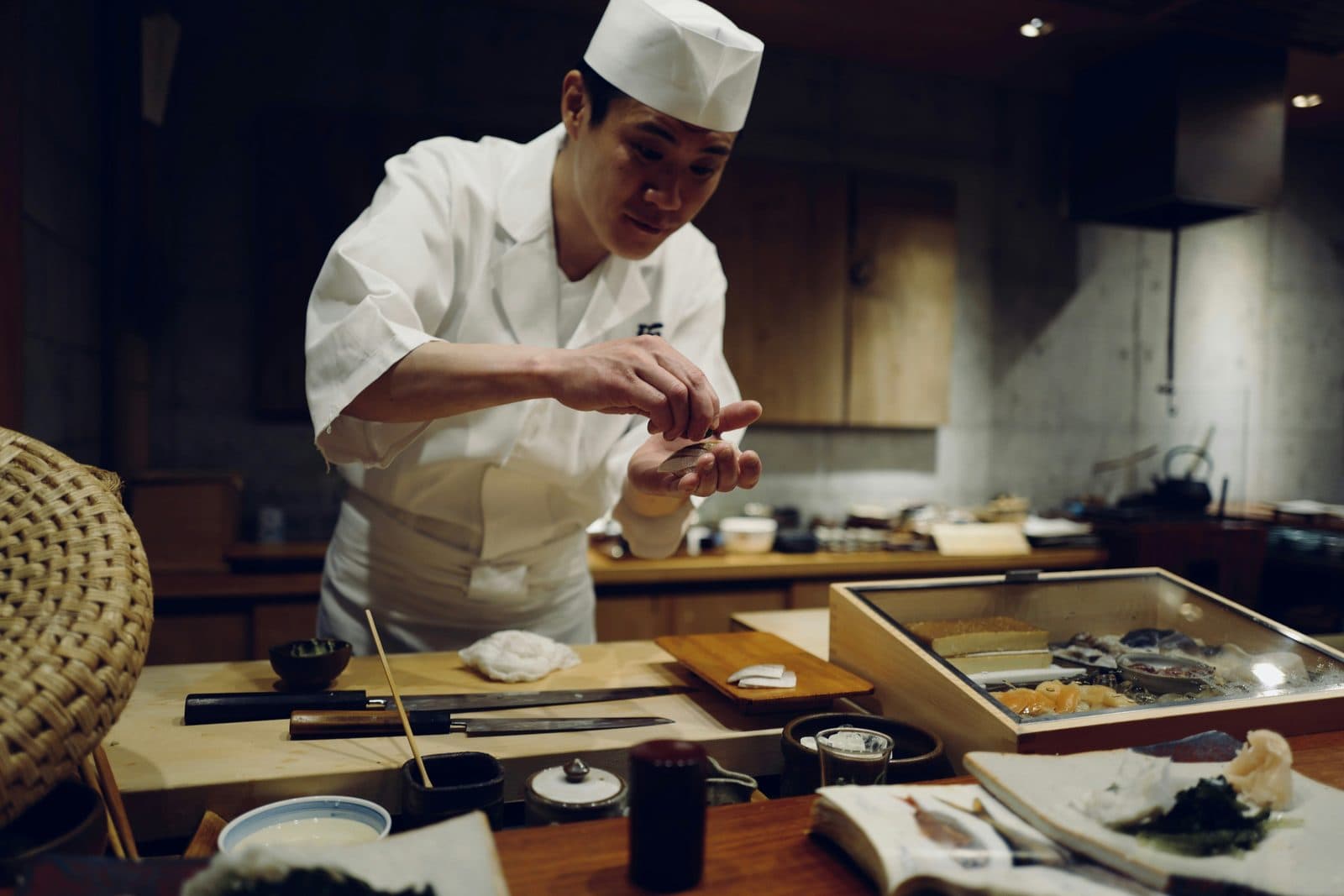
Edomae sushi. The city's signature. "Edomae" means "in front of Edo," Tokyo's old name, and it refers to sushi made with fish that historically came from the bay right in front of the city. It began in the early 1800s as quick, hand-pressed street food and became the direct ancestor of the nigiri served worldwide. Eat it across the whole range here, from standing bars and conveyor-belt shops to reservation-only counters.
Tempura. Light, crisp, battered seafood and vegetables, one of the old "Edo delicacies" that began as street food and was refined into high cuisine. At its best it arrives piece by piece from behind a counter, fried to order.
Tokyo ramen. The city's classic bowl is a clear, soy-flavoured (shoyu) broth with springy wavy noodles, the original ramen style that influenced regional variations across the country. Ramen is everywhere, and neighborhoods like Shinjuku and Shibuya are thick with celebrated shops.
Monjayaki. A hyper-local Tokyo specialty and the low city's answer to Osaka's okonomiyaki: a runny, savoury batter cooked on a tabletop iron griddle and eaten straight off it with a small metal spatula. Its home is Tsukishima, whose "Monja Street" is lined with shops that do little else.
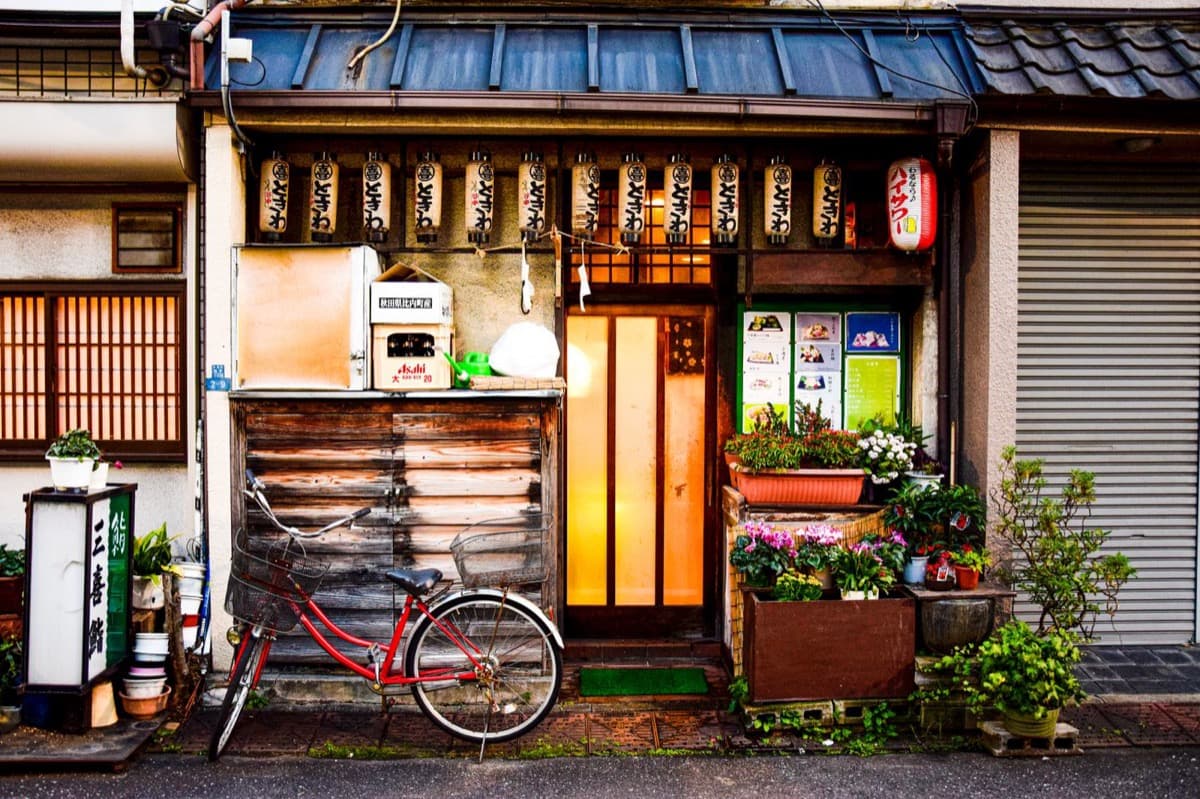
Izakaya small plates. Not a single dish but a way of eating: the Japanese pub, where you order round after round of small plates, grilled skewers (yakitori), sashimi, and fried snacks alongside beer, sake, or highballs. It is the most sociable, flexible, and often affordable way to spend a Tokyo evening.
Where the food culture lives
Hear a stop from this walk
Yanaka Cemetery: Where the Last Shogun Lies
Tsukiji Outer Market. When the famous wholesale fish market moved to Toyosu in 2018, the surrounding retail streets stayed put. The Tsukiji Outer Market remains one of the best places in the city for a morning of fresh sushi, grilled seafood, tamagoyaki, and street snacks, wandered stall by stall.
Toyosu Market. The new home of the wholesale trade and the early-morning tuna auction. Visitors watch from dedicated observation windows above the floor, an early start but a genuine spectacle, and the market's own restaurants serve some of the freshest breakfasts in Tokyo.
Tsukishima, for monjayaki. A short hop from the center, this is where the dish was born and where a whole street is devoted to it. Cooking your own monja on the tabletop griddle is as much activity as meal.
The depachika, for everything. The basement food halls under department stores like Isetan, Mitsukoshi, and Takashimaya are among the best food-shopping destinations in the world: prepared dishes, bento, pastries, and delicate wagashi sweets, often with samples, and frequently discounted in the last hour before closing. A brilliant, low-stress way to assemble a meal.
Asakusa, for old Edo snacks. The stalls of Nakamise-dori and the streets around Senso-ji sell senbei crackers, ningyo-yaki cakes, melon pan, and tempura, the enduring street food of the low city. Walk the Asakusa tour and it doubles as a grazing route. For the neighborhood's old shopping-street snacking, the Yanaka tour runs past croquette and skewer stands on Yanaka Ginza.
Eat as you walk
The best way to work through this list is on foot, one district at a time. Pair a morning at Tsukiji or Asakusa with street snacks, an afternoon in the old low city with a coffee and a croquette, and an evening in an izakaya strip with small plates and a drink. Route your day with the one day in Tokyo itinerary, plan the practical side with the Tokyo travel guide, and browse all Tokyo tours. Every tour is free to start: the introduction and first stop play in full, and every later stop plays a short preview before an optional purchase.
Frequently asked questions
- What food is Tokyo known for?
- Tokyo is known for the dishes it invented or perfected as Edo, the old name for the city. The headline foods are Edomae sushi (nigiri that began as fast food beside Tokyo Bay), tempura (light battered seafood and vegetables, an Edo street-food classic), Tokyo-style shoyu ramen (a clear soy-based broth that became the prototype for other regional styles), and monjayaki (a runny griddle pancake that is a hyper-local Tokyo specialty). Tokyo is also home to izakaya pub dining and, at the top end, more Michelin-starred restaurants than any other city.
- What is Edomae sushi?
- Edomae means "in front of Edo," the old name for Tokyo, and it refers to sushi made in the Tokyo style with fish that historically came from the bay right in front of the city. It began in the early 1800s as a quick, hand-pressed street food, and it is the direct ancestor of the nigiri served worldwide today. In Tokyo you can eat it across the whole range, from standing sushi bars and conveyor-belt shops to reservation-only counters.
- Where should you eat in Tokyo?
- For fresh seafood and sushi breakfasts, the Tsukiji Outer Market, where the retail stalls and restaurants stayed open after the wholesale market moved to Toyosu in 2018. For the tuna auction and market spectacle, Toyosu Market. For ramen, districts like Shinjuku and Shibuya. For monjayaki, Tsukishima and its Monja Street. For an evening of small plates and drinks, any izakaya-dense strip. And for astonishing prepared food, the depachika basement halls under department stores.
- What is a depachika?
- A depachika is the basement food floor of a Japanese department store, and Tokyo has some of the best in the world under stores like Isetan, Mitsukoshi, and Takashimaya. They are vast, gleaming halls of prepared foods, bento boxes, pastries, wagashi sweets, and premium ingredients, often with free samples. They are a great, low-stress way to assemble a meal or a picnic, and prepared items are frequently discounted in the last hour before closing.
Ready to experience it?
Yanaka: The Surviving Low City
85 min · 2.5 km · easy
More from Tokyo
Explore more at your own pace.
One Day in Tokyo: A Walkable Itinerary Across Three Faces (2026)
Tokyo Travel Guide: How Many Days, Getting Around, When to Go (2026)
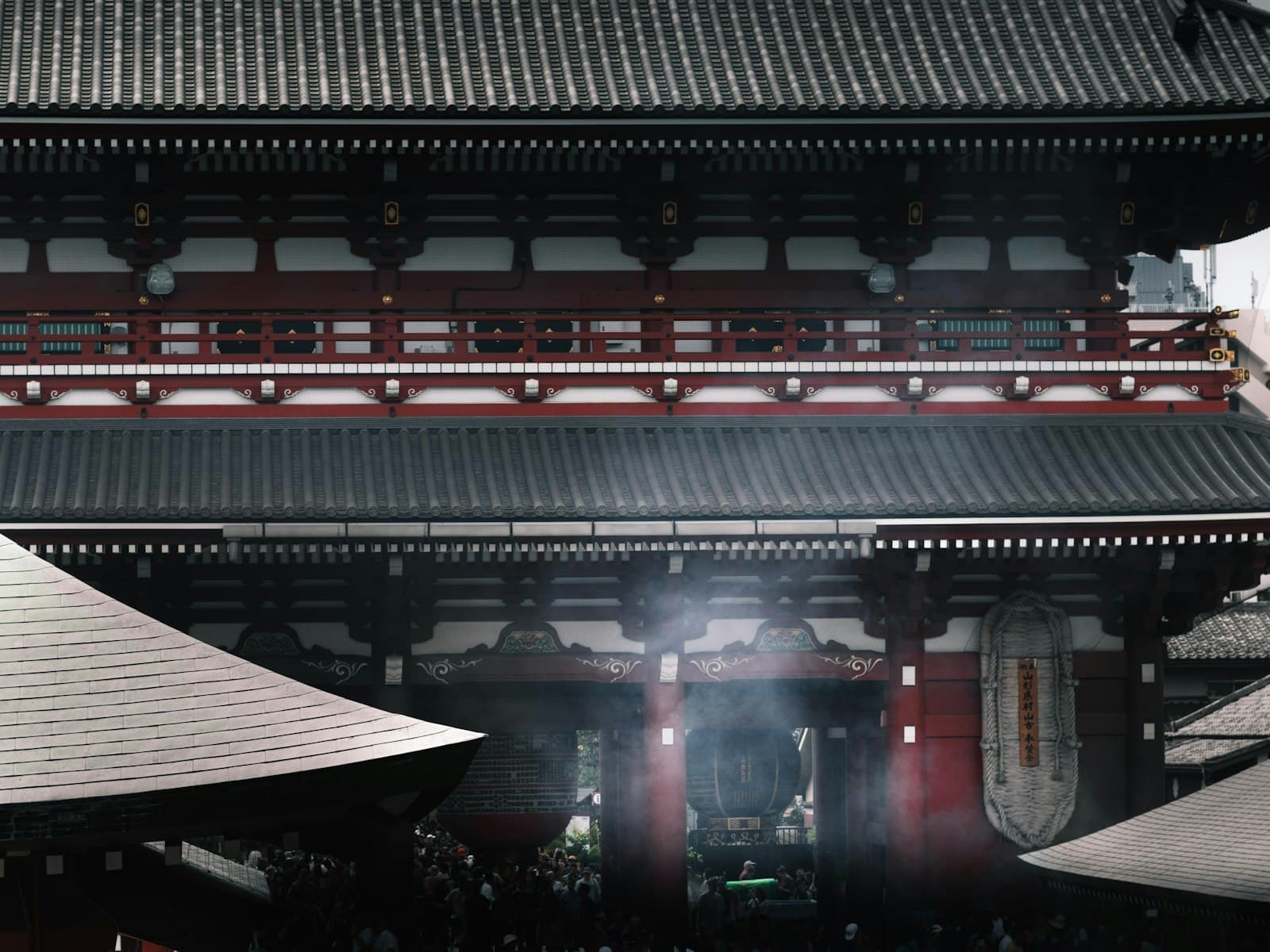
The Low City and the High City: How to Read Tokyo Like an Edo Map
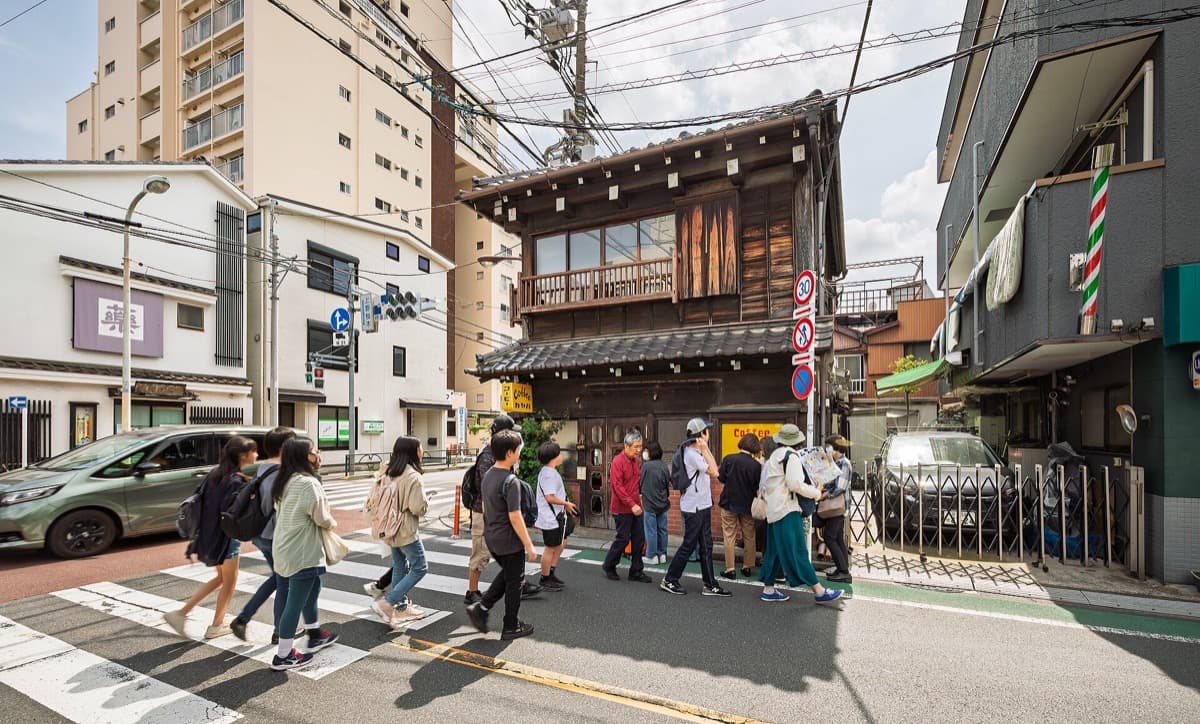
Kayaba Coffee: How a 1916 Townhouse Made Survival a Verb in Yanaka
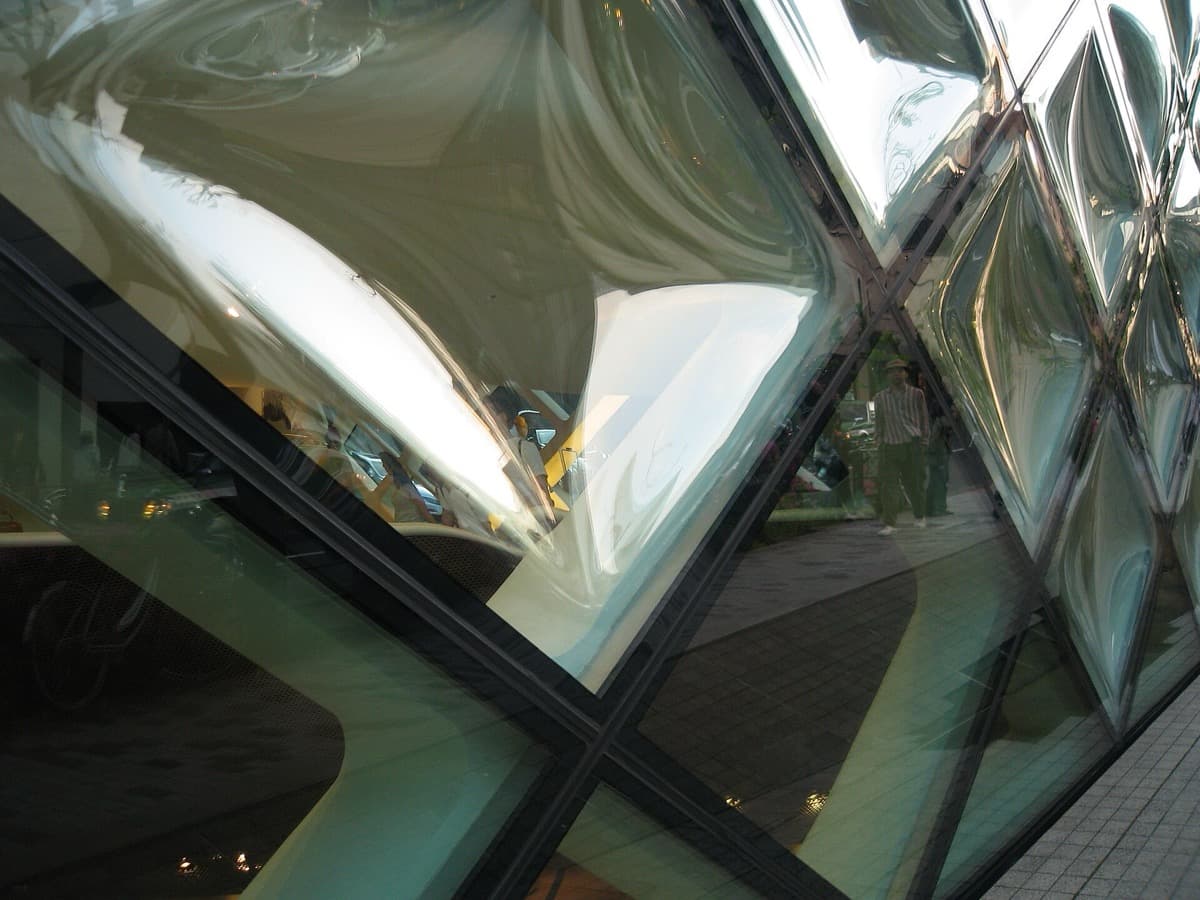
Prada Aoyama: The Tokyo Glass Tower Where the Skin Is the Structure