Triana: Where Flamenco Was Born is a culture walk of seven stops, about 2 km, roughly 100 minutes. It crosses the Guadalquivir to Seville's west bank and makes a hard claim: flamenco did not float in from the mountains. It was forged in this one neighborhood, out of four centuries of displaced peoples living on top of each other, and the tour walks the human ledger that produced it.
The bridgehead and the people who crossed it
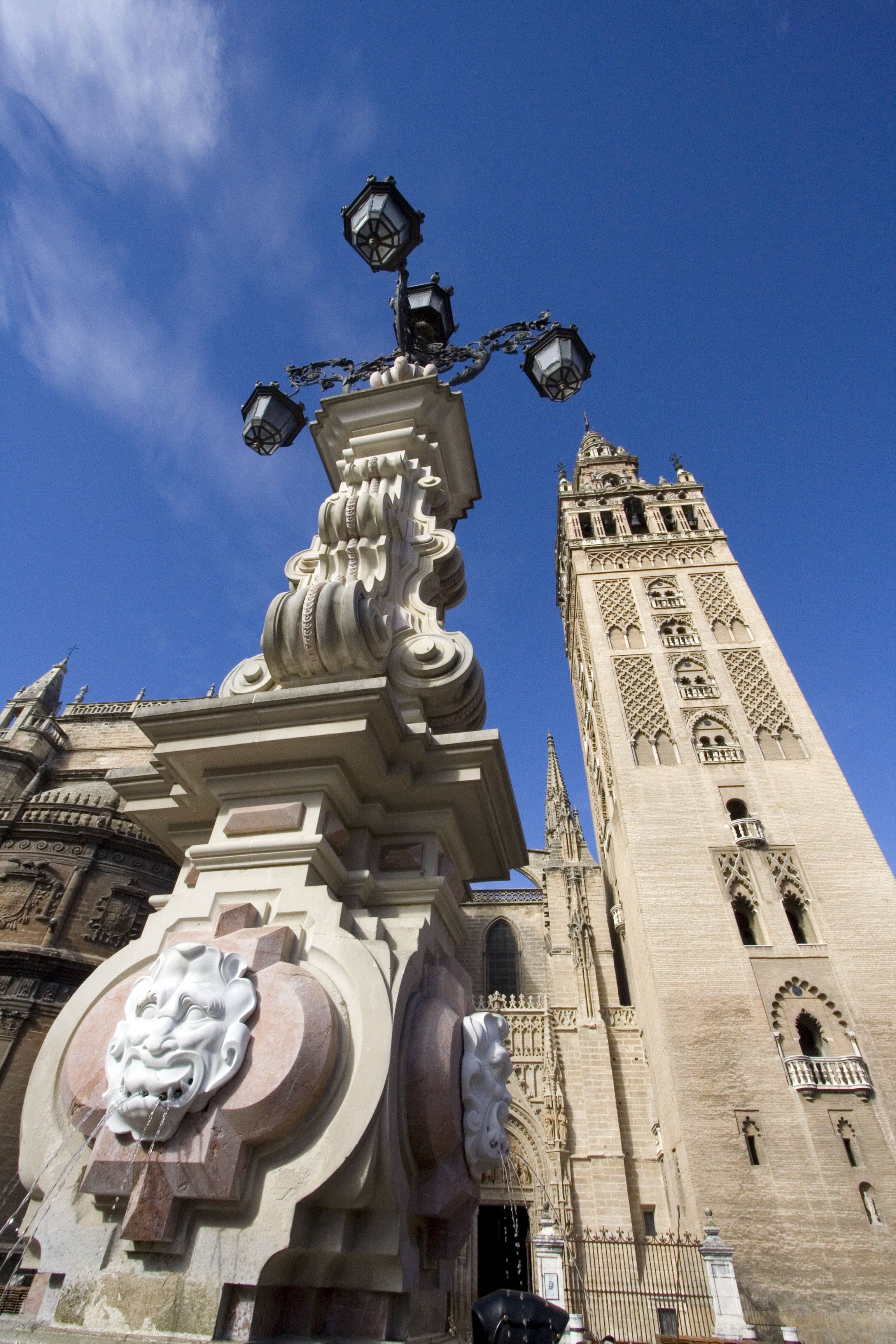
The tour opens at Plaza del Altozano, the historical entry point from the river. The Almohad pontoon bridge, a string of boats lashed across the Guadalquivir, was built here in 1171 and lasted almost seven centuries before the iron Puente de Isabel II replaced it between 1845 and 1852, the oldest preserved iron bridge in Spain. But the anchor of the stop is not the bridge. It is who crossed it. Every displaced population the crown pushed to the margins ended up on this bank. Triana was the industrial west side, the counterweight to the crown machinery on the far bank, where the archive, the cathedral and the royal palace stand within about a hundred metres of each other. That other Seville is the subject of our Cathedral, Giralda and Alcazar: Nobody Here Started From Nothing walk.
The market on top of the Inquisition
Hear a stop from this walk
Centro Cerámica Triana: The Pottery District Where the Cante Families Sang
The next reveal is literal. Under the Mercado de Triana, where visitors buy jamón and seafood, lie the ruins of the Castillo de San Jorge, the seat of the Spanish Inquisition's first tribunal. The Tribunal del Santo Oficio occupied the castle from 1481 to 1626, withdrew when floods damaged the building, returned in 1639, and stayed until 1785. The market you shop in sits directly on the machinery of surveillance that pressed on Triana's converso and morisco households for three centuries.
Where the cante crystallized
The tour's emotional climax is Calle Pagés del Corro, the street historically called La Cava, the Cava de los Gitanos: the spine of the Romani settlement whose 1753 brotherhood was the first Romani religious institution in the world. That community was displaced in the late 1950s in evictions coordinated by police, military, and firefighters, and rehoused in Polígono Sur. A commemorative plaque was installed in 2015 by Romani organisations. The tour does not let that erasure pass unmarked.
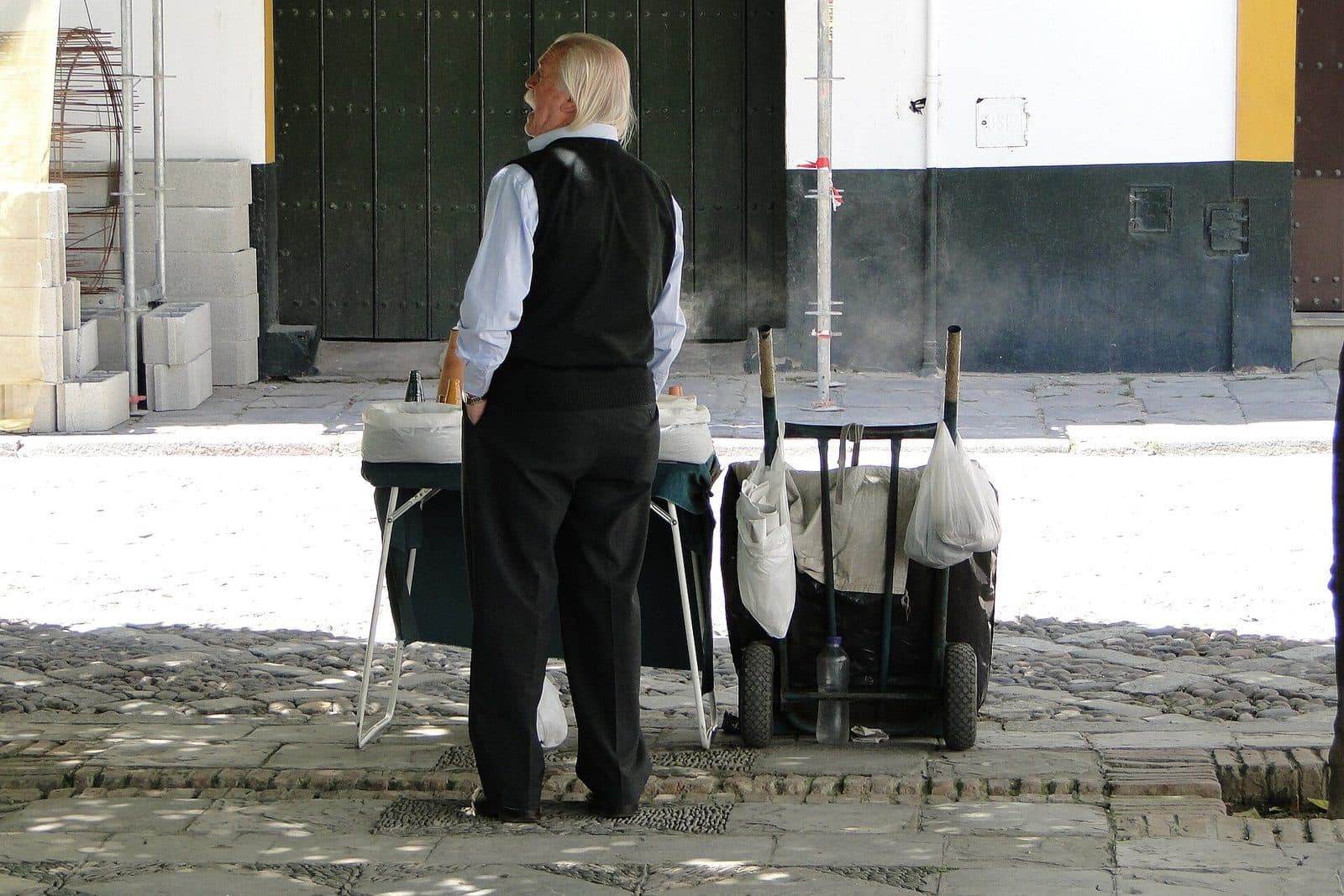
The route ends at the Centro Cerámica Triana, in the El Zurraque pottery district. Triana ceramics are documented from the Almohad twelfth century, and it was here, among the kilns, that the soleá crystallized in the 1840s. Per José Manuel Gamboa's history of flamenco, the soleares alfareras, the potters' soleares, were sung in this quarter by María Amaya Heredia, known as La Andonda, whose dates are 1831 to 1891. Tradition credits her with the creation of the soleá itself. The full story of that quarter is in our POI piece on El Zurraque, where the soleá crystallized.
How to walk it
Cross the Isabel II bridge and start at Altozano. The route is flat and easy, best in the late afternoon when Triana wakes up, and free to start in the Roamer app, where the introduction and first stop play in full and every later stop plays a short preview. Afterward, stay for dinner: our guide to tapas in Triana explains why the neighborhood's food carries the same history as its music. And if you are weighing routes, our best walking tours in Seville guide compares all three.
Ready to experience it?
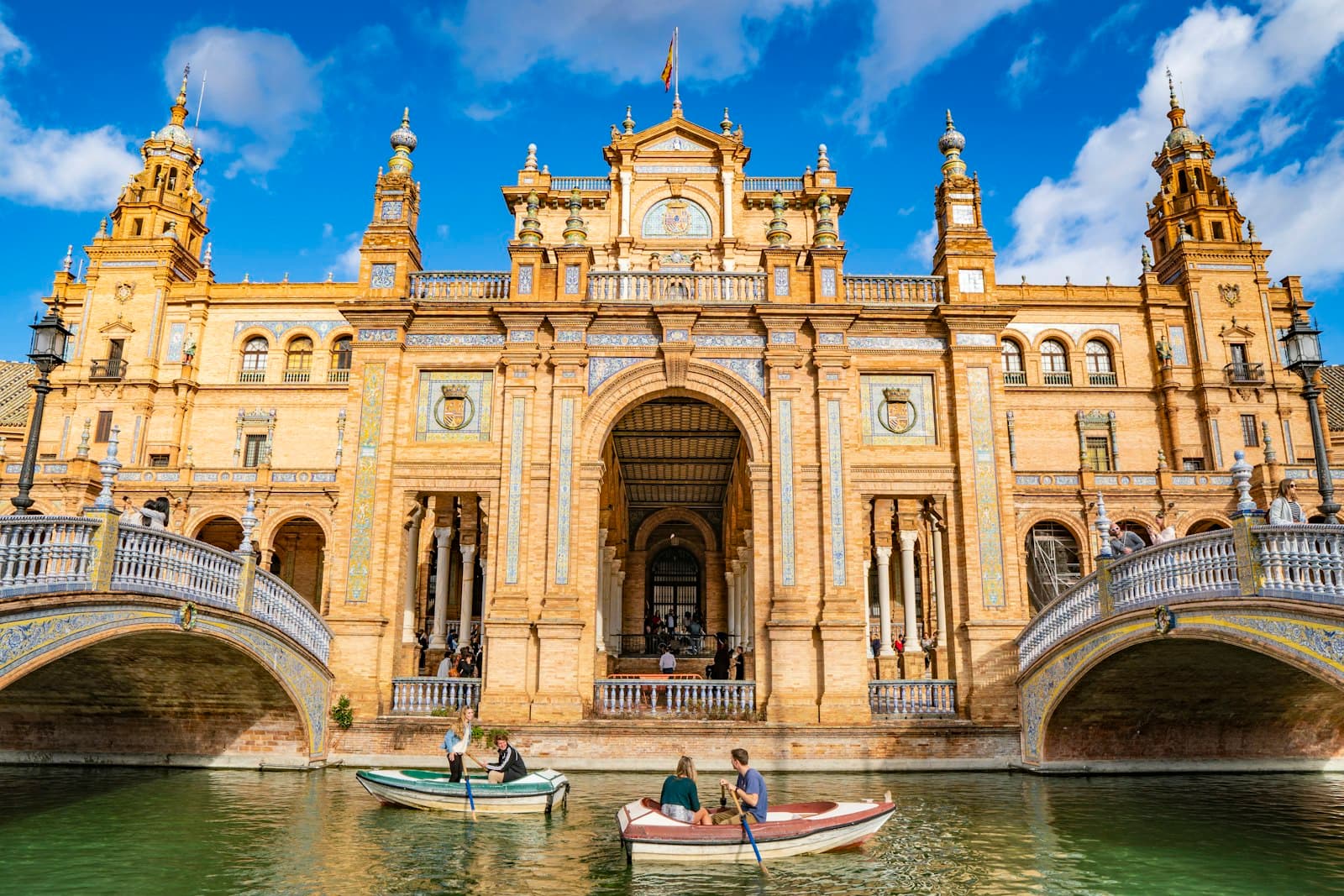
Triana: Where Flamenco Was Born
100 min · 2 km · easy
More from Seville
Explore more at your own pace.
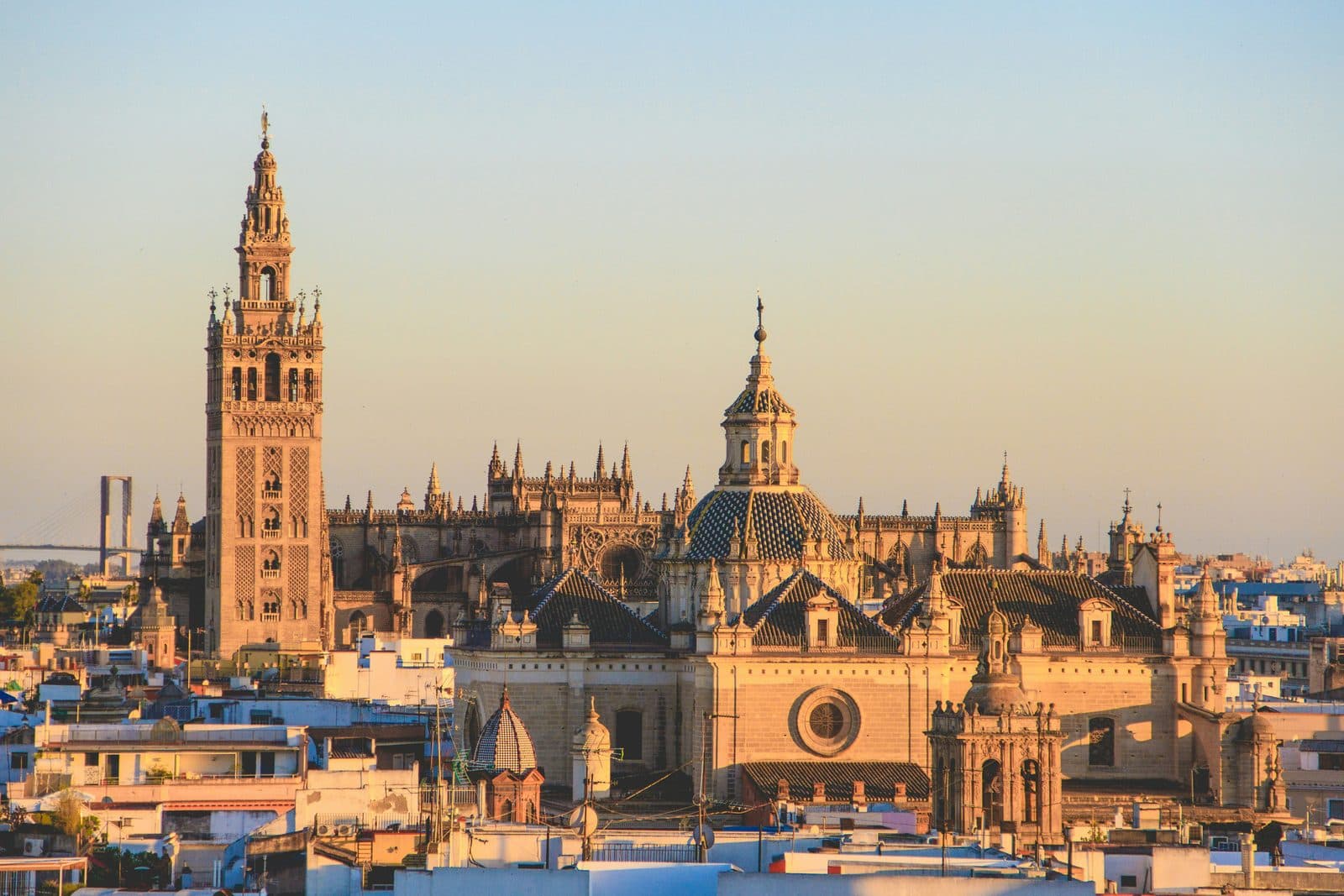
One Day in Seville: A Walkable Old-Town and Triana Itinerary (2026)
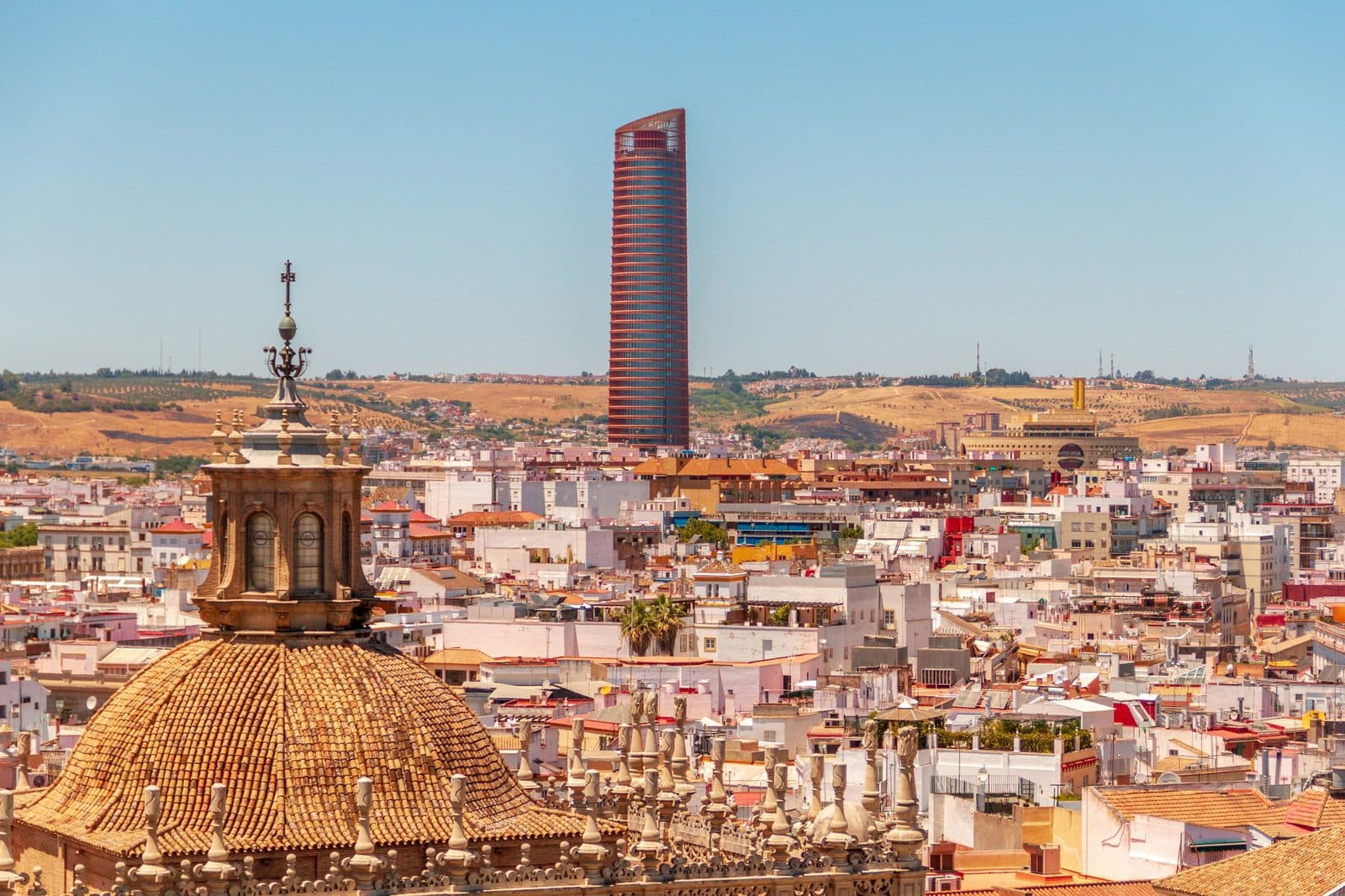
The Port That Monopolized the New World: How Seville Ran an Empire From One River Bend
Nobody Here Started From Nothing: A Companion to Seville's Cathedral, Giralda and Alcázar
The Casa de Contratación Was Never in This Building
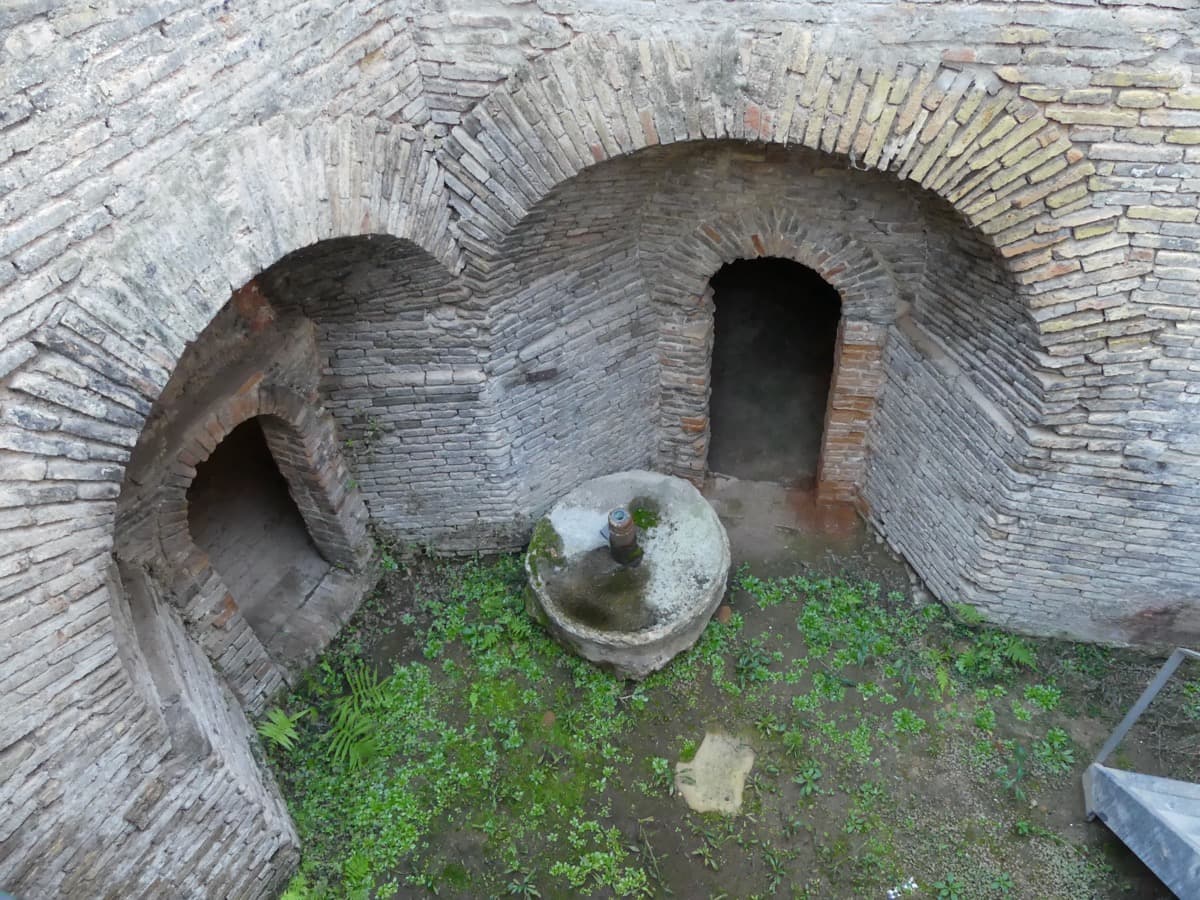
El Zurraque: The Pottery Quarter Where the Soleá Was Born