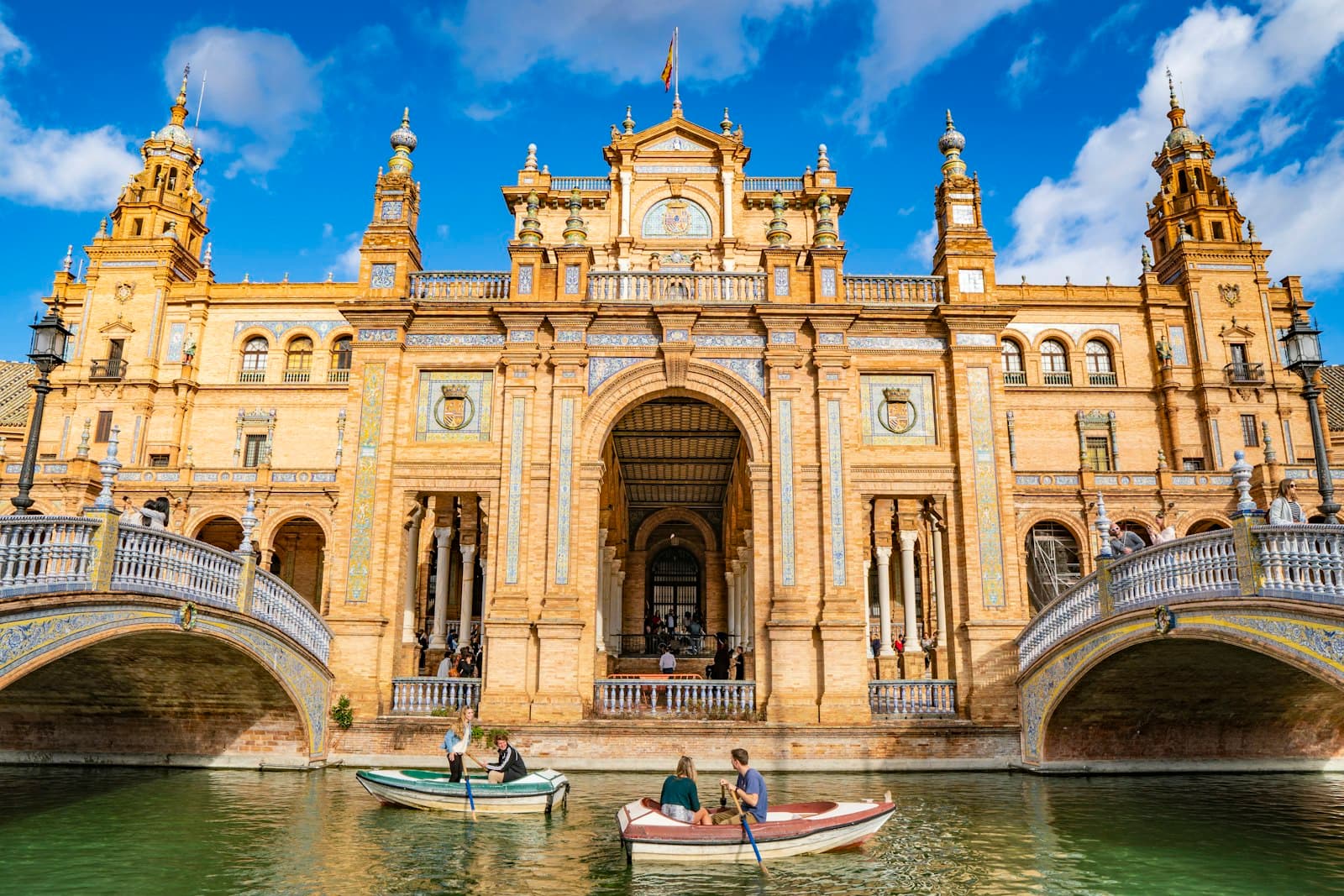
One west-bank neighborhood, four centuries, three displaced peoples. Conversos surveilled by an Inquisition castle from fourteen eighty-one. Moriscos channelled through the crown apparatus after fifteen sixty-eight and sixteen oh nine. Romani families who organised, in seventeen fifty-three, the first Romani religious brotherhood in the world. The cante crystallised in the eighteen forties in the pottery district of El Zurraque and carried the inheritance across the river to the cafés cantantes both ways.
Start · Plaza del Altozano: The Bridgehead Every Displaced People Crossed
DirectionsStops
- 1
Plaza del Altozano: The Bridgehead Every Displaced People Crossed
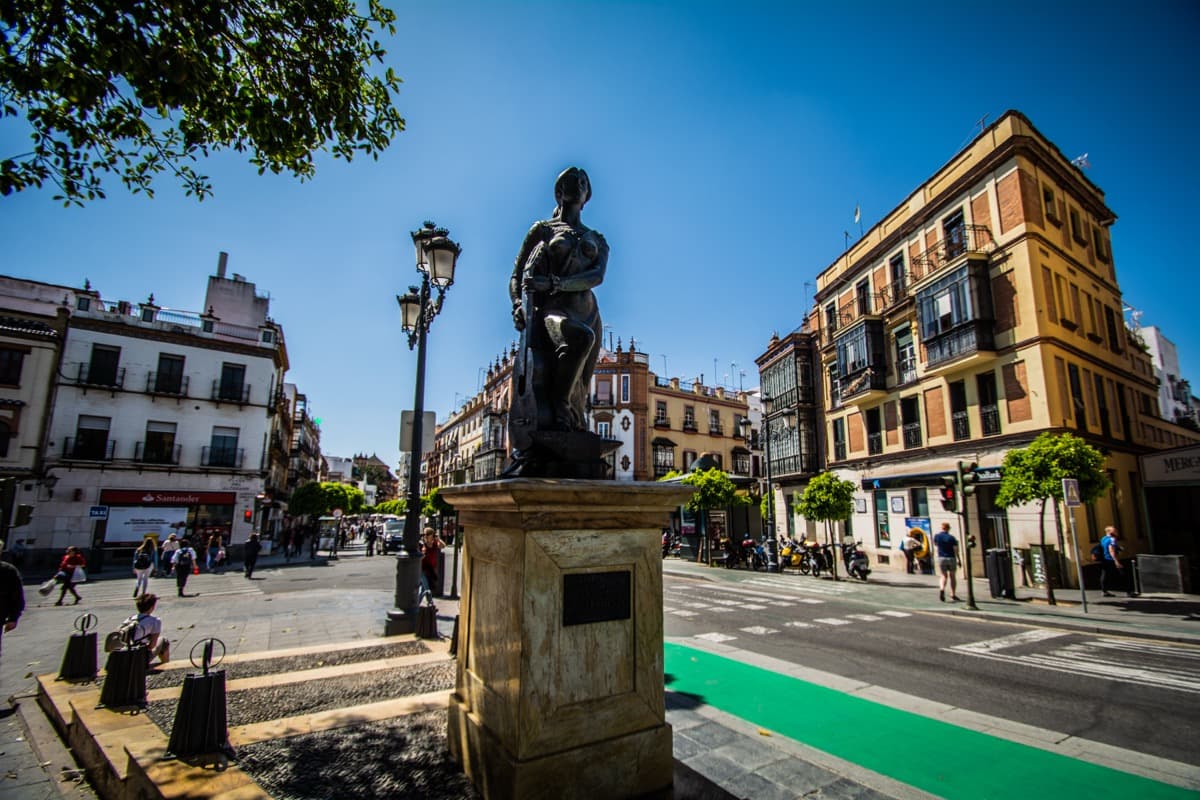
The historical entry point to Triana from the bridge. Almohad pontoon bridge eleven seventy-one. Puente de Isabel the Second eighteen forty-five to eighteen fifty-two. Capilla del Carmen by Aníbal González completed nineteen twenty-eight. Flamenco-art monument inaugurated nineteen ninety-three.
- 2
Castillo de San Jorge: The Inquisition Under the Market
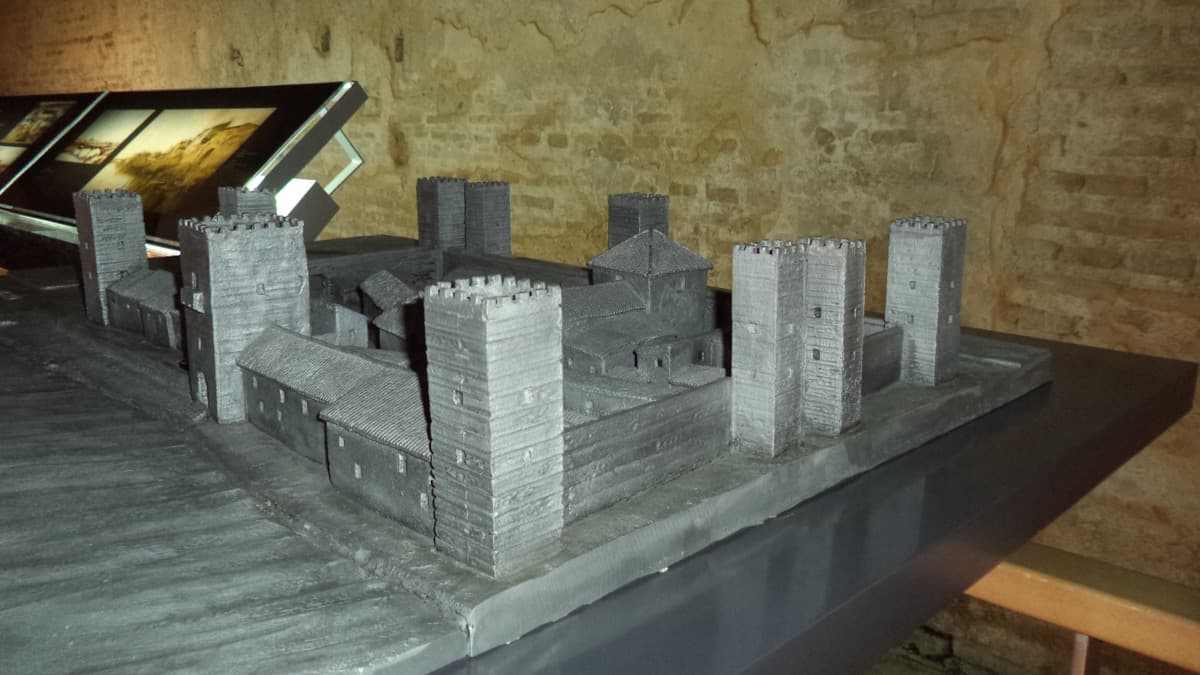
Seat of the Spanish Inquisition's Tribunal del Santo Oficio fourteen eighty-one to sixteen twenty-six and sixteen thirty-nine to seventeen eighty-five (not continuous). Demolished eighteen hundred to eighteen oh three. Mercado de Triana installed on the solar eighteen twenty-three. Ruins rediscovered nineteen ninety. Centro Temático opened by the Ayuntamiento de Sevilla in two thousand and nine.
- 3
Iglesia de Santa Ana: The Catedral de Triana
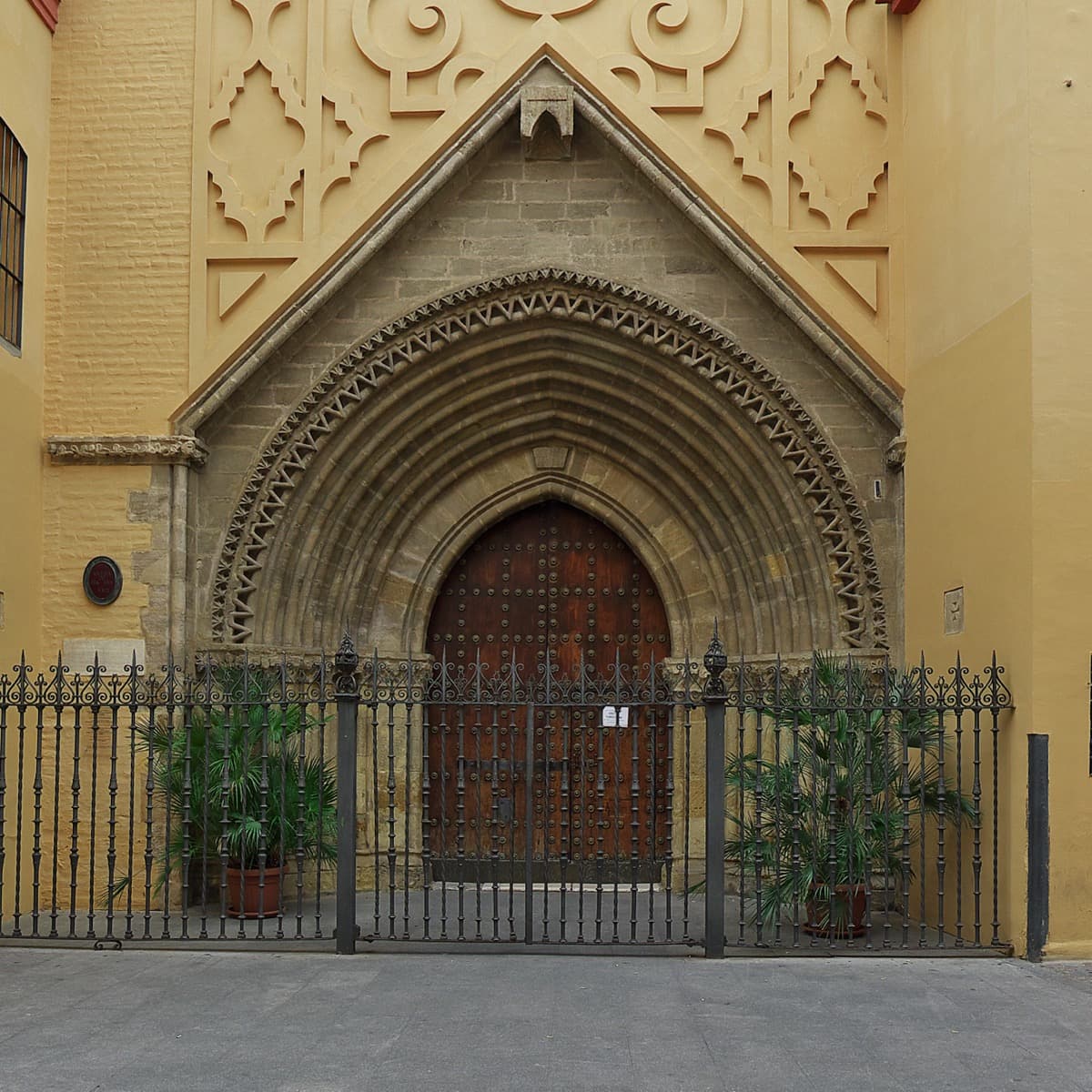
Founded by King Alfonso the Tenth, "el Sabio," in twelve seventy-six. Construction twelve seventy-nine to twelve eighty. Oldest church in Seville. Mudéjar-Gothic. Popularly called "la Catedral de Triana." The baptismal font popularly called the pila de los gitanos, where the Hermandad de los Gitanos families were baptised across generations.
- 4
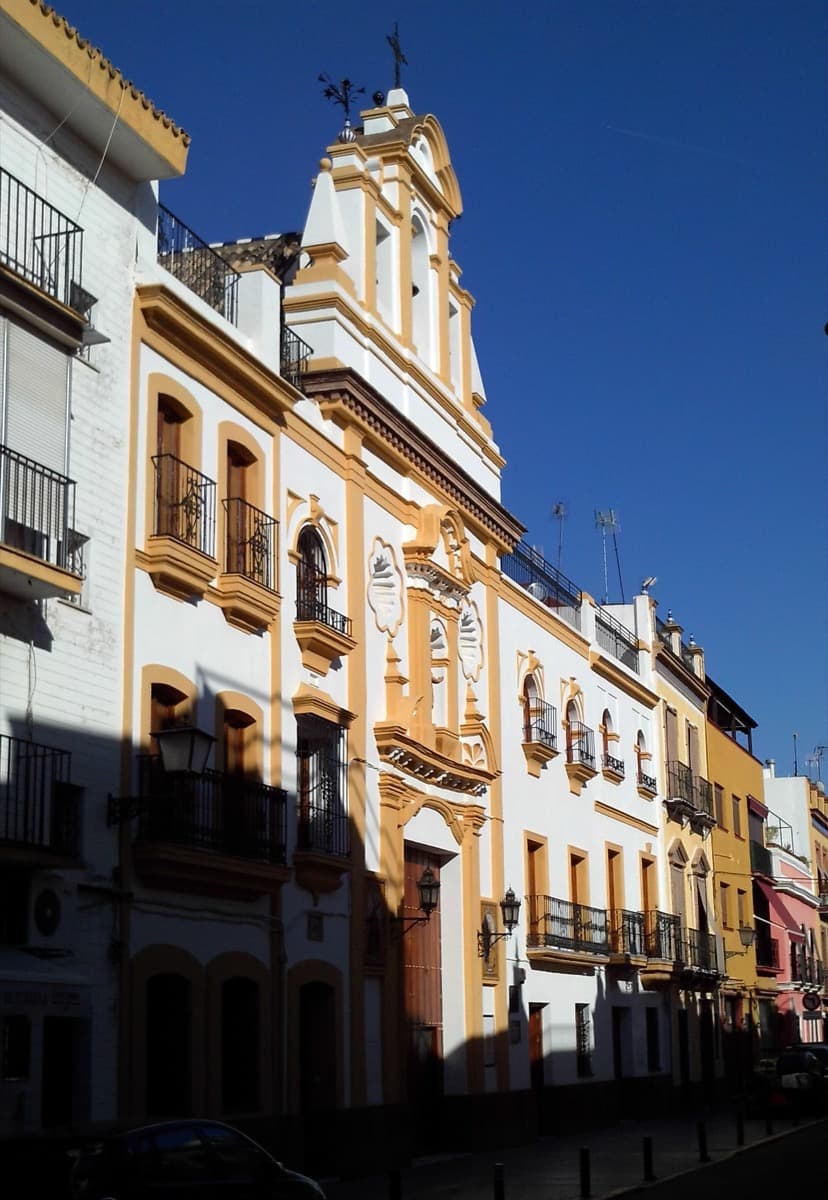
Capilla de los Marineros: The Chapel of the Guild Fusion
Headquarters of the Hermandad de la Esperanza de Triana. Fusion of three guild brotherhoods: ceramists (fifteenth century), fishermen, and sailors (mid-sixteenth century). Chapel commissioned seventeen fifty-nine, completed eighteen fifteen. Sold and used as theatre, cabaret, cinema, and warehouse from eighteen fifteen to nineteen forty. Brotherhood acquired ownership on the eighth of October, nineteen forty.
- 5
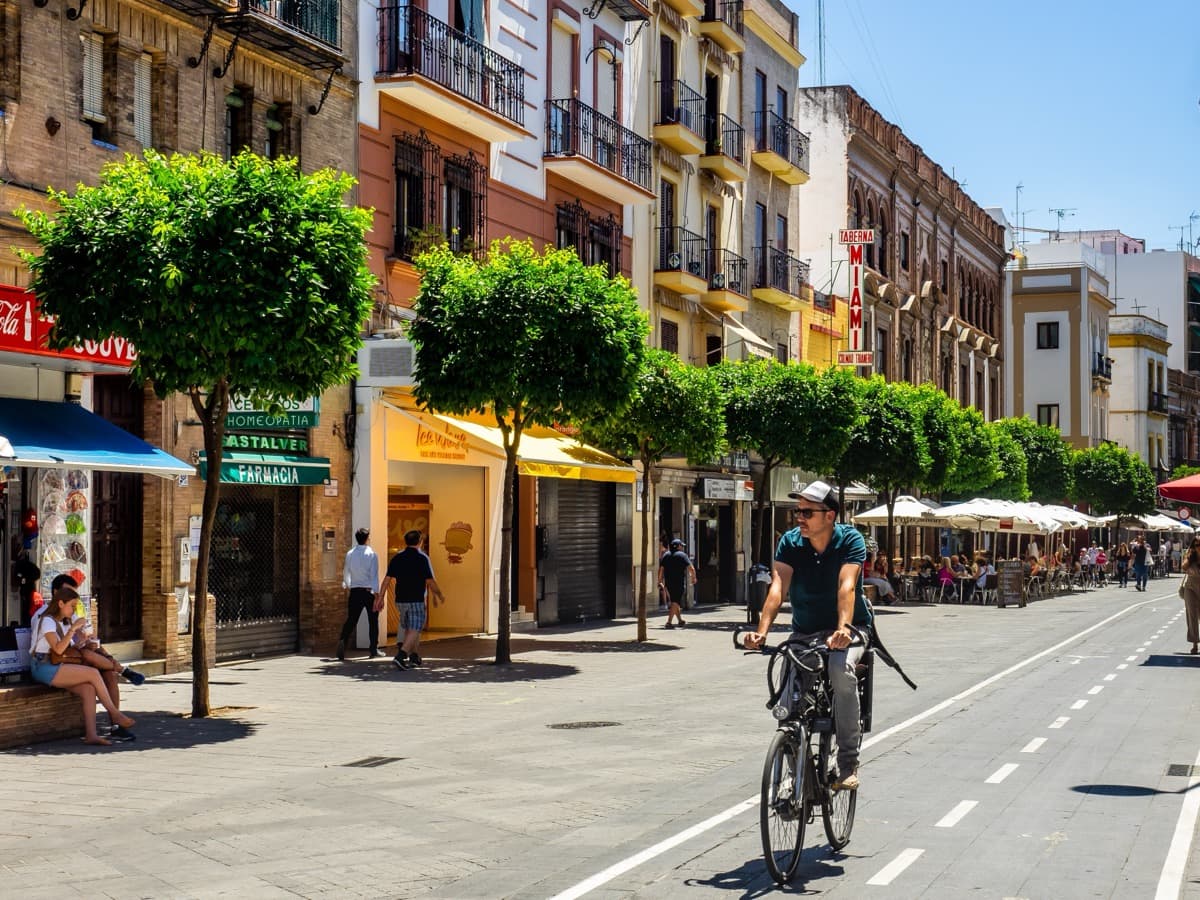
Calle Pureza Corridor: The Spine of Three-Population Cohabitation
Historical artery of Triana running parallel to the river. Renamed Calle Pureza in eighteen fifty-nine on the fifth anniversary of the Immaculate Conception dogma, proclaimed in eighteen fifty-four by Pope Pius the Ninth. The pre-eighteen fifty-nine name carried the commercial and Trinitarian register. The cohabitation spine of Romani families, morisco-descended households, converso lineages, ceramic-worker households, and sailors' families.
- 6
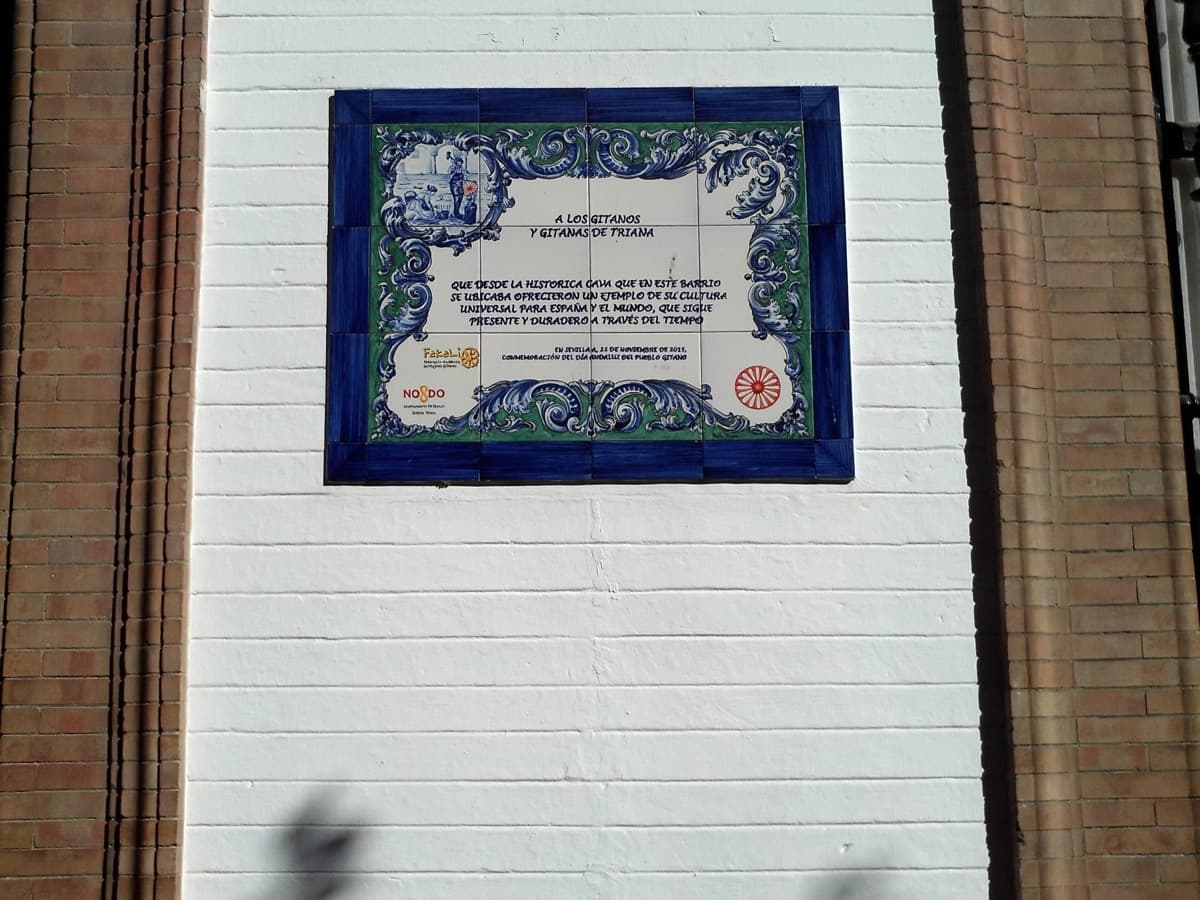
Cava de los Gitanos: The Plaque That Names the Displacement
Historical name of the spine of the Romani settlement in Triana, the street since renamed Calle Pagés del Corro. The Romani population of the Cava was displaced by municipal pressure during the late nineteen fifties per FAKALI and eldiario.es. The evictions were coordinated by police, military, and firefighters. The relocated population was housed in Polígono Sur, the Tres Mil Viviendas. The commemorative plaque was installed in twenty fifteen by Romani community organisations.
- 7
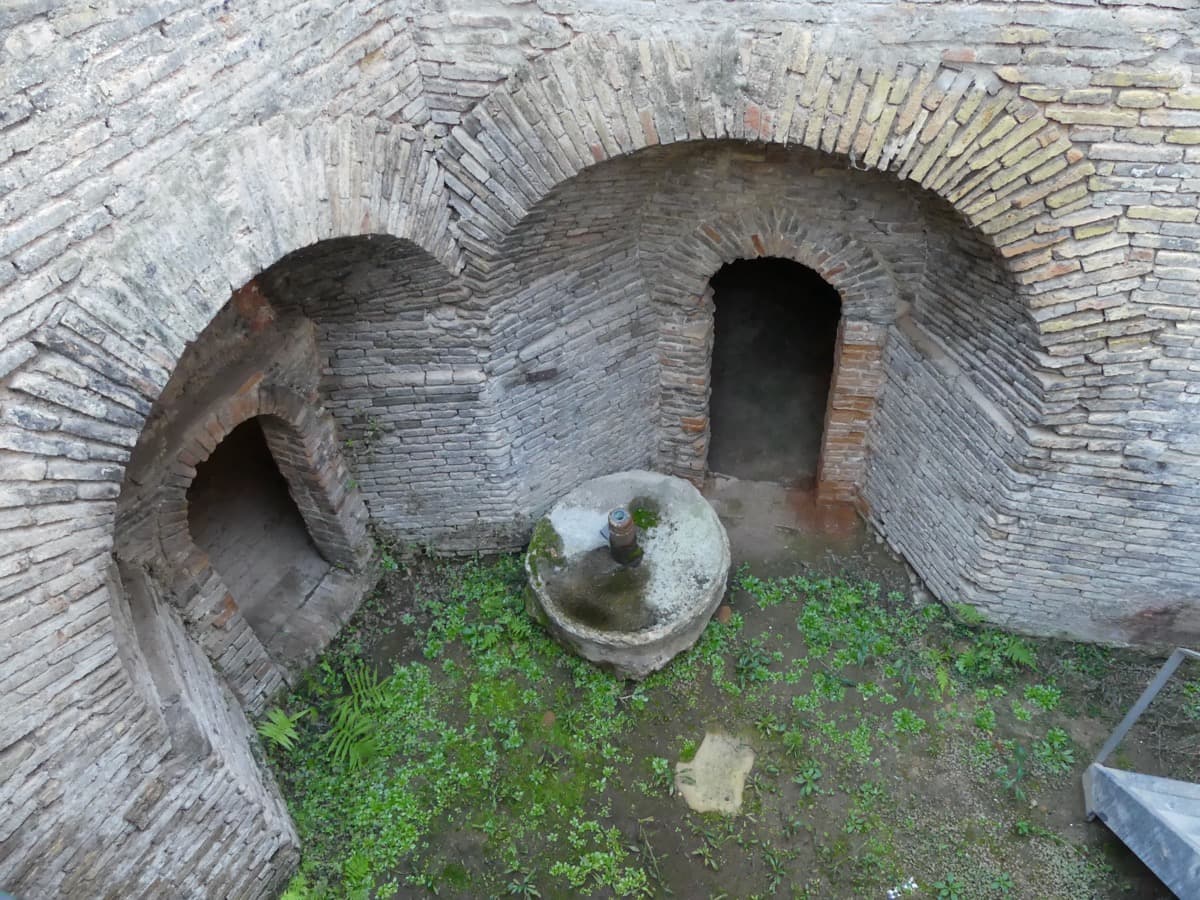
Centro Cerámica Triana: The Pottery District Where the Cante Families Sang
Opened July twenty fourteen, designed by AF6 Arquitectos, on the site of the former Fábrica de Cerámica Santa Ana Rodríguez Díaz in the El Zurraque pottery district. Triana ceramic production documented from the Almohad period. The pottery district is where La Andonda, María Amaya Heredia, eighteen thirty-one to eighteen ninety-one, and the cante family of Antonio Ortega "El Fillo" sang the soleares alfareras in the eighteen forties. Origin of the soleá dated by Gamboa two thousand and five to circa eighteen forty.
Details
Best Time to Visit
Tuesday through Sunday, late morning to mid-afternoon. The Mercado de Triana at Stop two opens at nine in the morning and closes around three in the afternoon, so a ten o'clock start at Plaza del Altozano lets you reach the Centro Temático of the Castillo de San Jorge inside market hours if you want the basement interpretation centre to anchor the audio. The Centro Cerámica Triana at Stop seven is open Tuesday through Sunday, generally ten to three on weekdays and ten to two on weekends; verify current hours at icas.sevilla.org before you go. The corridor reads most fully in good daylight, when the ceramic tile inserts above the doorways on Calle Pureza, the brick of the El Zurraque kilns, and the iron of the Puente de Isabel the Second are legible. Avoid the central Seville heat between June and September by walking before eleven in the morning or after five in the afternoon; the west bank along Calle Pureza has limited shade.
Pro Tips
- •Plan the walk Tuesday through Sunday so the Centro Temático of the Castillo de San Jorge at Stop two and the Centro Cerámica Triana at Stop seven are both open. The Centro Temático entrance is inside the Mercado de Triana on the river side; signage points down to the basement. Admission is free. Verify current hours and any temporary closures at icas.sevilla.org/espacios/castillo-de-san-jorge before you go.
- •The Centro Cerámica Triana at Stop seven is the resolution of the walk and worth twenty to thirty extra minutes inside the building. The permanent exhibition holds Triana ceramic-production history from the Almohad period through the twentieth century. Admission is free; hours at icas.sevilla.org/espacios/centro-ceramica.
- •The Iglesia de Santa Ana at Stop three is an active parish church. Mass schedules and visiting hours vary; check the parish notice board at the west entrance or pastoradetriana.com before entering. Visitors are welcome outside service times. The baptismal font popularly called the pila de los gitanos is inside the church near the north aisle.
- •The Capilla de los Marineros at Stop four is the headquarters of the Hermandad de la Esperanza de Triana. The chapel interior is open at specific hours, generally weekday mornings and evenings; current visiting times at esperanza-de-triana.es. During Holy Week, the building is closed to non-cofradía visitors.
- •The commemorative plaque for the Cava de los Gitanos at Stop six is small and easy to miss. It is mounted on a wall along Calle Pagés del Corro, in the section of the street that historically held the Cava. Walk slowly along the corridor and look at the building walls; the plaque text is in Spanish and names the displacement and the date.
- •Walking distance is approximately two kilometres from Plaza del Altozano to the Centro Cerámica Triana via Calle Pureza and Calle Pagés del Corro. Estimated walking time is twenty-five to thirty-five minutes for the route alone, seventy-five to ninety-five minutes including stop dwell. Wear flat closed shoes; the cobbled sections of Calle Pureza and the worn pavement around the Mercado de Triana are uneven.
- •Triana has a mature flamenco-performance scene with multiple peñas flamencas, private flamenco clubs, and tablao venues. The Roamer tour does not recommend specific venues. The Casa de la Memoria de Al-Ándalus across the river on Calle Cuna in central Seville is the most-cited tourist-facing performance venue; the Triana peñas vary in opening pattern and visitor policy by season.
Safety & Precautions
- •The walking route is approximately two kilometres along Calle Pureza, Calle Pagés del Corro, and the side streets of the El Zurraque pottery district. The pavement is uneven in sections, particularly along the cobbled segments of Calle Pureza near the Iglesia de Santa Ana and the Capilla de los Marineros. Wear flat closed shoes. Listeners with mobility constraints should know that the Centro Temático of the Castillo de San Jorge at Stop two is below ground level and reached by stairs from inside the Mercado de Triana.
- •Calle Pagés del Corro at Stop six is a wider arterial street with active traffic. Cross only at the marked pedestrian crossings. The commemorative plaque is mounted on a wall and can be read from the pavement without stepping into the road.
- •Seville heat between June and September is intense, with afternoon temperatures regularly above thirty-five degrees Celsius. The Calle Pureza corridor has limited shade and the El Zurraque pottery district is exposed. Carry water, walk before eleven in the morning or after five in the afternoon, and pause inside the Iglesia de Santa Ana or the Centro Cerámica Triana to cool down.
- •The Mercado de Triana at Stop two is an active food market with crowded narrow aisles, particularly mid-morning. Hold bags closed and keep moving through the central aisles. The Centro Temático entrance is well signed on the river side of the market.
- •The Iglesia de Santa Ana at Stop three and the Capilla de los Marineros at Stop four are active places of worship. Dress respectfully when entering; cover shoulders and remove hats. Photography may be restricted inside the church; check signage at the entrance. During Holy Week and major feast days, both buildings may be closed to non-cofradía visitors.
- •The neighborhood is residential. The corridor walk passes private homes, particularly along Calle Pureza and the side streets of the El Zurraque district. Keep voices low, stay off doorways, and do not photograph private balconies or windows.
- •The Cava de los Gitanos plaque at Stop six commemorates a documented community displacement. Treat the marker with the discipline the loss requires. The plaque is not a photo backdrop.
Travel advisory: Exercise Increased Caution (Level 2).
Gallery
Related Reading
Go deeper on what you'll see, hear, and walk through.
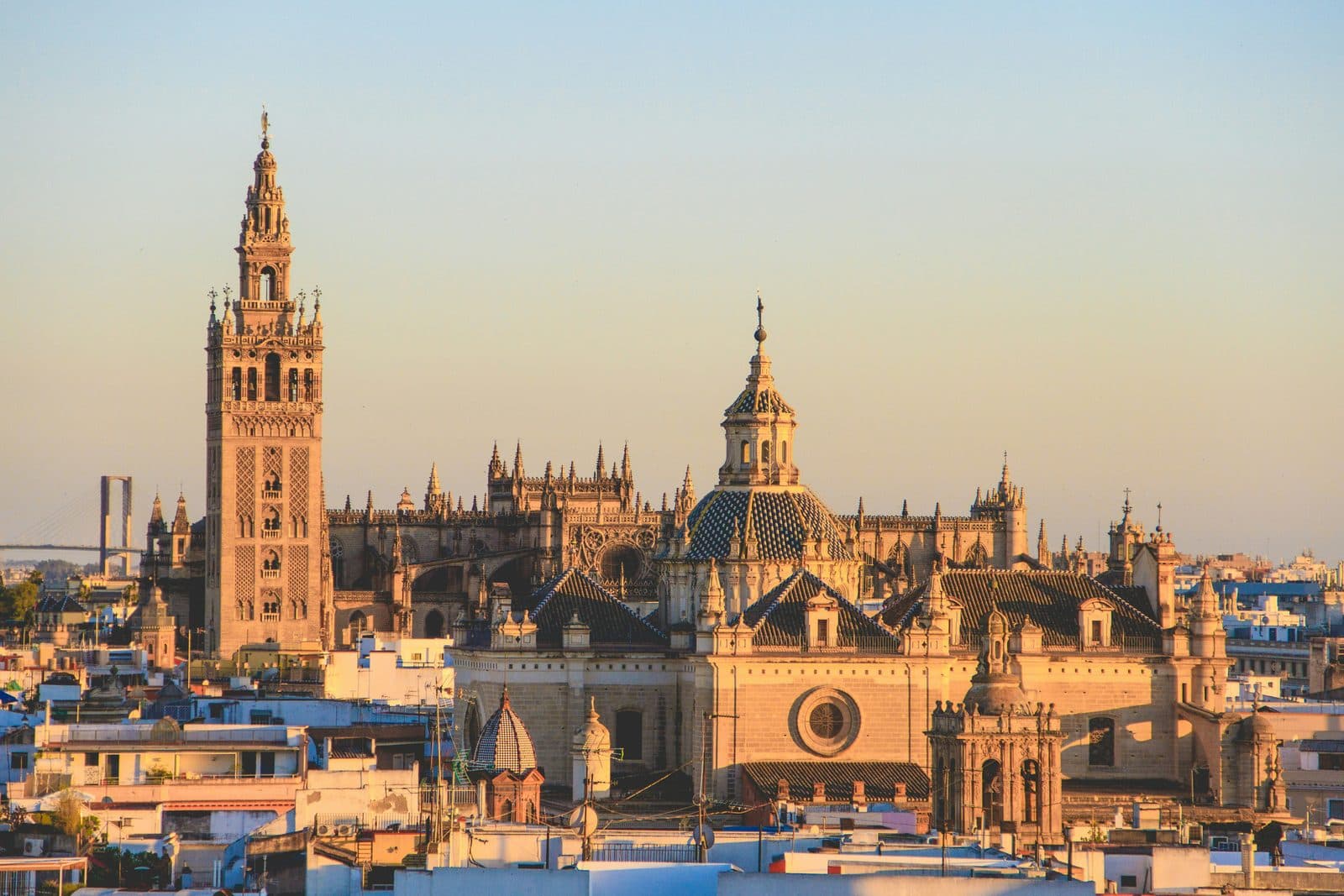
Overview
Best Self-Guided Walking Tours in Seville (2026)
3 min
Overview
One Day in Seville: A Walkable Old-Town and Triana Itinerary (2026)
6 min
Overview
Seville Travel Guide: How Many Days, Getting Around, When to Go (2026)
5 min
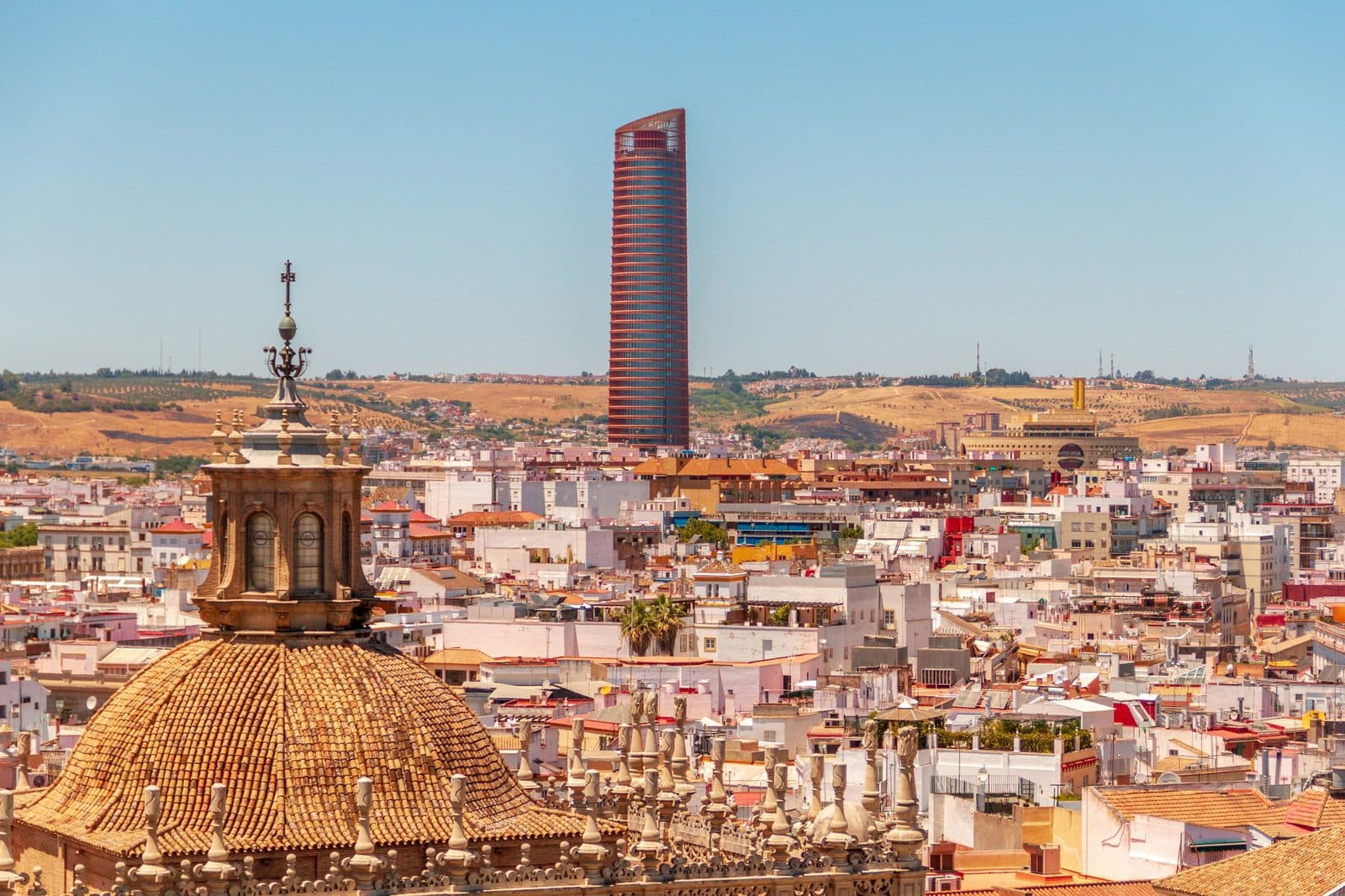
Thematic
The Port That Monopolized the New World: How Seville Ran an Empire From One River Bend
6 min
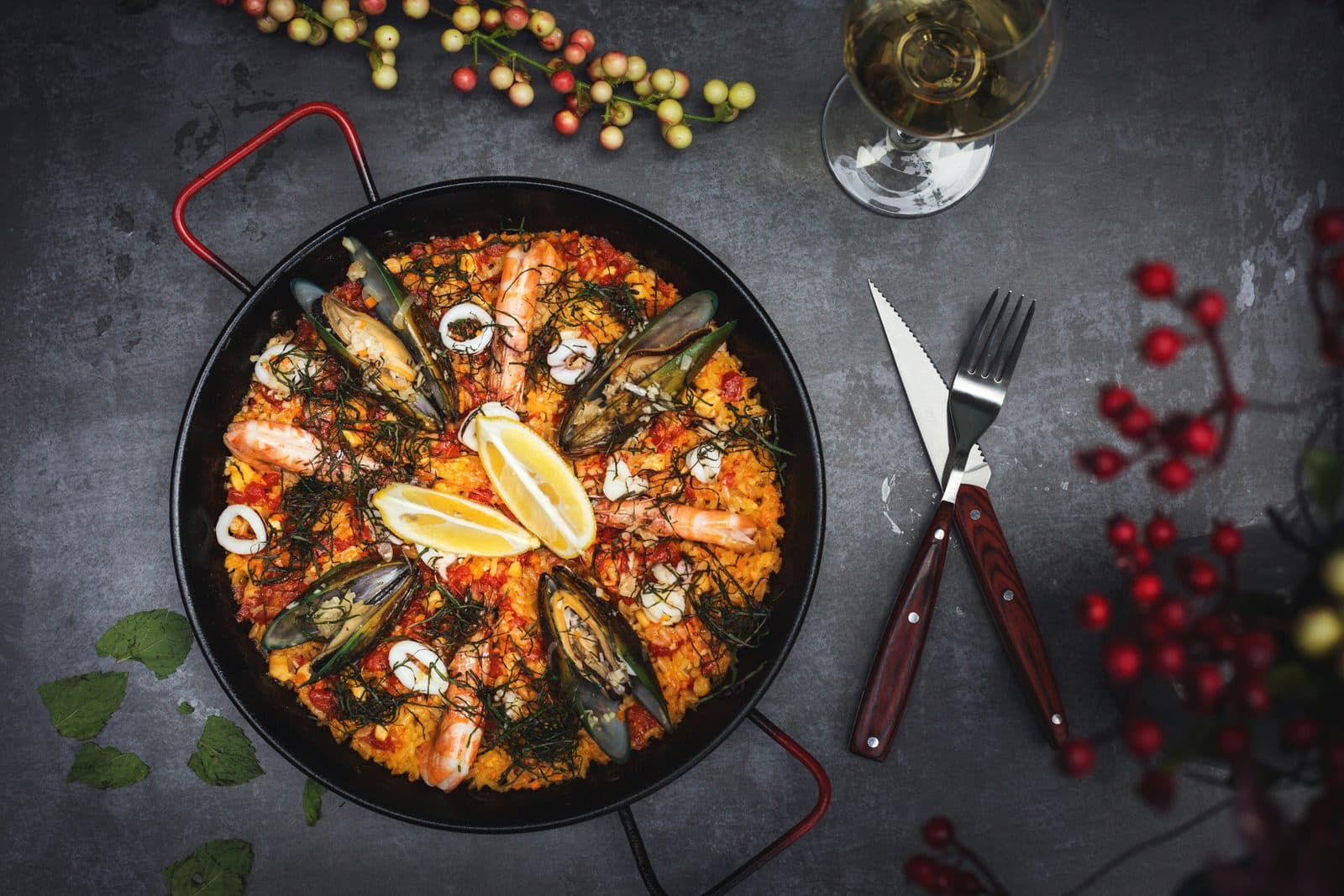
Thematic
What to Eat in Seville: An Andalusian Food Guide (2026)
5 min
Companion
Triana: A Companion to the Neighborhood Where Flamenco Was Born
3 min
Deep dive
El Zurraque: The Pottery Quarter Where the Soleá Was Born
4 min
Read
Tapas in Triana: Eating on the West Bank Where Flamenco Was Born
3 min
Read the walk
The full story of Triana: Where Flamenco Was Born, in words. Prefer to listen? Play it narrated, from home or on location.
Introduction
One west-bank neighborhood. Four centuries. Three displaced peoples. Conversos surveilled by an Inquisition castle from fourteen eighty-one. Moriscos channelled through the crown apparatus after fifteen sixty-eight and sixteen oh nine. Romani families who organised, in seventeen fifty-three, the first Romani religious brotherhood in the world.
The neighborhood is Triana, the west bank of Seville. The Castillo de San Jorge sat at the bridgehead, where the Mercado de Triana now stands. The Capilla del Carmen by Aníbal González closes the south end of Plaza del Altozano. Every displaced people who came to Triana over the last eight hundred years crossed approximately this water.
The thesis is that the cante crystallised in the eighteen forties in the pottery district of El Zurraque, out of the inheritances of these three peoples, and carried back across the river to the cafés cantantes on the Seville east bank. What historians now consider the first organised flamenco repertoire belongs to families who lived on this corridor. Triana did not invent flamenco in the fifteen hundreds. The cante families came out of cohabitation, surveillance, and displacement, on this west bank.
The walk is seven stops, about two kilometres, and roughly one hundred minutes, climbing south from the bridgehead through Calle Pureza to El Zurraque. It opens at Plaza del Altozano and ends at the Centro Cerámica Triana, where the cante families sang. When you arrive at Plaza del Altozano, begin with stop one.
1. Plaza del Altozano: The Bridgehead Every Displaced People Crossed
You've arrived at Plaza del Altozano. Stand at the centre of the plaza, between the Capilla del Carmen on the south side and the flamenco-art monument toward the river. The bridge behind you is the spine of the stop.
Per Patrimonio de Sevilla's heritage record of the plaza and the Graces Guide engineering summary of the bridge, here is what this bridgehead is. The Almohad pontoon bridge, a string of boats lashed end to end across the Guadalquivir, was built in eleven seventy-one under Caliph Abu Yaqub Yusuf. It lasted, in successive iterations, for almost seven centuries. The Puente de Isabel the Second replaced it between eighteen forty-five and eighteen fifty-two. The engineers were Gustave Steinacher and Ferdinand Bernadet, both French. They modelled the bridge on the original Pont du Carrousel over the Seine in Paris, in the Polonceau style. The Fundición San Antonio supplied twenty-seven thousand two hundred and forty-eight iron castings. Bernadet left the works in eighteen forty-six, Steinacher in eighteen forty-eight; the build completed under their successors. The structure is the oldest preserved iron bridge in Spain.
The Witness anchor at this stop is not the bridge. It is who crossed it. Stand at the bridgehead. Look across to Seville proper. Every displaced people who came to Triana over the last eight hundred years crossed approximately this water. Conversos dispersing from the burned judería after thirteen ninety-one. Moriscos channelled to Seville's margins after fifteen sixty-eight and sixteen oh nine. Romani families who would, in seventeen fifty-three, organise the first Romani religious brotherhood in the world a few blocks south of where you stand.
The Capilla del Carmen on the south end of the plaza is the architectural anchor. Per Patrimonio de Sevilla, the predecessor chapel was demolished in nineteen twenty-four to widen the bridge approach. The current chapel was designed by Aníbal González and completed in nineteen twenty-eight, with ceramic collaboration by Emilio García García. The heritage record describes it as the architect's tribute to the Giralda and the Torre del Oro. González died the following year, in nineteen twenty-nine; the Capilla del Carmen is one of his last works.
The bronze on the river side of the plaza, the flamenco-art monument, was inaugurated in nineteen ninety-three. The Juan Belmonte bullfighter monument by Venancio Blanco, on the opposite side of the plaza, was inaugurated in nineteen seventy-two. Both are plaza features, not tour subjects.
Now walk one block north, toward the river edge. The covered market building on your right sits directly on top of the Spanish Inquisition's first tribunal.
2. Castillo de San Jorge: The Inquisition Under the Market
You've arrived at the Castillo de San Jorge ruins, underneath the Mercado de Triana. Stand at the river-side entrance of the market, on Calle Castilla. The covered market building above you is what most visitors see. The Centro Temático in the basement is what they walk past.
Here is the doubling at this stop. Most visitors see a contemporary food market with stalls selling jamón, olives, and seafood. The reveal, per the Ayuntamiento de Sevilla's ICAS interpretation-centre page, the Junta de Andalucía's heritage listing at visitasevilla.es, and the Spanish-language Wikipedia record of the castle, is that this market sits directly on top of the Spanish Inquisition's first tribunal. The Tribunal del Santo Oficio occupied the Castillo de San Jorge from fourteen eighty-one to sixteen twenty-six. The Inquisition withdrew between sixteen twenty-six and sixteen thirty-nine because the river floods had damaged the building. The tribunal returned in sixteen thirty-nine and stayed until seventeen eighty-five.
Two windows, not one. The phrase you sometimes hear, that the castle held the Inquisition from fourteen eighty-one to seventeen eighty-five, is short of the documentary record. The withdrawal in the middle is in the archaeological reports. The transcript writer cannot collapse the two windows into one continuous tenancy.
What was watched here was the converso population. After the pogrom of thirteen ninety-one on the Seville east bank, agitated by Ferrán Martínez, archdeacon of Écija, that killed approximately four thousand Jews on the sixth of June, the survivors who converted to Catholicism dispersed to Triana and other margin neighborhoods over the following decades. The Spanish Inquisition was founded in fourteen seventy-eight under the Catholic Monarchs, Ferdinand and Isabella. Its first tribunal opened here in fourteen eighty-one. The conversos who lived across the river were the population it surveilled.
The castle was demolished between eighteen hundred and eighteen oh three. The Mercado de Triana was installed on the solar from eighteen twenty-three. The ruins were rediscovered during the nineteen ninety archaeological excavations. The Ayuntamiento de Sevilla opened the Centro Temático in two thousand and nine, in the basement.
The market shoppers walk above the rooms where the surveilled were interrogated. The food stalls are one layer. The Inquisition foundations are another. The Centro Temático is the institution that holds the second layer open to view.
Now walk south along Calle Pureza, the narrow street that runs parallel to the river. Three blocks south you will see the white facade and brick bell tower of the oldest church in Seville.
3. Iglesia de Santa Ana: The Catedral de Triana
You've arrived at the Iglesia de Santa Ana. Stand in the small plaza in front of the west facade. The brick bell tower is to your right. The whitewashed walls of the parish church run east toward the river.
Per the Spanish-language Wikipedia article on the church, cross-referenced against the parish self-record at pastoradetriana.com, the foundation belongs to a king who ordered it built as a thanksgiving. Alfonso the Tenth, called "el Sabio," the Wise, founded the church in twelve seventy-six. Construction ran from twelve seventy-nine to twelve eighty. It is the oldest church in Seville. The architectural style is Mudéjar-Gothic, the layered Christian-Islamic vocabulary that Castilian builders used in the centuries after the Reconquista. The popular name is "la Catedral de Triana," Triana's cathedral, a title carried more by neighborhood loyalty than by liturgical rank.
What the Witness names at this stop is the baptismal font inside the church, popularly called the pila de los gitanos, the gypsies' font. The Romani families of Triana were baptised here across generations. The font is the parish-of-record anchor for the Romani Triana, even though the population's institutional self-organisation happened a few blocks west, in a building that no longer stands.
The institutional anchor was the Hermandad de los Gitanos. Per the brotherhood's own historical record at hermandaddelosgitanos.com and the Spanish-language Wikipedia article on the brotherhood, the Hermandad de los Gitanos was founded in seventeen fifty-three by Sebastián Miguel de Varas, at the Convento del Espíritu Santo, a building that no longer stands in Triana. Cardinal Archbishop Luis Jaime de Borbón signed the authorisation decree on the ninth of August, seventeen fifty-three. The first reglas were sanctioned on the seventh of December, seventeen fifty-three. The brotherhood was forced from the Convento del Espíritu Santo in seventeen fifty-four and relocated to the Convento del Pópulo in the Arenal neighborhood, across the river on the east bank.
The seventeen fifty-three founding is the first Romani religious brotherhood in the world. Not the Romani arrival in Andalusia, which is documentable to the twenty-second of November, fourteen sixty-two, when Don Miguel Lucas de Iranzo received approximately one hundred Romani in Jaén. Not the broader Iberian arrival, dated to fourteen twenty-five in Aragon. Seventeen fifty-three is the year a Romani community in Triana organised itself as a recognised religious institution under royal and ecclesiastical authority. The baptismal font in this church is where the families of that organisation were named.
Now walk south along Calle Pureza about three blocks. The chapel at number fifty-one is the headquarters of the brotherhood that fused three guilds: ceramists, fishermen, and sailors.
4. Capilla de los Marineros: The Chapel of the Guild Fusion
You've arrived at the Capilla de los Marineros. Stand on the pavement of Calle Pureza in front of number fifty-one. The chapel facade is narrow, with a small bell-gable above the door. The chapel sits on the west side of the street, set back from the river by one block of low…
Full narration for this stop unlocks with the tour.
5. Calle Pureza Corridor: The Spine of Three-Population Cohabitation
You've arrived at the spine. Stand on Calle Pureza at the mid-corridor anchor, between Stops four and six. The parish bell tower of Santa Ana is visible behind you to the north. The river is visible east, between the low riverside terraces. The houses on either side are two- and…
Full narration for this stop unlocks with the tour.
6. Cava de los Gitanos: The Plaque That Names the Displacement
You've arrived at Calle Pagés del Corro, the street historically called La Cava, the Cava de los Gitanos. Stand near the commemorative plaque installed in twenty fifteen on a wall along the corridor. The wider arterial street runs through the centre of the neighborhood. The…
Full narration for this stop unlocks with the tour.
7. Centro Cerámica Triana: The Pottery District Where the Cante Families Sang
You've arrived at the Centro Cerámica Triana, the resolution of the walk. Stand on the pavement in front of the building. The modernised glass entrance is set back from the street. The brick facade behind it is the former Fábrica de Cerámica Santa Ana Rodríguez Díaz, integrated…
Full narration for this stop unlocks with the tour.