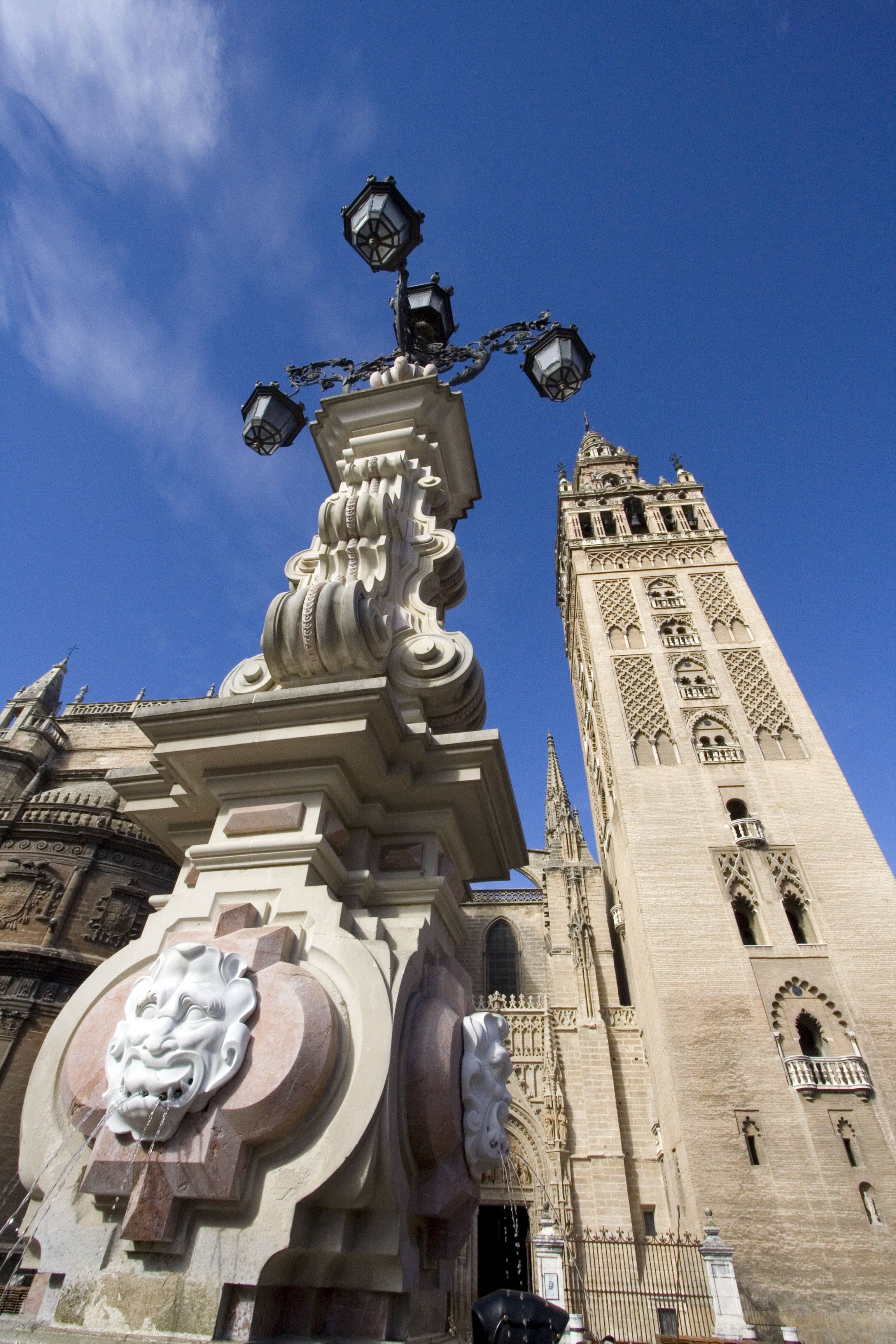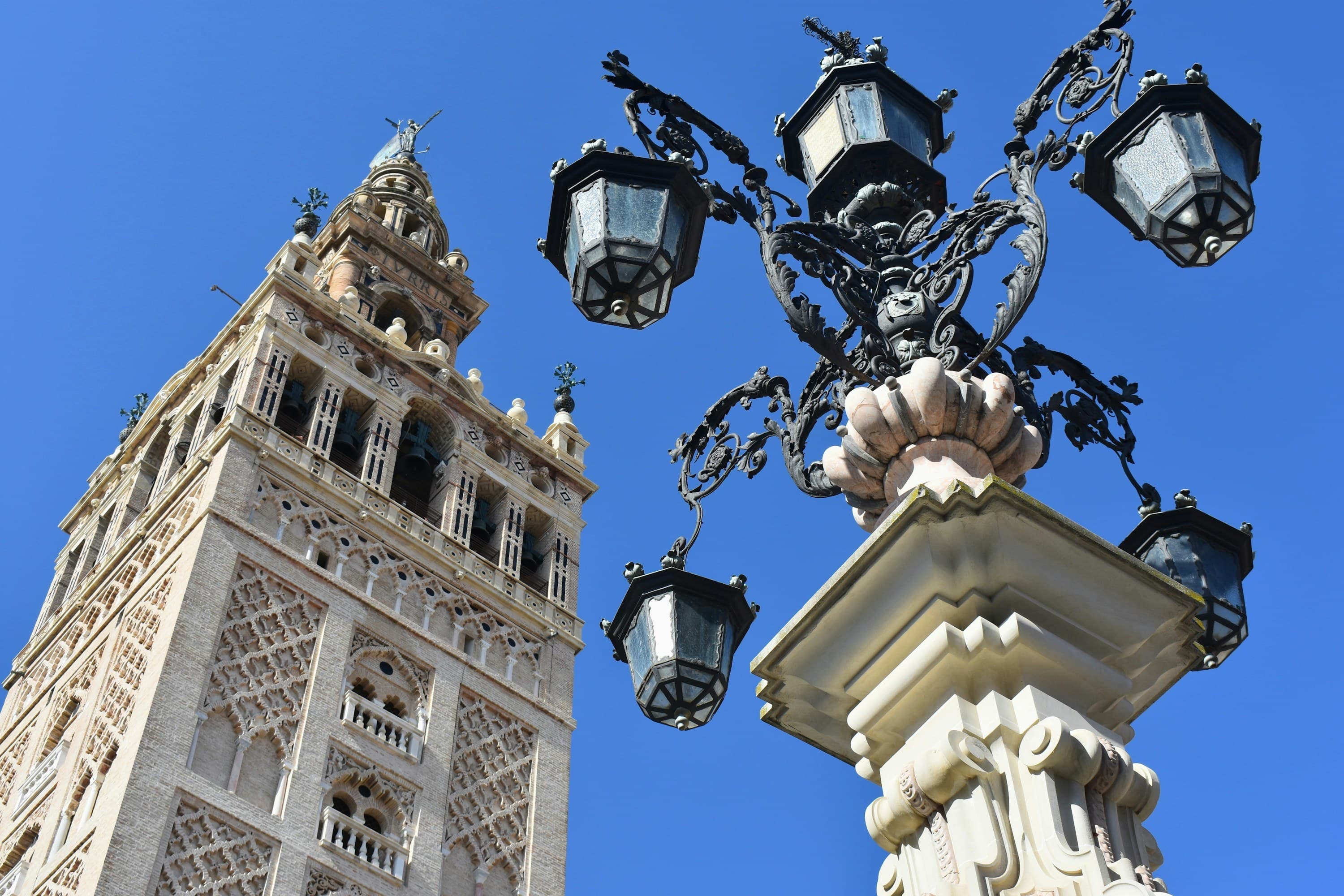
Cathedral, Giralda and Alcazar: Nobody Here Started From Nothing
90 min · 1.6 km · easy
Seville rewards planning around two things most cities do not force on you: the heat and the festivals. The old town itself is flat, compact, and genuinely walkable, so getting around is the easy part. The harder calls are how many days to give the city and, above all, when to come, because spring is glorious and crowded, high summer is punishing, and the two great festival weeks fill every hotel in town. This guide answers the practical questions travelers actually search, answer first, then the detail.
How many days do you need in Seville?
Short answer: two to three days for most people.
- 2 days covers the essentials at a steady pace: the Cathedral and Giralda, the Real Alcázar, Santa Cruz, Plaza de España, and Triana across the river.
- 3 days lets you slow down, dig into Triana and the tapas scene, and linger without rushing.
- 4 or more days makes sense if you want day trips (Córdoba, Cádiz, the white towns, all reachable by train or bus) or if you are visiting during a festival, when the city itself is the main event.
If you only have one day, follow our focused one day in Seville route through the walkable core.
Getting around Seville
Hear a stop from this walk
Puerta del Perdon: Arabic on a Cathedral Door
The historic center is a joy on foot. Flat, compact, and shaded by orange trees, it puts the Cathedral, Alcázar, Santa Cruz, Plaza de España, and Triana within walking distance, which is exactly how our self-guided Seville tours are built. For longer hops:
- Metro. One line only (Line 1), which mostly serves the suburbs. Useful for a few specific trips, not for old-town sightseeing.
- Tram (MetroCentro). A short tram from Plaza Nueva along Avenida de la Constitución past the Cathedral, extended to Nervión in 2024. Handy for skipping the hottest stretch of pavement.
- Buses. An extensive city network covering the sights the tram and metro miss.
- Bikes (Sevici). Seville has over 180 km of dedicated bike lanes and is one of Europe most bike-friendly cities. The Sevici bike-share has stations throughout the center, cheap for short trips.
- Travel card. A tourist card covers unlimited tram, bus, and metro at 5 euros for a day or 10 euros for three days.
Best time to visit Seville
The showcase windows, and their trade-offs:
- Spring (March to May). The best window. Temperatures sit around 15 to 25°C, the orange trees bloom, and both great festivals fall here. Also the most crowded and expensive.
- Autumn (especially October). A close second: warm, pleasant, and far quieter than spring.
- Summer (June to September). Beautiful but brutal. The city regularly tops 40°C, and many locals leave in August, the hottest month. If you must come, sightsee early and late and hide from the midday sun.
Two festival weeks are worth planning around. Semana Santa (Holy Week, the week before Easter) fills the streets with nightly processions. The Feria de Abril follows about two weeks later, a week of flamenco, horses, and casetas, running 21 to 26 April in 2026. Both are unforgettable, and both push hotels to their yearly maximum, so book months ahead if you want to attend.
Is Seville safe?
Yes. Seville is among the safer major cities in Spain and an easy, welcoming place for solo and female travelers, who commonly report feeling comfortable walking day and night. The one real issue is pickpocketing, concentrated in tourist-heavy spots: the Santa Cruz lanes, crowded markets, and public transport. It is less common here than in Barcelona or Madrid, but ordinary precautions apply: keep your phone out of your back pocket, use a secure bag in crowds, and favour well-populated streets late at night. The only district worth simply skipping is Polígono Sur in the south, which holds no tourist sights.
Seville on a budget
Seville is friendlier to a tight budget than its reputation suggests. Much of what makes it special costs nothing:
- Free to walk: the Santa Cruz lanes, Plaza de España, María Luisa Park, the riverbank, and Triana.
- Eat cheap and well: tapas culture is built for small spending, a couple of euros for a plate and a caña. See what to eat in Seville for what to order.
- Skip taxis: a travel card plus walking, or a cheap Sevici bike, covers almost everything.
- Time the big sights: the Cathedral and Alcázar offer some free or reduced-price entry windows during the week.
- Skip the guide fee: Roamer self-guided audio tours are free to start, so you get expert narration without booking a private guide, a start time, or a tip.
Start planning your walk
Ready to route your days? Read our one day in Seville itinerary, browse the best self-guided walking tours in Seville, or see all Seville tours. Every tour is free to start: the introduction and first stop play in full, and every later stop plays a short preview before an optional purchase. Tours can also be downloaded in advance for offline listening.
Frequently asked questions
- How many days do you need in Seville?
- Two to three days is the sweet spot for most travelers. Two days covers the essentials at a steady pace: the Cathedral and Giralda, the Real Alcázar, the Santa Cruz quarter, Plaza de España, and Triana across the river. Three days lets you slow down, add more of Triana and the tapas scene, and still not feel rushed. Four or more days makes sense if you want day trips to Córdoba, Cádiz, or the white towns, all reachable by train or bus, or if you are visiting during a festival when the city itself is the event.
- Is Seville walkable, and how do you get around?
- Very walkable. The historic center is flat and compact, so you can reach the Cathedral, Alcázar, Santa Cruz, Plaza de España, and Triana on foot. For longer hops there is a single metro line (Line 1, which mostly serves the suburbs), the MetroCentro tram running from Plaza Nueva past the Cathedral along Avenida de la Constitución, an extensive city bus network, and Sevici, the public bike-share, since Seville has over 180 km of dedicated bike lanes and is one of the most bike-friendly cities in Europe. A tourist travel card covers unlimited tram, bus, and metro for 5 euros a day or 10 euros for three days.
- What is the best time of year to visit Seville?
- Spring, roughly March to May, is the best window: temperatures sit around 15 to 25°C, the orange trees bloom, and the city two great festivals fall here. Autumn, especially October, is a close second, warm and much quieter. Avoid high summer if you can: from June to September Seville regularly exceeds 40°C, and many locals leave in August, the hottest month. Note the two spring festival weeks fill hotels and push prices to their yearly peak, so book far ahead if you are coming for them.
- When are Semana Santa and the Feria de Abril in Seville?
- Semana Santa (Holy Week) is the week before Easter, with solemn nightly processions through the streets, so its dates move with Easter each year. The Feria de Abril follows about two weeks later, a week of flamenco, horse parades, and festive casetas; in 2026 it runs from Tuesday 21 to Sunday 26 April. Both are extraordinary and both fill every hotel in the city at peak prices, so if you want to attend, reserve accommodation months in advance.
- Is Seville safe for tourists?
- Yes. Seville is one of the safer major cities in Spain and a comfortable place for solo and female travelers, who commonly report feeling at ease walking day and night. The main issue is pickpocketing, concentrated in tourist-heavy spots like the Santa Cruz lanes, crowded markets, and public transport, though it is less prevalent than in Barcelona or Madrid. Keep your phone out of your back pocket, use a secure bag in crowds, and stick to well-populated streets at night. The only district worth simply skipping is Polígono Sur in the south, which has no tourist sights.
- How can you see Seville on a budget?
- Seville is very doable cheaply. Much of the best of it is free to walk: the Santa Cruz lanes, Plaza de España, María Luisa Park, the riverbank, and Triana. Tapas culture is built for a small budget, with a couple of euros getting you a plate and a caña. A tourist travel card plus walking replaces taxis, and Sevici bikes are cheap for short hops. The Cathedral and Alcázar offer some free or reduced-price entry windows during the week if you time it. Self-guided audio tours are free to start on Roamer, so you add expert narration without hiring a guide.
Ready to experience it?
Cathedral, Giralda and Alcazar: Nobody Here Started From Nothing
90 min · 1.6 km · easy
More from Seville
Explore more at your own pace.
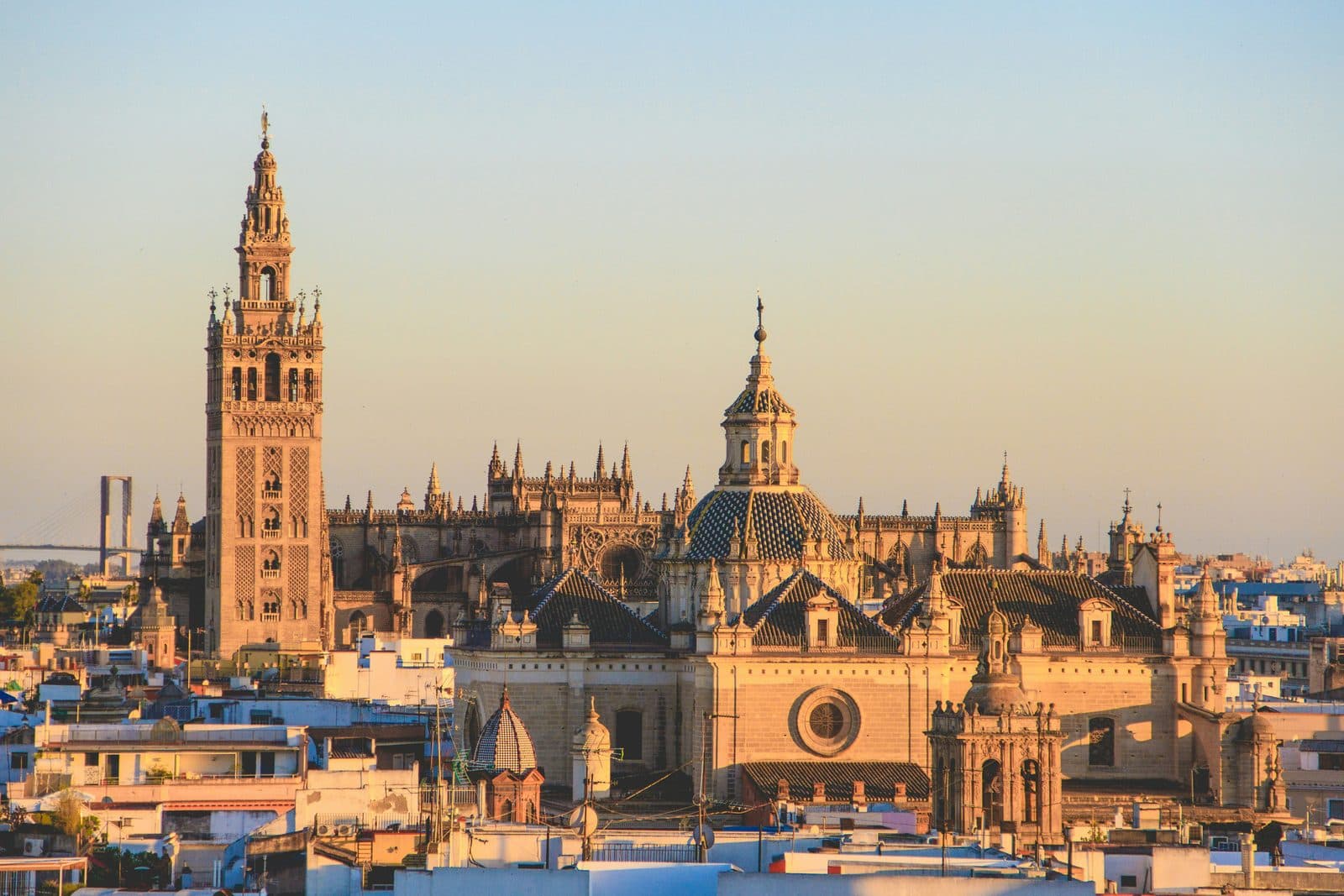
One Day in Seville: A Walkable Old-Town and Triana Itinerary (2026)
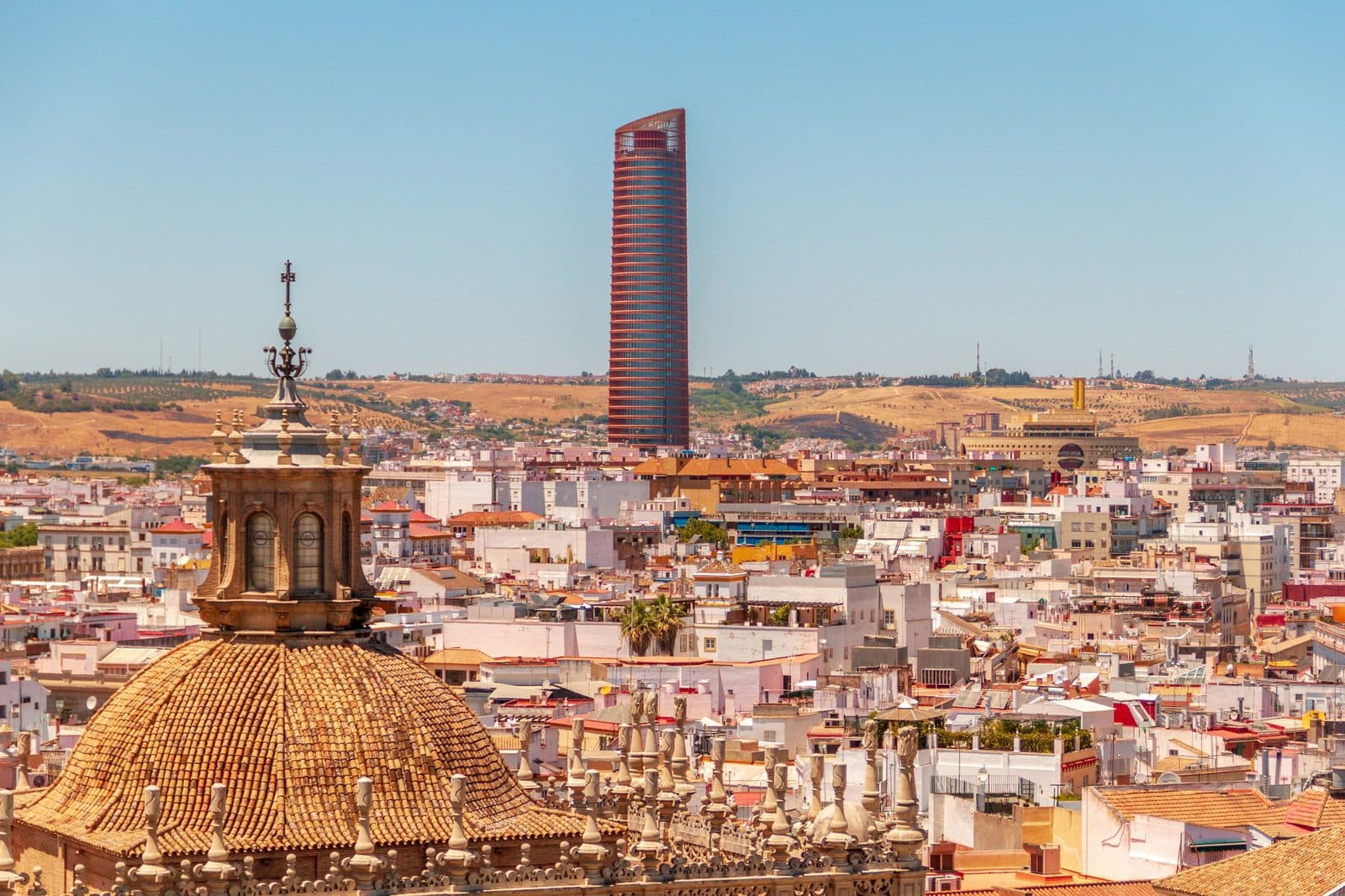
The Port That Monopolized the New World: How Seville Ran an Empire From One River Bend
Nobody Here Started From Nothing: A Companion to Seville's Cathedral, Giralda and Alcázar
The Casa de Contratación Was Never in This Building
El Zurraque: The Pottery Quarter Where the Soleá Was Born