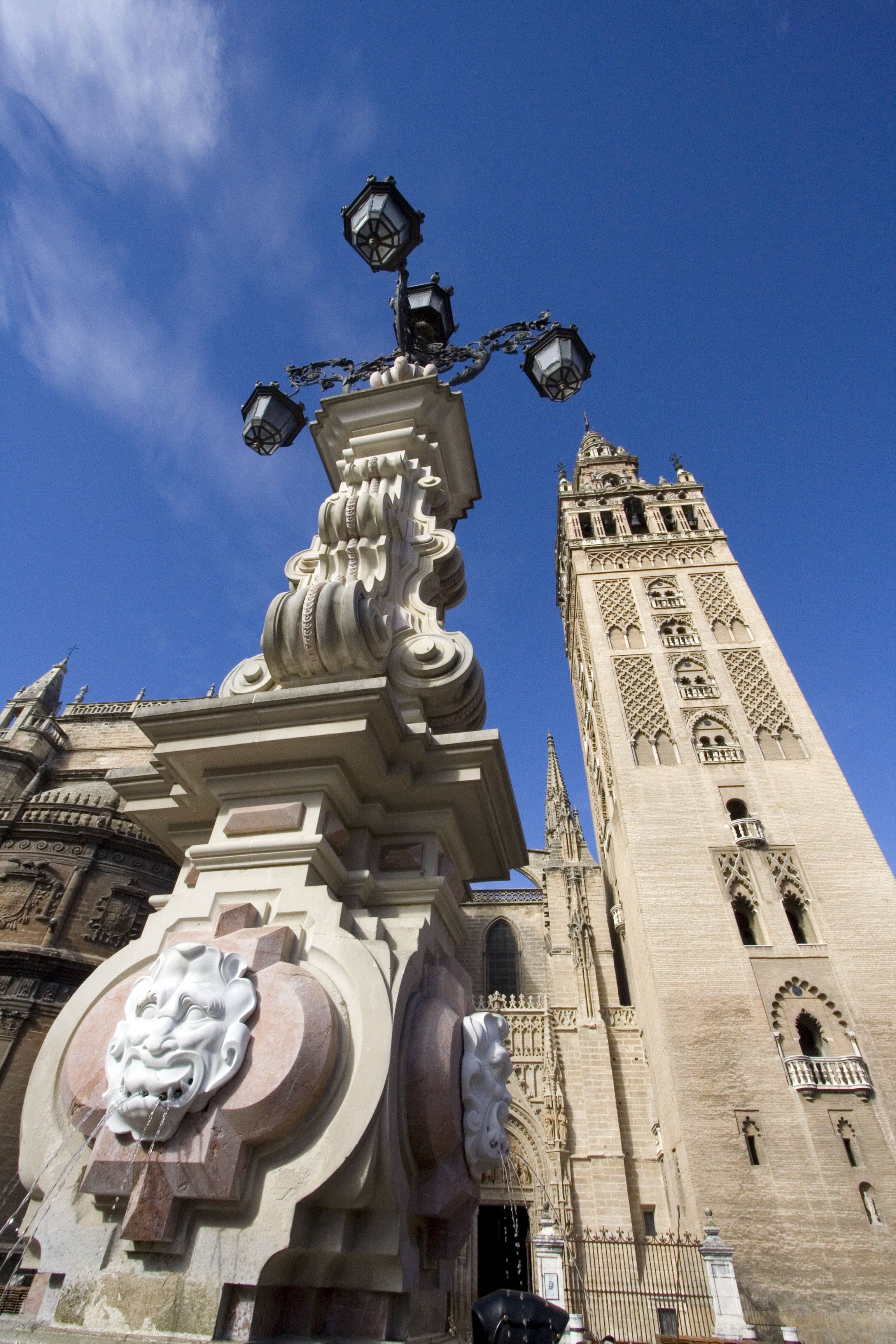
Cathedral, Giralda and Alcazar: Nobody Here Started From Nothing
90 min · 1.6 km · easy
Yes, you can see the heart of Seville in a day. Here is the route.
You cannot fit a Roman city, a Moorish capital, and the sole port of the Spanish Americas into a single day, and you should not try. What you can do is walk the dense, connected core where its most famous sights sit within reach of each other: the Cathedral, Giralda, and Real Alcázar on one extraordinary block, the tiled lanes of Santa Cruz, the grandeur of Plaza de España, and the tapas neighborhood of Triana across the river. This itinerary routes those around a comfortable walking day, and names the self-guided Seville walking tour that anchors each block so the history walks with you.
A note on pace and heat before you start. Seville old town is flat and compact, so the walking is gentle, roughly 6 to 9 km across the day. But the sun is not gentle. In summer the city routinely passes 40°C, so start early, treat the shaded midday hours and the tapas stops as part of the plan, and carry water.
Morning: the free walk around the Cathedral, Giralda, and Alcázar
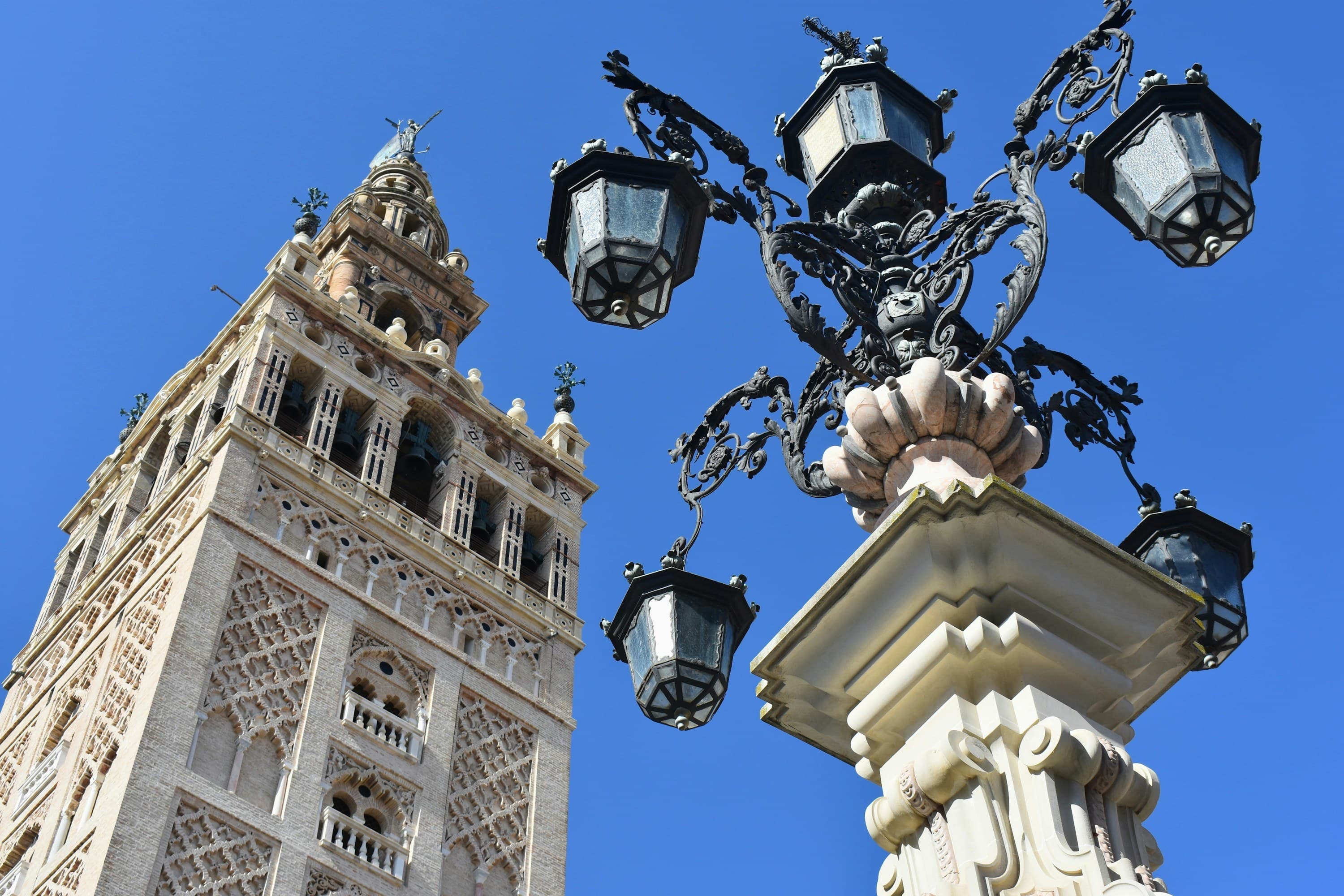
Start early at the Archivo General de Indias on the Avenida de la Constitución, the Renaissance exchange that later became the archive holding eighty million pages of Spanish American empire. Round the corner is Plaza del Triunfo, where three World Heritage buildings meet under three different owners: the Cathedral belongs to the Church, the Real Alcázar to the city, and the Archivo to the state, all within about a hundred metres. Above the Cathedral rises the Giralda, an Almohad minaret finished in 1198 that Castile kept as a bell tower after 1248, though the crown on top is a Renaissance replacement for a dome an earthquake threw down in 1356.
This is the block to walk with the Cathedral, Giralda and Alcazar: Nobody Here Started From Nothing self-guided audio tour: ten stops, about 1.6 km, roughly 90 minutes, and every stop a free public street or square with nothing to book. It threads the Archivo, the Alcázar walls, the lanes of Santa Cruz and the Jardines de Murillo before arriving at the Giralda from the east, and it tests the story Seville tells about itself, that its conquerors moved into the city rather than clearing it. If you want to go deeper before you walk, the companion piece on the Giralda is a good primer on the minaret that became a bell tower.
Midday: the ticketed interiors, and tapas out of the sun
Hear a stop from this walk
Puerta del Perdon: Arabic on a Cathedral Door
The morning walk deliberately stays outside, which leaves the two great interiors for the hottest part of the day, when being indoors is the point. Book timed tickets for the Catedral de Sevilla and the Real Alcázar well ahead; both sell out in high season and the queues are long. One correction to carry in with you at the Alcázar: Pedro the First's fourteenth-century palace was not a conversion of the Muslim one. The ground was cleared for it, and what continued on the site was the enclosure, not the rooms.
Between the two, wander the Barrio de Santa Cruz, whitewashed walls, orange-tree plazas, and lanes barely wide enough for two, and duck into a bar for a first tapa out of the sun. Keep your bag close here; the crowded lanes are the city main pickpocketing zone. If the Archivo caught your eye in the morning, our companion on the Casa de Contratación and the building that never housed it explains why the institution everyone names it after worked two hundred metres away and had left the city sixty-eight years before the archive moved in. For the fuller story of why one river bend ran an empire, the port that monopolized the New World is worth reading first.
Afternoon: Plaza de España and María Luisa Park
Walk south to Plaza de España, the vast half-moon of brick, tile, and ceramic bridges built for the 1929 Ibero-American Exposition, wrapped around a canal you can row. It is Seville most photographed set piece, and the adjoining Parque de María Luisa is the best shade in the city for an afternoon breather. This is the natural low-effort stretch of the day: sit, cool down, and let the heat pass before crossing the river.
Evening: Triana across the river
As the light softens, cross the Isabel II bridge into Triana, the working west-bank neighborhood where flamenco crystallized. Walk it with the Triana: Where Flamenco Was Born tour, which reads the quarter as four centuries of displaced peoples, potters, and Romani families rather than chasing a single tablao. It ends near the Mercado de Triana, built on the ruins of an Inquisition castle, and Calle Betis along the river.
Triana is also where the day should end at a table. This is a tapas neighborhood, and the food carries the same history as the music. See tapas in Triana for what to order and where, from pescaíto frito at the market to a fino on Calle Betis at dusk.
The one-day route at a glance
| Block | Where | Anchor tour |
|---|---|---|
| Morning | Archivo de Indias, Plaza del Triunfo, Santa Cruz, Giralda | Cathedral, Giralda and Alcazar: Nobody Here Started From Nothing |
| Midday | Cathedral and Real Alcázar interiors, tapas in the shade | (timed tickets, booked ahead) |
| Afternoon | Plaza de España, María Luisa Park | (rest and shade) |
| Evening | Triana, Mercado de Triana, Calle Betis | Triana: Where Flamenco Was Born |
Plan the rest of your trip
One day covers the core. For how many days Seville really deserves, how to get around, and when to go (spring is glorious, high summer is brutal), read the Seville travel guide. For what to eat across the city, see what to eat in Seville. For every route in the city, see the best self-guided walking tours in Seville, or browse all Seville tours. Every tour is free to start: the introduction and first stop play in full, and every later stop plays a short preview before an optional purchase.
Frequently asked questions
- Can you see Seville in one day?
- You cannot see all of Seville in a day, but you can see its essential core well. A focused day covers the Cathedral, Giralda, and Real Alcázar on one block, the lanes of the Santa Cruz quarter, Plaza de España, and the west-bank neighborhood of Triana, which together hold the city most famous sights within easy walking distance. Seville historic center is compact and flat, so much of it is walkable. Trying to add day trips like Córdoba or Ronda in the same day means leaving the city, so most travelers save those for a second day.
- What is the best area to base a one-day visit to Seville?
- Base yourself in or beside the old town, in Santa Cruz, near the Cathedral, or around the Alameda, all within walking distance of the main sights. The Cathedral, Alcázar, Santa Cruz, and Plaza de España sit close together on the east bank, and Triana is a short walk over the Isabel II bridge. Staying central keeps your walking time low and your sightseeing time high. In the tourist-heavy Santa Cruz lanes, keep an eye on your belongings.
- How much walking is a one-day Seville itinerary?
- Expect roughly 6 to 9 km on foot across the day. Seville old town is flat and compact, so the distance is gentle, but the pavement can be hot: in summer the city regularly tops 40°C, so start early, carry water, and rest in the shade of the orange trees through the midday hours. Wear comfortable walking shoes.
- Do I need to book anything in advance for one day in Seville?
- The Real Alcázar and the Cathedral both charge entry and get very busy, so booking timed tickets online ahead is strongly recommended, especially in spring. Walking the streets, Santa Cruz, Plaza de España, and Triana costs nothing. The self-guided audio tours that anchor each block are free to start and can be downloaded in advance, so you can walk with narration even without a signal.
Ready to experience it?
Cathedral, Giralda and Alcazar: Nobody Here Started From Nothing
90 min · 1.6 km · easy
More from Seville
Explore more at your own pace.
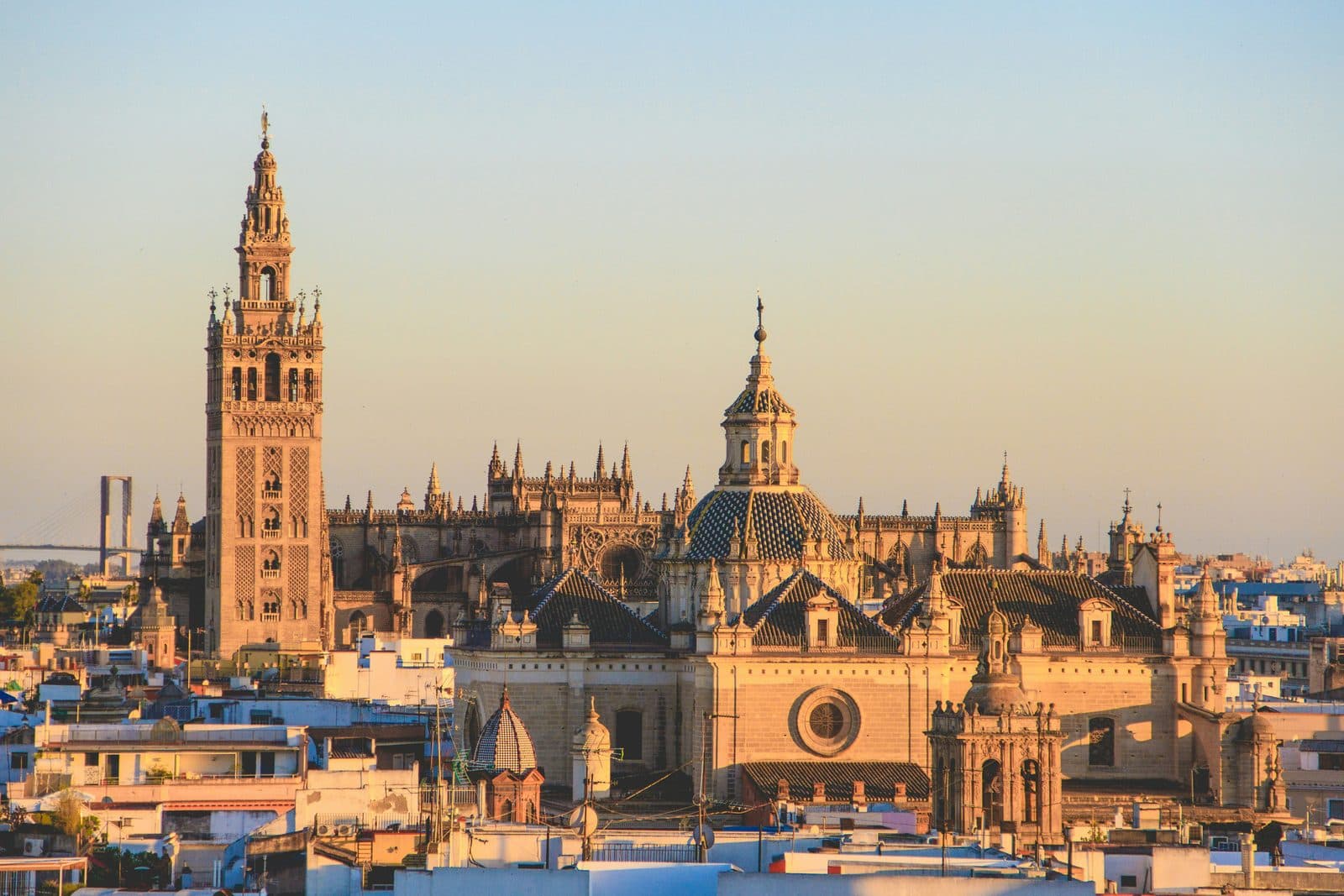
Seville Travel Guide: How Many Days, Getting Around, When to Go (2026)
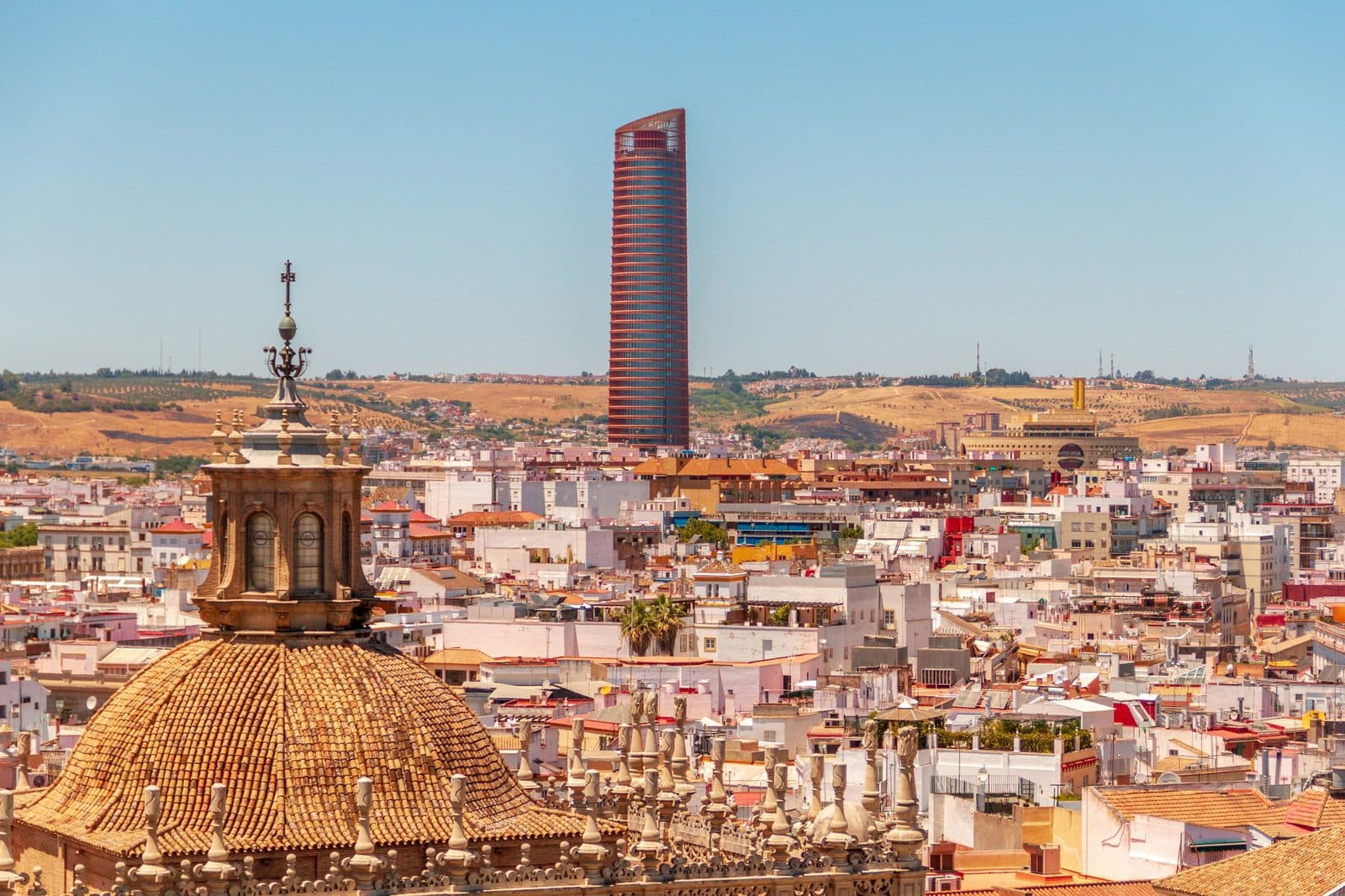
The Port That Monopolized the New World: How Seville Ran an Empire From One River Bend
Nobody Here Started From Nothing: A Companion to Seville's Cathedral, Giralda and Alcázar
The Casa de Contratación Was Never in This Building
El Zurraque: The Pottery Quarter Where the Soleá Was Born