If you take Roamer's flamenco tour across the river, do not leave Triana when the audio ends. The neighborhood's food carries the same history as its music, and eating here is the natural second half of the walk. Triana was Seville's working west bank, a quarter of potters, river fishermen, sailors, and Romani families, and its tapas culture grew out of exactly those trades.
The market on the castle
The obvious first stop is the Mercado de Triana, at the foot of the Isabel II bridge, which has anchored neighborhood life for over two hundred years. Inside, central stalls sell the fish, jamón, and vegetables locals actually buy, busiest before 13:00, while gastro-bars around the perimeter serve tapas made from produce carried a few metres from the stalls. It is the freshest, least touristy way to eat in Triana.
It is also built on the Spanish Inquisition. The market sits directly on the ruins of the Castillo de San Jorge, which held the Inquisition's first tribunal from 1481. A themed interpretation centre in the basement, opened by the city in 2009, lets you walk the excavated ruins beneath the food stalls. This is a stop on our Triana: Where Flamenco Was Born tour, so the tour and the meal share the same ground.
What to eat
Hear a stop from this walk
Centro Cerámica Triana: The Pottery District Where the Cante Families Sang
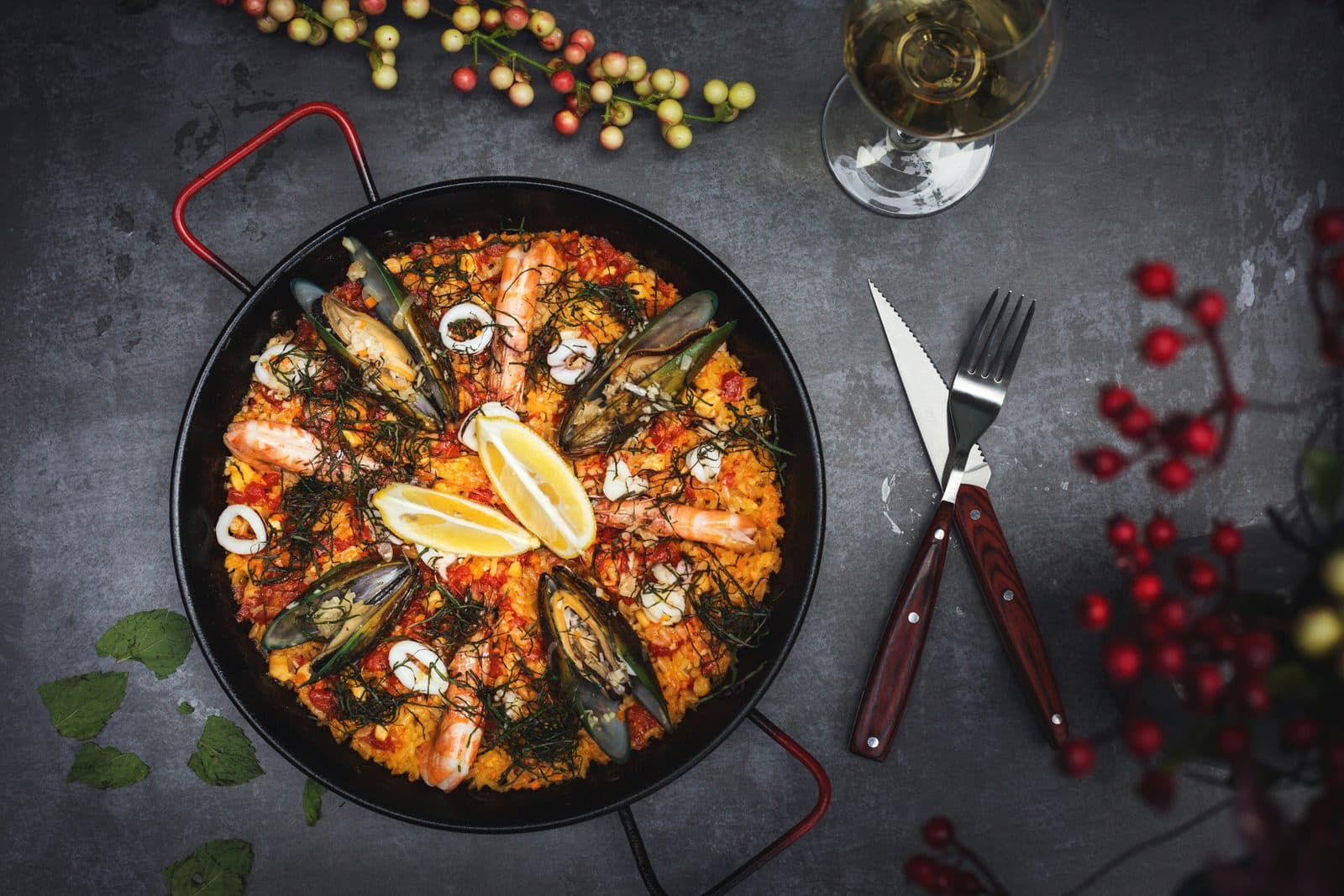
Triana cooks traditional Andalusian food shaped by a river quarter. The signature is fried fish, pescaíto frito, and pavías, the salt-cod fritters that are Seville's own. Alongside them come the classic stews: espinacas con garbanzos, spinach with chickpeas, a Moorish-descended dish, and cola de toro, oxtail. The fried-fish tradition is not incidental; it reflects Triana's centuries as a fishing and sailors' neighborhood on the Guadalquivir, the same working population that produced the cante.
Where to sit
For an evening, Calle Betis runs along the riverbank with bars facing the Seville skyline and the Triana bridge, the neighborhood's most scenic strip. It is a short walk from where our flamenco tour companion ends its route. Between the market by day and Calle Betis by night, you can eat the neighborhood without ever eating touristy.
Why the food and the flamenco belong together
The point of eating in Triana rather than crossing back to the centre is continuity. The same industrial west bank that gave flamenco the soleá, crystallized among the potters of El Zurraque in the 1840s, gave Seville its fried-fish and market culture. The music and the food came from one working population on one bank of the river. Eat here after the walk and you stay inside the same story rather than stepping out of it.
Plan the walk first
The Triana flamenco route is free to start in the Roamer app, runs about 100 minutes in the late afternoon, and leaves you perfectly placed for dinner. Compare it against the city's other routes on our best walking tours in Seville guide.
Frequently asked questions
- Where should I eat tapas in Triana?
- Start at the Mercado de Triana at the foot of the Isabel II bridge, where gastro-bars around the perimeter serve tapas made from the stalls' own produce, and it is busiest before 13:00. For an evening, Calle Betis along the river has bars with skyline views. Both sit within a few minutes of the Triana flamenco walking route.
- What food is Triana known for?
- Traditional Andalusian west-bank cooking: pescaíto frito (fried fish), pavías (salt-cod fritters), espinacas con garbanzos (spinach with chickpeas), and cola de toro (oxtail stew). The fried-fish tradition reflects Triana's history as a river-fishing and sailors' quarter.
- Is the Mercado de Triana really built on an Inquisition castle?
- Yes. The market sits directly on the ruins of the Castillo de San Jorge, which housed the Spanish Inquisition's first tribunal from 1481. A themed interpretation centre in the basement, opened in 2009, lets you walk the excavated ruins beneath the food stalls.
- Should I eat in Triana before or after the flamenco tour?
- After. The Triana: Where Flamenco Was Born tour ends at the El Zurraque pottery quarter in the late afternoon, which puts you a short walk from both the market and Calle Betis right as the neighborhood comes alive for dinner.
Ready to experience it?
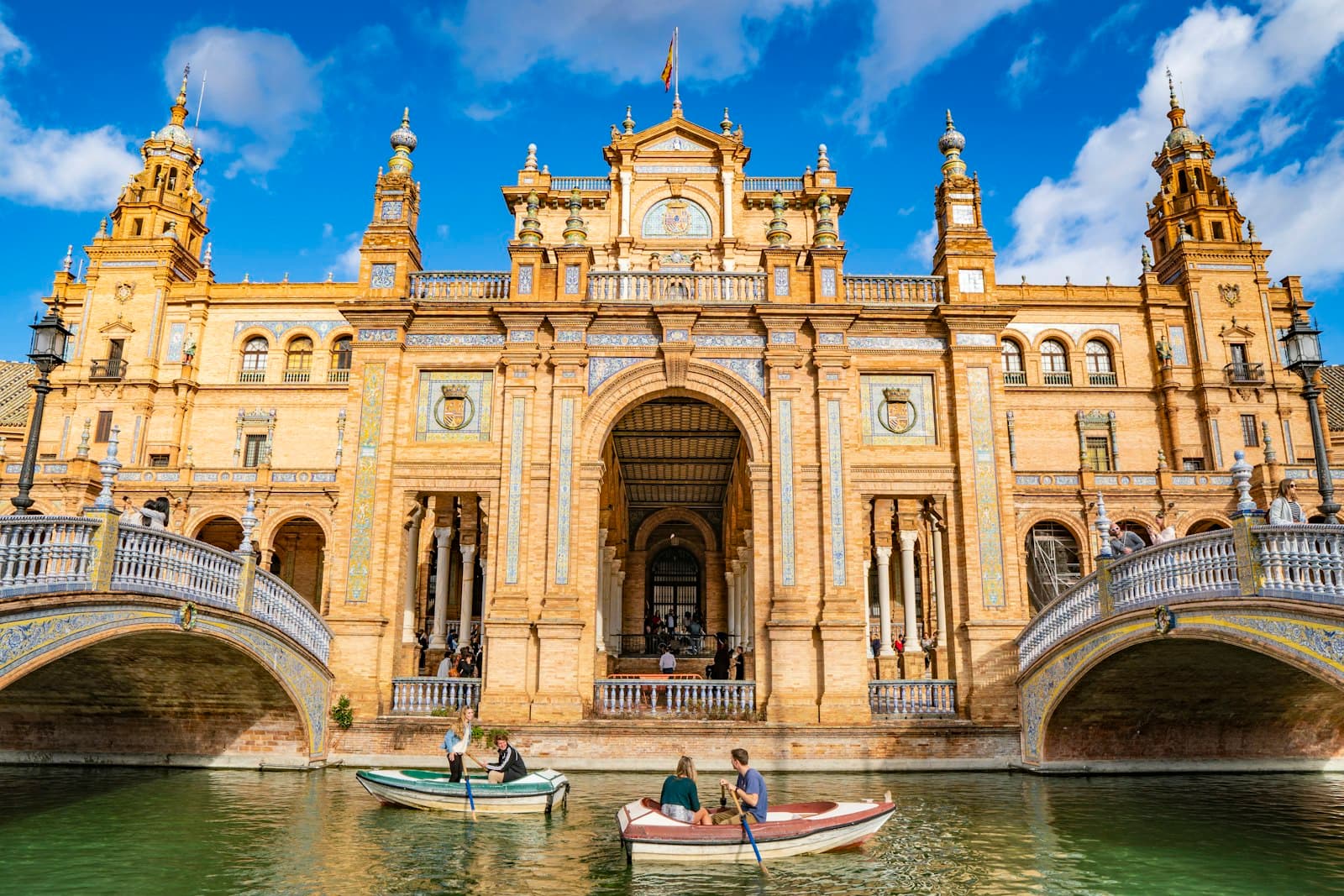
Triana: Where Flamenco Was Born
100 min · 2 km · easy
More from Seville
Explore more at your own pace.
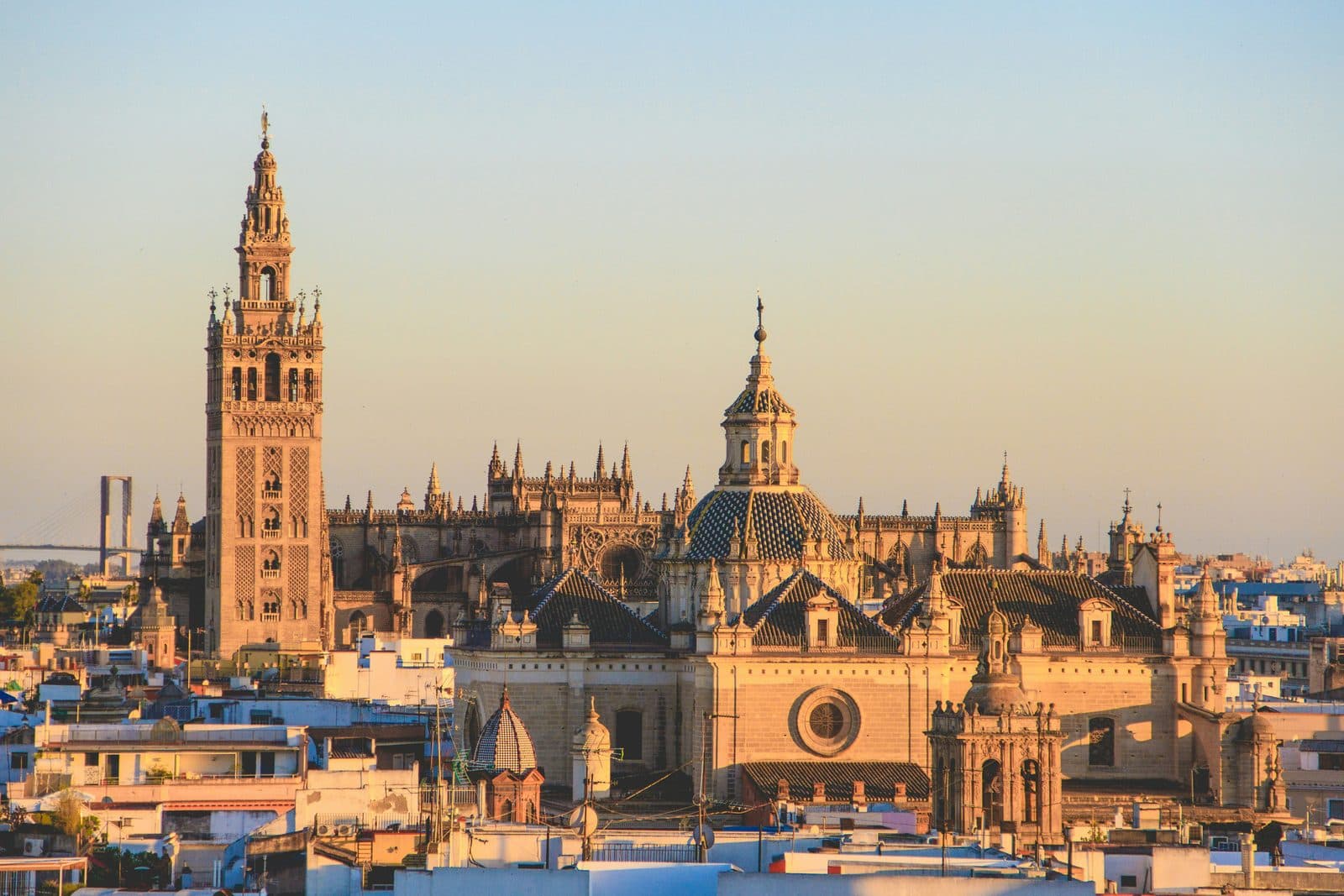
One Day in Seville: A Walkable Old-Town and Triana Itinerary (2026)
The Port That Monopolized the New World: How Seville Ran an Empire From One River Bend
Nobody Here Started From Nothing: A Companion to Seville's Cathedral, Giralda and Alcázar
The Casa de Contratación Was Never in This Building
El Zurraque: The Pottery Quarter Where the Soleá Was Born