At the western edge of Triana, where the Centro Cerámica Triana now stands, is a piece of ground that flamenco scholarship keeps returning to. This is El Zurraque, the pottery district, and it is where the soleá, one of the foundational forms of the whole flamenco tradition, crystallized in the 1840s. Not in a theatre. Among the kilns.
A quarter built on clay
Triana ceramic production is documented from the Almohad period, the twelfth century onward. When the Almohads built their pontoon bridge across the Guadalquivir in 1171, they institutionalised Triana's role as Seville's industrial west bank, and the kilns supplied tiles for the crown's export economy and for the architecture of the city itself. El Zurraque, the stretch of the neighborhood nearest the river, was the heart of that industry: a quarter of working potters, many of them non-Romani artisans, living alongside the Romani families of the Cava. That cohabitation, potters and gitanos pressed together on the industrial bank across the eighteenth, nineteenth, and early twentieth centuries, is the raw material of the music.
The soleares of the potters
Hear a stop from this walk
Centro Cerámica Triana: The Pottery District Where the Cante Families Sang
Flamenco historians give this quarter a specific credit. Per José Manuel Gamboa's encyclopedic history of flamenco, the soleares were sung in El Zurraque in the 1840s, and the origin of the soleá is dated to roughly 1840. The form even carries the quarter's name: the soleares alfareras, the potters' soleares, or the soleares del Zurraque, are a recognised branch of the cante, transmitted among the artisans and Romani families who lived here.
The figure the tradition attaches to this ground is María Amaya Heredia, known as La Andonda, whose dates are 1831 to 1891. The most venerable soleares are considered to be hers, to the point that tradition attributes the creation of the soleá itself to this cantaora. She belongs to the cante family associated with Antonio Ortega "El Fillo", one of the founding lineages of the recorded tradition. When you stand in front of the Centro Cerámica, you are standing where the form the entire soleá tradition traces back to was sung.
The museum on the kiln
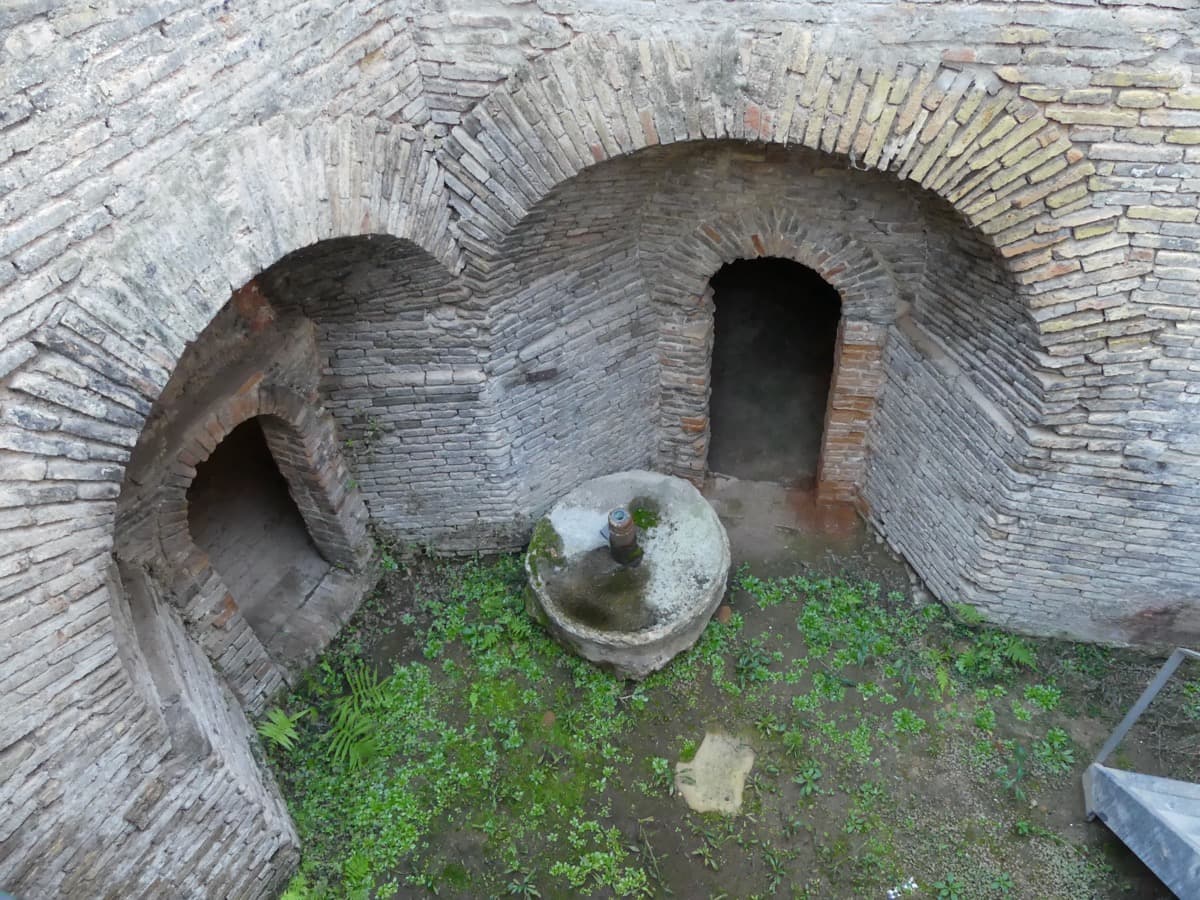
The Centro Cerámica Triana opened in July 2014, designed by AF6 Arquitectos, on the site of the former Fábrica de Cerámica Santa Ana Rodríguez Díaz, one of the historical kilns of El Zurraque. The brick factory facade is integrated into the modern glass building, so the museum is literally built into a kiln. That is fitting: the ceramics and the cante came out of the same ground, the same working population, the same industrial west bank. This is the resolution stop on our Triana: Where Flamenco Was Born tour, the point where the neighborhood's two exports, tiles and song, are shown to share a source.
The community the music outlasted
The soleares of El Zurraque cannot be separated from the people who sang them, and many of those people were displaced. The Romani community of the neighboring Cava de los Gitanos, whose 1753 brotherhood was the first Romani religious institution in the world, was pushed out in the late 1950s and rehoused across the city. The music stayed; the community did not. Our companion to the Triana tour walks that fuller ledger of cohabitation and eviction.
What to do with this at the stop
Come to El Zurraque at the end of the Triana walk, ideally late afternoon. Step into the Centro Cerámica to see the kiln built into the museum, then walk the surrounding streets with the knowledge that this working quarter, not a stage, is where a foundational form of flamenco was born. To feel the neighborhood beyond the music, our guide to tapas in Triana shows how its food carries the same layered history.
Ready to experience it?
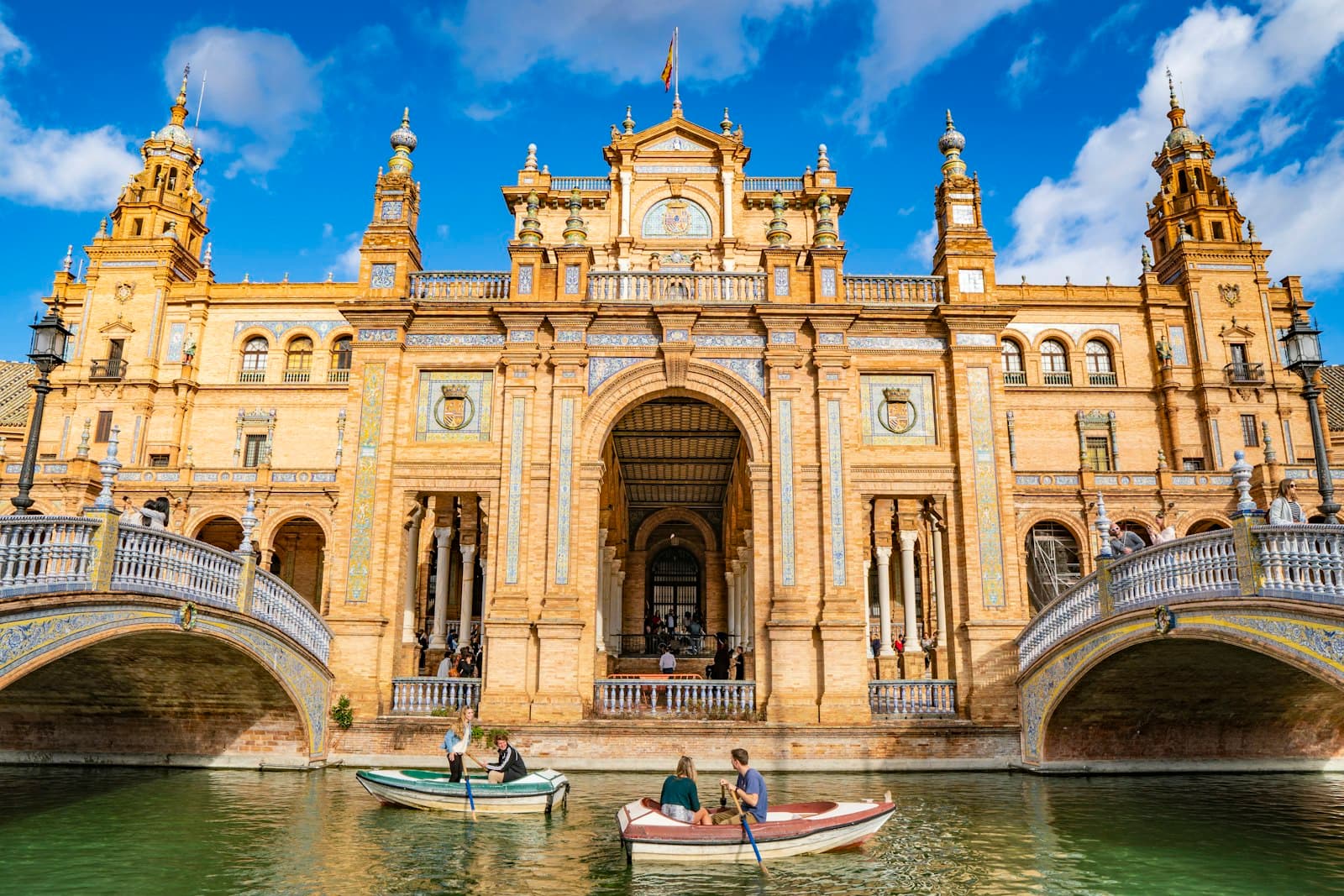
Triana: Where Flamenco Was Born
100 min · 2 km · easy
More from Seville
Explore more at your own pace.
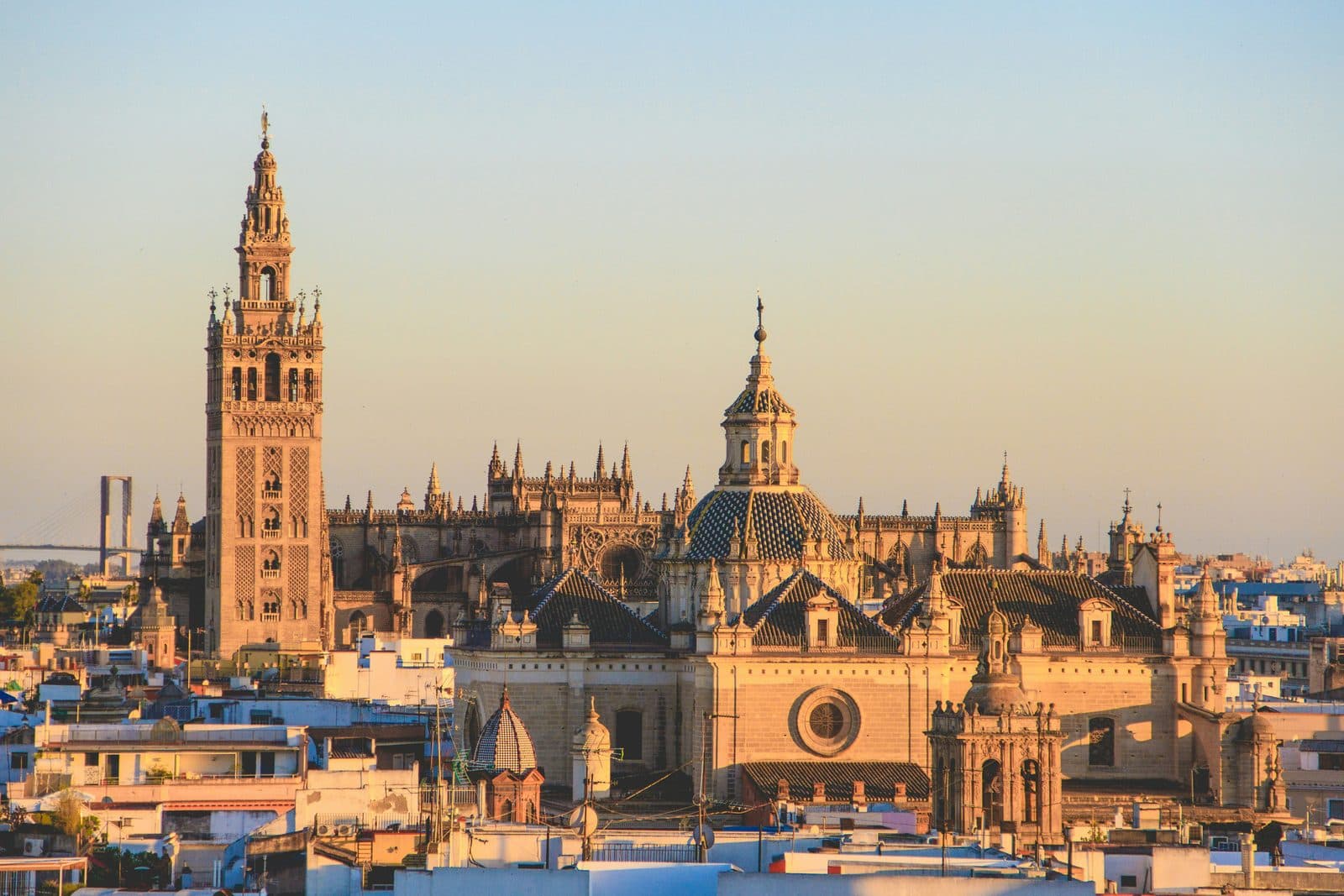
One Day in Seville: A Walkable Old-Town and Triana Itinerary (2026)
Seville Travel Guide: How Many Days, Getting Around, When to Go (2026)
The Port That Monopolized the New World: How Seville Ran an Empire From One River Bend
Nobody Here Started From Nothing: A Companion to Seville's Cathedral, Giralda and Alcázar
The Casa de Contratación Was Never in This Building