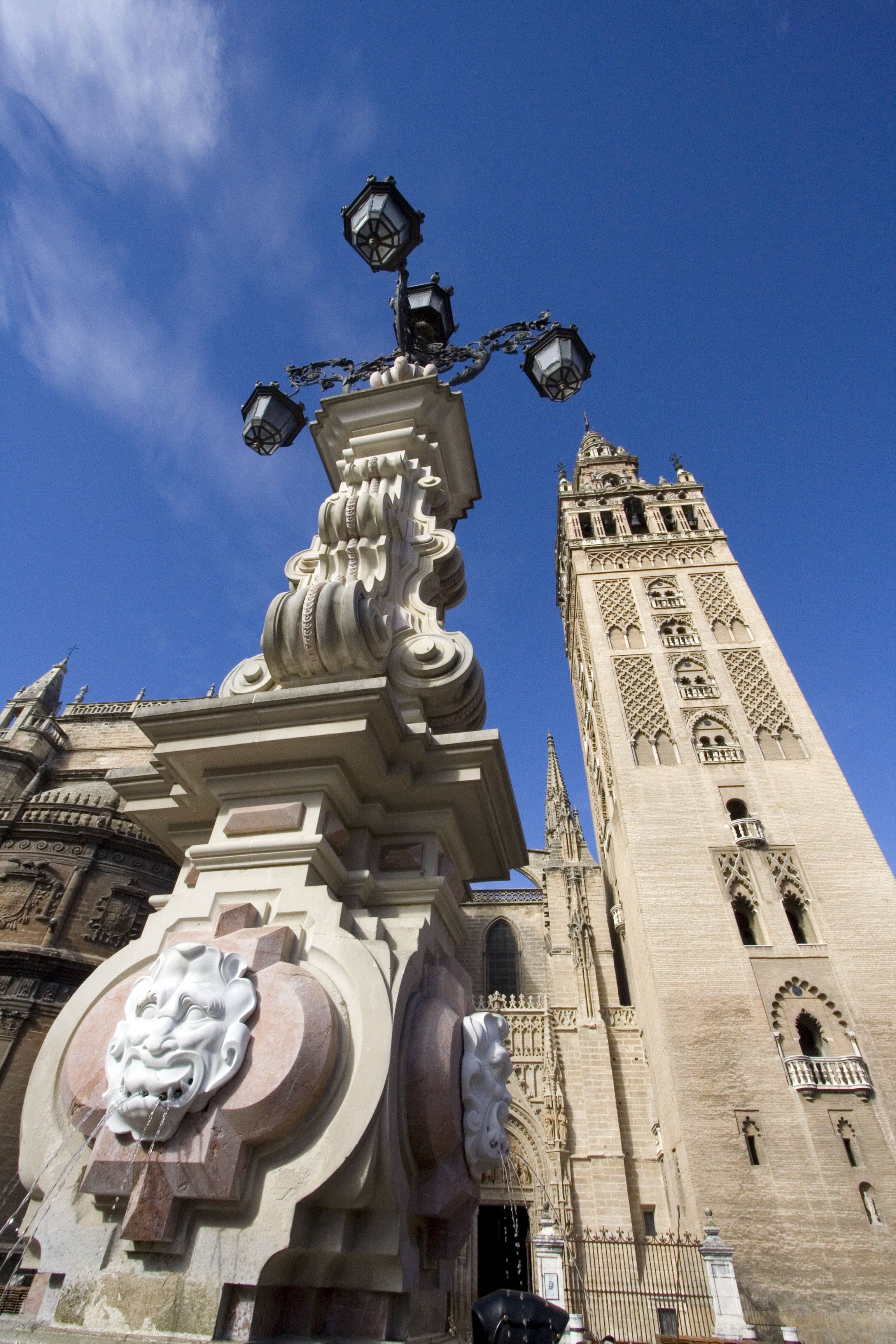
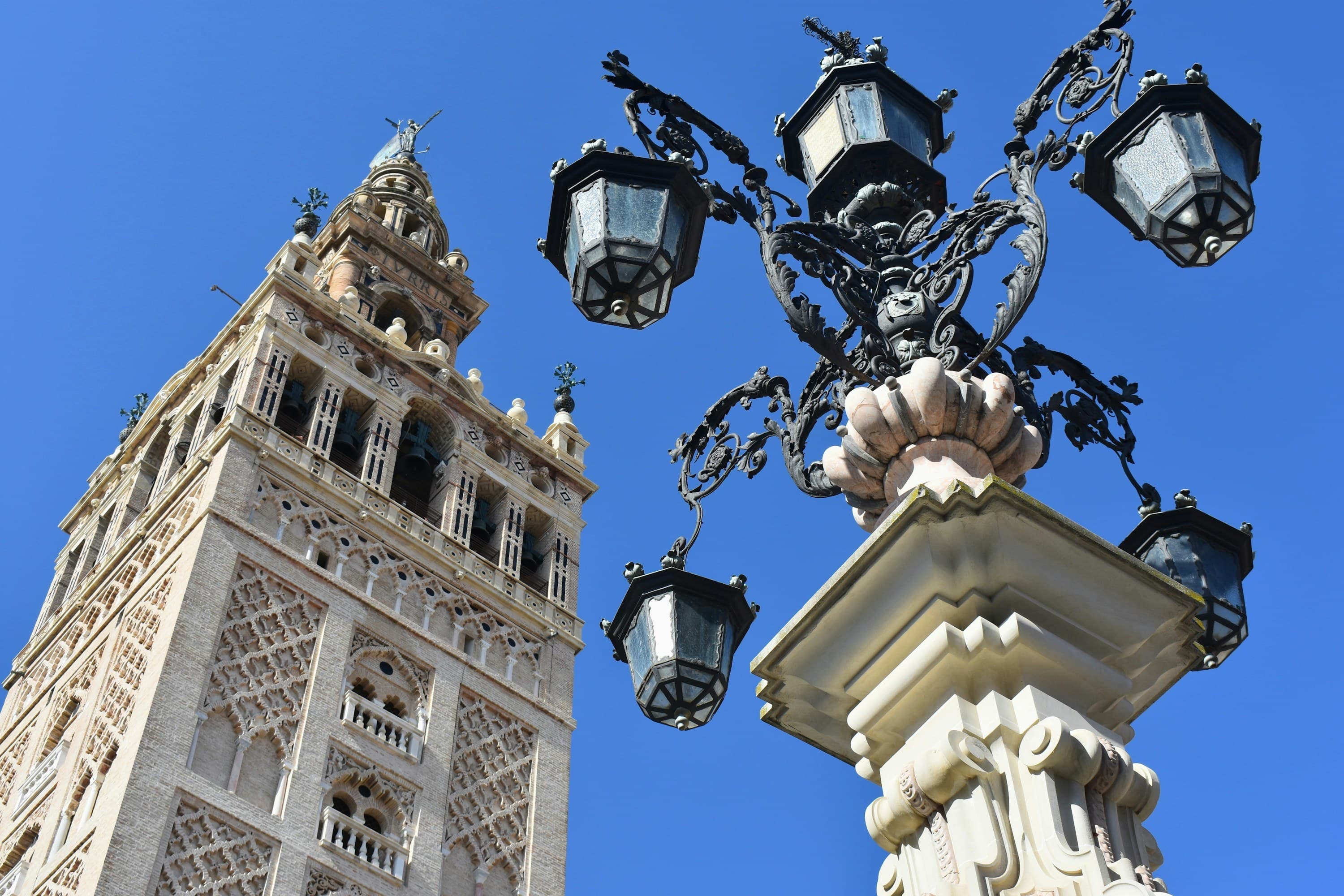
Cathedral, Giralda and Alcazar: Nobody Here Started From Nothing
90 min · 1.6 km · easy
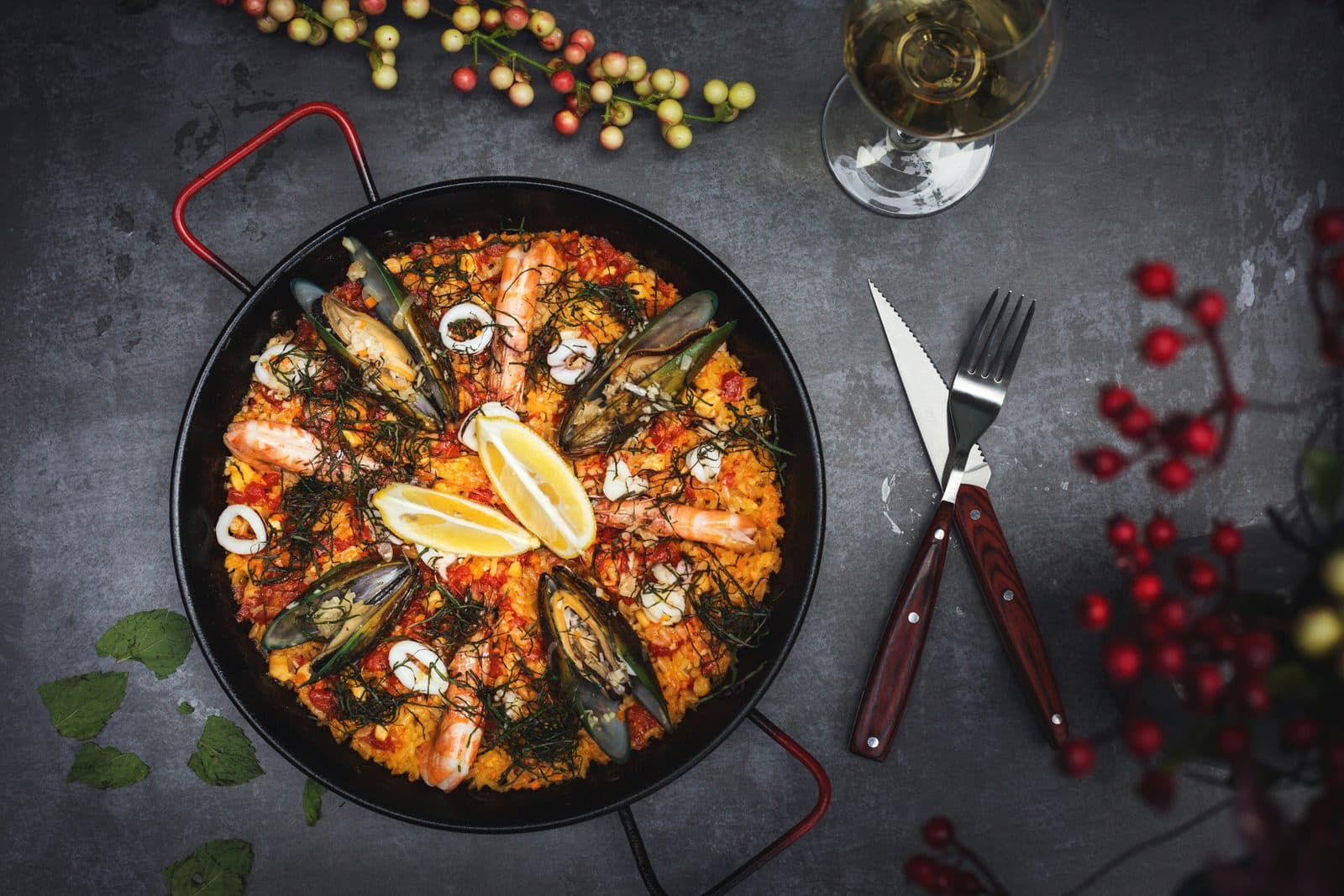
Seville food is defined by two things: the tapas culture the city helped invent, and a hot, dry Andalusian climate. The heat gave it cold soups. A river and a nearby coast gave it fried fish. The hills to the north gave it cured ham, and the vineyards just down the road gave it sherry. Put those together and you get a food scene meant to be eaten small, standing up, and on the move: not one long meal, but a crawl from bar to bar. This guide covers the dishes worth seeking out and how to eat them, and it pairs naturally with a slow walk on one of our Seville self-guided tours.
The dishes to seek out
Tapas, the format itself. Seville is one of the cities most associated with tapas, small plates eaten with a drink, and here they are the whole way of eating rather than an appetizer. You order per plate and size it as a tapa, a media ración, or a full ración, and you rarely stay in one place for the whole night.
Gazpacho and salmorejo. The two cold tomato soups that make an Andalusian summer bearable. Gazpacho is thin and drinkable, blended from tomato, cucumber, green pepper, garlic, bread, olive oil, and sherry vinegar. Salmorejo, thicker and creamier, is a Córdoba dish beloved across Seville, made mostly of tomato and bread and topped with chopped egg and jamón. If it is hot out, order both.
Pescaíto frito. Small fish, anchovies, hake, cuttlefish, lightly floured and fried crisp in olive oil. It is a Seville staple and the signature food of the Feria de Abril. The tradition runs deepest across the river in Triana, the old fishing quarter, which is why we give it its own guide below.
Espinacas con garbanzos. Spinach with chickpeas, a humble, Moorish-descended dish seasoned with cumin and garlic. A classic tapa and a reminder that much of Andalusian cooking carries an Islamic inheritance.
Jamón ibérico. The king of Spanish cured meats, sliced almost translucent so the fat melts on the tongue. Some of the best comes from the Jabugo area in the hills an hour north of Seville. A plate of jamón with a glass of dry sherry is one of the simplest great things you can eat here.
Montaditos. Little filled bread rolls, a fast, cheap, quintessentially Sevillano bite, ordered by the handful and eaten standing at the bar.
Sherry. The fortified wine of the nearby Jerez, Sanlúcar, and El Puerto triangle anchors the drinks list at every serious tapas bar. A dry fino or manzanilla cuts the fat of the jamón; darker styles finish the meal. Sherry is not a dessert wine here, it is the everyday pour.
Oranges. Seville streets are lined with bitter orange trees, more famous for their blossom and for British marmalade than for eating raw, but sweet oranges are everywhere in season and worth picking up at the markets.
How to eat like a local: the tapeo
Hear a stop from this walk
Puerta del Perdon: Arabic on a Cathedral Door
The right way to work through this list is a tapeo, a tapas crawl. Rather than sitting for one long dinner, you move from bar to bar, ordering a plate or two and a drink at each, often at the bar rather than a table. Start in the evening, follow the busy places, and let the crowd tell you where the food is good. Tapas are cheap, so a night of grazing across several bars costs little, and it turns dinner into a walk through the city.
Where the food culture lives
Santa Cruz and the old center, for the classic crawl. The lanes around the Cathedral and through the Santa Cruz quarter are dense with tapas bars, some centuries old. This is the ground you cover on the Cathedral, Giralda and Alcazar: Nobody Here Started From Nothing walk, which threads the Santa Cruz lanes on its way to the Giralda, so the tour doubles as a route between bars.
Triana, for fried fish and the market. Across the river, Triana is the fishing-and-potters neighborhood where the food carries the same history as the flamenco. It is worth its own guide: see tapas in Triana for the market built on an Inquisition castle, the pescaíto frito tradition, and Calle Betis at dusk. Pair it with the Triana: Where Flamenco Was Born tour, which ends right where the neighborhood comes alive for dinner.
The Alameda and Feria, for where locals actually eat. North of the tourist center, the Alameda de Hércules and the Calle Feria market area hold the bars sevillanos fill themselves, often cheaper and less polished than the ones by the Cathedral, and all the better for it.
Eat as you walk
The best way to work through this list is on foot, one neighborhood at a time. Pair a morning of monuments in the old center with a tapas lunch, an afternoon in Santa Cruz with a crawl, and an evening in Triana with fried fish and a fino by the river. Route your day with the one day in Seville itinerary, plan the practical side with the Seville travel guide, and browse all Seville tours. Every tour is free to start: the introduction and first stop play in full, and every later stop plays a short preview before an optional purchase.
Frequently asked questions
- What food is Seville known for?
- Seville is known above all for tapas, the small plates the city helped popularize, and for the Andalusian dishes served on them: cold tomato soups (gazpacho and the thicker salmorejo), pescaíto frito (fried fish), espinacas con garbanzos (spinach with chickpeas), jamón ibérico from the hills to the north, and montaditos (little filled rolls). It is also a great place to drink sherry, the fortified wine made in the nearby Jerez triangle, which pairs perfectly with salty ham.
- What is the difference between gazpacho and salmorejo?
- Both are chilled Andalusian tomato soups eaten to survive the heat, but they differ in body and toppings. Gazpacho is thinner, blended from tomatoes, cucumber, green pepper, garlic, bread, olive oil, and sherry vinegar, and often drunk from a glass. Salmorejo, a Córdoba specialty served everywhere in Seville, is thicker and creamier, made mainly from tomato and bread, and usually topped with chopped hard-boiled egg and jamón. Salmorejo is the more filling of the two.
- What is a tapeo, and how do you do a tapas crawl in Seville?
- A tapeo is a tapas crawl: instead of sitting for one long meal, you move from bar to bar, ordering a plate or two and a drink at each. The tradition is to eat small and standing, often at the bar rather than a table. In Seville, tapas are ordered per plate, and portions come as a tapa (small), a media ración (half), or a ración (full). Start in the evening, follow the busy bars, and let the crowd tell you where the food is good.
- Do you tip for tapas in Seville?
- Tipping is not expected the way it is in some countries. Locals often leave small change or round up the bill, but it is optional and modest. Tapas prices are low to begin with, part of what makes eating your way across Seville so affordable.
Ready to experience it?
Cathedral, Giralda and Alcazar: Nobody Here Started From Nothing
90 min · 1.6 km · easy
More from Seville
Explore more at your own pace.
One Day in Seville: A Walkable Old-Town and Triana Itinerary (2026)
The Port That Monopolized the New World: How Seville Ran an Empire From One River Bend
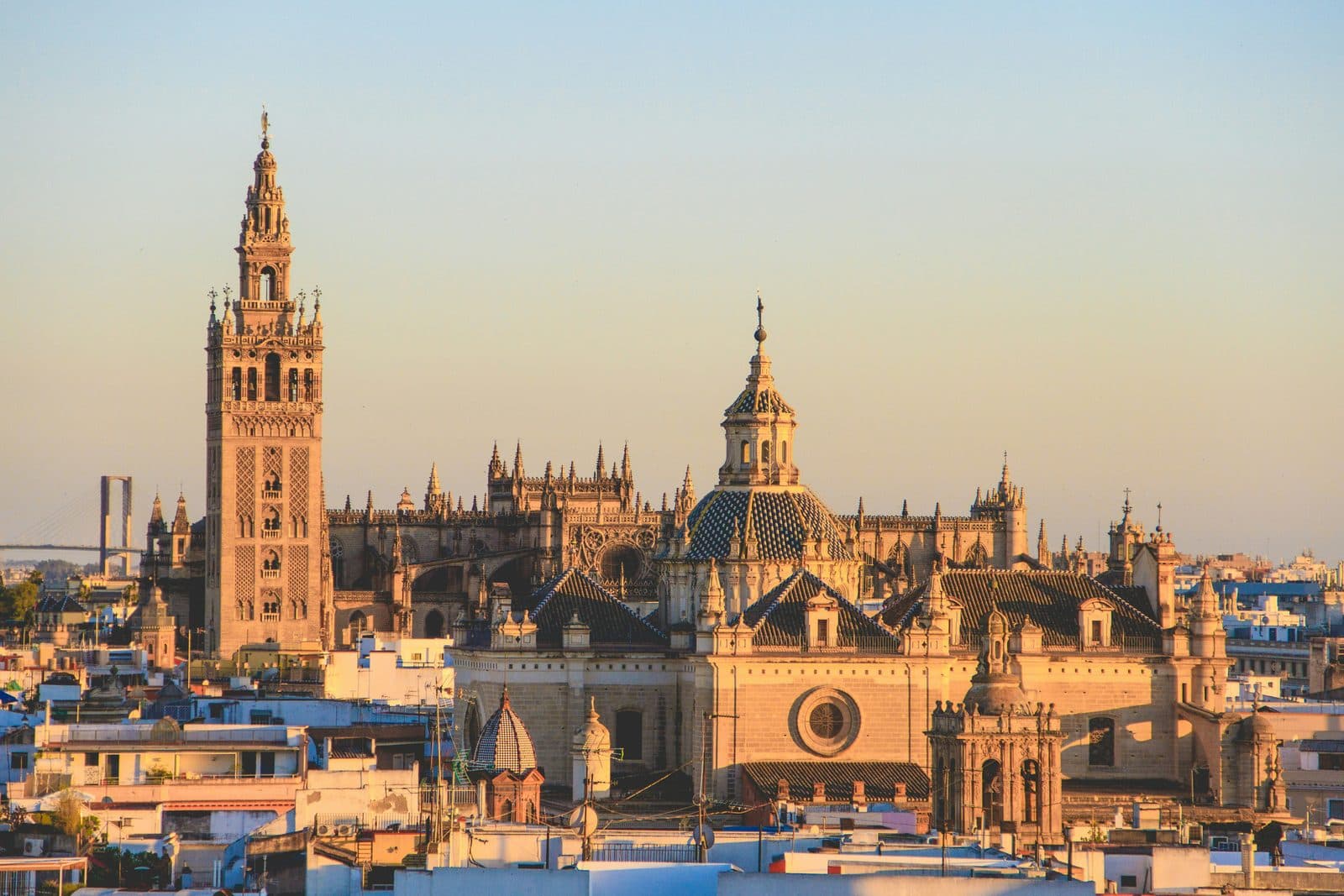
Nobody Here Started From Nothing: A Companion to Seville's Cathedral, Giralda and Alcázar
The Casa de Contratación Was Never in This Building
El Zurraque: The Pottery Quarter Where the Soleá Was Born