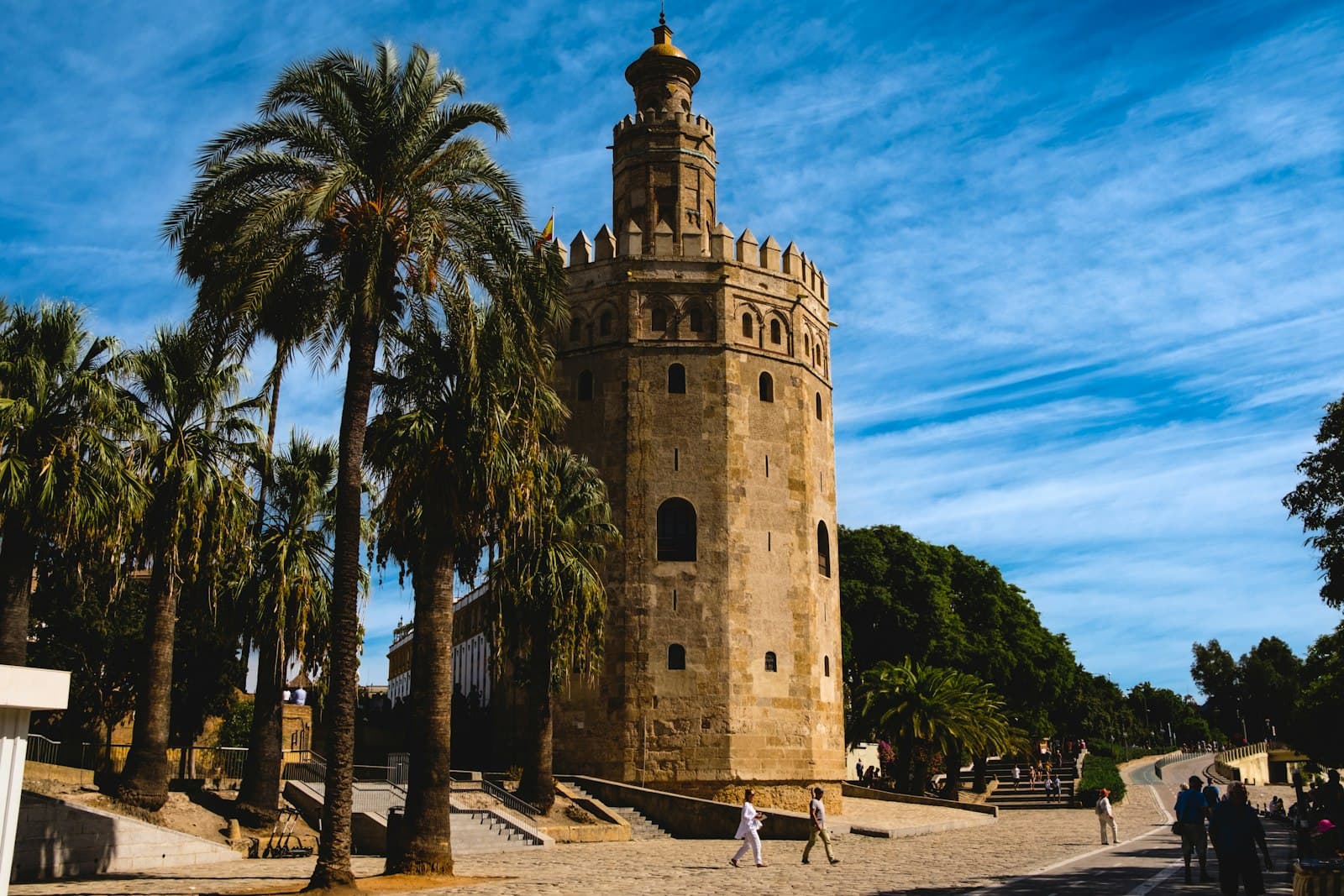
Three Civilizations on One Block
One Seville block, three civilizations stacked on the same earth. An Almohad minaret completed in eleven ninety-eight. The largest Gothic cathedral in the world, by floor area, raised on the demolished mosque underneath it. A Mudéjar palace commissioned by a Christian king in thirteen sixty-four and executed by Muslim craftsmen from Toledo, Granada, and Seville.
4.20|95 minutes|1.9 km|7 Stops
Start
Plaza del Triunfo: The Square That Unites Three Civilizations
1
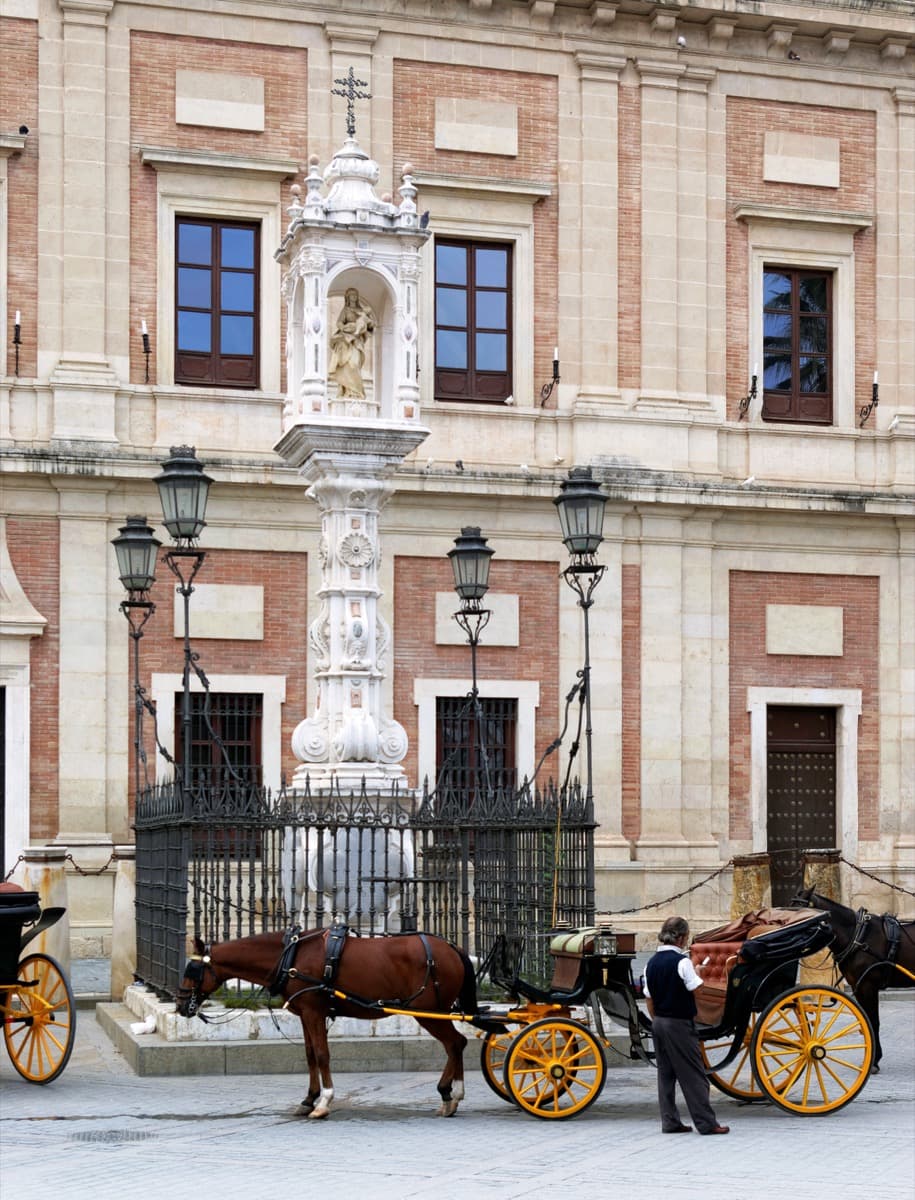
Plaza del Triunfo: The Square That Unites Three Civilizations
UNESCO inscription three hundred and eighty-three covers all three buildings around this square as a single Patrimonio Mundial property, inscribed in nineteen eighty-seven at the eleventh Session in Paris. The Templete del Triunfo at the centre was raised in seventeen fifty-six in thanksgiving for Seville's survival of the first of November, seventeen fifty-five Lisbon earthquake.
2
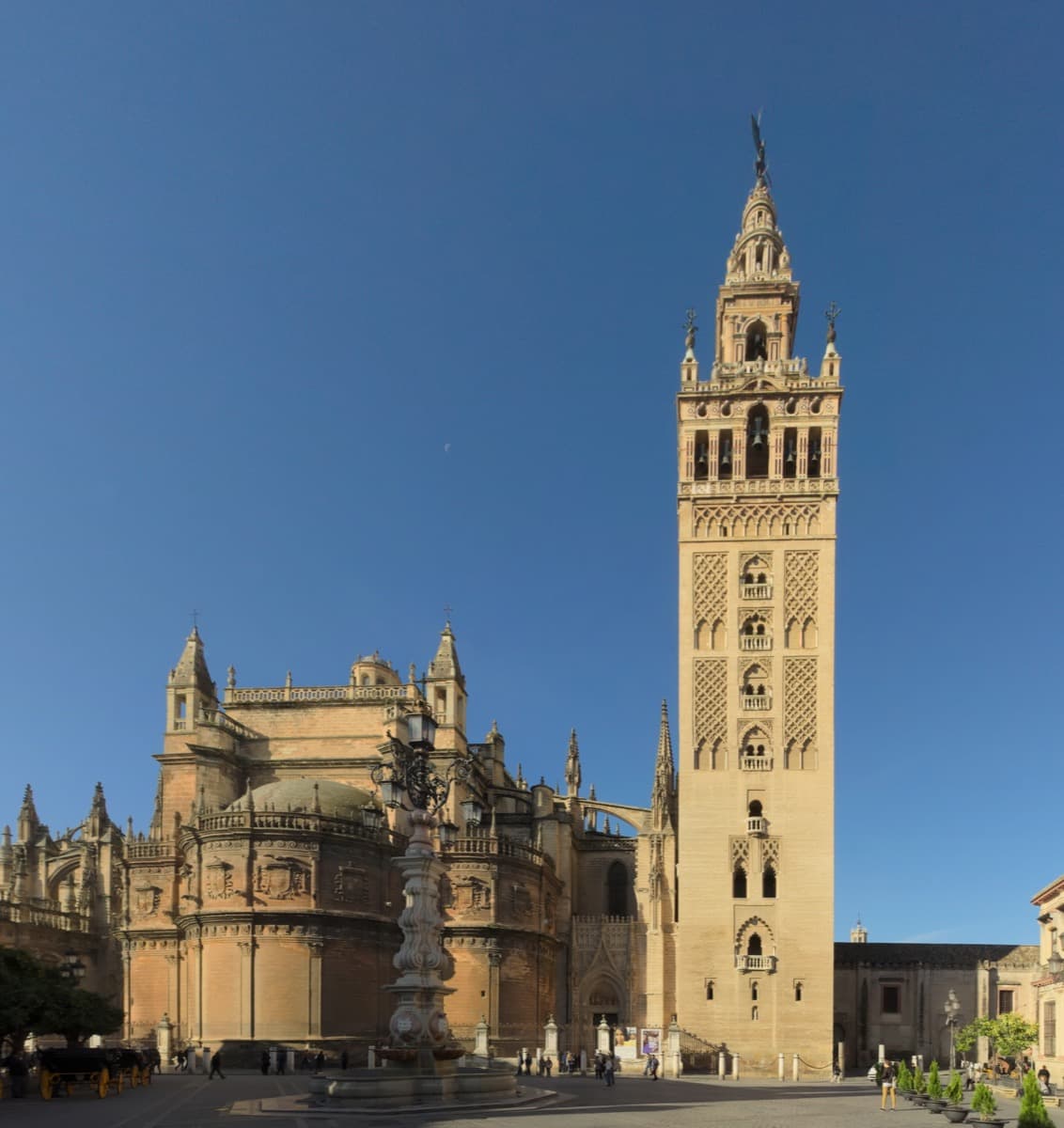
Giralda and Puerta del Perdón: Two Civilizations Stacked Vertically
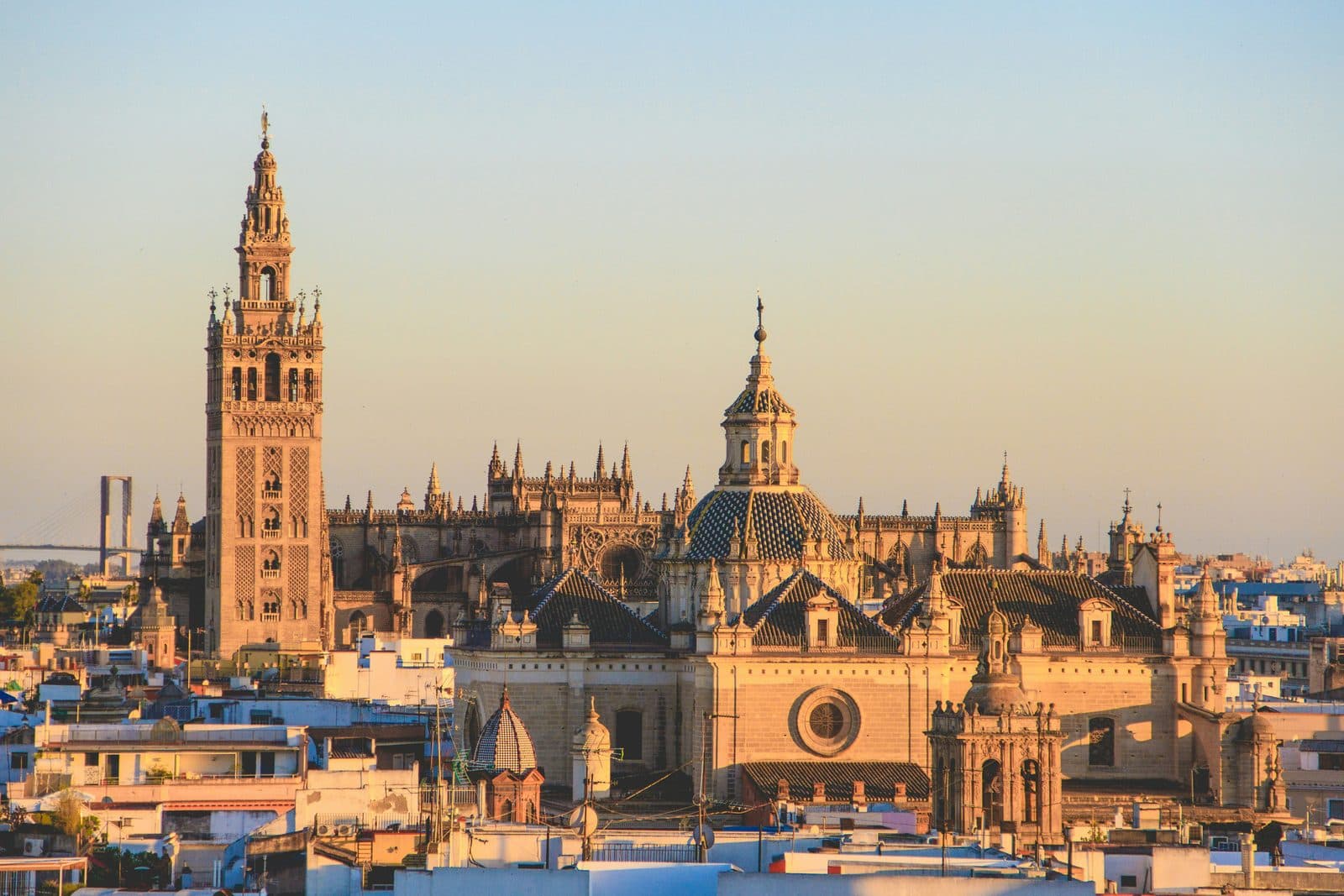
Almohad minaret commissioned in eleven seventy-one by caliph Abu Yaqub Yusuf. Foundations dug in eleven eighty-four by the master builder Ahmad ibn Baso. Main brick body raised by Ali al-Ghumari. Top secondary shaft completed on the tenth of March, eleven ninety-eight, by Abu Layth al-Siqilli. Renaissance belfry by Hernán Ruiz the Younger, fifteen fifty-eight to fifteen sixty-eight. Giraldillo weathervane fifteen sixty-eight.
3
Patio de los Naranjos: The Surviving Almohad Sahn
The Cabildo of the Cathedral describes this courtyard as the old sahn of the mosque, with surviving pillars supporting pointed horseshoe arches. The fountain at the centre carries a Visigothic upper bowl, older than the mosque itself, used by Sevillian Muslims for ablutions before entering the eleven seventy-two prayer hall.
4
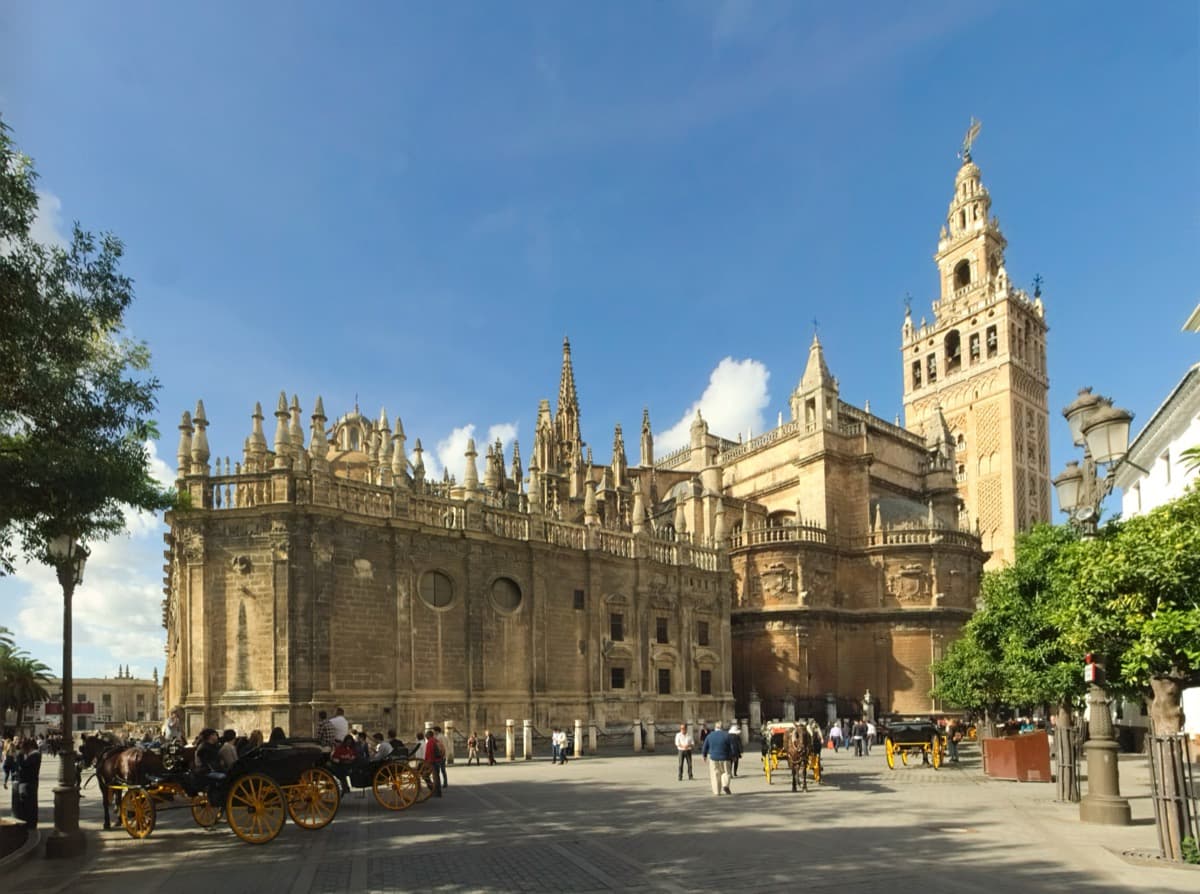
Catedral de Sevilla and the Tomb of Columbus
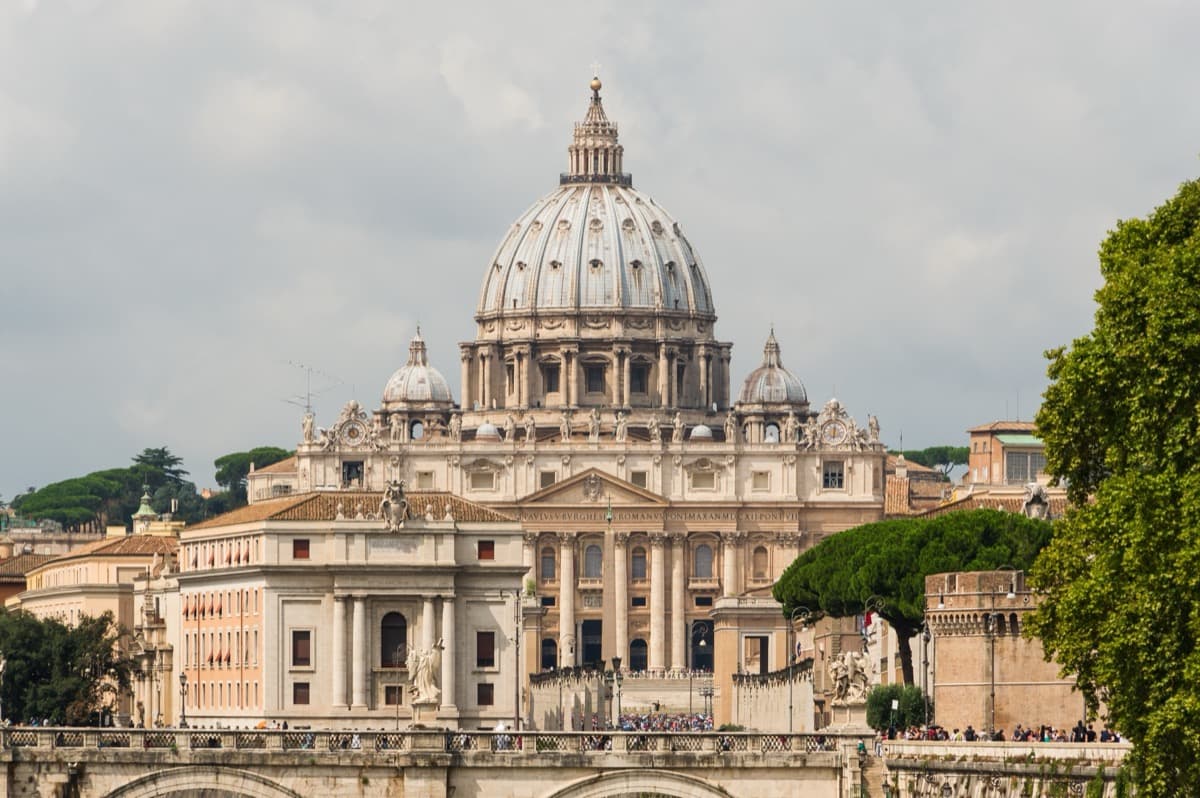
The largest Gothic cathedral in the world by floor area, interior eleven thousand five hundred and twenty square metres. Built atop the demolished eleven seventy-two Almohad mosque. Cabildo resolution fourteen oh one, works begin fourteen oh two, Gothic body functionally complete fifteen oh six to fifteen oh seven, crossing lantern fifteen nineteen. Columbus remains arrived from Havana in eighteen ninety-eight, catafalque installed eighteen ninety-nine, remains interred nineteen oh two.
5
Patio de las Doncellas: The Mudéjar Palace of a Christian King
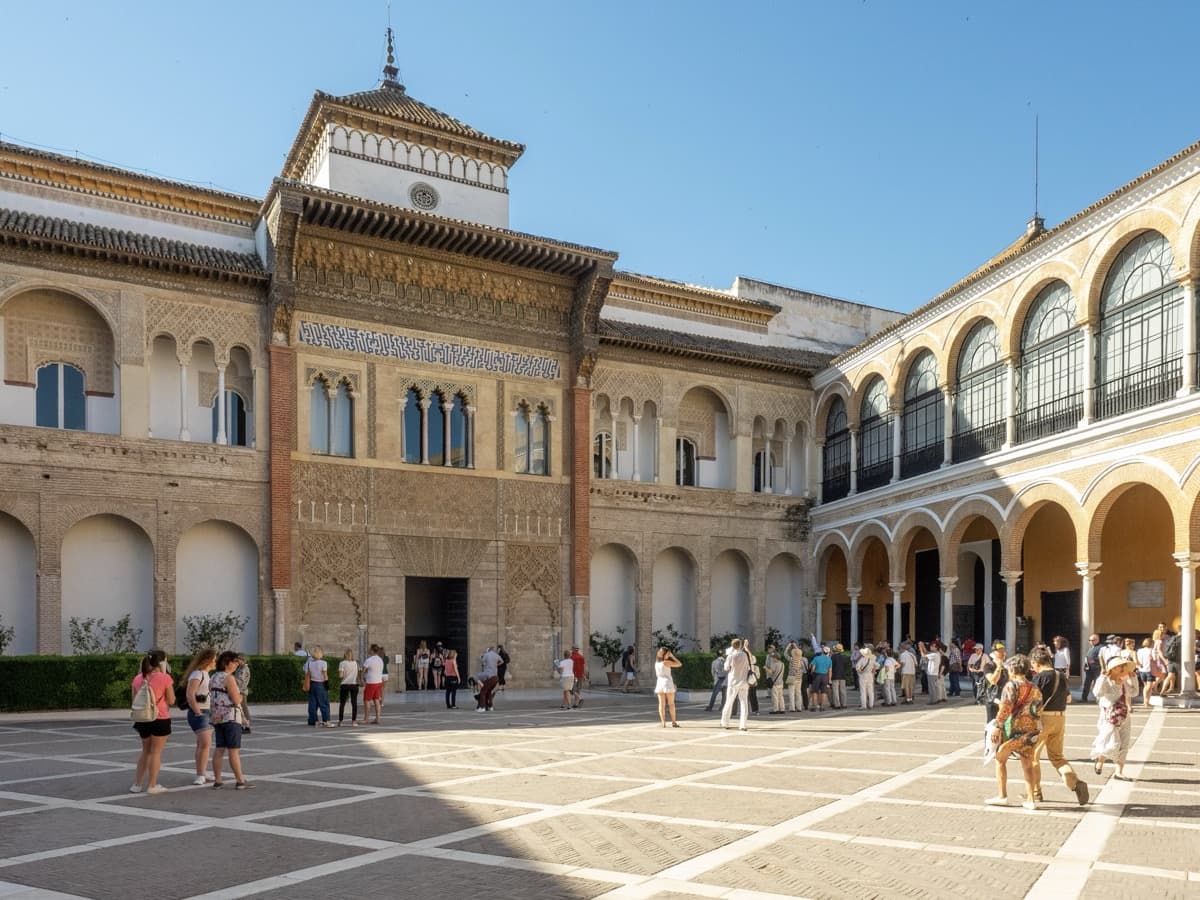
Real Alcázar, Palacio de Don Pedro. Commissioned by Pedro the First, king of Castile, in thirteen sixty-four per the Latin façade inscription. Completed in thirteen sixty-six per the Arabic Salón de Embajadores inscription. Craftsmen drawn from Toledo, Granada, and Seville, including Granadan artisans sent by Muhammad the Fifth of Granada. Ground level Mudéjar; upper Renaissance level added fifteen forty to fifteen seventy-two by Luis de Vega for Charles the Fifth.
6
Salón de Embajadores: A Christian Throne Room Built as an Islamic Qubba
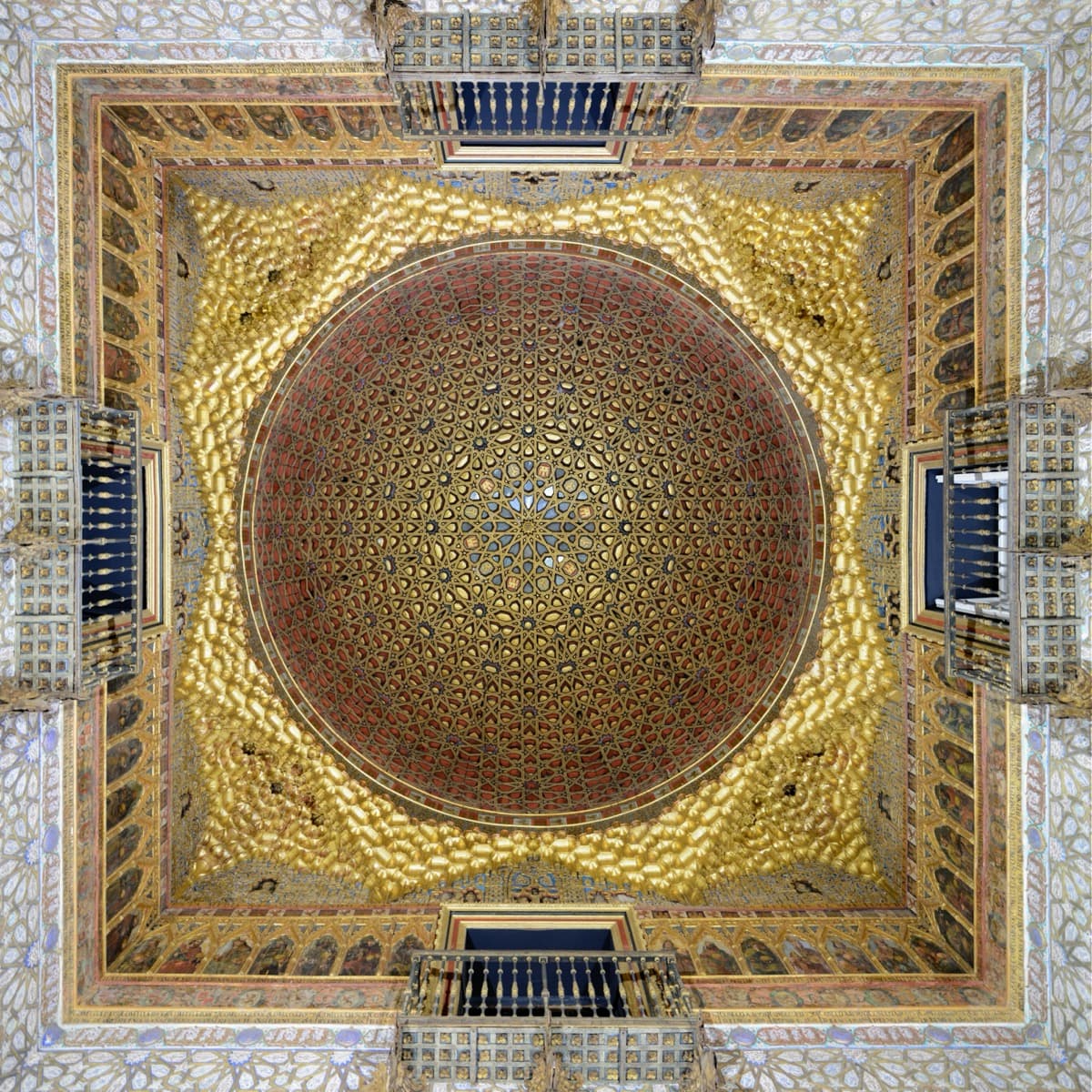
Pedro the First's throne room inside the Palacio de Don Pedro. Square room. Wooden multi-star dome added in fourteen twenty-seven, the Sala de la Media Naranja. Arabic calligraphy praising Pedro the First as Sultan Don Bidru. Diego de Esquivel's frieze of Spanish monarchs around the upper register, painted fifteen ninety-nine.
7
Barrio de Santa Cruz: The Erased Fourth Civilization
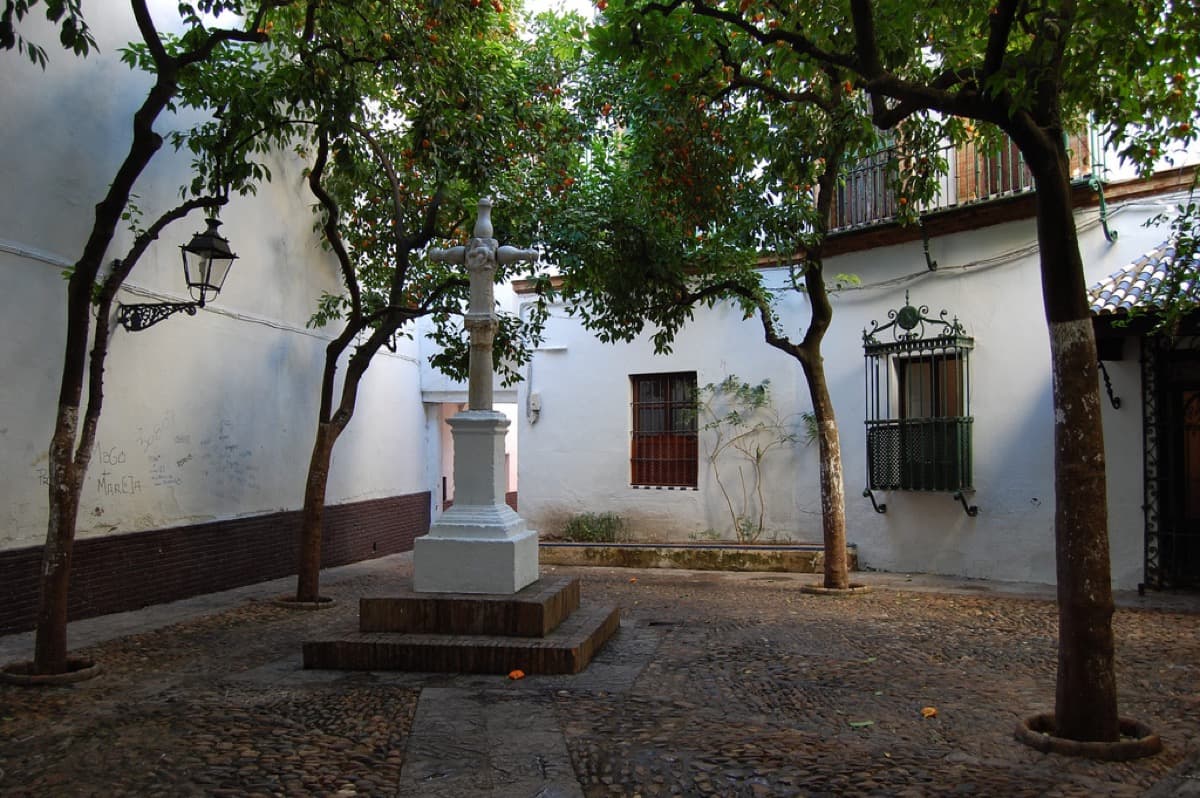
The medieval Sephardic judería of Seville. Pogrom of the sixth of June, thirteen ninety-one, agitator Ferrán Martínez, archdeacon of Écija; approximately four thousand Jews murdered. Two of three pre-thirteen ninety-one synagogues converted to churches: Santa Cruz, Santa María la Blanca. Third was San Bartolomé. Alhambra Decree of the thirty-first of March, fourteen ninety-two, expelled the remaining Jewish community from Spain. Archivo de Indias hand-off: Juan de Herrera plans fifteen seventy-two, Casa Lonja built fifteen eighty-four to sixteen forty-six, archive opened seventeen eighty-five.
Best Time to Visit
Tuesday through Saturday, mid-morning. The cathedral and the Real Alcázar both open around nine-thirty in the morning and run admissions through the afternoon. A nine forty-five start at Plaza del Triunfo puts you inside the cathedral by ten-thirty and into the Alcázar by mid-day, ahead of the heaviest tour-group windows. Sunday mornings are reserved for Mass at the cathedral and the Patio de los Naranjos may have restricted access. Andalusian summer heat from June to September turns Plaza del Triunfo and the patios punishing by noon; in those months, start at eight-thirty or shift to an evening walk from five in the afternoon when the brick has cooled and the light on the Giralda is gold.
Pro Tips
- •Book the Real Alcázar online in advance at alcazarsevilla.org. Walk-up tickets sell out by mid-morning in high season, and the queue at the door can run an hour. The audio at Stops five and six anchors inside the Palacio de Don Pedro; you need to be inside the Alcázar for those stops to work fully. The cathedral also sells online tickets at catedraldesevilla.es; the queue is shorter than the Alcázar's but not negligible in summer.
- •Climb the Giralda inside the cathedral if you have an extra forty-five minutes. The internal ramp is the original Almohad ramp built so the muezzin could ride up on horseback to call prayer. The view from the top covers the whole UNESCO block: the Patio de los Naranjos below, the Alcázar walls to the south, the Archivo de Indias across Plaza del Triunfo, and the Barrio de Santa Cruz to the east. The audio at Stop two anchors at ground level, so the climb is supplementary.
- •The Patio de los Naranjos at Stop three is most powerful in the early morning before the orange-tree shadows shorten and before the cathedral fills with tour groups. If your route allows, enter through the Puerta del Perdón rather than from the cathedral nave; that is the historical entry the Sevillian Muslims used.
- •The Tomb of Columbus at Stop four sits in the south transept near the Puerta del Príncipe. The catafalque is photographed constantly and the area around it is busy. The audio anchors slightly off to one side, away from the centre of the floor where the tour-group leaders cluster. Look up the nave for the scale; the catafalque itself is at body height.
- •The Salón de Embajadores at Stop six is the most crowded room in the Alcázar. Audio anchors against one of the side walls reduce the echo and let the Arabic calligraphy be visible at chest height. Photography is permitted without flash; the gilded dome reads best in indirect daylight from the side windows.
- •The Barrio de Santa Cruz at Stop seven is heavily touristed during the day. The audio holds best on a quieter side street one or two blocks east of the Alcázar exit. Calle Judería, Calle Santa Teresa, and Plaza de Doña Elvira give the neighbourhood's character without the carriage traffic of the main routes. The Iglesia de Santa Cruz that gives the neighbourhood its name is one of the two synagogues-converted-to-churches the tour names.
- •The Casa de Contratación inside the Alcázar, the Archivo de Indias as a working archive, and the Triana neighbourhood across the Guadalquivir all carry the colonial-trade machinery of imperial Seville. None of that is in this tour; all of it is the subject of the sibling Seville tour on the Casa de Contratación and the Archivo. This walk is the medieval and early-modern civilizational-layering tour; the imperial-trade story is the next one.
Safety & Precautions
- The walking distance is roughly two kilometres, but the interior loop through the cathedral and the Real Alcázar adds substantial time on foot. Wear flat closed shoes. The Patio de las Doncellas and the Salón de Embajadores have polished stone floors that can be slippery, especially in the rainy season from November to February.
- Andalusian summer heat from June to September is intense. Plaza del Triunfo and the Patio de los Naranjos are partly shaded, but the walk between the cathedral and the Alcázar runs across open paving. Bring water; the cathedral and the Alcázar both permit sealed water bottles. Plan for siesta-hours rest between one and four in the afternoon if you are walking in July or August.
- Both the cathedral and the Real Alcázar require admission and online booking is strongly recommended. Combined ticket queues at the door can run more than an hour in high season. If you arrive without a ticket, audio anchors at Stops one, two, and seven still work; Stops three, four, five, and six require interior access.
- Photography is permitted in most areas of the cathedral and the Alcázar without flash; tripods and selfie sticks are restricted in both. The Tomb of Columbus, the Patio de las Doncellas, and the Salón de Embajadores are the most photographed spots in Seville; expect crowds and adjust audio-anchor positions accordingly.
- Working religious services are held in the cathedral on Sunday mornings and on major Catholic feast days. The Patio de los Naranjos may have restricted access during these times and the audio at Stop three may need to be paused. Check the cathedral's published Mass schedule at catedraldesevilla.es before a Sunday walk.
- The Real Alcázar is still in use by the Spanish Crown for state visits to Seville. Wing closures for royal use are occasional and announced at short notice. The Palacio de Don Pedro is the load-bearing space for Stops five and six; if it is closed on your walk day, the tour cannot be completed in full.
- The Barrio de Santa Cruz at Stop seven has narrow streets and intermittent horse-drawn carriage traffic on the main routes. Walk single-file on Calle Mateos Gago and the entry streets; the quieter side streets toward Plaza de Doña Elvira are safer for an extended audio stop.
Gallery
Related Reading
Go deeper on what you'll see, hear, and walk through.
Overview
Best Self-Guided Walking Tours in Seville (2026)
4 min
Overview
One Day in Seville: A Walkable Old-Town and Triana Itinerary (2026)
5 min
Overview
Seville Travel Guide: How Many Days, Getting Around, When to Go (2026)
5 min
Thematic
Best History Walking Tours in Seville (2026)
2 min
Thematic
The Port That Monopolized the New World: How Seville Ran an Empire From One River Bend
6 min
Thematic
What to Eat in Seville: An Andalusian Food Guide (2026)
5 min
Companion
Three Civilizations on One Block: A Companion to Seville's Cathedral, Giralda and Alcázar
3 min
Deep dive
The Giralda: A Minaret That Became a Bell Tower Without Being Torn Down
4 min