Old Town: The Way the Water Runs
100 min · 2.3 km · moderate
Yes, you can see the heart of Quito in a day. Here is the route.
You cannot fit five centuries of gilded churches, colonial plazas, and Andean history into a single day, and you should not try. What you can do is walk the dense, connected core where the city's most famous sights sit within reach of each other: the Old Town's plazas and baroque churches, a high viewpoint over the basin, and the cobbled lane of La Ronda as the lanterns come on. This itinerary routes those around a comfortable walking day and names the self-guided Quito walking tour that anchors each block so the history walks with you.
A note on pace before you start. Quito sits at about 2,850 metres, one of the highest capital cities on earth, so the hills and church stairs will take more breath than you expect on your first day. Wear proper shoes, carry water, go easy on the altitude, and treat the food and coffee stops below as part of the plan. If you have just landed, this is a gentle way to acclimatize.
Morning: Plaza Grande and the gilded churches
Start early in the Plaza de la Independencia, the Plaza Grande, the civic heart of the Old Town ringed by the Presidential Palace, the Cathedral, and the Archbishop's Palace. From here the colonial core unfolds within a few blocks: the Iglesia de La Compañía de Jesús, whose volcanic-stone facade opens onto an interior gilded with twenty-three carat gold leaf over a hundred and sixty years, and the vast Monastery of San Francisco, the oldest and largest colonial complex in the city, set on its own sloping plaza.
This is the block to walk with the Old Town: The Way the Water Runs self-guided audio tour, eleven stops and about 2.3 kilometres from the Basílica del Voto Nacional at the top of the old town, through the Plaza Grande, La Compañía and San Francisco, to La Ronda and the Plaza de Santo Domingo. It reads the old town as a Spanish grid laid square across the slope of a volcano, so its streets fall, and as one of the first twelve places put on UNESCO's World Heritage List in 1978. If you want to go deeper on the anchor church before you walk, the companion piece on La Compañía is a rich primer, and why Quito was among the first UNESCO cities sets the whole day in context.
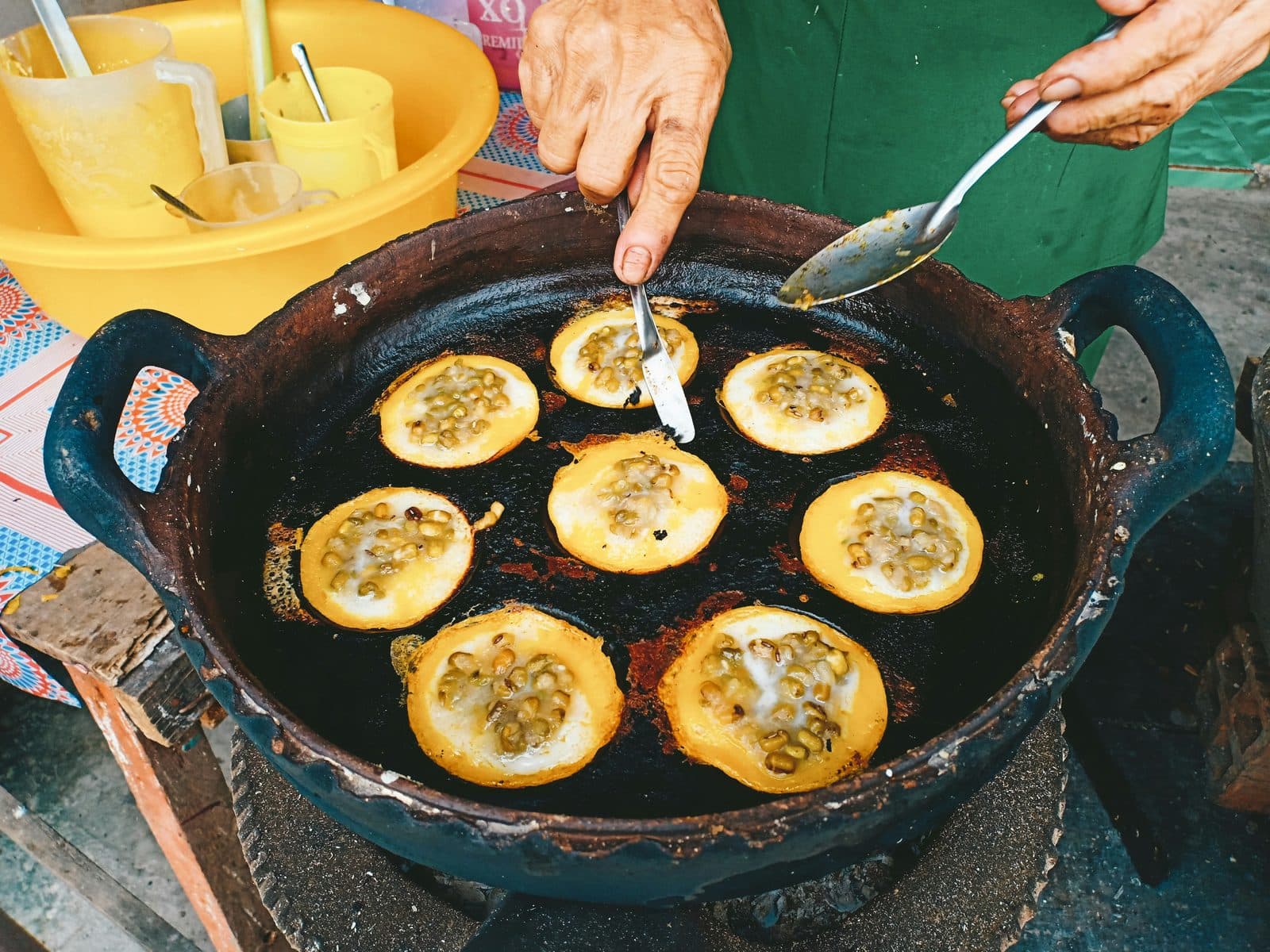
The Old Town is also the right place for your first proper Quito meal. Family restaurants and market counters around the plazas serve highland comfort food. See what to eat in Quito for the dishes worth ordering here, from creamy locro de papa to crispy llapingachos.
Midday: a high viewpoint over the basin
Hear a stop from this walk
Plaza de Santo Domingo: Sucre's Square
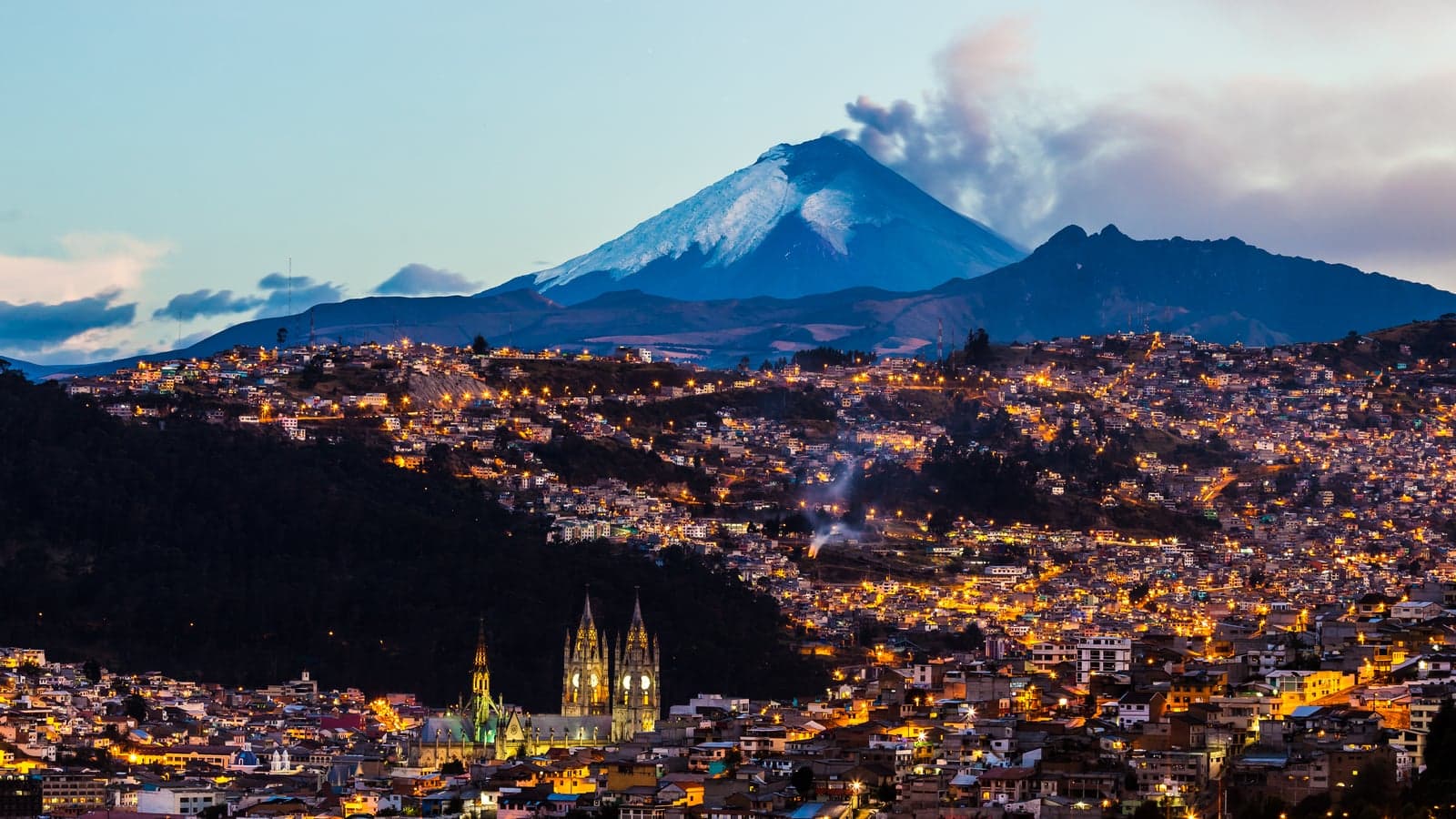
Quito runs in a long, narrow strip along the flank of the Pichincha volcano, and the best way to feel that geography is to get above it at midday, before the afternoon clouds gather.
You have two good options. El Panecillo, the loaf-shaped hill just south of the Old Town, is crowned by a giant aluminium statue of the Virgin and gives a sweeping view back over the colonial roofs (take a taxi up rather than walking the approach; it is not a stop on the Old Town tour, which shows you the statue from below). Or ride the TelefériQo cable car from the city's western edge up the Pichincha slope to about 4,100 metres, one of the highest cable-car rides in the world, for a view across the whole basin to the surrounding volcanoes on a clear day. Either way, go before early afternoon, when cloud often rolls in over the peaks. The story of the statue above the city is in the Virgin of El Panecillo companion piece.
Afternoon: La Mariscal and La Floresta, or Mitad del Mundo
Two ways to spend the afternoon, depending on your appetite.
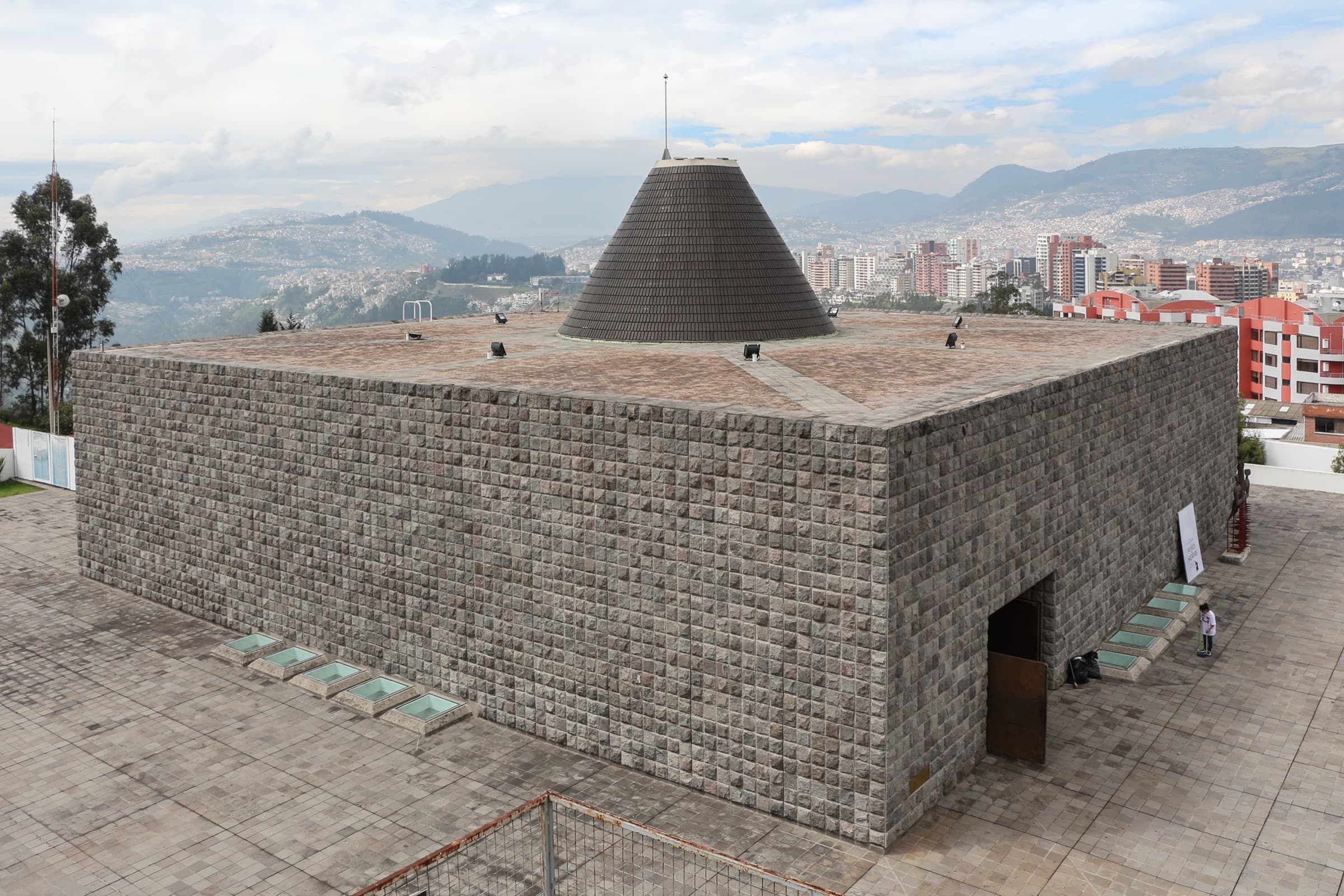
If you want to stay in the city, head north to the modern districts of La Mariscal and La Floresta, Quito's creative quarter of galleries, craft markets, chocolate workshops, and independent cinemas. Walk it with the La Mariscal and La Floresta: Quito Walks Out of Its Old Town self-guided tour, ten stops and about 3.5 kilometres from the Casa de la Cultura to the Plaza de la Floresta, which follows the city's 1920s garden suburb of villas and castles, the towers that replaced them, and the suburb that kept its scale. The hilltop Guayasamín museum and Capilla del Hombre are uphill from the end of the walk, too far to walk: take a taxi. Primers: the La Floresta neighborhood guide and the Guayasamín Foundation piece.
If instead you have come for the equator, this is the window for Mitad del Mundo, the monument at latitude 0 about 40 minutes north of the center by taxi or bus, where a 30-metre pillar marks the line the country is named for. It is a nearby half-day, not a same-afternoon add-on to a full Old-Town day, so plan it as an either-or.
Evening: La Ronda at dusk
Finish back in the Old Town at La Ronda, the narrow cobblestone lane that curves along the edge of a ravine the city filled in, at its best as the light fades and the lanterns come on. This is where the city gathers in the evening: artisan workshops, traditional sweet-makers, and cafes serving canelazo, the warm cinnamon-and-sugarcane drink that is exactly right at this altitude after dark. It is a walkable, well-visited lane that makes a fitting close to the day, and a good place to eat: order empanadas de viento, hornado, or a bowl of highland stew. See what to eat in Quito for the full list.
The one-day route at a glance
| Block | Where | Anchor tour |
|---|---|---|
| Morning | Plaza Grande, La Compañía, San Francisco | Old Town: The Way the Water Runs |
| Midday | El Panecillo or the TelefériQo viewpoint | (by taxi or cable car; not a tour stop) |
| Afternoon | La Mariscal and La Floresta, or Mitad del Mundo | La Mariscal and La Floresta: Quito Walks Out of Its Old Town |
| Evening | La Ronda, dinner and canelazo | (stop 10 of the Old Town tour) |
Plan the rest of your trip
One day covers the Old Town. For how many days Quito really deserves, how to handle the altitude, how to get around, and when to go, read the Quito travel guide. For every route in the city, see the best self-guided walking tours in Quito, or browse all Quito tours. Every tour is free to start: the introduction and first stop play in full, and every later stop plays a short preview before an optional purchase.
Frequently asked questions
- Can you see Quito in one day?
- You cannot see all of Quito in a day, but you can see its essential Old Town well. A focused day covers the colonial historic center, the Plaza Grande and its gilded churches, a high viewpoint like El Panecillo or the TelefériQo, and the cobbled lane of La Ronda at dusk. The equator monument at Mitad del Mundo sits about 40 minutes north of the center, so treat it as a separate half-day rather than squeezing it into the same afternoon.
- Is one day in Quito enough at high altitude?
- It can be, but pace it. Quito sits at about 2,850 metres, one of the highest capitals in the world, so if you have just flown in you may feel short of breath on the hills and stairs. Slow your walking, drink plenty of water, go easy on alcohol, and this Old-Town route stays comfortable. If you can, arrive a day early to acclimatize before a full day on foot.
- What is the best area to base a one-day visit to Quito?
- Base yourself in or beside the historic center (Old Town) so the whole day is on foot. The colonial core holds the highest concentration of famous churches, plazas, and lanes, and La Ronda sits right at its southern edge. La Mariscal and La Floresta to the north are the modern, cafe-and-gallery districts and make a good alternative base a short taxi ride away.
- Do I need to book anything in advance for one day in Quito?
- Most of this route needs no booking: the plazas, streets, and La Ronda are open to walk up to, though the major churches (La Compañía, San Francisco, the Basílica) charge a small entrance fee. The TelefériQo cable car and Mitad del Mundo also sell tickets on arrival. The self-guided audio tours that anchor each block are free to start and can be downloaded in advance, so the history walks with you even where there is no signal.
Ready to experience it?
Old Town: The Way the Water Runs
100 min · 2.3 km · moderate
More from Quito
Explore more at your own pace.
Best Self-Guided Walking Tours in Quito (2026)
How Quito's Old Town Kept Its Shape: A Grid Laid on a Mountain
Quito Travel Guide: Altitude, How Many Days, Getting Around, Safety (2026)
What to Eat in Quito: An Ecuadorian Highland Food Guide (2026)
Guayasamín's Foundation: The Hill Where Ecuador's Modern Art Lives