Old Town: The Way the Water Runs
100 min · 2.3 km · moderate
Quito food is Andean highland food, and you can taste the geography in it. This is cooking built for altitude and cool mountain air: hearty, potato-and-pork-heavy, warming, and cheap. The Sierra kitchen gives it its backbone (locro, hornado, llapingachos, fritada), while the coast a few hours down the mountains lends its ceviche and its tuna soups, and the equator's endless fruit fills the juice stands. Eat well in Quito and you are really eating the highlands, and it pairs naturally with a slow walk on one of our Quito self-guided tours.
The dishes to seek out
Locro de papa. The comfort dish of the Ecuadorian Andes: a thick, creamy potato soup enriched with cheese and often a touch of achiote for colour, served topped with slices of avocado and more crumbled cheese. Warming, filling, and exactly what the altitude asks for. This is the first thing to order.
Hornado. Whole pig marinated in garlic and cumin and slow-roasted until the meat is tender and the skin crackles, then carved to order at market counters. It usually comes with llapingachos, mote (hominy corn), and a fresh curtido of pickled onion and tomato. The markets are the place to eat it.
Llapingachos. Golden potato patties stuffed with cheese and griddled crisp, served with a peanut sauce, a fried egg, avocado, and often chorizo. A dish on their own or the standard side to hornado and fritada.
Fritada. The other great highland pork dish: pork simmered then fried in its own fat until crisp, plated with mote corn, fried plantain, and potato. Rich, rustic, and everywhere in the Sierra.
Encebollado and ceviche. From the coast, but eaten across Quito: encebollado is a tuna-and-yuca soup topped with pickled red onion, often called Ecuador's national dish and famously a morning cure. Ecuadorian ceviche runs looser and soupier than its Peruvian cousin, with shrimp a local favourite. Both are a bright counterpoint to the heavy highland plates.
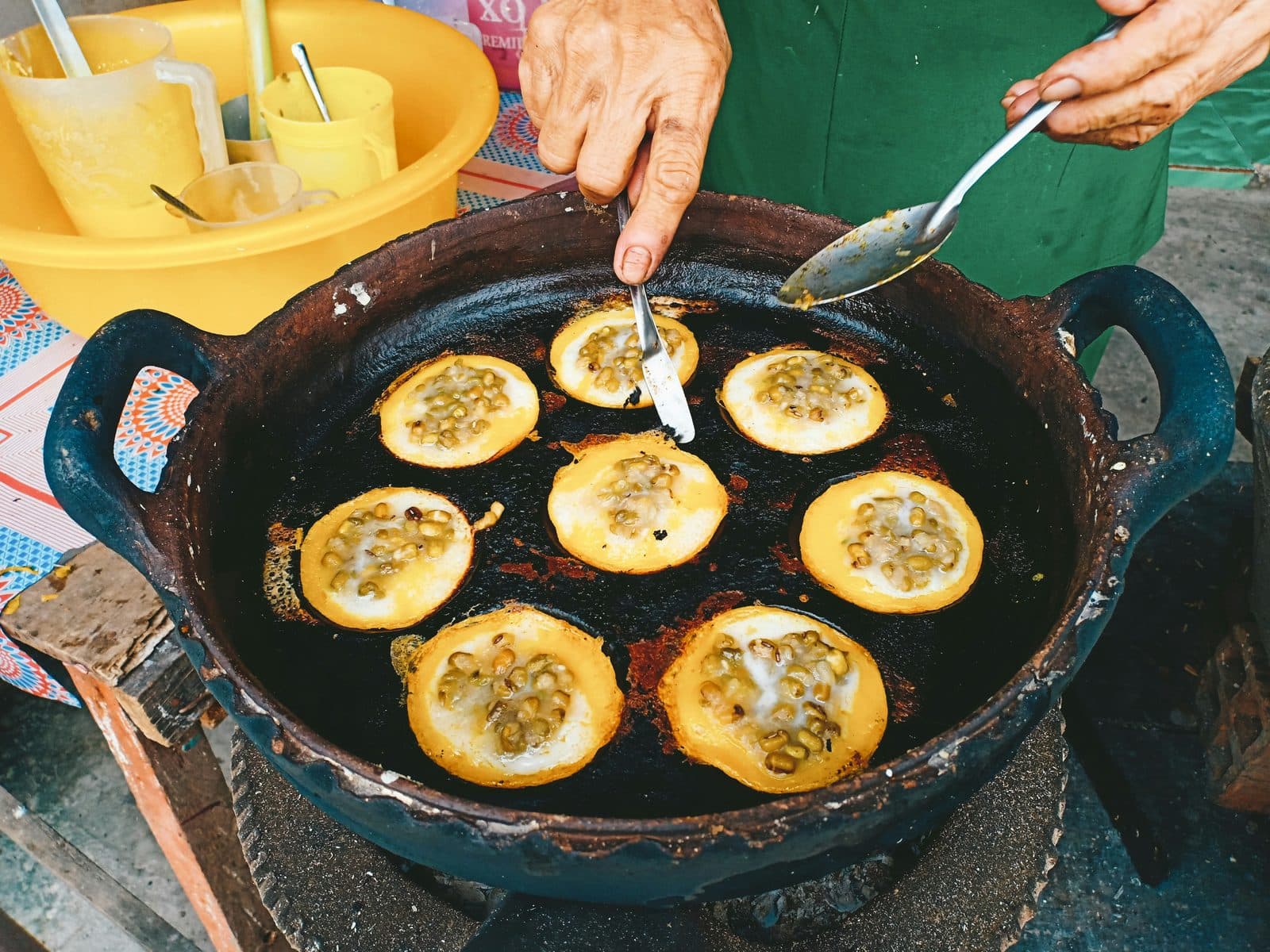
Empanadas de viento. "Wind empanadas," large and puffy, filled with cheese, fried until they balloon, and dusted with sugar. The classic street and market snack, best eaten hot.
Canelazo. Not food but essential: a warm punch of cinnamon, naranjilla or sugarcane, and a shot of aguardiente (sugarcane spirit), the drink of choice on a cool Quito evening at altitude. La Ronda is the place to have one.
Where the food culture lives
Hear a stop from this walk
Plaza de Santo Domingo: Sucre's Square
The old markets. For the most honest and affordable food in Quito, eat where the city eats: the historic market halls such as the Mercado Central and the Mercado de San Francisco near the Old Town. Their counters serve hornado, locro, seco de pollo, and fresh-fruit juices for a few dollars, and it is the single best way to graze through the highland table.
La Ronda, for the evening. The cobbled colonial lane that comes alive at dusk is the place for canelazo, empanadas, and traditional sweet-makers. The Old Town: The Way the Water Runs walk passes through La Ronda by day, near its end; come back after dark for the music. The Quito UNESCO piece explains the streets you are eating in.
La Mariscal and La Floresta, for range. The modern creative quarter adds cafes, chocolate workshops, independent bakeries, and a broader spread of restaurants, including the vegetarian and international options that are harder to find in the colonial core. Walk it with the La Mariscal and La Floresta tour, and read the La Floresta neighborhood guide for the district's food-and-art character.
A word on Ecuadorian chocolate and coffee. Ecuador grows some of the world's finest cacao, and Quito's craft chocolate shops (many in La Mariscal and La Floresta) are worth a stop, as are its third-wave coffee bars, since Ecuador is a coffee-growing country too.
Eat as you walk
The best way to work through this list is on foot, one district at a time. Pair a morning of colonial churches in the Old Town with a market lunch of hornado and locro, an afternoon in La Mariscal with a chocolate stop, and an evening in La Ronda with empanadas and canelazo. Route your day with the one day in Quito itinerary, plan the practical side (including the altitude) with the Quito travel guide, and browse all Quito tours. Every tour is free to start: the introduction and first stop play in full, and every later stop plays a short preview before an optional purchase.
Frequently asked questions
- What food is Quito known for?
- Quito is known for Ecuadorian highland (Sierra) cooking, built around potatoes, corn, and pork. The signature dishes are locro de papa (a creamy cheese-and-potato soup), hornado (slow-roasted whole pig), llapingachos (cheese-stuffed potato patties), and fritada (fried pork with hominy corn). To drink, canelazo, a warm cinnamon and sugarcane-spirit punch, is the classic highland comfort at altitude. From the coast you will also find encebollado, the tuna-and-yuca soup often called Ecuador national dish, and fresh ceviche.
- What should a first-timer eat in Quito?
- Start with a bowl of locro de papa topped with avocado and cheese, then a plate of hornado or fritada with llapingachos on the side. Snack on empanadas de viento (airy, sugar-dusted cheese empanadas) from a market stall, and finish an evening in La Ronda with a warm canelazo. That sequence covers the core of the highland table in a single day.
- Where should you eat in Quito?
- For the most authentic and affordable food, eat where locals do: the old market halls like Mercado Central and Mercado de San Francisco, where counters serve hornado, locro, and fresh juices for a few dollars. La Ronda, the cobbled lane in the Old Town, is the place for evening canelazo, empanadas, and traditional sweets. The modern La Mariscal and La Floresta districts add cafes, chocolate shops, and a wider range of restaurants.
- Is Quito good for vegetarians?
- It takes a little navigating, since highland classics are pork-heavy, but Quito works well for vegetarians. Locro de papa, llapingachos, empanadas de viento, cheese-and-corn snacks like humitas and quimbolitos, avocado, and the huge variety of Andean potatoes and fresh-fruit juices give you plenty. The markets and the La Mariscal and La Floresta cafes are the easiest places to find vegetable-forward and vegan options.
Ready to experience it?
Old Town: The Way the Water Runs
100 min · 2.3 km · moderate
More from Quito
Explore more at your own pace.
Best Self-Guided Walking Tours in Quito (2026)
How Quito's Old Town Kept Its Shape: A Grid Laid on a Mountain
One Day in Quito: A Walkable Old-Town Itinerary (2026)
Quito Travel Guide: Altitude, How Many Days, Getting Around, Safety (2026)
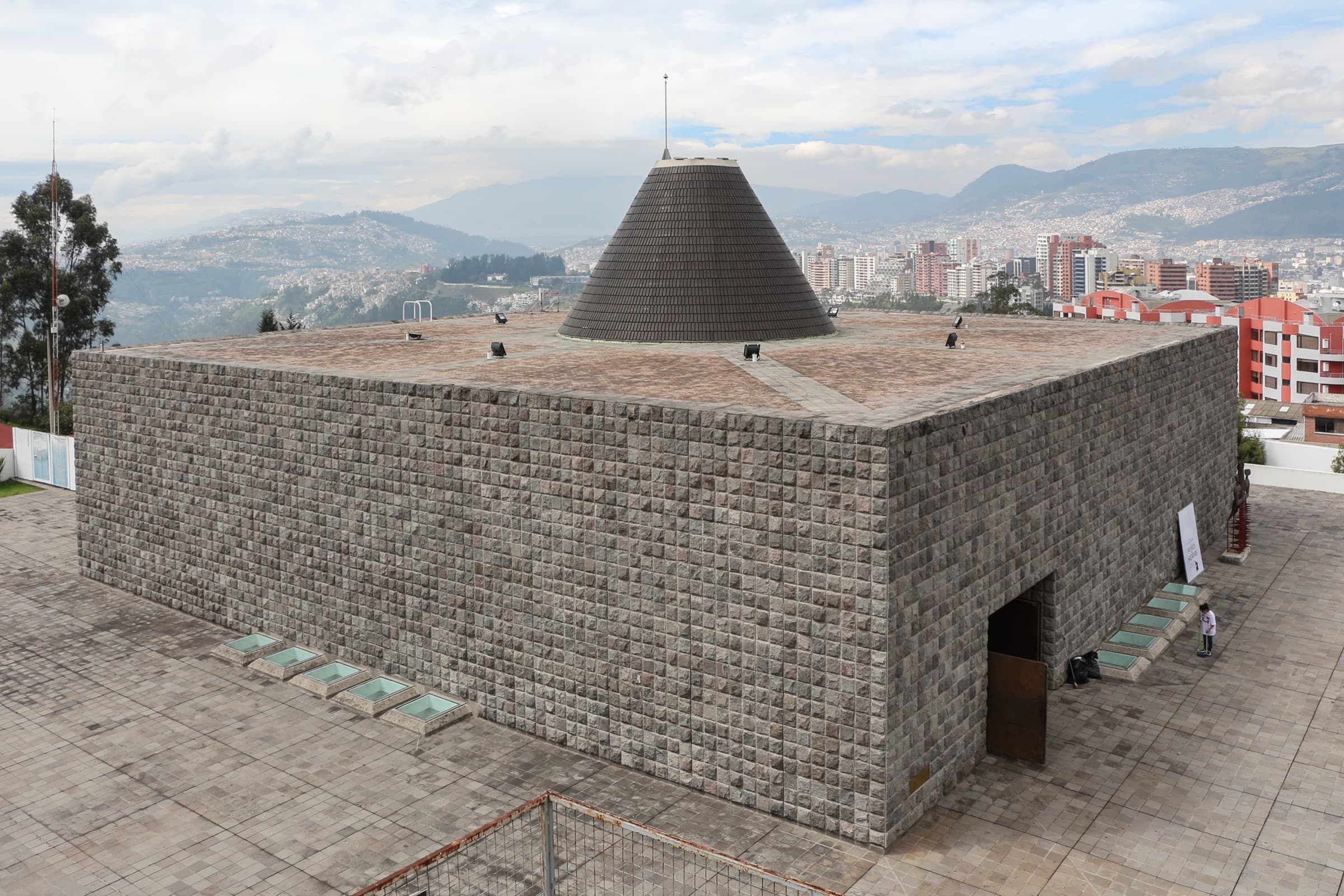
Guayasamín's Foundation: The Hill Where Ecuador's Modern Art Lives