Old Town: The Way the Water Runs
100 min · 2.3 km · moderate
Quito rewards planning more than most capitals, and for one reason above all: altitude. At about 2,850 metres it is one of the highest capital cities on earth and the closest to the equator, so acclimatizing comes before sightseeing. Get the altitude, the days, the transport, and the safety picture right, and Quito is one of the most walkable and rewarding cities in South America. This guide answers the practical questions travelers actually search, answer first, then the detail.
The altitude: read this first
Quito sits at roughly 2,850 metres (9,350 feet), high enough that most visitors notice it. On your first day you may feel short of breath on the church stairs and hills, a mild headache, or unusual tiredness. It is normally harmless and eases within a day or two as your body adjusts, but it is the single thing that shapes how you should plan Quito.
- Slow your first day. Do the flat, walkable Old Town before any strenuous climbs. Our one day in Quito itinerary is deliberately gentle for exactly this reason.
- Hydrate, and go easy on alcohol for the first 48 hours. Both make altitude effects worse.
- Arrive a day early if you can, especially before any high-altitude day trips.
- Locals swear by coca or chamomile tea and canelazo, the warm cinnamon drink, as evening comfort at altitude.
Anyone with a heart or lung condition should check with a doctor before travelling. For most healthy travelers, a measured pace is all it takes.
How many days do you need in Quito?
Hear a stop from this walk
Plaza de Santo Domingo: Sucre's Square
Short answer: two to three days for most people.
- 1 day covers the essential Old Town if you are only passing through on the way to the Galápagos. Follow the focused one day in Quito route.
- 2 days adds a viewpoint like the TelefériQo cable car, the equator at Mitad del Mundo, and the modern La Mariscal and La Floresta districts, without rushing.
- 3 days gives you room to move slowly for the altitude and add an Andes day trip, the Cotopaxi volcano or the Otavalo craft market, at an unhurried pace.
Getting around Quito
The Old Town is compact and a joy on foot, which is how our self-guided Quito tours are built. Between districts you combine walking with transit:
- Metro. Quito's first Metro line opened in December 2023, running north-south beneath the city with 15 stations from Quitumbe in the south to El Labrador in the north. Fast, modern, and cheap.
- Bus rapid transit. Two trunk corridors run the length of the city: the green Trolebús along Avenida 10 de Agosto (through the edge of the Old Town) and the red Ecovía along Avenida 6 de Diciembre. Rides are around 35 cents.
- Ride apps and taxis. For door-to-door trips and anything after dark, use Uber, Cabify, or InDriver, or have your hotel call a registered taxi, rather than hailing on the street.
- A pickpocket note. The Trolebús and Ecovía get crowded, and that is where the most common tourist crime, pickpocketing, happens. Keep bags in front of you and phones out of sight.
Best time to visit Quito
Sitting almost on the equator, Quito has spring-like weather year-round rather than four seasons: mild days of roughly 15 to 20°C and cool nights in every month. What changes is rain.
- Drier season (June to September). The sunniest, clearest stretch, best for volcano views and comfortable walking, and the peak visitor window. June is often singled out as the sweet spot.
- Wettest months (March and April). More frequent, heavier afternoon rain.
In any season, mornings are the most reliable window because afternoons tend to cloud over and shower. Pack a light layer for the cool and a rain shell for the wet, whenever you come.
Is Quito safe?
Quito is generally safe to visit with normal city precautions, and the main tourist zones, the Old Town, La Mariscal, and La Floresta, are patrolled daily. The realistic risk is petty theft rather than violence:
- Pickpocketing on crowded buses (the Trolebús and Ecovía) and in busy plazas.
- Opportunistic theft on quiet streets after dark, including the Old Town's own blocks once the daytime crowds thin.
Sensible habits cover most of it: explore the Old Town and La Ronda by day and early evening when they are lively and policed, use ride apps instead of street taxis at night, keep valuables out of sight, and don't wander empty streets late. Ecuador's national security picture has shifted in recent years and is uneven by region, so check your government's travel advisory before you go for the current picture.
Quito as a gateway
Many travelers meet Quito as a stopover, and it is a good one.
- The Galápagos. Every flight to the islands departs from mainland Ecuador (Quito or Guayaquil), takes about two and a half hours, and usually routes through Guayaquil. An overnight in Quito to walk the Old Town and stand on the equator is the natural bookend to an island trip.
- The Andes. Quito is the base for the northern highlands: the Cotopaxi volcano, the Quilotoa crater lake, and the Otavalo craft market are all within day-trip or overnight reach. Buses run from Quito's northern terminal, Carcelén, to Otavalo in roughly two hours, and the Plaza de los Ponchos: The Market That Keeps Moving self-guided walk follows the market through the town in eight stops.
Money and budget
Ecuador uses the US dollar as its official currency, so travelers from the United States need no exchange and everyone else simply withdraws dollars from ATMs. Carry small bills ($1, $5, $10, $20), because change for large notes can be hard to come by. Quito is inexpensive by international standards: a set local lunch runs a few dollars, transit is cents, and self-guided audio tours are free to start on Roamer, so you get expert narration without hiring a guide.
Start planning your walk
Ready to route your days? Read our one day in Quito itinerary, see what to eat in Quito, browse the best self-guided walking tours in Quito, or see all Quito tours. Every tour is free to start: the introduction and first stop play in full, and every later stop plays a short preview before an optional purchase. Tours can also be downloaded in advance for offline listening.
Frequently asked questions
- How high is Quito and will the altitude affect me?
- Quito sits at about 2,850 metres (9,350 feet), which makes it one of the highest capital cities in the world and the closest capital to the equator. That altitude is high enough that many visitors feel mild effects on arrival: shortness of breath on hills and stairs, a headache, or fatigue. It is usually mild and passes as you acclimatize. Give yourself a slower first day, drink plenty of water, go easy on alcohol, and if you can, arrive a day or two before any strenuous plans. Anyone with heart or lung conditions should check with a doctor before travelling.
- How many days do you need in Quito?
- Two to three days is the sweet spot for most travelers. One day covers the essential Old Town if you are passing through on the way to the Galápagos. Two days lets you add a viewpoint like the TelefériQo, the equator at Mitad del Mundo, and the modern La Mariscal and La Floresta districts without rushing. Three days gives you room to slow down for the altitude and add a day trip to the Andes, such as the Cotopaxi volcano or the Otavalo market, at an unhurried pace.
- How do you get around Quito?
- The Old Town is compact and best explored on foot, which is how our self-guided tours are built. Between districts, Quito has a Metro (Line 1 opened in December 2023, running north-south under the city with 15 stations) plus two bus rapid-transit corridors, the green Trolebús along Avenida 10 de Agosto and the red Ecovía along Avenida 6 de Diciembre, each around 35 cents a ride. For door-to-door and after dark, use ride apps like Uber, Cabify, or InDriver, or have your hotel call a registered taxi, rather than hailing a cab on the street. Watch your belongings on the crowded Trolebús and Ecovía, where pickpocketing is the most common tourist crime.
- What is the best time to visit Quito?
- Because Quito sits almost on the equator, it has spring-like weather all year rather than four seasons: mild days around 15 to 20°C and cool nights, whatever the month. What changes is rainfall. The drier, sunnier season runs roughly June to September, the best stretch for clear volcano views and comfortable walking. March and April are the wettest months. Afternoons often cloud over and see a shower year-round, so mornings are the reliable window for viewpoints, and a light layer plus a rain shell serve you in any season.
- Is Quito safe for tourists?
- Quito is generally safe to visit with normal city precautions, and the main tourist zones (the Old Town, La Mariscal, La Floresta) are patrolled daily. The realistic risk is petty theft, not violence: pickpocketing on crowded buses and in busy plazas, and opportunistic theft on quiet streets after dark. Explore the Old Town and La Ronda by day and early evening when they are lively and policed, use ride apps rather than street taxis at night, keep valuables out of sight, and check your government travel advisory before you go, as conditions in Ecuador have shifted in recent years. La Ronda is one of the better-lit lanes for an evening stroll.
- Is Quito a good gateway to the Galápagos and the Andes?
- Yes, and it is the reason many people pass through. All flights to the Galápagos leave from mainland Ecuador (Quito or Guayaquil), taking about two and a half hours and usually stopping in Guayaquil, so an overnight in Quito to see the Old Town and the equator is a natural bookend to an island trip. Quito is also the base for the northern Andes: the Cotopaxi volcano, the Quilotoa crater lake, and the Otavalo craft market are all day-trip or overnight distance.
- What currency does Quito use and how much does it cost?
- Ecuador uses the US dollar as its official currency, so travelers from the United States need no exchange, and everyone else simply withdraws dollars from ATMs. Carry small bills ($1, $5, $10, $20), as change for large notes can be scarce. Quito is inexpensive by international standards: a hearty local lunch (an almuerzo) runs a few dollars, bus rides are cents, and the biggest costs are usually onward flights to the Galápagos, not the city itself.
Ready to experience it?
Old Town: The Way the Water Runs
100 min · 2.3 km · moderate
More from Quito
Explore more at your own pace.
Best Self-Guided Walking Tours in Quito (2026)
How Quito's Old Town Kept Its Shape: A Grid Laid on a Mountain
One Day in Quito: A Walkable Old-Town Itinerary (2026)
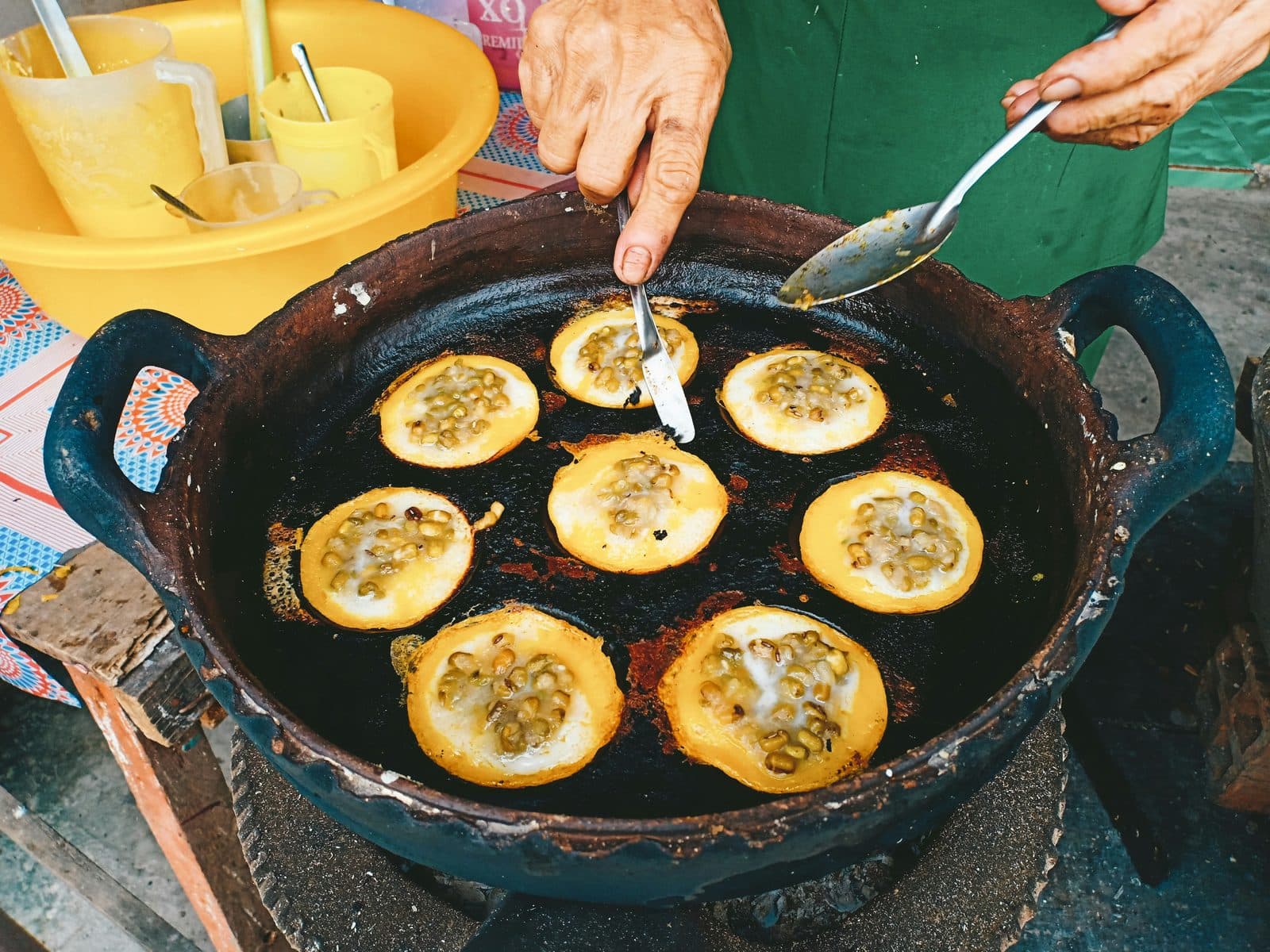
What to Eat in Quito: An Ecuadorian Highland Food Guide (2026)
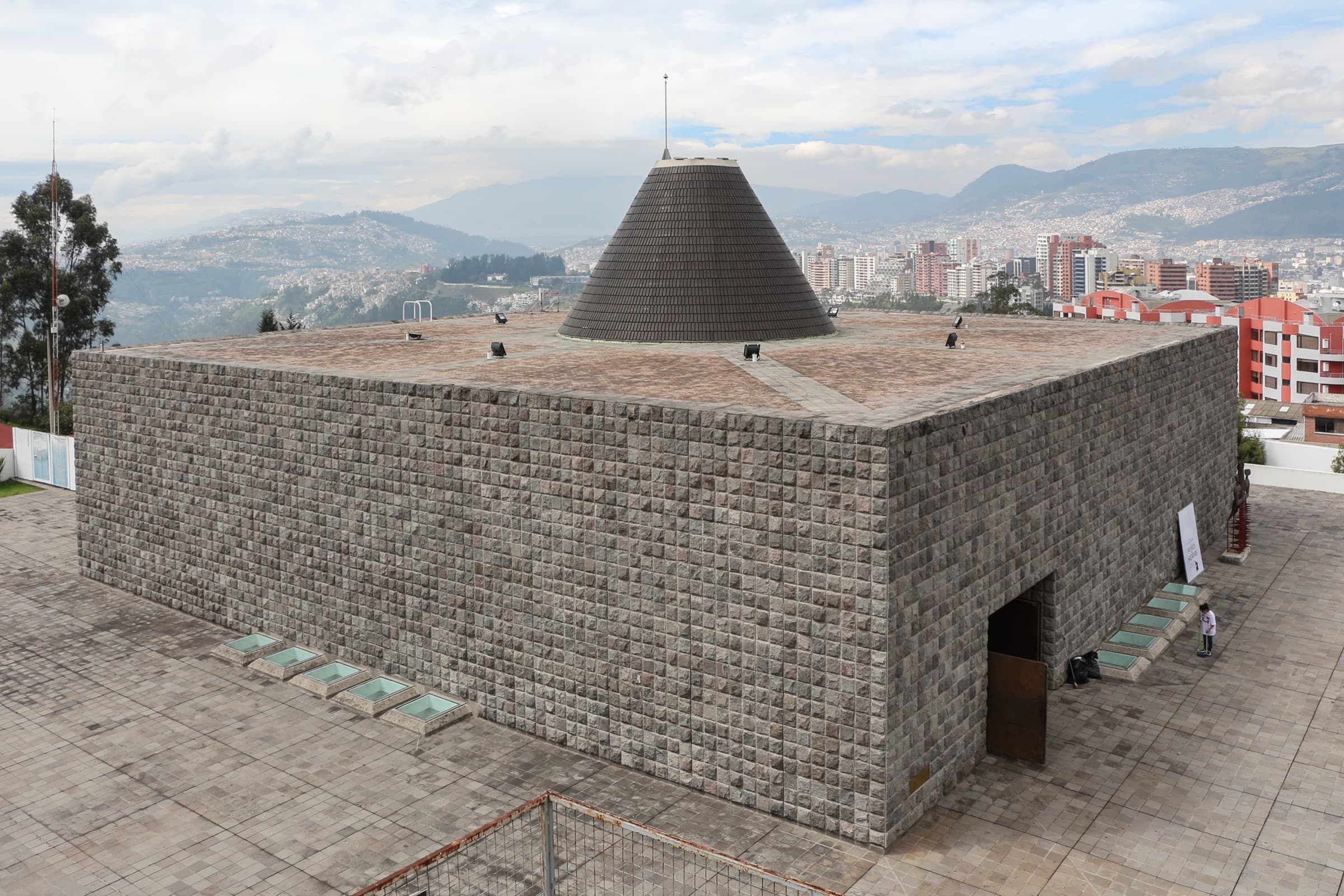
Guayasamín's Foundation: The Hill Where Ecuador's Modern Art Lives